
Reviewed · HAKONE DAY TRIPS
Custom Private Tour in Hakone with a Certified Local Guide
Hakone is at its best when you can adjust the day to the weather, your walking pace, and your interests. This private seven-hour tour gives you a local guide and a flexible route through Owakudani, Lake Ashi, Hakone Shrine, and a family-run tea house that has welcomed travelers for 400 years.
I like the personal attention, especially guides such as Hiroko, Koto, and Shin, who have been praised for explaining local customs and adapting the day for families. I also like the blend of famous sights and quieter cultural stops, from the cedar avenue to Amazake Tea House. The main drawback is cost: at $300 per person, the value depends on your group size and how much you want a guide to handle the day.
In This Review
- Key points to know before booking
- Why a private Hakone day can be worth the price
- Starting at Hakone-Yumoto at 9:00 a.m.
- Owakudani, Hakone’s steaming volcanic valley
- Lake Ashi and the 30-minute sightseeing cruise
- The cedar avenue and Onshi Hakone Park
- Hakone Shrine and the red torii in the water
- Tea and tradition at Amazake Tea House
- Optional ropeway, onsen, and other choices
- How the guides shape the experience
- Weather, walking, and practical limits
- Who should book this Hakone tour?
- Should you book it?
- FAQ
- Where does the tour start?
- How long does the tour last?
- Is the tour private?
- Is lunch included?
- Are the ropeway and onsen included?
- Are transportation costs included?
- What happens if the weather is poor?
Key points to know before booking
- A private guide shapes the day around you, with a maximum of eight people in your group.
- The 400-year-old Amazake Tea House provides a more personal cultural stop than a quick drink at a modern café.
- Owakudani and the Hakone Ropeway bring volcanic scenery and possible views of Mount Fuji, weather permitting.
- Lake Ashi can be explored by sightseeing cruise, though the cruise and ropeway may involve extra admission costs.
- The tour includes lunch and tea-house beverages, but private transportation, local bus fares, and the Hakone Freepass are not included.
- Rain does not automatically ruin the day, since guides have adjusted routes and found sheltered places during poor weather.
Why a private Hakone day can be worth the price
Hakone covers a wide area, and its sights are linked by trains, buses, boats, cable cars, and ropeways. That sounds appealing until you are trying to connect them on a busy day with limited time. A private guide can make the day less about reading transport signs and more about understanding what you are seeing.
The guide is the main product here. You are not simply paying for admission to a shrine or a boat. You are paying for local planning, explanations, and the ability to change the order of stops when clouds, rain, crowds, or your own energy level call for it.
The tour costs $300 per person, so it is not a budget outing for one person or a couple. For a larger private group of up to eight, the per-person value improves. The price also makes more sense if you want lunch, cultural interpretation, and help connecting several parts of Hakone in one day.
Still, check the exact inclusions before you reserve. The tour information includes pickup and drop-off from Hakone or Odawara, while the included and excluded details say private transportation is not included. Local bus fares and the Hakone Freepass are also extra. Ask how your pickup will work and which transport costs you will pay during the day.
A few more Hakone tours and experiences worth a look
Starting at Hakone-Yumoto at 9:00 a.m.
The published meeting point is Hakone-Yumoto Station, with a 9:00 a.m. start. The tour ends back at the meeting point. Hotel or railway pickup is offered from Hakone or Odawara, but confirm the precise arrangement when booking because private transport is listed separately as an extra.
Starting in the morning gives you a useful full day, but seven hours passes quickly. Hakone’s transport connections can take time, and the route includes several major stops. If you want the ropeway, sightseeing cruise, shrine, tea house, lunch, and every scenic stop listed, expect a full schedule rather than a leisurely wander.
Your guide can help decide what deserves more time. A family with children may want shorter walks and more storytelling. A couple focused on photography may prefer to wait for a clearer view at Lake Ashi. Someone interested in Japanese religion may want longer at Hakone Shrine and less time on the boat.
Owakudani, Hakone’s steaming volcanic valley
Owakudani is one of Hakone’s most unusual sights. Smoke rises from the mountainsides, creating a stark, almost otherworldly scene. The area’s former name, Hell Valley, gives you a good idea of its mood.
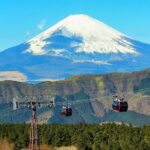
The stop lasts about one hour, and admission is not included. If the ropeway option is selected, you ride above this volcanic area rather than simply approaching it by road or bus. The ropeway also offers views toward Lake Ashi and Mount Fuji when the weather cooperates.
That last condition matters. Mount Fuji is not guaranteed, even on a clear-looking morning. Clouds can settle around the mountain, and poor weather can affect ropeway operations or visibility. I would treat Fuji as a welcome bonus, not the reason to book the entire tour.
Owakudani is a strong choice for anyone who wants something beyond temples and gardens. The steam, dark rock, and mountain air give Hakone a geological character. Wear shoes suited to walking and keep your expectations flexible if weather changes the route.
Lake Ashi and the 30-minute sightseeing cruise
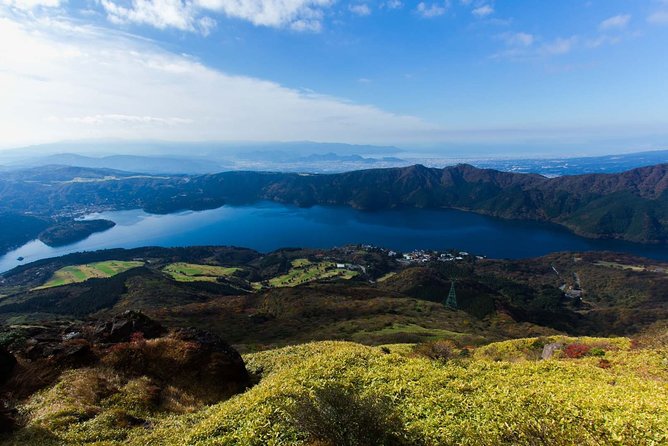
Lake Ashi is framed by mountains and is one of Hakone’s signature views. A sightseeing cruise connects Hakonemachi-ko, Motohakone-ko, and Togendai-ko, using ships with different pirate-ship designs.
The cruise listed for this experience lasts about 30 minutes, and the admission ticket is not included. That means you should budget for the fare and confirm whether the boat fits the selected route and timing on your date.
The cruise is a pleasant way to rest your feet after walking. It also gives you a different angle on the lake, the surrounding mountains, and, on a clear day, the possibility of seeing Mount Fuji. It is less useful if you are hoping for a long, quiet boat ride. Thirty minutes is enough for scenery, not a major activity on its own.
I like this part of the day because it connects naturally with Hakone Shrine and the old road at Hakone-machi. Your guide can explain how the lake, road, shrine, and transport routes fit together instead of leaving them as separate photo stops.
The cedar avenue and Onshi Hakone Park
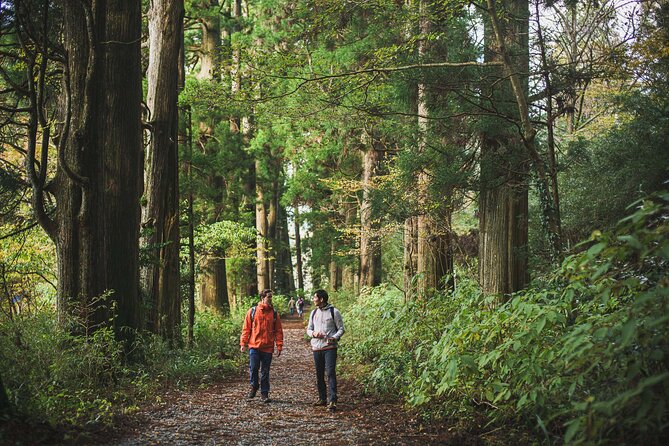
At Hakone-machi, you walk along an avenue of 400-year-old cedar trees. This route formed part of the historic Tokaido road, which connected Tokyo and Kyoto during the 17th century.
The cedar avenue takes about 20 minutes and is free. It is not a grand attraction in the usual sense, but it gives the day a slower rhythm. The trees help you picture the difficulty of long-distance travel before trains, buses, and ropeways made Hakone easy to reach.
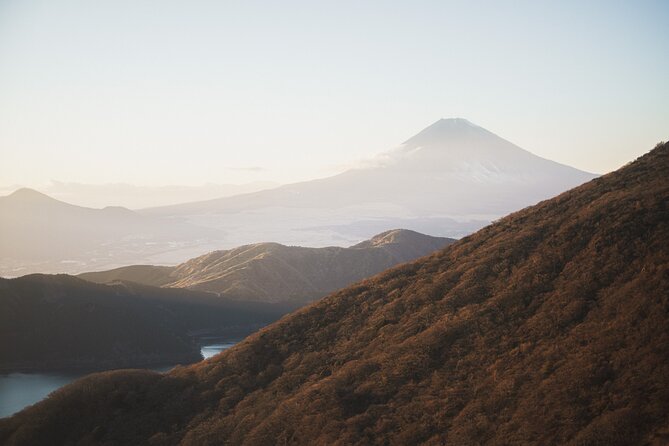
Onshi Hakone Park adds about an hour and is also free. The grounds once served as a summer retreat for the Japanese imperial family around 150 years ago. From the park, you can look across Lake Ashi toward Mount Fuji when the sky is clear.
This is a good place to understand the difference between a guided visit and a checklist tour. A guide can explain why this particular stretch mattered, what the old road meant, and how the park fits into Hakone’s role as a retreat. If the weather blocks the Fuji view, the park is still a worthwhile walk, but it will not deliver the postcard scene you may have imagined.
Other guided tours in Hakone
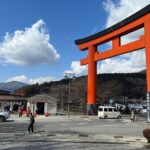
Hakone Shrine and the red torii in the water
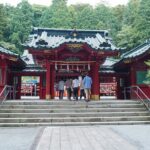
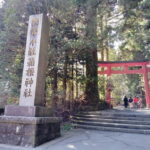
Hakone Shrine is one of the day’s central cultural stops. The shrine is described as more than 1,200 years old, and the guide explains Shinto beliefs along with the shrine’s effect on local culture and history.
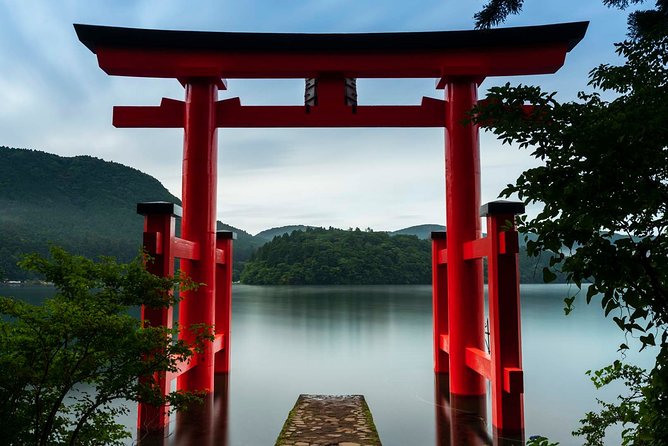
The famous red torii gate in the water is the visual highlight. It is a popular photo point, so your guide can help you understand the site rather than treating it as a background for a quick picture.
The stop lasts about an hour and admission is free. That hour should give you time to see the shrine area, listen to the explanation, and absorb the setting near the lake. Depending on the route and crowd levels, some walking may be involved, so tell your guide early if stairs or long walks are difficult for anyone in your group.
Families can get extra value here. Koto, one of the guides associated with this experience, has been praised for explaining cultural stories in a way that worked well for children. That is useful in Hakone, where a shrine can otherwise become just another red gate and wooden building to a young visitor.
Tea and tradition at Amazake Tea House
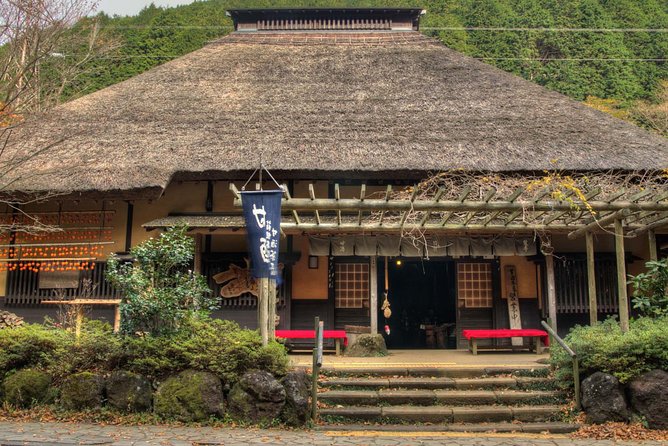
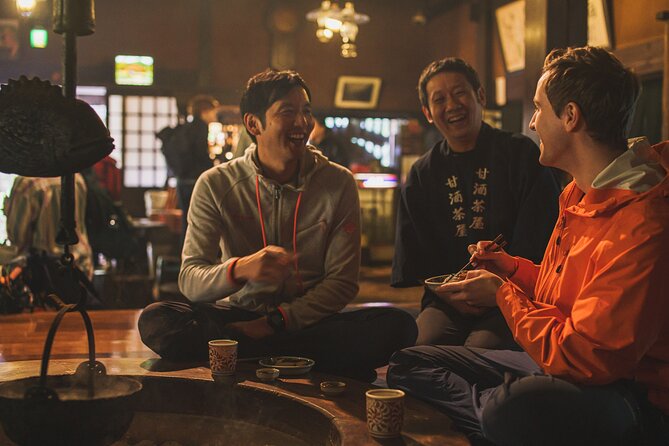
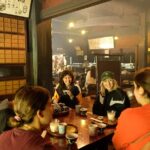
Amazake Tea House may be the most distinctive stop of the day. The same family has operated it for 400 years and 13 generations. It served as a rest point for people making the long journey along the old road.
The visit lasts about 30 minutes, and a beverage is included. The house is known for amazake, a traditional sweet drink. The experience is not a formal tea ceremony. It is a chance to sit in an old-fashioned setting, taste a local drink, and connect the present-day tour with the road’s earlier travelers.
This stop gives the private tour much of its character. Owakudani, Lake Ashi, and the torii gate are well-known Hakone sights. A family tea house offers something more grounded and personal.
One guide, Koto, has even welcomed couples to a tea house connected with her family. That kind of local connection may not be part of every booking, so do not assume you will meet a guide’s relatives. Still, the guides clearly place importance on family traditions and personal stories, which adds warmth to the cultural side of the day.
Optional ropeway, onsen, and other choices
The ropeway and private hot spring are optional selections made when booking. The route also includes a Lake Ashi sightseeing cruise, but admission for that cruise is listed as extra. Read the booking choices carefully so you know which parts are included in your price.
A riverside onsen can be added for a soak in an open-air hot spring. One guide described the onsen as the best part of a particularly enjoyable Hakone day, which makes sense if you want to end with relaxation rather than another sightseeing stop.
An onsen requires comfort with Japanese bathing customs. The supplied information does not spell out the bathing procedure, so ask the provider what to bring, whether towels are supplied, and how much time the soak takes. The key point is that it is optional, not a required part of the standard day.
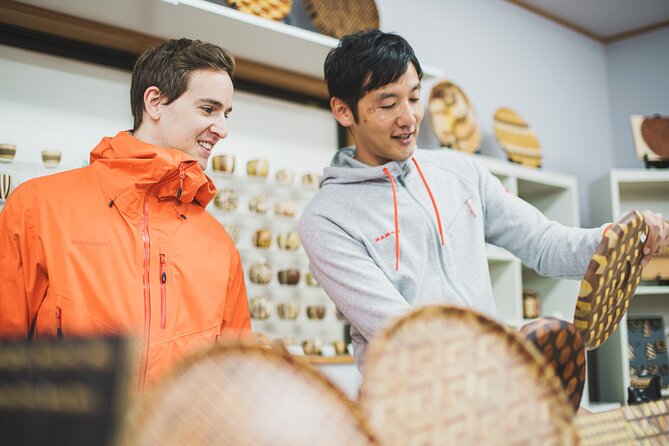
The broader tour description also mentions a traditional kominka house and the Hakone Yosegi Zaiku crafts village as possible sights. The exact route is customizable, so ask your guide which of these can replace or fit alongside the listed stops. You should not assume every possible attraction will be included in seven hours.
How the guides shape the experience
The strongest reason to choose this tour is the guide. Hiroko has been praised for handling bad weather, explaining logistics clearly, and finding sheltered places when rain made outdoor sightseeing difficult. That matters in Hakone, where mist and rain can change the feel of the mountains in minutes.
Koto brings a family-friendly approach and a clear interest in cultural stories. She has guided children and helped families connect Hakone’s sights with Japanese customs. Shin has been praised for listening closely to what a group wanted, choosing a good lunch spot, and favoring walking over excessive bus travel.
You may not receive a particular guide, so treat these names as examples of the guiding style rather than a guarantee. The important question is whether you want a person who can adjust the day. Tell the provider your interests, walking ability, food preferences, and must-see sights before you arrive.
The tour includes lunch, but the specific restaurant and menu are not fixed in the information provided. One described lunch included soba, udon, and tempura. That gives you a useful clue about the sort of meal possible, but you should still ask about dietary needs in advance.
Weather, walking, and practical limits
Hakone is a weather-sensitive destination. Mount Fuji may disappear behind clouds, lake views may turn gray, and outdoor stops may become less comfortable. The experience requires good weather, and if the provider cancels because of poor conditions, you will be offered another date or a full refund.
That policy does not mean every rainy day cancels the tour. Guides have adjusted routes during bad weather and found places where groups could stay dry. Even so, you should pack for changeable conditions and accept that the most famous views may not appear.
Most people can participate, and children must be accompanied by an adult. The information does not provide detailed accessibility notes, so ask about stairs, walking distances, ropeway access, and shrine approaches if anyone in your group has mobility concerns.
The tour is private, with only your group participating, and bookings are limited to eight people. That is a major advantage over a large coach outing. You can ask questions without holding up a busload of people, and your guide can change the pace when needed.
The cancellation rule is strict. The experience is non-refundable and cannot be changed for any reason once booked, except when the provider cancels because of poor weather. I would not reserve it until your Hakone plans are firm.
Who should book this Hakone tour?
I would recommend it to first-time visitors who want to combine Hakone’s major sights with local context. It is also a good match for families, couples marking a special occasion, and small groups that would rather have one guide than solve a complicated transport day alone.
You will get the most from it if you enjoy conversation, history, food, and cultural explanation. The day is not designed as a single thrill ride. Its appeal comes from moving between volcanic scenery, lake views, a shrine, an old road, lunch, and a traditional tea house.
I would be more cautious if you have already spent a full day seeing Hakone’s main sights. One person found the experience less interesting after taking another half-day tour first. That is a fair warning: the tour is strongest as a carefully shaped full day, not necessarily as a second pass over the same attractions.
Should you book it?
Book this tour if you value a flexible private day and want Hakone explained by someone from the area. The certified guide, tea-house visit, lunch, and ability to adjust the route give it more substance than a simple transport pass.
Skip it if you prefer to travel independently, want to keep costs low, or need guaranteed Mount Fuji views. At $300 per person, this is a premium choice. It earns its price when your group makes good use of the guide and private format, especially if you add the ropeway or onsen and want help fitting the pieces together.
FAQ
Where does the tour start?
The standard meeting point is Hakone-Yumoto Station at 9:00 a.m. Hotel or railway pickup is offered from Odawara or Hakone, so confirm the exact pickup details when booking.
How long does the tour last?
The experience lasts approximately seven hours and ends back at the meeting point.
Is the tour private?
Yes. Only your group participates, and each booking can include a maximum of eight people.
Is lunch included?
Yes. Lunch is included, although the specific restaurant and menu are not fixed in the provided information.
Are the ropeway and onsen included?
The private hot spring experience is optional and must be selected when booking. The ropeway is also described as an optional choice. Confirm the exact price and inclusions for your selected option.
Are transportation costs included?
Private transportation, the Hakone Freepass, and local bus fares are not included. The tour information also mentions pickup and drop-off from Hakone or Odawara, so confirm how that service operates and what costs apply.
What happens if the weather is poor?
If the experience is canceled because of poor weather, you will be offered a different date or a full refund. Weather can also affect Mount Fuji visibility and outdoor portions of the route.
More Private Tours in Hakone

More Guided Tours in Hakone
More Hakone Day Trips in Hakone
More tours in Hakone we've reviewed
Hakone Day Trips, compared.
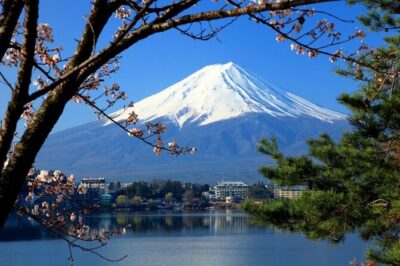 ★ 5.0Mt Fuji and Hakone 1-Day Bus Tour Return by Bullet TrainFrom $163
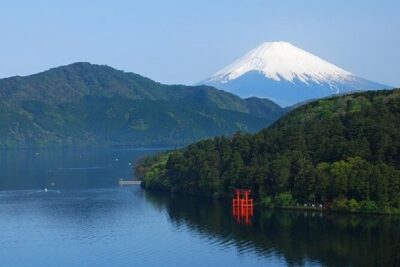 ★ 4.0Mt Fuji & Hakone Cruise, Drum Show Bullet Train 1 Day from TokyoFrom $149
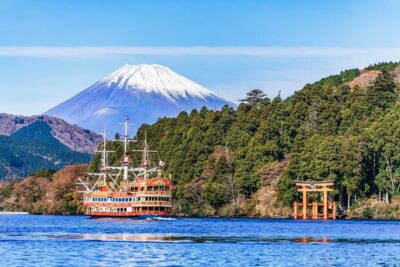 ★ 4.4Tokyo Mt Fuji 5th St & Hakone Cruise Bus Tour w/Bullet TrainFrom $15410 hours
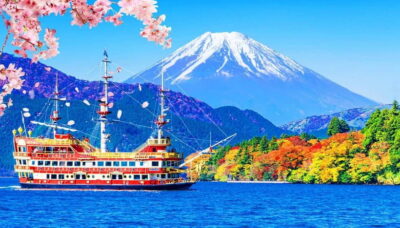 ★ 4.7Tokyo: Mt. Fuji Tour, Hakone Ropeway, Owakudani, Lake AshiFrom $5410 hours
 ★ 4.2Tokyo: Mt. Fuji 5th Station & Hakone Cruise 1-Day Bus TourFrom $12911 hours
 ★ 5.0Private Tour to Mt. Fuji and Hakone (Fully Licenced Operator)From $497