
Reviewed · SHIBUYA TOURS
Private Handmade Ring Workshop Activity in Tokyo Shibuya
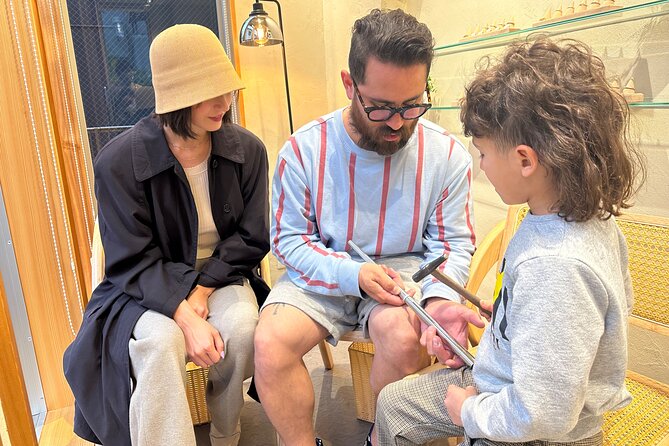
Making a ring in Tokyo is more personal than buying another souvenir. At nane tokyo on Cat Street, you choose the metal, thickness, shape, and texture, then use a hammer to create the surface pattern before a craftsperson polishes the finished piece. I like the private instruction and the fact that you leave with a wearable keepsake, not just a photo.
I also like how well this fits a couple, family, or parent-and-child outing. Instructors such as Hikari, Nana, and Tao have been praised for patient guidance, clear English, photos during the session, and warm help when a ring needs fixing. The main catch is price: the advertised $21.80 covers the workshop, but materials cost extra, and some people find the final amount high for a small ring.
In This Review
- Key points to know before you book
- A small Japanese craft lesson on Cat Street
- Choosing the ring before the hammer comes out
- The hands-on work: hammering your own pattern
- The final polishing makes the difference
- Why the private class format works
- Instructors who help the hour feel easy
- Is $21.80 a good starting price?
- Timing, location, and practical details
- Who should book this ring workshop?
- Should you book it?
- FAQ
- How long does the private ring workshop last?
- Where does the activity take place?
- Is the cost of the ring included?
- Can I take the ring home the same day?
- Is this a private activity?
- Can I cancel for a full refund?
Key points to know before you book
- You make the texture, not every stage: Staff prepare and finish the ring, while you choose its design and hammer the pattern.
- Your ring is ready the same day: Skilled craftsmen polish and clean it before you take it home.
- The material affects the final price: Silver, gold, blends, sizes, and other choices can add to the base cost.
- The setting is a small Cat Street boutique: Find nane tokyo キャットストリート店 at Jingūmae 5-chōme, near public transportation.
- The class lasts about 90 minutes: The hands-on ring work itself may take around an hour, depending on choices and group pace.
- It works especially well for couples and families: You can make rings for each other, mark an anniversary, or give children an individual design.
A small Japanese craft lesson on Cat Street
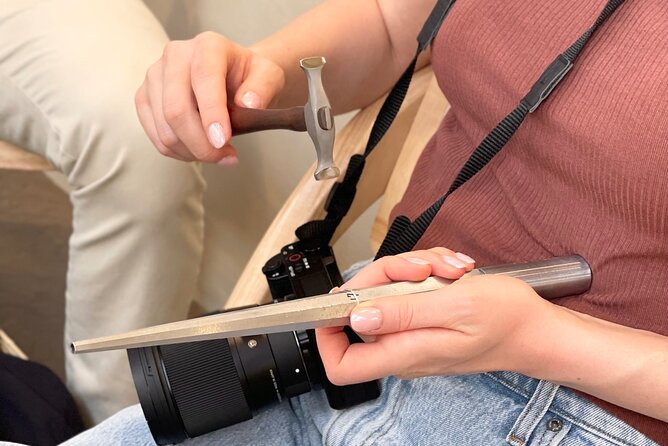
This workshop introduces you to tankin, a Japanese metalworking method in which metal is shaped and worked with hand tools. You are not signing up for a full apprenticeship, and you will not carry out every step from raw metal to finished jewelry. Instead, the session gives you a guided taste of the craft, with enough hands-on work to make the ring feel personal.
The shop is at nane tokyo’s Cat Street location in Jingūmae, Shibuya. The exact address is 5-chōme 11-13, 1F, Tokyo 150-0001. The activity begins and ends there, so you do not lose time moving between several sites.
That simple setup is useful in Tokyo. You can pair the workshop with time around Shibuya and Harajuku, though the activity itself is the main event rather than a sightseeing tour. Since the session is private, only your group participates. That gives you room to ask questions, take your time with design choices, and get direct help instead of waiting for an instructor to reach you.
A few more Tokyo tours and experiences worth a look



Choosing the ring before the hammer comes out
The first important step is deciding what kind of ring you want. You can select the material, thickness, shape, and texture. These choices matter more than they may sound.
A slim ring with a light texture will feel different from a thicker band with a strong hammered surface. The metal also changes the look and cost. The base booking price is not the price of the finished jewelry, so you should plan for a separate materials charge. The supplied information does not give a fixed materials price, since it depends on what you select.
This is the point where an instructor can save you from choosing a ring that looks good on display but does not suit your finger or taste. Staff can suggest what may work best for the size, shape, and finish you have in mind. Several people have especially appreciated this design advice, along with the clear explanation of available options.
If you are making rings as a couple, consider making each other’s rings. That small change turns the activity into a shared gesture rather than two separate craft projects. It has worked particularly well for anniversaries, honeymoons, engagement memories, and wedding-related trips.
The hands-on work: hammering your own pattern
Once the ring design is set, you get to use the tools. The most personal part is applying texture with a hammer. You work the surface under the instructor’s direction, learning how the marks change the look of the metal.
The technique is approachable. You do not need previous jewelry-making experience, and most people can participate. The instructor guides you on how to shape and texture the piece, then watches your progress and offers corrections. If your first attempt is uneven, that is part of the charm, and staff can help repair or adjust mistakes.
You should understand the limits of the hands-on portion. The ring is not made entirely by you from beginning to end. Staff handle parts of the base preparation and the final polishing, while you make the design choices and create the texture. For some people, that balance is ideal because it keeps the session relaxed and produces a clean finished ring. If you expect to forge the complete ring alone, you may find the experience more like a guided jewelry customization class.
The private format helps here. You can ask as many questions as you like, and the instructor can focus on your ring rather than splitting attention across a large class. English-speaking customer service has also been praised, which matters when you are discussing finger size, finish, and material.
The final polishing makes the difference
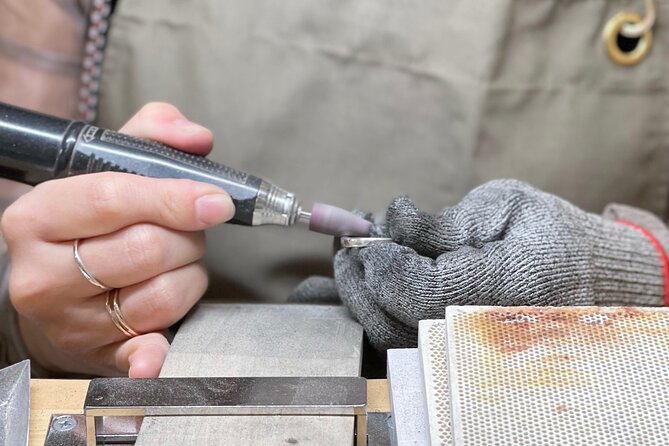
After you finish the textured work, skilled craftsmen polish and clean the ring. This is an important part of the experience because it turns a rough handmade object into something you can wear.
The final result keeps the marks you helped create, but the finishing work gives it a smoother, more finished appearance. You can take the ring home on the same day, with no need to return later or arrange shipping. That is a real advantage for a short Tokyo visit or a tight itinerary.
The finished ring is not necessarily a luxury jewelry bargain. A small base ring is included in the advertised workshop price, while larger sizes, different metals, blends, textures, and other options may increase the cost. You are paying for the class, the service, and a custom object made for you. If your priority is the lowest possible price for silver or gold, a regular jewelry shop may offer better value.
If your priority is a memory tied to your own hands and a particular day in Tokyo, the calculation changes. The ring becomes a souvenir with a story. You remember choosing it, hammering it, and perhaps making it for someone else.
Why the private class format works
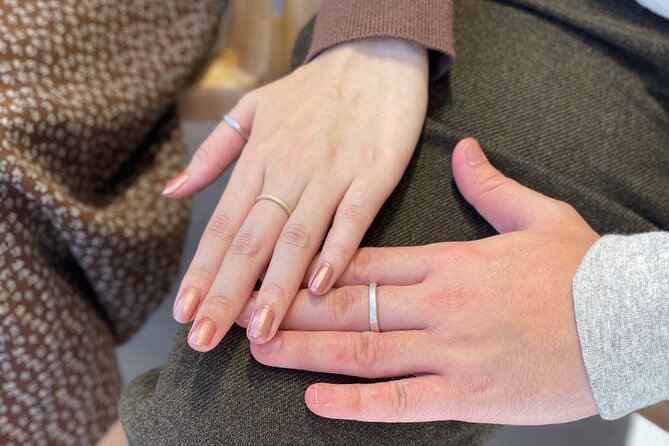
A private activity suits this kind of craft better than a crowded group lesson. You can stop to compare materials, ask for a second opinion, or discuss how much texture you want without feeling rushed by strangers.
It is also easier to adapt the session to different ages. A family group of five, including children aged 12, 14, and 17, has used the format to create individual rings. Each person could choose a design, which made the finished souvenirs different while keeping the activity shared.
The class is also suitable for a grandparent and grandchild, parent and teenager, or two friends. It is not limited to romantic occasions. That said, the experience has a natural appeal for couples because you can exchange the rings, work on each other’s pieces, and mark a special date.
Staff may take photographs during the workshop. Some participants have received photos afterward, and this can be a welcome extra for an anniversary or honeymoon. It is not described as a formal photo package, so treat it as a helpful touch rather than a guaranteed professional service.
Other private tours in Tokyo






Instructors who help the hour feel easy
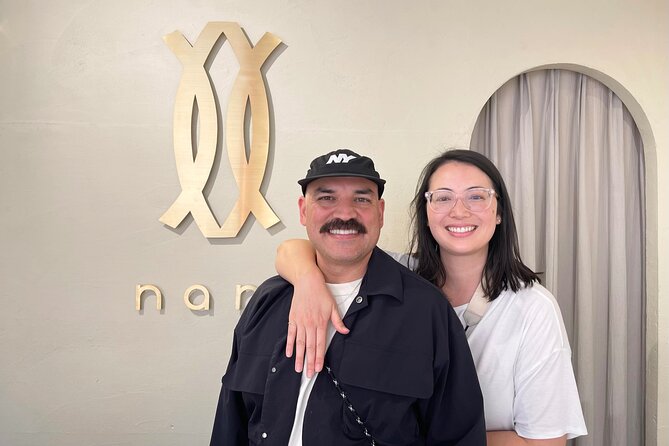
The instructor makes a large difference in a short workshop. Hikari has been singled out for guiding people through the whole process, answering questions, and offering kind, careful help. Nana has been praised for her cheerful personality and ability to keep the session light. Tao has helped couples celebrate anniversaries and taken photos while they worked.
You may be assigned another member of the nane tokyo team, but the consistent theme is direct, friendly support. The staff explain the options, show you how to handle the tools, and help you correct mistakes. That matters if you are unsure about metalwork or nervous about damaging a ring.
The tone appears more cozy boutique than industrial workshop. One useful expectation to set is that you are participating in a jewelry store-style studio, not entering a large open forge. If you want a quiet, polished setting with guidance, this is a plus. If you want a rougher, more physically demanding craft lesson, it may feel limited.
Is $21.80 a good starting price?
At $21.80 per person, the entry price is attractive for a private 90-minute activity in central Tokyo. It gives you access to the workshop and instruction, but it does not include the cost of the metal. That distinction is the most important financial detail.
Think of the advertised amount as the class fee and starting point, not your complete jewelry budget. The final price depends on the material, ring size, thickness, and design choices. Gold or other premium materials will cost more than a basic option, and larger or more elaborate rings may also raise the total.
I would book this for the experience first and the ring second. If you only want an inexpensive souvenir, the extra materials charge may make the activity feel overpriced. One person’s practical assessment was that much of the value lies in the experience rather than the raw value of the ring.
On the other hand, a handmade ring can be a strong value for a special occasion. Couples have used the session for wedding-related memories, anniversaries, Christmas gifts, and engagement moments. Families have made it part of a shared trip. The ring may not be worth the same amount as a mass-produced piece based only on its metal weight, but its personal meaning is harder to price.
Before you commit to an upgraded material or thicker design, ask the instructor for the full cost. The staff are there to explain the choices, and this simple question keeps the final bill from surprising you.
Timing, location, and practical details
Plan for about one hour and 30 minutes, though the ring-making portion is described as taking around an hour. The extra time allows for selecting materials, discussing the design, receiving instruction, and completing the polishing.
The shop is close to public transportation and in the Shibuya area, making it easy to fit into a day around Harajuku or Cat Street. You receive a mobile ticket, and booking confirmation is sent within 48 hours, subject to availability.
The activity ends at the same place where it starts. There is no transport included, and the workshop price covers only the class. Service animals are allowed, and most people can take part.
Free cancellation is available if you cancel at least 24 hours before the local start time. Changes or cancellations made inside that 24-hour window are not accepted for a refund. Keep that cutoff in mind when building a Tokyo schedule, since shopping and sightseeing plans can change quickly.
Who should book this ring workshop?
I would recommend it most strongly to:
- Couples seeking a meaningful anniversary, honeymoon, engagement, or wedding-related activity
- Families who want each person to create a different souvenir
- Parents and teenagers looking for a compact shared activity
- Visitors who prefer handmade objects to standard Tokyo merchandise
- Anyone curious about Japanese metalworking but short on time
- People comfortable paying extra for selected materials and finishes
I would be more cautious if you want a full technical jewelry course. You will not perform every stage of the ring’s construction, and the class is built around choosing and texturing a prepared piece with staff assistance.
I would also be cautious if your main goal is a bargain. The base price looks low, but the material cost is separate. Ask about the total before choosing a premium metal.
Should you book it?
Book this workshop if you want a small, personal reminder of Tokyo and enjoy making something with another person. The private format, patient guidance, same-day pickup, and choice of texture make it more memorable than simply buying a ring from a shop.
Skip it if you want the cheapest possible jewelry or a long, technical metalworking lesson. For everyone else, especially couples and families, this is a tidy 90-minute activity with a clear payoff: a ring you helped design, a story attached to it, and no need to wait for delivery.
FAQ
How long does the private ring workshop last?
The activity lasts approximately one hour and 30 minutes. The ring-making portion itself may take around one hour, with time also needed for choosing the design and finishing the piece.
Where does the activity take place?
It takes place at nane tokyo キャットストリート店, located at Jingūmae 5-chōme 11-13, 1F, Tokyo 150-0001, in Shibuya. The activity ends back at the meeting point.
Is the cost of the ring included?
The workshop price is included, but the cost of materials is not. Your final price depends on the material, thickness, size, shape, and other choices.
Can I take the ring home the same day?
Yes. Staff polish and clean the ring during the final process, and the finished piece can be taken home on the day of the workshop.
Is this a private activity?
Yes. Only your group participates, so you can ask the instructor questions and receive direct guidance throughout the class.
Can I cancel for a full refund?
Yes, if you cancel at least 24 hours before the experience start time. Cancellations or changes made less than 24 hours before the start time are not accepted for a refund.
More Workshops & Classes in Tokyo




More Private Tours in Tokyo
More Shibuya Tours in Tokyo



More tours in Tokyo we've reviewed











Shibuya Tours, compared.
 ★ 5.0Official Street Go-Kart in ShibuyaFrom $76
 ★ 4.9Tokyo: Street Kart Experience in ShibuyaFrom $741 hour
 ★ 5.0Shibuya Meltdown Nightlife Tour: All-You-Can-Drink Bar HoppingFrom $106
 ★ 5.0Shibuya Official Street Go-Kart in Shibuya AnnexFrom $69
 ★ 5.0Tokyo: Shibuya Food Tour (13 dishes and 4 Eateries)From $77
 ★ 5.0Best of Shibuya Food TourFrom $217