
Reviewed · GUIDED
Highlights of Tokyo Private Tour with a Licensed Guide
Tokyo’s great strength is its variety, and this private six-hour tour packs several very different sides of the city into one day. You move from Meiji Shrine and Harajuku to the food stalls of Tsukiji, then finish among the lanterns and souvenir shops of Asakusa. A licensed guide keeps the day moving and helps you use Tokyo’s trains with less guesswork.
I like the private format, which lets your guide adjust the pace and answer your questions instead of delivering a fixed speech. I also like the practical transport lesson: Shizuko-san helped one large group understand the subway well enough to use it on its own the next day. The main drawback is the pace, since six hours, three major districts, and plenty of walking leave little room for lingering.
In This Review
- Key points at a glance
- A useful six-hour introduction to Tokyo
- Meiji Shrine: Tokyo’s quiet opening
- Harajuku and Omotesando: two faces of Tokyo shopping
- Tsukiji Outer Market: food, browsing, and a flexible meal
- Asakusa and Sensoji: finishing with old Tokyo
- What the private guide changes
- Trains, walking, and the true pace of the day
- Price and value for a private Tokyo day
- Who should book this experience?
- Should you book it?
- FAQ
- How long does the Tokyo private tour last?
- What areas are included?
- Is hotel pickup included?
- Is this a private tour?
- Which languages are available?
- Are train fares included?
- Is lunch included?
- What should I bring?
- Does the tour operate every day?
Key points at a glance
- Tsukiji Outer Market food stop: Browse fresh seafood, unusual ingredients, and small breakfast or lunch options.
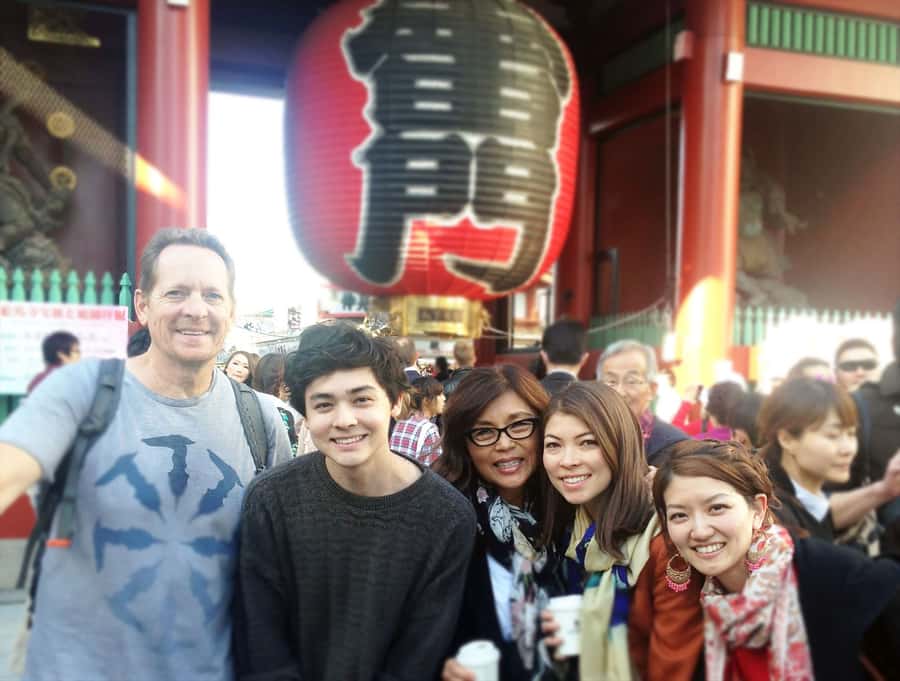
- Meiji Shrine with a licensed guide: Visit one of Tokyo’s largest shrines, with a chance of seeing a traditional wedding.
- Harajuku and Omotesando shopping: Compare teenage pop fashion with the polished shops of Omotesando.
- Asakusa finish: See Sensoji Temple and browse Nakamise for classic Japanese souvenirs.
- Private, flexible touring: Guides such as Shizuko-san, Mamiko-san, and Ena have adjusted timing and interests for their groups.
- Public transport and walking: Transportation fees are included, but comfortable shoes matter and many stations have limited elevator access.
A useful six-hour introduction to Tokyo
This is not a slow, single-neighborhood walk. It is a city sampler for someone with only one day, or for a first visit when Tokyo feels too large to tackle alone.
The route connects four strong stops: Meiji Shrine, Harajuku, Tsukiji Outer Market, and Asakusa. Each has a distinct mood and purpose. You get a quiet shrine setting, youth fashion, market food, and old Tokyo temple culture in one outing.
The published schedule places Meiji Shrine and Harajuku before Tsukiji and Asakusa, with three train rides listed at about 20 minutes each. The overview also describes Tsukiji as the starting point, so the exact order may depend on the selected start time or the guide’s arrangement. If the sequence matters to you, confirm it when booking.
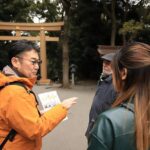
The private setup is the key advantage. You can ask why a shrine custom works a certain way, stop longer for a food item, or move on when shopping is not your thing. Ena, for example, adjusted time around the interests of the group and dropped one site when the group preferred to spend longer elsewhere.
Other guided tours in Tokyo

Meiji Shrine: Tokyo’s quiet opening
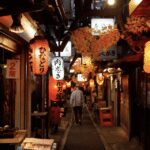
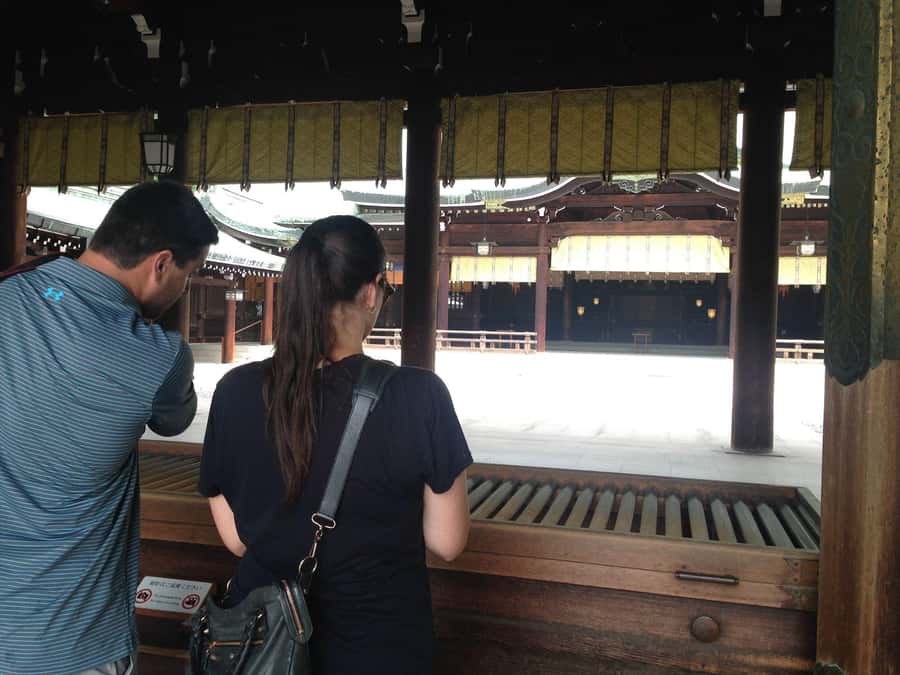
Meiji Jingu gives the tour a calm start, especially after the city streets and train ride. It is one of Tokyo’s biggest shrines, set apart from the city’s commercial rush by a broad wooded approach.
Your guide can help you understand how to behave at the shrine and explain what you are seeing without flooding you with facts. That balance matters. Ena was praised for giving enough information while leaving room for questions, which is exactly the right approach at a place where small customs can be easy to miss.
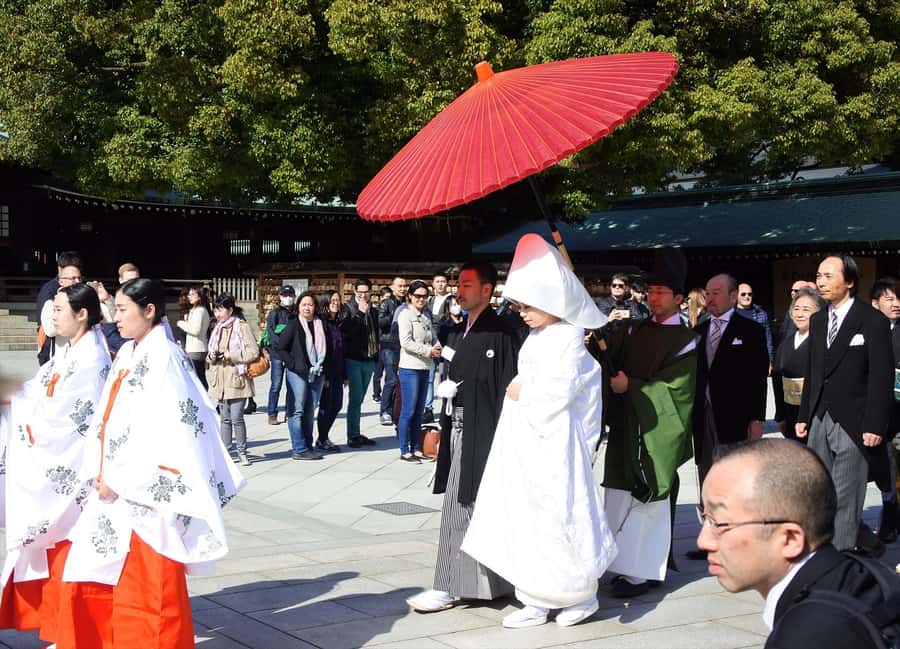
Keep an eye out for a traditional Japanese wedding. You may be lucky enough to see one during the visit, though it is not guaranteed. That possibility adds a genuine local moment to the stop, rather than turning the shrine into just another photo location.
The drawback is time. Meiji Shrine rewards a measured visit, but this tour has several more stops ahead. If you want a long, reflective shrine visit, you may need to tell the guide early that it is a priority.
Harajuku and Omotesando: two faces of Tokyo shopping
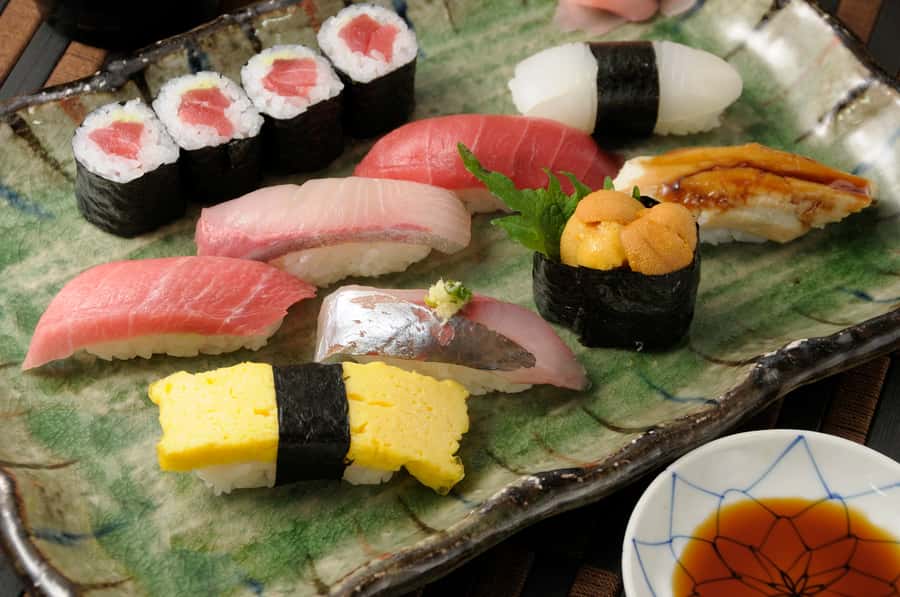
After Meiji Shrine, the route moves into Harajuku and Omotesando. These areas sit close together but offer different shopping experiences.
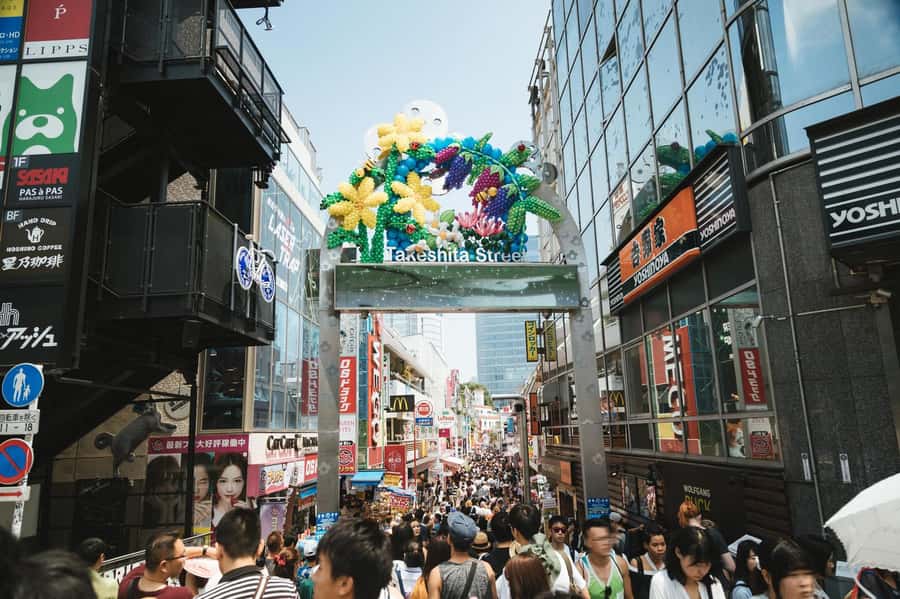
Harajuku is known for teenage pop fashion, giving you a look at one of Tokyo’s most recognizable youth cultures. You may find the area more interesting as a place to watch street style and browse than as a stop for serious sightseeing.
Omotesando offers a more polished shopping setting. Together, the two districts show how quickly Tokyo can shift from shrine grounds to fashion streets. I like this pairing because it gives context to the city’s modern side without spending the whole day inside shops.
You can also use this part of the tour for lunch, although the plan allows lunch in Asakusa later. Since lunch is not included for you or the guide, your food choices and spending remain your responsibility. Tell the guide if you want a quick meal, a market lunch, or more time for shopping.
The schedule is tight here. If you want to shop at length, this tour may feel too short. If you mainly want an introduction and help deciding where to return later, the stop works well.
Tsukiji Outer Market: food, browsing, and a flexible meal
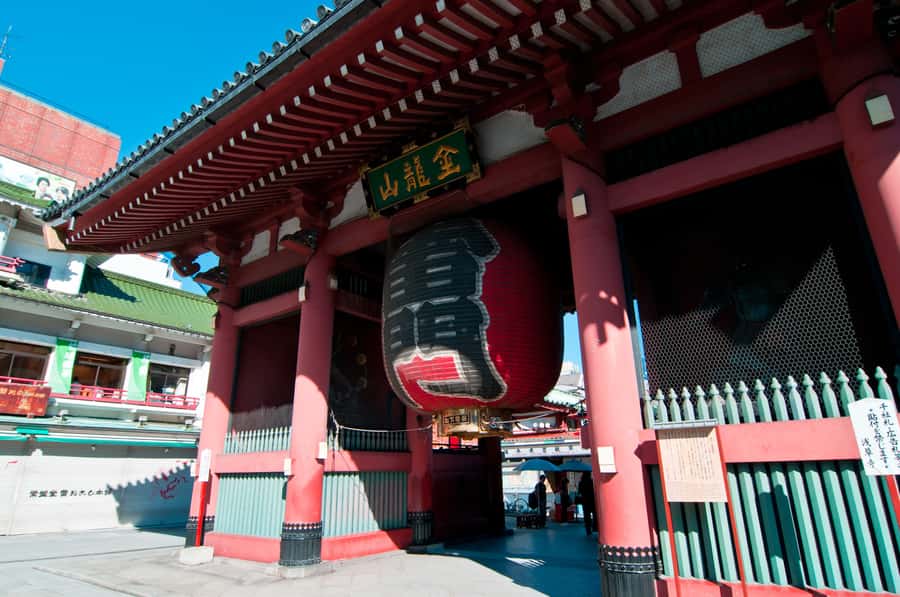
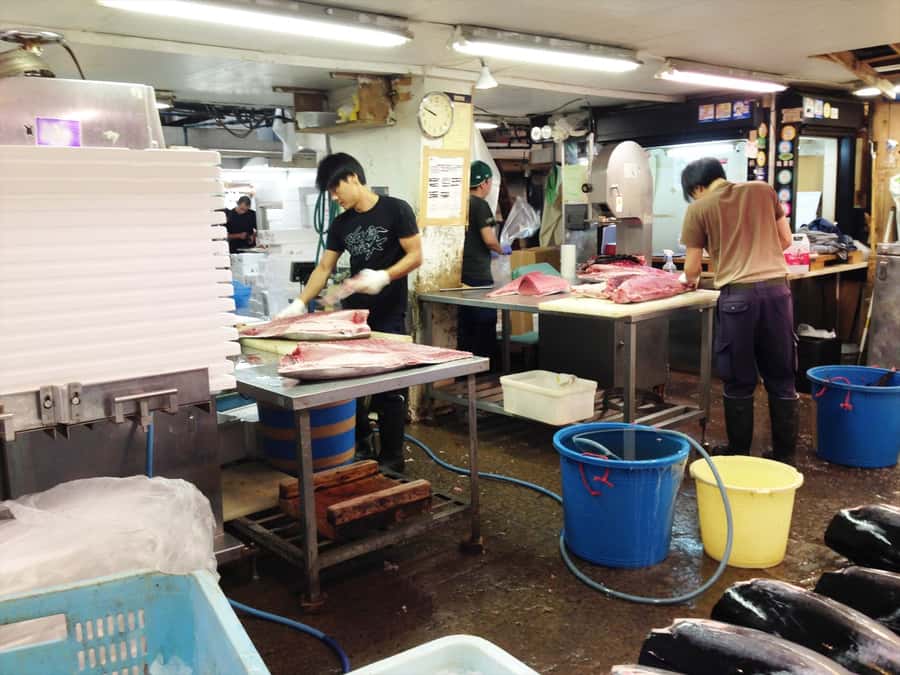
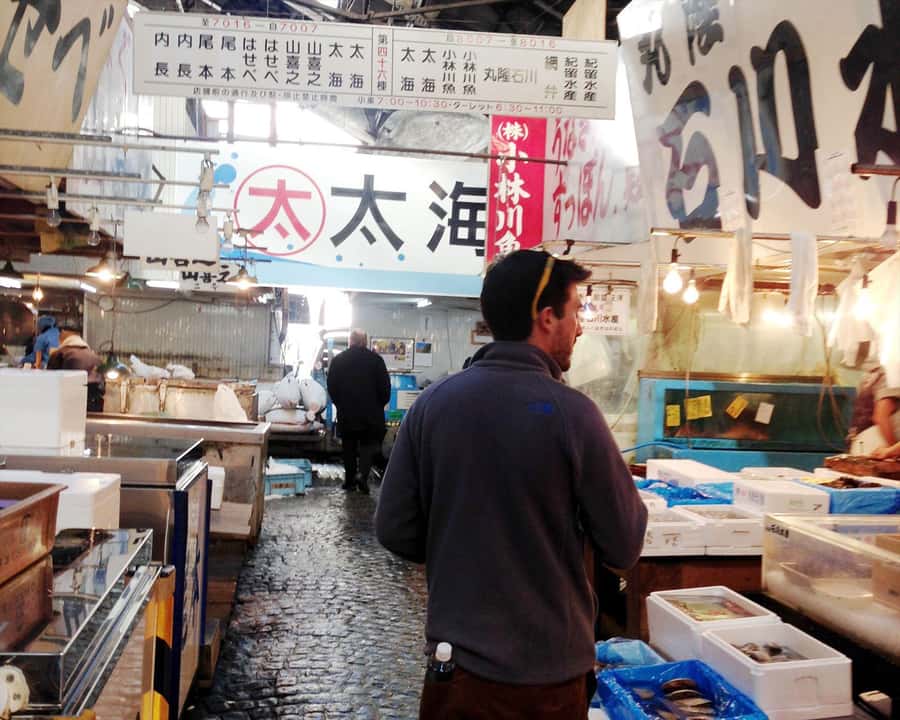
Tsukiji Outer Market is one of the most appealing parts of the day for anyone curious about Japanese food. You can browse stalls selling fresh seafood and ingredients that may be unfamiliar. The market is a good place to ask questions, try a small bite, and see how food is presented and sold in Tokyo.
The tour description allows for a small breakfast at Tsukiji if the market comes early in your schedule. Lunch is also listed at the market, so the exact meal timing depends on the order of the day. Food costs are not included, and you should budget separately for anything you eat.
This is where a private guide can add real value. Instead of wandering past unfamiliar foods, you can ask what something is, how it is eaten, or whether it is suitable for a quick snack. A guide can also help keep the market visit focused when the choices become distracting.
The market is not simply a quick photo stop. Give yourself enough time to look closely, but remember that the tour still has Asakusa ahead. The market is also central to the operating schedule: the tour is not held when Tsukiji Outer Market is closed.
If seafood is not your preference, the market can still be worthwhile for its ingredients and atmosphere, but you should tell the guide about dietary needs or food concerns before the meal break. The available information does not promise a specific menu.
Asakusa and Sensoji: finishing with old Tokyo
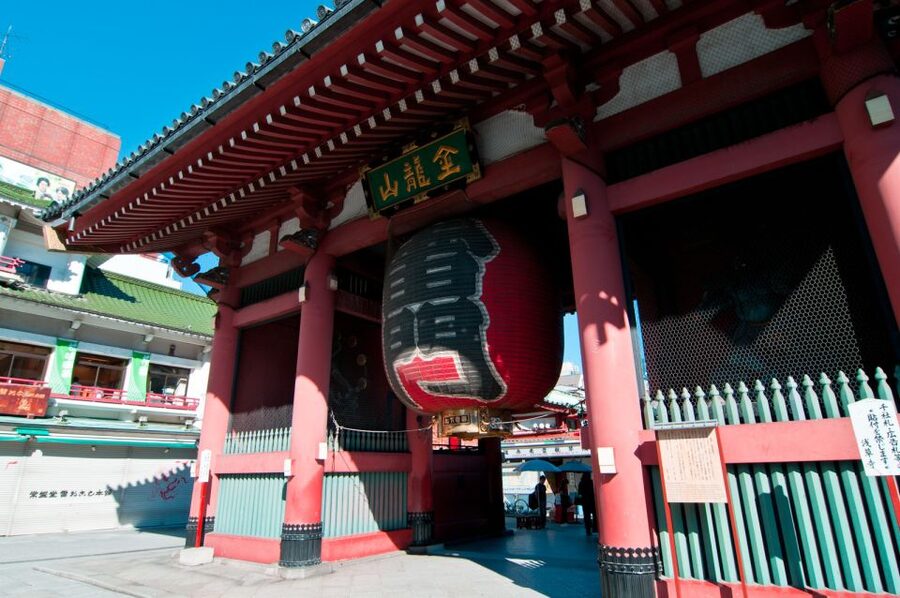
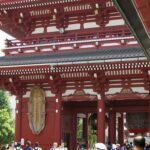
The afternoon ends in Asakusa, home to Sensoji Temple, one of Tokyo’s oldest and best-known temple sites. This stop gives the tour a different feel from Meiji Shrine. The approach is more commercial and social, with Nakamise lined by shops selling Japanese souvenirs and traditional-style goods.
Nakamise is useful if you want gifts without making a separate shopping trip. You can browse after the formal sightseeing portion, and the tour finishes in Asakusa at 111-0032, Tokyo. If you want more time there, you can remain in the area after the tour.
A guide is particularly useful at Sensoji because the site has several points that can blur together on a first visit. You can ask about the temple’s customs, understand what you are looking at, and then spend your free time shopping.
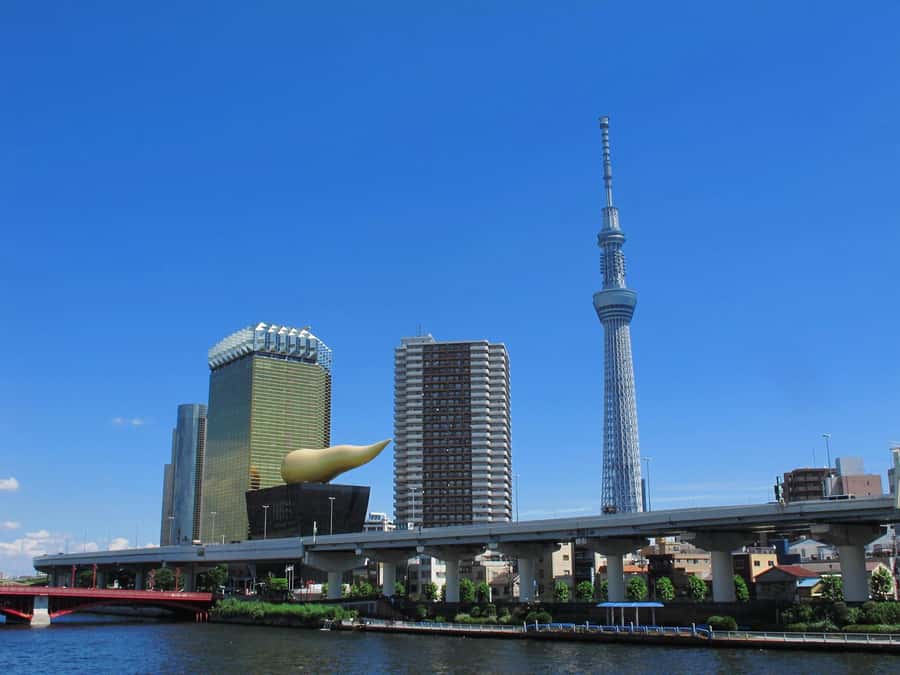
Mamiko-san’s tour also included a view from the Asakusa Tourist Information Building. That viewpoint is not listed as a guaranteed stop on every departure, so treat it as an example of how a guide may shape the day rather than a promise of the standard route. Her group also enjoyed lunch in a sky restaurant and saw Caretta Shiodome, but those additions are not part of the stated core itinerary.
Other private tours in Tokyo

What the private guide changes
A private group means the day can respond to your interests. You are not tied to a large group’s pace, and you can ask for more explanation at one stop and less at another.
The strongest praise goes to the guides’ flexibility and practical help. Shizuko-san managed a large group on a busy Saturday and explained the subway system clearly. That kind of instruction has value beyond the tour itself, since Tokyo’s rail network can seem intimidating at first.
Ena’s approach was different but just as useful. She allowed the group to spend longer at selected places and accepted that one site would need to be dropped. That is a good sign for anyone who dislikes racing from one landmark to the next.
Mamiko-san’s outing included a memorable lunch and city views. These details suggest that guides may bring personal judgment to the day, but you should still state your priorities before setting off. The core tour does not guarantee a particular restaurant, viewpoint, or extra stop.
The language options are English, French, German, and Spanish. Since this is a private experience, you get the guide’s attention within your group rather than sharing explanations with strangers.
Trains, walking, and the true pace of the day
Transportation fees are included, and the route uses Tokyo’s public transport rather than a private vehicle. That choice is practical. Trains are often the fastest way to connect distant districts, and learning the system can help you explore independently afterward.
The listed train segments are about 20 minutes each, but station transfers and walking add time. You may spend part of the day navigating platforms, entrances, and busy sidewalks. Wear comfortable shoes, and do not treat this as a low-effort sightseeing outing.
Many stations have few elevators or escalators. If you have mobility concerns, tell the guide in advance. The tour provider specifically notes the station access issue, so this is not a small point to discover on the day.
Start on time. If you arrive late because of your own group, the tour still ends at the planned time. With only six hours, even a late start can shorten the market, shopping, or temple portions.
Price and value for a private Tokyo day
The listed price is $466 per group up to one, and the booking details identify this as a private group experience. Because the pricing format is unusual for a party larger than one, check the total before paying rather than assuming the amount covers your entire party.
Transportation fees and a nationally licensed guide are included. Lunch is not included for you or the guide, and food at Tsukiji or elsewhere costs extra.
The value depends on what you need. If you already know Tokyo’s transport system and prefer to explore one district slowly, you may find a self-guided day cheaper and more satisfying. If you have one free day and want a clear route through several important areas, the price buys structure, local explanation, and flexibility.
The subway guidance may also pay off after the tour. Shizuko-san’s explanation helped one group use the system confidently the following day, which is a useful benefit for a short Tokyo stay.
Who should book this experience?
I would consider this tour for a first visit, a short stop in Tokyo, or a family group that wants help managing a full day. It also suits people who want to combine food, temples, shopping, and public transport without planning every transfer themselves.
It is a good match for you if:
- You have only one day for major Tokyo sights.
- You want a private guide rather than a fixed large-group tour.
- You enjoy asking questions and changing the pace.
- You want help using trains and stations.
- You are interested in both modern districts and traditional sites.
I would hesitate if your main goal is an extended Tsukiji food tour, a long shrine visit, or several hours of shopping. The route covers a lot, but it cannot give every stop the time it deserves.
Children under five go free. Travel insurance is highly recommended, and the guide is not responsible for illness, injury, theft, loss, or other damage during the tour.
Should you book it?
Book this tour if you want a broad, guided introduction to Tokyo and value a flexible private day more than a slow visit to one neighborhood. The combination of Meiji Shrine, Harajuku, Tsukiji, and Asakusa is well chosen, and the public transport coaching can make the rest of your stay easier.
Skip it if you dislike walking, have serious mobility limits that cannot be discussed in advance, or want to spend most of the day eating and shopping in one place. Before booking, confirm the exact route order, the final price for your group, and your lunch and sightseeing priorities. With those details clear, this is a practical way to get your bearings in a huge city without turning the day into a race.
FAQ
How long does the Tokyo private tour last?
The tour lasts six hours. Starting times depend on availability.
What areas are included?
The core route includes Meiji Shrine, Harajuku, Tsukiji Outer Market, and Asakusa, including Sensoji Temple and the Nakamise shopping area.
Is hotel pickup included?
Pickup is included from hotels located in any of Tokyo’s 23 wards.
Is this a private tour?
Yes. The activity is offered for a private group.
Which languages are available?
The guide service is available in English, French, German, and Spanish.
Are train fares included?
Yes. Transportation fees are included, and the tour uses public transport between districts.
Is lunch included?
No. Lunch for you and the guide is not included. You may eat at Tsukiji, Harajuku, or Asakusa depending on the day’s schedule.
What should I bring?
Bring comfortable shoes because the tour involves walking and public transport.
Does the tour operate every day?
The tour is not held when Tsukiji Outer Market is closed. The activity also recommends travel insurance, and you should notify the guide in advance about mobility issues because many stations have limited elevator or escalator access.
More Private Tours in Tokyo
More Guided Tours in Tokyo

More tours in Tokyo we've reviewed




Guided, compared.
 ★ 5.0Tokyo 6hr Private Tour with Government-Licensed GuideFrom $155
 ★ 4.9Tokyo: Shinjuku Local Bar and Izakaya Guided Walking TourFrom $343 hours
 ★ 4.8Tokyo: Private City Highlights Tour with Local GuideFrom $1064 - 8 hours
 ★ 4.9Tokyo: Tsukiji Fish Market Guided Walking TourFrom $222 hours
 ★ 5.0Tokyo 4hr Private Tour with Government-Licensed GuideFrom $109
 ★ 5.0Tokyo Guided Small-Group Biking TourFrom $106