
Reviewed · WALKING TOURS
Tokyo Private Customized Walking Tour (Option Car Tour Available)
Tokyo can feel like several cities stitched together: ancient temple grounds, neon shopping streets, quiet lanes, and railway stations that seem to have their own weather system. This private customized tour lets you choose the pieces that matter to you, from Meiji Shrine and Sensoji to ramen shops, markets, museums, and shopping districts.
I like the freedom to book anywhere from two to eight hours, and I like that your guide can teach you how to use Tokyo’s rail system while showing you around. The main caution is that the experience depends heavily on how well your interests reach the guide in advance. One person reported that requested stops were not passed along, so confirm your plan directly before the day.
In This Review
- Key points at a glance
- A private Tokyo day built around you
- What a two-hour visit can realistically cover
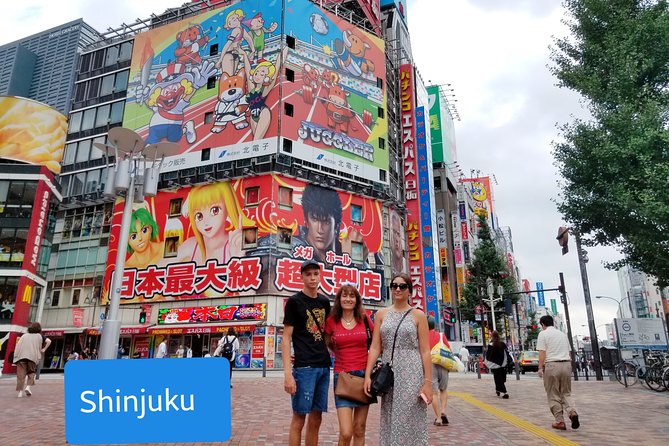
- Half-day routes through Shinjuku, Harajuku, and Shibuya
- Asakusa, Sensoji, and the older side of Tokyo
- Imperial Palace, Tokyo Tower, and a car-assisted day
- Yanaka, Ueno, and neighborhoods beyond the usual route
- The value of a guide who teaches Tokyo’s transport system
- How to prepare for the best custom itinerary
- Walking pace, language, and group comfort
- Cancellation and practical costs
- Who should book this Tokyo tour?
- Should you book it?
- FAQ
- How long does the private Tokyo tour last?
- Is the tour private?
- Can I choose the places I visit?
- Is hotel pickup available?
- Is this a walking tour or a car tour?
- Are food and drinks included?
- Are attraction tickets included?
- Can the guide help me use Tokyo’s trains?
- What is the cancellation policy?
Key points at a glance
- Choose your own Tokyo: Build a route around temples, food, shopping, museums, neighborhoods, or famous sights.
- Walk or ride by car: The standard experience is private walking, with a private vehicle available as an upgrade.
- Hotel pickup within Tokyo: Start at your accommodation or agree on another meeting point that suits your plans.
- Useful rail-system help: Guides have helped visitors handle Shinjuku Station, buy bullet train tickets, and use the subway with more confidence.
- Short or full-day format: Two hours can cover one compact area, while eight hours allows several districts.
- Local food and daily life: Your guide may point you toward markets, small restaurants, shopping streets, and places that fit your tastes.
A private Tokyo day built around you
This is not a fixed bus route with a long list of stops. You meet a local guide, explain what you want from your time in Tokyo, and shape the day around that. You may choose an introduction to the city, a food-focused outing, a walk through old neighborhoods, or a greatest-hits route linking several major sights.
That freedom matters in Tokyo. The city is spread out, and getting from Sensoji in Asakusa to Shibuya Crossing can take a fair portion of your day. A guide who knows your priorities can help you avoid wasting time on a district that does not interest you.
The experience is offered for about $52.19 per person, though the final cost can vary with the selected option and group size. For a private guide, that is a reasonable starting price, especially if you are traveling with several people and can use the group discount. The vehicle upgrade costs more, but it may make sense for a larger itinerary or for anyone who finds a full day of walking difficult.
Food, drinks, attraction tickets, and tips are not included. Keep extra money available if you want to enter a museum or other paid attraction, stop for lunch, or ask the guide to help arrange tickets.
Other walking tours we've reviewed in Tokyo

What a two-hour visit can realistically cover
A two-hour tour is best treated as an introduction to one compact area, not a complete survey of Tokyo. You might focus on Shinjuku, Harajuku, and Shibuya, or spend your time around Asakusa and a nearby market.
A short route can still be useful on your first day. Several guides have helped visitors learn the rail system while moving between neighborhoods, which is often more valuable than simply taking a taxi from one sight to the next. You get a practical lesson in how Tokyo fits together.
One visitor spent two hours walking roughly three to four kilometers with Albert. That gives you a sensible idea of the pace: enough movement to see a few sights, but not an exhausting marathon. If you want detailed temple explanations, time for food, and shopping advice, two hours will feel tight.
A short private tour also suits a layover. Francine helped one visitor make good use of limited time between flights, while other guides have adjusted routes around busy schedules. You will need to confirm the pickup and timing carefully, but the format is well suited to a first look at Tokyo during a stopover.
Half-day routes through Shinjuku, Harajuku, and Shibuya
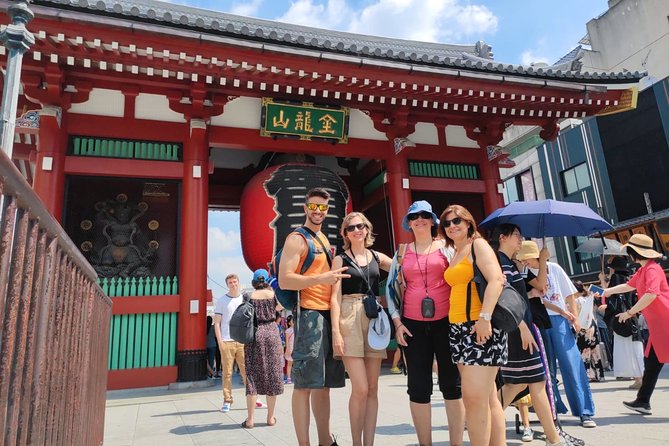
The western-central Tokyo route is one of the most useful choices for a first visit. Shinjuku gives you a large-scale look at Tokyo, Harajuku brings in Meiji Shrine and youth-oriented shopping, and Shibuya finishes with one of the city’s best-known crossings.
At Shinjuku Station, the guide can help you understand the complicated entrances, platforms, and connections. That may sound like a small service, but it can save real frustration later. Kenta met a visitor early at a hotel and guided the group through the station before continuing to Meiji Shrine.
Meiji Shrine offers a calmer change of pace. Your guide can explain the customs around entering a Shinto shrine, washing at the purification fountain, and making an offering. Albert also helped visitors understand what they were seeing at the shrine, where they happened to witness two traditional Japanese weddings.
From there, you can continue toward Harajuku and then Shibuya. The walk between areas can be enjoyable, but you should expect city streets rather than uninterrupted sightseeing. If you prefer to spend more time inside shops or restaurants, tell the guide before the route begins.
This itinerary works well for a first-day orientation. Karl used a similar route to show visitors how Shinjuku, Harajuku, and Shibuya connect by rail. By the end, you may have a better sense of where to return on your own.
Asakusa, Sensoji, and the older side of Tokyo
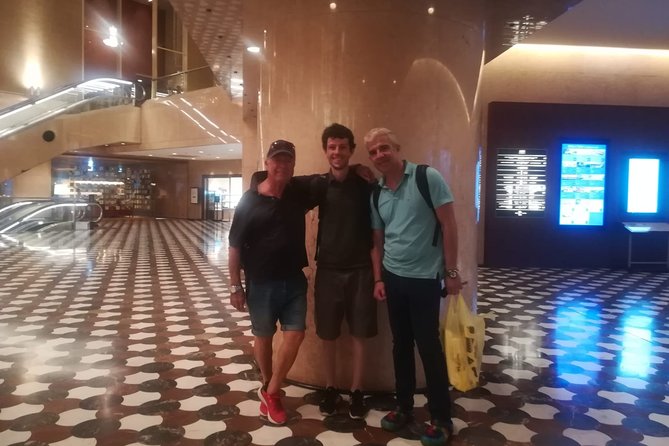
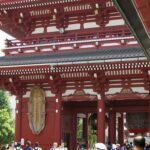
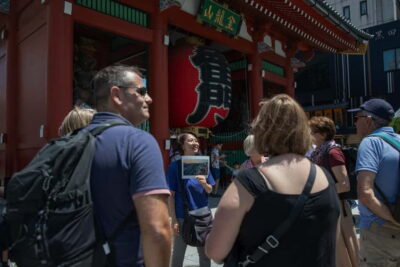
Asakusa is a strong choice if you want temples, traditional street scenes, and a slower pace than the major commercial centers. Sensoji is the obvious anchor, with its large entrance gate, temple grounds, and surrounding shopping streets.
A guide can explain the difference between Shinto and Buddhist customs, show you how to behave at a shrine or temple, and add context that you would miss by simply taking photographs. The value here is not only seeing the buildings. It is understanding what people are doing and why.
A half-day route can combine Asakusa with the Tsukiji area. Jenny suggested meeting at the market at 8 a.m. to avoid heavier crowds, a practical bit of advice that shows why start time matters in Tokyo. Markets are more pleasant when you have room to walk and look, rather than squeezing through at the busiest hour.
Do not assume that every food stop is included. Food and drinks are your responsibility, but your guide can suggest places to eat. One Spanish-speaking guide was especially helpful with food recommendations, which may be useful if you want more than a standard restaurant near a major station.
Imperial Palace, Tokyo Tower, and a car-assisted day
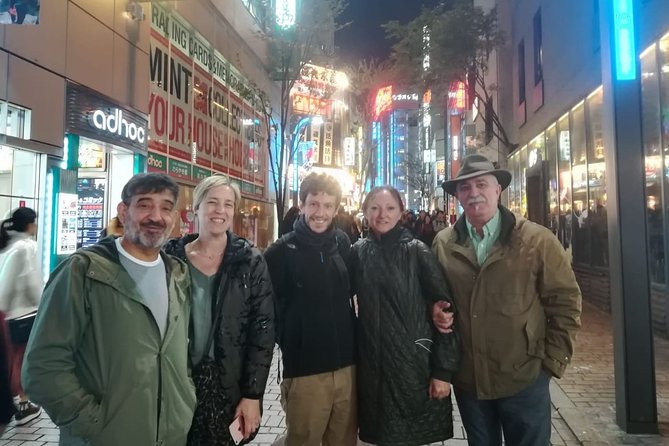
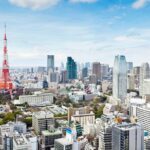
For a broad city tour, the vehicle option can help link distant areas. One route with Olivier included Tokyo Tower, the Imperial Palace area, Sensoji, Harajuku, and Shibuya Crossing, with lunch at a local restaurant. The Imperial Palace was closed that day for the New Year holiday, so the group adjusted its plans.
That example points to two practical facts. First, a car can reduce the effort of covering several districts. Second, opening days and holidays still affect what you can see. A private guide can alter the route, but cannot open a closed attraction.
The car option is most appealing if you are traveling with family, carrying luggage, have limited mobility, or want to cover a large number of neighborhoods. It is less essential for a compact route. Tokyo’s rail network is often part of the experience, and walking plus trains can bring you closer to ordinary city life.
Ask exactly what the vehicle option includes before booking. The supplied details confirm that a private vehicle upgrade is available, but they do not specify the vehicle type, passenger capacity, or operating limits. Those points matter if your group is large.
Other private tours in Tokyo


Yanaka, Ueno, and neighborhoods beyond the usual route
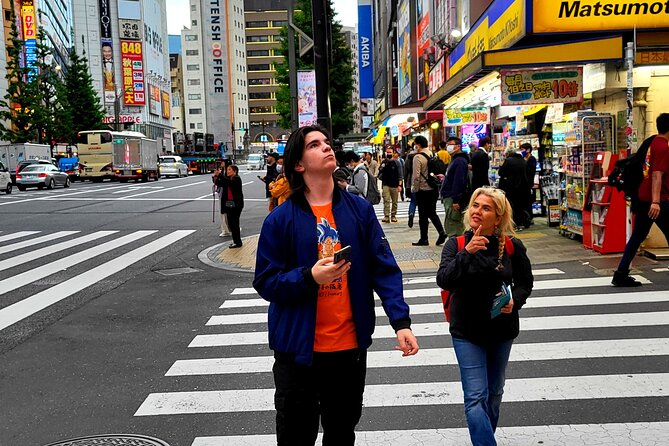
If you have already seen the major sights, ask for an older neighborhood route. Joe took visitors from Ueno Station through a nearby street market and onward toward Nippori. He also showed people parts of Yanaka, an area less likely to appear on a first-time checklist.
This type of outing suits you if you prefer local streets, markets, and a sense of daily Tokyo over a parade of famous landmarks. The route can be tailored around walking, food, shopping, or architecture, though the exact stops depend on your conversation with the guide.
A private walk also gives you room to ask ordinary questions. Joe has explained the differences between Japanese and Western lifestyles and brought visitors to a small restaurant filled with local customers. That kind of setting can be more memorable than a formal attraction, but food remains an extra cost.
Ueno and Nippori are also practical areas for a walking route because they connect older streets with major transport stations. Still, you should not expect every guide to offer the same neighborhood knowledge. Name the areas you want, and ask for a proposed route before the tour.
The value of a guide who teaches Tokyo’s transport system
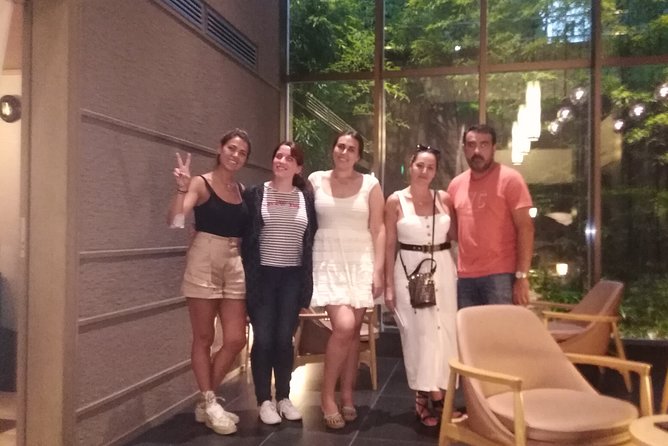
One of the strongest reasons to book this experience is the chance to learn how to get around after the tour ends. Guides have helped with Shinjuku Station, subway routes, rail transfers, and even bullet train tickets for Osaka.
That help can be worth more than a single sightseeing stop. Tokyo’s transport network is efficient, but a first attempt can feel confusing because several railway companies, station exits, and lines may serve the same district. A patient guide can show you how to read the signs and choose a practical route.
This is especially useful on day one. Instead of spending your first morning trying to understand a station map, you can use the tour to practice while someone is beside you. Later, you may feel comfortable returning to Shibuya, Asakusa, or another district by yourself.
The quality of this part depends on the individual guide. Feedback praises Albert, Kenta, Karl, Joe, Cyril, and others for helping with transport and practical questions. Cyril even continued to help with a subway question after the scheduled time had ended, though you should treat that as personal courtesy rather than a promised service.
How to prepare for the best custom itinerary
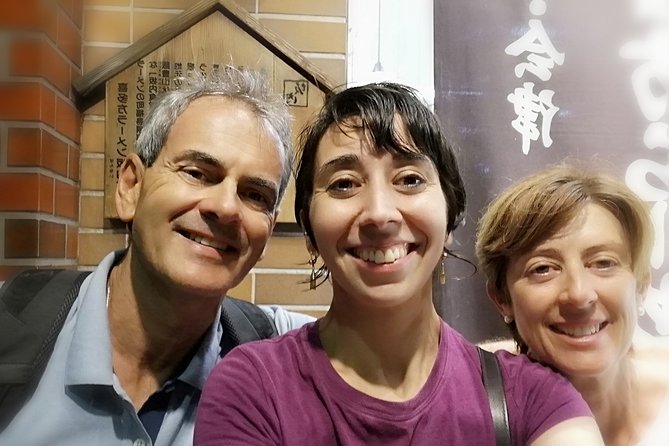
You will get more from the tour if you send a clear plan before meeting. List your must-see places, optional stops, food interests, walking limits, shopping goals, and any attractions you have already booked separately.
Do not simply write we want to see Tokyo. Give the guide a workable brief. For example:
- Meiji Shrine and Shibuya Crossing
- A traditional market and a temple
- A local lunch, with no included food assumed
- Help using the subway
- Minimal stairs or a car option
- A route ending near your next activity
Reconfirm the plan through the contact method provided by your guide. This is important because one poor experience came from requested stops not being passed along. The operator responded with an apology and follow-up, but prevention is better than repair.
Also tell the guide if you have a later reservation or need to end near a particular district. Rey Matsuno prepared ideas that avoided repeating sights planned for a later tour, a smart use of the custom format.
Walking pace, language, and group comfort
The tour is private, so only your group participates. That makes it easier to pause, ask questions, change the route, or spend longer at a shrine. It also means you do not have a larger group to set the pace or share the cost with.
Walking can range from a gentle two-hour outing to a full eight-hour day. A full day crossing several districts may be tiring, particularly if you add train transfers and shopping. Tell the guide how far you comfortably walk and build in breaks.
Guides named in the feedback include Albert, Kenta, Roccio, Cristiano, Maria, Fabian, Olivier, Jenny, Riccardo, Jane, Francine, Eduardo, Himena, Joe, Cyril, Karl, and Rey Matsuno. Experiences with language vary by guide, but one guide was specifically praised for fluent Spanish, and many visitors appreciated clear English communication.
The operator states that service animals are allowed and that most people can participate. The experience is near public transportation, and pickup is offered within Tokyo. If you have specific mobility needs, ask about the route and vehicle option before booking rather than assuming every neighborhood will be easy.
Cancellation and practical costs
Free cancellation is available when you cancel at least 24 hours before the local start time. Within 24 hours, you receive no refund, and changes made in that period are not accepted.
The advertised price of $52.19 per person is attractive for a private introduction, particularly for a small group using the walking option. It becomes better value when the guide helps you avoid wrong turns, teaches you the rail system, and points you toward food or shopping that matches your plans.
Budget separately for food, drinks, attraction admission, and optional tips. The guide can assist with booking attraction tickets, but the tickets themselves are not included. Group discounts may improve the per-person value when several people share the private experience.
Who should book this Tokyo tour?
I would choose this tour for a first day in Tokyo, a short business trip, a layover, or a family visit where different interests need to fit into one plan. It is also a good choice if you want help with trains or would rather explore a neighborhood than follow a standard sightseeing circuit.
You should think twice if you want a fixed, expertly scripted itinerary with all admission fees and meals included. This is a flexible guide service, not an all-inclusive package. Its success depends on your preparation, your guide, the time available, and your willingness to make choices.
The overall rating is 4.6 from 271 ratings, and the strongest pattern is clear: visitors value friendly guides, custom routes, cultural explanations, transport help, and flexibility. The weaker point is communication before the tour, so send your priorities more than once if necessary.
Should you book it?
Book it if you want Tokyo explained at your pace and you value practical help as much as famous sights. For the best balance of cost and usefulness, choose two to four hours for one or two districts, then use the guide to learn the rail system.
Choose the eight-hour option, or consider the car upgrade, when you want to connect far-flung sights such as Tokyo Tower, the Imperial Palace area, Sensoji, Harajuku, and Shibuya. Just confirm the route, vehicle details, opening hours, and extra costs in advance. That small bit of planning can turn a loose city introduction into a very useful first day in Tokyo.
FAQ
How long does the private Tokyo tour last?
The experience can last approximately two to eight hours. Two hours works best for a compact introduction, while a longer booking allows several districts and more time for food, shopping, temples, or museums.
Is the tour private?
Yes. Only your group participates in the activity, with a local guide assigned to your party.
Can I choose the places I visit?
Yes. The itinerary is personalized around your interests and schedule. You can request major sights, temples, museums, markets, restaurants, shopping areas, or neighborhood walks.
Is hotel pickup available?
Yes. Hotel pickup is offered within Tokyo. You can also choose a suitable meeting point when arranging the experience.
Is this a walking tour or a car tour?
The standard experience is a private walking tour. You can choose to upgrade to a private vehicle.
Are food and drinks included?
No. Food and drinks are not included in the price. Your guide can suggest places to eat, but you pay for meals and beverages separately.
Are attraction tickets included?
No. Admission tickets are not included. The guide can assist with booking tickets for attractions, but you pay the ticket costs.
Can the guide help me use Tokyo’s trains?
Yes. Guides have helped with subway and rail navigation, including difficult stations such as Shinjuku, and have assisted with bullet train ticket purchases.
What is the cancellation policy?
You can cancel at least 24 hours before the local start time for a full refund. Cancellations or changes made less than 24 hours before the start time are not refunded or accepted.
More Private Tours in Tokyo
More Walking Tours in Tokyo


More tours in Tokyo we've reviewed






Walking Tours, compared.
 ★ 5.0Tokyo Tsukiji Fish Market Food and Culture Walking TourFrom $99
 ★ 5.0Tokyo: Imperial Palace and Shogun Historical Walking TourFrom $22
 ★ 4.9Tokyo: Shinjuku Local Bar and Izakaya Guided Walking TourFrom $343 hours
 ★ 5.0Tokyo: Tsukiji Fish Market Food and Walking tourFrom $30
 ★ 4.8Tokyo: Asakusa Walking Tour with Sensoji Temple VisitFrom $222 hours
 ★ 4.9Tokyo: Tsukiji Fish Market Guided Walking TourFrom $222 hours