
Reviewed · PRIVATE
Discover Tokyo, Private Customized Tour with Expert Guides
Tokyo is easier to enjoy when someone else handles the route. This private tour lets you link major sights such as Meiji Jingu, Tsukiji, Tokyo Tower, and Senso-ji without wrestling with Tokyo’s huge rail network or guessing how long each stop deserves.
I like the private format, since your group can adjust the sights instead of following a fixed bus route. I also like the hotel meet-up, plus the chance to discuss your wishes with a guide before the day. Guide Isao, in particular, is praised for fitting requested sights into the schedule and managing time well.
The tradeoff is cost and planning. At $99.10 per person, you still pay for transportation, meals, entrance fees, and certain guide expenses. The standard route also covers plenty of ground, so bring sneakers and expect a long day on your feet.
In This Review
- Key points to know before booking
- A private way to organize a big Tokyo day
- Meiji Jingu, a quiet opening in Harajuku
- Takeshita Street and Omotesando, two faces of Harajuku
- Tsukiji, a food district with an old market identity
- Tokyo Tower, the city symbol with an optional view
- Senso-ji, the grand finale in Asakusa
- What the $99.10 price really covers
- Timing, transport, and the amount of walking
- How to get the most from the customization
- Who should book this Tokyo experience
- Should you book it?
- FAQ
- How long does the private Tokyo tour last?
- What sights are included in the standard itinerary?
- Is hotel pickup included?
- Are transportation and entrance fees included?
- Can I customize the itinerary?
- What is the cancellation policy?
Key points to know before booking
- Five major Tokyo stops: The standard plan covers Meiji Jingu, Takeshita Street, Tsukiji, Tokyo Tower, and Senso-ji.
- Your group stays together: This is a private activity, not a shared tour with strangers.
- Hotel meet-up is included: Pickup applies within the designated Tokyo area.
- The route can change: You provide your interests after booking, then the guide contacts you about two weeks before the tour.
- Four to eight hours is a wide range: Your final timing depends on the sights and requests you choose.
- Transport is extra: Rail, taxi, and other transportation costs are not included in the listed price.
A private way to organize a big Tokyo day
Tokyo rewards planning, but its size can make planning tiring. A visit to Meiji Jingu, Harajuku, Tsukiji, Tokyo Tower, and Asakusa crosses several parts of the city. You can manage that route yourself, but a private guide removes much of the map work and keeps your day moving.
The useful part is not simply having someone point out famous buildings. You can explain what matters to you, then shape the day around those priorities. You might want shrines and temples, modern city views, youth fashion, food shopping, or a mix of all four.
The standard route is a sensible first look at Tokyo. It moves from Harajuku to Tsukiji, then on to Tokyo Tower and Asakusa. Because the tour is customizable, you should not treat that sequence as fixed. Your guide will adjust the route and meeting point based on your request.
The activity lasts about four to eight hours. That range matters. A focused four-hour plan can work well if you want a few important sights. An eight-hour day gives you more room for stops, meals, shopping, and changes along the way, but it also demands more stamina.
The tour receives a 4.9 rating from 143 reviews, with 98 percent recommending it. The strongest praise centers on personal attention and time management. Isao is specifically noted for covering the main sights a group wanted while adding other requested places without letting the day lose its shape.
Other private tours in Tokyo

Meiji Jingu, a quiet opening in Harajuku
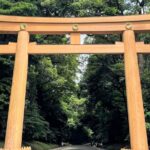
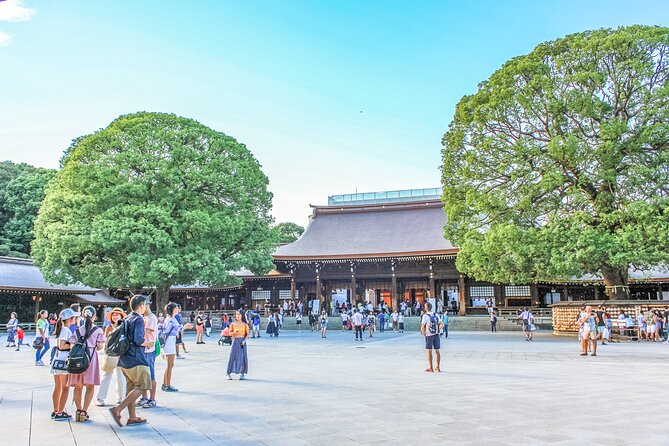
Meiji Jingu is a strong place to begin because it gives you a calmer introduction to Tokyo. The shrine is surrounded by extensive greenery, creating an oasis near one of the city’s busiest districts.
The shrine is among Japan’s most visited places of worship. You can expect a large, popular site rather than a small neighborhood sanctuary. Its scale makes it useful for understanding how traditional Shinto spaces fit into modern Tokyo.
The planned visit lasts about 50 minutes, and admission is free. That is enough time for a first look and basic explanation, though it is not an extended religious or architectural study.
Starting here also puts you close to Harajuku’s fashion streets. The contrast is part of the appeal. You move from a wooded shrine setting to one of Tokyo’s most youthful shopping areas within the same part of the city.
Takeshita Street and Omotesando, two faces of Harajuku
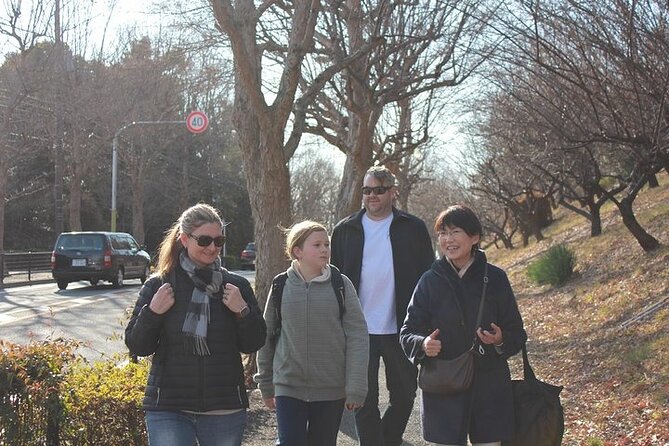
Takeshita Street and Omotesando are both major fashion streets, but they offer different moods. Takeshita Street is described as the center of youth culture, while Omotesando is another leading shopping avenue with a more polished feel.
The scheduled stop lasts about 50 minutes and costs nothing to enter. You will have time to see the streets and hear the guide explain their place in Tokyo’s fashion scene. If shopping is important to you, tell the guide in advance so the timing reflects that interest.
This stop is best for people who want to see present-day Tokyo rather than only temples and historic sights. It also adds a useful change of pace after Meiji Jingu.
The limitation is time. Fifty minutes passes quickly if you want to shop, eat, and take in both streets. You may need to choose between browsing and simply seeing the area. Since the tour is private, that choice is yours, but you should be clear about it during the pre-tour planning conversation.
Tsukiji, a food district with an old market identity
Tsukiji receives the longest scheduled stop, about one hour and 30 minutes. That makes sense. The area is more than a quick photo stop, and the guide can help you understand what remains after the wholesale market moved.
The original Tsukiji fish market operated from 1935 until 1983 as Japan’s largest wholesale fish market, according to the tour information. The wholesale operation closed in 2018 and moved to Toyosu, but Tsukiji’s historic site remains important to local life.
You should arrive with the right expectation. This is not a visit to the old wholesale market in its former working form. It is a chance to see the historic Tsukiji area and its continuing appeal, with time for food-related browsing and local atmosphere.
Some places accept only cash, so carry Japanese yen. A mask is recommended at Tsukiji, and you should bring one if possible. These are small preparations, but they make the stop easier.
Tsukiji is also where the cost question becomes practical. Food and personal purchases are not included. If you want to eat or shop, budget separately and tell the guide how much time you want to spend there.
Tokyo Tower, the city symbol with an optional view
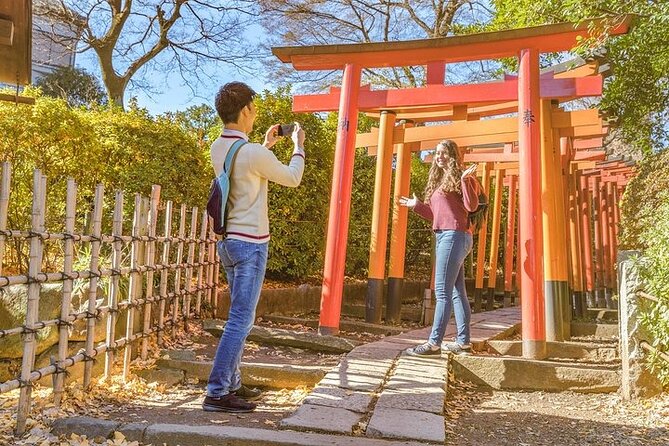
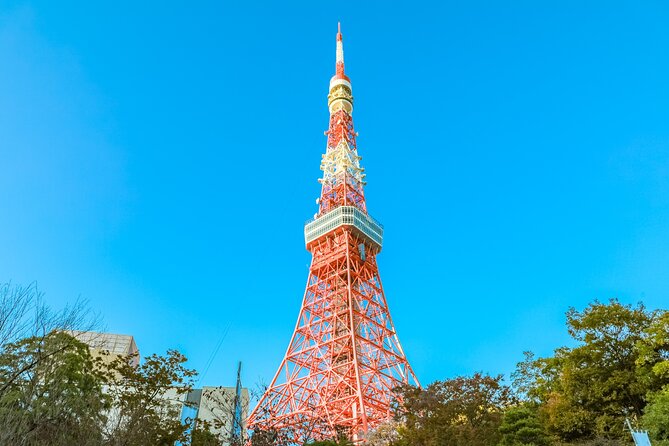
Tokyo Tower was built in 1958 and remains one of the city’s best-known symbols. Its orange and white structure rises among dense urban buildings, giving the stop a clear visual link to Tokyo’s postwar identity.
The planned visit lasts about 45 minutes. Admission is not included, so decide before the tour whether you want to pay to enter. If you only want to see the tower from outside, the stop can be shorter and may leave more time for another request.
Tokyo Skytree is taller, but that does not make Tokyo Tower irrelevant. The tower has a stronger connection to the city’s older modern image, and it works well in a day that already includes ancient temples and traditional shrines.
Because entrance fees are separate, ask about the current cost when planning your route. The supplied details do not specify the admission price. The guide can help you decide if the view fits your budget and schedule, but the ticket itself is yours to pay.





Senso-ji, the grand finale in Asakusa
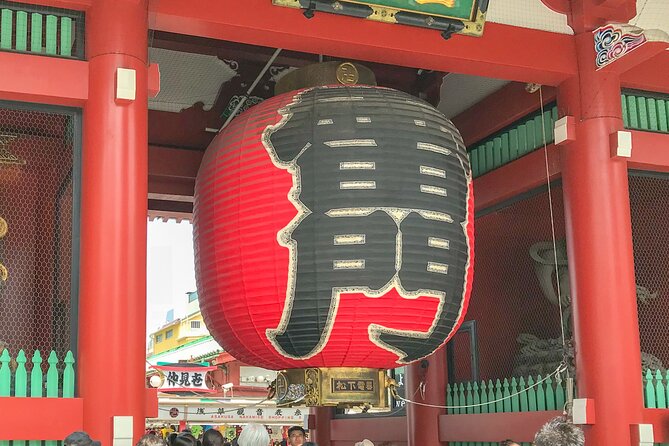
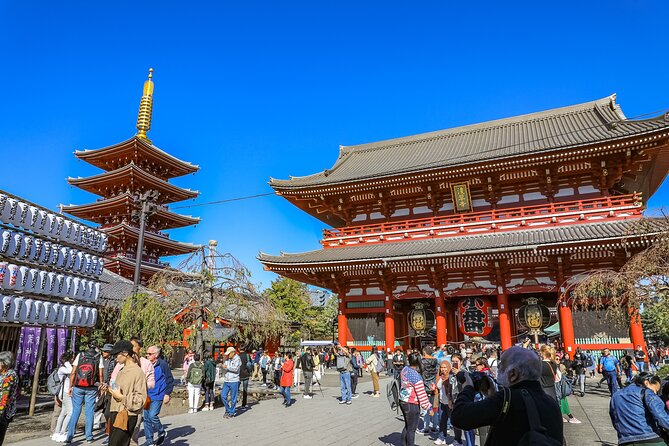
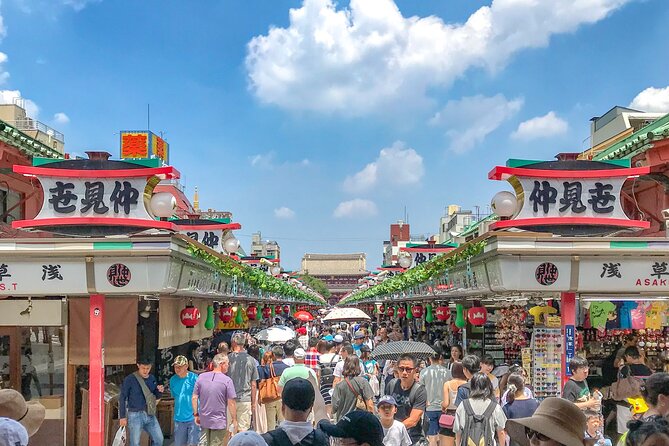
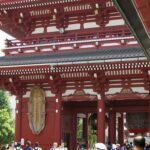
Senso-ji is Tokyo’s oldest temple and the main traditional stop on the standard ending. Its large red lanterns and red buildings make it instantly recognizable, and the setting in Asakusa gives your day a strong finish.
The scheduled visit lasts about 45 minutes, with free admission. That is enough for the main temple area and an explanation of why it matters, though you should not expect a slow, detailed temple study at that pace.
The standard tour ends at Asakusa Station. This can be convenient if you plan to continue exploring Asakusa on your own, return by train, or arrange your next activity from there. Since the end point can be adjusted, you can ask for a different finish when you plan the day.
Senso-ji is a popular sight, so the experience may feel more public and active than Meiji Jingu. That contrast is useful. You see two major religious sites in different city settings, one surrounded by greenery and the other framed by Tokyo’s historic entertainment district.
What the $99.10 price really covers
The advertised price is $99.10 per person. For a private guide, that can be fair value if you are traveling with family or friends and want help managing a full Tokyo day. The more people in your private party, the more useful the guide fee can feel when split across the group.
You are paying for a private customized tour, a guide, and hotel meet-up within the designated Tokyo area. You are not paying for a fully packaged day. Transportation fees, entrance fees, lunch, personal expenses, and necessary guide expenses are separate.
That last point deserves attention. Discuss the guide’s necessary expenses directly with the guide. You should also plan for rail or taxi fares between districts, meals at Tsukiji or elsewhere, and the Tokyo Tower admission if you choose to go inside.
Group discounts are available, but the supplied details do not state the discount amount. Ask for the exact total before booking if your party is larger than two people.
The price makes the most sense for first-time visitors with limited time, families that want a flexible pace, and small groups that would rather not coordinate Tokyo’s transport alone. It makes less sense if you enjoy building your own route, already understand the train system, or want to spend several hours at only one museum or neighborhood.
Timing, transport, and the amount of walking
The standard stop times add up to just under five hours, before travel between locations. That fits the advertised four to eight hour range, but traffic, train connections, meals, shopping, and extra requests can extend the day.
Transportation is not included. Your guide navigates for you, but you pay the actual fares. The exact method can change if weather is poor, and destinations or routes may be adjusted in bad conditions.
Wear sneakers. This is not a sit-back sightseeing bus. You will move through shrine grounds, shopping streets, a market district, a tower area, and a temple complex. Comfortable shoes will matter more than dressing for photographs.
The meeting point for the standard route is Harajuku Station. Hotel pickup is offered within the designated Tokyo area, so confirm that your hotel qualifies. The standard end is Asakusa Station, but the guide can adjust it if you request another finish.
If you fail to arrive at the agreed starting place within 60 minutes of the meeting time, the tour is treated as canceled. Keep your phone available for the guide and confirm the meeting details clearly.
How to get the most from the customization
After booking, you provide information about your interests and preferences. The guide contacts you about two weeks before the tour to discuss the plan. Reply promptly. If you do not respond, the standard itinerary is used.
This is your chance to make the tour more useful. Tell the guide if you care most about food, religious sites, shopping, city views, photography, or a gentler pace. Also state which stops are essential and which can be dropped if time becomes tight.
Do not try to force every Tokyo highlight into one day. The standard plan already covers five distinct areas, and transport takes time. A shorter list often gives you better visits, especially if you want to stop for lunch or shop at Takeshita Street and Tsukiji.
You can also ask for a different meeting or end point. The listed route is only the standard plan, not a promise that every group follows it exactly. That flexibility is one of the main reasons to choose a private tour.
Who should book this Tokyo experience
I would recommend it to a first-time visitor who wants the major sights but does not want to spend a day studying rail maps. It also suits families and private groups with different interests, since the guide can adjust the balance between temples, shopping, food areas, and city landmarks.
It is a good choice if you have only one open day in Tokyo. Meiji Jingu, Harajuku, Tsukiji, Tokyo Tower, and Senso-ji show several sides of the city in one outing.
You should think twice if you want a low-cost activity with all expenses included. The $99.10 price is only the starting point, and transportation, meals, tickets, and guide expenses add to the bill.
You should also avoid packing the day too tightly. Tokyo’s distances are real, and the tour involves walking. A private guide can manage the schedule, but no guide can remove travel time or make five busy districts feel like one small neighborhood.
Should you book it?
Book this tour if you value a private route, hotel meet-up, and help fitting several major Tokyo sights into one day. The strongest reason to choose it is the ability to shape the schedule around your group, with guide Isao offering a clear example of how requested sights can be added while keeping the day organized.
Before paying, confirm your hotel pickup area, the meeting time, transportation budget, guide expenses, and any Tokyo Tower admission. Send your preferences when requested, wear sneakers, and keep cash ready for Tsukiji.
If those details suit you, this is a practical way to get oriented in Tokyo without surrendering the day to a fixed bus schedule.
FAQ
How long does the private Tokyo tour last?
The tour lasts approximately four to eight hours. The final length depends on your selected sights, requests, transportation, and pace.
What sights are included in the standard itinerary?
The standard route includes Meiji Jingu Shrine, Takeshita Street and Omotesando, Tsukiji Fish Market, Tokyo Tower, and Senso-ji Temple.
Is hotel pickup included?
Hotel meet-up is included within the designated area in Tokyo. Confirm that your hotel is within that area when arranging the tour.
Are transportation and entrance fees included?
No. Transportation fees, entrance fees, lunch, personal expenses, and necessary guide expenses are not included. Tokyo Tower admission is specifically listed as extra.
Can I customize the itinerary?
Yes. You provide your interests and preferences after booking, and the guide contacts you about two weeks before the tour to discuss the route. If you do not respond, the standard itinerary is used.
What is the cancellation policy?
You can cancel at least 24 hours before the local start time for a full refund. Cancellations or changes made less than 24 hours before the start are not accepted for a refund.
More Private Tours in Tokyo

More tours in Tokyo we've reviewed



Private, compared.
 ★ 5.0Tokyo 6hr Private Tour with Government-Licensed GuideFrom $155
 ★ 5.0Private Tour to Mt. Fuji and Hakone (Fully Licenced Operator)From $497
 ★ 5.0Tokyo Customized Private Tour (Must See Places in 1 Day)From $145
 ★ 4.9Mount Fuji Full-Day Private Tour from Tokyo (Customizable)From $393
 ★ 4.8Tokyo: Private City Highlights Tour with Local GuideFrom $1064 - 8 hours
 ★ 5.0Private Custom Tour: Tokyo in a DayFrom $159