
Reviewed · COOKING CLASSES
Okonomiyaki & Gyoza Cooking Class with Local Supermarket Visit
The most appealing part of this Tokyo class is its setting: you cook in YUCa’s own home in a residential neighborhood, not in a polished restaurant kitchen built for tourists. She leads you through okonomiyaki and gyoza, then gives you a look at everyday Japanese ingredients in a nearby supermarket.
I like the small maximum of seven people, which gives the class a personal feel. I also like that lunch is part of the experience, so you learn the techniques and eat the results rather than leaving with only a recipe card.
The main consideration is the price, $121.89 per person for about two and a half hours. That is more than a basic cooking lesson, and the optional supermarket visit can extend the schedule to roughly three hours, so check that the format matches your plans.
In This Review
- Key points at a glance
- Cooking Japanese comfort food in Nishiogu
- The opening lesson on Japanese ingredients
- Making okonomiyaki, Japan’s savory pancake
- Folding and cooking gyoza
- Lunch turns the lesson into a complete outing
- The optional supermarket visit from 12:30 to 1:00
- What the $121.89 price includes
- Who will enjoy this class most
- Timing, transport, and practical planning
- Why the personal setting matters
- My verdict on YUCa’s okonomiyaki and gyoza class
- FAQ
- Where does the cooking class take place?
- What time does the activity start?
- How long does the experience last?
- What dishes will I make?
- Is lunch included?
- Is the supermarket visit required?
- How many people can join?
- Is transportation included?
- Can I cancel for a refund?
Key points at a glance
- Cook two everyday Japanese dishes: Make okonomiyaki with vegetables, pork, and egg noodles, plus pork and vegetable gyoza.
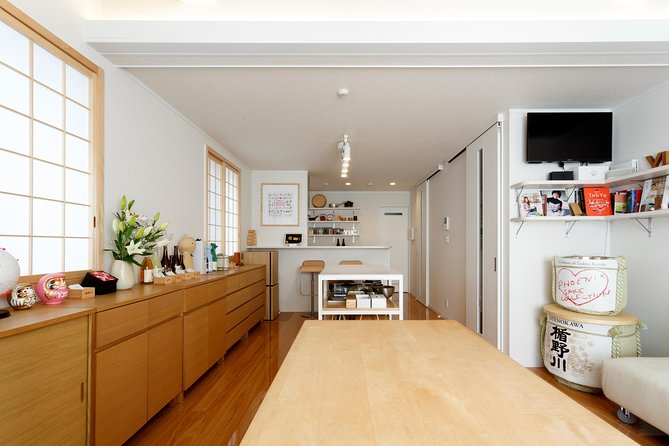
- Learn inside a local home: YUCa’s kitchen is in residential Nishiogu, giving the class a more personal setting than a large culinary studio.
- Keep the group small: The activity accepts no more than seven participants.
- Eat what you prepare: A full lunch is included after the hands-on cooking session.
- Browse a Japanese supermarket: The optional final visit helps you identify ingredients you may have seen but not understood.
- Use the included taxi benefit: A one-way taxi ride is included, though you should confirm how it applies to your meeting arrangements.
Cooking Japanese comfort food in Nishiogu
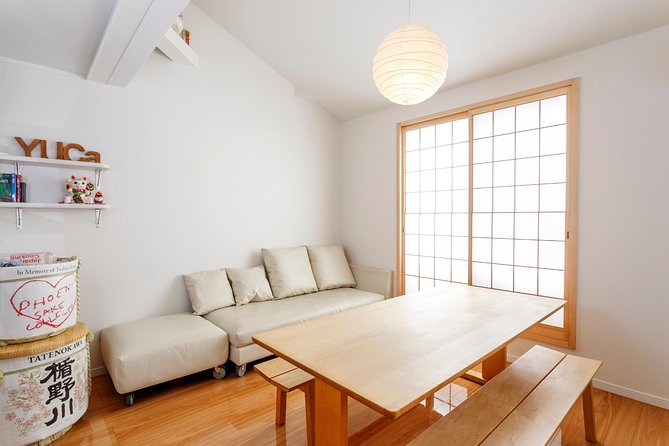
This experience begins at YUCa’s Japanese Cooking, at 2-chōme-34-8 Nishiogu in Arakawa City. The meeting window is 9:50 to 10:00 a.m., with the class starting at 10:00. It is near public transportation, but this is still a residential part of Tokyo rather than a central sightseeing district.
That location matters. You are not simply being shown a Japanese dish in a demonstration kitchen. You are entering the setting where YUCa teaches and cooks, with the class built around conversation, participation, and a shared meal.
The small scale should help if you want to ask questions or need a little extra help folding dumplings. It also suits families. A 10-year-old has taken part successfully, and the cooking is described as approachable for children. Still, the class involves food preparation and careful instruction, so younger children may need close adult help.
YUCa is the host and instructor. Her English is described as very good, an important point if you want to understand ingredient names, cooking methods, and the cultural notes rather than simply copy her movements.
Other cooking classes in Tokyo
The opening lesson on Japanese ingredients
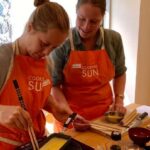
From about 10:15 to 10:30, YUCa gives a short lesson on Japanese food culture and ingredients. This is a useful bridge between the kitchen and the supermarket visit later in the morning.
You can expect this section to explain what you are about to cook and place the ingredients in a Japanese food context. The available details do not provide a full list of ingredients or a formal syllabus, so you should think of it as a practical introduction rather than a long lecture.
I like this arrangement. You first hear what the ingredients are and how they fit into Japanese cooking, then use them with your own hands. That makes the supermarket stop more useful, since you will already have seen some of the products in action.
The class is especially helpful if Japanese food labels and market shelves have always seemed difficult to decode. You may leave with a better sense of what to look for when shopping for Japanese ingredients at home, though the exact products covered can depend on the day’s menu.
Making okonomiyaki, Japan’s savory pancake
The first featured dish is okonomiyaki, a savory pancake made here with vegetables, pork, and egg noodles. The name is often associated with choosing what you like, and the dish is a good introduction to the flexible, home-style side of Japanese cooking.
For you, the appeal is not just the final plate. You get to see how several ordinary ingredients become a filling meal, and you can practice the basic preparation under YUCa’s direction.
The egg noodles make this version particularly substantial. If you are expecting a light snack, plan differently. This is lunch food, and the cooking session is designed to leave you well fed.
The class is hands-on rather than a demonstration only. That makes it a good choice if you want skills you can repeat at home. The information provided does not specify the cooking equipment, exact toppings, or whether each participant prepares an individual pancake, so ask YUCa if those details affect your decision.
Folding and cooking gyoza
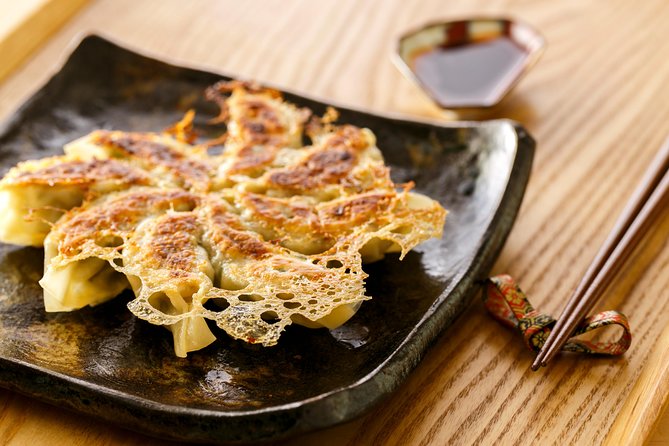
Gyoza is the second main dish. You prepare dumplings filled with minced pork and vegetables, then cook and taste them as part of lunch.
This is where patient instruction matters. Gyoza can look simple until you try to shape the wrappers evenly. A small group gives YUCa room to watch your technique and help you improve it, rather than leaving you to copy a fast demonstration from the back of a crowded room.
The food also makes the class social. You are preparing a dish that is easy to share, and the cooking itself gives families or small groups something to work on together. One family experience included a child taking part, which suggests the activity can work well when adults and children cook side by side.
I would choose this class over a purely observational food tour if you want to remember Tokyo through a skill. You may not become a dumpling expert in one morning, but you will have a clear method to try again.
Lunch turns the lesson into a complete outing
Cooking runs from about 10:30 a.m. to 12:30 p.m., followed by tasting. Lunch is included, so you do not need to fit another meal into the schedule.
That is a real value point. A cooking lesson can feel expensive when you pay for instruction and still need to buy lunch afterward. Here, the meal is part of the activity, and you eat the okonomiyaki and gyoza you have just prepared.
The food is also the best test of the class. The dish descriptions are specific enough to tell you what sort of meal you are signing up for: savory pancakes with vegetables, pork, and noodles, plus pork and vegetable dumplings. If you dislike pork, this may not be the right cooking class for you, since pork appears in both listed recipes.
The menu is more practical than luxurious. You are learning familiar Japanese comfort food, not dining on a formal kaiseki meal. That is exactly the point for many people: these are dishes you can try again after returning home.
Other cooking classes in Tokyo

The optional supermarket visit from 12:30 to 1:00
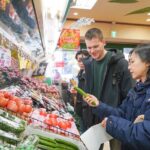
After lunch, you can join an optional supermarket tour from about 12:30 to 1:00 p.m. This is a small but useful addition, especially if your main interest is food culture beyond the kitchen.
Japanese supermarkets can be confusing even after several trips. Packaging, cuts of meat, sauces, noodles, and prepared foods may be recognizable only after someone explains what they are. With the cooking lesson fresh in your mind, you can connect the shelves to the ingredients you have just used.
The word optional matters. The basic cooking and tasting schedule ends around 12:30, while the supermarket visit brings the total outing closer to three hours. If you have a fixed afternoon booking, allow for the longer version or decide in advance that you will skip the market portion.
The information provided does not identify the supermarket by name or say exactly how far it is from the cooking location. You should ask YUCa for those details if the visit is a major reason for booking.
What the $121.89 price includes
At $121.89 per person, this is not a bargain meal or a quick tourist demonstration. It costs roughly $49 per scheduled hour when measured against the two-and-a-half-hour base program.
The value improves if you care about several parts of the package at once:
- A personal lesson with YUCa
- A maximum group size of seven
- Instruction in two dishes
- A prepared lunch
- A food culture lesson
- An optional supermarket visit
- A one-way taxi ride included
You are paying for access to a host’s home setting and for guided participation, not just the food. If you already cook Japanese food comfortably, the class may feel costly for the amount of new technique involved.
For a first introduction to Japanese cooking, the price is easier to justify. You get a meal, an instructor, cultural context, and ideas for shopping at home. Families may also find value in having one shared activity rather than paying separately for several disconnected attractions.
The taxi inclusion is another helpful benefit, particularly if you are carrying shopping bags or traveling with children. The details do not specify the direction, pickup point, or whether it replaces public transport for the whole group, so confirm that before relying on it.
Who will enjoy this class most
I would recommend this experience to you if you fit one of these profiles:
- You want to cook rather than watch.
- You enjoy Japanese food and want recipes you can repeat.
- You are traveling as a couple, family, or small group.
- You prefer a home setting to a large commercial kitchen.
- You want a short Tokyo activity that ends with lunch.
- You are curious about Japanese supermarket ingredients.
It is also a good choice if you want a gentler morning away from major sightseeing areas. The residential setting gives you a different view of Tokyo, although the experience is centered on the cooking and does not promise a broader neighborhood tour.
I would think twice if you need a central meeting point, dislike pork, or want an advanced culinary course. The available description presents the class as friendly and approachable, not as professional chef training.
Timing, transport, and practical planning
The official meeting time is 10:00 a.m., with arrival requested between 9:50 and 10:00. Give yourself enough time to reach Nishiogu without rushing. A mobile ticket is provided, and confirmation comes at booking.
The activity ends back at the meeting point according to the stated arrangements. At the same time, a one-way taxi ride is listed as an included benefit. Because those details can be read in different ways, ask whether the taxi is intended for arrival, departure, or another part of the schedule.
Public transportation is nearby, but no specific station or route is supplied. Use the exact address, 2-chōme-34-8 Nishiogu, Arakawa City, Tokyo 116-0011, when planning your route rather than searching only for the cooking school name.
The base duration is about two hours and 30 minutes. With the optional supermarket tour, plan for the full 10:00 a.m. to 1:00 p.m. period. That difference is small, but it matters if you have a museum reservation or train to catch.
Free cancellation is available if you cancel at least 24 hours before the start time. Cancellations or changes made inside that window are not refunded or accepted, and the activity may be moved or refunded if its minimum number of participants is not reached.
Why the personal setting matters
Tokyo offers plenty of food activities, but this one has a clear point of difference: you are welcomed into YUCa’s home kitchen. That creates a more intimate setting than a large class, and it can make the cultural side of the experience feel less formal.
The host’s personality is central to the class. The available feedback repeatedly describes YUCa as warm, friendly, patient, and easy to learn from. One account also calls her an excellent instructor with children, while another notes that participants felt comfortable during the lesson.
I would not book this expecting a stage performance. The strength is the direct contact: asking about ingredients, preparing food together, and hearing about Japanese cooking in a setting connected to daily life.
That personal quality also means the experience may feel different from a standardized chain activity. If you value a consistent, highly scripted format, a larger cooking school might suit you better. If you prefer human contact and a small group, YUCa’s format is the stronger choice.
My verdict on YUCa’s okonomiyaki and gyoza class
You should book this class if you want a friendly, hands-on food experience with a real meal at the end. The combination of two Japanese comfort dishes, a home setting, a small group, and a supermarket visit gives the morning more substance than a simple cooking demonstration.
The price is the main hurdle. At $121.89, you should care about the cultural conversation and personal instruction, not just the cost of the ingredients. Families, first-time visitors to Japan, and home cooks who want practical recipes are likely to get the most from it.
Before booking, confirm the taxi arrangement, the supermarket details, and the exact menu if those points are important to you. If they fit your plans, this is a thoughtful way to spend a Tokyo morning and take home more than a photograph.
FAQ
Where does the cooking class take place?
The class takes place at YUCa’s Japanese Cooking, 2-chōme-34-8 Nishiogu, Arakawa City, Tokyo 116-0011, Japan.
What time does the activity start?
The start time is 10:00 a.m., with the meeting window listed as 9:50 to 10:00 a.m.
How long does the experience last?
The base experience lasts about two hours and 30 minutes. The optional supermarket tour runs from approximately 12:30 to 1:00 p.m., making the longer schedule about three hours.
What dishes will I make?
You will learn to make okonomiyaki with vegetables, pork, and egg noodles, along with gyoza filled with minced pork and vegetables.
Is lunch included?
Yes. You cook and taste the dishes as part of the activity, and a delicious lunch is included.
Is the supermarket visit required?
No. The supermarket tour is listed as optional and takes place after the cooking and tasting session.
How many people can join?
The activity has a maximum of seven participants.
Is transportation included?
A one-way taxi ride is included, and the activity is also near public transportation. The supplied details do not specify the taxi direction or exact transport arrangements.
Can I cancel for a refund?
Yes. You can cancel at least 24 hours before the local start time for a full refund. Cancellations or changes made less than 24 hours before the start time are not refunded or accepted.
More Workshops & Classes in Tokyo


More Cooking Classes in Tokyo
More Cooking Classes in Tokyo
More tours in Tokyo we've reviewed





Cooking Classes, compared.
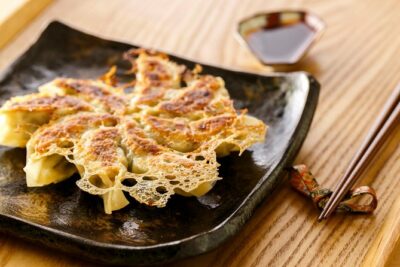 ★ 5.0Ramen & Gyoza Cooking Class in Tokyo with Local Supermarket VisitFrom $122
 ★ 5.0Ramen and Sushi Cooking Class with Sake Pairing Set in TokyoFrom $79
 ★ 4.9Tokyo: Wagyu and 7 Japanese Dishes Cooking ClassFrom $673 hours
 ★ 5.0Tokyo Washoku 4-hour Cooking Class: From Market to TableFrom $79
 ★ 5.0Professional Ramen & Gyoza with Ramen Chef in a restaurant!From $159
 ★ 5.0Small-Group Wagyu Beef and 7 Japanese Dishes Tokyo Cooking ClassFrom $72