
Reviewed · HISTORICAL TOURS
Kyoto: Nijo Castle World Heritage Guided Tour with Admission
Nijo Castle tells its biggest story in one room: in 1867, Tokugawa Yoshinobu gave political power back to the Emperor, ending more than 260 years of shogun rule. This 90-minute tour connects that dramatic moment with the castle’s gates, corridors, gardens, and finely ranked palace rooms.
I like the small group of up to 10 because it gives you room to ask questions, and I like that admission is included. Guides such as Nao, Naoya, Uta, Benjamin, and Alexander are praised for clear English, good storytelling, and practical tips for the rest of your Kyoto visit.
The main drawback is time. Ninety minutes is enough for a focused introduction, but Nijo Castle is large, and you will not explore every corner at a slow pace. You must also remove your shoes inside Ninomaru Palace, so wear socks and shoes that come off easily.
In This Review
- Key points at a glance
- Why Nijo Castle feels different from a defensive fortress
- Meeting your guide at Nijōjō-mae Station
- The gates and moats: power before you enter
- Ninomaru Palace and the language of rank
- Listening for the nightingale floors
- The room where the shogunate ended
- How much value do you get for $40?
- Who will get the most from this tour?
- My call: book it for the story, not just the entrance
- FAQ
- Where does the Nijo Castle tour begin?
- How long does the experience last?
- Is Nijo Castle admission included?
- What language is the tour conducted in?
- How large is the group?
- Do I need to remove my shoes?
- Is the tour wheelchair accessible?
- What is the cancellation policy?
Key points at a glance
- The end of the shogunate: Stand in the room linked to Tokugawa Yoshinobu’s 1867 transfer of authority to the Emperor.
- A castle built for show: Learn how gates, room size, floor height, and decoration expressed power without a battle.
- Nightingale floors: Hear the famous chirping boards designed to expose anyone moving through the palace at night.
- Koi and gardens: Look across the moats and gardens for colorful carp and some of Kyoto’s most photogenic castle views.
- Personal guiding: Groups are capped at 10, and some departures may feel almost private if attendance is low.
- Simple meeting point: Meet outside Exit 1 of Nijōjō-mae Station, where your guide carries a Local Guide Stars sign.
Why Nijo Castle feels different from a defensive fortress
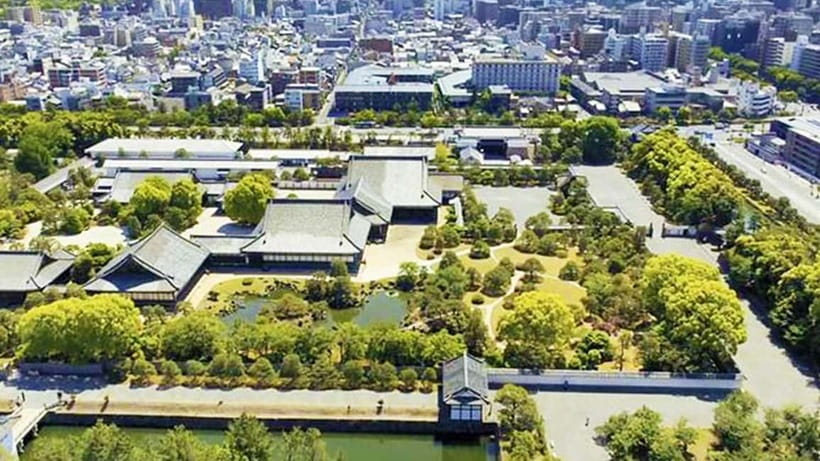
Nijo Castle was built by Tokugawa Ieyasu, the founder of the Tokugawa shogunate, but its purpose here was not simply to repel attackers. The castle placed the shogun’s authority a short distance from the Emperor’s residence in Kyoto. Its message was direct: the military government based in Edo, now Tokyo, could enter the imperial city and command respect.
Your guide explains this power play as you walk. That context changes how you see the site. A huge gate is not just an impressive entrance. A long corridor is not just a passage. The arrangement of rooms and the way people moved through the palace all helped enforce rank.
I find this a useful way to read Japanese architecture. Instead of treating the castle as a collection of beautiful objects, you learn to ask who was allowed where, who had to wait, and who was meant to feel small. Nijo Castle was designed to intimidate politely, through ceremony, distance, height, and silence.
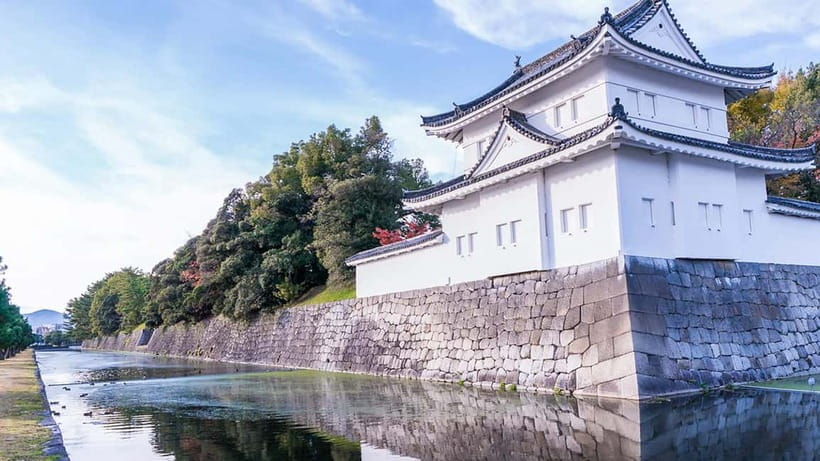
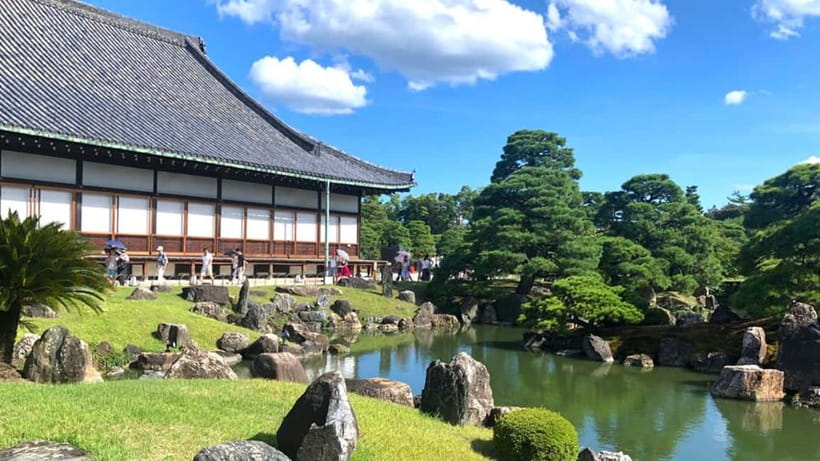
The setting also gives the story a visual lift. Moats surround much of the castle grounds, and colorful koi swim through the water. The gardens provide a welcome pause between the political story and the enclosed palace rooms. Bring your camera, but keep your attention on the details your guide points out, since the design is often more meaningful than a broad view.
A few more Tokyo tours and experiences worth a look



Meeting your guide at Nijōjō-mae Station
The tour begins outside Exit 1 of Nijōjō-mae Station, at Nijojo-mae Sta. Your guide holds a sign marked Local Guide Stars. This is a practical meeting point because you do not need to search inside a large station or find your way through the castle grounds before the tour starts.
The tour finishes back at the station area after the castle visit. That makes the experience easy to fit into a Kyoto sightseeing day, especially if you want a guided stop between other central attractions.
English is the tour language. The group limit is 10 people, which matters here because the palace has narrow corridors and rules about movement. A smaller group also lets you stop for questions without holding up a large crowd.
The guides named in the tour feedback include Nao, Naoya, Uta, Benjamin, and Alexander. Nao is especially praised for detailed explanations and strong storytelling. Naoya is noted for answering questions, explaining both past and current Japanese culture, and offering suggestions for other places to visit. Uta is described as warm and informative, while Benjamin is praised for mixing facts with humor. The exact guide depends on the departure.
The gates and moats: power before you enter
Once inside, your guide frames the castle as a display of control. The moats and gates may look defensive, but the tour focuses on how the whole approach also shaped a visitor’s state of mind.
You move through a sequence of entrances rather than walking straight into the palace. Each stage controlled your view and your pace. That is important because the castle’s power was not only physical. It was psychological. A visitor approaching the shogun had time to feel the distance between ordinary life and official authority.
The moats are among the easiest parts of the tour to enjoy at your own pace. Koi swim through the water, adding color to an otherwise formal setting. The gardens are especially appealing when you want a break from dates and names. You will have chances to notice bridges, water, trees, and carefully arranged views while still hearing how the grounds supported the castle’s message.
The guide’s presence helps you avoid treating the gardens as mere decoration. You learn to connect the polished setting with the political theater taking place inside. That balance between beauty and control is one of Nijo Castle’s strongest themes.
Ninomaru Palace and the language of rank
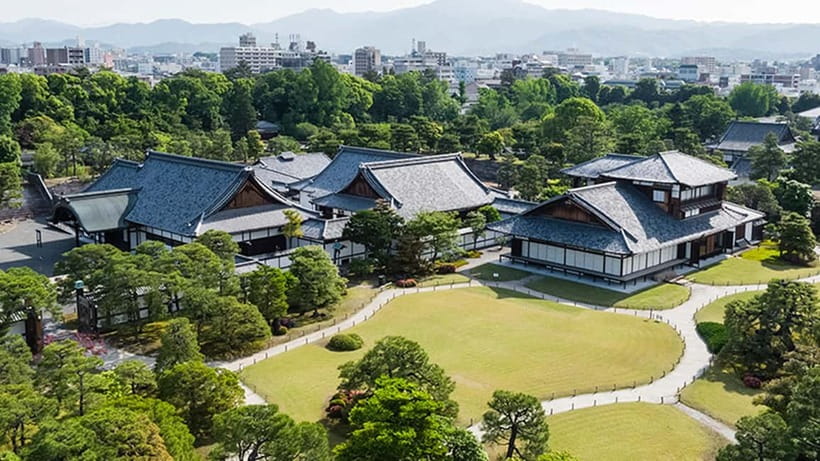
Ninomaru Palace is the heart of the tour. You remove your shoes before entering, so plan for that practical step. The terrain around the castle is mostly flat, and the activity is listed as wheelchair accessible, but the palace shoe rule still applies to everyone.
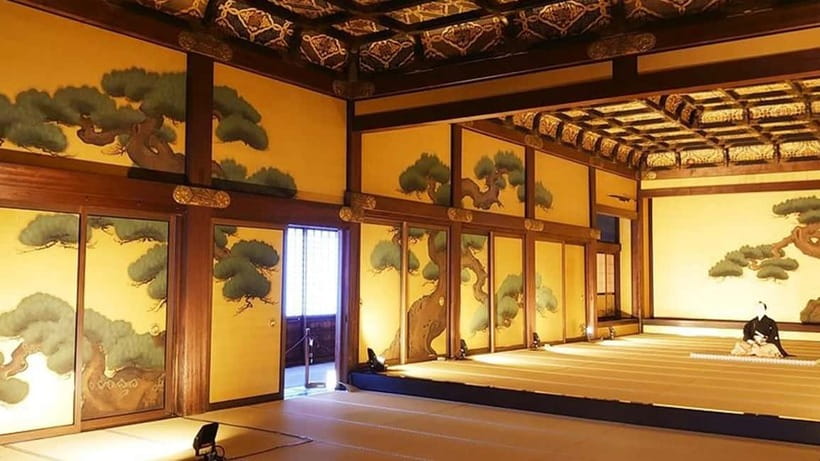
Inside, the rooms are arranged according to status. Room size, floor height, decoration, and position all signaled rank. A person of lower standing did not simply walk into any room and sit wherever he pleased. The building itself helped manage the social order.
This is where a guide adds real value. On your own, you can admire painted panels and wooden details. With an explanation, you begin to see why one room is larger, why a corridor is layered, or why a visitor’s position in the palace mattered. The design becomes a record of behavior.
The corridors are also part of the message. Gates and passageways created a series of controlled encounters. Important visitors were not given a casual route through the building. They were moved through spaces that made the shogun’s authority feel orderly, permanent, and difficult to challenge.
The palace is not only about visual beauty. It is about how architecture can direct human conduct. I would pay close attention to the guide’s explanation of floor height and room placement, since these details are easy to miss when you are focused on painted surfaces.
Listening for the nightingale floors
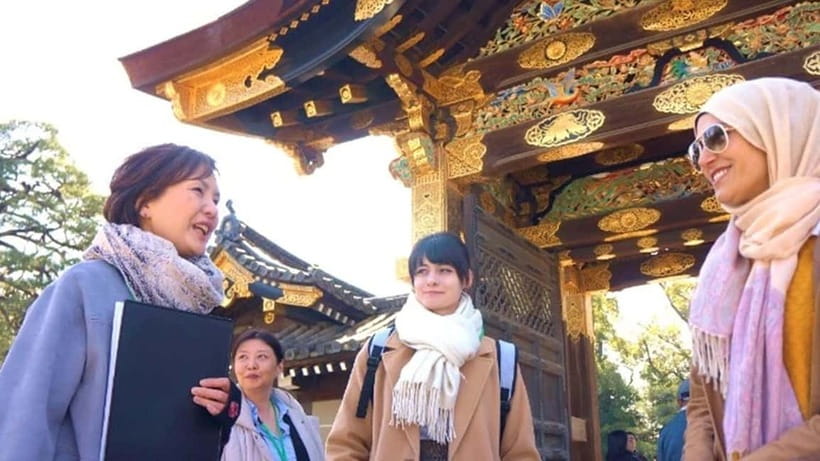
The famous nightingale floors are one of the tour’s most memorable features. Boards beneath your feet chirp as you walk, creating a sound that could expose an intruder moving through the palace at night.
You will want to listen carefully rather than rush through this section. The sound is part of the building’s working design, not a modern audio effect. It turns a simple walk into a small demonstration of how the shogun’s residence protected itself.
The floors also fit the castle’s larger story. Nijo Castle used beauty and ceremony, but it did not ignore security. The palace could welcome officials with polished rooms and formal rituals while still making secret movement difficult.
This is a good example of why the 90-minute format works for a first visit. A guide can point out a detail, explain its purpose, and keep you moving before the visit becomes a long architecture lecture. If you already have a strong interest in Japanese castles, you may want additional time afterward to explore at your own pace.
Other guided tours in Tokyo






The room where the shogunate ended
The tour’s most important stop is the room connected with Tokugawa Yoshinobu’s decision in 1867 to return authority to the Emperor. This act ended more than 260 years of Tokugawa shogunate rule and helped open the way to the Meiji Restoration.
The power of this moment comes from the setting. You are not hearing about the change in a distant museum gallery. You are standing inside the palace where the transfer took place. The same rooms that once expressed shogun authority became linked with the end of that authority.
Your guide sets up the rivalry between shogun and Emperor so the event makes sense. The story is not simply that one leader stepped aside. It reflects a long tension between military rule and imperial legitimacy, with Kyoto serving as the symbolic center of the conflict.
I appreciate that the tour treats the castle as a political site rather than only a pretty one. The palace rooms, formal corridors, and gates all gain meaning once you understand that the building was created to assert the shogun’s presence beside the Emperor’s home.
For many people, this is the point that makes the admission fee worthwhile. You get a clear historical anchor for the entire visit. The gardens and palace details are pleasant, but the 1867 event gives the castle its strongest human drama.
How much value do you get for $40?
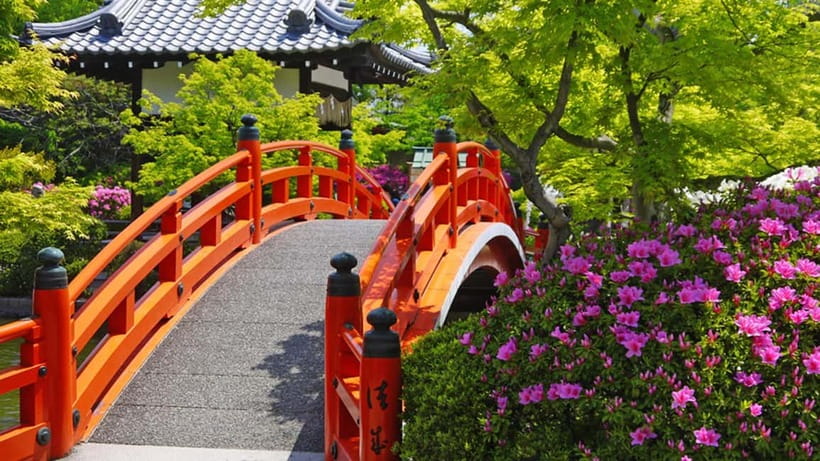
At $40 per person, this is not the cheapest way to enter a Kyoto attraction. The price includes Nijo Castle admission and a 90-minute guided tour, so you are paying for interpretation as well as entry.
I think the value is strongest if you want the political story explained clearly. Nijo Castle has enough visual appeal to visit alone, but it is easy to miss the purpose behind its design. The guide shows you how to read the rooms, floors, gates, and corridors as parts of one power system.
The small group improves that value. A 10-person limit gives the guide a better chance to answer questions and adjust the pace. Some departures may have only one participant or a very small number, creating a near-private experience without the cost of booking a private tour.
The price may feel less appealing if you already know the Tokugawa period well and prefer to wander silently. It may also feel tight if you want extensive garden time or detailed photography. This experience is best understood as a focused guided introduction, not an all-day castle visit.
A practical advantage is the reserve-now-and-pay-later option. You can hold a place without paying immediately, and free cancellation is available up to 24 hours before the tour for a full refund. Check the available starting times when booking, since the schedule can affect how well the tour fits your day.
Who will get the most from this tour?
I would recommend it to first-time visitors who want Nijo Castle to make sense, not just look attractive. It is also a good choice if you enjoy political history, architecture, or the transition from samurai government to the Meiji era.
Families can benefit from the short format and the nightingale floors. The experience has enough physical detail to interest younger visitors, while the guide can explain the larger story to adults. One family group with children aged 8 and 13 and several older relatives found that the guide adjusted to their pace and handled questions well.
The tour also suits solo travelers and couples who prefer conversation to a large lecture. The group size creates a more direct exchange with the guide. You can ask about palace customs, Japanese culture, or other places to see in Kyoto.
You may want to skip it if you dislike removing your shoes, need a very slow pace, or want to spend several hours photographing gardens. The grounds are mostly flat and the activity is wheelchair accessible, but palace access still involves the shared shoe-removal rule.
Wear comfortable shoes that are easy to take off and put back on. Socks are a sensible choice. Arrive at Exit 1 with enough time to spot the Local Guide Stars sign rather than trying to find the guide at the last moment.
My call: book it for the story, not just the entrance
Book this tour if you want a compact, personal explanation of why Nijo Castle mattered. The nightingale floors, koi-filled moats, and ornate palace rooms are memorable, but the real reward is understanding how the castle staged power and then witnessed its collapse.
The strongest reason to choose it is the guide-led connection between architecture and history. Nao, Naoya, Uta, Benjamin, and Alexander are all named as guides who can explain the site in English and respond to questions. The small group makes that human contact part of the experience.
Choose a self-guided visit instead if you already know the Tokugawa period or want to set your own pace. For most first-time visitors, though, $40 is a fair price for admission plus a focused 90-minute tour that brings the shogun and Emperor rivalry into the rooms where it mattered.
FAQ
Where does the Nijo Castle tour begin?
Meet outside Exit 1 of Nijōjō-mae Station, also shown as Nijojo-mae Sta. The guide carries a Local Guide Stars sign.
How long does the experience last?
The guided experience lasts 90 minutes. The castle sightseeing portion is listed as about one hour, with the tour beginning and ending at the station area.
Is Nijo Castle admission included?
Yes. The price includes admission to Nijo Castle and the guided tour.
What language is the tour conducted in?
The tour is conducted in English with a live guide.
How large is the group?
The group is limited to 10 participants. If fewer people book, the experience may be much smaller.
Do I need to remove my shoes?
Yes. All visitors must remove their shoes when entering the palace. Wear comfortable footwear that is easy to remove.
Is the tour wheelchair accessible?
Yes, the activity is listed as wheelchair accessible, and the route is mostly flat. You will still need to follow the palace rule requiring shoes to be removed.
What is the cancellation policy?
You can cancel up to 24 hours before the tour for a full refund. You can also reserve now and pay later, subject to the booking conditions.
More Historical Tours in Tokyo


More Guided Tours in Tokyo
More Tickets & Passes in Tokyo



More tours in Tokyo we've reviewed







Historical Tours, compared.
 ★ 5.0Tokyo: Imperial Palace and Shogun Historical Walking TourFrom $22
 ★ 4.9Tokyo: Imperial Palace Japanese History Walking TourFrom $32
 ★ 5.0Yanaka Walking Tour: Historic and Traditional District of TokyoFrom $72
 ★ 5.0Tokyo: Shinjuku Historical Walking Tour & Secret BackstreetsFrom $25
 ★ 4.5Mt. Fuji Heritage Tour: Traditional Villages, Lakes & ShrineFrom $5010 hours
 ★ 4.9From Tokyo: Nikko World Heritage Site Private Full-Day TripFrom $4831 day