
Reviewed · TOKYO
Tokyo Time Machine: Exploring Old School Monzen-Nakacho
Monzen-Nakacho gives you a side of Tokyo that many visitors miss: old neighborhood restaurants, family-run food shops, Buddhist ritual, and tiny bars where space is tight but the welcome is warm. This five to six hour walk links those pieces through food and drink, beginning at 1 p.m. and ending back at the station.
I like the small group of six or fewer, which makes cramped izakayas and standing bars much easier to manage. I also like that food, snacks, coffee or tea, beer, sake, and other drinks are included, so you can focus on the neighborhood instead of keeping a running tally.
The main consideration is the price, $195 per person. That is a serious outlay for a walking tour, and the long afternoon may feel food-heavy if you prefer light meals or do not drink alcohol. You must also be at least 18.
In This Review
- Key points at a glance
- Why Monzen-Nakacho makes a good food walk
- Starting with clam rice and neighborhood cooking
- Fukagawa Fudodo and the fire ceremony
- From sake specialist to oyster counter
- Squeezing into a Tokyo tachinomi
- What the guides add to the day
- Is $195 a fair price?
- Timing, transport, and practical details
- Who should book this Monzen-Nakacho tour?
- Should you book Tokyo Time Machine?
- FAQ
- How long does the Tokyo Time Machine tour last?
- Where does the tour start?
- What food and drinks are included?
- Is the temple ceremony included?
- How many people can join the tour?
- Who can participate, and what is the cancellation policy?
Key points at a glance
- Start with fukagawa meshi: Taste Monzen-Nakacho’s local clam-and-rice specialty in a classic neighborhood eatery.
- See Fukagawa Fudodo: The temple visit includes a powerful religious fire ceremony and context about sake, faith, and daily life.
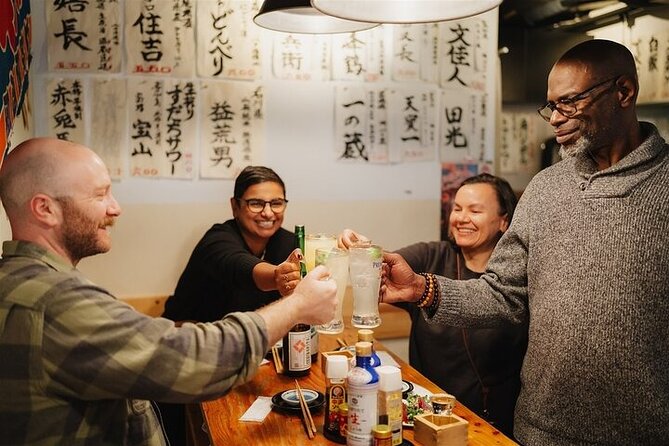
- Eat and drink like a local: The route includes a sake specialist, oysters, local beer, BBQ, and a small tachinomi standing bar.
- Keep the group intimate: A maximum of six people suits tiny storefronts and makes conversation with the guide easier.
- Meet the neighborhood through personal connections: Guides including Michelle, Elly, and Mairi bring long local ties and practical food advice.
- Plan for a full afternoon: The tour starts at 1 p.m., lasts about five to six hours, and returns to Monzen-Nakacho Station.
Why Monzen-Nakacho makes a good food walk
Tokyo has no shortage of famous food districts. Tsukiji, Shibuya, Shinjuku, and Asakusa are easier to place on a first-time itinerary. Monzen-Nakacho is different. It is a local district where temples, old shops, neighborhood restaurants, and drinking spots sit close together without feeling arranged for sightseeing.
That is exactly why this tour works. You are not simply moving from one famous dish to another. You are seeing how food fits into a community, from a humble bowl of clams and rice to sake served in places that can be hard to enter without Japanese language skills or a local introduction.
I especially like the link between religion and food here. The day is not just an eating circuit. Fukagawa Fudodo gives the afternoon a cultural center, with a multisensory Buddhist ceremony and a chance to consider how sake and other offerings fit into Japanese religious practice.
The setting also matters. Small izakayas and tachinomi bars often have limited menus, little room, and ordering customs that can confuse a first-time visitor. With a guide, you can spend less time worrying about etiquette and more time noticing what makes each place special.
If you're still narrowing it down, here are other tours in Tokyo we've reviewed.

Starting with clam rice and neighborhood cooking
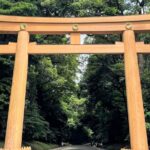
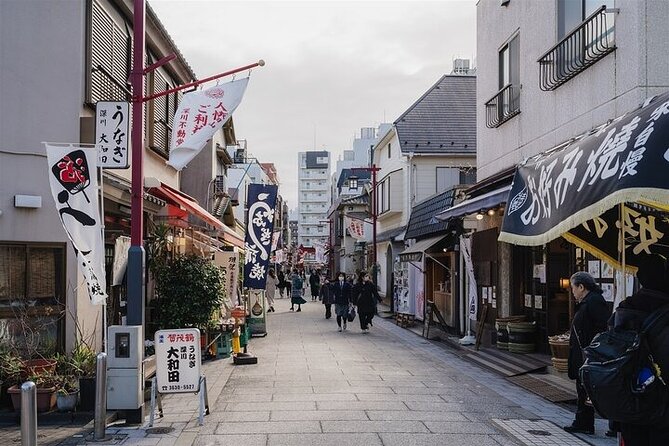
Meet your guide at Monzen-Nakacho Station, at 2 Chome-4 Monzennakacho, Koto City. The walk begins at 1 p.m., so you have the morning free for another Tokyo sight or a slow start. From the station, the route heads into backstreets and small local businesses.
One early food stop centers on fukagawa meshi, a Monzen-Nakacho specialty made with clams served over rice. The dish has a direct connection to the area’s past and its relationship with the nearby water. It is the kind of food that tells you where you are, rather than simply offering a generic Japanese meal.
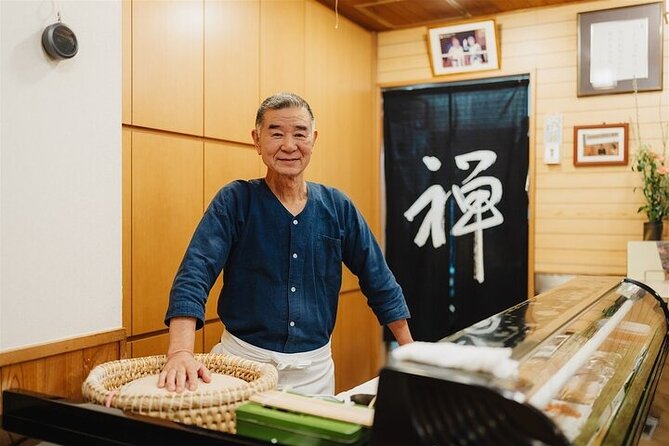
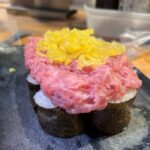
The tour also includes sushi and a classic neighborhood meal. Exact dishes can vary, but the pattern is clear: expect food with local meaning, not a long list of fashionable Tokyo bites. You may encounter family-run shops and artisans who have kept familiar cooking traditions alive.
This first section is useful for anyone who wants a gentle introduction to Japanese food customs. The guide explains what you are eating, how it fits the neighborhood, and what to notice. That help is particularly valuable if you are gluten-free or have celiac disease. One account specifically praises the tour for working well with a celiac or gluten-free diet, but you should still discuss your needs with the provider before booking.
Because food and drink are included, you do not need to bring cash for every tasting. Still, I would carry some yen for personal purchases, since the included arrangements do not mean every item in every shop is covered.
Fukagawa Fudodo and the fire ceremony
The next major stop is Fukagawa Fudodo, a Buddhist temple known here for its striking fire ritual. The ceremony brings sound, movement, heat, and visual drama into the middle of the food walk. It is a reminder that Monzen-Nakacho is not only a place to eat and drink.
The visit also helps explain the connection between sake and Japanese culture. Sake is not treated simply as an alcoholic beverage. It can appear in religious settings, community events, meals, and everyday social life. A guide can give you the missing context, especially when the ritual itself moves quickly and you are unsure what each part means.
I consider this the strongest reason to choose this tour over a standard food crawl. Plenty of Tokyo walks can feed you. Fewer give you a clear look at a neighborhood temple ceremony and then connect that experience to local drinking customs.
The fire ceremony may not suit everyone. If you dislike smoke, heat, loud ritual sounds, or religious sites, this could be the most demanding part of the afternoon. It is also a scheduled cultural experience, not a private performance created for your group, so you should approach it respectfully and follow your guide’s instructions.
From sake specialist to oyster counter
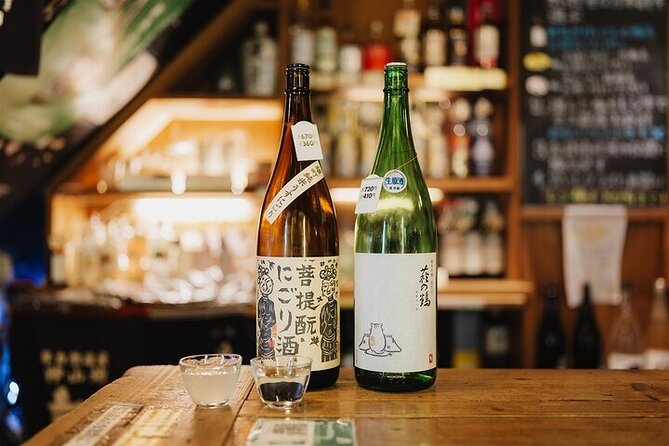
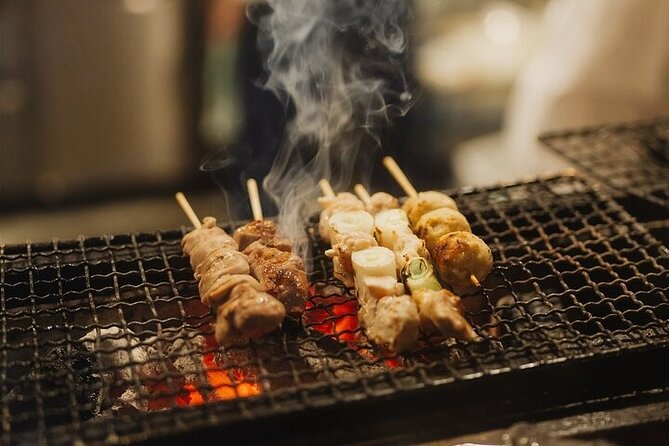
After the temple, the pace shifts toward the neighborhood’s drinking spots. You visit a sake specialist and taste several forms of Japan’s traditional spirit. This is more useful than simply being handed a drink, since the guide can help you compare styles and understand why sake is served in different ways.
The included drinks are a major part of the tour’s value. Beer and sake are not inexpensive when ordered repeatedly in Tokyo, and a guided tasting lets you sample without wondering if you have chosen well. Coffee or tea is also included, which helps keep the long afternoon comfortable for anyone who wants a break from alcohol.
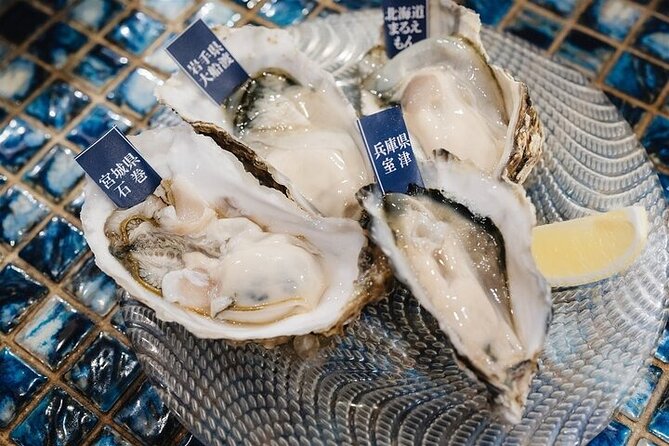
The route also includes an oyster stop. The oyster shucker buys directly from fishermen still dealing with the effects of the 2011 tsunami. That detail gives the tasting a human and economic side. You are not only sampling seafood. You are learning how a small business can support producers and help a region recover.
The food here may be more adventurous than what you find at a typical restaurant. If you love seafood, sake, and small producers, this will likely be one of the most interesting parts. If you have shellfish allergies or do not eat seafood, ask in advance how substitutions are handled. The supplied information confirms included meals and snacks, but it does not promise specific alternatives.
Squeezing into a Tokyo tachinomi
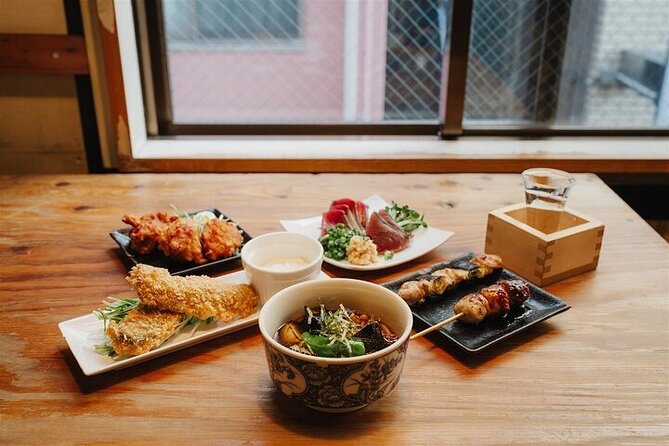
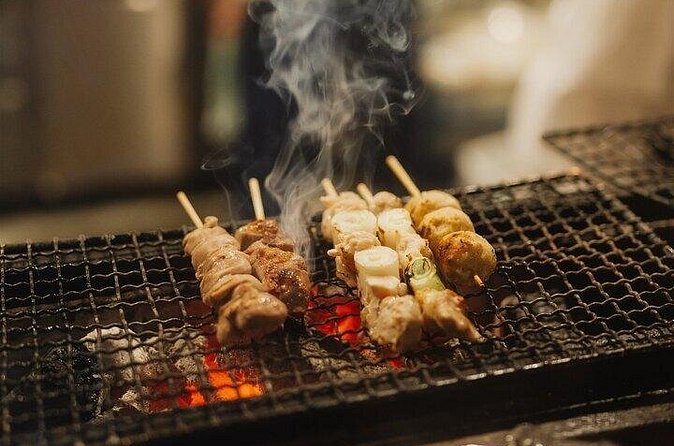
One of the most distinctive stops is a tachinomi, or standing bar. These places are built for quick drinks and small dishes, with customers standing at narrow counters rather than settling in for a long meal. The kitchen may be tiny, but the food can be carefully made.
For a first-time visitor, a tachinomi can be difficult to find and even harder to enter with confidence. The small size, Japanese-only menus, and fast rhythm can create a language barrier. A guide removes much of that friction and can point out what locals order and how the space works.
The group limit matters here. With no more than six people, you are less likely to overwhelm a small bar or split apart in a narrow room. It also gives you a better chance to ask questions as the afternoon unfolds.
This is not a tour for someone who wants a polished dining room and a fixed three-course meal. You may stand, move between venues, eat small portions, and adjust to each shop’s pace. That informality is part of the appeal, but it is worth knowing before you book.

What the guides add to the day
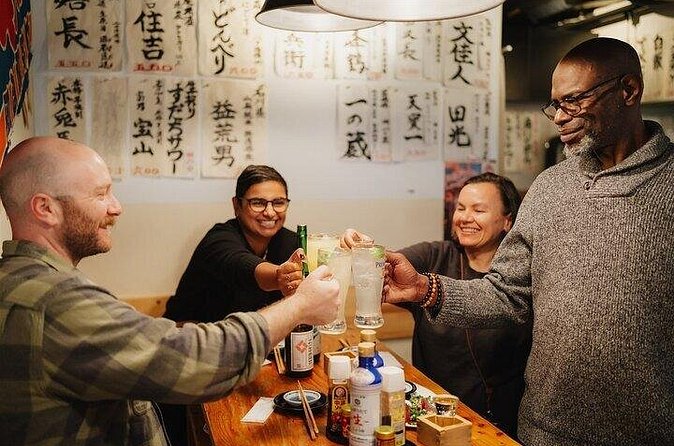
The guides named in the available information include Michelle, Elly, and Mairi. Their styles may differ, but the experience depends heavily on the guide’s local relationships and ability to explain food, history, religion, and etiquette in clear English.
Michelle has lived in Japan for 20 years and is described as having close ties with the neighborhood’s food vendors. Elly is praised for guiding the group through the district’s flavors and for explaining its history and religious traditions. Mairi brings a long connection to Tokyo and to the small businesses visited along the way.
Those personal links matter. A food walk can easily become a chain of anonymous tastings. Here, the aim is to meet the people behind the food, from the oyster shucker to the small bar staff and local shop owners. You get a better sense of how a neighborhood feeds itself.
The guide also helps set the timing. The food arrives at intervals rather than all at once, with drinks accompanying carefully chosen bites. That makes the five to six hours feel more like a progressive neighborhood meal than a single large dinner.
Is $195 a fair price?
At $195, this is not a budget activity. You are paying for a small group, a long afternoon, several food and drink stops, a temple visit, translation help, and the guide’s local connections. Dinner, snacks, alcoholic beverages, coffee, and tea are included.
The value improves if you would otherwise pay for multiple meals, tastings, and drinks during the day. It also improves if you place a high value on entering places you would not confidently find or navigate alone. A self-guided walk through Monzen-Nakacho would cost much less, but it would not offer the same access, explanations, or built-in meal.
The price is harder to justify if you are mainly looking for one filling meal or a quick introduction to Tokyo food. You may also find it poor value if you do not drink and cannot enjoy the alcohol component, although the tour includes food and nonalcoholic drinks as well.
For many people, the best comparison is not with a cheap neighborhood stroll. Compare it with the cost and effort of arranging several small meals, finding a temple ceremony, ordering sake, and handling language issues on your own. On that basis, the price is easier to understand.
Timing, transport, and practical details
The tour starts at Monzen-Nakacho Station at 1 p.m. and ends at the same meeting point. Private transportation is not included, but the starting point is near public transportation, making the station meeting simple to reach.
Plan for five to six hours. This is an afternoon stretching into evening, not a short tasting before dinner. Wear comfortable shoes and arrive ready to walk between venues. You will want enough space in your appetite for multiple stops rather than one large meal at the beginning.
A mobile ticket is provided, and confirmation arrives when you book. The group is limited to six, and most people can participate. The minimum age is 18, largely because alcoholic drinks form a central part of the route.
The cancellation terms are straightforward: cancel at least 24 hours before the local start time for a full refund. Changes or cancellations inside that window are not accepted for a refund.
Who should book this Monzen-Nakacho tour?
I would choose this for a repeat visitor to Tokyo, a food-focused first-time visitor, or anyone who wants a neighborhood experience beyond the usual sightseeing circuit. It suits curious eaters who enjoy small portions, local drinks, modest interiors, and stories about the people who run the businesses.
It is also a strong pick if you worry about language barriers. You can try unfamiliar foods and enter small bars with someone who knows how the places work. The guide’s explanations are as important as the tastings.
I would think twice if you need a tightly predictable menu, dislike seafood, avoid alcohol, or prefer seated restaurants. The tour includes several food and drink stops, but exact dishes can vary. It also asks you to spend much of an afternoon moving through compact local venues.
Should you book Tokyo Time Machine?
Book it if you want food, faith, and neighborhood life in one afternoon, rather than a checklist of Tokyo landmarks. Fukagawa meshi, the Buddhist fire ceremony, sake, oysters, BBQ, local beer, and the tachinomi stop create a varied route with real local texture.
Skip it if $195 feels too high for a walking meal or if your diet and comfort level make seafood, alcohol, or tiny bars a poor match. For everyone else, the small group and strong guide involvement make this one of the more personal ways to get to know Monzen-Nakacho.
FAQ
How long does the Tokyo Time Machine tour last?
The tour lasts approximately five to six hours. It begins at 1 p.m. and ends back at the Monzen-Nakacho Station meeting point.
Where does the tour start?
The meeting point is Monzen-Nakacho Station, at 2 Chome-4 Monzennakacho, Koto City, Tokyo 135-0048, Japan.
What food and drinks are included?
Included items are alcoholic beverages, dinner, snacks, and coffee or tea. The route features foods and drinks such as fukagawa meshi, sushi, sake, oysters, BBQ, and local beer.
Is the temple ceremony included?
Yes. The route includes a visit to Fukagawa Fudodo and the opportunity to see its religious fire ceremony.
How many people can join the tour?
The group has a maximum of six people. This small size is useful in narrow izakayas, standing bars, and family-run shops.
Who can participate, and what is the cancellation policy?
Participants must be at least 18 years old, and most people can participate. You can cancel for a full refund up to 24 hours before the experience start time.
More tours in Tokyo we've reviewed




Tokyo, compared.
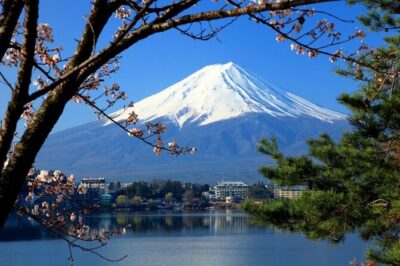 ★ 5.0Mt Fuji and Hakone 1-Day Bus Tour Return by Bullet TrainFrom $163
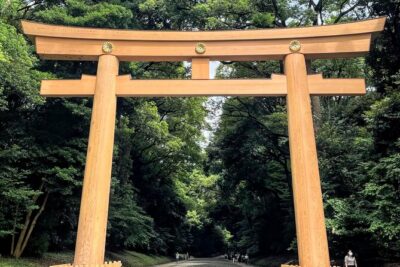 ★ 5.01-Day Tokyo Bus TourFrom $129
 ★ 4.6Tokyo: teamLab Planets TOKYO Digital Art Museum Entry TicketFrom $251 day
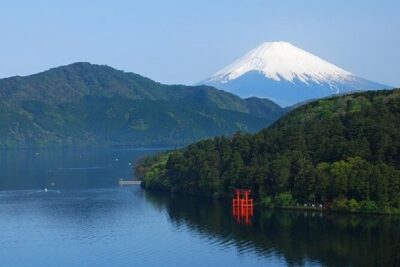 ★ 4.0Mt Fuji & Hakone Cruise, Drum Show Bullet Train 1 Day from TokyoFrom $149
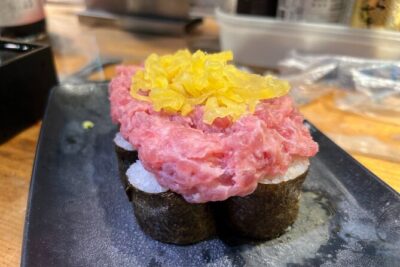 ★ 5.0Tokyo: Shinjuku Food Tour (13 Dishes at 4 Local Eateries)From $86
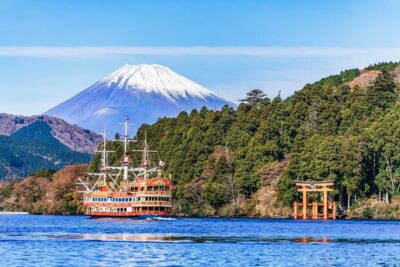 ★ 4.4Tokyo Mt Fuji 5th St & Hakone Cruise Bus Tour w/Bullet TrainFrom $15410 hours