
Reviewed · TICKETS
Tokyo: Hop-On Hop-Off Sightseeing Bus Ticket
Tokyo is enormous, and this open-top bus gives you a fast first look at its very different districts. You can ride past SkyTree, Asakusa, Tokyo Tower, Tsukiji, Ginza, Shinjuku, Shibuya, and Meiji Jingu Shrine without wrestling with a subway map on your first day.
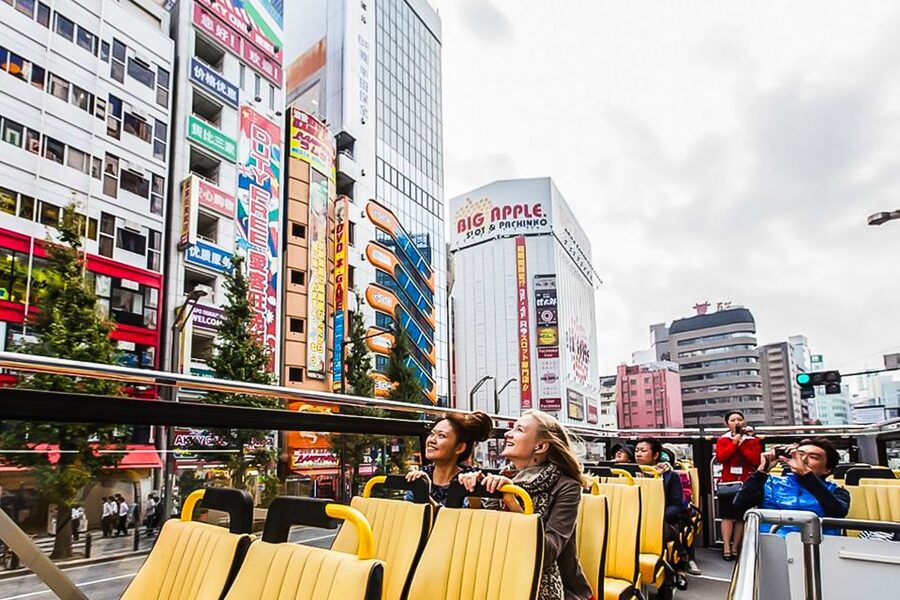
I like the unlimited access to all three routes, and I like the view from the upper deck, especially around dusk when Tokyo’s lights begin to glow. The audio guide on your own phone is also useful, with 10 language choices and commentary timed to the sights.
The catch is the timetable. This is not a bus every few minutes. At busy times, the next bus may be 30 to 45 minutes away, or even longer on some sections, so a little planning matters. The open deck has no air-conditioning, and it can be hot, cold, wet, or windy.
In This Review
- Key points before you book
- Why this bus makes sense in Tokyo
- Starting at the Mitsubishi Building
- Route 1: SkyTree, Ryogoku, Asakusa, and Ueno
- Route 2: Tokyo Tower, Tsukiji, and Ginza
- Route 3: Shinjuku, Shibuya, Harajuku, and Meiji Jingu
- The open deck is the main event
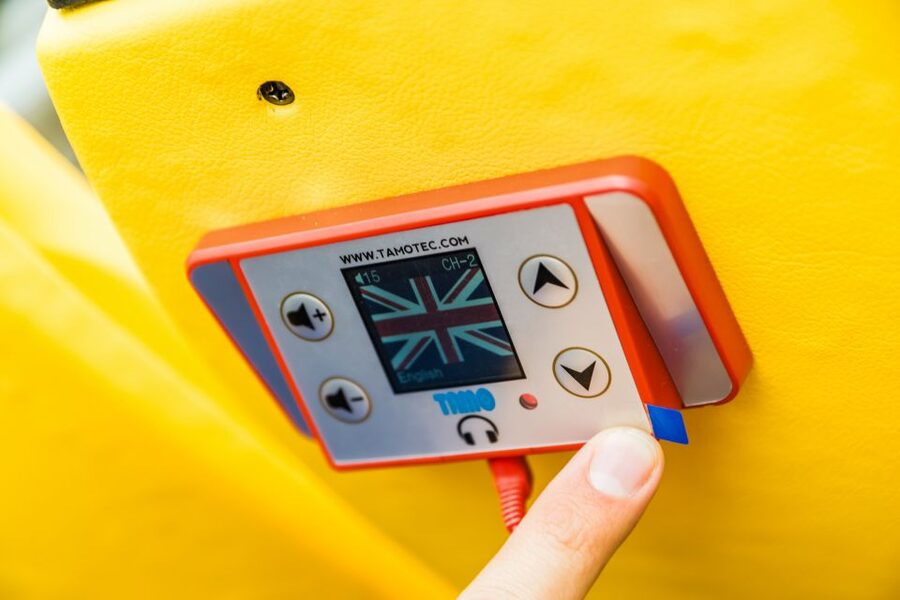
- Audio commentary in 10 languages
- How to plan around the long intervals
- Who will get the most from this ticket
- Booking details worth knowing
- Should you book the Tokyo bus?
- FAQ
- How long does the Tokyo hop-on hop-off ticket last?
- How much does the ticket cost?
- Where can I board the bus?
- Which Tokyo attractions are on the routes?
- Is the audio guide available in English?
- Do I need to bring anything for the audio guide?
- Is the bus air-conditioned?
- What happens if the bus is full?
- Can I use an umbrella on the bus?
- Can bad weather cancel the tour?
Key points before you book
- Three routes cover different sides of central Tokyo, linking SkyTree and Asakusa, Tokyo Tower and Ginza, plus Shinjuku, Shibuya, and Harajuku.
- The upper deck is open to the weather, giving you broad city views but no air-conditioning.
- Your $30 ticket lasts one or two days, depending on the option selected, with unlimited rides on every route.
- The personal-device audio guide supports 10 languages, but you need your own smartphone, tablet, and earphones.
- A QR code lets you board at any listed stop, not only at the Mitsubishi Building meeting point.
- Buses can fill up, and standing is not allowed while the vehicle is moving, so you may need to wait for the next departure.
Why this bus makes sense in Tokyo
I usually see a hop-on hop-off bus as a sightseeing tool first and public transport second. That distinction matters here. Tokyo’s trains are usually the faster way to reach a particular attraction, but the bus lets you sit above street level, hear about the areas you pass, and decide what deserves more of your time.
For a first day, the ride helps you get your bearings. You see how far apart Tokyo’s districts really are, and you get a feel for the contrast between old Asakusa, polished Ginza, high-rise Shinjuku, and youthful Shibuya.
The bus is also useful if you have only a short stay. A full loop on one route can take about two hours, according to the practical timing given for the service. You will not see every major Tokyo attraction, but you can cover a broad sweep without changing trains.
At $30 per person, the value depends on how you use it. If you ride several complete routes, listen to the commentary, and hop off at one or two places, the price can make sense. If you use it only as a single ride between two districts, Tokyo’s rail network will usually be the more efficient choice.
A few more Tokyo tours and experiences worth a look

Starting at the Mitsubishi Building
The main meeting point is in front of the Mitsubishi Building in the Marunouchi area. This is a sensible central starting point, near Tokyo Station, and all three routes return there.
You can also board directly at any bus stop using the QR code sent with your voucher. That is helpful because you do not need to cross the city just to begin the tour. Have the code ready on your phone, and check the timetable before walking to a stop.
This ticket is not a reserved seat. If a bus is full, you must wait for the next one. That can be a minor nuisance during busy sightseeing hours, particularly if you have just finished at an attraction and want to continue on schedule.
The upper deck is the seating area. The lower level is used for storage, so you should not count on moving downstairs for a cooler or more sheltered ride. Staff are reported to be helpful and clear, but the bus system still rewards a patient approach.
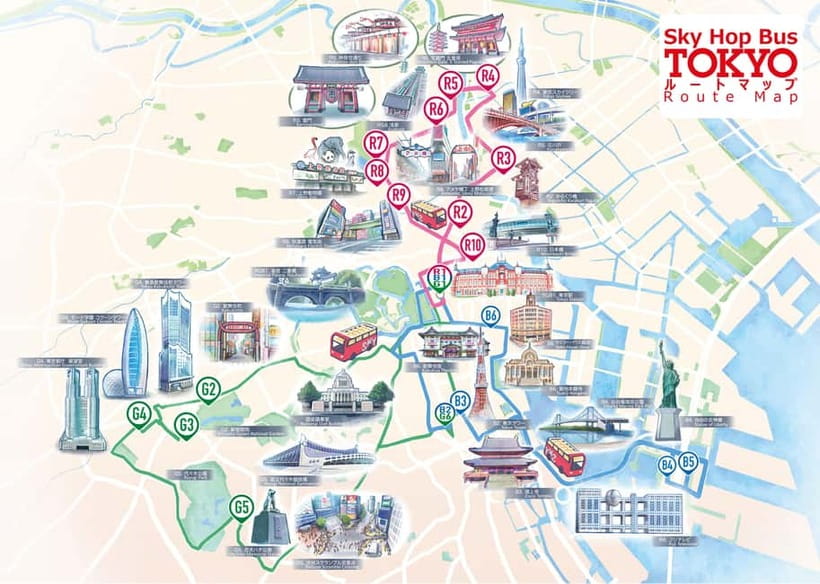
Route 1: SkyTree, Ryogoku, Asakusa, and Ueno
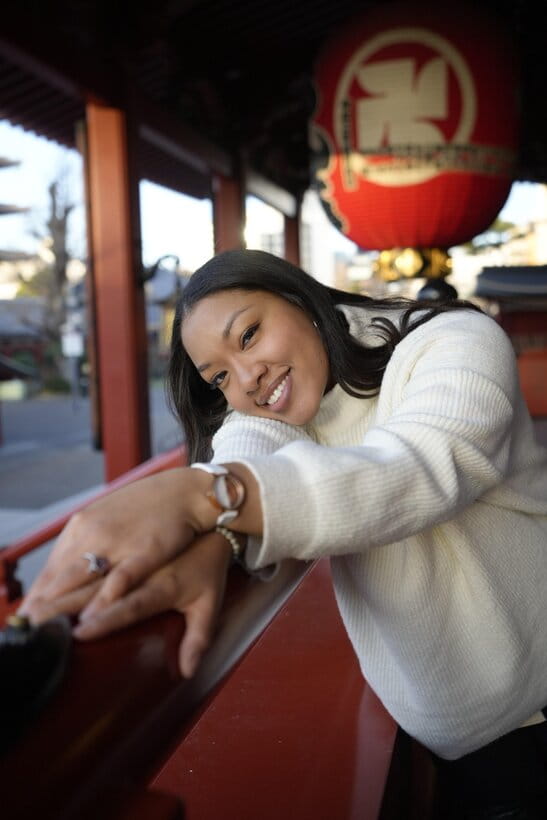
The Tokyo SkyTree course is the best choice if you want old Tokyo, major city views, and several traditional districts in one loop. It begins at the Mitsubishi Building and runs through Kodemmacho Station toward Ryogoku, the area associated with sumo wrestling.
The Ryogoku Edo-Tokyo Museum stop gives you access to a district focused on Tokyo’s past. The museum itself is a separate visit, but even from the bus you get a useful change of pace from Marunouchi’s office towers.
The main stop is Tokyo SkyTree, one of the city’s most recognizable landmarks. You can use the bus as a simple way to reach the tower, then continue later if the timetable works. SkyTree is also near an aquarium, which one passenger specifically enjoyed, though the aquarium admission is not part of this ticket.
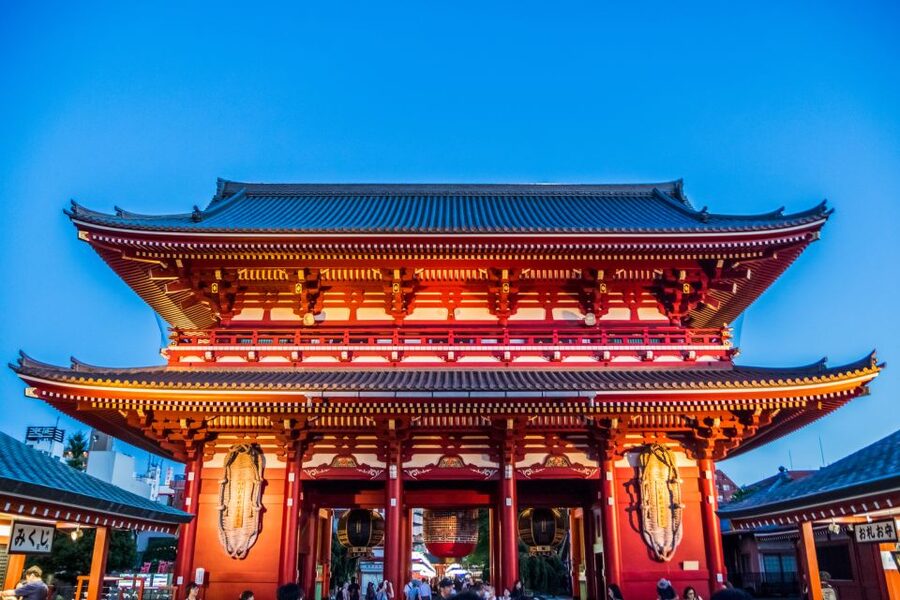
Next comes Asakusa Hanakawado and Asakusa Tawaramachi. This is where the route feels most traditional, with access to Senso-ji Temple and the Nakamise shopping street area. If you want to step off and explore temples, small shops, and historic Tokyo streets, Asakusa is the strongest hop-off on this course.
The bus then continues toward Ueno Matsuzakaya and Akihabara at Suehirocho. Ueno gives you access to museums, parks, and shopping, while Akihabara is known for electronics, games, and anime culture. The route finishes through Shin-Nihombashi Station and returns to Marunouchi.
This loop is a good full ride if you want to compare several sides of Tokyo before choosing where to spend an afternoon. The drawback is that a stop in Asakusa or SkyTree can quickly take longer than the bus interval, so check the return time before you get off.
Route 2: Tokyo Tower, Tsukiji, and Ginza
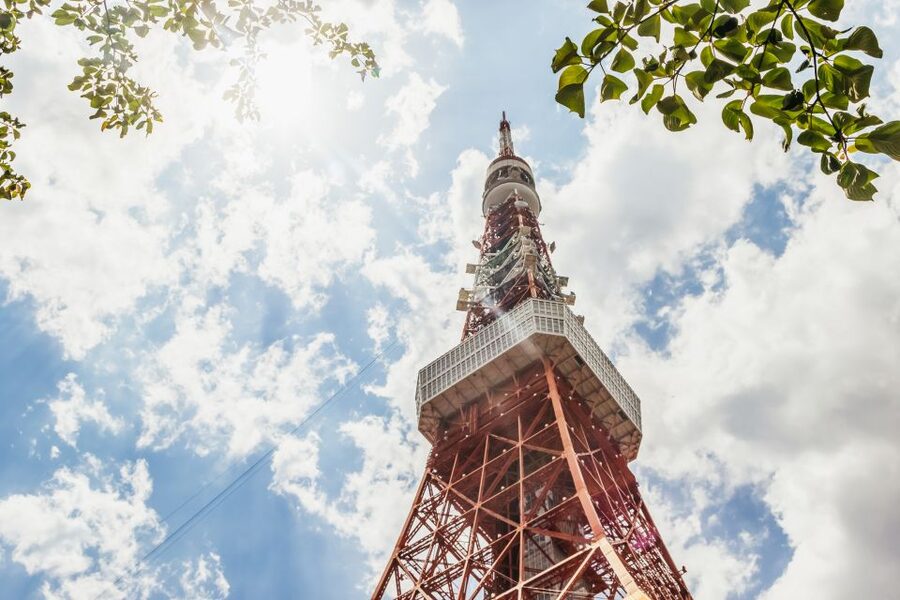
The Tokyo Tower, Tsukiji, and Ginza course is the most useful route for central landmarks and evening views. From Marunouchi, the bus heads toward Tokyo Tower, then Tokyo Prince Hotel and Zojo-ji Temple.
Tokyo Tower remains one of the easiest landmarks to recognize from the road. You can photograph it from the bus, or get off to visit the tower and the nearby temple. Zojo-ji adds a more traditional setting, with the tower rising behind it in many views.
The route then heads toward Tokyo Teleport Station before reaching the Tsukiji and Ginza area. Tsukiji is a practical stop for food, market browsing, and a look at one of Tokyo’s best-known culinary districts. The outer market area is separate from the former wholesale market site, so keep your expectations focused on shops and food rather than a working fish auction.
Ginza offers a sharp contrast: department stores, luxury shopping, broad streets, and polished architecture. It is easy to combine this route with a meal or an evening walk, but the bus itself may not be the quickest way to move between Tsukiji and Ginza.
This course can be especially pleasant near sunset. You see the city change from daylight to illuminated towers and shopfronts. If you choose a two-day ticket, you can ride the route once for orientation and return later to hop off at Tokyo Tower or Ginza.
Route 3: Shinjuku, Shibuya, Harajuku, and Meiji Jingu
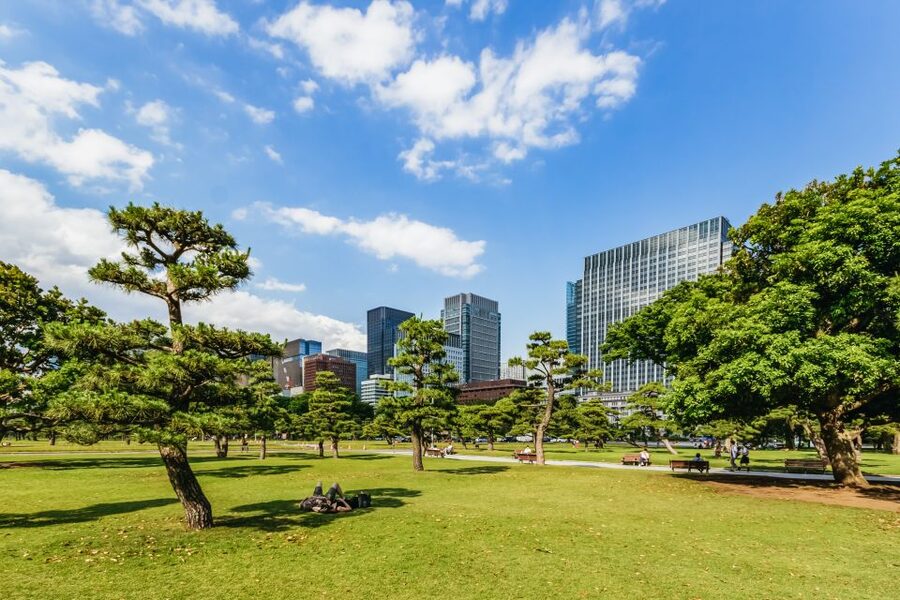
The Shinjuku Shibuya course takes you west from Marunouchi into Tokyo’s high-rise and youth-culture districts. The first major stop is Shinjuku-gyoemmae Station, near Shinjuku Gyoen National Garden.
The garden is not included, but it is a worthwhile stop if you want lawns, ponds, and a break from traffic. Be sure to allow enough time before the next bus. This route can have long gaps between departures, and missing one may change your whole afternoon.
The bus continues to Shinjuku Station South Exit and Hotel Century Southern Tower, then on to the Shinjuku Mitsui Building in Nishi-Shinjuku. This is the high-rise side of Tokyo, with large office towers and wide views along the streets.
The route then reaches Shibuya City Hall, Harajuku, and Meiji Jingu Shrine. Shibuya is the place for dense pedestrian energy, shops, and the famous crossing area. Harajuku brings a different crowd and style, while Meiji Jingu offers a quieter shrine setting behind a broad wooded approach.
One of the most enjoyable parts of this route is the road experience itself. The bus passes through busy districts that are tiring to cover on foot, and some departures include a freeway stretch that feels surprisingly exciting from the open deck. Hold on to your hat on exposed sections. Wind can be strong, especially across bridges.
A few more Tokyo tours and experiences worth a look
The open deck is the main event
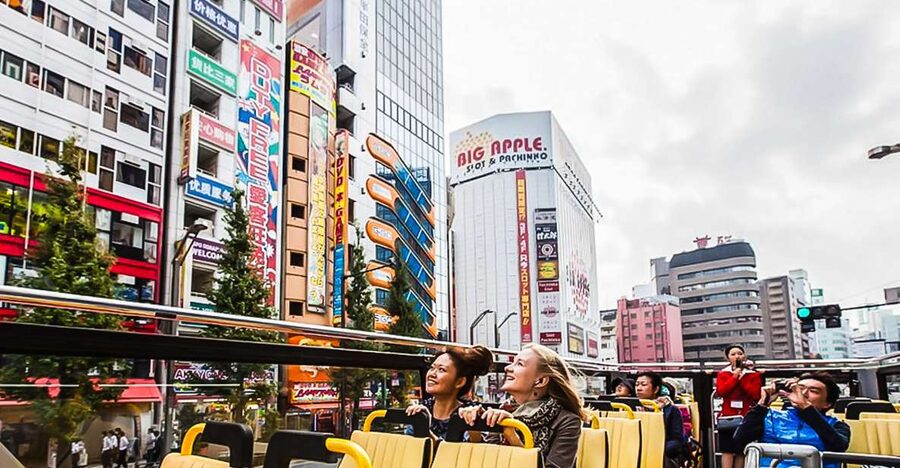
The upper deck is why I would choose this bus instead of simply taking trains. You get a clear view of buildings, signs, bridges, towers, and changing neighborhoods. You also see Tokyo at street level without being sealed inside a train carriage.
That freedom comes with a price. There is no air-conditioning, and the bus is open to the elements. Summer heat can be severe, while winter rides may feel cold. Raincoats or ponchos are distributed when needed, but umbrellas are prohibited on board.
Weather can also affect operation. Typhoons and thunderstorms may cause the service to stop. If the forecast looks rough, do not build your only sightseeing day around this ride.
In hot weather, the open deck may be uncomfortable even when the ride itself is well organized. Staff have warned passengers about the heat and, on some occasions, provided frozen towels. That is a kind gesture, but you should still bring water and sun protection. Water is not listed as an included service.
Audio commentary in 10 languages
The newer audio system works through your own smartphone or tablet. It supports Japanese, English, Korean, Chinese, French, German, Spanish, Thai, Vietnamese, and Indonesian.
Bring your own earphones. Mobile data charges may apply, and those costs are yours. Download or prepare the audio system before boarding if possible, so you are not trying to set it up while the bus is loading.
A vehicle-mounted system may also be available, with Japanese, English, Korean, Chinese, French, German, and Spanish. It is not guaranteed on every bus, so plan to use your own device.
The commentary is most useful when it matches the view outside. Riders have found it informative about local culture, history, buildings, and areas, with some departures keeping the narration in step with the stops. Recordings may occasionally cut off mid-sentence, and some seat systems may not work, so carry your phone and earphones as the reliable option.
The driver speaks English and Japanese. This is not a live walking tour, so do not expect a guide standing beside you and explaining every street. The value is the combination of a moving viewpoint and short commentary that helps you understand what you are seeing.
How to plan around the long intervals
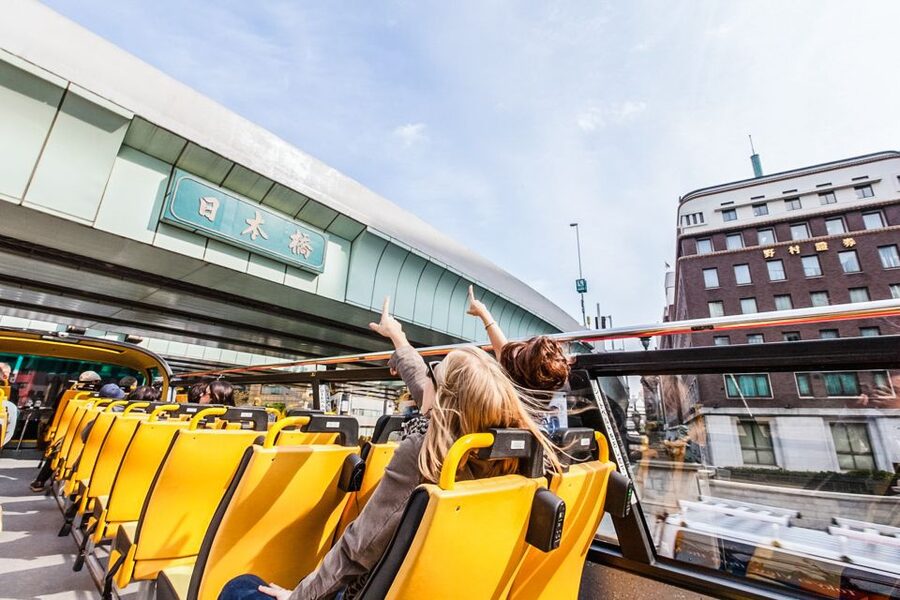
The biggest practical issue is frequency. Buses may be 30 to 45 minutes apart, and some gaps can reach about an hour and a half. That is a long wait if you have just reached Tokyo Tower and missed the bus by 10 minutes.
Before getting off, photograph the stop timetable. Save the stop in your map application, and check the next departure rather than guessing. This small habit can prevent a long roadside wait.
A one-day ticket is possible if you begin early and mainly ride the routes. You can complete all three in a day if you limit your stops, but that makes the experience more of a moving city tour than a flexible sightseeing day.
The two-day option is better if you want to explore. Use the first day to ride full loops and mark the places that interest you. Use the second day to return to SkyTree, Asakusa, Tokyo Tower, or another stop for a proper visit.
There is also a useful middle approach: ride one complete route, get off at one main attraction, then use the subway or JR trains for the rest of the day. Several people found the bus valuable for deciding which areas deserved more time, while using trains afterward for direct travel.
Who will get the most from this ticket
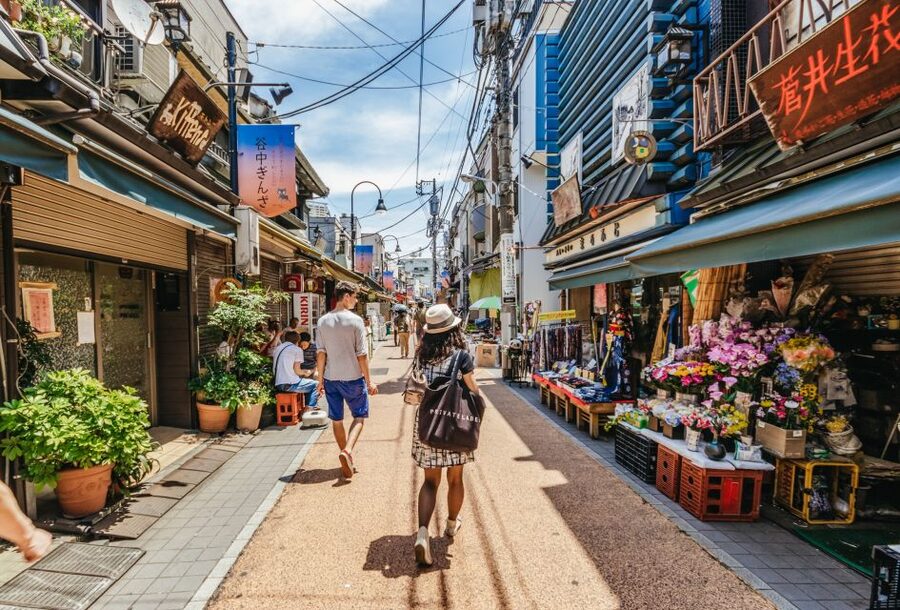
I would recommend this for a first visit, a short stay, older visitors who prefer to sit between sights, and anyone who enjoys seeing a city from above street level. It is also helpful if Tokyo’s rail system feels like too much to tackle on arrival.
Families may appreciate the simple sightseeing format, but the weather and long waits require patience. Children may enjoy SkyTree and the open deck, though hot afternoons can make the ride hard work.
Photographers should choose a clear day and consider an evening ride. Tokyo’s lights, towers, bridges, and expressway views can produce better pictures than a standard train journey, but wind and rain can get in the way.
Independent explorers on a tight budget should think twice. The ticket is not the cheapest way to move around Tokyo, and it will not replace the subway. You are paying for the view, the route coverage, and the commentary.
The service has a rating of 3.9 from 4,207 ratings, which fits the overall picture: strong sightseeing value, helpful staff, and good route coverage, balanced by weather exposure, seat availability, and slow intervals.
Booking details worth knowing
The ticket is listed at $30 per person and is available for one or two days. Check the selected duration and departure times before paying, since a two-day plan makes more sense if you want to hop off several times.
Free cancellation is available up to 24 hours before the activity for a full refund. Reserve now and pay later is also offered, which helps if your Tokyo schedule is still moving around.
A free shuttle service is included, but transfers from your hotel are not. The QR code on your voucher can be used to board at listed stops, and the Mitsubishi Building remains the main meeting point.
Should you book the Tokyo bus?
Book it if you want a relaxed overview of Tokyo, especially on your first day. I would choose the two-day option if you plan to visit attractions along the routes, and I would reserve at least one ride for late afternoon or dusk.
Skip it if you need fast transport, dislike sitting in heat or rain, or plan to spend most of your time in one neighborhood. For that style of trip, trains and walking will be more direct.
My practical plan would be simple: ride the SkyTree course or the Tokyo Tower course first, note the places you want to revisit, then use the second day for carefully chosen stops. That gives you the best part of the bus, the city views and orientation, without letting the timetable control your entire Tokyo visit.
FAQ
How long does the Tokyo hop-on hop-off ticket last?
You can choose a ticket for one or two days. Check availability for the operating times of your selected date.
How much does the ticket cost?
The listed price is $30 per person.
Where can I board the bus?
You can begin in front of the Mitsubishi Building, or board directly at any listed bus stop using the QR code sent with your voucher.
Which Tokyo attractions are on the routes?
The routes cover Tokyo SkyTree, Asakusa, Ueno, Akihabara, Tokyo Tower, Zojo-ji Temple, Tokyo Teleport Station, Tsukiji, Ginza, Shinjuku, Shibuya, Harajuku, and Meiji Jingu Shrine.
Is the audio guide available in English?
Yes. The personal-device audio guide supports English, Japanese, Korean, Chinese, French, German, Spanish, Thai, Vietnamese, and Indonesian.
Do I need to bring anything for the audio guide?
Bring your own smartphone or tablet and earphones. Data charges may apply and are your responsibility.
Is the bus air-conditioned?
No. The bus is open-air and has no air-conditioning. Passenger seats are on the second floor, while the first floor is used for storage.
What happens if the bus is full?
This is not a reserved-seat service. If no seats are available, you must wait for the next bus. Standing is not allowed while the bus is moving.
Can I use an umbrella on the bus?
No. Umbrellas are prohibited on board. Raincoats or ponchos are distributed when needed.
Can bad weather cancel the tour?
Yes. Severe weather, including typhoons and thunderstorms, may stop the service. Traffic congestion can also delay buses.
More Tickets in Tokyo
More Tickets & Passes in Tokyo

More tours in Tokyo we've reviewed


Tickets, compared.
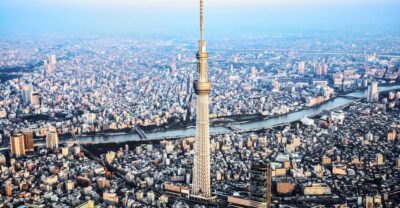 ★ 4.5Tokyo: TOKYO SKYTREE® Admission ticketFrom $131 day
 ★ 4.6Tokyo: teamLab Planets TOKYO Digital Art Museum Entry TicketFrom $251 day
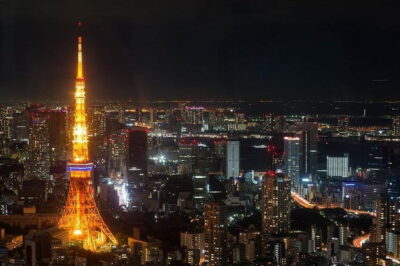 ★ 4.6Tokyo Tower: Admission TicketFrom $91 hour - 3 days
 ★ 4.8Tokyo: Japanese Dance Cabaret Theater Asakusa-Kaguwa TicketFrom $492 hours
 ★ 4.5Tokyo: Kamakura & Enoshima Day Trip including Temple TicketsFrom $589 hours - 570 minutes
 ★ 4.5Tokyo: Samurai Restaurant Show Ticket with 2 DrinksFrom $551h 30m