
Reviewed · SAKE TASTING
Tokyo: 7 Kinds of Sake Tasting with Japanese Food Pairings
Tokyo’s sake story comes in seven small glasses here, moving from sparkling and sweet styles to savory pours and a dessert sake finale. An accredited instructor explains how rice, water, polishing, fermentation, and serving style shape each drink, so you leave with more than a pleasant blur.
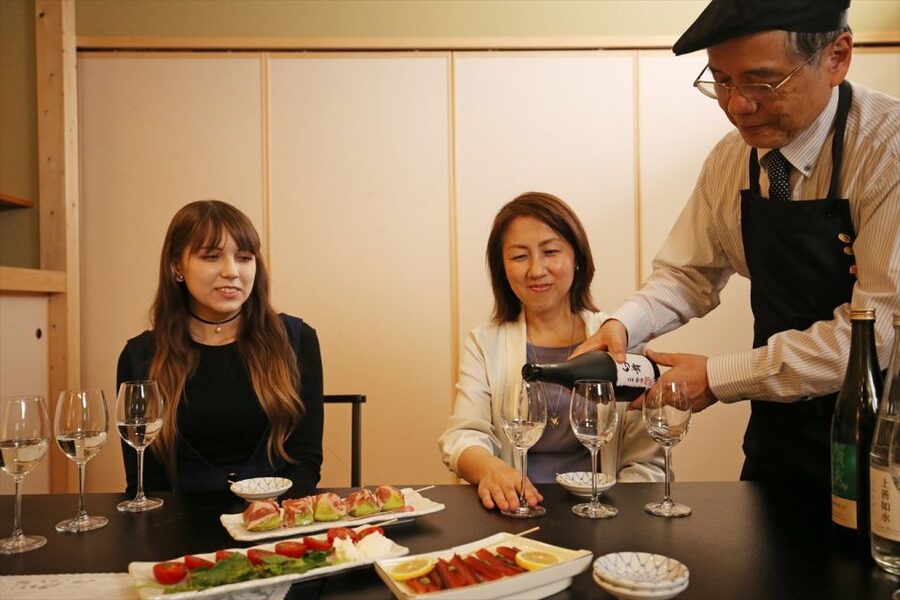
I like the food pairings, which include Japanese cheese, crudités, duck, Western touches, and hot bites prepared during the session. I also like the small-group limit of 10. Some sessions have been nearly private, with guides such as Tanaka-san and Taka-san giving the tasting a warm, conversational feel.
The main drawback is the meeting point. The Kikai Shinko Kaikan building is easy to miss across from Tokyo Tower, and the basement room can feel more like a cooking classroom than a polished tasting bar. Allow extra time, and check the room details before you go.
In This Review
- Key points at a glance
- Seven glasses, seven ways to understand sake
- What the instructor explains about production
- Why the food pairings matter
- A compact Tokyo setting across from Tokyo Tower
- How the 75 minutes usually works
- Is $106 a fair price?
- Who will enjoy this most
- Practical advice before you book
- Should you book the Tokyo sake tasting?
- FAQ
- How long does the sake tasting last?
- How much does it cost?
- How many sake samples are included?
- Is food included?
- Is the activity taught in English?
- Where is the meeting point?
- Can people under 20 join?
- Is the tasting wheelchair accessible?
Key points at a glance
- Seven distinct sake samples: The selection moves across sweet, savory, sparkling, and dessert styles.
- Seven matching food bites: Pairings include Japanese and Western dishes, with some hot food prepared in front of you.
- English-speaking instruction: An accredited sake instructor covers production, types, serving, and cultural use.
- Small group of up to 10: You may get a more personal session, especially on quieter dates.
- Tokyo Tower meeting point: Meet at the main entrance of Kikai Shinko Kaikan, with the True Japan Tour office on B1 as a backup.
- 75 minutes for $106: The price makes the most sense if you want guided tasting, food, and a focused introduction rather than a single drink at a bar.
Seven glasses, seven ways to understand sake
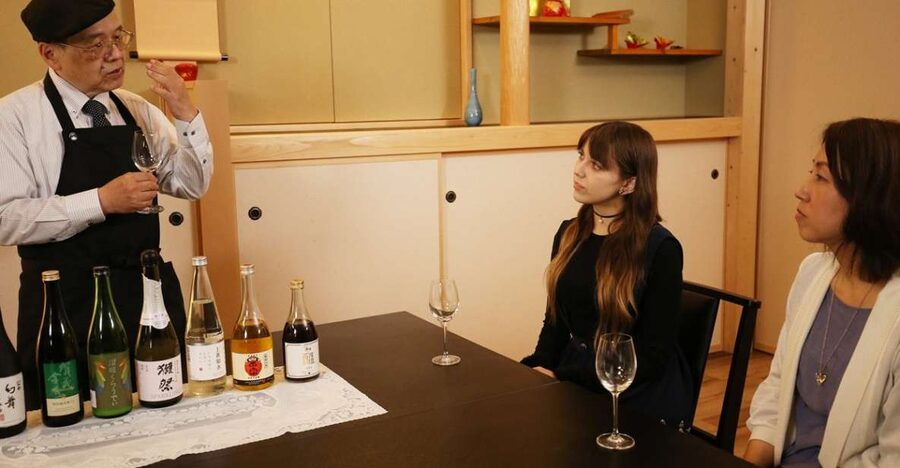
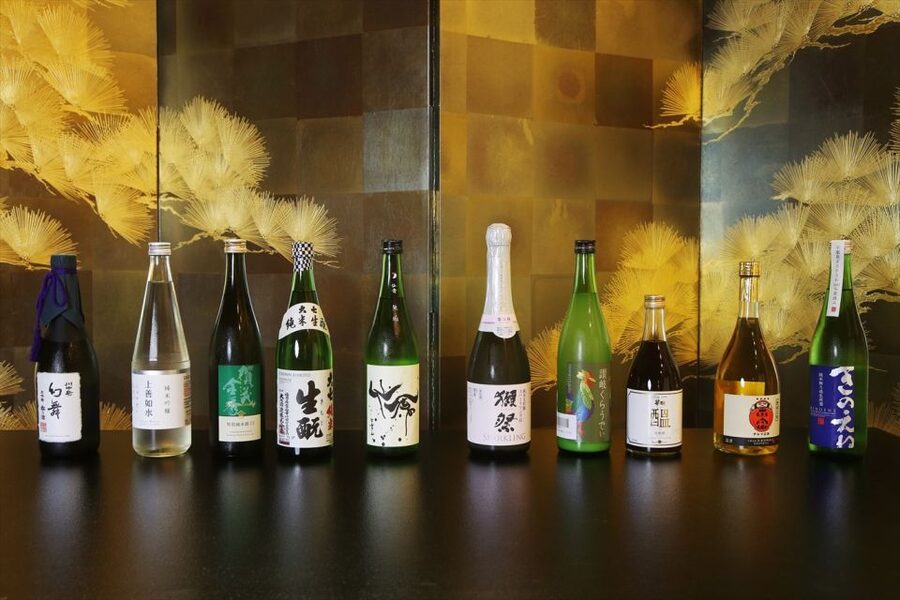
This is not simply a flight of seven drinks. The point is comparison. A sweet sake beside a dry one gives your palate something clear to notice, while food helps explain why one style works better with a particular dish.
You taste a specially selected range that can include sparkling, sweet, savory, and dessert-style sake. The exact brands are not specified, so you should book this for the teaching and range of styles rather than for a promised bottle or producer.
That approach suits beginners. If you have only tried sake warm at a Japanese restaurant, you may be surprised by how broad the category is. Some sake is light and refreshing, some is fuller and more rounded, and some leans toward sweetness. The session gives you a way to sort those impressions without needing technical knowledge at the start.
The final dessert sake is a useful touch. It changes the rhythm of the tasting and gives you a clear ending instead of simply stopping after the seventh standard pour. If sweet drinks are not your preference, it is still worth treating this last sample as a comparison point.
A few more Tokyo tours and experiences worth a look

What the instructor explains about production
The teaching covers sake’s long role in Japanese life, including its place in religion and tradition. Sake has been part of Japanese culture for more than a thousand years, and that context helps explain why it appears in ceremonies and communal customs rather than only on restaurant menus.
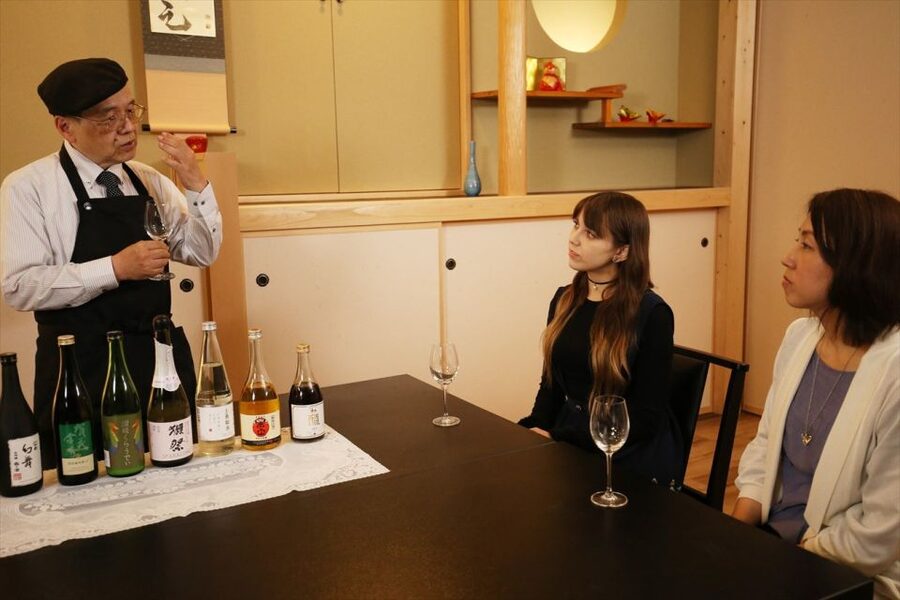
You also learn the basic production process and the main types available in Japan. The instructor explains how sake is made and what separates one variety from another, then connects those ideas to the glasses in front of you.
That order matters. Instead of hearing a list of terms and trying to remember them later, you can taste the difference as the explanation unfolds. The session is led in English, and the small group allows room for questions. Past sessions have been praised for clear explanations about production, serving, and the kinds of sake you can buy in Japan.
The instructors’ style appears to be friendly and relaxed. Tanaka-san and Taka-san have led sessions that felt personal and welcoming, while another instructor described the drinks with humor and care. Since the guide may vary, book this for the format and subject rather than expecting a particular person.
Why the food pairings matter
Each of the seven samples comes with a food pairing. That is the feature that gives this experience more value than a basic sake flight.
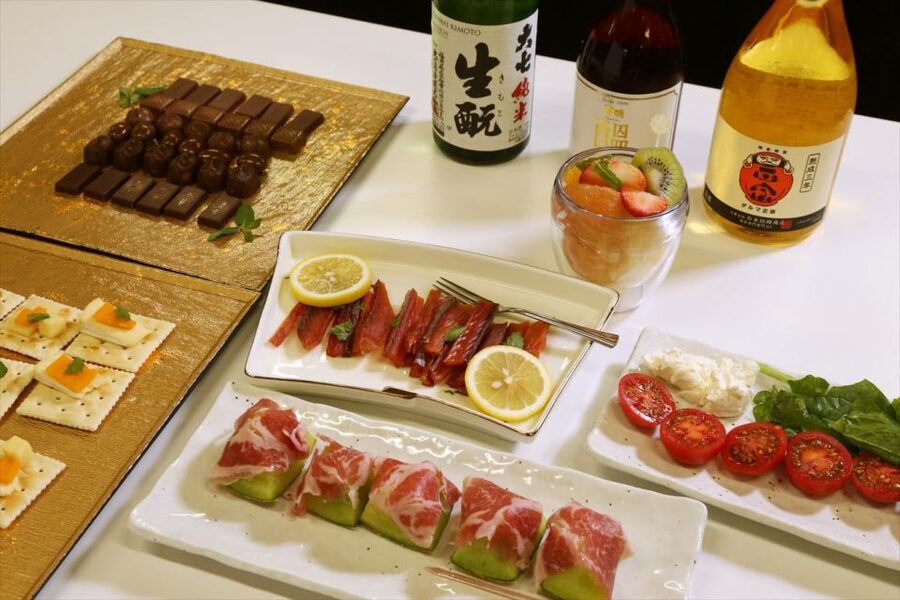
You may encounter Japanese cheese, raw vegetables, duck, and other small dishes, along with Western-inspired bites. Some food is cooked in front of you and served hot. The portions are designed to match the drinks, not to function as a full restaurant meal, but the combination is substantial enough that you are not tasting alcohol on an empty stomach.
I especially like the mix of familiar and less expected pairings. A bite of cheese or duck can show how sake handles fat and salt, while crudités provide a cleaner test of a lighter pour. The food gives you a practical answer to a question that many first-time sake drinkers have: what should I eat with this?
The pairing course also helps you decide what to order later in Japan. You may discover that you prefer a sweeter sake with dessert, a crisp style with lighter food, or a more savory pour with a rich dish. You do not need to memorize every label. Just remember the style you liked and the kind of food that brought it into focus.
A compact Tokyo setting across from Tokyo Tower
The activity takes place in Minato City, opposite Tokyo Tower. You meet at the main entrance of the Kikai Shinko Kaikan building on the first floor, then go to the True Japan Tour office in room B109 on the basement level if you cannot locate the instructor.
This is the one part that deserves careful planning. The building is an office-style venue, not an obvious sake bar. The basement room is also used as a demonstration kitchen and lunch room for cooking classes, so the setting may surprise you when you arrive.
I would not leave this meeting point until the last minute. Several people have had trouble spotting the entrance and have needed help finding the room. Look for the building opposite Tokyo Tower, arrive early, and keep the B1 room number handy. The information has not always been perfectly clear, so checking the current meeting instructions before setting out is sensible.
The plain setting has one advantage: the focus stays on the instructor, the glasses, and the food. You are not paying for a grand dining room or a scenic rooftop. You are paying for a lesson and a tasting close to one of Tokyo’s most recognizable landmarks.
How the 75 minutes usually works
The experience is short and tightly arranged. After you meet the instructor and settle in, the session begins with an introduction to sake’s place in Japanese culture and the basics of production.
The seven samples then arrive with their matching food. The instructor explains the style and helps connect it to aroma, sweetness, dryness, body, or the way it works with the dish. With a group of no more than 10, you should have a chance to ask questions, although the amount of individual attention depends on how many people attend.
The meal-like format breaks up the tasting. You are not facing seven glasses in a row with nothing else to do. Instead, each sample becomes a small lesson followed by a bite, then the next style changes the comparison.
The last course is dessert sake. This provides a gentle finish and rounds out the range from sparkling and sweet styles to more savory examples. At 75 minutes, the experience fits well before dinner, after a visit to Tokyo Tower, or during a day focused on Minato City.
Do not expect a full afternoon seminar or a brewery visit. There is no hotel pickup, no stated brewery transport, and no promise of a long meal. This is a focused tasting class in a central Tokyo location.


Is $106 a fair price?
At $106 per person, this is not a bargain if you only want to sample sake. You could spend less on one or two drinks at a restaurant. The value comes from the seven samples, seven food pairings, English instruction, and the chance to ask questions in a small group.
The price also includes a nationally accredited sake instructor. That matters if you want to understand what you are drinking rather than simply collect tasting notes. A good lesson can save you from ordering blindly for the rest of your trip, especially when Japanese menus offer many sake choices with unfamiliar names and classifications.
The food improves the calculation. You are getting a guided drink tasting plus a series of prepared bites, some served hot. It is still not a substitute for a full dinner, but it is more than a bar flight.
Private-feeling sessions can make the cost feel stronger. Several bookings have had only one or two people present, creating plenty of time for questions and a more relaxed pace. You cannot count on a private class, since the maximum is 10, but the group cap keeps the format personal.
I would call it good value for a sake-curious visitor who wants structure. It is less compelling for an experienced sake drinker who already knows the main styles and wants rare bottles, producer detail, or a serious professional tasting.
Who will enjoy this most
This suits first-time sake drinkers, food lovers, and anyone who wants cultural context with a drink. You do not need to know the difference between types before arriving. The session is designed to build that understanding one glass at a time.
It is also a smart choice if you are unsure about sake. Seven styles give you a fair chance to find something you like, rather than judging the entire category from one warm cup at a restaurant. The food makes the experience easier for people who prefer to drink slowly and with something to eat.
Couples and small groups should find the format comfortable. Solo visitors can also fit in well because the group is limited to 10 and the instructor leads the conversation in English.
This is not suitable for anyone under 20. It is also not the right pick if you want hotel-to-door transport, a long evening meal, or a tour built around Tokyo Tower itself. The tower is a landmark for finding the venue, not the subject of the activity.
The session is wheelchair accessible. Still, because the meeting involves a specific office building and a basement room, you should confirm the practical details when booking if you have particular access needs.
Practical advice before you book
Plan to arrive early. The most useful tip is to go directly to the main entrance of Kikai Shinko Kaikan, opposite Tokyo Tower, rather than searching for a prominent sake sign. If the instructor is not visible, the True Japan Tour office is in room B109 on the B1 floor.
Wear something comfortable for a seated tasting and keep your schedule flexible after the session. Seven samples in 75 minutes is a real amount of alcohol, even with food, so this is better placed before a quiet evening than before a packed list of fast-moving activities.
If you are choosing between this and a regular sake bar, ask yourself what you want from the hour. A bar gives you freedom to order a bottle or linger. This experience gives you a guided range, food matched to each sample, and a clear explanation of sake’s production and place in Japanese life.
Book ahead if the small-group format matters to you. The capacity is limited to 10, and the experience has a strong overall rating of 4.9 from 37 reviews. You can cancel up to 24 hours before the start for a full refund, and the reserve-now, pay-later option keeps your plans flexible.
Should you book the Tokyo sake tasting?
I would book this if you want a friendly introduction to sake with enough food to make the tasting feel like a proper activity. The strongest reasons are the seven-style comparison, the useful pairings, and the instructor-led explanation of production and culture.
I would skip it if you are already a sake expert, need a simple and obvious meeting point, or want a full dinner rather than a guided tasting. For most curious drinkers, though, $106 buys a well-shaped lesson near Tokyo Tower, not just seven small pours. Give yourself extra time to find the building, arrive ready to ask questions, and let the food show you which sake styles belong on your next Japanese menu.
FAQ
How long does the sake tasting last?
The experience lasts 75 minutes.
How much does it cost?
The price is $106 per person.
How many sake samples are included?
You receive seven sake samples, ranging from sparkling and sweet styles to savory examples and dessert sake.
Is food included?
Yes. Seven food pairings are included, with Japanese and Western dishes. Some bites may be prepared and served hot during the session.
Is the activity taught in English?
Yes. The instructor provides the experience in English.
Where is the meeting point?
Meet at the main entrance of the Kikai Shinko Kaikan building on the first floor. The building is opposite Tokyo Tower. If you cannot find the instructor, go to True Japan Tour in room B109 on the B1 floor.
Can people under 20 join?
No. The activity is not suitable for people under 20.
Is the tasting wheelchair accessible?
Yes, the activity is wheelchair accessible.
More Food Experiences in Tokyo

More tours in Tokyo we've reviewed





Sake Tasting, compared.
 ★ 5.0Ramen and Sushi Cooking Class with Sake Pairing Set in TokyoFrom $79
 ★ 5.0Sake Tasting Masterclass in Shinjuku (8+ Varieties with a Pro)From $72
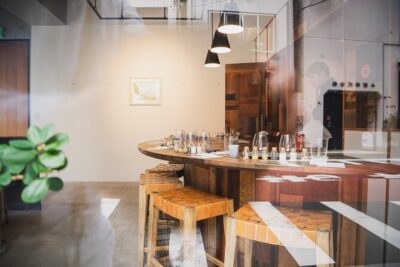 ★ 5.0Sake Omakase in Tokyo: Guided Tasting by Certified SommeliersFrom $79
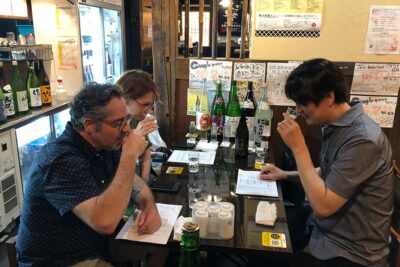 ★ 5.0Tasting All Types of Sake with SommelierFrom $62
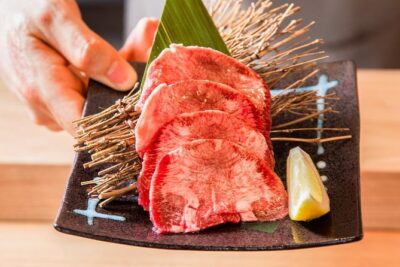 ★ 5.0Wagyu & Sake Pairing in Shinjuku – Steak, Shabu-Shabu & MoreFrom $148
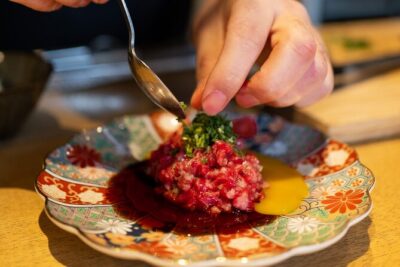 ★ 5.0Tokyo Wagyu & Sake Pairing Tasting Experience with Local FlavorsFrom $151