
Reviewed · PRIVATE DRIVERS
Private and Customisable Tokyo Tour with English Driver-guide
Tokyo is a huge city, and this private tour gives you a practical way to cover far-flung sights without wrestling with packed trains. You can link Senso-ji, Shibuya Crossing, Meiji Shrine, and Tokyo Tower in one day, then swap out anything that does not fit your interests. I especially like the flexible planning and the fact that the driver can help you make choices as the day unfolds. The private car, onboard Wi-Fi, bottled water, and covered fuel, parking, and tolls also keep the day simple.
The main tradeoff is that this is a driver-guide experience, not a walking tour. You receive introductory information and local insight, but no dedicated guide walking with you through every temple, market, or museum. Admission tickets are also extra, and a Haneda, Narita, or Yokohama pickup or drop-off costs an additional ¥10,000 per booking in cash.
In This Review
- Key points at a glance
- Why a private car helps in Tokyo
- Tokyo Skytree and Senso-ji: a strong eastern Tokyo opening
- Ueno Park and the Imperial Palace
- Ginza and Tokyo Station: polished central Tokyo
- Odaiba and the Tokyo Bay view
- Tsukiji Fish Market: use the half-hour wisely
- Harajuku, Meiji Shrine, and Shibuya Crossing
- Tokyo Tower and choosing your final view
- What the driver-guide adds, and what the role does not include
- Price, timing, and practical planning
- Who should book this Tokyo day
- Should you book this private Tokyo tour?
- FAQ
- How long does the private Tokyo tour last?
- How many people can join the private tour?
- Is transportation included?
- Are admission tickets included?
- Is a walking guide included?
- Is there an extra charge for Haneda, Narita, or Yokohama pickup?
Key points at a glance
- A private route for up to three people: The $270 group price can be good value for a small party that wants comfort and control.
- Tokyo’s major sights in one day: The route can connect Asakusa, Ueno, the Imperial Palace, Ginza, Odaiba, Tsukiji, Harajuku, Shibuya, and Tokyo Tower.
- Real flexibility: You can focus on shopping, temples, food, family interests, or city views instead of following a fixed script.
- Drivers who adapt well: Max and Jason are specifically praised for clear explanations, helpful planning, and listening carefully to what each group wants.
- Useful extras included: Air-conditioning, Wi-Fi, bottled water, parking, fuel, and tolls are covered.
- Plan for extra costs: Skytree and Tokyo Tower admission are not included, and airport or Yokohama transfers have a separate cash charge.
Why a private car helps in Tokyo
Tokyo’s rail system is excellent, but a sightseeing day can still involve a lot of station corridors, platform changes, stairs, and time spent figuring out which exit puts you closest to the place you want. A private car changes the rhythm. You can begin with one sight in eastern Tokyo, continue to the Imperial Palace, then reach Harajuku and Shibuya without repeatedly returning underground.
That convenience matters most if you have only one full day, are traveling with older family members, have children, or simply do not want to spend the day navigating. Pickup is offered, and the vehicle is air-conditioned. Wi-Fi lets you check maps, messages, opening details, or restaurant information while you ride.
The group limit is three people, which keeps the outing personal and makes the $270 price easier to assess. Split three ways, it is $90 per person before any optional admissions. For a couple, it is a more substantial expense than a train-based day, but you are paying for private transport, a custom route, and nine hours of someone else handling the driving and road logistics.
One important point: Tokyo traffic can affect how much time you have on foot. The long list of possible stops is best treated as a menu, not a promise that you will thoroughly explore every place in one day. A good plan should favor several substantial stops, with shorter photo or orientation visits between them.
Other guided tours in Tokyo

Tokyo Skytree and Senso-ji: a strong eastern Tokyo opening
Tokyo Skytree is Japan’s tallest structure at 634 meters. Its observation decks offer broad views over Tokyo, and the complex also includes shops. If you want a high city view, this is the place to spend your paid-admission budget, but remember that the ticket is not part of the tour price.
The suggested hour here is enough for a focused visit, though it can feel short if you want to linger, shop, and spend time at the observation decks. Ask your driver to help you decide early if Skytree is a priority. Choosing it affects how much time remains for other stops.
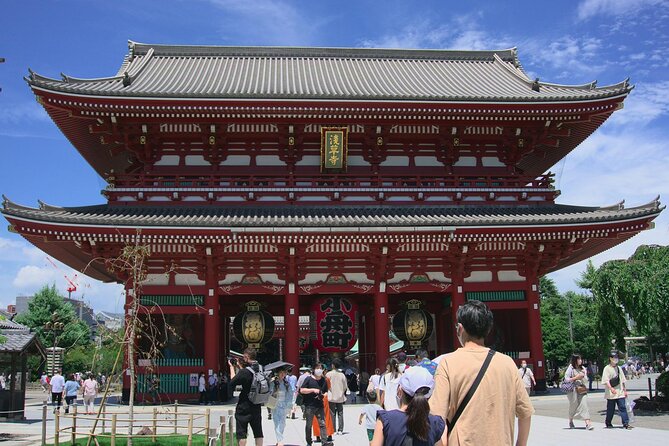
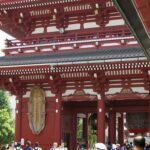
Senso-ji in Asakusa gives the day a very different start or follow-up. Founded in the seventh century, it is Tokyo’s oldest and best-known Buddhist temple. The Kaminarimon Gate makes a dramatic entrance, and Nakamise shopping street leads toward the temple with food, souvenirs, and traditional goods.
You can visit the temple grounds without paying an admission fee. The one-hour suggestion works well for seeing the gate, walking Nakamise, and taking in the main temple area. It is also a place where a driver’s introductory explanation can help you understand what you are seeing, although the driver does not replace a dedicated temple guide.
I would choose Senso-ji over Skytree if you want a stronger sense of old Tokyo. Choose both only if skyline views matter greatly to you and you are willing to keep later stops brief.
Ueno Park and the Imperial Palace
Ueno Park is a useful short stop between eastern Tokyo and the central districts. It is known for spring cherry blossoms and contains museums, a zoo, ponds, and historic temples. With only 30 minutes suggested, you will not cover the park’s many attractions. Think of this as a walk, a breath of green space, or a quick look at one chosen corner.
The park is most appealing if your group wants a pause from traffic and buildings. If museums or the zoo are high on your list, the available time here is not enough for a proper visit, so ask to remove another stop rather than trying to squeeze everything in.
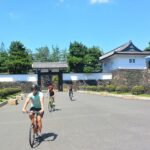
The Imperial Palace brings you into central Tokyo, where the Emperor’s residence is surrounded by gardens and old stone walls. The East Gardens are scenic, and the palace area offers a calmer contrast to Ginza or Shibuya.
Again, the one-hour estimate is best for a selected walk rather than a complete exploration. Access and sightseeing options can vary by area, so your driver can help you focus on the parts open and useful for your schedule. There is no admission fee listed for this stop.
I like this portion of the route because it balances Tokyo’s modern image with imperial grounds and greenery. It also gives you a chance to slow down before the more commercial districts.
Ginza and Tokyo Station: polished central Tokyo
Ginza is Tokyo’s high-end shopping and entertainment district, with luxury boutiques, stylish cafés, bright signs, and a mix of modern design and older traditions. It is a good fit if shopping is part of your trip, especially since one family used the flexible planning to include a visit to a high-end Tokyo department store.
Ginza is less useful if you are seeking temples, local history, or a low-cost food stop. Tell the driver what kind of shopping you want, since the district can easily consume the rest of the afternoon.
Tokyo Station is both a major transport hub and a sight in its own right. The red-brick Marunouchi building provides a recognizable photo stop, while the surrounding area offers shopping, dining, and city views. It pairs naturally with the Imperial Palace, since both are in central Tokyo.
Neither Ginza nor Tokyo Station has a fixed duration in the supplied route, which is actually helpful. You can use them as brief orientation stops or give them more time if shopping and architecture are central to your day.
Odaiba and the Tokyo Bay view
Odaiba is a futuristic entertainment and shopping district on an island in Tokyo Bay. The area is known for waterfront views, Rainbow Bridge, malls, museums, teamLab Borderless, and the giant Unicorn Gundam.
The suggested 30 minutes is enough for a quick look at the waterfront or a photo stop. It is not enough for a full museum visit or teamLab Borderless, so do not add those attractions unless you remove several other stops and arrange the needed admission separately.
Odaiba works especially well for families and anyone who wants a more futuristic side of Tokyo. It also gives the private vehicle a clear advantage, since you can reach this waterfront district without planning a separate rail connection.
Other private tours in Tokyo

Tsukiji Fish Market: use the half-hour wisely
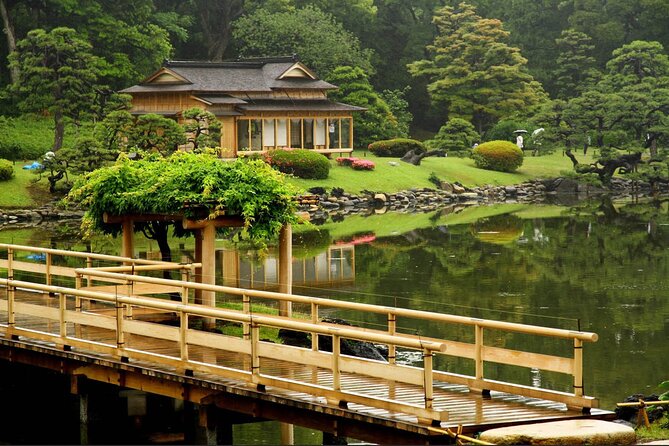
Tsukiji Fish Market is known for seafood stalls, sushi, and narrow market lanes. A 30-minute stop can give you a taste of the atmosphere and time for a small food purchase, but it is not a leisurely market meal.
If eating is important, tell the driver before the day begins. The family itinerary handled a special lunch request, including kosher food, which shows why specific dietary needs should be part of the planning conversation. Do not assume that every food requirement will be solved on the spot, but the flexible format gives you a better chance to build the day around it.
Tsukiji is most worthwhile when you want a quick look at Tokyo’s food culture. If you want a long sushi lunch or careful browsing, it should become one of the day’s main stops, not a 30-minute add-on.
Harajuku, Meiji Shrine, and Shibuya Crossing
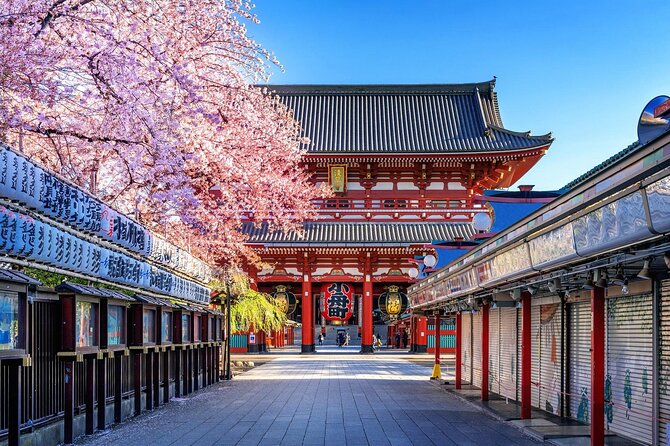
Takeshita Street in Harajuku offers a lively look at youth fashion, colorful shops, cafés, and unusual street food. The suggested hour gives you enough time to walk a section of the street and stop for a snack or shopping.
This is one of the better places to let your interests guide the route. Teenagers may prefer Takeshita Street to the Imperial Palace, while shoppers may want more time in Harajuku or Ginza. The private format lets you make that choice without holding up another group.
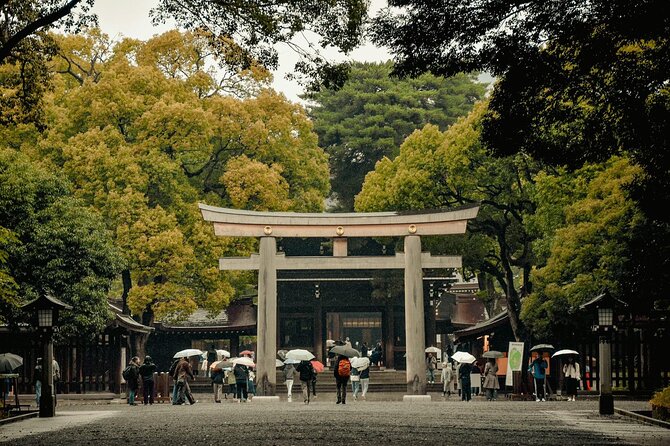
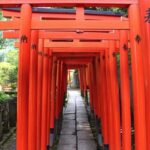
Meiji Jingu Shrine provides a quiet contrast. The Shinto sanctuary sits in a forested setting in central Tokyo, with traditional buildings and tree-lined paths. The 30-minute suggestion allows a brief walk and a look at the shrine, though you should not expect a slow, reflective visit at that pace.
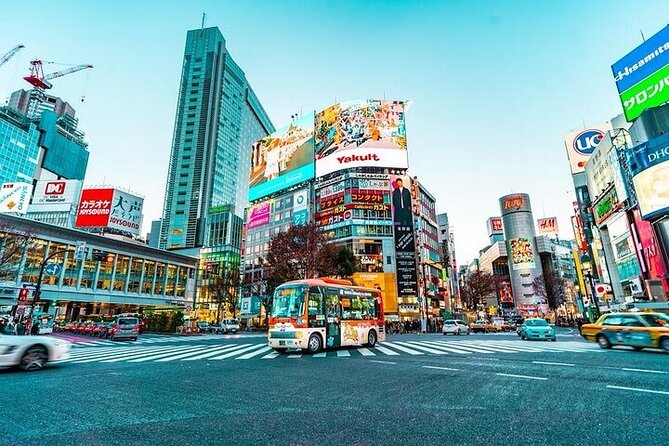
Shibuya Crossing is the fast, exciting finale many people picture when they think of modern Tokyo. At 30 minutes, you have time to see the crossing, take photos, and feel the rush of the surrounding signs and crowds. The stop is short by design, since the main attraction is the scene itself rather than a long indoor visit.
I would combine Meiji Shrine and Shibuya Crossing because they show two sides of the same part of the city. The shrine offers quiet paths; a short drive later, Shibuya gives you noise, lights, and an enormous intersection.
Tokyo Tower and choosing your final view
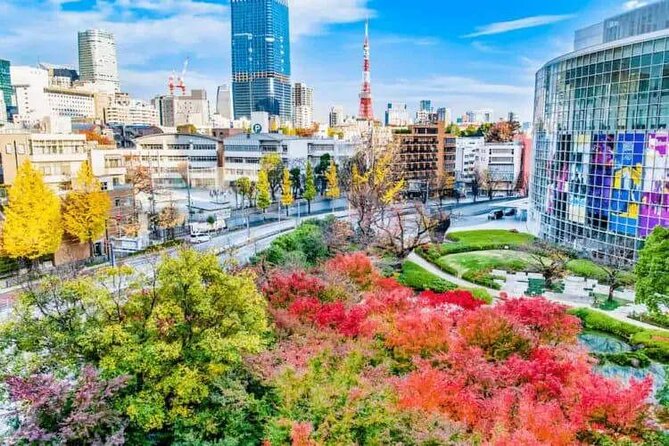
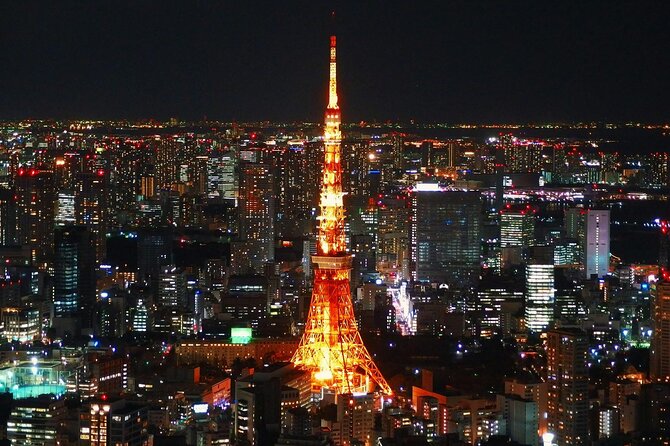
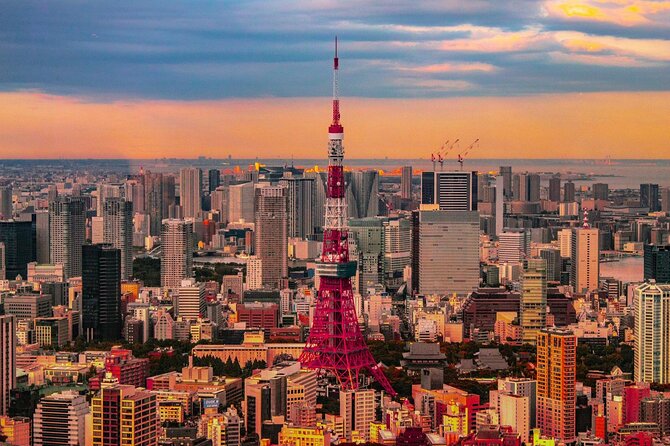
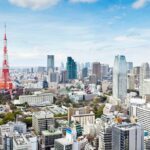
Tokyo Tower rises 333 meters and was inspired by the Eiffel Tower. Its observation decks offer another city panorama, but admission is not included.
If you already chose Skytree, you may not need both towers. Skytree gives you greater height, while Tokyo Tower has a more classic place in Tokyo’s skyline and can be convenient after central or western Tokyo stops. Use your driver’s local advice to choose one unless comparing the two towers is a specific goal.
The 30-minute stop suggests a quick look rather than a full tower visit. If you want to go up, reserve time and budget for the ticket. If you prefer to keep moving, the exterior and surrounding photo opportunity may be enough.
What the driver-guide adds, and what the role does not include
The strongest part of this experience is the human flexibility. Jason is praised for building a plan in near real time around a family’s questions and interests. That day included a high-end department store, a kosher lunch, and a search connected to Magic cards, along with personal insight about life in Tokyo.
Max is also specifically praised for helping a family see many sights and for giving useful information throughout the day. These examples suggest that the best use of the tour is to speak up. Tell your driver what you care about, what you want to skip, and what would make the day feel personal.
The role remains limited. The driver provides introductory information and insights, but a walking guide is excluded. At Senso-ji, Meiji Jingu, or Tsukiji, you will not have a guide beside you explaining every detail for an extended period. If detailed cultural interpretation is your top priority, you may want a separate walking guide.
Price, timing, and practical planning
At $270 per group of up to three, the price is easiest to justify when the vehicle will save you substantial time and effort. It includes private transport, air-conditioning, Wi-Fi, bottled water, parking, fuel, and tolls. Those covered costs make the price clearer than a basic car hire, where several extras can appear later.
No admission fees are included. Budget separately for Skytree or Tokyo Tower, and remember that the route may include shops, food, or other paid attractions depending on your choices.
Pickup is offered, but Haneda, Narita, and Yokohama pickup or drop-off add ¥10,000 per booking, paid in cash. Confirm the meeting point and any surcharge before setting the plan. The tour lasts about nine hours, and confirmation is provided at booking.
Free cancellation is available up to 24 hours before the start time for a full refund. Changes made inside that 24-hour window are not accepted, and late cancellations are not refunded. The experience requires good weather and a minimum number of participants, although a cancellation for those reasons brings an offer of another date or experience, or a full refund.
Who should book this Tokyo day
I would choose this tour for a small family, a couple with limited time, or anyone who wants to combine several parts of Tokyo without handling the train system. It is also a good fit for cruise passengers who need a private sightseeing day, provided the Yokohama surcharge is acceptable.
The format works well for mixed-interest groups. One person can prioritize shopping, another temples, and another skyline views. Jason’s custom family plan shows how much value comes from sharing those preferences early.
I would think twice if you are a solo budget visitor, enjoy public transport, or want long visits at museums and markets. You may get more from a smaller number of places reached by train. I would also avoid booking the full list as if every stop will receive equal attention. Tokyo is too large for that.
Should you book this private Tokyo tour?
Book it if your priority is control, comfort, and a broad first look at Tokyo. The private car saves time between districts, the itinerary can change around your interests, and the English-speaking driver-guide can help you make practical decisions during the day. The most praised qualities are the careful listening, clear explanations, and willingness to adapt, particularly from guides such as Jason and Max.
Skip it if you want a detailed guided walk, included attraction tickets, or the lowest possible price. For everyone else, the best plan is to choose three or four main goals, use the remaining stops as short visits, and tell the driver exactly what matters to you before pickup.
FAQ
How long does the private Tokyo tour last?
The tour lasts approximately nine hours.
How many people can join the private tour?
The price covers one private group of up to three people.
Is transportation included?
Yes. An air-conditioned private vehicle is included, along with Wi-Fi, bottled water, parking, fuel, and toll fees.
Are admission tickets included?
No. Admission fees are not included. This applies to paid attractions such as Tokyo Skytree and Tokyo Tower.
Is a walking guide included?
No. The driver provides introductory information and insights, but a separate walking guide is not included.
Is there an extra charge for Haneda, Narita, or Yokohama pickup?
Yes. Pickup or drop-off at Haneda, Narita, or Yokohama costs an additional ¥10,000 per booking, payable in cash.
More Private Drivers in Tokyo
More Private Tours in Tokyo
More Guided Tours in Tokyo

More tours in Tokyo we've reviewed



Private Drivers, compared.
 ★ 5.0Mt Fuji Private Tour with English Speaking DriverFrom $415
 ★ 4.5Mt. Fuji & Hakone Private Day Tour with English-Speaking DriverFrom $453
 ★ 4.5Haneda Airport (HND) Private Transfer to Central TokyoFrom $104
 ★ 4.5Mt. Fuji, Hakone Full-Day Private Tour with English Driver GuideFrom $495
 ★ 5.0Mt. Fuji Day Trip from Tokyo with English Speaking Driver GuideFrom $497
★ 4.5Mt. Fuji Private Tour with English Speaking DriverFrom $464
★ 5.0Mt. Fuji Day Trip from Tokyo with English Speaking Driver GuideFrom $497
★ 4.5Mt. Fuji Private Tour with English Speaking DriverFrom $464