
Reviewed · SHIBUYA TOURS
Kintsugi Workshop Class in Shibuya, Tokyo with mon cadeau
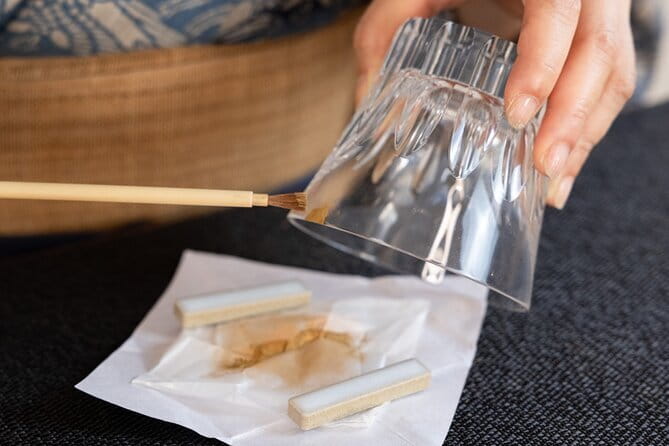
Kintsugi turns a broken dish into a piece marked by its own past, using gold-colored glue to highlight the cracks rather than hide them. At Mon Cadeau in Shibuya, you choose pottery from the studio collection, then repair it step by step with help from Michiko and Yuki.
I like the six-person maximum, which gives this class a calm, personal feel. I also like the gentle opening with matcha and Japanese sweets, a small touch that helps you slow down before the hands-on work begins. The main drawback is the fixed, non-refundable booking policy, so this is best reserved when your Tokyo plans are firm.
In This Review
- Key points
- Why kintsugi makes a good Tokyo activity
- Starting with matcha, tea, and a slower pace
- Choosing a piece from Mon Cadeau’s pottery collection
- Learning the technique from Michiko and Yuki
- The hands-on repair process
- A quiet cultural lesson inside busy Shibuya
- Who will get the most from this class
- Is $145.35 a fair price?
- Practical details before you book
- Should you book Mon Cadeau’s kintsugi workshop?
- FAQ
- Where does the kintsugi workshop take place?
- Where does the activity end?
- How long does the workshop last?
- How much does the workshop cost?
- How many people can join the workshop?
- Is this a private activity?
- What will I repair?
- Is tea included?
- Do I receive help during the class?
- Can I cancel or change my booking?
Key points
- A small Shibuya class: The group is limited to six people, and the activity is private for your party.
- Choose your own pottery: You select the crockery you will repair from Mon Cadeau’s collection.
- Guided from start to finish: Michiko and Yuki demonstrate the process and offer personal help as you work.
- Matcha and local sweets: The workshop begins with tea and snacks, adding a quiet Japanese hospitality ritual.
- A two-hour cultural break: This is a useful change of pace from shopping, temples, and Tokyo’s busy streets.
- Take-home craft: You leave with your restored piece of crockery.
Why kintsugi makes a good Tokyo activity
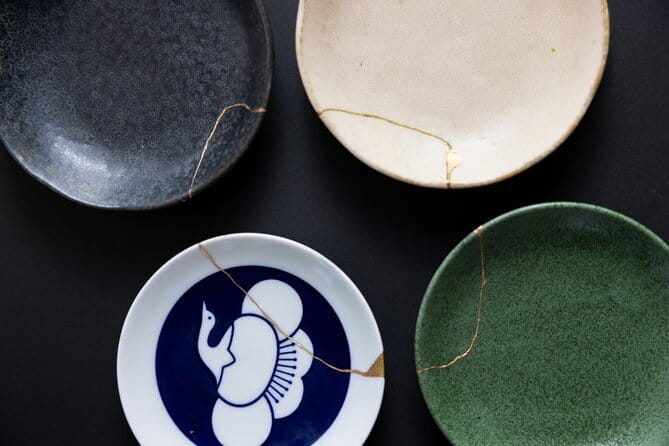
Kintsugi is more than a pottery repair method. It is a Japanese practice in which cracks are made visible with gold-colored adhesive, giving a damaged object a new look instead of treating the break as something to conceal.
That idea gives the workshop more weight than a standard craft class. You are not simply decorating a bowl or painting a souvenir. You are working with an object that has been broken and learning a traditional way to give it another life.
I like this kind of activity in Tokyo because it asks you to do less. The city can fill every hour with department stores, train rides, towers, shrines, and packed streets. Here, the pace changes. You sit, listen, handle pottery, and pay attention to a small task.
The class also gives you something personal to take home. Unlike a mass-produced souvenir, your piece will show the joins and marks made during your own session. That makes it a practical reminder of Japan, even if the finished work is not perfectly polished.
A few more Tokyo tours and experiences worth a look


Starting with matcha, tea, and a slower pace
The workshop begins with matcha tea and local Japanese sweets. This is not just a snack stop added to fill time. It helps set the mood for careful work and gives you a soft landing after getting across Tokyo.
The tea and sweets also add a welcome cultural element. You get a small taste of Japanese hospitality before the technical part begins, and the setting is meant to feel calm and personal rather than like a large demonstration.
Based on the available details, you should allow about two hours for the full session. The activity begins and ends at the same meeting point, so you will not need to arrange a separate return transfer or find a second location afterward.
The workshop meets at Central Hospital, 25-1 Shinsenchō, Shibuya, Tokyo 150-0045. Since Shibuya is a busy part of Tokyo, check the address carefully before setting out and keep your mobile ticket ready. The confirmation is supplied at booking.
Choosing a piece from Mon Cadeau’s pottery collection
After the introduction, you choose the crockery you will repair. This choice matters because the final piece becomes your own project, not a preassigned sample handed to everyone in the room.
The exact selection is not listed, so you should expect the available pottery to depend on what Mon Cadeau has on hand. You may find it helpful to choose with the finished object in mind. A piece you genuinely like will make the two hours feel more worthwhile, and you will be more likely to use or display it afterward.
This is also one reason the class feels more personal than a simple demonstration. You are making decisions throughout the process, with the instructors there to help you understand the next step rather than doing the whole job for you.
If you are visiting with a child or another family member, the choice of a personal piece can give the session a clear focus. One parent specifically arranged the class with a daughter, and the activity is described as suitable for most people. Still, the supplied information does not give a minimum age, so families should confirm that point before booking.
Learning the technique from Michiko and Yuki
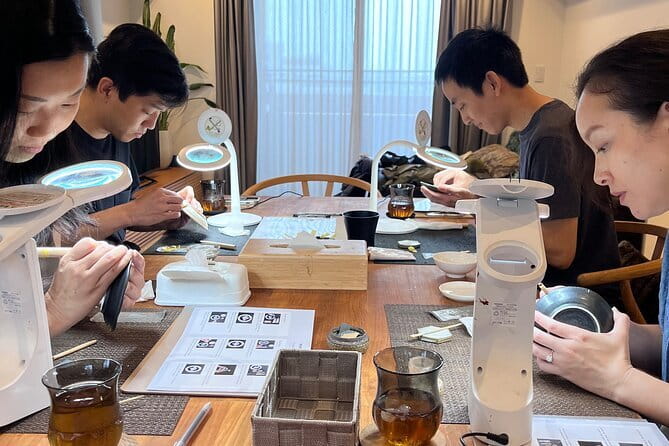
The instructors provide step-by-step demonstrations before you work on your own pottery. That format is useful for beginners because you can watch the method first, then copy it with support nearby.
Michiko is repeatedly singled out in the supplied feedback for her warm welcome, patience, and clear teaching. Yuki is also named as a friendly facilitator who helps with each stage. Together, they create the kind of instruction that suits someone who wants guidance without being rushed.
The small group size is important here. With no more than six people, you have a better chance to ask questions, show the instructor your work, and receive corrections before moving too far ahead. A large class could make this sort of careful craft frustrating, especially if you have never tried kintsugi.
Do not expect a quick souvenir-making stop where you finish in a few minutes. Kintsugi requires attention, and the value comes from following the process. The class is hands-on, but it is still structured. You will see a demonstration, work on your own piece, and receive help as needed.
The most praised qualities are the instructors’ kindness and patience. That matters because a first attempt at a detailed craft can feel intimidating. Michiko’s welcoming manner helps the class feel more like being received into a home than entering a formal schoolroom, according to the description of the setting.
The hands-on repair process
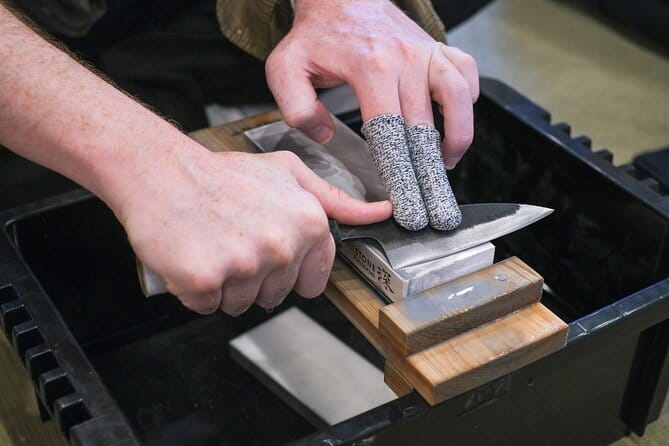
The central part of the class is restoring your chosen pottery. You will be shown how to work through the repair, then apply the technique yourself with guidance from the instructors.
The supplied information does not give a full technical breakdown of every material or stage, so you should not book this expecting a professional certification course. This is an introductory cultural workshop, designed to help you understand the practice and create a finished object during the session.
That distinction is useful when judging the price. At $145.35 per person, this is not a bargain activity if you measure it only by the amount of pottery you take home. The fee makes more sense if you value the private setting, instruction, tea, sweets, cultural background, and the chance to work directly with a small group.
You will also need to accept that handmade work has character. The finished crockery may not look like a museum piece, and the appeal of kintsugi lies partly in seeing the repair rather than hiding it. If you want a flawless, factory-made object, this is probably not the right use of two hours.
If, like many first-time participants, you have read about kintsugi and want to try it rather than just admire examples, the class gives you a clear path into the practice. You are not left to guess at the method, and you can ask for help as your work develops.
A few more Tokyo tours and experiences worth a look

A quiet cultural lesson inside busy Shibuya
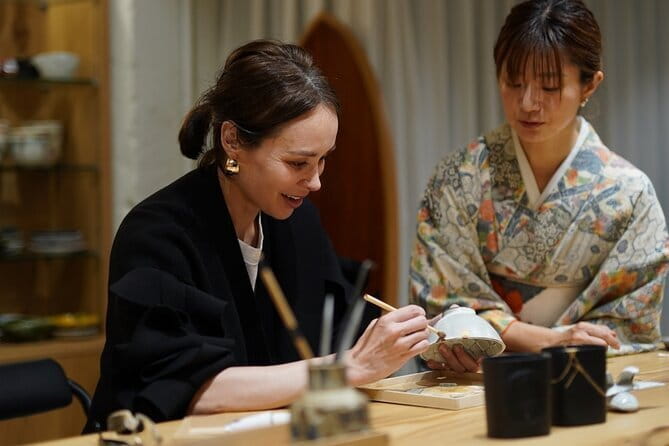
Shibuya is best known for its crowds, shopping, nightlife, and famous crossing. This workshop offers a different side of the district. Instead of rushing from one sight to the next, you spend time with a small Japanese art tradition in a more intimate setting.
I would place this activity between major sightseeing blocks rather than at the end of a packed day. The two-hour length is manageable, but careful crafting takes concentration. You will get more from it if you arrive with enough time to find the meeting point and settle in.
The workshop can also balance a trip that has become too focused on photographs and famous landmarks. You leave with an understanding of a cultural idea, practical experience with a traditional technique, and a handmade object linked to your own visit.
There is no sightseeing route or series of stops. The value comes from the studio time itself. That makes the class a weaker choice for someone who wants to cover lots of Tokyo in a short window, but a strong choice for someone seeking a slower, more focused activity.
Who will get the most from this class
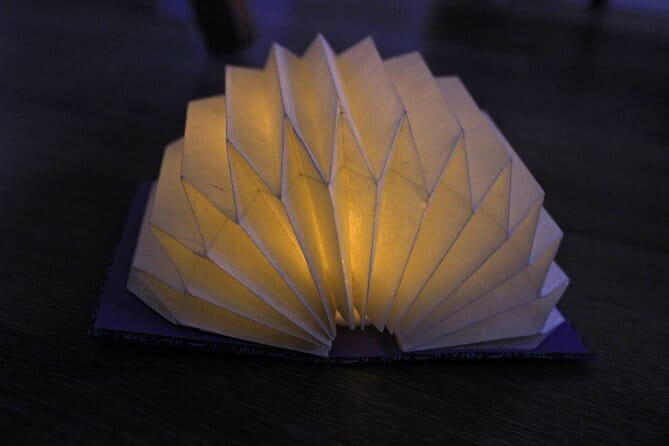
This experience suits you if you enjoy making things with your hands, appreciate Japanese craft, or want a meaningful souvenir that you helped create. It is also a good fit for couples, parents and children, and small groups of friends who prefer an activity that encourages conversation without requiring constant sightseeing.
It works especially well for a first visit to Japan because the class gives you a simple introduction to a Japanese tradition without demanding specialist knowledge. You can arrive curious and let the instructors explain the background and method.
The class may also appeal to repeat visitors who have already seen the major sights. A workshop gives you a reason to spend time in Shibuya without repeating the usual shopping and photo stops.
I would think twice if you dislike careful manual work, have a very tight schedule, or want a low-cost activity. The non-refundable policy adds another reason to plan carefully. If the minimum number of participants is not met and Mon Cadeau cancels, you will be offered another date or experience, or receive a full refund. That protection applies to a cancellation by the provider, not a change of mind on your side.
Is $145.35 a fair price?
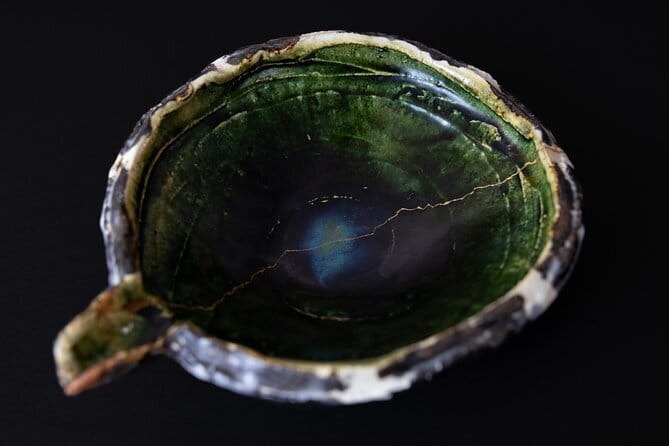
The price is $145.35 per person, and the average booking lead time is about 23 days. That timing suggests you should not leave the decision until the last minute if the class is important to your itinerary.
The price is high compared with a casual Tokyo craft activity, but this is a private small-group workshop rather than a large class. Your fee covers about two hours of instruction, a pottery piece from the studio collection, matcha, local sweets, and the chance to take your repaired crockery home.
The strongest value comes from personal attention. A six-person limit means the instructors can guide each person through the work. That is especially useful when you are learning a technique for the first time and want reassurance at each stage.
I would call it worthwhile for someone who values a personal cultural activity and plans to keep the finished piece. I would call it expensive for someone mainly seeking entertainment or a cheap souvenir. Think of the fee as paying for teaching, hospitality, time, and the story attached to the object, not simply for the materials.
Practical details before you book
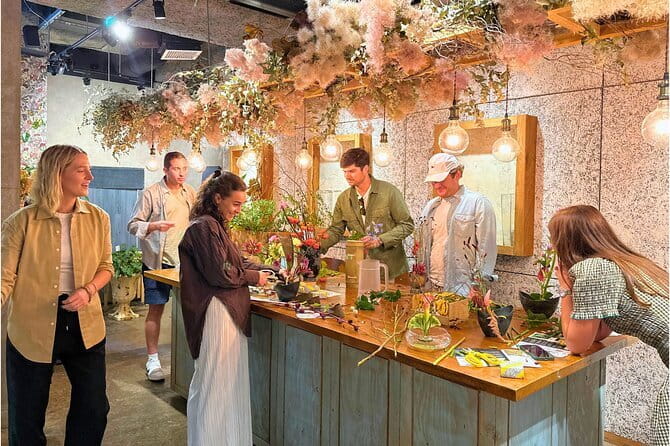
The experience uses a mobile ticket, and confirmation is provided at the time of booking. The meeting point is Central Hospital at 25-1 Shinsenchō in Shibuya, and the activity ends at that same location.
The workshop is near public transportation, and most people can participate. Service animals are allowed. The class is private for your own group, although the general maximum is six people, so you should confirm the exact arrangement for your booking.
The experience is non-refundable and cannot be changed for any reason after booking. Check your Tokyo schedule, transport plans, and the names of everyone in your party before paying.
The activity is currently described as new on the booking platform, but the provider is Mon Cadeau, Kintsugi Workshop. The available feedback gives the clearest picture of what to expect: kind instruction, a welcoming setting, excellent tea and snacks, and patient help with the craft.
Should you book Mon Cadeau’s kintsugi workshop?
Book it if you want a calm, hands-on experience that connects a Japanese tradition with something you can take home. The small group, matcha welcome, personal instruction, and warm teaching style make this more than a basic craft lesson.
Skip it if your schedule is packed, your budget is tight, or you are uncomfortable committing to a non-refundable activity. For everyone else, this is a thoughtful way to trade two hours of Tokyo speed for careful work, good tea, and a repaired piece that carries the marks of your visit.
FAQ
Where does the kintsugi workshop take place?
The workshop meets at Central Hospital, 25-1 Shinsenchō, Shibuya, Tokyo 150-0045, Japan.
Where does the activity end?
The activity ends back at the meeting point.
How long does the workshop last?
The workshop lasts approximately two hours.
How much does the workshop cost?
The listed price is $145.35 per person.
How many people can join the workshop?
The workshop has a maximum of six travelers.
Is this a private activity?
Yes. Only your group will participate in the private activity.
What will I repair?
You choose a piece of crockery from Mon Cadeau’s collection and restore it during the class.
Is tea included?
Yes. The workshop begins with matcha tea and local Japanese sweets.
Do I receive help during the class?
Yes. The instructors give step-by-step demonstrations and provide personalized guidance as you work.
Can I cancel or change my booking?
No. The experience is non-refundable and cannot be changed for any reason. If Mon Cadeau cancels because the minimum number of participants is not met, you will be offered another date or experience, or receive a full refund.
More Workshops & Classes in Tokyo

More Craft Workshops in Tokyo
More Shibuya Tours in Tokyo


More tours in Tokyo we've reviewed





Shibuya Tours, compared.
 ★ 5.0Official Street Go-Kart in ShibuyaFrom $76
 ★ 4.9Tokyo: Street Kart Experience in ShibuyaFrom $741 hour
 ★ 5.0Shibuya Meltdown Nightlife Tour: All-You-Can-Drink Bar HoppingFrom $106
 ★ 5.0Shibuya Official Street Go-Kart in Shibuya AnnexFrom $69
 ★ 5.0Tokyo: Shibuya Food Tour (13 dishes and 4 Eateries)From $77
 ★ 5.0Best of Shibuya Food TourFrom $217