
Reviewed · CRAFT WORKSHOPS
Kintsugi Experience with Arita Ware in Tokyo (English Guide)
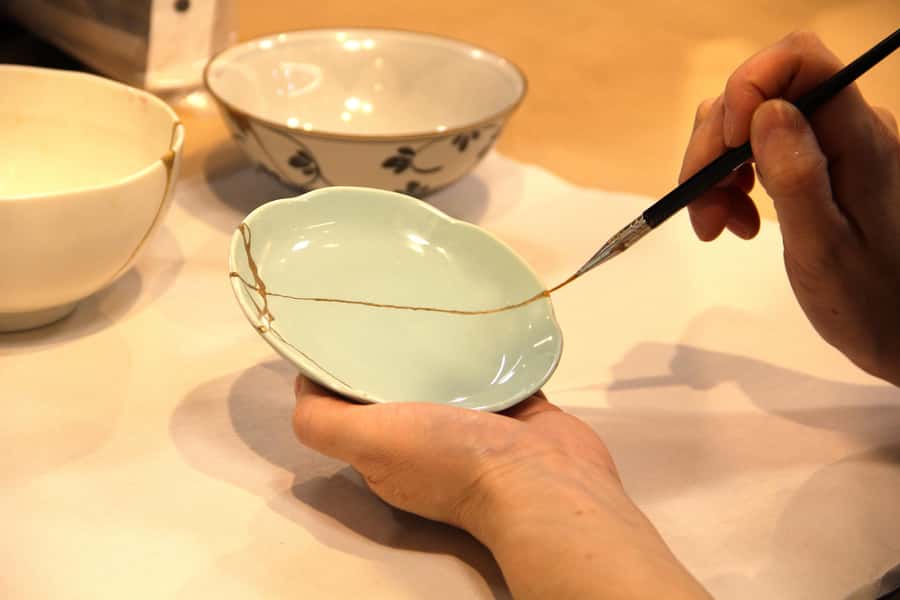
Kintsugi turns a broken ceramic object into something worth keeping, with gold highlighting the cracks rather than hiding them. This 90-minute workshop uses Arita Ware, Japan’s first porcelain, and takes place inside Nihonbashi Mutoh, a Tokyo craft shop dating to 1923.
I like two things right away: you leave with a handmade souvenir, and the English guidance makes a traditional Japanese craft approachable. The small group, limited to 10 people, also gives the class a calm feel. The main drawback is that you complete just one object, and the choice of plates may feel limited for anyone hoping to select from a large range.
In This Review
- Key points to know before booking
- Why Kintsugi feels like more than a pottery class
- Inside Nihonbashi Mutoh, a 1923 craft shop
- What happens during the 90-minute session
- Working with Arita Ware
- Bringing your own broken piece
- What you take home, and how to care for it
- English support and class atmosphere
- Is $139 a fair price?
- Who should book this Tokyo Kintsugi workshop?
- FAQ
- How long does the Kintsugi experience last?
- What time does the workshop start?
- Where does the activity take place?
- Is the instruction in English?
- What is included in the price?
- Can I bring my own broken item?
- Can I use the repaired plate for food?
- How should I care for the finished piece?
- Is the workshop wheelchair accessible?
- Should you book it?
Key points to know before booking
- Arita Ware with 400 years of history: You repair a piece made from Japan’s first porcelain tradition.
- A 90-minute English-led class: Instructions are given in Japanese first and then translated into English.
- A historic Nihonbashi setting: The workshop takes place at a lacquerware and glassware shop founded in 1923.
- One souvenir to take home: A plate is included, and you can also bring your own qualifying ceramic or porcelain item.
- A small, calm class: Numbers are capped at 10, though regular shop customers may be present.
- A decorative object only: Your repaired piece must be dried indoors for about a week and used without food or drink.
Why Kintsugi feels like more than a pottery class
Kintsugi is the Japanese craft of repairing broken pottery with gold. Its appeal is simple: the damage becomes part of the design. Instead of pretending a break never happened, the repair gives the object a new look and a new reason to keep it.
The idea connects with wabi-sabi, a Japanese way of seeing beauty in imperfection and change. You do not need to know the philosophy in advance to enjoy the class. The practical work gives you a direct way to understand it. A cracked plate is not treated as worthless. Its scars become the feature.
That makes this a better souvenir than another small item picked up in a station shop. You make something with your own hands, and the finished plate carries a memory of your time in Tokyo. It will not be a dining plate, but it can serve as a decorative reminder of Japan and of the repair itself.
The class is also a gentle introduction to traditional crafts. You are not expected to arrive with artistic training. One of the strongest points of the experience is its accessibility for different skill levels. The allotted time is long enough to complete one object without turning the workshop into an all-day commitment.
A few more Tokyo tours and experiences worth a look
Inside Nihonbashi Mutoh, a 1923 craft shop
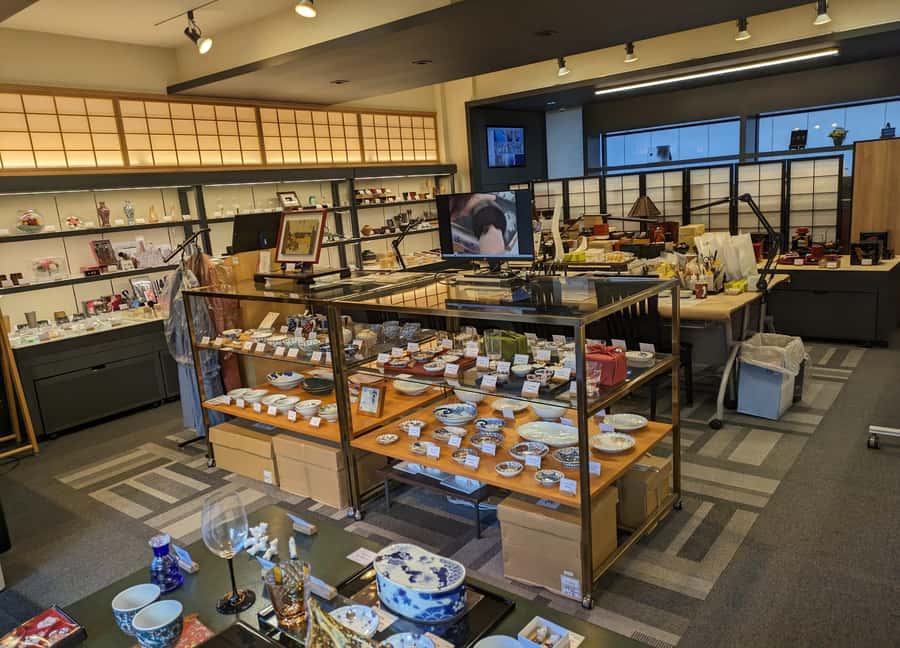
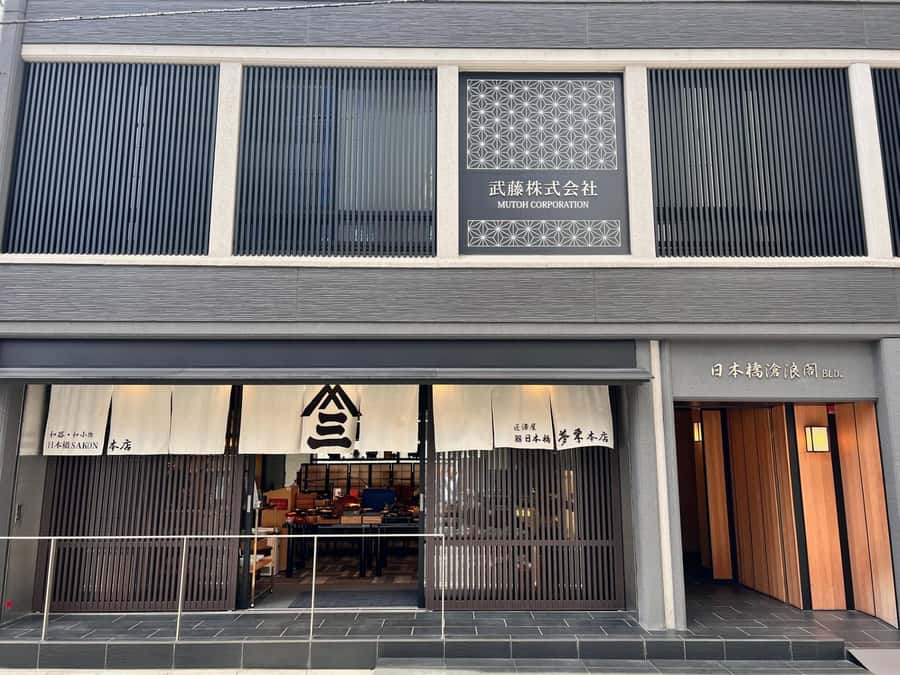
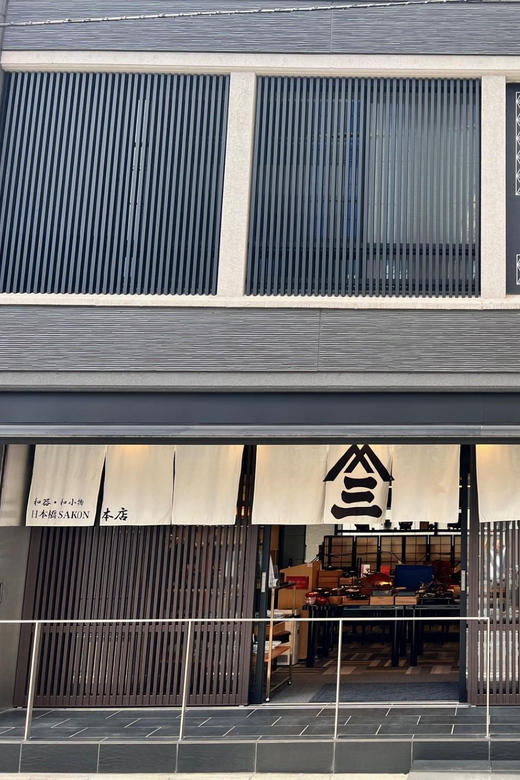
The meeting place is Nihonbashi Mutoh Main Store at 1-8-3 Honcho, Nihonbashi, Chuo City, Tokyo 103-0023. The shop was established in 1923 and deals in high-quality lacquerware and glassware.
That setting matters. You are not taking a generic craft class in a bare activity room. You work among traditional Japanese household arts, including lacquerware and porcelain. Even if you arrive early or finish before the scheduled end, the surroundings give the experience some useful context.
The shop’s history also helps explain why the workshop feels connected to Japanese craft rather than separated from it. Nihonbashi Mutoh has spent about a century handling traditional goods. The class lets you see how a repair practice fits beside the objects it was created to preserve.
The location is described as easy to reach, but the available details do not name a specific station or provide walking directions. Give yourself enough time to find the address. Late arrivals do not receive extra time, since the experience ends at the original scheduled hour.
What happens during the 90-minute session
There are three listed start times:
- 10:30 to 12:00
- 13:30 to 15:00
- 15:30 to 17:00
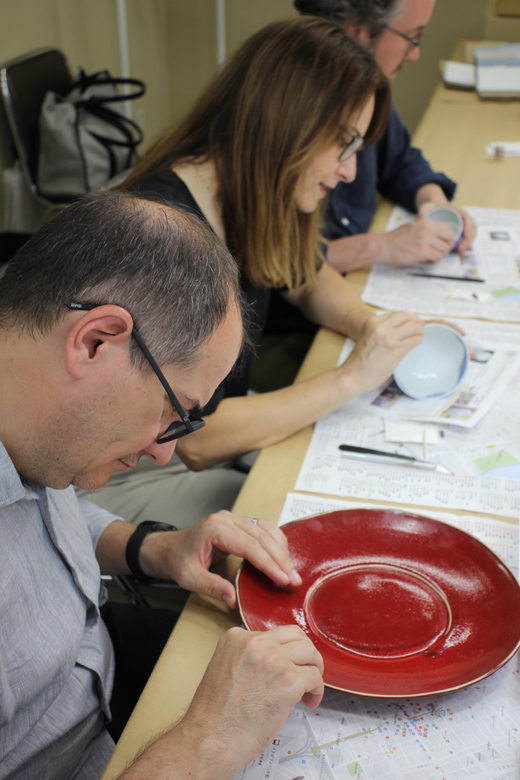
You choose the session when checking availability. The class is conducted with regular customers, so this is not necessarily a private booking. The group limit is 10, which keeps the scale modest. One session had eight people, a size that allowed the workshop to feel comfortable rather than crowded.
The instructor explains the work in Japanese first, followed by English translation. That format is worth knowing. You may not receive a separate English-only presentation from start to finish, but the instructions are translated so English speakers can follow the process.
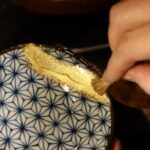
The class is designed to complete one item. You receive the materials needed for the activity and a plate to work on. The supplied information does not list every individual repair step, so you should not expect a technical syllabus covering several forms of Kintsugi. Instead, think of it as a focused first experience that lets you try the craft and finish one small piece.
A calm pace is part of the appeal. Kintsugi requires care rather than speed, and the 90-minute format gives you time to listen, work, and pay attention to the surface of the pottery. The class has been described as peaceful, interesting, and long enough to finish one object. That balance is important in Tokyo, where many activities either feel rushed or take half a day.
Working with Arita Ware
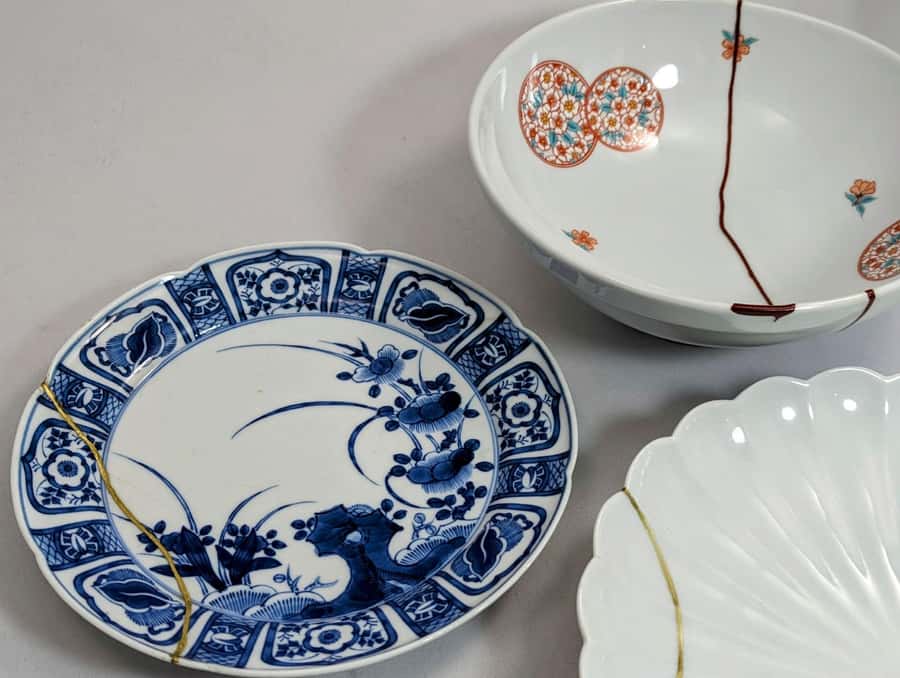
The plate used in the class is Arita Ware. Arita Ware has a 400-year history and is recognized as the first porcelain made in Japan. The pieces supplied for this experience come from Shobido Honten, a respected Arita Ware brand with fans in Japan and abroad.
That gives the workshop a stronger material focus than a simple craft souvenir. You are not repairing an anonymous piece of pottery. You are working with porcelain tied to one of Japan’s best-known ceramic traditions.
Arita porcelain is also a sensible material for this class because its clean surface lets the repair become part of the design. The gold line is not merely a patch. It draws your eye to the place where the object changed.
The selection may be the one area where some people want more. The information indicates that one participant wished there were more variety to choose from. If you are particular about the shape or style of your plate, your options may feel narrower than expected. The experience is strongest when you approach it as a chance to learn the repair method, not as a custom ceramics shopping session.
Bringing your own broken piece
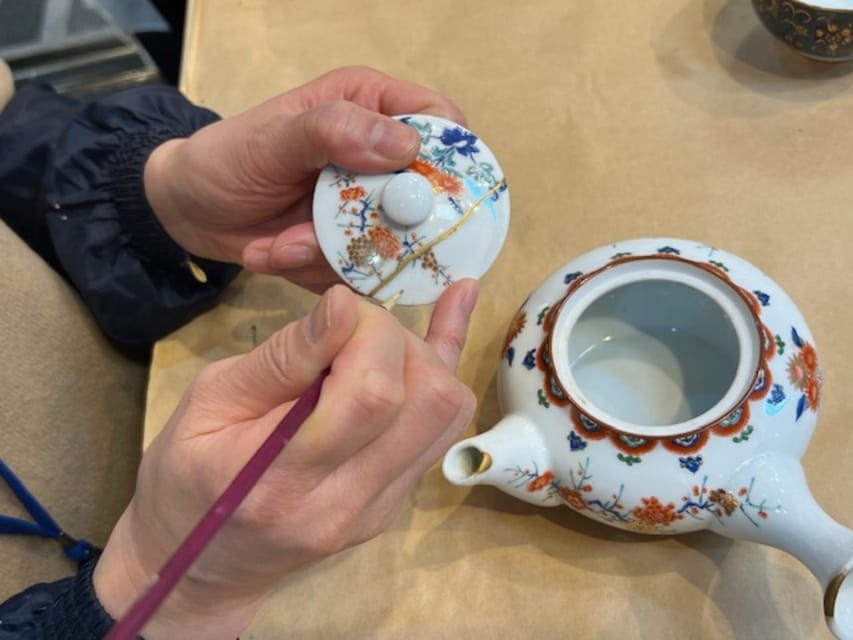
You can bring your own item instead of using the provided plate, provided it meets the workshop’s conditions:
- No more than about 15 centimeters in diameter and 15 centimeters in height
- One or two broken sections
- Ceramic or porcelain construction
This option can make the class much more personal. A chipped family dish, a small keepsake, or a favorite ceramic object can carry more meaning than a new plate. Kintsugi works especially well as a way to preserve something you would otherwise throw away.
Do not bring a large object or one with extensive damage. The size and break limits are specific, and a piece outside them may not be suitable for the activity. You also need to bring an object that is ceramic or porcelain. Other materials are not listed as acceptable.
If you are unsure about using your own item, the included plate keeps the experience straightforward. You do not need to search for a broken object before arriving, and you know you will have something available to work on.
Other guided tours in Tokyo






What you take home, and how to care for it
Your finished plate is yours to take home, but it is not ready for immediate use. After the class, dry it indoors for about one week. That means you need to handle it carefully during the rest of your Japan trip, especially if you are moving between hotels.
The care instructions are clear:
- Hand wash only with dishwashing detergent
- Do not use a dishwasher
- Do not put it in a microwave
- Use it for decoration, not for eating or drinking
This is an important limitation. The object is a decorative souvenir, not a functional serving plate. If you want a piece you can use at dinner, this is not the right activity.
Pack with care for the journey home. The available information does not describe special packaging, so you should not assume the piece will travel like a shop-bought item in a sturdy retail box. Ask the instructor about the safest way to carry it before leaving.
Wear clothes you do not mind getting dirty. The workshop involves materials that may mark fabric, and careful clothing is not worth the worry during a hands-on craft session.
English support and class atmosphere
The instructor speaks English, making this one of the easier traditional craft activities for visitors who do not speak Japanese. The class may still be conducted alongside regular customers, and explanations are given in Japanese before being translated. That creates a shared shop setting rather than a fully private English environment.
The teaching style appears to suit beginners. Instructions are clear, and the process is structured so you can complete one object within the time available. You do not need to arrive with a background in pottery, lacquer, or Japanese art.
The small group is another practical advantage. With a maximum of 10 people, you are less likely to feel lost in a large demonstration. An eight-person session had enough room for people to work without feeling crowded. The size also gives the class a more personal rhythm, though the exact atmosphere can change with the day’s mix of participants and regular customers.
Children under 13 cannot take part. For older children, teenagers, and adults, the activity offers a quiet change from Tokyo’s larger attractions. It is especially suitable if you want to spend part of the day making something rather than only looking at things.
Is $139 a fair price?
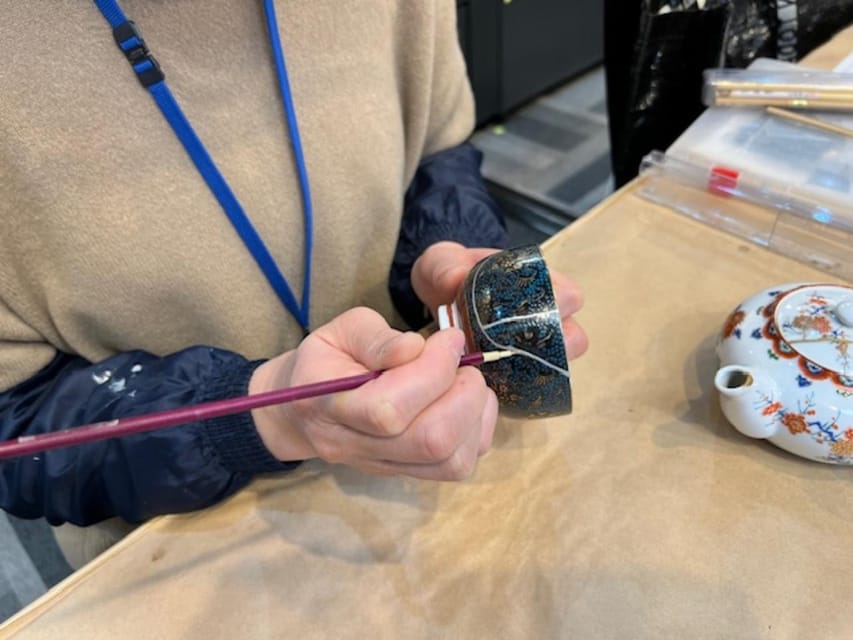
At $139 per person, this is not a bargain craft class. The price includes 90 minutes of instruction, the English-speaking instructor, all necessary materials, and the Arita Ware plate you take home.
The value comes from the combination of factors. You receive guided access to a traditional Japanese repair craft, work with a piece connected to a 400-year-old porcelain tradition, and take home an object you made yourself. The class also takes place in a shop with roughly a century of history, which adds context that a cheaper stand-alone activity may not provide.
Still, the experience is short. You complete one object rather than several, and you should not expect to master Kintsugi in a single session. If you judge the price by the amount of finished pottery, it may feel high. If you value the instruction, the setting, the materials, and the personal souvenir, it makes more sense.
I would consider it good value for someone who wants a polished cultural activity with English guidance and a meaningful object to carry home. It is less appealing if your main goal is low-cost entertainment or a broad choice of ceramics.
Who should book this Tokyo Kintsugi workshop?
This class fits you best if you enjoy hands-on activities, traditional Japanese design, or souvenirs with a story. It is also a good choice for couples, since you can each make a separate plate and take home matching reminders of the trip.
Artistic ability is not a requirement. The class is meant as an introduction, and its peaceful pace suits beginners. You can focus on the process without worrying about producing a museum piece.
It also works well for someone who has already spent several days seeing temples, museums, and major Tokyo sights. A 90-minute craft session gives your day a different shape. The morning and afternoon time slots make it possible to fit around other plans, although you should account for the journey to Nihonbashi and arrive on time.
You may want to skip it if you need a usable kitchen item, dislike careful handwork, or want to choose from many different shapes and designs. The workshop ends with one decorative object, and the material and damage limits apply if you bring your own piece.
Free cancellation is available up to three days before the experience for a full refund. There is no refund if you do not participate on the scheduled day, so check your Tokyo plans carefully before booking.
FAQ
How long does the Kintsugi experience last?
The workshop lasts 90 minutes, or 1.5 hours.
What time does the workshop start?
The available sessions are 10:30 to 12:00, 13:30 to 15:00, and 15:30 to 17:00. Starting times are selected based on availability.
Where does the activity take place?
It takes place at Nihonbashi Mutoh Main Store, 1-8-3 Honcho, Nihonbashi, Chuo City, Tokyo 103-0023.
Is the instruction in English?
Yes. An English-speaking instructor leads the activity. Instructions may be given in Japanese first and then translated into English.
What is included in the price?
The price includes admission to the 90-minute workshop, all necessary materials, the English-speaking instructor, and a plate used during the experience that you can take home.
Can I bring my own broken item?
Yes. You may bring a ceramic or porcelain item up to about 15 centimeters in diameter and 15 centimeters in height, with one or two broken sections.
Can I use the repaired plate for food?
No. The finished piece is for decoration only and should not be used for eating or drinking.
How should I care for the finished piece?
Dry it indoors for about one week after the workshop. Hand wash it with dishwashing detergent, and do not use a microwave or dishwasher.
Is the workshop wheelchair accessible?
Yes, the activity is listed as wheelchair accessible. Children under 13 are not permitted to take part.
Should you book it?
Book this Kintsugi experience if you want a small, thoughtful Tokyo activity that combines traditional craft, English instruction, and a souvenir you make yourself. The Arita Ware plate and the setting at Nihonbashi Mutoh give the class real substance, while the 90-minute length keeps it easy to fit into a busy itinerary.
Go in knowing what it is: a beginner workshop for one decorative object, not a full professional course or a pottery shopping session. Wear practical clothes, arrive on time, and bring a small meaningful ceramic item only if it fits the size and damage rules. For the right person, the gold-lined crack will be more than decoration. It will be a small, handmade record of your time in Japan.
More Guided Tours in Tokyo
More Craft Workshops in Tokyo

More tours in Tokyo we've reviewed










Craft Workshops, compared.
 ★ 5.0Tokyo Shinjuku Chopsticks Making ClassFrom $20
 ★ 4.8Chopstick Making Workshop in GinzaFrom $251 hour
 ★ 5.0Kintsugi Experience: Art of Golden Joinery in TokyoFrom $59
 ★ 5.0Tokyo Chopstick Making Workshop with ArtisanFrom $26
Tokyo: Shinjuku Chopstick Making ClassFrom $121 hour
Tokyo: Chopstick-Making WorkshopFrom $61 hour
★ 5.0Tokyo Chopstick Making Workshop with ArtisanFrom $26
Tokyo: Shinjuku Chopstick Making ClassFrom $121 hour
Tokyo: Chopstick-Making WorkshopFrom $61 hour