
Reviewed · SUSHI MAKING CLASSES
Cozy Tokyo Class: Ramen, Sushi, Sake Pairing & Cultural Exchange
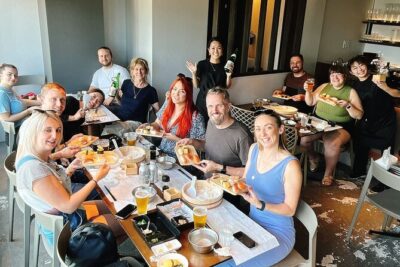
The best part of this Tokyo cooking class is the personal scale. You are not sent into a large room to copy a chef from across the kitchen. The class is designed for close conversation, clear instructions, and a shared meal of ramen, sushi, and possibly gyoza.
I like the chance to learn two Japanese staples in one sitting, then use the recipes at home. I also like the cultural exchange: hosts such as Umi, Kou, Namiko, Risa, Komi, and Alissa bring warmth, humor, and easy English to the lesson. The main point to check is the group size and exact menu, since the highlights describe a cap of four, while the additional details allow up to eight, and the dish wording varies between sushi and optional gyoza.
In This Review
- Key points to know before booking
- A small Tokyo kitchen with a social purpose
- The first hour: meeting the hosts and getting started
- Making ramen from scratch
- Sushi, with gyoza as a possible variation
- Sake, beer, and a meal at the end
- Why the small group matters
- What makes the cultural exchange worthwhile
- Is $79 a fair price?
- Who should book this class?
- Booking details and cancellation
- Should you book it?
- FAQ
- Where does the cooking class start?
- Where does the activity finish?
- How long does the cooking class last?
- Which dishes will I make?
- Are drinks included?
- How many people can join?
- Is the class suitable for beginners?
- Can I cancel for a full refund?
Key points to know before booking
- Ramen and sushi are the main cooking focus: Gyoza may be offered as an alternative or additional dish, so confirm the final menu if that matters to you.
- Small-group teaching keeps the class relaxed: The experience is promoted as capped at four, though the booking details list a maximum of eight.
- Sake pairings are included: You can also choose Japanese beer or non-alcoholic drinks, with unlimited servings stated in the tour details.
- The class suits beginners and keen home cooks: Instructions are paced for first-timers, while experienced cooks can ask questions and pick up new techniques.
- Recipes go home with you: The class is built around making food you can repeat after your trip.
- The meeting point is in Tsukishima: You start and finish at HAUS Tsukishima, near public transportation.
A small Tokyo kitchen with a social purpose
This is more than a lesson in following a recipe. The stated theme, Beyond Cooking, Feel the Connection, tells you what kind of afternoon or evening to expect. The cooking gives everyone something to do with their hands, while the conversation opens a window onto Japanese food customs and daily life.
That format works well in Tokyo, where a packed sightseeing schedule can leave little room for a slower exchange. In three hours, you get a meal, a practical skill, and time with English-friendly Japanese hosts. It is a useful change of pace from simply eating in restaurants.
The experience takes place in Tsukishima, in Tokyo’s Chuo City, at HAUS Tsukishima, 2-chome 13-5. The class begins and ends at this address. Since no private transportation is provided, you will need to make your own way there, but the location is listed as being near public transportation.
Allow enough time to find the building. The supplied address uses Japanese formatting, so keeping the full name, HAUS Tsukishima, and the postal code, 104-0051, on your phone is sensible. The activity does not include a Tokyo pickup or drop-off.
A few more Tokyo tours and experiences worth a look

The first hour: meeting the hosts and getting started
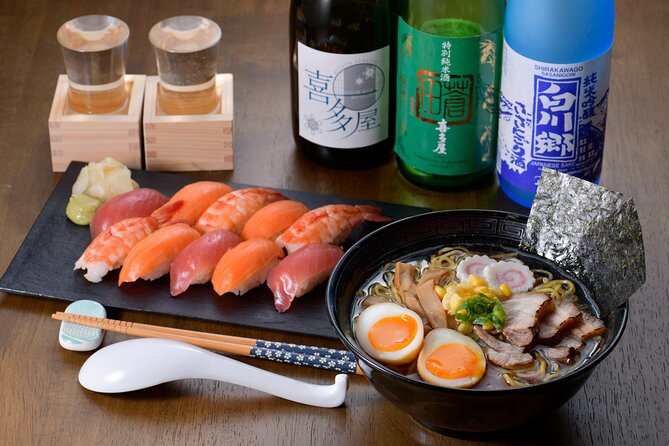
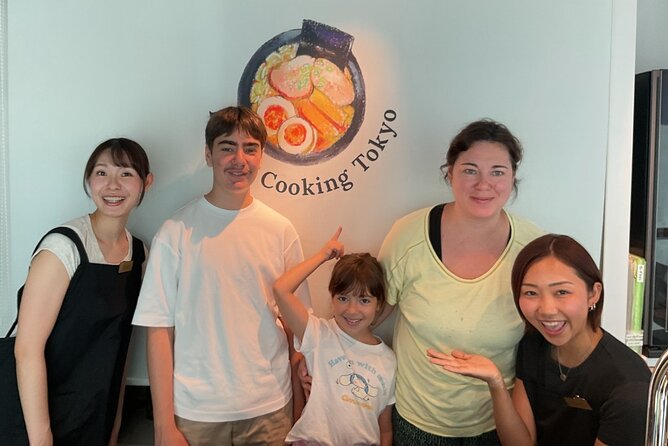
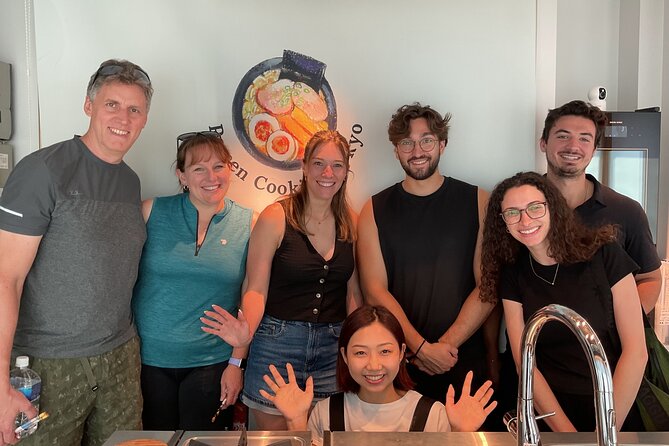
The class begins with a welcome from the Japanese hosts. Names associated with the experience include Umi, Kou, Namiko, Risa, Komi, and Alissa. You may not meet every one of them at every session, but the teaching team is clearly part of the appeal.
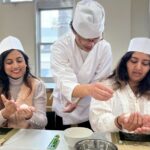
The atmosphere is meant to be friendly rather than formal. That matters for a cooking class because many people arrive with different levels of confidence. You can ask basic questions without feeling out of place, and experienced home cooks can use the conversation to ask about Japanese ingredients, methods, and food traditions.
The hosts also share stories as you work. Those stories give context to the dishes instead of treating ramen and sushi as isolated recipes. You learn not only what to do, but why the food matters within Japanese cooking.
The class is suitable for families, couples, and friends, and it welcomes beginners and experienced cooks. The format also works for a special occasion such as a birthday or honeymoon, though the central activity remains hands-on cooking rather than a formal celebration package.
Making ramen from scratch
Ramen is one of the two central dishes, and making it yourself gives you a better sense of how many parts go into a bowl that can seem simple at a restaurant. The class is designed to take you through the process from scratch, with the instructors explaining each step at a pace you can follow.
That makes this useful for a first visit to Japan. You may have eaten many bowls of ramen already, but the class shows you how the pieces come together. It also gives you a recipe you can use after returning home, which is more practical than a cooking demonstration you only watch.
The instructors focus on clear guidance. The comments from past participants repeatedly point to easy-to-follow instructions, good pacing, and patient help. I would expect the ramen portion to be approachable even if you rarely cook Japanese food.
You should also keep your expectations realistic. A home cooking class cannot reproduce every restaurant kitchen, broth process, or specialized tool. The value is in learning a workable method, understanding the ingredients, and sitting down to eat what you made.
Sushi, with gyoza as a possible variation
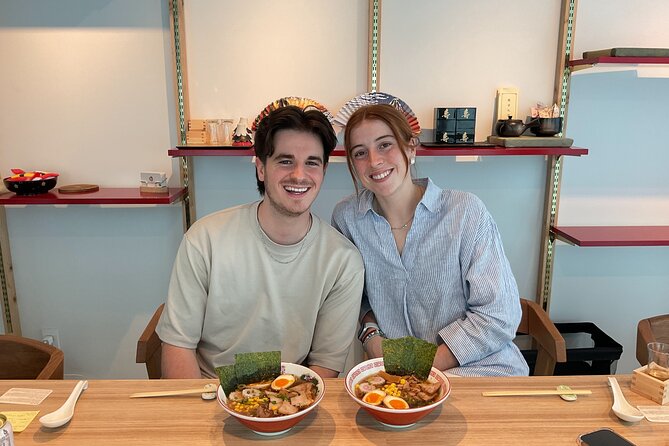
The menu description needs a little care. The main overview emphasizes ramen and gyoza, while the detailed class description says you will make ramen and sushi, with optional gyoza. The activity title also highlights ramen, sushi, and sake pairing.
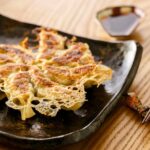
For most bookings, you should expect ramen and sushi to be the core combination. Gyoza appears to be an option, but the supplied information does not explain exactly when it replaces sushi, joins it, or depends on the class arrangement. If gyoza is your main reason for booking, ask the provider to confirm the menu before paying.
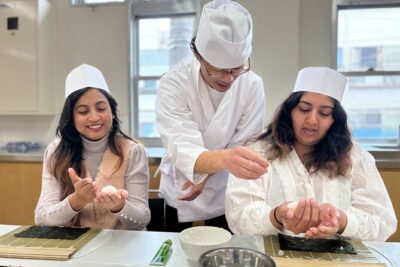
The sushi portion adds a different kind of kitchen skill. Ramen is about preparation and assembly around a hot bowl, while sushi calls for care with shaping, portioning, and presentation. Learning both in one class gives you more variety than a single-dish lesson.
The food is prepared from fresh ingredients, according to the information provided, and the class ends with time to taste what you have made. That shared meal is important. You are not simply carrying a plate to the table while someone else does the work. You eat the result of your own preparation.
Sake, beer, and a meal at the end
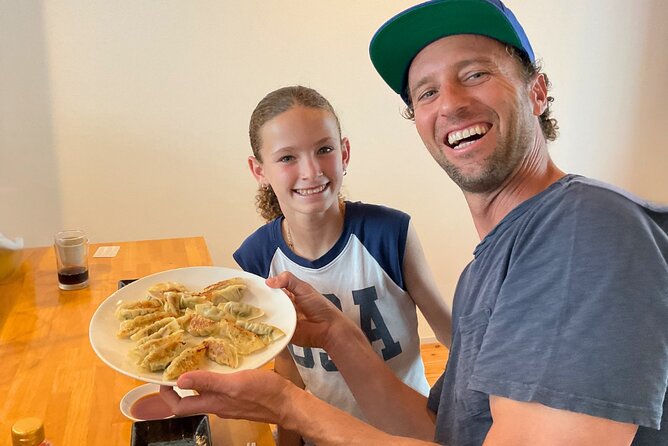
The class includes unlimited sake pairings, Japanese beer, and non-alcoholic beverages. This is a generous inclusion for a $79 experience, especially since the drinks are part of the food and conversation rather than a separate bar stop.
Sake pairing can also help you connect the meal to Japanese dining customs. You can try how the drink fits with ramen and sushi, then compare it with Japanese beer or choose a non-alcoholic option. The class is not limited to drinkers, which makes it easier for families and mixed groups to take part together.
Still, unlimited alcohol does not mean you should plan the class as a drinking event. The main value is the food lesson and the exchange with the hosts. If you do drink sake or beer, pace yourself so you can keep cooking, asking questions, and enjoying the meal.
The beverage inclusion may be especially useful for couples or friends marking a birthday or honeymoon. You get a built-in toast without having to add a separate restaurant reservation afterward.
A few more Tokyo tours and experiences worth a look


Why the small group matters
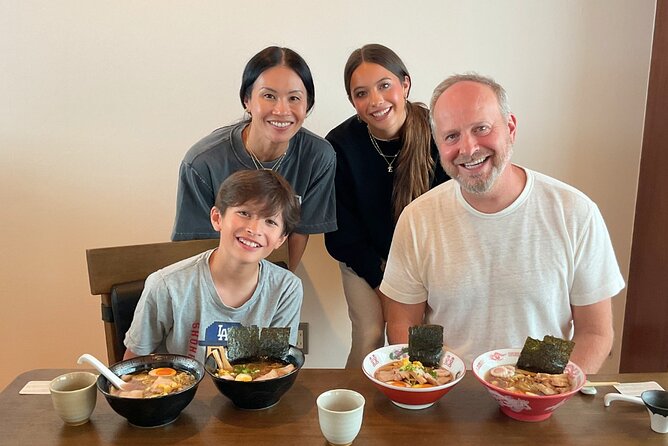
The advertised highlights cap the class at four people, while the additional booking information gives a maximum of eight. That difference is worth clarifying before you reserve. Four people would create a notably intimate lesson, while eight would still be manageable but less personal.
A small class changes the quality of instruction. You can hear the host without strain, see what is being demonstrated, and get help when a step feels awkward. You also have more room for conversation, which is central to this experience.
The small setting is particularly useful for families with children. The class is described as suitable for all ages, and a friendly instructor can keep younger participants involved. Parents should still judge the format against their own child’s attention span, since the activity lasts about three hours.
For couples and friends, the limited scale makes the class feel more like cooking with local acquaintances than attending a tourist production. That is the strongest cultural feature here. The food gives you a shared task, and the hosts provide the conversation.
What makes the cultural exchange worthwhile
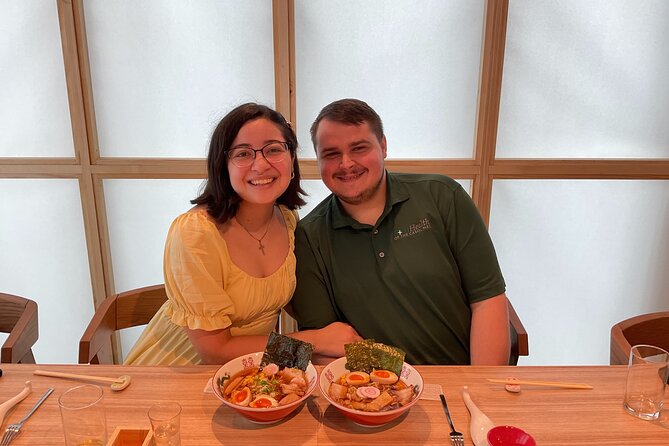
The class does not promise a lecture on Japanese history, and that is a good thing. Its cultural content comes through practical talk about food, cooking customs, and the meaning behind what you are preparing.
You can expect to hear stories while you cook, rather than sit through a long presentation. This keeps the session active and gives you natural openings to ask questions. The experience is built around conversation between the hosts and the people at the table.
The English-friendly approach also lowers the barrier for visitors who do not speak Japanese. You can focus on cooking instead of worrying that a key instruction will be lost. The hosts named in the available information are repeatedly described as kind, funny, supportive, and easy to understand.
That warmth matters more than polished showmanship. A cooking class can fail if the instructor rushes or makes beginners feel clumsy. Here, the strongest pattern is careful help, a relaxed pace, and genuine interest in sharing Japanese food culture.
Is $79 a fair price?
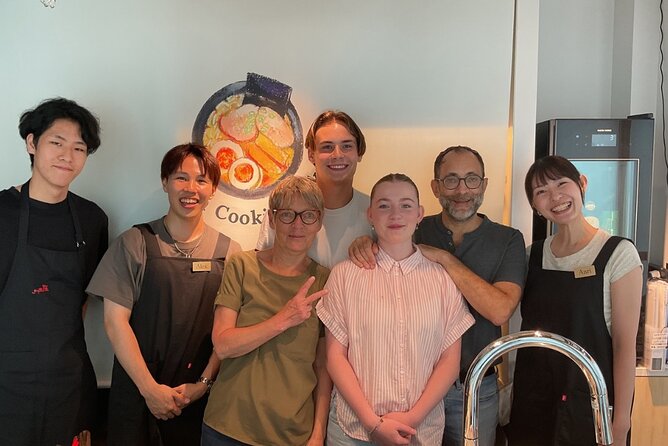
At $79 for about three hours, the value depends on how you use the class. You receive instruction, ingredients, the meal you prepare, all fees and taxes, recipes to take home, and unlimited sake, Japanese beer, or non-alcoholic drinks. Private transportation is not included.
Compared with a simple restaurant meal, the class costs more. You are paying for time with hosts, kitchen instruction, cultural conversation, and the chance to repeat the dishes later. If you only want to eat ramen and sushi, a restaurant will be more direct and likely less expensive.
If you want an activity that combines food and social contact, $79 is easier to justify. A three-hour class can also fit neatly into a Tokyo itinerary without taking a full day. You finish with a meal and a skill, not just another photograph of dinner.
The recipe gift improves the long-term value. You may not recreate the dishes perfectly on your first attempt, but written instructions give you a starting point once the details are no longer fresh.
Who should book this class?
I would recommend it most strongly to people who want participation rather than a passive food tour. Couples, families, and friends can cook together, and the class offers enough structure for beginners without shutting out more confident cooks.
It is also a good choice for a short Tokyo visit. You do not need to spend a full day traveling outside the city, and the three-hour schedule leaves time for another activity before or after. The Tsukishima meeting point makes it worth planning your route in advance.
This may not suit you if your priority is a specialist ramen workshop, advanced sushi technique, or a private class guaranteed for only your party. The available details do not promise advanced instruction, a private setting, or a fixed four-person group for every date.
I would also confirm the dish lineup if you have dietary needs or a strong preference for gyoza. The supplied information supports ramen and sushi, with gyoza described as optional, but it does not provide a full ingredient or allergy policy.
Booking details and cancellation
Confirmation is sent at the time of booking. The activity starts and ends at HAUS Tsukishima, and you arrange your own transport to the meeting point.
The cancellation policy is straightforward: cancel at least 24 hours before the local start time for a full refund. Cancellations or changes made within 24 hours are not refunded or accepted, so check your Tokyo schedule before committing.
Should you book it?
Book this class if you want to turn a meal into a friendly, practical Tokyo memory. The combination of ramen, sushi, optional gyoza, drinks, recipes, and cultural conversation offers more than a standard restaurant stop, especially at a small group size.
Before booking, confirm two points: the exact group size for your date and whether the menu includes gyoza alongside sushi or as an alternative. If those details suit your plans, $79 buys a useful three hours of cooking, eating, and conversation with English-friendly Japanese hosts.
FAQ
Where does the cooking class start?
The class starts at HAUS Tsukishima, Japan, 104-0051 Tokyo, Chuo City, Tsukuda, 2-chome 13-5.
Where does the activity finish?
The activity ends back at the meeting point, HAUS Tsukishima.
How long does the cooking class last?
The class lasts approximately three hours.
Which dishes will I make?
The class focuses on making ramen and sushi from scratch. Gyoza is also described as an optional dish, so confirm the exact menu before booking if it is important to you.
Are drinks included?
Yes. The experience includes unlimited sake pairings, Japanese beer, and non-alcoholic beverages.
How many people can join?
The highlights describe a small group capped at four people. The additional booking information lists a maximum of eight people, so confirm the expected size for your date.
Is the class suitable for beginners?
Yes. The class is described as suitable for beginners and experienced cooks, and it is open to all ages.
Can I cancel for a full refund?
Yes, if you cancel at least 24 hours before the experience start time. Cancellations or changes made less than 24 hours before the start time are not refunded.
More Workshops & Classes in Tokyo
More Sushi Making Classes in Tokyo
More tours in Tokyo we've reviewed









Sushi Making Classes, compared.
 ★ 5.0Sushi Making Tokyo Roll and Authentic Japanese Sushi ClassFrom $59
 ★ 4.9Tokyo: Roll and Authentic Sushi Making Class in AsakusaFrom $581h 40m
 ★ 5.0Make Sushi and Create Unforgettable Memories in TokyoFrom $79
 ★ 4.9Tokyo: Sushi Making Class in a Happi Coat near a Famous SpotFrom $421h 30m
 ★ 5.0Tokyo Sushi Making Class in Tsukiji with Professional ChefFrom $49
 ★ 5.0Tokyo Night Foodie Tour in Shinjuku – Seasonal Sushi, Wagyu BeefFrom $111