
Reviewed · KAMAKURA & ENOSHIMA DAY TRIPS
Kamakura Private & Customized Half-Day Tour with Local Guide
Kamakura is at its best when you can slow down and follow your interests, and this private tour gives you that freedom. With Kamakura-born guide Takumi Ikeda, you can pair major sights such as Tsurugaoka Hachimangu and the Great Buddha with quieter shrines, bamboo, local food, or a swordsmith’s workshop.
I like the flexible route and the personal help with food, customs, and local details. I also like that Takumi can adjust the day for solo visitors, couples, vegetarians, and guests with special interests. The main drawback is that transport, meals, and entrance fees cost extra, so the $85 price is not the full day’s budget.
In This Review
- Key points at a glance
- Why a private guide helps in Kamakura
- Starting at Kamakura Station and Komachi Street
- Tsurugaoka Hachimangu and Kamakura’s samurai past
- The train ride and the Great Buddha at Kōtoku-in
- Hase-dera, gardens, and the seaside option
- Choosing quieter temples and shrine stops
- Food choices that are part of the experience
- Craft shops and everyday Kamakura
- What $85 buys you
- Timing, transport, and practical planning
- Who should book this Kamakura tour?
- Should you book it?
- FAQ
- Where does the Kamakura tour begin?
- How long does the tour last?
- Is the tour private?
- Which languages are available?
- Is lunch included?
- Are transportation and entrance fees included?
- Can I customize the itinerary?
Key points at a glance
- A truly private route: Choose the sights, pace, lunch plan, and overall style of your 3 to 6-hour visit.
- A Kamakura-born guide: Takumi Ikeda can explain local customs, Buddhist traditions, Japanese food, and the city’s past in clear English or Japanese.
- Major sights plus quieter corners: Combine Tsurugaoka Hachimangu, the Great Buddha, and Hase-dera with Sasuke Inari, Zeniarai Benzaiten, or other less-visited stops.
- Lunch that fits your needs: Choose a vegan bento, a local Japanese restaurant, or no lunch so you can spend more time sightseeing.
- Useful local help: Takumi can assist with food choices, shopping, views, practical errands, and onward plans such as Enoshima.
- Good value for a small party: At $85 per person, the tour makes the most sense when personal attention and a custom route matter more than a low-cost group excursion.
Why a private guide helps in Kamakura
Kamakura is easy to reach from Tokyo, but its sights are spread across several stations and neighborhoods. A map gives you the names. It does not always explain why one temple feels quiet and contemplative, why a shrine is tied to samurai power, or how to fit several places into a short visit without wasting time.
That is where this tour earns its keep. You meet at the East Exit of Kamakura Station, then shape the day around your interests. You might focus on Zen temples, Buddhist art, Japanese food, samurai-era history, photography, autumn foliage, shopping, or a mix of everything.
I especially like the option to ask for a slower or more selective route. A half-day can disappear quickly in Kamakura, and a private guide helps you avoid spending the whole visit simply figuring out where to go next.
The guide speaks English and Japanese. Takumi Ikeda is Kamakura-born, and his role goes beyond pointing out buildings. He can explain local traditions, answer questions about Japanese government and customs, suggest suitable food, and help you notice small details that are easy to miss on your own.
A few more Kamakura tours and experiences worth a look
Starting at Kamakura Station and Komachi Street
The planned route begins at Kamakura Station, with about 30 minutes on Komachi Dori Street. This pedestrian shopping street leads toward Tsurugaoka Hachimangu and gives you an easy first look at Kamakura’s food and retail scene.
You can use this time for snacks, small gifts, or a quick look at local shops. Takumi can help you choose what is worth your time, which is useful because the street mixes traditional-looking goods with plenty of ordinary tourist shopping.
Do not expect a quiet temple lane here. Komachi Dori can be busy, especially at popular times, and its appeal is more about browsing and tasting than reflection. If shopping is not your priority, ask Takumi to shorten this stop and give the time to a temple, shrine, or beach instead.
This is also a practical place to discuss lunch. You can choose a local restaurant, request a vegan bento, or skip the meal. Vegetarian and gluten-free needs can be discussed in advance, which makes the food portion less stressful than making a choice at random.
Tsurugaoka Hachimangu and Kamakura’s samurai past
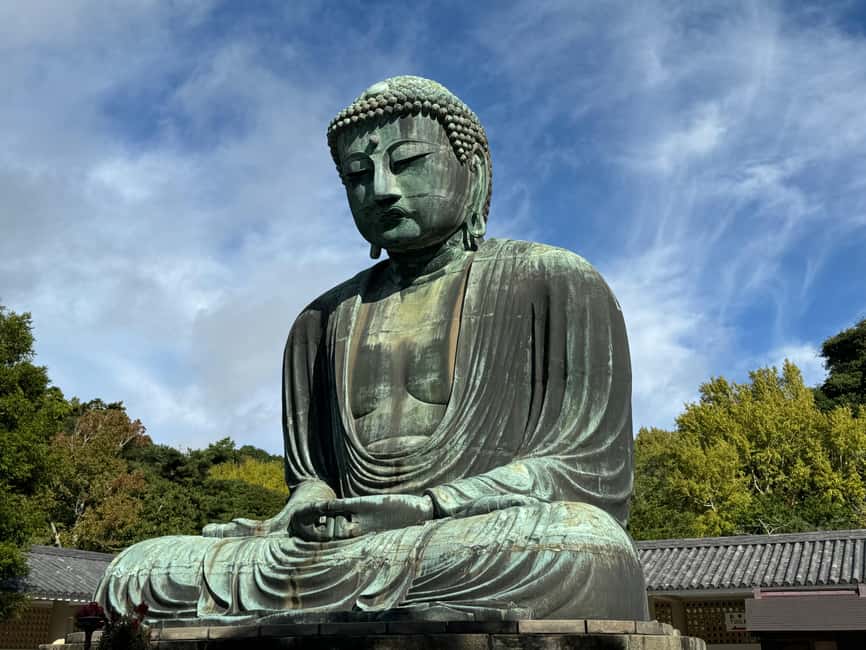
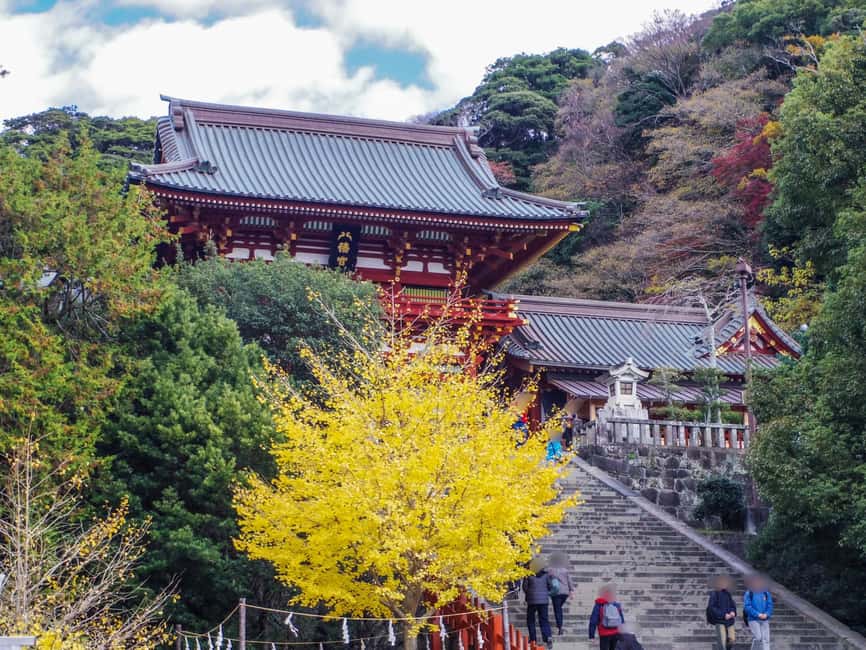
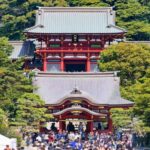
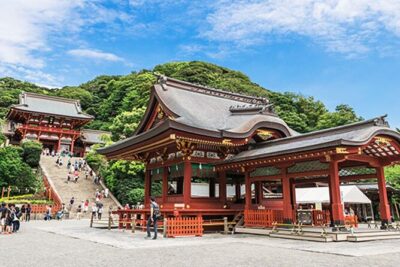
From Komachi Dori, the route continues to Tsurugaoka Hachimangu for roughly 45 minutes. Founded in 1063, this is one of Kamakura’s central religious and cultural sites, and it helps explain why the city became such an important center of samurai power.
The shrine is broad, formal, and visually impressive. Rather than treating it as a quick photo stop, Takumi can explain how Shinto worship works and how the shrine connects to Kamakura’s political past.
I find this kind of guided visit more useful than simply collecting shrine stamps or photographing the gates. You learn what you are looking at, how visitors should behave, and why the site still matters in daily Japanese life.
Forty-five minutes is enough for a focused visit, but not for every corner. If you want time for quiet observation or detailed photography, tell your guide early. The private format lets you trade shopping time for shrine time without holding up a group.
The train ride and the Great Buddha at Kōtoku-in
The sample route includes a short train ride toward Kōtoku-in, followed by about 35 minutes at the temple. The listed train portion is roughly 10 minutes, although the exact transport cost is not included in the tour price.
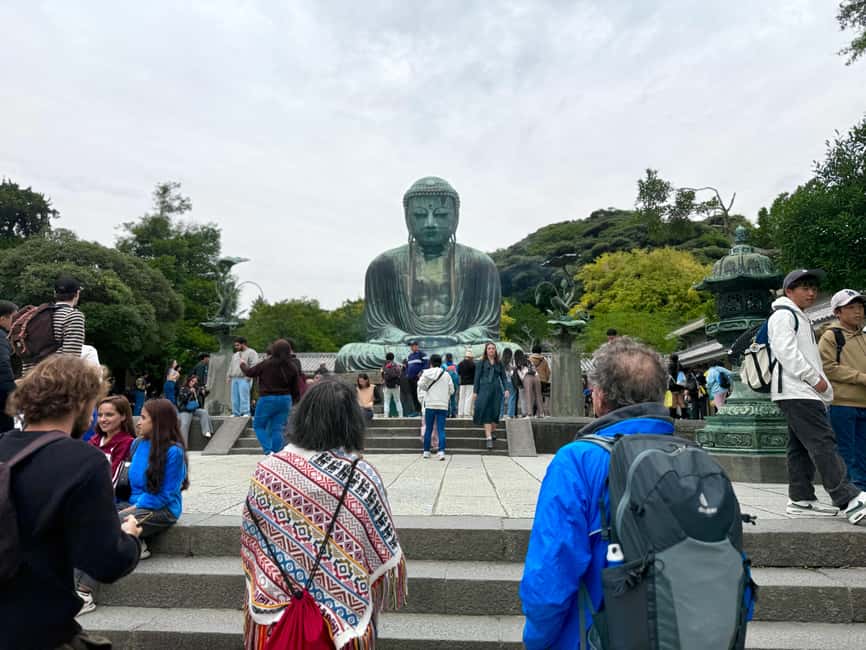
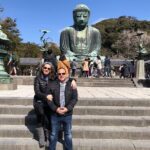
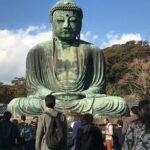
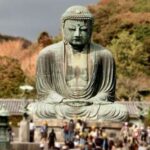
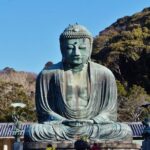
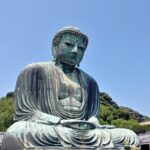
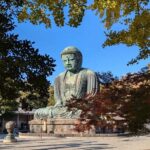
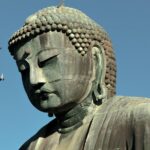
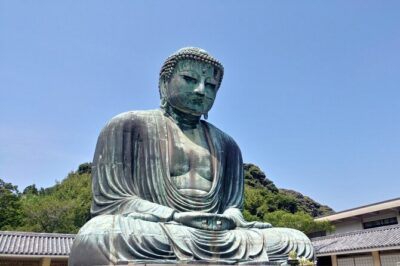
Kōtoku-in is home to Kamakura’s famous Great Buddha, one of the city’s most recognizable sights. Its scale gives the visit immediate impact, but the surrounding temple setting also offers a chance to consider how a large religious image functions as more than a landmark.
The stop is fairly brief. That suits you if the Great Buddha is a must-see and you want to cover several other places in one afternoon. If you want a more leisurely temple visit, ask whether another stop should be removed.
Remember that entrance fees are separate. You should also wear comfortable shoes, since this tour involves walking between stations, streets, temple grounds, and shrine approaches.
Hase-dera, gardens, and the seaside option
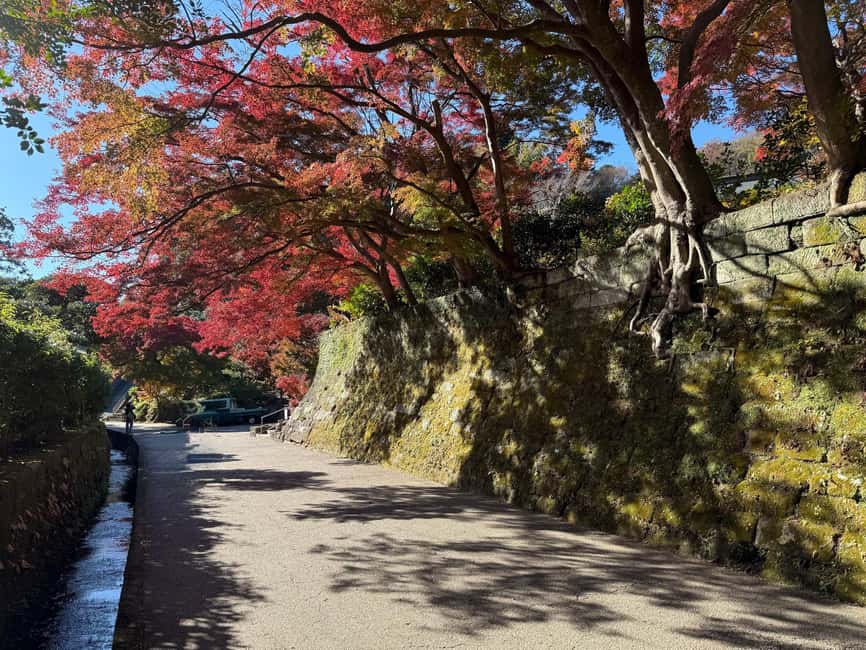
The sample itinerary allows about 50 minutes at Hase-dera. This gives you more time than the Great Buddha stop and lets you look around rather than rush straight to a single monument.
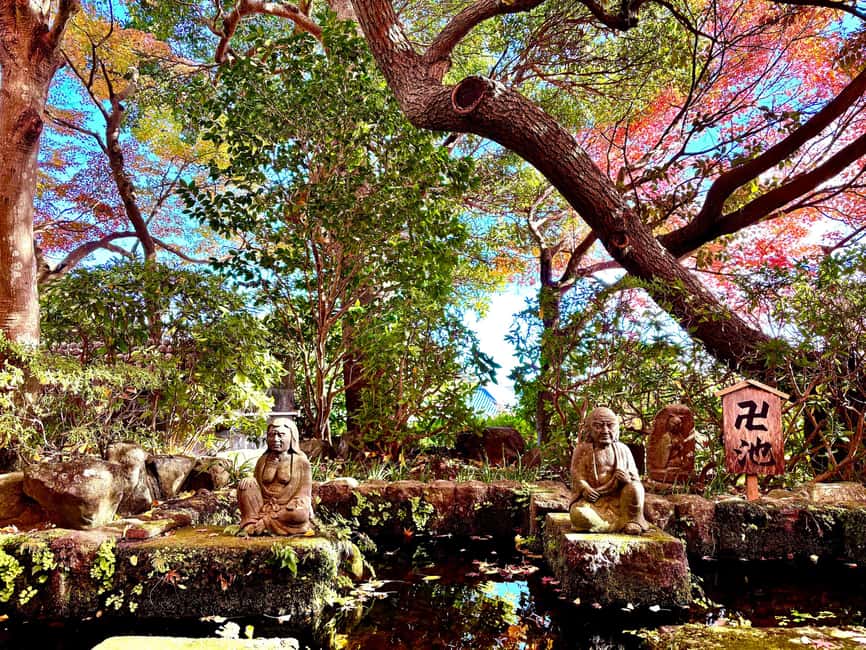
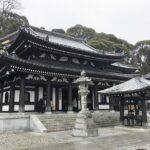
Hase-dera is one of Kamakura’s best-known temple visits, with religious buildings, gardens, and a setting that can feel very different from the formal approach at Tsurugaoka Hachimangu. In autumn, the guide can include scenic foliage spots, a useful option if you are visiting when the trees are changing color.
You may instead prefer Kamakura Yuigahama Beach. The seaside offers a change of pace after temples and shrines, with ocean air and a more relaxed side of the city. It is not the choice for someone trying to pack in every historic site, but it works well if you want variety.
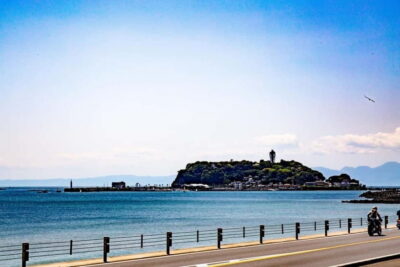
The route can also include Enoshima, a small island known for Enoshima Shrine, viewpoints, and seafood. Since the tour ends at Kamakura Station in the example route, confirm the plan if you want to continue to Enoshima. Takumi can offer advice for carrying on with your day, but the tour does not include transport fees.
Other guided tours in Kamakura
Choosing quieter temples and shrine stops
The strength of this experience is not only the famous sights. You can ask for places that feel more local and less crowded.
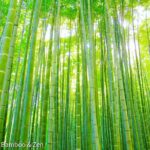
Hokokuji is a good choice if you want a calm walk through bamboo followed by matcha tea. The grove is compact rather than enormous, but that can be an advantage during a half-day visit. It gives you a peaceful pause without requiring a long detour.
Sasuke Inari has rows of red torii gates and fox statues. It has a more tucked-away feel than Tsurugaoka Hachimangu and is suited to you if you want atmosphere and photography rather than a major ceremonial complex.
At Zeniarai Benzaiten Shrine, visitors wash money in spring water as part of a custom linked with luck and prosperity. This is the sort of small tradition that becomes more meaningful when someone explains what you are doing and why.
Engaku-ji and Kencho-ji suit visitors who want Zen architecture, gardens, and a quieter spiritual setting. Engaku-ji is particularly convenient from Kitakamakura Station and can serve as an alternate starting point. Kencho-ji is the oldest Zen temple in Kamakura according to the tour information and offers a hillside path with a view.
You cannot reasonably fit every option into a four-hour visit. That is not a flaw in the tour, but it does mean you should rank your priorities before meeting Takumi.
Food choices that are part of the experience
Lunch is optional, which is a smart feature for a half-day tour. You can choose a vegan bento, eat at a local Japanese restaurant, or skip lunch and use the time for sightseeing.
The restaurant example includes miso soup made with dashi and a freshly prepared shrimp shinjō. Takumi can explain elements of Japanese cuisine as you eat, turning lunch into part of the cultural lesson rather than an unplanned break.
You can also request soba, pork cutlet, or vegan food. Vegetarian and gluten-free needs were handled for past bookings, but you should state your requirements when arranging the tour rather than waiting until the day itself.
Skipping lunch may suit you if you have limited time or want to visit Hase-dera and the Great Buddha without watching the clock. On the other hand, a local meal adds a distinctly Japanese part to the afternoon and gives you a chance to ask questions in a relaxed setting.
Meals and drinks are not included, so budget for them separately. The same applies to temple and shrine admission where fees are charged.
Craft shops and everyday Kamakura
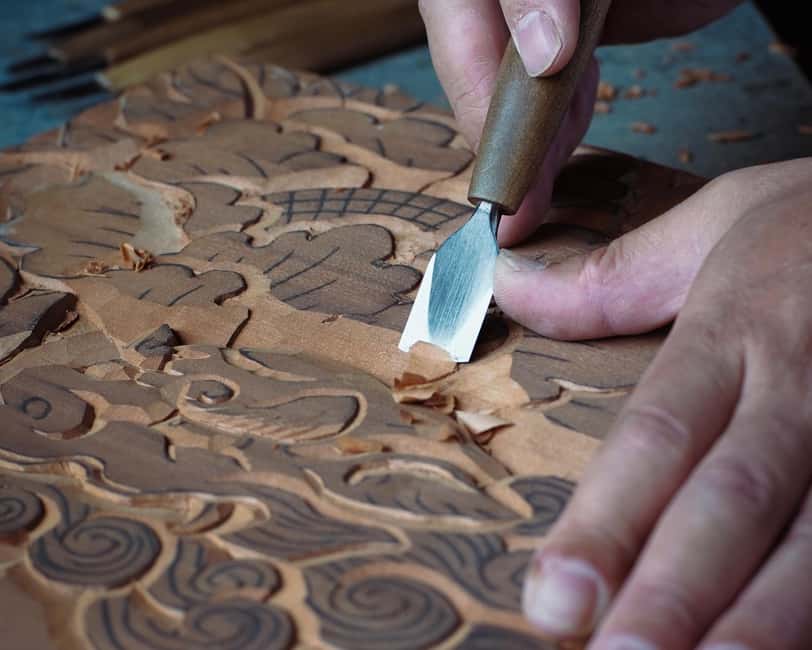
One of the more unusual possible stops is a swordsmith’s workshop with a 22-generation family legacy. This offers a look at traditional craft that you will not get from simply walking past a temple gate.
The exact workshop visit depends on your chosen route and timing, so treat it as an option rather than a guarantee. If craftsmanship, samurai culture, or Japanese tools interest you, mention that when you message the guide.
The tour can also include local shops and practical stops. Takumi has helped people find small everyday items they needed during their trip, not just souvenirs. That may sound minor, but it is the sort of assistance that saves time when you are dealing with unfamiliar stores and labels.
You can also ask for help with local treats. One especially distinctive food detail connected with the tour is roasted ginkgo seeds. They are not an obvious first choice for most visitors, but trying an unfamiliar snack is part of the fun when someone can explain what it is.
What $85 buys you
At $85 per person, this is not the cheapest way to see Kamakura. You still pay for transport, meals, entrance fees, and personal purchases, and the tour lasts approximately four hours in its usual form.
The value comes from the private setup and the ability to change the plan. You are paying for a local person who can connect the sights, answer questions, find suitable food, and help you avoid a one-size-fits-all route.
For a solo visitor, the price may feel high compared with using a train map and visiting two or three temples independently. Yet solo visitors also receive the most direct benefit from a private guide, since you are not sharing attention with a larger group.
For couples or small private parties, the cost is easier to justify if you care about personal pacing. It is particularly useful for a first visit, a short stay in the Tokyo area, or a day when you want cultural context without committing to a full-day excursion.
The tour earns its price best when you communicate clearly. Tell Takumi your must-see places, food needs, walking preference, interest in local traditions, and desired end point. A vague request may produce a pleasant day, but a specific one gives the custom format more value.
Timing, transport, and practical planning
The tour is advertised for 3 to 6 hours, with the usual duration close to four hours. Starting times vary, so you need to check availability for your chosen date.
Transportation is not included. The example itinerary uses a short train ride between Kamakura and the Hase area, and you should expect to pay fares separately. Entrance charges are also separate.
Meet at the East Exit of Kamakura Station. Wear comfortable shoes, since the route combines station transfers, shopping streets, temple grounds, and shrine paths.
The tour is private, with English or Japanese guiding. You can send your preferences through GetYourGuide messages, with WhatsApp available as an optional way to communicate.
Cancellation is free up to 24 hours before the tour for a full refund. You can also reserve and pay later, which helps if your Japan schedule is still shifting.
Who should book this Kamakura tour?
I would choose this tour if you want Kamakura explained by someone who knows the city personally, rather than simply ticking off its famous sights. It is a strong fit for solo visitors, couples, families with a clear set of interests, and anyone who wants help with food or local customs.
It is also a good choice for repeat visitors who have already seen the Great Buddha and Tsurugaoka Hachimangu and now want bamboo, smaller shrines, craft, beaches, or Enoshima.
I would hesitate if you want a fixed, low-cost group outing with all fees included. You should also think twice if you prefer to move entirely on your own and do not care about historical or cultural explanations.
Should you book it?
Book this experience if flexibility is your priority. Takumi Ikeda’s personal connection to Kamakura, help with food and local customs, and ability to adjust the route give the tour a friendly, practical character.
Before booking, decide your top three interests and ask about the total plan, including train fares, admissions, and lunch. If you want the Great Buddha, Hase-dera, bamboo, a quieter shrine, and a proper meal all in one short afternoon, you may need to make choices.
For an introduction to Kamakura that feels personal rather than mechanical, this is a strong pick. The tour is not all-inclusive, but the individual attention can make the extra costs worthwhile.
FAQ
Where does the Kamakura tour begin?
The meeting point is the East Exit of Kamakura Station.
How long does the tour last?
The experience is offered for 3 to 6 hours, and the usual tour duration is approximately four hours.
Is the tour private?
Yes. This is a private group experience with a live guide.
Which languages are available?
Guiding is available in English and Japanese.
Is lunch included?
No. Lunch and drinks are not included. You can arrange a vegan bento, eat at a local restaurant, or skip lunch.
Are transportation and entrance fees included?
No. Transportation, temple and shrine entrance fees, meals, drinks, and personal expenses are paid separately.
Can I customize the itinerary?
Yes. The itinerary is customizable upon request. You can discuss your preferred sights, schedule, pace, food choices, and style through GetYourGuide messages.
More Private Tours in Kamakura
More Guided Tours in Kamakura
More Kamakura & Enoshima Day Trips in Kamakura
More tours in Kamakura we've reviewed
Kamakura & Enoshima Day Trips, compared.
 ★ 4.5Tokyo: Kamakura & Enoshima Day Trip including Temple TicketsFrom $589 hours - 570 minutes
 ★ 4.5Tokyo: Mt. Fuji, Kamakura, Big Buddha, & Lake Ashi Day TripFrom $4910 - 11 hours
 ★ 4.5From Tokyo: Kamakura & Enoshima 1-Day Bus TourFrom $66
 ★ 5.0Kamakura Historical Walking Tour with the Great BuddhaFrom $98
 ★ 5.0Kamakura Private Tour: Temples, Nature, and the Great BuddhaFrom $98
 ★ 5.0Kamakura Walking Tour – The City of ShogunFrom $35