
Reviewed · KAMAKURA & ENOSHIMA DAY TRIPS
Private Kimono photo shooting tour in ancient city Kamakura
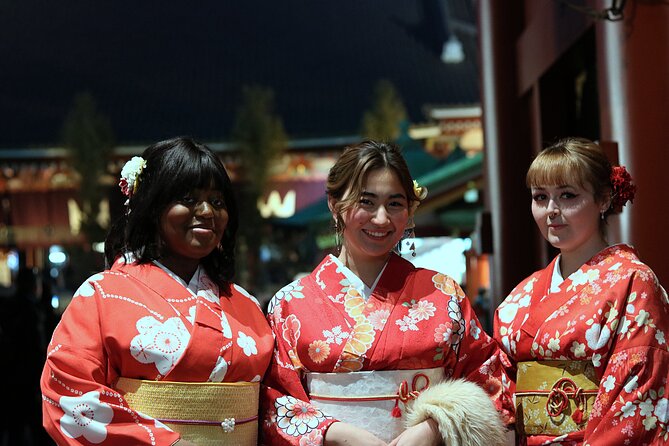
Kamakura gives this kimono photo session a better setting than a simple studio shoot. You dress in traditional Japanese clothing, then walk through an old samurai capital with photographer Shuhei, stopping at temples, a major shrine, and a shopping street for up to 30 edited photos.
I like the private format, which lets your group move at a comfortable pace and adjust the route. I also like the mix of quiet temple grounds and famous Tsurugaoka Hachimangu, giving your photos both calm and classic Kamakura scenery. The main catch is that kimono rental costs an extra 3,800 yen, and the tour depends on good weather.
- Choose your outfit: Pick from several kimono styles, or take part in regular clothing.
- Meet Shuhei near Kamakura Station: The tour begins at the Kamakura City Tourist Information Center.
- Photograph quiet temple grounds: Daigyoji and Myohonji offer calmer settings than Kamakura’s busiest sights.
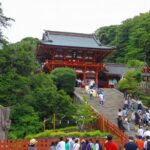
- See Kamakura’s landmark shrine: Tsurugaoka Hachimangu adds grand steps, gates, ponds, and a strong historical setting.
- Receive up to 30 edited photos: All photos are available, with a maximum of 30 edited images included.
- Finish on Komachi Street: Browse shops, snacks, cafés, and souvenirs before returning to the meeting point.
In This Review
- Why Kamakura Works So Well for Kimono Photos
- Meeting Shuhei and Getting Ready Near the Station
- Daigyoji Temple: A Quiet First Backdrop
- Myohonji Temple and Kamakura’s Seasonal Trees
- Tsurugaoka Hachimangu: Kamakura’s Grandest Photo Stop
- Jufukuji Temple and a Calm Tree-Lined Approach
- Komachi Street: Food, Shopping, and a Less Formal Finish
- What You Receive for $85.20
- How the Private Format Changes the Day
- Weather, Clothing, and Who Will Enjoy It Most
- Should You Book This Kamakura Photo Tour?
- FAQ
- Where does the kimono photo tour begin?
- Where does the tour end?
- How long does the experience last?
- Is kimono rental included in the price?
- How many edited photographs are included?
- Is this a private tour?
- Can the tour route be customized?
- Are admission tickets included?
- What happens if the weather is poor?
Why Kamakura Works So Well for Kimono Photos
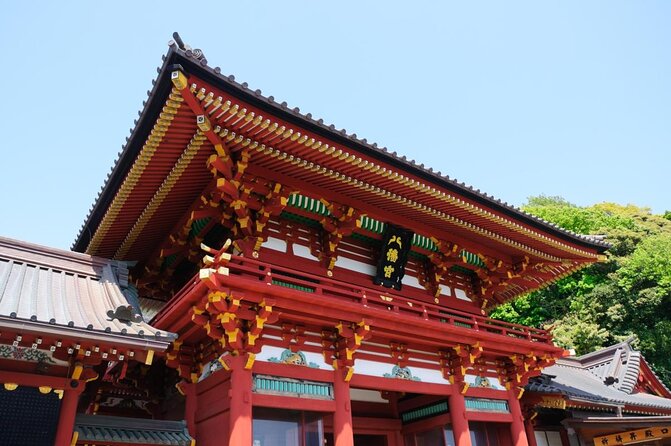
Kamakura was once the center of Japan’s first military government, founded in the late 12th century by Minamoto no Yoritomo. You do not need a long history lecture to appreciate the effect. Stone paths, wooden temple buildings, shrine gates, ponds, and tree-lined approaches give your photographs a sense of place.
That setting also makes this experience feel less staged than a studio portrait. You are not simply posing against a paper backdrop. You are walking through real religious sites and older streets while wearing clothing that connects directly with Japanese culture.
The tour is private, so only your group takes part. That matters for photography. You can pause when a setting works, try another pose, or adjust the route instead of keeping up with a large group. The experience lasts about two to three hours, including travel and changing time, so it is a compact addition to a day in Kamakura.
The pace is not designed for a full sightseeing tour of the city. You will see several important places, but the purpose is photography, not detailed temple visits. Think of it as a cultural portrait session with a walking route attached.
Meeting Shuhei and Getting Ready Near the Station
You meet at the Kamakura City Tourist Information Center at 1-chome-1-1 Komachi, near Kamakura Station. The location is practical, since the tour is close to public transportation and begins in the center of town.
The rental kimono is not included in the tour price. You pay an additional 3,800 yen for the outfit. You can choose from various kimono styles, and a non-kimono option is also available if traditional clothing is not right for you.
That choice makes the session more flexible for couples, families, friends, and solo visitors. If you want the complete Japanese dress experience, the kimono is the obvious choice. If you mainly want professional portraits around Kamakura, regular clothing keeps the cost lower and may make walking easier.
Changing time is included in the two to three hour total. The supplied details do not state how long the changing process takes, so you should allow the tour’s full time window rather than planning another fixed activity immediately afterward.
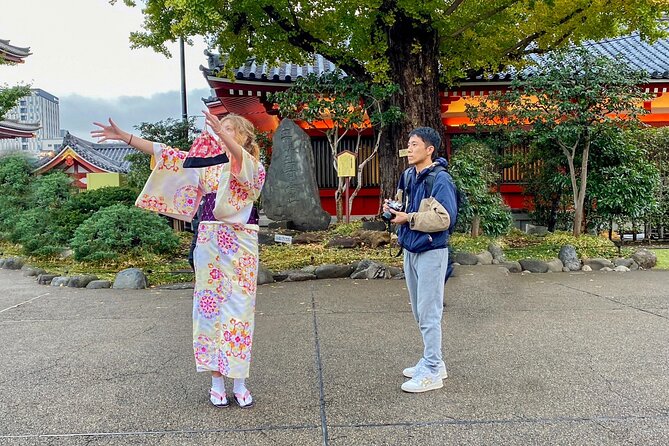
Shuhei handles the photography and also helps with posing. This is useful if you are not comfortable in front of a camera. You do not need to arrive with a list of poses. He has been described as supportive when directing posture and suggesting different poses, while also paying attention to comfort.
A few more Kamakura tours and experiences worth a look
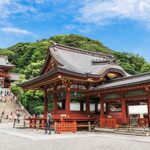
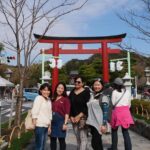
Daigyoji Temple: A Quiet First Backdrop
The first stop is Daigyoji Temple, a small temple beside Kamakura Station. The visit lasts about five minutes, and there is no admission fee.
This is a short opening stop rather than a major temple visit. Its value comes from the quiet setting. You can begin taking photographs without immediately dealing with a large crowd or a complicated route.
Starting here also gives you time to get used to the kimono and the camera. If you feel stiff at first, the first few images can serve as a warm-up. The temple is close to the station, so the tour does not spend much time reaching its first photo location.
Do not expect Daigyoji to provide the grandest backdrop of the day. It is small, and the stop is brief. Its strength is comfort and convenience, especially at the start.
Myohonji Temple and Kamakura’s Seasonal Trees
Myohonji Temple receives about 20 minutes of the tour. It was founded around 1260 and is associated with Nichiren Buddhism, one of Japan’s major Buddhist traditions. There is no admission fee.
The grounds are known for natural scenery, with cherry blossoms in spring and autumn color later in the year. The old wooden structures add texture to photographs, while the temple’s calm atmosphere gives you a change from the activity near the station.
This is one of the more appealing places for photographs because it offers several kinds of background in one stop: trees, temple buildings, and quiet paths. Your pictures can feel more varied without requiring a long transfer.
Season matters here. The supplied information specifically highlights spring cherry blossoms and autumn leaves, so those periods may give you the strongest seasonal color. The tour does not promise a particular bloom or foliage condition, so treat those scenes as possible advantages rather than guaranteed features.
The 20-minute stop is enough for a focused photo session, but not for a detailed exploration of the temple grounds. You will want to keep your attention on the photographer’s directions and the best available settings.
Tsurugaoka Hachimangu: Kamakura’s Grandest Photo Stop
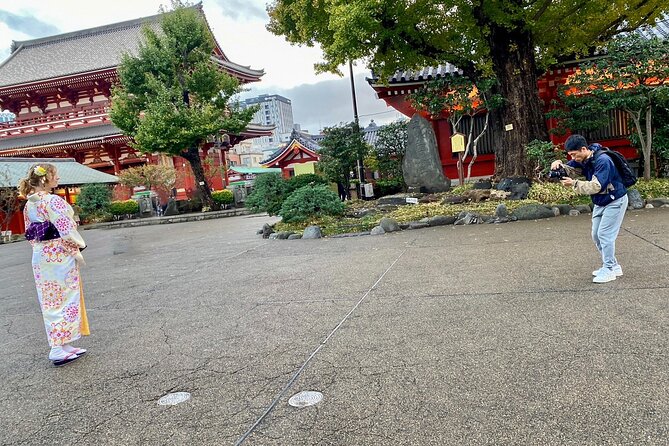
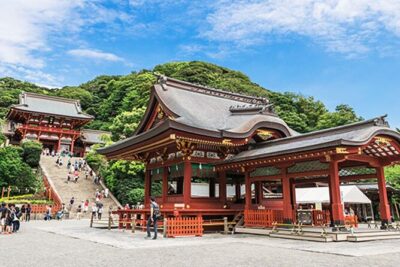
The tour spends about 25 minutes at Tsurugaoka Hachimangu Shrine, the most prominent landmark on the route. Minamoto no Yoritomo founded the shrine in the 12th century, and it is dedicated to Hachiman, the god of war and protector of the Minamoto clan.
You will see an impressive entrance gate, a long approach lined with cherry trees, and a large pond. A bench beside the pond provides a place to pause between photographs.
This stop gives your session its most recognizable Kamakura setting. The shrine’s scale and ceremonial design work well with kimono, especially if you want images that clearly show where you were. It is also a useful contrast to the smaller temples earlier in the route.
Because Tsurugaoka Hachimangu is a major shrine, it can feel more active than Daigyoji or Myohonji. The private format helps, but it cannot remove other people from a public landmark. You may need to wait for a clear angle or accept a background with activity in it.
Twenty-five minutes is a sensible amount of time for selected photographs and a short break. It is not enough to see every part of the shrine complex. If your priority is a wide range of portraits, the photographer will need to keep the session moving.
Jufukuji Temple and a Calm Tree-Lined Approach
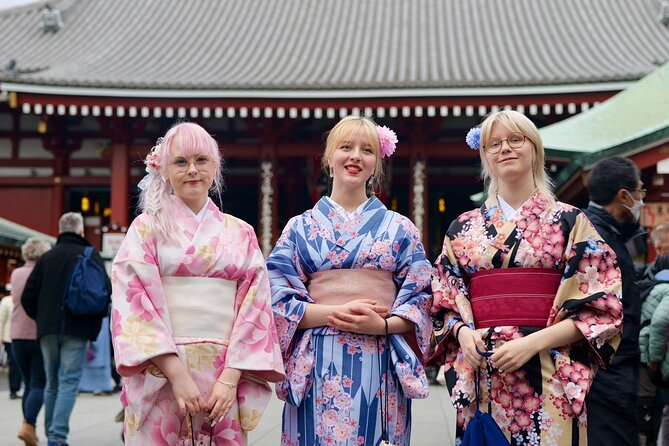
Jufukuji Temple receives about ten minutes. Hojo Masako, the wife of Minamoto no Yoritomo, established it in 1200. The approach to the main temple is known for trees and a quiet atmosphere, and a small local shrine is nearby.
The approach itself is the attraction. A tree-lined road can frame a walking portrait, while the nearby shrine gives you another setting without a long journey. This is a brief stop, but it helps round out the route with a peaceful, less formal scene.
The limited time means you should not expect an extended temple visit. You are there for a handful of photographs and a look at the area. If you prefer calm backgrounds to famous landmarks, this may be one of the most appealing points on the walk.
As with the other temple stops, admission is free. You are paying for the private photography service and the guide’s time, not entrance tickets.
Other city tours we've reviewed in Kamakura
Komachi Street: Food, Shopping, and a Less Formal Finish
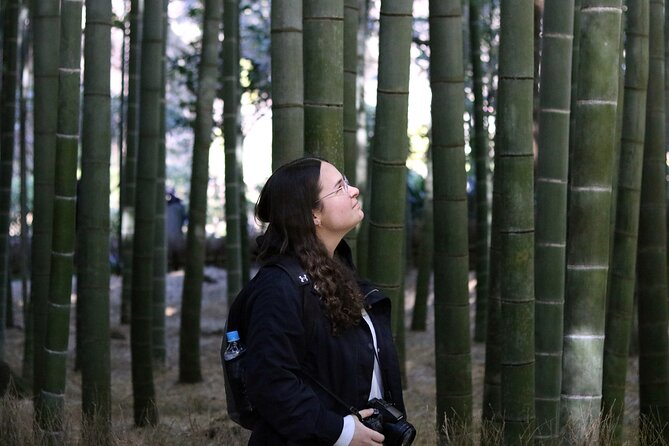
The final listed stop is Komachi Street, in the heart of Kamakura. The street is named after Ono no Komachi, a famous poet from Japan’s Heian period. Shops, cafés, restaurants, boutiques, local crafts, souvenirs, and food line the route.
This part of the experience changes the mood. After several temples and a shrine, you can look at shops and buy something to remember the day. It also gives you a chance to see a more everyday side of central Kamakura.
Komachi Street is not a quiet photo setting. It is a shopping area, so it may be less suitable for serene portraits and more useful for casual walking pictures. If you want to spend longer browsing, ask about the timing, since the tour ends back at the meeting point and the total duration is limited.
The supplied route does not give a precise time for Komachi Street. That makes the private format valuable. You may have some flexibility, but you should not assume the tour includes a long shopping break.
What You Receive for $85.20
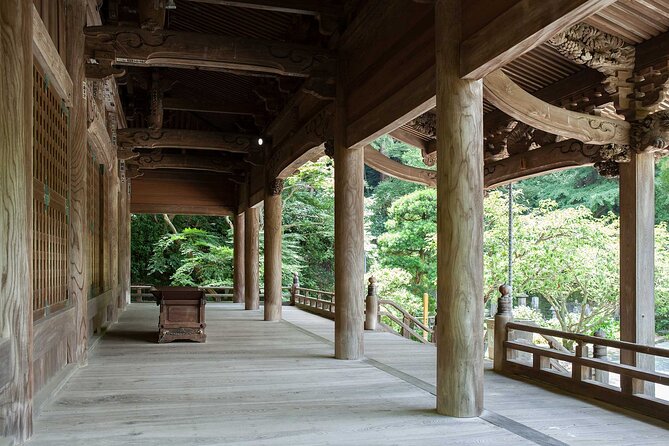
The listed price is $85.20 per person. The tour includes bottled water, WiFi on board, and up to 30 edited photos. You can receive all the photos taken, with a maximum of 30 edited images included.
The photo package is the heart of the value. A professional photographer takes pictures in several settings, and you do not have to manage a camera or ask strangers to take group shots. The final images become a lasting record of the kimono, the city, and your time together.
The price looks more attractive for two or more people who want a shared session, especially since group discounts are available. You should confirm the final group rate when booking because the exact discount is not stated.
Remember to add 3,800 yen if you want to rent a kimono. That extra cost is important when comparing this experience with a standard walking tour or a photo session in your own clothes.
There are no entrance fees at the listed temples and shrine, so you are not facing a string of additional admission charges. The main extra cost identified here is the kimono rental.
How the Private Format Changes the Day
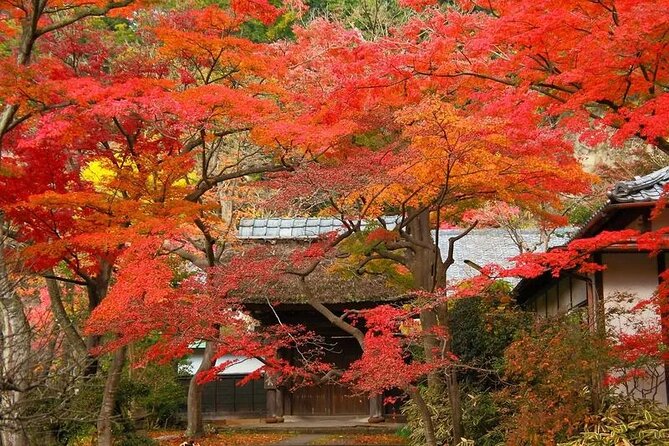
A private tour lets only your group participate. That makes the session more personal and gives you room to discuss where to go. The route can be customized, which is useful if you care more about quiet temple grounds than shopping, or if you want to spend more time at the shrine.
The private setup also helps with posing. Shuhei can suggest different positions and guide you when you are unsure what to do with your hands or how to stand in the kimono. That practical direction can make a major difference in the final photographs.
Still, customization has limits. The activity remains about two to three hours, and the total includes changing and travel time. You cannot fit every Kamakura sight into that window. If you want the Great Buddha, Enoshima, or a full temple day, you need a separate plan. Those places are not part of the stated route.
The tour is available with a mobile ticket, and confirmation is received at booking. It begins and ends at the Kamakura City Tourist Information Center, which keeps the meeting plan simple.
Weather, Clothing, and Who Will Enjoy It Most
The experience requires good weather. If poor weather forces cancellation, you are offered another date or a full refund. You can cancel for a full refund up to 24 hours before the start time. Cancellations or changes made less than 24 hours ahead are not refunded or accepted.
You should plan this activity for a day when you can walk comfortably between photo locations. The route includes temples, a shrine, and a shopping street, but the supplied details do not specify the exact distance or walking conditions.
This experience suits you best if you want:
- Professional photos in several Kamakura settings
- A private activity for your own group
- Help with posing
- A short cultural experience rather than a full-day tour
- The option to wear a kimono or regular clothes
- Time for both quiet temples and central shopping streets
It may be less suitable if you dislike being photographed, want a detailed religious or historical tour, or need a fixed schedule that cannot shift with weather and photography conditions.
Should You Book This Kamakura Photo Tour?
Book it if you want a personal souvenir of Japan that goes beyond ordinary snapshots. The combination of kimono, old temples, Tsurugaoka Hachimangu, and Komachi Street gives you a good variety of settings in a short visit.
The strongest reasons to choose it are Shuhei’s hands-on posing help, the private group format, and the chance to use quieter Kamakura locations rather than spending the whole session at the busiest landmark. You can also skip the kimono rental and keep the photo tour in regular clothing.
Think carefully about the extra 3,800 yen rental fee and the weather requirement. If you want a full Kamakura sightseeing day, this is not enough on its own. If you want well-directed portraits and a relaxed introduction to the city’s temples and culture, it is a sensible use of two to three hours.
FAQ
Where does the kimono photo tour begin?
It begins at the Kamakura City Tourist Information Center, located at 1-chome-1-1 Komachi, Kamakura, Kanagawa 248-0006, Japan.
Where does the tour end?
The activity ends back at the meeting point, the Kamakura City Tourist Information Center.
How long does the experience last?
The tour lasts approximately two to three hours. This total includes travel time and changing time.
Is kimono rental included in the price?
No. Kimono rental costs an additional 3,800 yen. A non-kimono option is also available.
How many edited photographs are included?
Up to 30 edited photos are included. You can receive all the photos taken, with a maximum of 30 edited images edited for delivery.
Is this a private tour?
Yes. Only your group participates in the activity.
Can the tour route be customized?
Yes. The experience offers flexibility and can be customized around where you go in Kamakura.
Are admission tickets included?
The listed stops have free admission, and no separate admission cost is specified for the route.
What happens if the weather is poor?
The experience requires good weather. If it is canceled because of poor weather, you can choose another date or receive a full refund.
More Private Tours in Kamakura
More City Tours in Kamakura
More Kamakura & Enoshima Day Trips in Kamakura
More tours in Kamakura we've reviewed

Kamakura & Enoshima Day Trips, compared.
 ★ 4.5Tokyo: Kamakura & Enoshima Day Trip including Temple TicketsFrom $589 hours - 570 minutes
 ★ 4.5Tokyo: Mt. Fuji, Kamakura, Big Buddha, & Lake Ashi Day TripFrom $4910 - 11 hours
 ★ 4.5From Tokyo: Kamakura & Enoshima 1-Day Bus TourFrom $66
 ★ 5.0Kamakura Historical Walking Tour with the Great BuddhaFrom $98
 ★ 5.0Kamakura Private Tour: Temples, Nature, and the Great BuddhaFrom $98
 ★ 5.0Kamakura Walking Tour – The City of ShogunFrom $35