
Reviewed · ASAKUSA TOURS
Traditional Japanese Knife-Making Workshop in Asakusa
A knife workshop may sound like a quick souvenir stop, but the real lesson is how much care goes into a useful object. In 90 minutes, you work with traditional tools, shape and sharpen a blade, then finish it with a handle. The process is hands-on, not a demonstration from behind a rope.
I like the patient, step-by-step instruction, especially for first-timers, and the chance to choose a wooden handle. The clean workshop has a pleasant smell of freshly cut wood, and the 10th-floor setting offers views toward Tokyo Skytree. One consideration: some of the work centers on sharpening, so anyone expecting a full blacksmithing session with fire and hammering may find the activity too modest for $96.
In This Review
- Key points at a glance
- What the 90-minute knife workshop is really like
- Starting with traditional tools and materials
- Learning to sharpen instead of simply watching
- Choosing a wooden handle in the Asakusa workshop
- A 10th-floor view with a clean, welcoming feel
- The value of a $96 handmade souvenir
- Who will enjoy this experience most
- Practical booking details for Asakusa
- Should you book this Japanese knife-making workshop?
- FAQ
- How long does the traditional Japanese knife-making workshop last?
- How much does the experience cost?
- Do I need previous knife-making experience?
- Which languages are available?
- What is included in the price?
- Where is the workshop held?
- Can I cancel or pay later?
Key points at a glance
- A practical souvenir: You leave with a handmade knife that you helped shape and finish.
- Sharpening is the main skill: The workshop gives you a close look at the patience and accuracy needed to create a usable edge.
- Beginner-friendly guidance: Bilingual staff explain the tools and process step by step in English or Japanese.
- Wood handles add a personal touch: You can choose from several woods, and engraving may be available.
- A calm Asakusa setting: The workshop is on the 10th floor, with a clean interior and views toward Tokyo Skytree.
- Good for couples and small groups: The 90-minute format fits neatly into a day of sightseeing.
What the 90-minute knife workshop is really like
The session begins with an introduction to the tools and materials. You learn what each tool does before putting it to work, which matters because knife sharpening is less obvious than it looks. The blade needs steady handling, a consistent angle, and patience.
You then shape and refine the blade under close instruction. The activity is designed for beginners, so you do not need prior craft experience. Staff guide you through each stage and give you time to ask questions rather than rushing you toward the finish.
The experience is best understood as a knife-finishing workshop rather than a full forge visit. You will not be presented with a glowing piece of steel and asked to hammer out a blade from scratch. The focus is on sharpening, refining, and completing a knife with a handle.
That distinction is important. One person found the activity too limited because the main task was sharpening and the handle was glued on before departure. I think you should book this with the right expectation: it is a practical craft lesson using traditional methods, not an extended blacksmithing course.
A few more Tokyo tours and experiences worth a look



Starting with traditional tools and materials
The opening explanation gives the workshop its cultural value. Japanese knives are often praised for their sharpness, but a sharp edge does not appear by accident. It comes from repeated, controlled work and a close understanding of the material.
You get an introduction to the blade, handle, and tools used during the session. The staff then show you how to approach the blade safely. This makes the workshop suitable for someone who has never sharpened a knife, while still giving craft-minded visitors something precise to focus on.
I like this part because it changes the way you look at an ordinary kitchen tool. The finished knife may be small, but the skill behind it is not. You begin to see why a simple blade can carry so much meaning in Japanese craft culture.
The bilingual setup is useful here. Instruction is available in English and Japanese, and the staff can answer questions as you work. Dewi has been praised for giving careful help, while Shin has also been noted for making the session friendly and conversational. Staff interaction is a major part of the experience, so this personal guidance matters more than a long lecture would.
Learning to sharpen instead of simply watching
Sharpening takes up much of the practical session. You work with the blade yourself, following the instructor’s advice as you refine its edge. This is the part that demands the most patience, and it can feel slower than you expect.
That slowness is also the point. You are not just receiving a finished knife. You are learning why sharpening requires control and repetition. A couple who attended together found that the technique was harder than it appeared, but also came away with a better understanding of what proper sharpening involves.
You can work at your own pace, with staff nearby to correct your approach and help you stay safe. This is reassuring if you are worried about handling tools. It also means you should not treat the workshop as a race to finish first.
The activity has a friendly tone, but the work itself calls for concentration. You may spend several minutes repeating a small motion, checking your progress, and adjusting your technique. That makes the workshop more satisfying for people who enjoy making something carefully than for anyone seeking fast entertainment.
Choosing a wooden handle in the Asakusa workshop
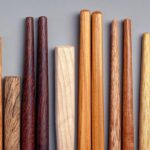
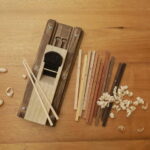
After working on the blade, you can choose a handle from a variety of woods. This gives the knife a personal detail that a standard souvenir cannot offer. The wood also connects neatly with the workshop’s wider craft setting, where the smell of freshly cut timber adds to the atmosphere.
Engraving may be available if you want to mark the handle with a name or other personal detail. The supplied information does not specify the cost or exact engraving choices, so ask the staff before you decide. If this matters to you, it is worth checking early in the session rather than waiting until the final minutes.
The handle is fitted before you leave. One drawback is that the final attachment may feel quick, since the handle is glued on rather than built through a long traditional woodworking process. Still, the combination of your sharpening work and your handle choice makes the final object more personal than a knife bought from a shop.
I would think of the handle as the finishing touch, not the main event. The heart of the workshop is learning to work the blade. The wood selection gives you a pleasant choice and helps turn the result into a practical reminder of your time in Tokyo.
A 10th-floor view with a clean, welcoming feel
The workshop is held on the 10th floor of the building in Asakusa. The setting is clean and attractive, and you may be able to see Tokyo Skytree from the building. That view adds a welcome sense of place, especially if you are fitting the workshop into a day spent exploring eastern Tokyo.
The atmosphere also seems to be part of the appeal. The smell of freshly cut wood gives the room a real workshop character without making the experience feel rough or intimidating. You get the sense of a working craft space, but with an orderly setup suited to beginners.
You can take photos along the way, provided you follow the staff’s directions around the tools. The chance to photograph the blade, wood, and work surface gives you a record of the process, not just the finished souvenir.
The location is useful for planning, though the available details do not provide a full street address or directions from nearby stations. Check the meeting instructions when booking and allow time to find the building and reach the 10th floor.
A few more Tokyo tours and experiences worth a look



The value of a $96 handmade souvenir
At $96 per person, this is not a cheap add-on activity. You are paying for more than the blade itself: the workshop space, tool use, instruction, bilingual staff, blade, and handle are included.
The value depends on what you want to take home. If you simply want an inexpensive Japanese knife, you can likely find cheaper options in Tokyo. If you want to understand part of the process and make a knife with your own hands, the price becomes easier to justify.
The 90-minute length helps keep the commitment manageable. You can fit it between other plans instead of giving up half a day. The shorter format also works well for couples, friends, and families with older children, though the provided information does not state a minimum age.
I would not book this purely for the finished knife. Book it for the combination of instruction, concentration, and a useful object at the end. The handmade result has more value because you know how much effort went into sharpening it.
Still, expectations matter. If you picture a dramatic forge, sparks, heavy hammering, or a blade formed from raw metal, this will probably feel too simple. The workshop is closer to guided knife crafting and sharpening than to a complete blade-making apprenticeship.
Who will enjoy this experience most
This workshop fits you best if you like practical cultural activities. You get to use your hands, ask questions, and leave with something useful rather than just taking photographs.
It is also a good choice for first-time craft participants. No prior experience is needed, and the staff provide careful instruction. The bilingual format makes the process easier to follow for English-speaking visitors, while Japanese speakers can take part comfortably too.
Couples may enjoy comparing their sharpening progress and choosing different handles. Small groups can also make the session social without turning it into a loud sightseeing stop. Alexis described it as a fun activity to do in a group, and the friendly staff help support that mood.
The workshop may be less suitable for someone who wants a long technical course. The 90-minute schedule gives you an introduction and a finished knife, but not mastery. You will learn the basics of handling and sharpening, not every stage of Japanese knife production.
The activity is wheelchair accessible, which makes it a practical option for more visitors. Since the workshop is in a building, confirm the exact access arrangements at booking if you need specific assistance.
Practical booking details for Asakusa
The experience costs $96 per person and lasts 90 minutes. Starting times vary, so check availability before you plan the rest of your day.
English and Japanese instruction is available. The staff supply the workshop, tools, knife blade, and handle, so you do not need to bring craft equipment. Wear something comfortable that lets you work carefully at a bench, although no special clothing requirement is provided.
The meeting point is on the 10th floor. That detail is easy to miss, so note it before setting out. The activity provider is Traveling Tokyo.
You can cancel up to 24 hours before the start time for a full refund. A reserve-now, pay-later option is also available, which helps if your Tokyo schedule is still shifting.
The overall rating is 4.6 from 11 ratings, with especially strong praise for the friendly staff, careful teaching, attractive workshop, and meaningful finished knife. One low rating focused on the limited amount of actual knife making and an uncomfortable staff interaction, so I would treat the activity as a guided sharpening and finishing lesson, not a forge-based class.
Should you book this Japanese knife-making workshop?
Book it if you want a hands-on Asakusa activity, enjoy careful work, and like the idea of taking home a knife you helped create. The bilingual guidance, wood-handle choices, clean workshop, and Tokyo Skytree view add useful touches to a simple 90-minute plan.
Skip it if you want dramatic metalwork or a full traditional blade-making course. At $96, the experience needs to feel meaningful rather than merely entertaining. For the right person, the value is in learning how difficult sharpening really is and leaving with a practical object tied to that lesson.
My advice is to arrive with modest expectations and a patient mood. Think less fire and hammer, more edge, angle, wood, and steady hands. If that sounds appealing, this is a memorable way to connect with Japanese craft in Asakusa.
FAQ
How long does the traditional Japanese knife-making workshop last?
The workshop lasts 90 minutes.
How much does the experience cost?
The price is $96 per person.
Do I need previous knife-making experience?
No. The workshop is designed for beginners, and staff provide step-by-step guidance.
Which languages are available?
Instruction and staff support are available in English and Japanese.
What is included in the price?
The price includes use of the workshop and tools, plus the knife blade and handle.
Where is the workshop held?
The workshop is held on the 10th floor of the building in Asakusa.
Can I cancel or pay later?
You can cancel up to 24 hours in advance for a full refund. A reserve-now, pay-later option is also available.
More Workshops & Classes in Tokyo
More Asakusa Tours in Tokyo


More tours in Tokyo we've reviewed









Asakusa Tours, compared.
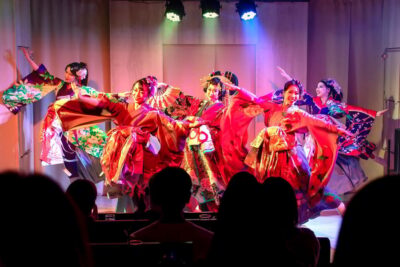 ★ 4.8Tokyo: Japanese Dance Cabaret Theater Asakusa-Kaguwa TicketFrom $492 hours
 ★ 4.7Tokyo: Meiji Shrine, Asakusa, Skytree Bus Tour and CruiseFrom $12210 hours
 ★ 4.9Tokyo: Roll and Authentic Sushi Making Class in AsakusaFrom $581h 40m
 ★ 4.8Tokyo: Asakusa Walking Tour with Sensoji Temple VisitFrom $222 hours
 ★ 5.0Tokyo Asakusa Rickshaw TourFrom $42
 ★ 4.5Tokyo Panoramic 1 Day: Meiji Shrine, Asakusa, Odaiba and SKYTREE®From $85