
Reviewed · KAMAKURA & ENOSHIMA DAY TRIPS
Japanese Sweets Making in Kamakura
Kamakura gives you a fine two-part experience here: make three seasonal wagashi with an English-speaking guide, then visit the enormous bronze Buddha at Kotoku-in. The sweets change with the season, so this is not quite the same lesson year-round.
I like the personal scale of this tour and the chance to see a quieter side of Hase, including a beautiful ocean view. I also like guide Hiro’s friendly, fluent English and clear instructions, which help first-time sweet makers relax. The main consideration is the price, $71.51 per person, and the strict no-refund policy. You are paying for a private activity, local guidance, and temple admission, not just a cooking class.
In This Review
- Key points
- Making Seasonal Wagashi Near Hase Station
- Why the Seasonal Shapes Matter
- A Quieter Route and a View of the Sea
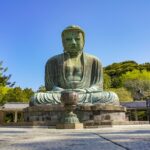
- Meeting the Great Buddha at Kotoku-in
- Hiro’s Role Makes the Difference
- How the Three Hours Fit Into a Kamakura Day
- What Is Included and What You Pay Extra For
- The Main Drawbacks to Consider
- Who Will Enjoy This Most
- Should You Book Japanese Sweets Making in Kamakura?
- FAQ
- Where does the tour begin?
- Where does the tour end?
- How long does the experience last?
- What will I make during the sweets lesson?
- Is matcha included?
- Is the tour private?
- Is hotel pickup included?
Key points
- Three seasonal wagashi: Shape traditional Japanese sweets inspired by the time of year, with guidance suited to beginners.
- A private experience with Hiro: Your group participates alone, giving you a more personal pace and plenty of room for questions.
- A quieter Kamakura walk: The route includes a less crowded path and an ocean viewpoint popular with local people.
- A memorable finish at the Great Buddha: See Kamakura’s 13.35-meter bronze Buddha at Kotoku-in Temple.
- Optional matcha: Add a cup of matcha for 550 yen while enjoying the sweets.
- Simple start and finish: Meet at Hase Station and finish at Kotoku-in, with no hotel pickup or drop-off.
Making Seasonal Wagashi Near Hase Station
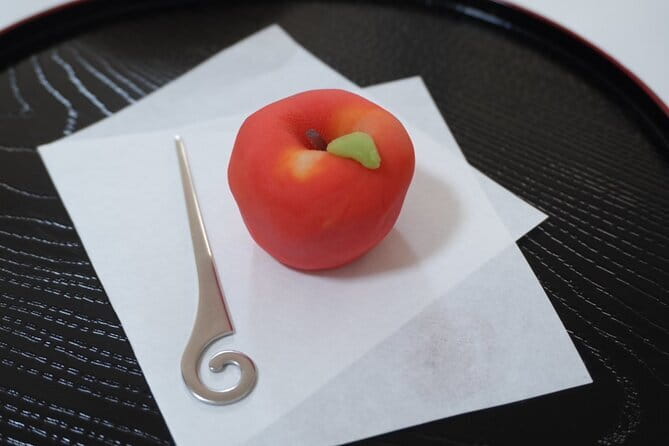
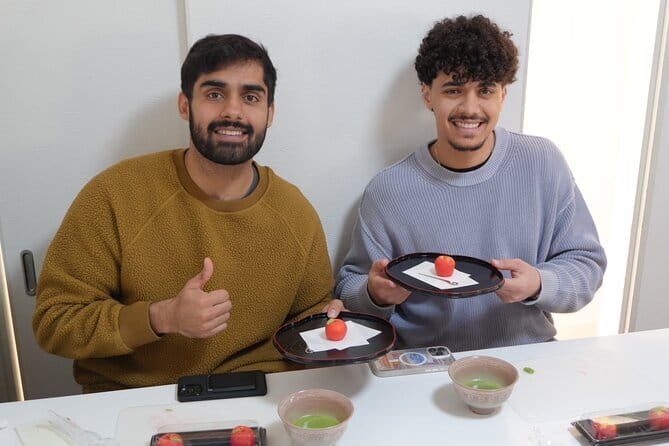
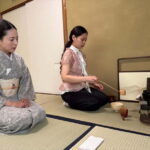
The heart of this experience is the wagashi lesson. You make three traditional Japanese sweets, each shaped to reflect the season. The exact forms change through the year, which gives the activity a nice connection to the calendar rather than making it feel like a fixed craft demonstration.
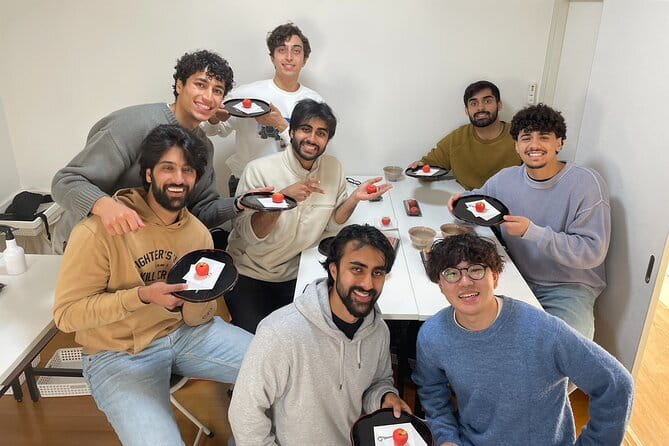
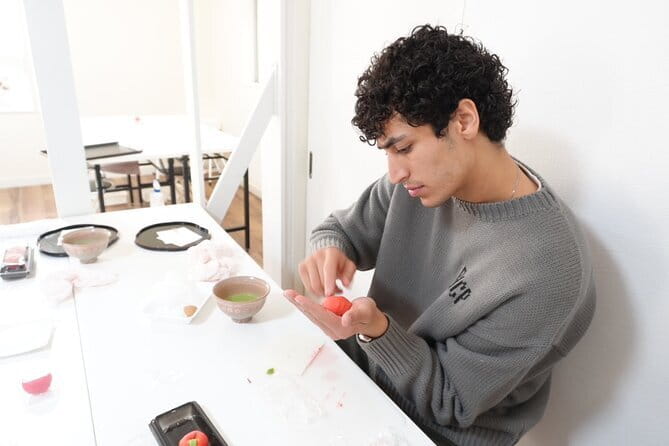
One of the sweets is nerikiri, a soft confection often shaped into flowers, leaves, fruit, or other delicate seasonal forms. You work with the ingredients and shape the sweets under Hiro’s direction. The emphasis is on taking part, not producing perfect pastry-shop work.
That makes this a good pick if you have never made wagashi. The process can look exacting at first, but Hiro gives detailed instructions and keeps the tone light. You do not need a background in Japanese cooking or fine handcrafts.
The lesson lasts about one hour. You can eat the sweets on the spot or take them home as souvenirs. If you want the classic pairing, matcha is available for an extra 550 yen. That cost is not included, so bring a little extra if the tea matters to you.
I find the food aspect valuable because it gives you something to do with Japanese culture, not just something to look at. You learn how seasonal ideas appear in sweets, then make a small object that carries that idea in its color and shape. It is a modest activity, but it gives you a better sense of why wagashi is treated as more than an everyday snack.
A few more Kamakura tours and experiences worth a look
Why the Seasonal Shapes Matter
Japanese sweets often take their visual cues from the time of year. A flower shape can suggest spring, while other forms may point to summer, autumn, or winter. The activity uses this seasonal approach, so the finished sweets have a clear connection to Japan’s changing calendar.
You should not expect a long culinary lecture. The value comes from the combination of short explanations and hands-on work. Hiro shares details about the background of wagashi while you follow each step. The result is easy to understand, even if you know little about Japanese food traditions.
This also makes the lesson suitable for different ages and interests. Someone who enjoys food will appreciate the tasting. Someone interested in craft will enjoy the shaping. A parent or grandparent can take part with children, though the supplied information does not specify a minimum age or child-specific arrangements.
The finished sweets may not look as polished as those made by a professional. That is part of the point. You leave with something you made yourself, and the shapes provide a useful reminder of the season and the place.
A Quieter Route and a View of the Sea
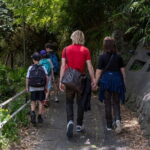
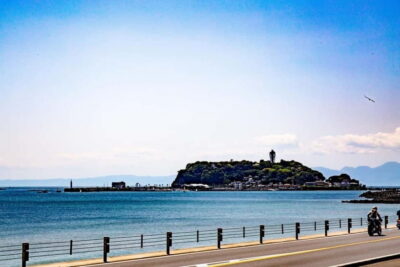
After the wagashi activity, the experience includes a walk toward a viewpoint where you can see the ocean. This is described as a popular local spot, yet the paths used during the experience can be less crowded than Kamakura’s major sightseeing streets.
That contrast matters. Kamakura is famous, and the Great Buddha area can draw plenty of people. A quieter stretch of the route gives you a pause between the sweet-making lesson and the temple visit. You are not spending all three hours in a shop or standing in front of a single monument.
The ocean view is also a useful reminder that Kamakura is not only a temple town. Its location by the water shaped its character, and the sea adds a different mood from the formal temple grounds. The exact length of this walking section is not specified, so you should be ready for some walking between stops.
Wear comfortable shoes. This is a practical tip rather than a warning about a demanding hike. The experience lasts about three hours and includes movement between Hase Station, the sweet-making location, the viewpoint, and Kotoku-in.
Meeting the Great Buddha at Kotoku-in
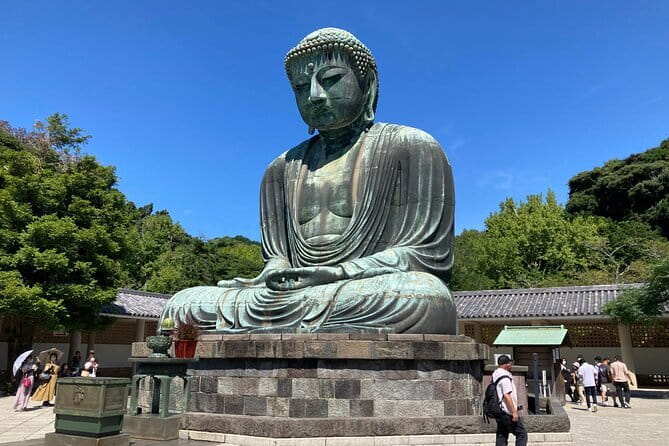
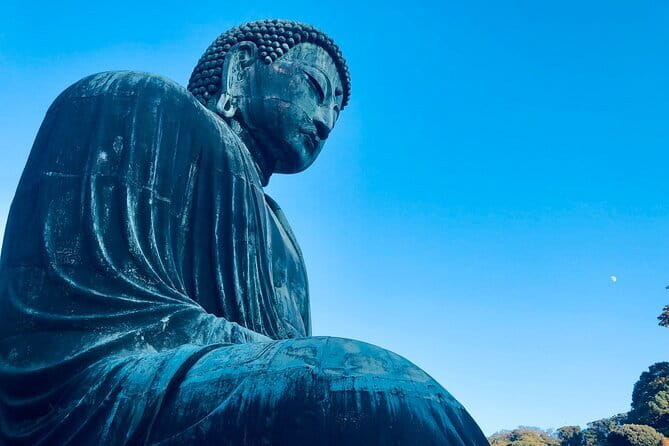
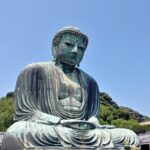
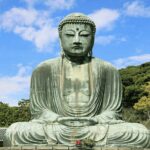
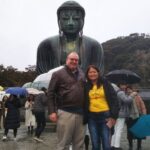
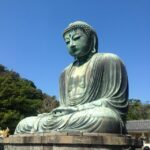
The final stop is Kotoku-in Temple, home of the Great Buddha of Kamakura. The bronze statue is 13.35 meters tall and weighs 121 tonnes. It has stood for more than 750 years and is Kamakura’s only Buddhist national treasure.
The statue is also Japan’s second tallest bronze Buddha. Those numbers help explain why the visit feels substantial even though the temple stop is listed at about 30 minutes. This is not a small figure tucked into a dark hall. The Buddha sits in the open air, where you can take in its scale from several steps back.
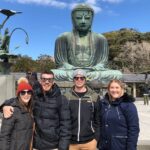
Hiro adds stories about Kamakura’s history and culture, which gives the monument more meaning than a quick photograph would. The visit is brief, so do not expect an extended temple tour. Instead, think of it as a focused introduction to one of Japan’s most recognizable religious works.
Ending at Kotoku-in is convenient. You do not have to return to the starting point after the temple visit. The activity begins at Hase Station, at 2 Chome-14 Hase, and finishes at Kotoku-in, 4-chōme-2-28 Hase. Both are in the Hase area of Kamakura, making the route easy to understand when planning your day.
Hiro’s Role Makes the Difference
The guide can make or break a small cultural activity, and Hiro receives especially strong praise for his manner. He is described as funny, kind, and highly fluent in English. That combination matters during a hands-on lesson, since you need clear directions as well as cultural context.
You can expect Hiro to guide you through the sweets step by step rather than leaving you to copy a demonstration from a distance. His humor also helps with the small mistakes that are part of shaping wagashi for the first time.
The tour is private, meaning only your group participates. This is a major advantage over a larger class if you want to ask questions, work at your own pace, or spend more time on a shape that gives you trouble. It may also make the experience more comfortable for families, couples, and small groups of friends.
A private guide costs more than joining a standard group lesson. At $71.51 per person, the price is not a bargain basement cooking class. Still, the cost includes an English-speaking local guide, the wagashi lesson, and admission to Kotoku-in. The private format and the second sightseeing stop add real value if you want more than a stand-alone workshop.
A few more Kamakura tours and experiences worth a look
How the Three Hours Fit Into a Kamakura Day
The experience is listed at about three hours. The wagashi lesson takes about one hour, and the Great Buddha visit takes about 30 minutes. The remaining time covers walking, the ocean viewpoint, and the guide’s explanations.
That timing makes this a useful morning or afternoon addition to a wider Kamakura visit. You could use it to connect Hase Station with Kotoku-in, then continue with other nearby sights after the tour ends. The exact schedule is not supplied, so leave some breathing room around the activity rather than booking a tight train connection immediately afterward.
The start at Hase Station is practical because the station is near several important sights. The tour does not provide hotel pickup or drop-off, so you need to make your own way to the meeting point. Public transportation is nearby, and the meeting point is clearly given.
Since the activity ends at Kotoku-in, check your plans before booking. If you prefer a tour that returns you to your hotel or to the starting station, this one does not do that. If you like ending near a major sight and continuing independently, the one-way route works well.
What Is Included and What You Pay Extra For
The listed price is $71.51 per person. It includes:
- An English-speaking local guide
- The traditional sweets-making lesson
- Admission to Kotoku-in
Matcha costs an additional 550 yen. Personal expenses are also extra, and hotel pickup and drop-off are not included.
I would judge the price by asking what kind of day you want. If your goal is simply to see the Great Buddha, you can find a cheaper way to visit the temple on your own. If you want to make wagashi, learn about the sweets, see a less crowded route, and have a private English-speaking guide connect the pieces, the price becomes easier to defend.
The activity is also short enough to avoid taking over your whole Kamakura day. You get a food experience and a major cultural sight in one compact outing. That is useful if your time in town is limited.
The Main Drawbacks to Consider
The strict cancellation rule deserves attention. This experience is non-refundable and cannot be changed for any reason. If you cancel or request an amendment, you do not receive your payment back. Confirm your schedule before booking.
The information says confirmation arrives within 48 hours, subject to availability. Since the experience is booked, on average, five days ahead, do not assume a last-minute place will be available.
The tour is also not designed as a full Kamakura history walk. You visit one major temple, see the ocean, and hear cultural and historical explanations from Hiro. If you want several temples, shrines, or a long guided city tour, you will need another activity or additional time on your own.
Finally, the sweets lesson is hands-on, but the exact menu changes by season. That is a strength if you like returning for a different version. It is less ideal if you are booking because you have your heart set on one particular shape.
Who Will Enjoy This Most
I would recommend this experience to you if you want a personal introduction to Japanese food culture without committing to a full cooking day. It suits first-time visitors, couples, families, and small groups who enjoy making something with their own hands.
It is also a good fit if you want to see the Great Buddha but prefer a more varied outing than a simple temple stop. The ocean view and quieter paths add a change of pace, while the private format keeps the day relaxed.
You may want to skip it if you dislike scheduled activities, have limited mobility that makes walking difficult, or want a tour with hotel transportation. The supplied information says most people can participate, but it does not provide detailed accessibility information. Contact the provider before booking if you have specific mobility needs.
This also may not be the right choice for someone seeking an advanced pastry class. The lesson is beginner-friendly and cultural in focus. You are making three sweets, learning their seasonal meaning, and enjoying the result, not training as a wagashi chef.
Should You Book Japanese Sweets Making in Kamakura?
Book it if you want a small, personal cultural experience that combines food, scenery, and one of Kamakura’s major sights. Hiro’s fluent English, friendly style, and clear teaching are important advantages, especially if this is your first time making wagashi.
The tour is particularly appealing for a return visit to Kamakura. The seasonal sweets change, and the quieter route gives you something beyond the usual main streets and temple photographs. First-time visitors can also use it as a compact introduction to Hase.
At $71.51, it costs more than visiting Kotoku-in independently, but you receive a private lesson, guide service, and temple admission in one three-hour outing. Book only when your schedule is firm, since the experience cannot be refunded or changed. If those terms work for you, this is a tasty and well-shaped way to experience Kamakura.
FAQ
Where does the tour begin?
The tour begins at Hase Station, at 2 Chome-14 Hase, Kamakura, Kanagawa 248-0016, Japan.
Where does the tour end?
The experience ends at Kotoku-in Temple, the site of the Great Buddha of Kamakura, at 4-chōme-2-28 Hase, Kamakura, Kanagawa 248-0016, Japan.
How long does the experience last?
The activity lasts approximately three hours.
What will I make during the sweets lesson?
You will make three seasonal Japanese sweets, each with a shape that reflects the time of year. The sweets can be eaten during the experience or taken home.
Is matcha included?
Matcha is optional and costs an additional 550 yen. It is not included in the tour price.
Is the tour private?
Yes. Only your group participates in this private activity.
Is hotel pickup included?
No. Hotel pickup and drop-off are not included. You are responsible for reaching the meeting point at Hase Station and arranging your plans after the tour ends at Kotoku-in.
More Dessert Tours in Kamakura
More Kamakura & Enoshima Day Trips in Kamakura
More tours in Kamakura we've reviewed
Kamakura & Enoshima Day Trips, compared.
 ★ 4.5Tokyo: Kamakura & Enoshima Day Trip including Temple TicketsFrom $589 hours - 570 minutes
 ★ 4.5Tokyo: Mt. Fuji, Kamakura, Big Buddha, & Lake Ashi Day TripFrom $4910 - 11 hours
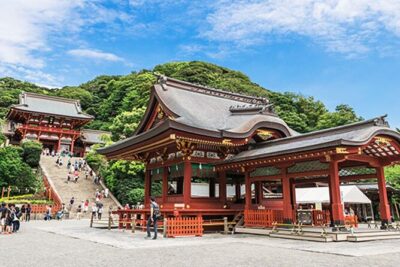 ★ 4.5From Tokyo: Kamakura & Enoshima 1-Day Bus TourFrom $66
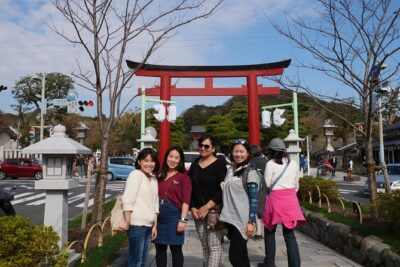 ★ 5.0Kamakura Historical Walking Tour with the Great BuddhaFrom $98
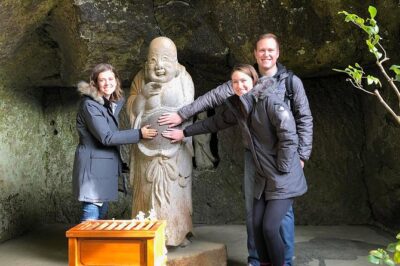 ★ 5.0Kamakura Private Tour: Temples, Nature, and the Great BuddhaFrom $98
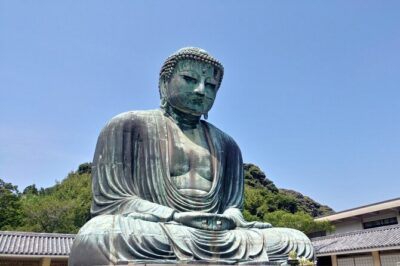 ★ 5.0Kamakura Walking Tour – The City of ShogunFrom $35