
Reviewed · KAMAKURA & ENOSHIMA DAY TRIPS
Whispers of Kamakura: Jean’s Full-Day Daibutsu & Hidden Walk
Kamakura’s Great Buddha is the headline, but the best part of this private walk is the way Jean links famous sights with quieter corners. You’ll visit a fox shrine, wash coins at a spring said to multiply money, eat a prepared Japanese lunch, and finish near Yuigahama Beach.
I like the small-group format and the personal storytelling. Jean, along with guides such as Yamazaki and Bruno, brings warmth and a strong sense of place to the day. I also like that lunch at La Terrasse Zen is part of the experience, not an afterthought.
The main drawback is the pace. Five hours covers several sites on foot, with about 40 minutes at each shrine or temple, so you’ll need comfortable shoes and enough energy for repeated walking. The tour also ends back at the meeting point rather than at the beach.
In This Review
- Key points at a glance
- Starting at Hotel New Kamakura at 10 a.m.
- Sasuke Inari Shrine and its fox guardians
- Washing coins at Zeniarai Benten
- Meeting the 14-meter Great Buddha at Kotokuin
- A bento lunch at La Terrasse Zen
- Eishoji Temple and the bamboo forest
- Ending by Yuigahama Beach
- What Jean adds to the route
- Is $130.07 per person good value?
- Who will enjoy this Kamakura walk?
- Useful details before you book
- Should you book Whispers of Kamakura?
- FAQ
- How long does the Kamakura tour last?
- Where does the tour start?
- Is pickup available?
- Is this a private tour?
- Is lunch included?
- Are entrance fees included?
- Can I cancel for a full refund?
Key points at a glance
- The Great Buddha is only one part of the day: You also visit Sasuke Inari Shrine, Zeniarai Benten Shrine, and Eishoji Temple.
- Jean leads a private experience: Only your group takes part, with Jean, Yamazaki, or Bruno guiding the visit.
- Lunch is built into the schedule: La Terrasse Zen serves a bento-style meal with Japanese tea.
- Sasuke Inari has a fox connection: The shrine is dedicated to the fox, giving the walk a distinctive Shinto focus.
- Zeniarai Benten adds a playful local custom: You can wash money at the spring, following Kamakura tradition.
- The tour costs $130.07 per person: That price includes lunch, water, entrance fees, and a private guide.
Starting at Hotel New Kamakura at 10 a.m.
The meeting point is Hotel New Kamakura, at 13-2 Onarimachi, close to Kamakura Station. The tour starts at 10 a.m., and pickup is offered, so confirm the exact arrangements when you book.
I like this start time for a temple day. You avoid an early morning rush, yet you still have a full block of time for Kamakura’s main sights. The tour lasts about five hours, although the title suggests a full-day experience. In practical terms, this is a substantial half-day outing with lunch.
The day is designed for a private group, which matters here. Kamakura’s religious sites are places for quiet attention, not just quick photo stops. With only your own group, you can ask Jean to explain a detail, pause for a question, or adjust the conversation to your interests.
The tour includes bottled water and restroom access on board. Personal spending is not included, so keep money available for anything extra you may want during the day.
A few more Kamakura tours and experiences worth a look
Sasuke Inari Shrine and its fox guardians
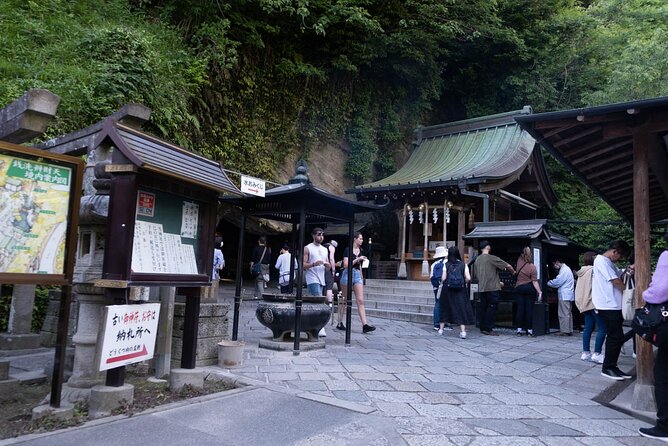
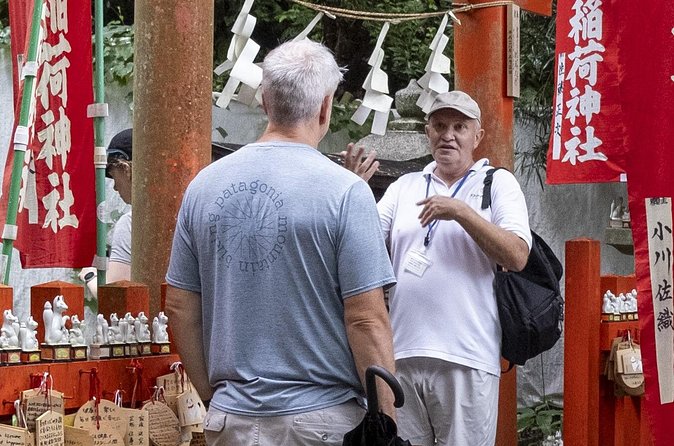
Your first stop is Sasuke Inari Shrine, about a 20-minute walk from Kamakura Station. You’ll spend roughly 40 minutes exploring the shrine, and admission is free.
The shrine’s focus on the fox gives it a different feel from a standard temple visit. Foxes are associated with Inari worship, and that theme gives Jean plenty of room to explain how Shinto shrines connect belief, place, and local customs.
This is a good opening stop because it moves you away from the most obvious Kamakura sights. You begin with a quieter religious setting before reaching the Great Buddha. I would pay attention to the route as much as the shrine itself. The walk helps you shift from station-town Kamakura into a more reflective part of the city.
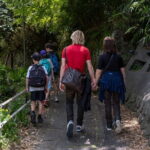
The 20-minute approach also sets the tone for the day. This is not a vehicle-based sightseeing circuit. You will walk between important places, and that makes comfortable shoes essential. Anyone who prefers a drive-up visit to each attraction may find the format tiring.
Washing coins at Zeniarai Benten
Next comes Zeniarai Benten Shrine, another 40-minute stop with no separate admission fee. The name refers to coin washing, and the local belief says money washed in the shrine’s spring will double.
You can treat the custom as a bit of fun, but it also shows how Japanese religious sites often combine formal worship with everyday hopes. People come not only to admire architecture or scenery, but also to ask for practical good fortune.
I like this stop because it gives the tour an active element. At the Great Buddha, you mainly look and listen. At Zeniarai Benten, you take part in a simple ritual. Jean can provide the cultural background, while the act itself gives you a memorable connection to the place.
The shrine visit is still short, so do not expect a long private ceremony or an extended lesson. The value comes from context and participation. If you enjoy learning why people do something, rather than simply photographing it, this part should suit you.
Meeting the 14-meter Great Buddha at Kotokuin
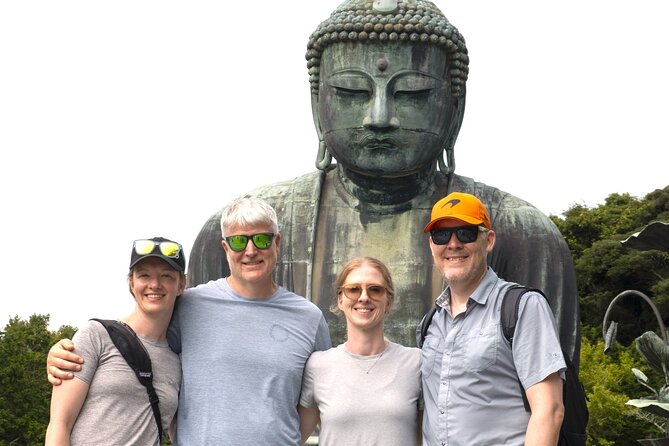
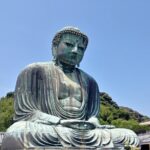
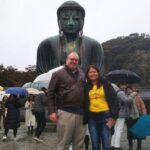
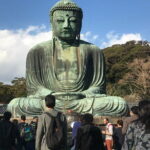
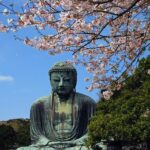
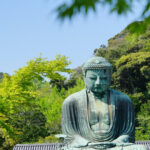
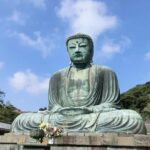
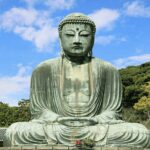
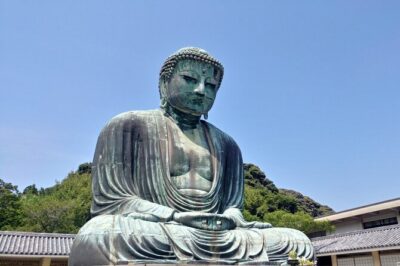
Kotokuin Temple is the tour’s major landmark. Here you’ll see the bronze Amitabha Buddha known as the Great Buddha of Kamakura, a 14-meter statue built in the 13th century.
The scale is impressive, but the statue’s setting is what makes the visit work. After the smaller shrines, the Great Buddha gives the day a strong visual center. You’ll have about 40 minutes to examine the statue and its surroundings, with admission included.
I would use this time for more than a quick photograph. Look closely at the statue’s calm expression, the proportions, and the way the bronze figure occupies open space. Jean’s storytelling is especially useful here because the statue is far more meaningful when you understand its place in Kamakura’s religious past.
Forty minutes is enough for a focused visit, but not an unhurried exploration of every part of Kotokuin. If the Great Buddha is your main reason for coming to Kamakura, you may want extra time before or after the tour. The private format helps, but the overall schedule still moves on.
A bento lunch at La Terrasse Zen

Lunch is served at La Terrasse Zen, the guide’s restaurant, and the meal lasts about an hour. You’ll receive a special bento-style lunch with Japanese tea in a peaceful setting.
This is one of the tour’s strongest practical features. A walking route with four religious sites can become tiring, and a proper seated meal gives you time to rest, talk, and take in what you have seen. It also adds a food experience without requiring you to research a restaurant during a busy sightseeing day.
The lunch is described as traditional in style, with the menu prepared at the restaurant. Dietary requirements should be provided in the special requirements field when booking. Do that in advance rather than waiting until the day of the tour.
The available feedback gives Jean’s wife particular credit for preparing a delicious lunch, and Jean’s warm response makes clear that the meal is a personal part of the experience. That helps explain why this tour feels more like a hosted day than a standard route from one ticketed sight to another.
Still, lunch is included as a set part of the outing, so you should not expect to choose from a broad restaurant menu. If you have strict dietary needs, ask clearly when booking and make sure the request is acknowledged.
Other walking tours we've reviewed in Kamakura
Eishoji Temple and the bamboo forest
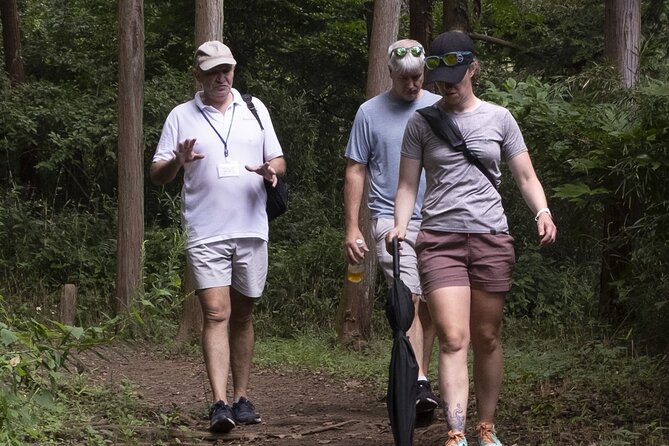
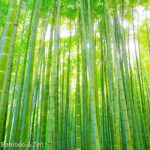
After lunch, the route continues to Eishoji Temple, also written as Eisyo-ji in the tour details. It is described as the only nunnery in Kamakura, and the visit includes a walk through a serene bamboo forest.
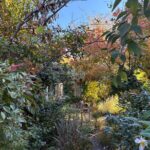
This stop provides a useful change of mood. The Great Buddha is broad and monumental. Eishoji is more intimate, with a setting that rewards slow walking and quiet observation. The bamboo forest gives you a natural frame for the temple and a different way to experience Kamakura’s religious culture.
You’ll spend about 40 minutes here, with admission included. I would not expect a long independent hike through the grounds. The schedule allows for a pleasant walk and an introduction to the temple, but the experience remains part of a five-hour route.
Eishoji may be the most appealing stop for anyone who likes gardens, smaller temples, and peaceful corners more than major monuments. It also helps keep the tour from becoming a checklist of famous names. You get a better sense of Kamakura as a collection of religious places with different moods.
Ending by Yuigahama Beach

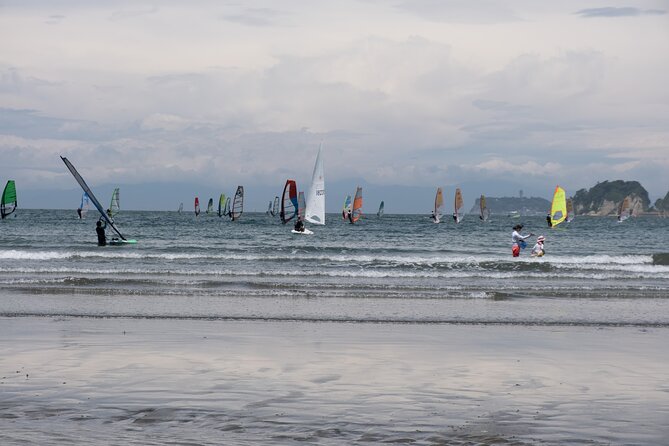
The route can finish at Yuigahama Beach, where you may relax and enjoy the seaside. The published meeting details also say the activity ends back at the starting point, so clarify the final drop-off plan before the tour begins.
This seaside ending gives the day a gentle close. After shrines, temple grounds, a statue, and lunch, the beach offers open space and a change of scenery. It is a pleasant option if you want a quiet pause before returning to Kamakura’s station area.
The wording around the ending is worth checking. You should not assume you can simply leave at the beach if the official arrangement returns you to Hotel New Kamakura. Ask Jean or the operator how much beach time is possible and how the group gets back to the meeting point.
What Jean adds to the route
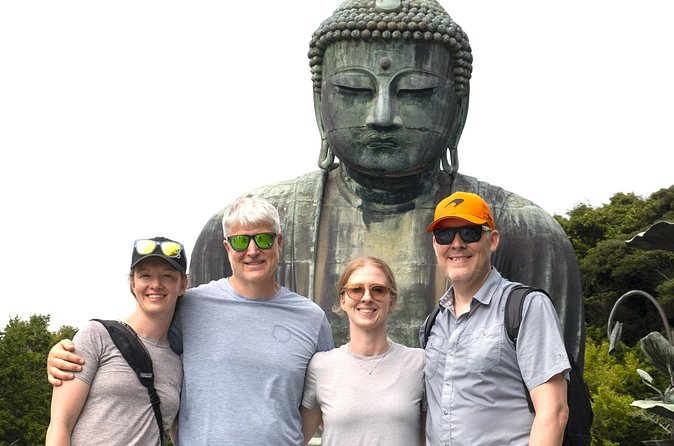
The strongest personal feature is Jean himself. The available comments describe him as a warm host and a skilled storyteller, with a strong command of Kamakura’s history. Jean’s replies also show a genuine connection with the people he guides, rather than a distant, scripted manner.
Guides named in the feedback include Jean, Yamazaki, and Bruno. Your exact guide may depend on the booking, so do not assume all three will lead your group. The important point is that the experience is built around personal guidance, not an audio device or a large coach commentary.
I value this most at the shrines. A sign can tell you a name and date. A guide can explain why a fox matters at Sasuke Inari, why people wash money at Zeniarai Benten, and how the Great Buddha fits into Kamakura’s religious identity.
The personal approach also works well for families and first-time visitors to Japan. The comments describe an outing that included adults and a family group, with attention, friendliness, and shared conversation. That suggests the tour can work for mixed ages, as long as everyone can manage the walking.
Is $130.07 per person good value?
At $130.07 per person, this is not the cheapest way to see Kamakura. You are paying for a private guide, roughly five hours of attention, lunch, Japanese tea, bottled water, and entrance fees. The price makes more sense if you value explanation and a ready-made route.
A self-guided visit would cost less, especially because Sasuke Inari Shrine and Zeniarai Benten Shrine have no admission charge. You could also visit Kotokuin and Eishoji independently. The tradeoff is the time spent planning, navigating, and finding lunch.
The private format is the key value. Only your group participates, which gives you a more flexible and personal experience than a large walking tour. If you are a couple, family, or small group that wants local conversation and a prepared meal, the cost may be reasonable.
The price is harder to justify if you mainly want to photograph the Great Buddha. In that case, you could visit Kotokuin on your own and spend the rest of your time at the beach or other Kamakura sights. This tour earns its price through the whole combination: quieter shrines, stories, food, and company.
Who will enjoy this Kamakura walk?
I would recommend it to you if you want Kamakura explained rather than simply photographed. It suits people who enjoy religious sites, local customs, Japanese food, and a guide who can connect separate stops into one story.
It is also a good choice for a private family outing. The coin-washing custom offers something hands-on, the Great Buddha supplies a memorable landmark, and lunch provides a needed break. The feedback also points to a friendly, inclusive atmosphere for families.
You should think twice if walking for several hours is difficult. The route includes a 20-minute walk from Kamakura Station to Sasuke Inari and several 40-minute visits. The tour is designed for most participants, but it is not a seated sightseeing trip.
It may also be less suitable if you want a very long visit at each temple. The schedule gives you a clear taste of each place, not unlimited time. I see that as a fair trade for variety, but it is still a trade.
Useful details before you book
The tour is usually booked about 18 days ahead, so reserve early if your Kamakura date is fixed. Confirmation is provided at booking, and the experience is near public transportation.
Pickup is offered, but the stated meeting point is Hotel New Kamakura. Confirm where you should meet and how the return works, especially because Yuigahama Beach is mentioned as a possible ending while the meeting information says the activity ends at the starting point.
Mobile tickets make entry simple, and admission fees for the listed attractions are included. Personal expenses are not included.
You can cancel for a full refund up to 24 hours before the local start time. Cancellations or changes made less than 24 hours before the start are not accepted for a refund.
Should you book Whispers of Kamakura?
Book this tour if you want a personal introduction to Kamakura, with Jean or his team connecting small shrines, the Great Buddha, lunch, and Eishoji Temple. The best reasons to choose it are the private group setting, the thoughtful route, and the home-style feeling of lunch at La Terrasse Zen.
Skip it if you prefer to travel independently, want a slower temple schedule, or only care about Kotokuin. For everyone else, $130.07 buys a well-planned half-day with useful local context and fewer decisions to make. Bring comfortable shoes, mention dietary needs in advance, and confirm the pickup and final drop-off details.
FAQ
How long does the Kamakura tour last?
The experience lasts approximately five hours and starts at 10 a.m.
Where does the tour start?
The stated meeting point is Hotel New Kamakura, 13-2 Onarimachi, Kamakura, Kanagawa 248-0012, Japan.
Is pickup available?
Yes. Pickup is offered, but you should confirm the exact pickup arrangement when booking.
Is this a private tour?
Yes. Only your group participates in the activity.
Is lunch included?
Yes. Lunch at La Terrasse Zen includes a special bento-style meal and Japanese tea.
Are entrance fees included?
Yes. Entrance fees for the included attractions are covered.
Can I cancel for a full refund?
Yes. You can cancel at least 24 hours before the local start time for a full refund. Changes or cancellations made less than 24 hours before the start are not accepted for a refund.
More Full-Day in Kamakura
More Walking Tours in Kamakura
More Kamakura & Enoshima Day Trips in Kamakura
More tours in Kamakura we've reviewed

Kamakura & Enoshima Day Trips, compared.
 ★ 4.5Tokyo: Kamakura & Enoshima Day Trip including Temple TicketsFrom $589 hours - 570 minutes
 ★ 4.5Tokyo: Mt. Fuji, Kamakura, Big Buddha, & Lake Ashi Day TripFrom $4910 - 11 hours
 ★ 4.5From Tokyo: Kamakura & Enoshima 1-Day Bus TourFrom $66
 ★ 5.0Kamakura Historical Walking Tour with the Great BuddhaFrom $98
 ★ 5.0Kamakura Private Tour: Temples, Nature, and the Great BuddhaFrom $98
 ★ 5.0Kamakura Walking Tour – The City of ShogunFrom $35