
Reviewed · KAMAKURA & ENOSHIMA DAY TRIPS
Kamakura Half Day Walking Tour with Local Experience
Kamakura’s best moments arrive by train: first on the Odakyu line from Shinjuku, then on the small Enoden railway as it runs toward the Pacific coast. This 5.5-hour guided outing packs Japan’s old samurai capital into a manageable half day, with temples, a giant bronze Buddha, street food, and a shrine at the finish.
I like two things here. You get the Enoden ride and temple admissions bundled into the price, and a guide keeps the route moving while explaining what you are seeing. I also like the choice of a local snack or drink worth up to 500 yen, a small touch that makes the walk feel less like a checklist.
The main drawback is the travel time. About 110 minutes are spent on trains before and during the Kamakura route, and you will walk roughly 3 kilometers in humid weather. The meeting point at Shinjuku also needs careful attention, since one booking came with confusion about exactly where to gather.
In This Review
- Key points to know before booking
- From the Suica Penguin to Kamakura
- The Enoden ride toward the coast
- Hasedera, Kamakura’s temple of flowers
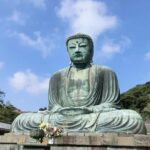
- The Great Buddha at Kōtoku-in
- Komachi Street snacks and a taste of central Kamakura
- Tsurugaoka Hachimangu and Kamakura’s samurai past
- What the $83 price really covers
- Guides, group size, and the human side of the tour
- Walking, weather, and what to bring
- Who should book this Kamakura outing?
- FAQ
- Where does the tour meet in Shinjuku?
- How long does the tour last?
- Which languages are available?
- Is transportation from Shinjuku included?
- Is lunch included?
- How much walking is involved?
- Can I cancel or pay later?
- Should you book it?
Key points to know before booking
- The Enoden is part of the experience: This popular local train follows the route toward Kamakura and the coast, adding a pleasant slice of everyday Japan to the trip.
- Hasedera gets the longest temple visit: Plan on 45 minutes for its garden, Buddhist halls, caves, and bay-view terrace.
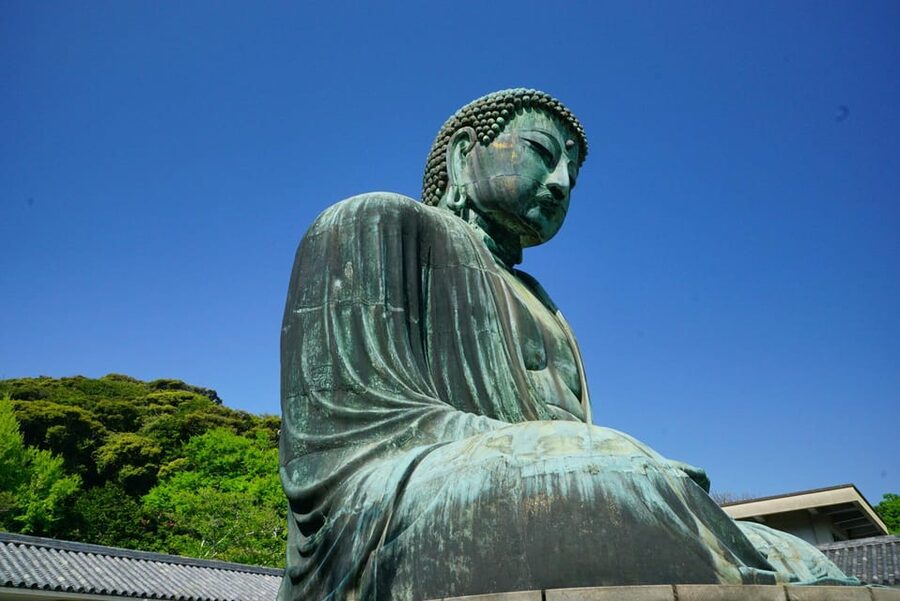
- The Great Buddha is a short but memorable stop: You have about 20 minutes at Kōtoku-in to see Kamakura’s famous bronze statue.
- The tour ends at Tsurugaoka Hachimangu: You can continue exploring Kamakura on your own after the guided portion.
- The food allowance is modest but useful: Choose a local snack or drink up to 500 JPY per person, while lunch is not included.
- Comfortable shoes matter: The route is not long by sightseeing standards, but summer heat, humidity, and temple walking can make it tiring.
From the Suica Penguin to Kamakura
Your meeting point is the Suica Penguin Statue on the second floor of Suica Penguin Plaza, in the Shinjuku Expressway Bus Terminal building attached to JR Shinjuku Station. You can also reach it from the station’s new south gate.
This is a busy transport district, so I would arrive early and keep the meeting instructions open on your phone. The guide is expected to contact you through WhatsApp before the tour if you use it. If you do not have WhatsApp, stay ready to receive a phone call in case the guide cannot find you.
After meeting, you walk about five minutes to the Odakyu Line terminal. The first train takes you toward Fujisawa, where you change to the Enoden, the Enoshima Electric Railway. The included Odakyu Kamakura-Enoshima Pass provides the return transport from Shinjuku and unlimited Enoden rides until the tour ends.
That pass is a real part of the value. Kamakura’s sights are spread across several stations, and paying separately for each train can be a nuisance. Here, the guide handles the route while you watch the city give way to smaller neighborhoods and the coast.
Still, look closely at the clock before booking. The listed train time is 110 minutes, so this is not a quick hop from Tokyo. You are trading some sightseeing time for a simpler day with someone who knows where to change trains and how the stops fit together.
A few more Kamakura tours and experiences worth a look
The Enoden ride toward the coast
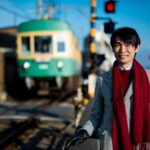
The Enoden is not a high-speed sightseeing train. That is exactly why it works so well here. It is a compact local railway, and the journey gives you a sense of how Kamakura connects to nearby neighborhoods and the Pacific coast.
You ride with your guide from Fujisawa toward the Kamakura area. The train portion gives your feet a break before the walking begins, though the full transport schedule can feel long if you hoped for a temple-heavy morning.
The included free pass also lets the group ride the Enoden again later, from the Hase area to Kamakura Station. That short second ride makes the route practical: Hasedera and Kōtoku-in are near Hase, while Komachi Street and Tsurugaoka Hachimangu are closer to central Kamakura.
If you enjoy seeing how local railways shape a town, this will be one of the trip’s quieter pleasures. If you mainly want extended time inside temples, remember that the train journey takes a substantial share of the 330-minute tour.
Hasedera, Kamakura’s temple of flowers
Hasedera is the first major stop and receives about 45 minutes of guided time. That is enough for a useful introduction, though not enough to wander every corner slowly.
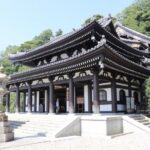
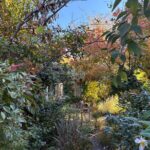
The temple is known as a temple of flowers. You can explore its garden, Buddhist halls, caves, and a terrace with a wide view toward the bay. The variety matters: this is not only a quick look at a single building. You move through several different spaces, from shaded religious areas to an open viewpoint.
The garden gives the visit a calmer pace after the train ride. The caves and halls add a more enclosed, devotional feel, while the terrace helps you understand Kamakura’s setting beside the water. I would pay close attention to the guide here, since the value of a short temple visit comes from knowing what you are looking at.
Photography is not allowed inside. Keep your camera and phone away in those areas and save your pictures for permitted outdoor spaces. Short skirts and loose clothing are also listed as unsuitable, so modest, secure clothing is the sensible choice.
Hasedera includes walking through temple grounds, and the route may be harder for anyone with a low level of fitness. The total walking distance is only about 3 kilometers, but stairs, heat, and repeated standing can make the day feel more demanding than that number suggests.
The Great Buddha at Kōtoku-in
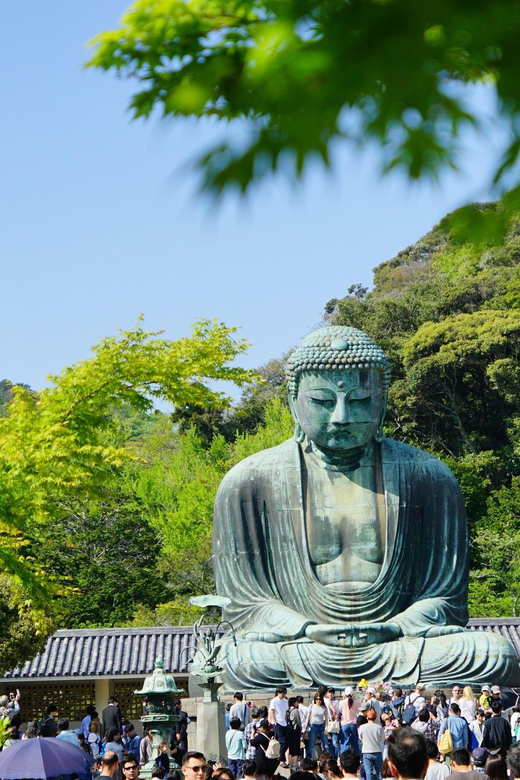
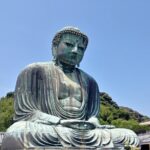
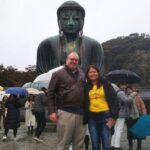
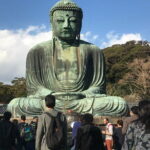
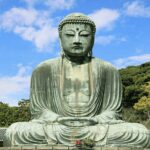
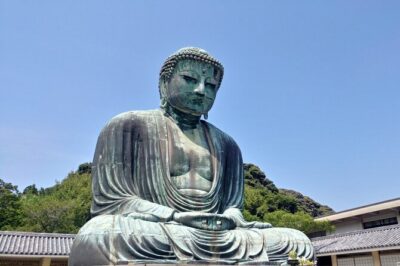
From Hasedera, you walk about five minutes to Kōtoku-in, home of Kamakura’s Great Buddha. The statue is the city’s best-known symbol, and the first sight of it has a strong visual impact because it sits outdoors rather than hidden inside a large hall.
You have about 20 minutes here. That is enough time to stand before the statue, take in its scale, and look carefully at the details. It is not enough for a slow, extended visit, so I would use the guide’s explanation first and then spend the remaining minutes simply looking.
The short walk between Hasedera and Kōtoku-in is one of the day’s most efficient stretches. You do not lose time finding transport, and the two major temple stops work naturally together.
The limited time can also be a constraint. If the Great Buddha is your main reason for visiting Kamakura, you may want more than the scheduled 20 minutes. The tour is designed to give you a strong introduction to several places, not a long, unhurried study of one monument.
Komachi Street snacks and a taste of central Kamakura
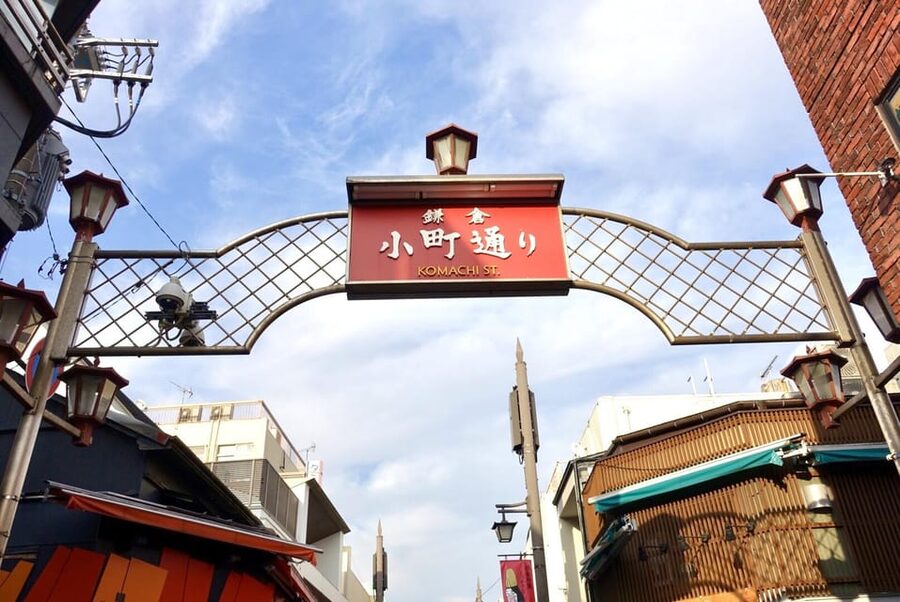
After Kōtoku-in, you walk about seven minutes to the station and take the Enoden to Kamakura Station. From there, the group heads along Komachi Street, the main shopping and eating route leading toward Tsurugaoka Hachimangu.
You get about 20 minutes for a break on Komachi Street. That is a short window, but the included snack or drink allowance gives it a clear purpose. You can choose a local item worth up to 500 JPY per person, while lunch remains your responsibility.
Think of this as a taste rather than a meal. You will not have time for a long restaurant lunch during the guided route, and the 500-yen allowance will not cover a full meal. If you plan to stay in Kamakura after the tour, the end of the guided portion is a better time to find lunch at your own pace.
Komachi Street adds an everyday side to a day otherwise centered on temples and sacred places. You pass shops and food counters, and the walk helps connect the station with the shrine district. It can also be crowded, so keep track of your group and do not wander far during the timed break.
Other walking tours we've reviewed in Kamakura
Tsurugaoka Hachimangu and Kamakura’s samurai past
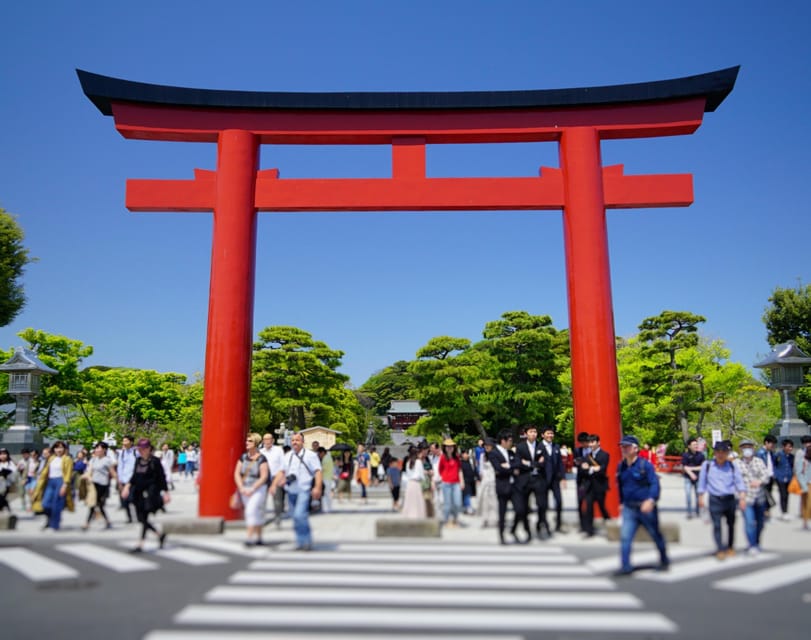
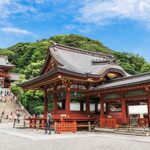
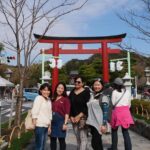
The final guided stop is Tsurugaoka Hachimangu, reached by walking along Komachi Street. You spend about 20 minutes here with the guide.
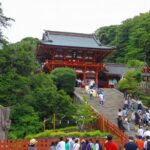
The shrine is dedicated to a deity associated with war, and it helps explain why Kamakura became important as the center of samurai government. This gives the day a useful historical shape. Hasedera and Kōtoku-in show the religious side of the city, while Tsurugaoka Hachimangu points to the political and military role that made Kamakura famous.
Twenty minutes is enough for an orientation and a look around the main shrine area. It is not a full visit to every part of the grounds. The guided tour ends here, which is convenient because you can continue exploring Kamakura without needing to return to Tokyo immediately.
That flexible finish is one of the better design choices. You might spend the afternoon around the shrine, eat lunch, revisit Komachi Street, or choose one of the optional local experiences offered with your booking. The exact options depend on the selection you make, so check them before paying if the add-on is important to you.
What the $83 price really covers
At $83 per person, this is not the cheapest way to reach Kamakura. The price makes more sense if you value structure, transport help, temple entry, and a guide who can explain the setting as you go.
The package includes:
- An English or Spanish-speaking guide from Tokyo to Kamakura
- Return transportation from Shinjuku through the Odakyu Kamakura-Enoshima Pass
- Admission to Hasedera
- Admission to Kōtoku-in
- One local snack or beverage worth up to 500 JPY per person
You still need to pay for lunch. The snack allowance is useful, but it should not be treated as a meal budget.
The strongest value comes from combining several small costs and decisions into one outing. You do not need to work out the Odakyu route, the Fujisawa change, or the Enoden connection. You also get two temple entrances and a guide for the whole trip from Tokyo.
The weaker value is time. A large portion of the day goes into train travel, and the actual sightseeing stops are tightly timed. If you are confident using Japanese trains and prefer to set your own pace, an independent Kamakura day may give you more freedom. If you want a first visit without route-planning stress, the price is easier to justify.
Guides, group size, and the human side of the tour
The experience is available with English or Spanish guidance, and you can choose a private or small-group format. That choice matters in a place with timed train connections and busy shopping streets. A smaller group should make it easier to stay together and ask questions, while a private booking gives you more room to shape the pace within the fixed route.
Guide quality will shape the day. Silvy is specifically associated with a timely, patient approach and with sharing useful information even after the tour ended. Romy is also associated with a flexible, warm style and strong explanations of history and culture. Those names are useful when you compare available guide details at booking, though the assigned guide may differ.
A guide is especially useful at Hasedera and Tsurugaoka Hachimangu, where a quick visit can otherwise become a blur of gates, halls, statues, and customs. The route also involves public transport, so having someone lead the group from Shinjuku through Fujisawa removes a layer of worry.
Pickup is optional. If you choose it, the guide meets you in your hotel lobby or at an agreed point, then travels with you by public transport. The exact time depends on your hotel location and is confirmed the day before. You may also meet the guide at the nearest station, but in that case you pay your own transport to that station.
Walking, weather, and what to bring
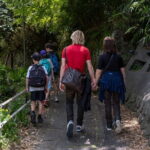
You will walk about 3 kilometers in total, with short walks between stations and sights. The distance is moderate, but this is still a walking tour through temple grounds, streets, and station areas.
Wear comfortable shoes. In summer, bring plenty of water, a wipe, and possibly a change of clothes. Kamakura can be very hot and humid, and the combination of walking, outdoor temple grounds, and crowded trains can leave you uncomfortable by midday.
The tour is listed as wheelchair accessible, but the route includes temple grounds and several walking sections. If you use a wheelchair, confirm the practical route details with the provider before booking, especially for Hasedera’s garden, caves, halls, and terrace.
Large luggage and large bags are not allowed. Travel light and leave suitcases at your accommodation. The clothing rules also call for no short skirts or loose clothing, and you should follow the no-photography rule inside the permitted areas.
The tour is not suited to people with a low level of fitness. You do not need to be an athlete, but you should be comfortable walking, boarding trains, standing, and keeping to a schedule for several hours.
Who should book this Kamakura outing?
I would choose this tour for a first visit to Kamakura from Tokyo, especially if you want the major sights without handling several rail connections alone. It also suits you if historical context matters, since the guide links the temples, the Great Buddha, and the shrine to Kamakura’s samurai government.
It works well for couples, families, and small groups that prefer a guided day with some free time at the end. The private and small-group choices can make the experience more personal, and the local snack gives the schedule a simple, pleasant break.
I would think twice if you dislike fixed timings or want to spend an hour at the Great Buddha, linger in temple gardens, or sit down for a long lunch. The day gives you a broad introduction, not a slow examination of Kamakura.
FAQ
Where does the tour meet in Shinjuku?
The meeting point is the Suica Penguin Statue on the second floor of Suica Penguin Plaza, inside the Shinjuku Expressway Bus Terminal building attached to JR Shinjuku Station. You can also reach it from the new south gate of JR Shinjuku Station.
How long does the tour last?
The tour lasts 330 minutes, or 5.5 hours. The listed train portion takes about 110 minutes, and the route includes guided visits and walking between the Kamakura sights.
Which languages are available?
The tour is available with an English-speaking or Spanish-speaking guide.
Is transportation from Shinjuku included?
Yes. Return transportation from Shinjuku is included through the Odakyu Kamakura-Enoshima Pass. The pass also allows unlimited Enoden rides until the tour ends.
Is lunch included?
No. Lunch is not included. You receive a local snack or beverage of your choice worth up to 500 JPY per person.
How much walking is involved?
You walk approximately 3 kilometers in total. Comfortable shoes are recommended, and the experience is not suitable for people with a low level of fitness.
Can I cancel or pay later?
You can cancel up to 24 hours before the activity for a full refund. A reserve-now, pay-later option is also available, subject to the booking terms.
Should you book it?
Book this Kamakura tour if you want a well-organized first look at the city, with the Enoden ride, Hasedera, the Great Buddha, Komachi Street, and Tsurugaoka Hachimangu all covered in one half day. The included train pass, temple admissions, snack allowance, and guide make the $83 easier to defend for visitors who value convenience.
Skip it if you want a relaxed, independent day or if the long train time and short sightseeing stops sound frustrating. Before booking, double-check the Suica Penguin meeting point, pack light, wear solid shoes, and plan to stay in Kamakura afterward if you want more time for lunch and exploring.
More Walking Tours in Kamakura
More Kamakura & Enoshima Day Trips in Kamakura
More tours in Kamakura we've reviewed

Kamakura & Enoshima Day Trips, compared.
 ★ 4.5Tokyo: Kamakura & Enoshima Day Trip including Temple TicketsFrom $589 hours - 570 minutes
 ★ 4.5Tokyo: Mt. Fuji, Kamakura, Big Buddha, & Lake Ashi Day TripFrom $4910 - 11 hours
 ★ 4.5From Tokyo: Kamakura & Enoshima 1-Day Bus TourFrom $66
 ★ 5.0Kamakura Historical Walking Tour with the Great BuddhaFrom $98
 ★ 5.0Kamakura Private Tour: Temples, Nature, and the Great BuddhaFrom $98
 ★ 5.0Kamakura Walking Tour – The City of ShogunFrom $35