
Reviewed · KAMAKURA & ENOSHIMA DAY TRIPS
From Tokyo: Kamakura Full Day Tour with a Local Expert Guide
Kamakura’s Great Buddha is the headline, but the best part of this day is having a local guide explain what you are seeing instead of simply moving from shrine to shrine. You can visit major sights, learn how Kamakura shaped Japan, and pause for food that fits your day.
I like the private format, since your guide can adjust the pace and skip extra shrine visits if you prefer. I also like the practical help: guides such as Mike have recommended traditional restaurants, matcha ice cream, and even explained how to manage Tokyo’s busy rail system. The main thing to consider is cost. The $116 price covers the guide and walking tour, but you still pay for transport, food, and admission fees, and you should clarify how the guide’s expenses are handled.
In This Review
- Key points to know before booking
- Why Kamakura works so well as a day from Tokyo
- Meeting your local guide in Tokyo or Kamakura
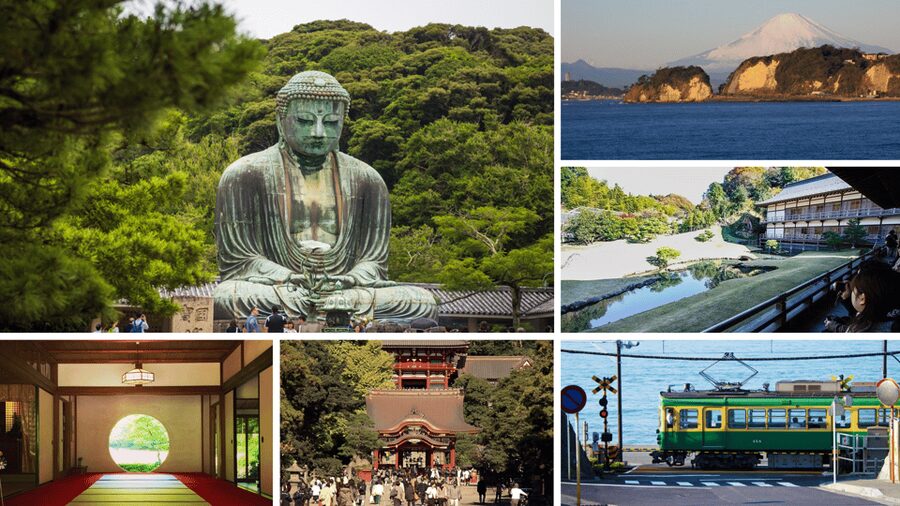
- The Great Buddha: start with Kamakura’s unforgettable image
- Shrines and Zen temples, with room to choose
- Walking through Kamakura instead of just checking it off
- Lunch, matcha, and the value of local advice
- What $116 buys you, and what it does not
- The pace, weather, and physical effort
- Who should book this Kamakura tour
- FAQ
- How long does the Kamakura tour last?
- Where can I meet the guide?
- What languages are available?
- Is transportation included?
- Are food and temple admission included?
- Is the tour private?
- Can I cancel the booking?
- Should you book it?
Key points to know before booking
- The Great Buddha makes a powerful first stop: Several guests found the bronze statue the highlight of the day, especially when it was visited early.
- You get a private guide, not a fixed group script: Guides including Florent, Mike, John, Matias, Brian, and others have tailored routes to their guests’ interests.
- Expect a lot of walking: The Kamakura sights are close enough to connect on foot, but a full day can leave you tired, especially if stairs or Enoshima are included.
- Food advice is part of the value: Guides have helped guests choose traditional restaurants and local treats, although meals are not included.
- You can start in Tokyo or Kamakura: Starting in Kamakura may give you more sightseeing time there, while Tokyo pickup is useful if you want help with the day’s transport.
- Extra costs add up: Transportation, temple and park admission, and food are separate from the tour price.
Why Kamakura works so well as a day from Tokyo
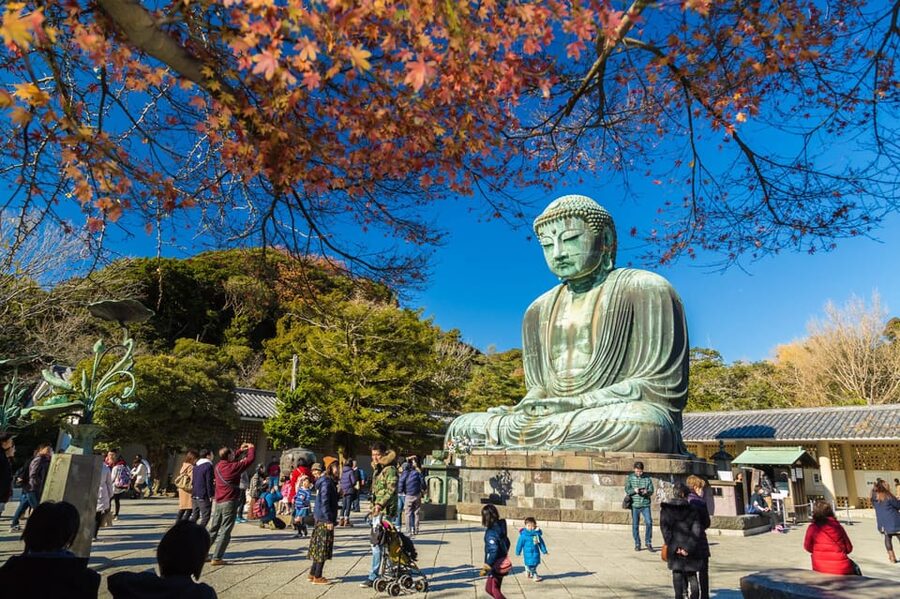
Kamakura gives you a very different feel from central Tokyo. Instead of tall buildings and crowded commercial streets, you spend the day among Buddhist temples, Shinto shrines, gardens, old religious sites, and coastal scenery. It is a good choice when you want a taste of historic Japan without arranging a complicated independent day trip.
The tour lasts eight hours, which is long enough to see the main sights without reducing the visit to one famous statue and a quick lunch. You can be picked up in Tokyo, or you can meet the guide in Kamakura. Starting there can be smart if you are already staying nearby, since it leaves more of the day for the town itself.
I would not treat this as a lazy sightseeing day. You walk between sites, spend time outdoors, and may encounter steps at temples or nearby viewpoints. One guest specifically found the stairs around Enoshima exhausting. That does not make the tour a poor choice, but it matters if you have limited stamina.
A few more Kamakura tours and experiences worth a look
Meeting your local guide in Tokyo or Kamakura
The private setup is the strongest practical feature. You are not tied to the pace of a large group, and the route can respond to your interests. One guest wanted fewer shrine visits, and the guide adjusted the day. That sort of flexibility is hard to get on a standard coach tour.
The guide lineup can vary, but past guests have worked with Florent, Mike, John, Matias, Brian, Flo, and others. Florent has guided in French as well as shared his understanding of Japanese culture and local food. Mike has been praised for choosing lunch spots and helping with rail directions. John has been described as relaxed and well informed, while Matias answered questions carefully throughout the day.
You should think of the guide as both interpreter and day manager. Kamakura has many places that look beautiful but can be hard to understand from a quick visit. A guide can explain the difference between a Buddhist temple and a Shinto shrine, point out details you might otherwise miss, and help you decide where to spend your limited time.
The listed tour languages are English and Japanese. A French-speaking guide has also been arranged in at least one case, but you should confirm language availability before booking if French is important to you.
The Great Buddha: start with Kamakura’s unforgettable image
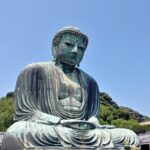
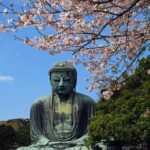
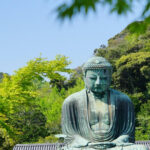
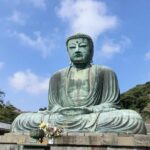
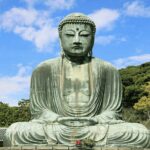
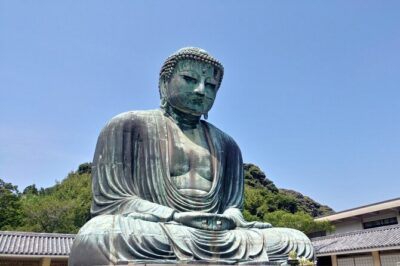
The Great Buddha, also called the bronze Buddha, is the emotional high point for many people. Starting here can work well because the statue gives you an immediate sense of Kamakura’s scale and religious importance. It is not just a photo stop. With a guide, you can hear the story behind the statue and understand why it has become the town’s defining sight.
One guest said the Buddha was so impressive that everything afterward felt like an extra reward. That reaction is easy to understand. The statue is large, calm, and visually simple, yet its presence changes depending on the angle, the surrounding grounds, and the explanation you receive.
Admission is not included, so set aside extra money for the sites. The tour price does not cover temple or park entry, and the exact amount depends on the route your guide creates. Your guide can tell you which paid sites are worth your time rather than sending you into every available gate.
This stop is also a good test of the tour’s style. If you want a guide who gives context and answers questions, the Buddha visit should feel rewarding. If you prefer to move quickly and take photographs without discussion, you may find the guided approach slower than going alone.
Shrines and Zen temples, with room to choose
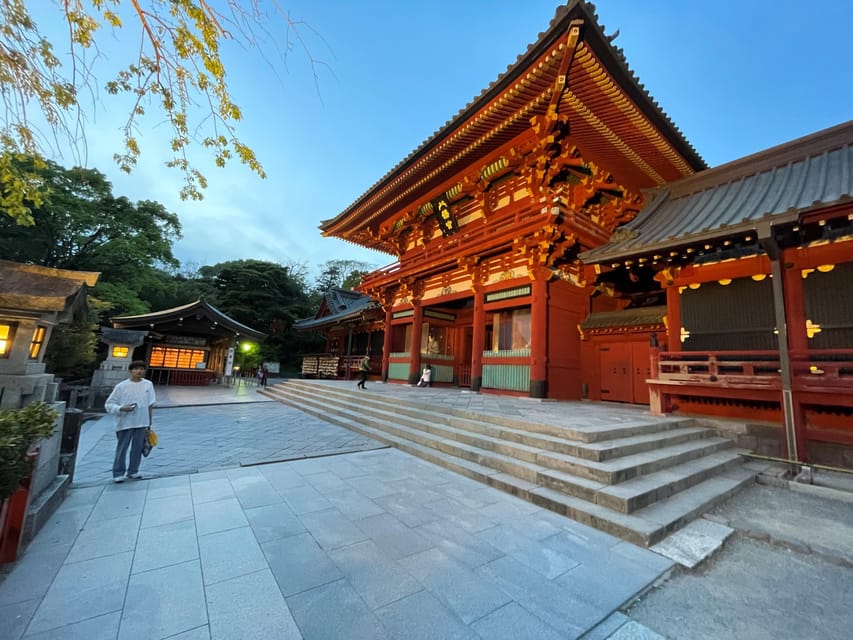
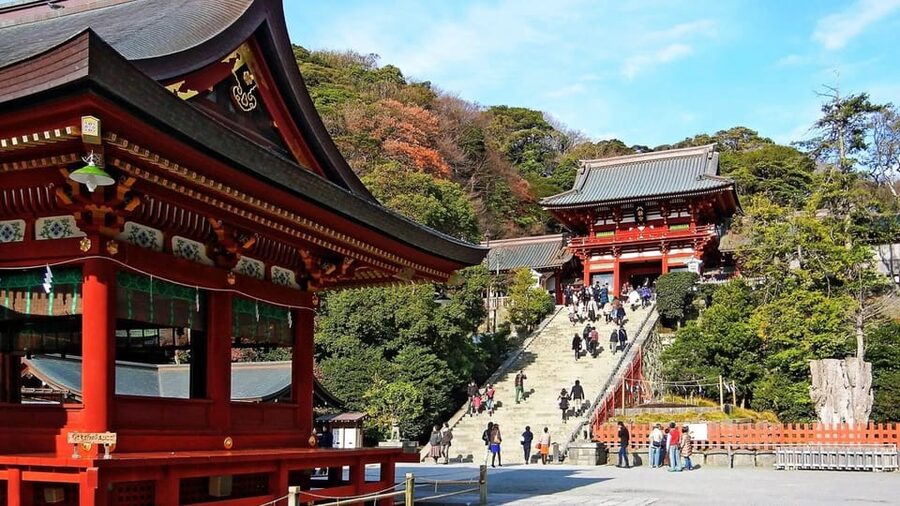
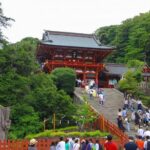
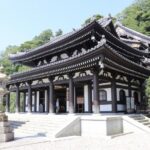
Tsurugaoka Hachimangu Shrine is one of the main cultural stops. It gives you a chance to see a major Shinto site in a formal setting, with broad approaches, religious buildings, and traditional details. Your guide can help you understand the customs and symbols rather than leaving you to guess what each feature means.
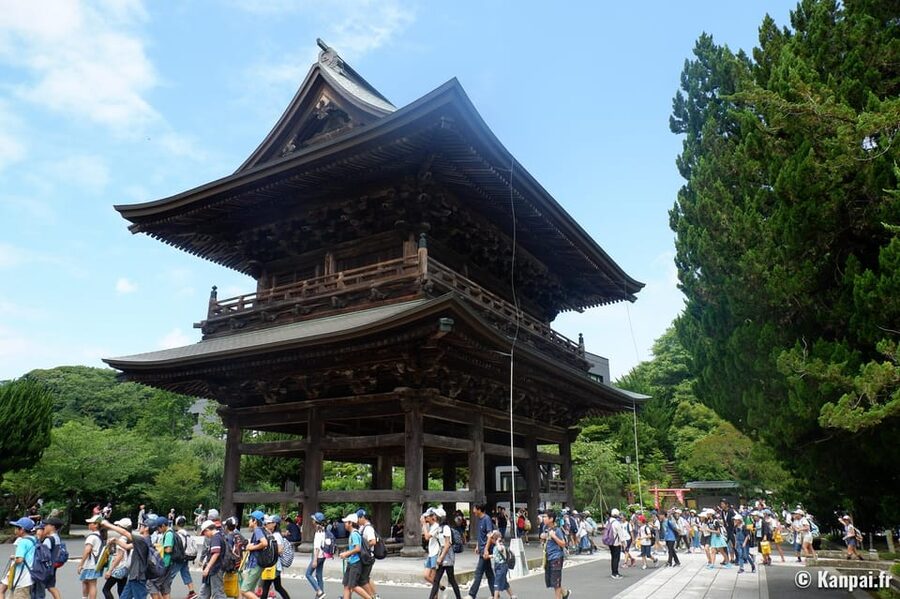
The tour also includes Zen temples surrounded by gardens. These visits are valuable because they change the rhythm of the day. After the scale of the Great Buddha and the formal structure of a major shrine, a quieter temple garden gives you time to slow down and notice smaller details.
The exact order and number of stops can change. That is a benefit of a private tour, especially if you already know you do not want a long list of shrines. One guest asked for fewer shrine visits, and the guide adapted. You can make a similar request, but be clear about it at the start.
Do not expect every temple to be included in the base price. Admission fees are separate, and you may prefer to spend that money on two or three meaningful sites rather than enter everything along the route. Ask your guide early which places have fees and which can be enjoyed without an additional ticket.
Walking through Kamakura instead of just checking it off
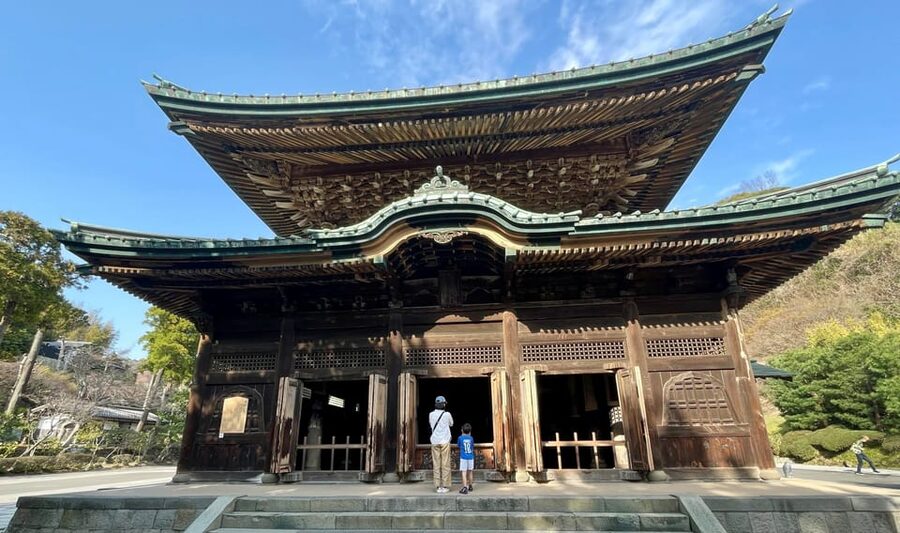
The itinerary combines sightseeing, walking, scenic views, shopping, and photo stops. That mix matters because Kamakura is not only a collection of religious monuments. Moving through the streets connects the major places and gives you a feel for the town between attractions.
The close distance between several sights makes walking practical, but do not confuse practical with effortless. Eight hours of walking, standing, and climbing can be demanding. Wear comfortable shoes and keep your plans for the evening light.
The route may also include views on the way and, in some cases, an outing toward Enoshima. The Enoshima portion can add attractive scenery and another memorable part of the day, but the stairs are a real consideration. If you have knee, balance, or stamina concerns, tell the guide before the route is fixed.
The tour is listed as wheelchair accessible, but the presence of stairs on some possible routes means you should discuss your exact needs before booking. Accessibility in a general listing does not tell you whether every temple, viewpoint, or Enoshima section will suit your mobility requirements.
Other guided tours in Kamakura
Lunch, matcha, and the value of local advice
Food is not included, but the guide can make lunch easier. Mike helped guests find a traditional restaurant and recommended matcha ice cream. Florent was also praised for choosing restaurants and explaining Japanese culture through food.
That is useful in Kamakura, where you may have limited time and plenty of choices. A local recommendation can save you from wasting half your lunch break searching, especially if you want something traditional rather than a familiar international meal.
You pay for your own food and drink. If the guide joins you, ask in advance how their meal is handled. One booking raised a question about paying for the guide’s food, admissions, and transport, so it is best to clarify the arrangement before the day begins. This is a small planning detail, but it prevents an awkward conversation at lunch.
The same applies to transport. The tour does not include transportation costs, so the $116 should be viewed as the fee for private guiding and walking rather than an all-inclusive day package. If you start in Tokyo, you may have rail or other transport costs to reach Kamakura and return. If you meet in Kamakura, you may reduce the day’s transport spending and preserve more time for the sights.
What $116 buys you, and what it does not
At $116 per person, this tour is most useful for people who value time, explanation, and flexibility. You are paying for an eight-hour private experience with a live English or Japanese-speaking guide, not for admission tickets, lunch, or transport.
The value improves if you are visiting Kamakura for the first time and want help arranging the day. A guide can connect the Great Buddha, Tsurugaoka Hachimangu, Zen temples, scenic stops, and lunch without leaving you to solve the route yourself. The practical assistance can also continue beyond the sights, as Mike helped one guest prepare for navigating Tokyo’s rail network the next day.
The value is less clear if you are comfortable using Japanese trains, reading maps, and researching temple customs in advance. Kamakura can be visited independently, and admission and transport costs still apply here. You also lose some freedom to wander without a schedule, although the private format gives you more control than a large group tour.
For families or small groups, compare the per-person cost with the convenience of a private guide. For solo visitors, the price is harder to justify unless cultural explanation and personal assistance are a high priority. The tour is limited to private groups, which makes it a better fit for couples, families, or friends who want to stay together.
The pace, weather, and physical effort

The tour runs for eight hours, but the experience will not feel the same in every season. The supplied bookings include visits in March, April, May, June, July, September, and October, showing that the tour operates across much of the year. You should still dress for the day’s weather because the route includes outdoor walking and scenic stops.
Plan for a full day on your feet. The major sites may be close together, but gardens, shrine approaches, temple grounds, shopping streets, and possible viewpoints all add up. The most active version of the day may include Enoshima stairs, so tell your guide if you prefer a gentler route.
The tour is not listed as suitable for people over 95. That is a narrow restriction, but the broader message is simple: discuss mobility needs and walking tolerance before you book. Wheelchair access is listed, yet a private guide can only adapt the route if you explain what you need.
Who should book this Kamakura tour
I would recommend it to a first-time visitor who wants the major sights with a human explanation. It is also a strong choice if you are short on planning time, unsure about Japanese religious customs, or interested in finding a traditional restaurant without guesswork.
It suits people who like questions answered as they go. Matias was praised for responding to questions, and several guides were appreciated for their friendly, relaxed manner. That personal contact can turn a set of attractive buildings into a day with a clearer story.
You may want to skip it if your main goal is independent wandering at the lowest possible cost. It is also not ideal if you dislike walking or want every expense covered in advance. The route is flexible, but it remains an active day with separate admission, food, and transport costs.
The strongest reason to book is not simply the list of sights. It is the chance to shape a private day around your interests, then get help with the practical details that can otherwise eat into your time.
FAQ
How long does the Kamakura tour last?
The tour lasts eight hours, including the sightseeing day between Tokyo and Kamakura.
Where can I meet the guide?
Pickup is available in Tokyo, and you can also arrange to meet the guide in Kamakura. Starting in Kamakura may give you more time there.
What languages are available?
Live guiding is available in English and Japanese. A French-speaking guide has also been arranged, but you should confirm that option before booking.
Is transportation included?
No. Transportation costs are not included, so you should budget separately for travel between Tokyo and Kamakura and any local transport used during the day.
Are food and temple admission included?
No. Food, drinks, park admission, and temple admission are separate costs. You should also clarify how the guide’s food, admission, or transport expenses are handled.
Is the tour private?
Yes. The activity is for a private group, allowing the guide to adjust the route and pace to your preferences.
Can I cancel the booking?
You can cancel up to 24 hours in advance for a full refund. The reserve-now-and-pay-later option lets you hold a place without paying immediately.
Should you book it?
Book this tour if you want Kamakura’s major sights explained by a local guide and prefer a flexible private day to a fixed group schedule. The Great Buddha, Tsurugaoka Hachimangu, Zen temples, gardens, food advice, and practical rail help make the experience useful beyond simple sightseeing.
Before booking, ask for a clear estimate of transport, admission, lunch, and any guide-related expenses. If you are ready for substantial walking and accept the extra costs, this is a thoughtful way to see historic Kamakura from Tokyo. If you prefer complete independence or a cheaper day, take the train and explore at your own pace.
More Full-Day in Kamakura
More Guided Tours in Kamakura
More Kamakura & Enoshima Day Trips in Kamakura
More tours in Kamakura we've reviewed

Kamakura & Enoshima Day Trips, compared.
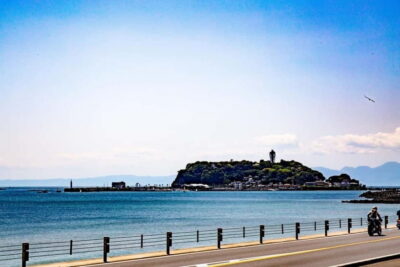 ★ 4.5Tokyo: Kamakura & Enoshima Day Trip including Temple TicketsFrom $589 hours - 570 minutes
 ★ 4.5Tokyo: Mt. Fuji, Kamakura, Big Buddha, & Lake Ashi Day TripFrom $4910 - 11 hours
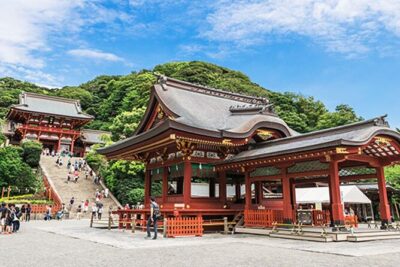 ★ 4.5From Tokyo: Kamakura & Enoshima 1-Day Bus TourFrom $66
 ★ 5.0Kamakura Historical Walking Tour with the Great BuddhaFrom $98
 ★ 5.0Kamakura Private Tour: Temples, Nature, and the Great BuddhaFrom $98
 ★ 5.0Kamakura Walking Tour – The City of ShogunFrom $35