
Reviewed · KAMAKURA & ENOSHIMA DAY TRIPS
Kamakura Zen: Great Buddha, Nature, Bamboo & Samurai Culture
Kamakura’s best moments come when the city shifts from giant bronze Buddha to quiet temple garden, then from samurai shrine to a narrow bamboo grove. This four-hour tour links those contrasts without asking you to sort out every bus, tram, and temple ticket yourself.
I like the clear mix of culture and scenery, especially Hokokuji’s bamboo forest and the chance to see Benzaiten’s cave at Hasedera. I also like having an English-speaking local guide, with Deen singled out for his warm manner and strong grasp of Kamakura’s sites and Japanese culture. The tradeoff is a fixed group schedule, plus transport fares, food, and personal spending on top of the $64 price.
In This Review
- Key points at a glance
- Why this Kamakura route works
- Starting at Kamakura Station
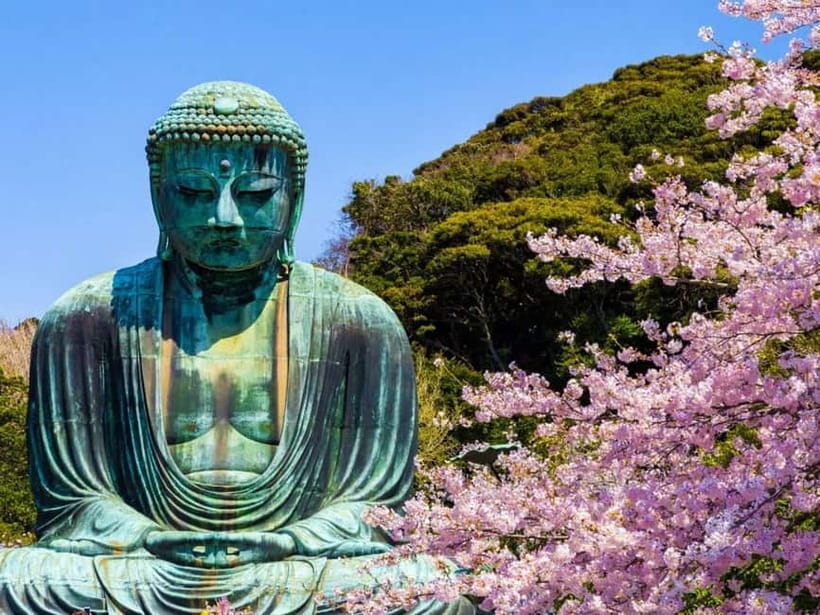
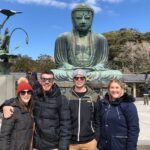
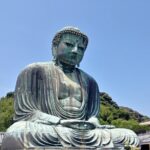
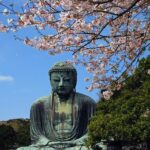
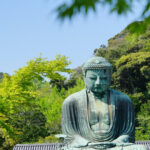
- Kotoku-in and Kamakura’s Great Buddha
- Hasedera, Kannon, gardens, and Benzaiten’s cave
- Hokokuji’s bamboo grove and the optional tea
- Tsurugaoka Hachimangu and the samurai connection
- Komachidori Street for snacks and souvenirs
- The guide makes the difference
- Walking, weather, and the pace
- Who should book this four-hour tour?
- Should you book it?
- FAQ
- Where does the tour start and finish?
- How long does the Kamakura tour last?
- Is transportation included in the price?
- Is the matcha tea experience included?
- What language is the tour offered in?
- Is the tour suitable for wheelchair users?
Key points at a glance
- Start at Kamakura Station: Meet at the East Exit Tourist Information Center, a simple landmark for an early departure.
- See two major statues: The Great Buddha at Kotoku-in and Hasedera’s elegant Kannon statue give the tour a strong visual opening.
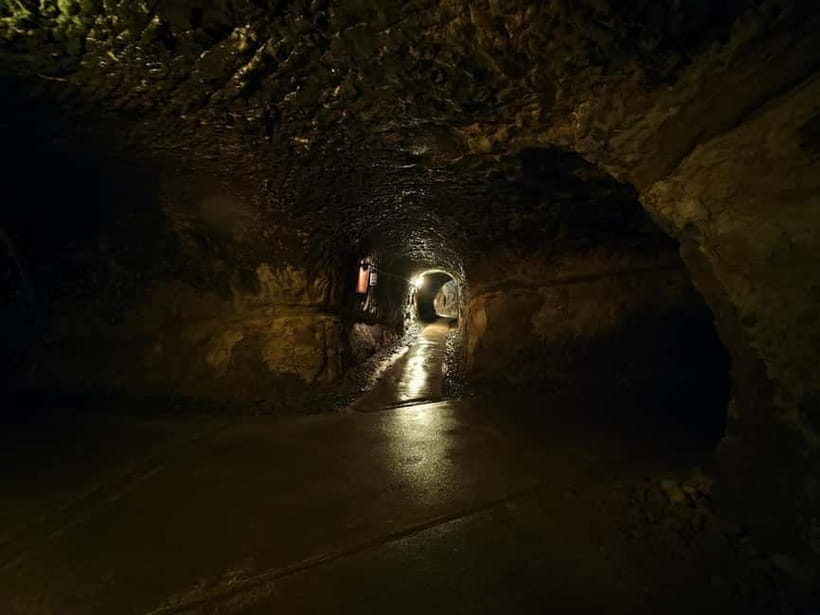
- Enter Benzaiten’s cave: Hasedera adds a quieter, more unusual stop beyond its gardens and temple buildings.
- Walk through bamboo at Hokokuji: The grove is the tour’s calmest setting, with an optional matcha experience at a small teahouse.
- Connect with samurai-era Kamakura: Tsurugaoka Hachimangu was central to the city’s warrior past.
- Finish with food and shopping: Komachidori Street gives you time for snacks, souvenirs, and old-town atmosphere.
Why this Kamakura route works
Kamakura is easy to underestimate. It sits close enough to Tokyo for a day trip, yet its temples, shrines, statues, and wooded corners feel far removed from city streets. The challenge is choosing a sensible route. Major sights are spread around town, and moving between them means combining walking with local public transport.
This tour solves that problem with a compact route that begins and ends at Kamakura Station. Over four hours, you see several of the city’s headline sights without spending the whole morning studying transit maps. You also get a guide to explain what you are looking at, which matters in Japan, where a shrine and a temple can look similar at first glance but serve different religious roles.
The experience is not a private car tour. It is a public group tour with a set schedule. That keeps the price reasonable, but it also means you cannot linger at one stop simply because it catches your eye. For many first-time visitors, that is a fair exchange. You get structure, admissions, local context, and photos taken during the outing.
The published price is $64 per person. Since temple and shrine entry tickets are included, the value is better than the headline figure first suggests. Still, you must pay your own bus, tram, or train fares, and you should bring cash for snacks, drinks, souvenirs, and the optional matcha tea. Think of the price as paying for the guide and organized sightseeing, not a fully packaged excursion with transport and meals.
A few more Kamakura tours and experiences worth a look
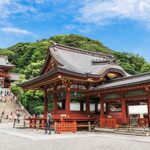
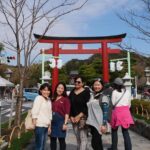
Starting at Kamakura Station
Your meeting point is the Kamakura City Tourist Information Center at the East Exit of Kamakura Station. After passing through the ticket gate, turn left, and the center is just ahead. This is a useful arrangement because the station is easy to identify, and you do not need to hunt for a temple gate or a street corner.
Arrive 10 minutes early. The tour has a fixed departure, and a late start would affect every stop that follows. This is also the time to use the station facilities, fill your water bottle, and make sure you have cash and comfortable shoes.
The day begins with roughly 10 minutes by bus or coach. Since transport is not included, keep some yen ready. The route later uses a tram and another bus or coach, so the extra fares are small but worth planning for. You will also walk between several stops, with some stairs along the way.
Kotoku-in and Kamakura’s Great Buddha
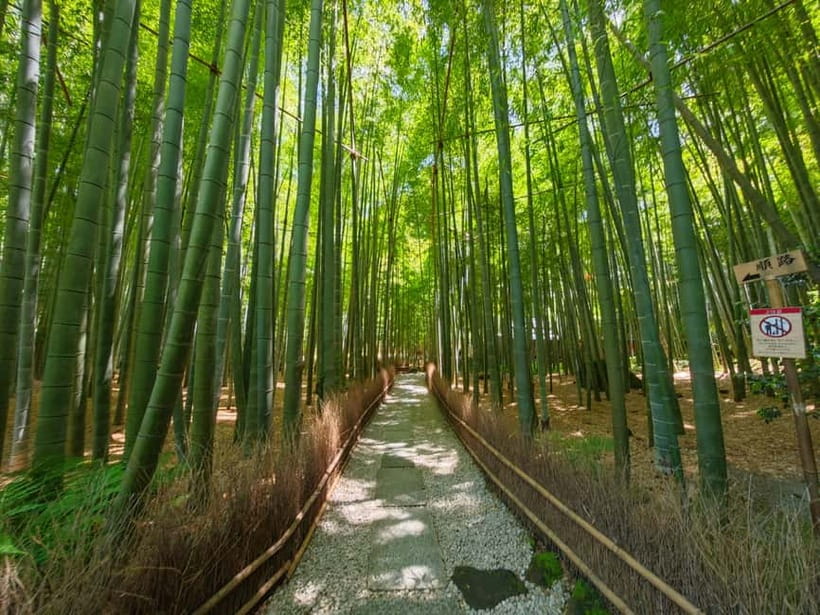
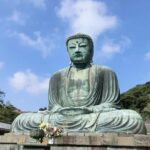
The first main stop is Kotoku-in, home to Kamakura’s Great Buddha. You have about 30 minutes here, enough for a close look, photos, and a guide’s explanation without turning the visit into a rushed snapshot.
The statue gives the tour an immediate sense of scale. It is the sort of landmark that works even if you know little about Kamakura before arriving. Your guide can help place it within the city’s religious and cultural setting, making the visit more than a quick stop at a famous image.
Thirty minutes is a sensible amount of time for this part of the route. You can take in the statue and surroundings, but you should not expect a long, unhurried exploration of every corner of the temple grounds. If the Great Buddha is your main reason for coming to Kamakura, you may want separate time later in the day. On this tour, it is one strong piece of a larger sequence.
The next stop is only about five minutes on foot, so the route remains efficient. That short walk also breaks up the sightseeing and gives you a chance to ask questions before reaching Hasedera.
Hasedera, Kannon, gardens, and Benzaiten’s cave
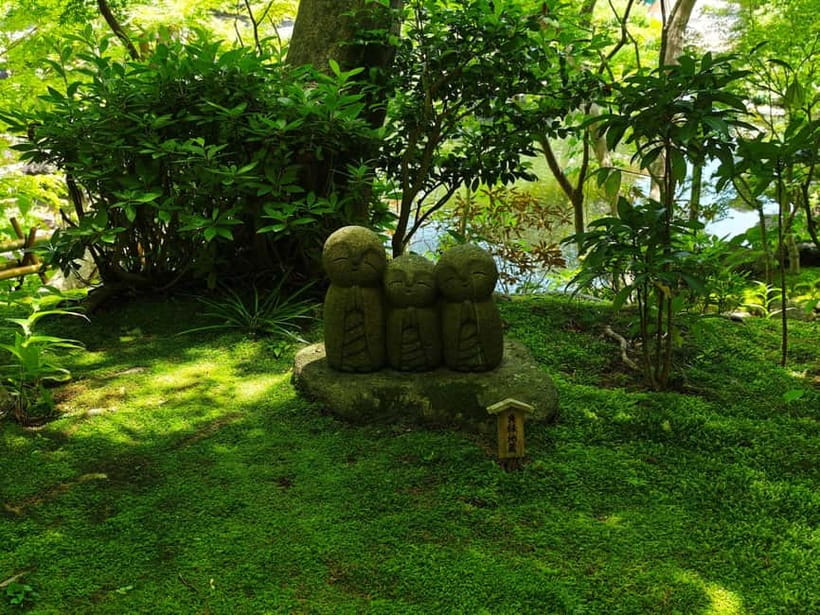
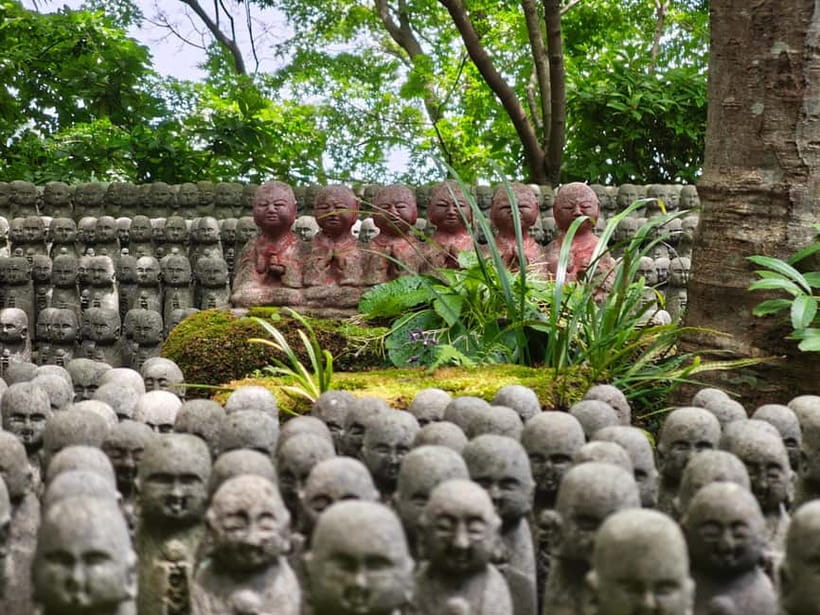
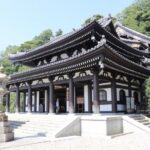
Hasedera receives about 45 minutes, the longest temple visit on the tour. It is easy to see why. The temple is known for its elegant Kannon statue, peaceful gardens, quiet Zen spaces, and Benzaiten’s cave.
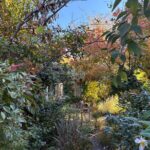
I like this stop because it supplies texture after the imposing Great Buddha. Instead of one monumental object, you get a more varied temple visit. The gardens offer a calmer setting, while the cave gives the stop a point of curiosity and discovery without requiring a separate detour.
Your guide can help you understand how the different areas fit together. The mention of calming Zen spaces is not just decorative language here. The route is designed to let you move from Kamakura’s public, iconic face into quieter religious spaces where the pace naturally slows.
Forty-five minutes is useful, but the stop still has limits. You will need to keep moving with the group, and stairs may be part of the visit. The tour is not suitable for wheelchair users, and anyone with limited mobility should take that seriously before booking. Comfortable shoes are essential throughout the morning, especially here and at the bamboo grove.
After Hasedera, you take a tram for around 10 minutes, followed by another 10-minute bus or coach ride. These changes are part of the practical value of having a guide. You are not simply being driven from gate to gate, but you also are not left to work out every connection alone.
Hokokuji’s bamboo grove and the optional tea
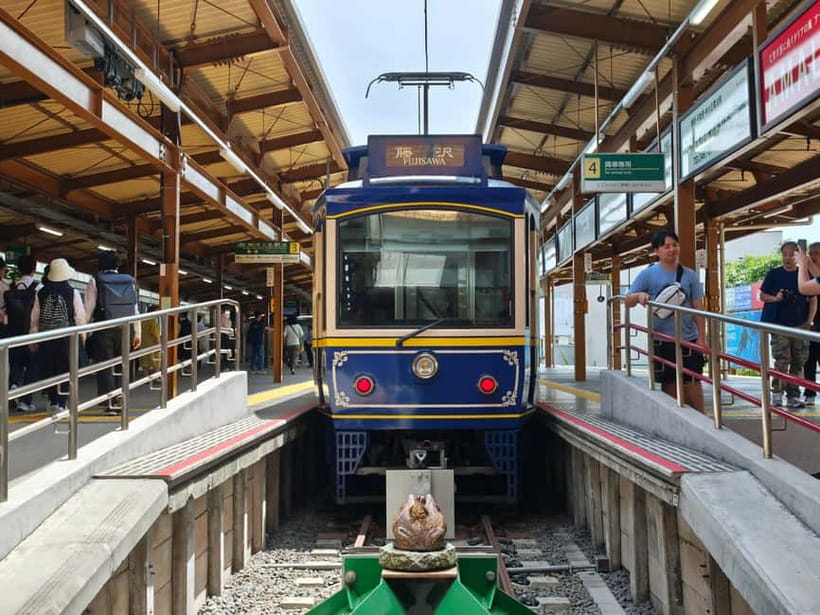
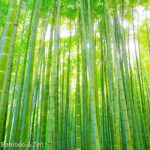
Hokokuji Bamboo Forest receives about 30 minutes. This is likely to be the most peaceful section of the route, and for many people it will be the emotional high point.
The grove gives you a different view of Kamakura. The Great Buddha is bold and monumental. Hasedera is layered and devotional. Hokokuji is about quiet paths, bamboo, and a brief pause from the town’s movement. The setting is especially useful if you want a nature break within a culture-focused tour.
There is also an optional matcha tea experience at the bamboo forest. The tea itself is not the only reason to consider it. The small teahouse provides a place to sit and take in the setting, which can make this short stop feel less like a photo visit and more like a genuine pause.
One published account specifically recommends the tea even if you are not sure you enjoy matcha, because the location is so appealing. That is sensible advice, though you should treat it as an optional extra rather than a required part of the experience. The supplied details do not state an additional price, so confirm the arrangement when booking or with the guide.
The 30-minute allocation keeps the tour moving, but it does mean you will not have a long period for quiet reflection. If bamboo is your priority, you may wish to return independently after the tour. For a first visit, however, this gives you a well-chosen introduction without sacrificing the other Kamakura sights.
A few more Kamakura tours and experiences worth a look
Tsurugaoka Hachimangu and the samurai connection
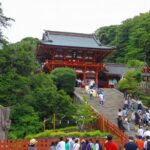
A short bus or coach ride of about five minutes brings you to Tsurugaoka Hachimangu. You have around 30 minutes to explore this major shrine, which is presented as the heart of Kamakura’s warrior past.
This is where the tour’s samurai theme becomes clearest. The experience is not a staged martial show, and you should not expect costumed demonstrations. Instead, the shrine connects you with the political and spiritual world that shaped Kamakura as a warrior center.
That distinction is useful. Samurai culture is often sold through spectacle, but here it comes through place. The shrine, its approach, and its religious setting give your guide room to explain how power, belief, and public life met in old Kamakura.
Half an hour is enough to see the key areas and understand why the shrine matters. It is not enough for a slow study of every feature, especially if you want detailed photographs or a long look at the grounds. The fixed schedule keeps the tour balanced, but those who prefer unstructured shrine visits may find the timing brisk.
The sequence also works well. After the quiet bamboo forest, Tsurugaoka Hachimangu brings you back into a larger civic space. You see both sides of Kamakura: private-feeling temple corners and a shrine linked to the city’s broader warrior identity.
Komachidori Street for snacks and souvenirs
The final stop is Komachidori Street, reached after about five minutes on foot. You have 30 minutes for shopping and local snacks before returning to the Tourist Information Center.
This ending is practical rather than ceremonial. After several temples and shrines, you get time to browse, eat, and see Kamakura’s old-town side. It also gives you a chance to note places you might want to revisit later, though half an hour is not enough for a serious shopping session.
Bring cash. Personal spending is not included, and the tour specifically advises it. You can use this time for a snack or drink, but do not count on a full meal unless you are prepared to move quickly. Deen has also offered a useful lunch suggestion and an idea for the afternoon, which can help you extend your Kamakura visit beyond the tour’s endpoint.
The finish at the same station where you began is convenient. You are not left at an unfamiliar temple or required to arrange a return transfer from another part of town.
The guide makes the difference
The guide is a major part of the value here. Deen is the named guide associated with the experience, and the strongest praise centers on his friendly manner, patience, and grasp of the sites and Japanese culture. That combination matters because the route includes several places where a few well-timed explanations can change what you notice.
A good guide also helps with the small practical moments: finding the right transport, keeping the group together, explaining what to look for, and suggesting food or an afternoon plan. Deen’s lunch tip and later sightseeing suggestion are especially useful if this is your first time in Kamakura and you have not planned the rest of the day.
The experience is offered in English. Since the tour is public and group-based, the amount of individual attention can vary with the group size, but the guide is intended to lead the entire route rather than simply escort you between stops.
Photos taken for you are included. That is a pleasant extra, particularly at the Great Buddha and bamboo grove, where you may otherwise spend much of your time asking someone else to take pictures. It should not be the main reason to book, but it adds value at no extra charge.
Walking, weather, and the pace
The tour lasts four hours and includes walking, stairs, a tram, and buses or coaches. You should wear shoes that remain comfortable on uneven routes and steps. Bring water, and dress for the forecast.
The tour runs rain or shine. Bring an umbrella, hat, sunscreen, or other suitable weather gear as needed. Rain may make the temple gardens and bamboo especially atmospheric, but it can also make walking less comfortable. The fixed schedule means you cannot simply wait indoors for conditions to improve.
This is not the right outing for someone who wants a slow, fully accessible route or a private vehicle. It is better for an active visitor who can manage several changes of transport and moderate walking over a morning. Wheelchair users should not book, since the experience is specifically marked as unsuitable for them.
Who should book this four-hour tour?
I would recommend it most strongly to first-time Kamakura visitors who want the main cultural sights in one organized morning. It is also a good fit if you are staying in Tokyo or nearby and have limited time, since the route gathers several distinct experiences into four hours.
You will probably appreciate it if you enjoy variety. The Great Buddha offers scale, Hasedera brings gardens and a cave, Hokokuji gives you bamboo and tea, Tsurugaoka Hachimangu supplies samurai-era context, and Komachidori adds food and shopping. Few stops are asked to carry the entire experience.
Families with older children may like the changing scenery and the clear structure, though the walking and stairs should be considered. Culture-focused visitors will get the most from the guide’s explanations. Photographers will appreciate the range of settings, but should remember that the schedule is not designed for long, patient compositions.
You may want to skip it if you have already seen these sights and prefer to explore one temple in depth. It is also less suitable if you dislike group tours, need a private car, or want all transport and refreshments covered in the price.
The published score is 5 out of 5 from three verified bookings, including especially strong comments about Deen’s personable approach, patience, and command of Kamakura’s cultural sites. That is a small sample, so I would not treat it as a guarantee, but it does point to the guide as one of the experience’s most important strengths.
Should you book it?
Book this tour if you want a well-planned introduction to Kamakura with an English-speaking guide, included admission tickets, and a useful balance of statues, temples, bamboo, samurai culture, and shopping. At $64, the value is solid when you count the admissions and local guidance, though you should budget separately for transport, snacks, and optional matcha.
Skip it if your ideal Kamakura day means choosing your own pace, lingering at one temple, or avoiding stairs and public transport. For everyone else, especially first-time visitors with only half a day, this is a sensible way to see the city’s peaceful and warrior-linked sides in one compact outing.
FAQ
Where does the tour start and finish?
The tour starts and ends at the Kamakura City Tourist Information Center at the East Exit of Kamakura Station. After passing through the ticket gate, turn left and look for the center just ahead.
How long does the Kamakura tour last?
The tour lasts four hours. Starting times vary, so check availability when booking.
Is transportation included in the price?
No. Bus, tram, and train fares to, from, and during the tour are not included. Personal expenses such as meals, drinks, snacks, and souvenirs are also separate.
Is the matcha tea experience included?
An optional matcha tea experience is available at the bamboo forest. The supplied details do not specify a separate charge, so confirm the arrangement when booking or with the guide.
What language is the tour offered in?
The tour is conducted in English with a live guide. Deen is the named guide associated with the experience.
Is the tour suitable for wheelchair users?
No. The experience is not suitable for wheelchair users. Comfortable shoes are recommended because the route includes walking and some stairs.
More Temples & Meditation in Kamakura

More Samurai & Ninja Experiences in Kamakura
More Kamakura & Enoshima Day Trips in Kamakura
More tours in Kamakura we've reviewed


Kamakura & Enoshima Day Trips, compared.
 ★ 4.5Tokyo: Kamakura & Enoshima Day Trip including Temple TicketsFrom $589 hours - 570 minutes
 ★ 4.5Tokyo: Mt. Fuji, Kamakura, Big Buddha, & Lake Ashi Day TripFrom $4910 - 11 hours
 ★ 4.5From Tokyo: Kamakura & Enoshima 1-Day Bus TourFrom $66
 ★ 5.0Kamakura Historical Walking Tour with the Great BuddhaFrom $98
 ★ 5.0Kamakura Private Tour: Temples, Nature, and the Great BuddhaFrom $98
 ★ 5.0Kamakura Walking Tour – The City of ShogunFrom $35