
Reviewed · KAMAKURA & ENOSHIMA DAY TRIPS
Buddha, Bamboo & Zen – Bespoke Kamakura Private Walking Tours
Kamakura gives you a welcome break from Tokyo’s bright lights and packed streets. This private walk takes you from the 13.35-meter Great Buddha to a quiet bamboo grove, a major shrine, and old paths linked to samurai history. I like the freedom to slow down, skip a stop, or call it a day when your group has had enough. I also like that Brad can shape the route around your interests, with time for lunch, shopping, or even a short historic hike if conditions suit.
The main drawback is that this is not a fully inclusive day out. Temple fees, food, drinks, and public transportation cost extra, and about two hours are set aside for moving between sights and taking breaks. You should also be comfortable walking for much of the day, though the private format makes the pace easier to manage.
In This Review
- Key Points at a Glance
- Why Kamakura Makes a Fine Day Away from Tokyo
- Starting at Kamakura Station and Setting the Pace
- Kotoku-in and the Great Buddha of Kamakura
- Hasedera’s Kannon, Gardens, and Seasonal Flowers
- Hokoku-ji and the Bamboo Temple
- Komachi Street for Food, Shops, and a Change of Mood
- Tsurugaoka Hachimangu and Kamakura’s Warrior Past
- Brad’s Guiding Style and the Private Advantage
- Cost, Extra Fees, and What the Group Price Means
- Who Will Get the Most from This Day
- Should You Book Buddha, Bamboo & Zen?
- FAQ
- How long does the Buddha, Bamboo & Zen tour last?
- How many people can join the private tour?
- Where does the tour begin and end?
- Who guides the tour?
- Are temple admission fees included?
- Is lunch included?
- How much should I bring for transportation?
- What happens if the weather is poor?
Key Points at a Glance
- Private for up to six people: Your family or friends tour with Brad alone, rather than joining a large group.
- A flexible Kamakura route: The day can follow the listed sights or change to suit your interests and energy.
- Three distinct religious sites: See Kotoku-in’s bronze Buddha, Hasedera’s Kannon statue, and Tsurugaoka Hachimangu’s Shinto shrine.
- A peaceful bamboo stop: Hokoku-ji includes about 2,000 moso bamboo plants and green tea for a small extra fee.
- Extra costs matter: Allow about ¥2,000 per person for admissions and transportation, plus money for lunch and drinks.
- A strong local guide element: Brad is an Australian native English-speaking guide who helps with practical details as well as Kamakura’s past.
Why Kamakura Makes a Fine Day Away from Tokyo
Kamakura was once a political center ruled by warrior leaders, and its temples, shrines, caves, and old routes still give the town a quieter character than central Tokyo. You are not simply ticking off famous monuments. You are moving between Buddhist and Shinto places, seeing how Zen aesthetics, warrior culture, and coastal-town life meet in one compact area.
The appeal of this tour is the contrast. The Great Buddha is grand and immediately recognizable. Hokoku-ji is hushed and green. Komachi Street brings you back to food, shops, and everyday Japanese life. Tsurugaoka Hachimangu then provides a large ceremonial setting with strong ties to warriors and the city’s past.
That range makes the day useful if you want more than one impressive temple. You get a taste of Kamakura’s religious sites, shopping streets, history, and local rhythm without having to work out every connection yourself.
A few more Kamakura tours and experiences worth a look
Starting at Kamakura Station and Setting the Pace
The meeting point is outside Kamakura Station at the East Exit, at 1 Chome-1 Komachi. That is a practical starting place, since the route includes both the central shopping area and sights reached by public transportation.
The tour lasts about six hours, although the guide has allowed roughly two hours for walking, trains, buses, rests, and food or drink breaks. That wording matters. This is not six solid hours of standing in front of monuments. Some of the day is spent getting from place to place, and that can be welcome after a morning of temple visits.
Brad’s flexible approach is one of the strongest reasons to book a private tour. You can share your own plan, or let him guide you to favorite places. The day can include a short historic pass hike, as one family’s outing did, or stay with the main sights listed below. The guide can also stop when your group wants a break rather than pushing through a fixed schedule.
If you are already tired of religious buildings, say so early. The tour is designed with that possibility in mind, and the guide can call it a day once you feel satisfied. That is a useful feature for families, mixed-age groups, and anyone adjusting to jet lag.
Kotoku-in and the Great Buddha of Kamakura
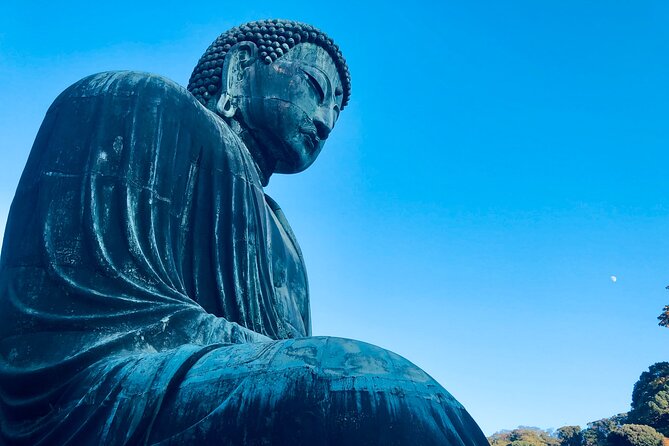
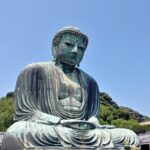
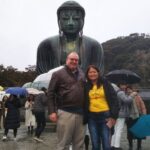
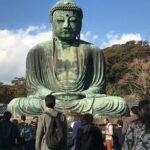
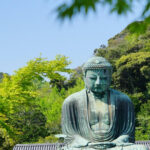
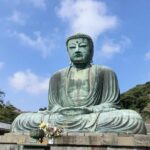
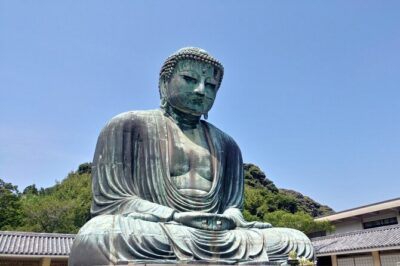
The first major stop is Kotoku-in, home of Kamakura’s famous bronze Buddha. The statue measures 13.35 meters and was first made in wood before being cast in bronze. Its scale gives you an immediate sense of why this is one of the town’s defining sights.
You have about an hour here. That leaves time to look closely at the statue, hear the story behind it, and take in the temple setting without rushing straight to the next stop. The Buddha is outdoors, which also gives the visit a different feel from a dark interior temple hall.
The admission fee is ¥300 per person. It is not included in the tour price, so keep small cash handy. You should also expect crowds at this popular stop, especially during busy periods, though a private guide can help you use your time well.
For many people, this is the visual anchor of the day. It is large, simple, and easy to appreciate even if you are not deeply interested in Buddhist art. The value of having Brad here is the added context: the statue becomes part of Kamakura’s story rather than just a photo stop.
Hasedera’s Kannon, Gardens, and Seasonal Flowers
Hasedera takes about 45 minutes and adds a more detailed temple experience. The central feature is the 9.18-meter Eleven-headed Kannon, a wooden statue said to have been carved in 721 AD. The statue’s age and scale make it a serious artistic and religious object, but you do not need specialist knowledge to appreciate the craftsmanship.
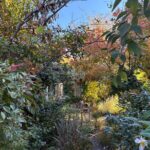
The temple also has gardens with flowers through the year. A hydrangea path is one of the notable features, making the season of your visit important. The tour information does not promise a particular bloom when you book, so treat the gardens as a changing part of the stop rather than a guaranteed flower display.
Admission is ¥400 per person. You have less than an hour here, which is enough for the main highlights but may feel brief if you want a slow garden visit. Tell Brad if the statue or flowers interest you most, since the private format allows the time to be used according to your priorities.
I like the way Hasedera balances the day. After the open scale of the Great Buddha, you get carved wood, gardens, and a more layered temple setting. The only concern is that the stop may feel short for anyone who wants to linger over every garden path.
Hokoku-ji and the Bamboo Temple
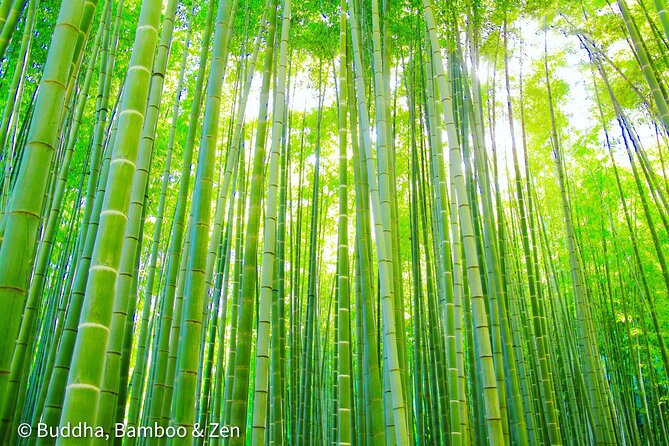
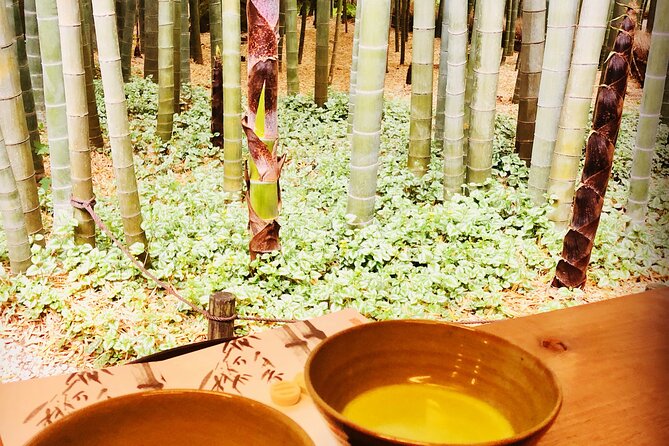
Hokoku-ji is the quietest and most distinctive stop on the route. This Rinzai Zen temple was founded in 1334 and is widely known as the Bamboo Temple. Its grove contains about 2,000 moso bamboo plants, creating tall walls of green around the walking path.
The visit lasts about an hour. The grove itself is not vast, but that is part of its charm. You are there for the atmosphere, the narrow path, and the sense of order that suits a Zen temple. This is a place to slow your steps and notice the sound and filtered light rather than race around collecting sights.
Green tea is available for an extra fee, listed as ¥600 for the bamboo grove admission. The supplied costs identify the admission as ¥600 per person, with matcha and other food or drink also excluded. Bring cash, since the tour recommends carrying money for these expenses.
Hokoku-ji is especially good for anyone who wants a calm pause in the middle of a sightseeing day. It is also one of the clearest examples of the tour’s title in action: Buddha, bamboo, and Zen are not just marketing words here. They describe three genuinely different parts of Kamakura.
The limitation is simple. If you expect a huge forest or a long woodland walk, the grove may be smaller than imagined. Its pleasure comes from quiet design and atmosphere, not distance.
A few more Kamakura tours and experiences worth a look
Komachi Street for Food, Shops, and a Change of Mood
Komachi Street runs through central Kamakura and provides a useful change of pace. It is a pedestrian shopping street with food, snacks, and a range of places to eat. You have about an hour here, though the exact use of the time can change depending on your group.
This is a good place to pause for lunch or browse the side lanes. Food and drinks are not included, so you pay directly for whatever you choose. The tour information does not set a lunch venue, which is actually helpful if your group has different tastes or dietary needs, though you should discuss your preferences with Brad.
I appreciate the inclusion of Komachi because a day of temples can become repetitive. Here, you see a more commercial and social side of Kamakura. You can shop, eat, or simply rest while others in your group look around.
Komachi can also be busy. That is part of its role as a popular central street, but it may feel less restful than Hokoku-ji. Think of it as a practical intermission, not a peaceful historic lane.
Tsurugaoka Hachimangu and Kamakura’s Warrior Past
Tsurugaoka Hachimangu is Kamakura’s most important Shinto shrine. It was first established in 1063 and is dedicated to Hachiman, the guardian deity of warriors. The approach to the shrine gives you a strong sense of ceremony and scale after the smaller temple grounds.
You have about an hour here, and admission is free. The shrine helps explain why Kamakura is so closely tied to samurai history. Brad can connect the site to the city’s warrior rulers and to the difference between Buddhist temples and Shinto shrines.
This stop also gives the itinerary a useful finish. You have seen a bronze Buddha, a wooden Kannon, a Zen bamboo grove, and now a major Shinto site. The sequence shows how several religious traditions share the same town without turning the day into a lecture.
The shrine is an active place of worship, so you should expect a public religious setting rather than a museum. Keep your attention on the rituals and surroundings, and follow any posted guidance. Because the tour ends back at the Kamakura station meeting point, Tsurugaoka Hachimangu also fits naturally into the return route.
Brad’s Guiding Style and the Private Advantage
Brad is an Australian native English-speaking local guide, and the private setup lets him combine explanation with practical help. Before one tour, he helped the group understand how to use a Suica card and where to access extra cash. That kind of assistance can remove small but annoying obstacles at the start of a Japan trip.
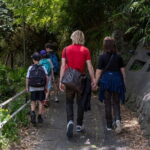
The strongest pattern in the feedback is flexibility. Brad has adjusted days for family interests, included a short historic hike, found time for lunch and shopping, and kept the pace comfortable with breaks. One group still had a seven-hour day despite jet lag, which suggests the schedule can stretch when the group wants more, but you should not assume seven hours are guaranteed.
You can also ask for the right level of explanation. Some people want samurai history and Zen background at every stop. Others prefer a few clear points, then time to look around. A private guide is most useful when you speak up about that balance.
The guide’s role also helps with transportation. Public transportation costs ¥840 per person, and the route uses walking, train, and bus connections. You are not paying for a private vehicle, so allow time for ordinary local transit and be prepared to walk between stops.
Cost, Extra Fees, and What the Group Price Means
The tour costs $355.80 per group of up to six people. For a full group, that works out to about $59.30 per person before admissions, transportation, and food. For two people, the per-person price is much higher, so this experience offers its best financial value to families or groups of friends who can share the fee.
Required costs include:
- Kotoku-in: ¥300 per person
- Hasedera: ¥400 per person
- Hokoku-ji: ¥600 per person
- Public transportation: ¥840 per person
- Lunch, matcha, snacks, and other drinks: extra
The listed temple admissions total ¥1,300 per person, while the tour recommends bringing about ¥2,000 per person for temple fees and transportation. Follow that advice and carry some extra cash for food and drinks.
The price pays mainly for time, flexibility, and guiding rather than a package of included tickets. That can be good value if you want help shaping a personal day and understanding what you see. It is less attractive if you only want transportation or a quick escorted visit to the Great Buddha.
Who Will Get the Most from This Day
I would choose this tour for a group that wants Kamakura explained without being locked into a rigid route. Families benefit from the ability to take breaks and stop once everyone has had enough. Friends can mix temples with lunch, shopping, and a short walk.
It also suits first-time visitors to Kamakura who do not want to sort out the train, bus, and walking connections alone. Brad’s help with Suica cards and cash access can be useful when you are still finding your feet in Japan.
You should think twice if you dislike walking, want every admission included, or prefer a short sightseeing trip with no schedule changes. The tour is about six hours, and the travel between stops is part of the day.
Service animals are allowed, the meeting point is near public transportation, and most people can participate. The experience is listed for Wednesdays from 8:00 AM to 5:00 PM, so check that the date and start time suit your plans. It requires good weather. If poor weather cancels the tour, you can receive a different date or a full refund.
Should You Book Buddha, Bamboo & Zen?
Book it if you want a personal Kamakura day with a friendly English-speaking guide, a sensible mix of famous sights and quieter corners, and room to change plans. The Great Buddha and Tsurugaoka Hachimangu give you the major landmarks, while Hokoku-ji and Hasedera add the calmer, more reflective side of town.
The best value comes with four to six people. Budget separately for about ¥2,000 per person in admissions and transport, plus lunch and drinks. If that arrangement suits you, Buddha, Bamboo & Zen offers a thoughtful escape from Tokyo with enough structure to make the day easy and enough freedom to make it your own.
FAQ
How long does the Buddha, Bamboo & Zen tour last?
The tour lasts approximately six hours. About two hours are allocated for walking, train and bus travel, rest periods, and food or drink breaks.
How many people can join the private tour?
The tour is private for your group and allows up to six people.
Where does the tour begin and end?
It begins at Kamakura Station’s East Exit, at 1 Chome-1 Komachi, Kamakura. The activity ends back at the meeting point.
Who guides the tour?
The guide is Brad, an Australian native English-speaking local guide.
Are temple admission fees included?
No. Kotoku-in costs ¥300 per person, Hasedera costs ¥400 per person, and Hokoku-ji costs ¥600 per person. These fees are paid separately.
Is lunch included?
No. Lunch, matcha green tea, snacks, and other food or drinks are not included.
How much should I bring for transportation?
Public transportation is listed at ¥840 per person. The tour recommends bringing about ¥2,000 per person for temple admission fees and transportation, plus extra cash for food and drinks.
What happens if the weather is poor?
The experience requires good weather. If it is canceled because of poor weather, you will be offered another date or a full refund. You can also cancel up to 24 hours before the start time for a full refund.
More Walking Tours in Kamakura
More Temples & Meditation in Kamakura
More Kamakura & Enoshima Day Trips in Kamakura
More tours in Kamakura we've reviewed

Kamakura & Enoshima Day Trips, compared.
 ★ 4.5Tokyo: Kamakura & Enoshima Day Trip including Temple TicketsFrom $589 hours - 570 minutes
 ★ 4.5Tokyo: Mt. Fuji, Kamakura, Big Buddha, & Lake Ashi Day TripFrom $4910 - 11 hours
 ★ 4.5From Tokyo: Kamakura & Enoshima 1-Day Bus TourFrom $66
 ★ 5.0Kamakura Historical Walking Tour with the Great BuddhaFrom $98
 ★ 5.0Kamakura Private Tour: Temples, Nature, and the Great BuddhaFrom $98
 ★ 5.0Kamakura Walking Tour – The City of ShogunFrom $35