
Reviewed · KAMAKURA & ENOSHIMA DAY TRIPS
Sushi Making in a Century Old Kamakura Home
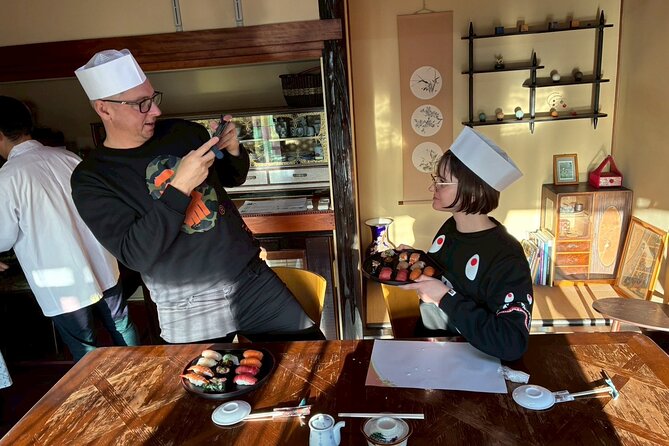
Kamakura’s best sushi lesson may begin with the house itself. You enter a century-old villa with a garden, old wood, and Japanese-Western design, then watch the Enoden train glide past the grounds while you make lunch. It feels far removed from a standard cooking classroom.
I like the small group, capped at 10 people, and the chance to work with a chef trained for more than 20 years in Ginza’s top restaurants. I also like the setting: you can walk here from Kamakura Station, and the seaside and possible Mt. Fuji views are close by.
The main drawback is practical: the old house can be a little hard to find, and the tour is not recommended for people with food allergies. At $74.93, you are paying for the chef, premium ingredients, and the historic setting, not just a plate of sushi.
In This Review
- Key points at a glance
- Why the old Kamakura house is part of the experience
- What happens during the 90-minute sushi lesson
- Premium ingredients, but not an unlimited sushi meal
- The Enoden train adds a perfect Kamakura detail
- A smart way to fit this into a Kamakura day
- Who will enjoy this sushi class most
- The included calligraphy keepsake
- Practical details that affect your decision
- Is $74.93 a fair price?
- Should you book Sushi Making in a Century Old Kamakura Home?
- FAQ
- Where does the sushi-making experience begin?
- What time does the activity start?
- How long does the experience last?
- How many pieces of sushi are included?
- Which sushi ingredients might be used?
- Is sake included in the price?
- How many people can join the activity?
- What happens if the weather is poor?
Key points at a glance
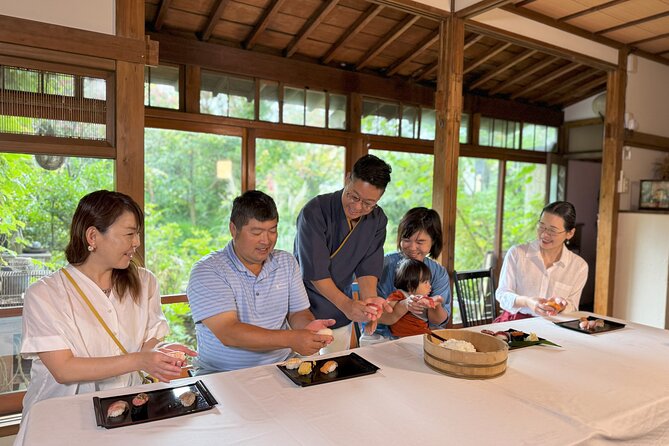
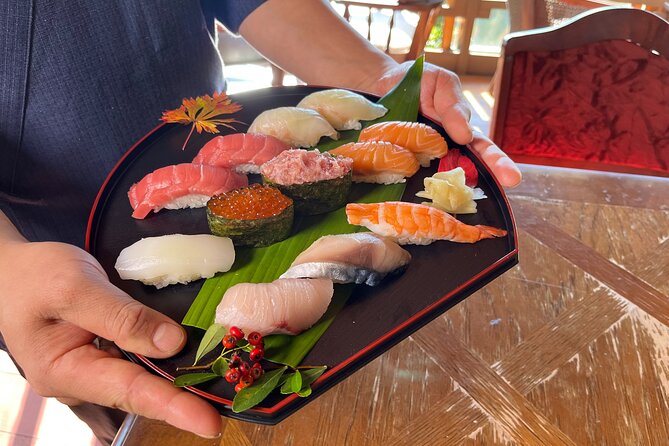
- Make 10 to 12 pieces of nigiri: You handle premium tuna, sea bream, shrimp, squid, yellowtail, salmon roe, and other seasonal ingredients.
- Learn from a Ginza-trained chef: Your instructor has more than 20 years of experience in prestigious sushi restaurants.
- Eat beside the Enoden line: The charming local train passes right next to the garden, adding a distinctly Kamakura touch.
- Tour a rare old house: The century-old villa blends Japanese and Western design, with a quiet garden and traditional rooms.
- Pair the lesson with Kamakura sightseeing: The house is near the route to the Great Buddha of Hase, and the sea is about a 10-minute walk away.
- Take home a calligraphy souvenir: A complimentary canvas marked Kamakura Sushi Sake is included.
Why the old Kamakura house is part of the experience
This is not sushi making in a modern studio with bright lights and rows of identical workstations. The lesson takes place in a preserved house built about 100 years ago for a wealthy Tokyo family.
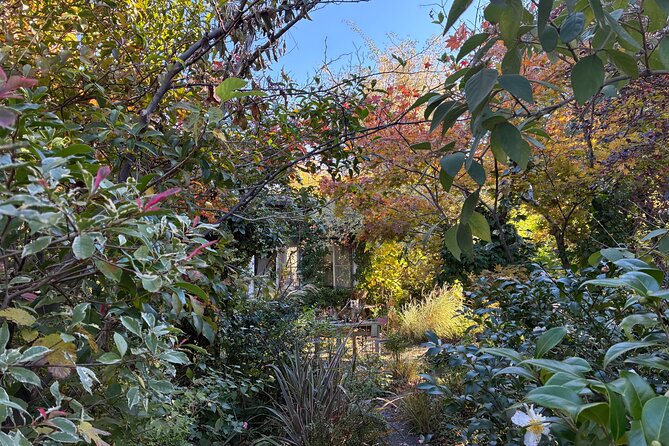
The building reflects an older Kamakura style that mixed Japanese and Western elements. Few such homes remain, so you get an architectural visit as well as a cooking class. The approach leads through a front garden filled with colorful trees, and the house gives the lesson a quiet, residential feel.
I would allow a little extra time to locate the entrance. The house is only about a 10-minute walk from Kamakura Station, but its low-key setting can make it harder to spot than a restaurant on a main street. Keep the address handy on your phone, and do not assume the venue will look like a commercial cooking school.
Inside, the appeal is the slower pace. Warm afternoon light, traditional rooms, and the view from the veranda make the setting feel special without needing a long explanation. If you care about old buildings, this may be worth the price before the sushi even reaches the table.
A few more Kamakura tours and experiences worth a look
What happens during the 90-minute sushi lesson
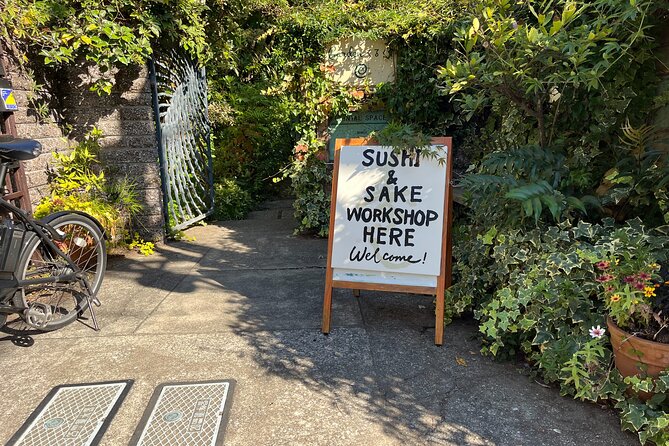
The activity begins at 10:30 a.m. at 2-chome-7-12 Yuigahama, Kamakura. The full experience lasts about an hour and a half, and it ends back at the same meeting point.
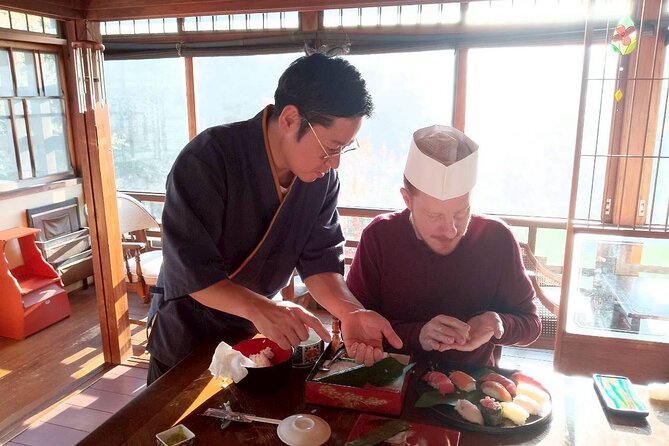
The focus is nigiri sushi, the hand-shaped style in which a small portion of seasoned rice supports a slice of fish or another topping. You will prepare approximately 10 to 12 pieces. That is enough food to feel like a proper meal, while still leaving room for other Kamakura plans afterward.
The chef’s role is important here. With more than two decades working in Ginza’s prestigious sushi restaurants, the instructor brings professional technique to a beginner-friendly format. You can expect guidance on the basic motions and proportions rather than simply watching a demonstration and eating someone else’s work.
Sushi looks simple, but the small details matter. The rice must hold together without becoming heavy. The topping needs to sit neatly on the rice. Hand pressure, shape, and presentation all affect the final bite. The value of this class comes from having a professional show you those fundamentals while you practice them yourself.
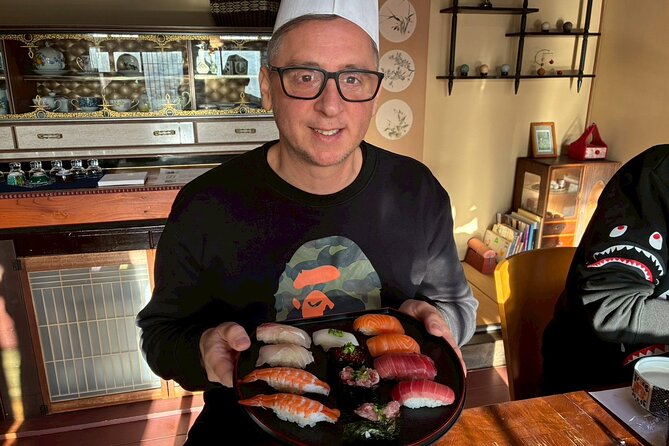
The exact sushi selection changes with the season. Ingredients listed for the experience include tuna, sea bream, shrimp, squid, yellowtail, and salmon roe. These are described as premium ingredients of the same general quality used in high-end sushi restaurants, which helps explain the price.
That seasonal approach is a plus. You are not promised one fixed menu that ignores the time of year. The trade-off is that you cannot choose every topping in advance. If you have strong preferences, ask about the day’s selection when booking or before the class begins.
Premium ingredients, but not an unlimited sushi meal
You receive 10 to 12 pieces of nigiri, and those pieces are included in the price. The portion should satisfy most people as a light lunch, especially when combined with the hands-on work and the time spent learning.
Still, keep your expectations in check. This is a sushi-making class, not an all-you-can-eat meal or a long omakase dinner. You are paying for instruction, quality ingredients, the house, and the small-group format.
That makes the $74.93 cost easier to understand. A basic cooking class in an ordinary room might cost less, but it would not offer the same combination of a professional chef, seasonal fish, a rare old house, and a garden beside the Enoden tracks. If you only want inexpensive sushi, this is not the right use of your money. If you want a memorable Kamakura activity with food at its center, the price is reasonable.
Coffee and tea are not included. Alcohol is also separate. You may be able to add a sake experience course for an extra charge, but the standard booking covers the sushi lesson and the 10 to 12 pieces of nigiri only.
The Enoden train adds a perfect Kamakura detail
The Enoden railway passes directly beside the property. You do not need to leave the house to see it. From the garden or veranda, you can hear and watch the train move past, turning an ordinary transport line into part of the scenery.
This detail gives the experience a strong sense of place. The Enoden is closely tied to Kamakura and its neighboring coastal towns, and its compact trains fit the slower mood of the old house. It is a small feature, but it is the sort of detail you remember later.
The train may also mean occasional sound during the lesson or meal. That is not a major problem, but you should know that the setting is peaceful rather than silent. The passing train is part of the charm, not a flaw to be hidden.
If you enjoy taking photographs, the garden and train make the venue more interesting than a plain restaurant. Be respectful of the private, historic character of the house, and follow any instructions about where you may stand or take pictures.
A smart way to fit this into a Kamakura day
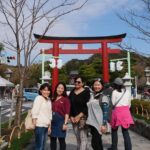
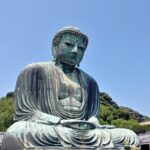
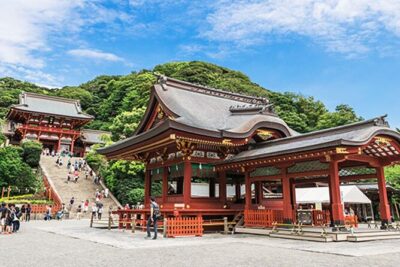
The meeting point sits on the route toward the Great Buddha of Hase. A useful plan is to visit Tsurugaoka Hachimangu in the morning, walk through central Kamakura, take the sushi class at 10:30 a.m., and continue toward Hase afterward.
You can also reverse the order. The Great Buddha and nearby sights can fill the earlier part of the day, with the sushi lesson giving you a calm break afterward. Since the experience ends at its starting point, you are free to continue sightseeing without arranging a separate return transfer.
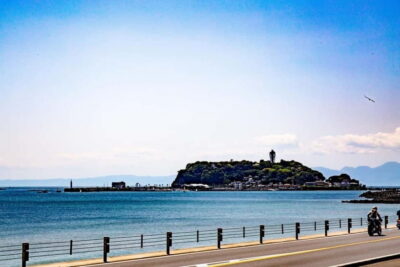
The seaside is about a 10-minute walk from the venue. On a clear day, you can see Mt. Fuji beyond Enoshima, with a view that recalls an ukiyo-e woodblock print. This is weather-dependent, so treat it as a possible bonus rather than a promised part of the class.
The location works especially well for people who want more than a quick stop at Kamakura’s major temples. You get food, architecture, railway scenery, and the coast in one compact outing. You will need to plan your walking route, though, since private transportation is not included.
Who will enjoy this sushi class most
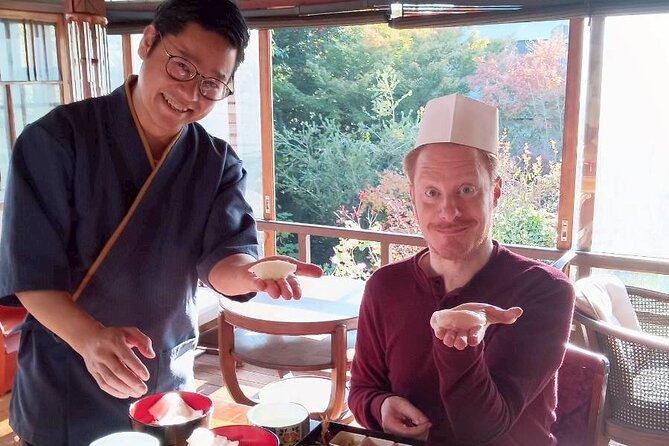
This experience suits first-time sushi makers, food-focused couples, small groups of friends, and solo visitors who prefer a personal lesson over a crowded demonstration. The maximum group size is 10, so the chef should have a reasonable chance to give individual help.
It is also a good pick for anyone who has already seen Kamakura’s headline sights and wants a quieter activity. The old home changes the mood completely. Instead of moving from one busy attraction to another, you pause in a garden and work with your hands.
Families may appreciate the practical element, but the information provided does not specify a minimum age or child policy. Check those details before booking if you are traveling with children.
People with food allergies should be cautious. The experience is not recommended for individuals with food allergies, and the menu changes with the seasons. Do not assume that substitutions will be possible.
This is less suitable for someone who wants a fully private class, a long formal meal, or a large selection of cooked dishes. The group can include up to 10 people, and the included food is limited to the sushi you make.
The included calligraphy keepsake
Each participant receives a complimentary canvas inscribed with Kamakura Sushi Sake. A professional calligrapher hand-brushes the inscription, giving you a small souvenir connected specifically to this activity.
It is a thoughtful extra because it reflects the setting rather than functioning as a generic tourist trinket. The canvas also makes the experience easier to remember after the sushi is gone.
The souvenir should not be the main reason to book. Its real value is that it adds a personal Japanese touch to an already distinctive setting. The central experience remains the lesson, the meal, and the old house.
Practical details that affect your decision
The tour uses a mobile ticket, which is convenient for a day of sightseeing. Confirmation arrives at booking, and the venue is near public transportation. You are responsible for getting to the meeting point, so local train and walking costs are not included.
The activity begins at 10:30 a.m. That timing works well for a morning visit to Kamakura’s sights, but it may not suit anyone who wants a late start. Give yourself extra time for the walk and for finding the historic house, since locating the entrance can take a little effort.
The experience requires good weather. If poor weather causes a cancellation, you will be offered another date or a full refund. You can cancel for a full refund up to 24 hours before the start time. Cancellations or changes made less than 24 hours before the activity are not refunded or accepted.
Because the experience averages about 40 days of advance booking, do not leave it until the last minute if your Kamakura dates are fixed. The group limit of 10 helps explain why popular dates may fill early.
Is $74.93 a fair price?
I would call the price fair for the right kind of outing. The sushi ingredients are positioned at the quality level used by high-end restaurants, and the chef brings serious Ginza experience. You also receive a historic house visit, a garden setting, the Enoden view, and a calligraphy canvas.
The price is less attractive if you are measuring value only by the amount of food. Ten to 12 pieces is a moderate serving, and tea, coffee, sake, transportation, and other travel costs are separate.
Think of it as a compact cultural experience with a meal included. You are buying access to a rare setting and professional instruction, not simply lunch. For a special day in Kamakura, that combination is more appealing than a routine sushi restaurant visit.
Should you book Sushi Making in a Century Old Kamakura Home?
I recommend booking this experience if you want a hands-on activity that connects food with Kamakura’s old houses, coastal setting, and Enoden railway. The best reasons to go are the rare venue, the small group, the Ginza-trained chef, and the chance to make a full plate of seasonal nigiri yourself.
Skip it if you have food allergies, need private transportation, dislike seafood, or want a long sake-centered meal. Also remember that the house can be a little difficult to find and that the seaside and Mt. Fuji views depend on clear weather.
For most food-minded visitors, this is a strong choice for a half-day Kamakura plan. Visit a major shrine or the Great Buddha before or after, allow time to find the address, and treat the old house and passing train as equal parts of the experience.
FAQ
Where does the sushi-making experience begin?
It begins at 2-chome-7-12 Yuigahama, Kamakura, Kanagawa 248-0014, Japan.
What time does the activity start?
The scheduled start time is 10:30 a.m.
How long does the experience last?
The activity lasts approximately 1 hour and 30 minutes.
How many pieces of sushi are included?
The included meal consists of approximately 10 to 12 pieces of nigiri sushi.
Which sushi ingredients might be used?
Possible ingredients include tuna, sea bream, shrimp, squid, yellowtail, and salmon roe. The selection changes with the seasons.
Is sake included in the price?
No. Alcoholic beverages are not included, but you may have the option to add a Sake Experience Course for an additional charge.
How many people can join the activity?
The group has a maximum of 10 participants.
What happens if the weather is poor?
If the activity is canceled because of poor weather, you will be offered a different date or a full refund.
More Kamakura & Enoshima Day Trips in Kamakura
More tours in Kamakura we've reviewed

Kamakura & Enoshima Day Trips, compared.
 ★ 4.5Tokyo: Kamakura & Enoshima Day Trip including Temple TicketsFrom $589 hours - 570 minutes
 ★ 4.5Tokyo: Mt. Fuji, Kamakura, Big Buddha, & Lake Ashi Day TripFrom $4910 - 11 hours
 ★ 4.5From Tokyo: Kamakura & Enoshima 1-Day Bus TourFrom $66
 ★ 5.0Kamakura Historical Walking Tour with the Great BuddhaFrom $98
 ★ 5.0Kamakura Private Tour: Temples, Nature, and the Great BuddhaFrom $98
 ★ 5.0Kamakura Walking Tour – The City of ShogunFrom $35