
Reviewed · KAMAKURA & ENOSHIMA DAY TRIPS
Kamakura Tours Half Day or Full Day Tours with a local guide.
Kamakura’s best sights are spread across temple lanes, shopping streets, and busy station areas, so a local guide can save you a fair amount of time and guesswork. This private tour brings together the Great Buddha, Hase-dera, Tsurugaoka Hachimangu, and Komachi Street in one full day, with public transport and walking handled for you.
I like the personal format, since only your group takes part, and I like that temple and shrine entrance fees are included. The optional kimono or yukata rental adds a fun touch for photos, though it costs extra and takes about an hour.
The main thing to consider is the physical effort. You will walk, use public transport, and spend much of the day outside. This is not a private car tour, and lunch, drinks beyond supplied bottled water, and kimono rental are not included.
In This Review
- Key points at a glance
- Why a private guide helps in Kamakura
- Meeting at Kamakura Station
- Meeting the Great Buddha at Kotoku-in
- Hase-dera and the Kannon tradition
- Eating and shopping along Komachi Street
- Tsurugaoka Hachimangu, Kamakura’s spiritual center
- Adding a kimono or yukata rental
- What the $70 price really covers
- Who will get the most from this day
- Booking, weather, and cancellation details
- Should you book this Kamakura tour?
- FAQ
- How long does the Kamakura tour last?
- Where does the tour begin?
- Is private transportation included?
- Are temple and shrine entrance fees included?
- Is lunch included?
- Is kimono rental included?
Key points at a glance
- Private eight-hour format: Your group explores with a local guide rather than joining a large coach tour.
- Four major Kamakura stops: See the Great Buddha, Hase-dera, Komachi Street, and Tsurugaoka Hachimangu.
- Public transport is part of the plan: The guide handles the route, but you will not have a private vehicle.
- Jack may be your guide: The strongest praise centers on Jack’s command of local culture, Kamakura, and English.
- Optional kimono stop: Add a kimono or yukata rental for about an hour, with the rental fee paid separately.
- Good value at $70: Temple and shrine admission are included, while lunch and optional extras are not.
Why a private guide helps in Kamakura
Kamakura is easy to reach from Tokyo, but planning a full day here takes more work than the simple map suggests. The sights sit in different parts of town, and the most useful connections often involve a mix of walking and local trains.
This tour is built around that problem. You meet at Kamakura Station, then move between the main sights with the guide managing directions and timing. You still experience the town on foot, but you do not need to spend your morning studying train routes or wondering which temple should come next.
I see the private format as the main reason to book. You can ask questions as you go, adjust the pace within the planned stops, and spend more time on the places that interest you most. A group of friends or family members will get more out of this than someone who prefers to wander alone with a guidebook.
The guide’s role also matters at religious sites. The Great Buddha, Hase-dera, and Tsurugaoka Hachimangu are not just photo stops. A good explanation can help you understand the difference between a Buddhist temple and a Shinto shrine, and it can give meaning to the Kannon and Jizo figures at Hase-dera.
One guide praised in the supplied feedback is Jack, whose English and ability to explain Kamakura’s culture were singled out. If Jack leads your outing, his time in the United States may make conversation especially easy for English-speaking visitors. Guide assignments can vary, so treat that as a possibility rather than a promise.
A few more Kamakura tours and experiences worth a look
Meeting at Kamakura Station
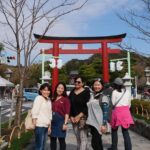
The day starts at Kamakura Station, at 1-chōme-1-15 Onarimachi. This is a useful meeting point because the station is central to the town’s main sightseeing routes.
You should arrive ready for a full day on your feet. Wear shoes that are comfortable for pavement and temple grounds, and keep your belongings easy to carry. The tour includes public transport, but private transportation is not part of the experience.
The pace is not described as strenuous, yet the physical fitness requirement is moderate. You will walk between areas, enter large religious compounds, browse shops, and possibly spend extra time taking photographs. Hot weather can make the day harder, which is why bottled water is supplied during hot summer conditions.
Meeting the Great Buddha at Kotoku-in
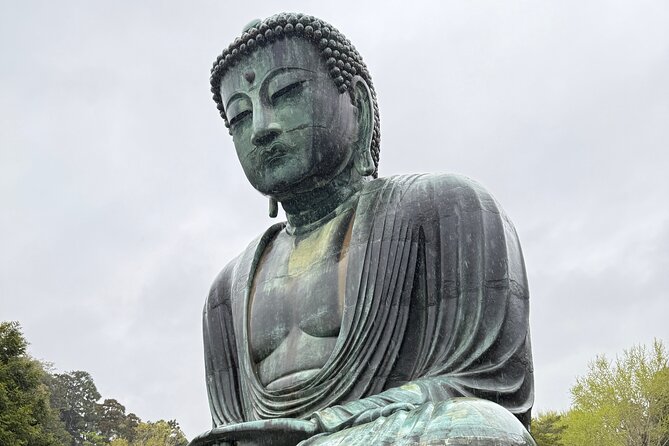
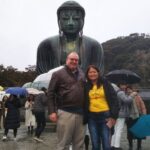
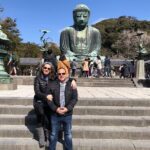
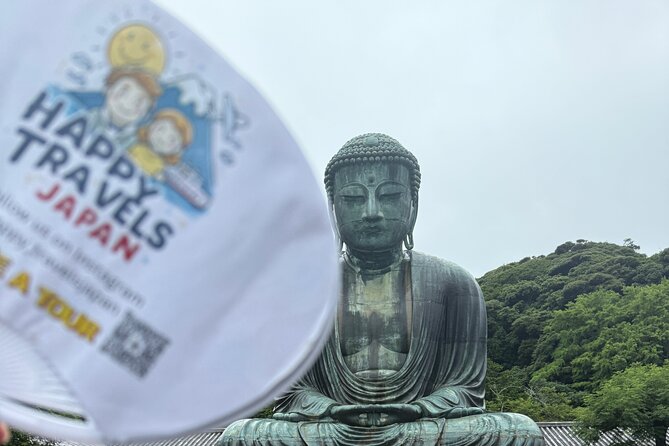
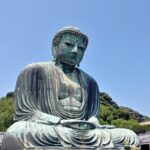
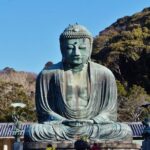
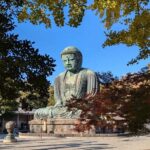
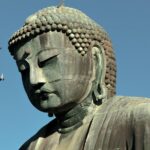
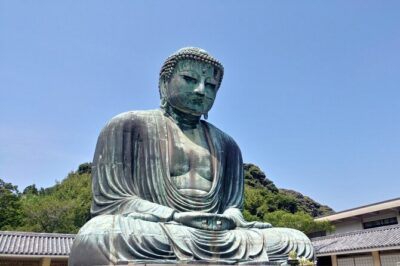
The first major stop is Kotoku-in, home of the Great Buddha of Kamakura. You have about 45 minutes here, with admission included.
The bronze statue is the visual anchor of the day. It gives you an immediate sense of Kamakura’s importance as an old religious center, without requiring a long introduction before you see something memorable. Your guide can explain the statue and its setting, then help you use the remaining time for photos and a quick look around.
The stop also includes a chance to buy local snacks, drinks, and Great Buddha souvenirs. That makes it more than a brief monument visit, though 45 minutes is still a fairly focused window. If you want a slow look at every corner of the grounds or a long shopping stop, you may need to keep moving.
The included entrance fee is useful here. Small admission charges can add up during a day of temple visits, and knowing this stop is already covered makes the $70 price easier to judge.
Hase-dera and the Kannon tradition
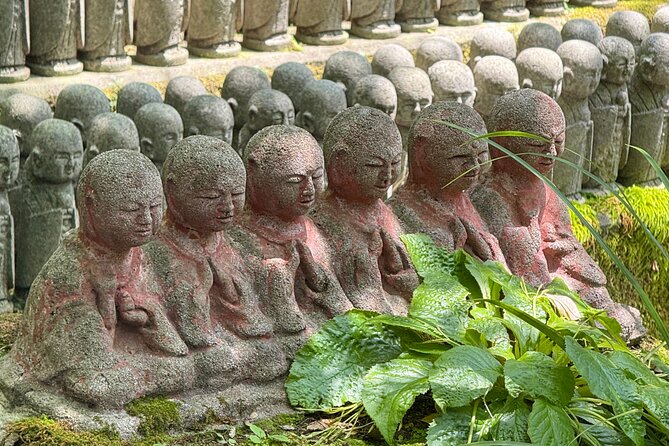
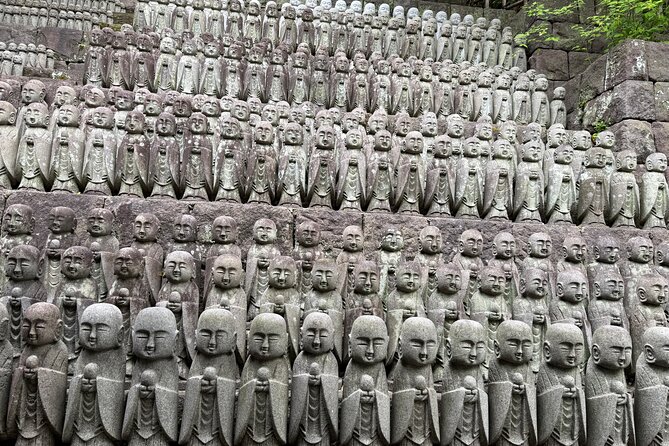
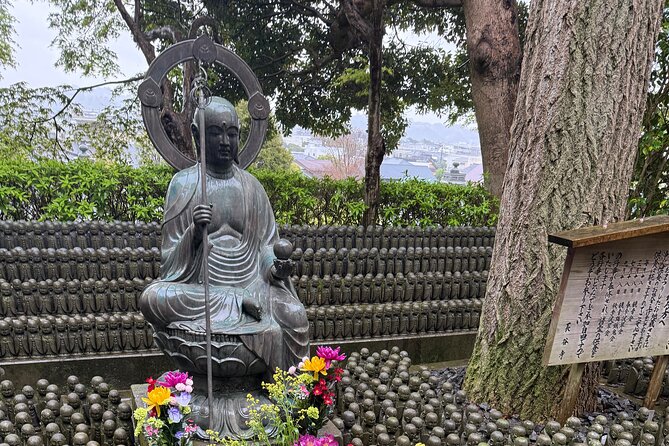
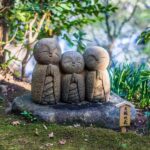
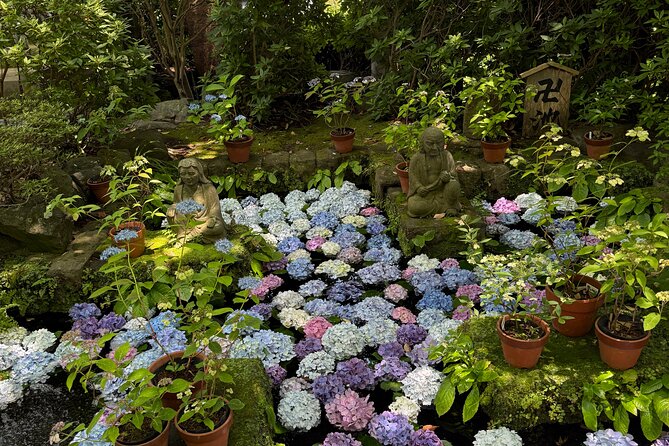
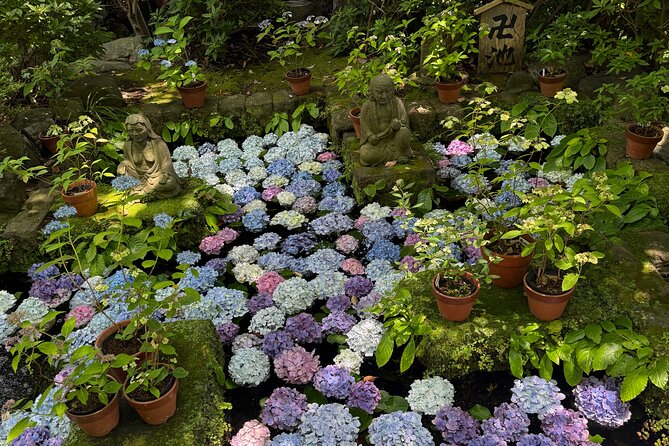
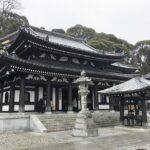
Next comes Hase-dera, another 45-minute visit with admission included. The temple is known for its connection to Kannon, the Buddhist figure associated with compassion, and for its Jizo statues.
This is the point where a local guide can add real value. Religious figures and customs can be hard to understand if you only glance at them while passing through. Your guide can explain the role of Kannon and Jizo, helping you see the site as more than a collection of statues and gardens.
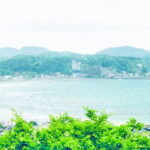
The temple is also known for its garden setting and bay views, giving the day some variety after the imposing bronze Buddha. You move from a single famous statue to a broader temple visit with religious details, greenery, and views.
Again, the 45-minute limit keeps things moving. I like that the tour does not spend the whole day at one location, but you should not expect a leisurely temple retreat. If gardens are your main interest, tell the guide early so you can use your time well.
Eating and shopping along Komachi Street
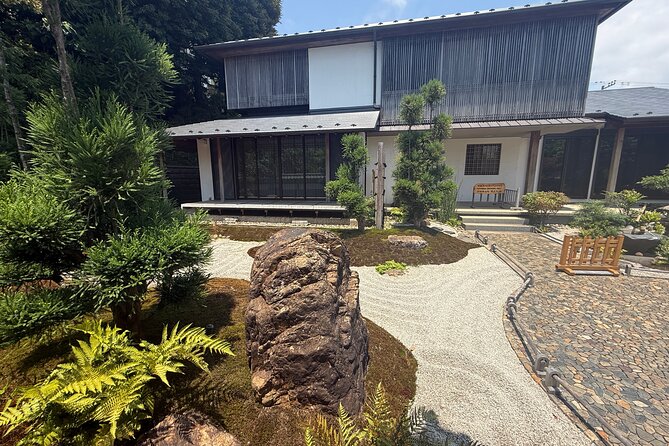
The longest scheduled stop is at Kamakura Goro Kamakura Komachi Street Honten, with about 90 minutes for walking, eating, drinking, and shopping. Admission is free, and this is where you get a taste of Kamakura’s everyday commercial side.
Komachi Street is one of the town’s busiest shopping areas. You can try local foods and drinks, browse handmade goods, and look for souvenirs made in Kamakura. It is a useful break from temples because you can choose how to spend the time rather than follow a fixed sightseeing script.
Lunch is not included, but the guide can take you to a local restaurant. You pay for your meal, and the guide may join if invited. This arrangement gives you control over price and menu, though you should budget separately for lunch.
Ninety minutes is enough for a meal and some browsing, but not for a slow survey of every shop. If you have dietary needs, a strict budget, or a strong interest in local snacks, discuss your preferences with the guide. The tour description promises recommendations, not a prepaid meal or a guaranteed restaurant choice.
I especially like this stop because it keeps the tour from becoming a string of formal religious sites. Kamakura is also a place to eat, browse, and notice how a historic town works today.
Other guided tours in Kamakura
Tsurugaoka Hachimangu, Kamakura’s spiritual center
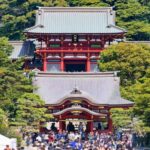
The tour then visits Tsurugaoka Hachimangu Shrine for about 45 minutes. Admission is free.
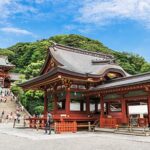
This is one of Kamakura’s oldest and most important shrines, and it gives the day a clear Shinto counterpart to the Buddhist temples earlier on. The guide explains its cultural role and significance while you take in the shrine grounds.
The stop is also practical in terms of pacing. After lunch and shopping, you return to a major cultural site without needing another admission ticket. The shrine’s importance makes it more than a quick photograph, but the planned time remains compact.
You should expect to walk through a substantial shrine area rather than sit through a formal ceremony. As at the other sites, respectful behavior matters. Your guide can help you understand what you are seeing and how to act appropriately, which is one of the better reasons to choose a private outing.
Adding a kimono or yukata rental
The optional final activity is a kimono or yukata rental at Kamakura Imakoji. It takes about an hour, and the price is not included.
This can make sense if you want a more dressed-up photo session or a special memory of Kamakura. It also gives the day a personal, playful finish after the temples and shrine. You can choose to include it as part of the plan, and your guide will drop you off.
The extra cost is the key point. At $70, the tour itself is reasonably priced for a private eight-hour experience with temple and shrine admissions included, but the total rises once you add clothing rental and lunch.
I would reserve the kimono option for people who genuinely want the photographs and the experience of wearing traditional clothing. If your priority is seeing as much of Kamakura as possible, the one-hour rental may feel like time taken away from another temple or a slower meal.
What the $70 price really covers
At $70 per person, this tour offers a good package for a private day, especially if your group is large enough to benefit from the group format. The price includes the guide fee, bottled water during hot summer days, and entrance fees to the temples and shrines.
It does not include lunch, kimono rental, or private transportation. Those exclusions are reasonable, but you should include them in your day’s budget. The public transport approach also means you are paying for guidance and organization, not a chauffeured vehicle.
The strongest value comes from the time saved. You do not need to build a route between Kotoku-in, Hase-dera, Komachi Street, and Tsurugaoka Hachimangu yourself. You also get explanations at each site, rather than simply being dropped off at the entrance.
For a solo visitor, $70 may be more than a self-guided day using local trains and free maps. For a couple, family, or group of friends, the private attention becomes easier to justify. Group discounts are offered, although the exact savings are not specified.
The experience has a perfect five-star rating from 12 submitted ratings, with 100 percent recommending it. The clearest praise focuses on Jack’s knowledge of Kamakura, culture, and history, along with his strong English and easy communication. That is useful evidence about the guiding style, but you should remember that guide availability is not guaranteed.
Who will get the most from this day
I would choose this tour if you want to see Kamakura’s major sights without planning every train connection. It suits first-time visitors, families who want a private pace, and anyone who values explanation over simply taking photographs.
It is also a good fit for English-speaking visitors who want detailed cultural context. If Jack is available, his background and English skills may make the day especially comfortable for conversation.
You may prefer a self-guided visit if you want to spend hours at one temple, shop slowly, or set your own timetable. You may also want another option if a private vehicle is important to you, since this outing uses walking and public transport.
The day requires moderate fitness. Anyone who struggles with extended walking, changing transport, or a long day outdoors should think carefully before booking. Service animals are allowed, and the tour operates near public transportation.
Booking, weather, and cancellation details
The experience is often booked well ahead, with an average booking time of about 69 days before the date. That suggests you should reserve early if your Kamakura day is fixed, particularly during popular travel periods.
You can cancel for a full refund up to 24 hours before the start time. Cancellations or changes made inside 24 hours are not refunded or accepted. The tour also requires good weather and a minimum number of participants. If poor weather or low numbers cause cancellation, you are offered another date or experience, or a full refund.
The activity returns to the original meeting point at Kamakura Station. Confirmation arrives at booking, and the experience is private for your group only.
Should you book this Kamakura tour?
Book it if you want an efficient, personal introduction to Kamakura, with the Great Buddha, Hase-dera, Komachi Street, and Tsurugaoka Hachimangu covered in one day. The included admissions, local guidance, and public transport planning make $70 a fair price, especially for couples, families, and small groups.
Add the kimono rental only if that experience matters to you, and plan separately for lunch. If you want a private car, a very slow temple visit, or complete freedom to change the route, choose a different style of day.
For most first-time visitors who want Kamakura’s major sights explained in clear English, this is a practical choice. The guide’s personal knowledge is the main reason to book, while the walking and extra costs are the main points to weigh.
FAQ
How long does the Kamakura tour last?
The experience lasts approximately eight hours and ends back at the meeting point at Kamakura Station.
Where does the tour begin?
It begins at Kamakura Station, at 1-chōme-1-15 Onarimachi, Kamakura, Kanagawa 248-0012, Japan.
Is private transportation included?
No. This is not a vehicle-based tour. You will use walking routes and public transportation, with the guide handling the logistics.
Are temple and shrine entrance fees included?
Yes. Entrance fees for the included temples and shrines are covered in the tour price.
Is lunch included?
No. The guide can recommend or take you to a local restaurant, but you pay for lunch yourself. The guide may join if invited.
Is kimono rental included?
No. Kimono or yukata rental at Kamakura Imakoji is optional and costs extra. The rental activity takes about one hour.
More Full-Day in Kamakura
More Guided Tours in Kamakura
More Kamakura & Enoshima Day Trips in Kamakura
More tours in Kamakura we've reviewed
Kamakura & Enoshima Day Trips, compared.
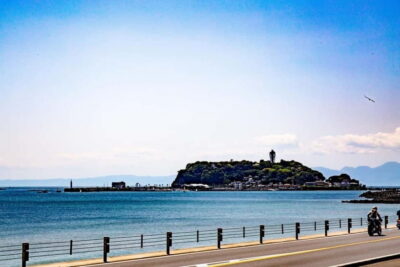 ★ 4.5Tokyo: Kamakura & Enoshima Day Trip including Temple TicketsFrom $589 hours - 570 minutes
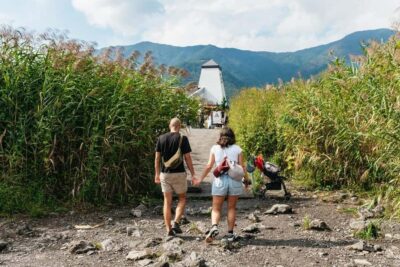 ★ 4.5Tokyo: Mt. Fuji, Kamakura, Big Buddha, & Lake Ashi Day TripFrom $4910 - 11 hours
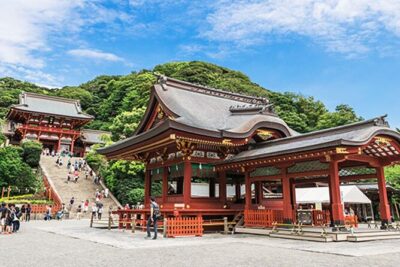 ★ 4.5From Tokyo: Kamakura & Enoshima 1-Day Bus TourFrom $66
 ★ 5.0Kamakura Historical Walking Tour with the Great BuddhaFrom $98
 ★ 5.0Kamakura Private Tour: Temples, Nature, and the Great BuddhaFrom $98
 ★ 5.0Kamakura Walking Tour – The City of ShogunFrom $35