
Reviewed · KAMAKURA & ENOSHIMA DAY TRIPS
Kamakura Private Tour by Public Transportation
Kamakura is one of the best day trips from Tokyo for seeing old Japan without giving up the ease of city transport. This private outing takes you by commuter train and public bus to temples, shrines, the Great Buddha, and a bamboo garden, with a guide handling the route.
I like the private format because you can adjust the day to suit your interests. I also like the local feel of riding public transport instead of sitting in a tour coach. The tradeoff is that admission fees, meals, and fares are extra, and the day is strongly focused on temples and shrines rather than Kamakura’s resort side.
In This Review
- Key points to know before booking
- Why Kamakura makes a strong day trip from Tokyo
- Meeting your guide and getting around by train and bus
- Hasedera Temple and Kamakura’s garden setting
- Kotoku-in and the Great Buddha of Kamakura
- Hokoku-ji, the bamboo temple
- Tsurugaoka Hachimangu and the center of Kamakura
- Komachidori for food and local shopping
- How much walking and waiting should you expect?
- The private guide advantage
- What the $156.09 price really covers
- Who should choose this Kamakura day?
- Booking details and cancellation terms
- Should you book it?
- FAQ
- How long does the Kamakura private tour last?
- Is hotel pickup included?
- Is this a private tour?
- Is the guide English-speaking?
- Which places are visited?
- Are admission tickets included?
- Are food and transportation included?
- Can the itinerary be changed?
- What is the cancellation policy?
Key points to know before booking
- A private nine-hour day: Your group travels with an English-speaking guide and can tailor the sightseeing.
- Public transport is part of the experience: Expect a mix of trains, buses, and walking, not a private vehicle.
- Five well-chosen stops: The route includes Hasedera, Kotoku-in, Hokoku-ji, Tsurugaoka Hachimangu, and Komachi Street.
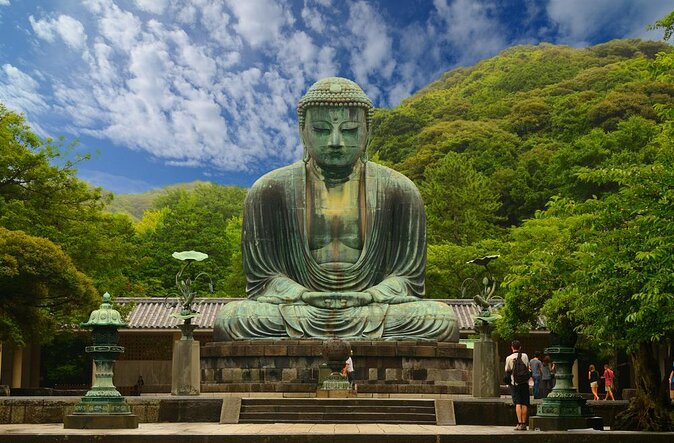
- The Great Buddha is the headline sight: The outdoor bronze Amida Buddha rises about 13.35 meters at Kotoku-in.
- Bring coins and comfortable shoes: Fares, temple admission, and some site expenses are paid separately.
- Best for history and culture: Choose this tour if temples, shrines, and local transport appeal more than beaches and seaside time.
Why Kamakura makes a strong day trip from Tokyo
Kamakura offers a sharp change of pace from Tokyo. It was once the center of Japan’s military government, and its temples and shrines give the town a very different mood from the capital’s glass towers and crowded rail hubs.
You do not need to arrange a car, decipher every transfer, or guess which stop comes next. The guide meets you in your hotel lobby, escorts you on public transportation, and helps you make sense of Kamakura as you go.
That matters because this is not a drive-by sightseeing day. You will walk through temple grounds, climb or follow paths, pause at shrines, and move between several parts of town. A guide can keep the day moving while also explaining the Kamakura period, Buddhist sites, and Shinto traditions.
The public transport setup also keeps the cost lower than a private car tour. The listed price is $156.09 per person, but you need to add transport, admission, food, and drinks. The value depends on your group size and how much you would pay for convenience and personal attention.
For a solo visitor or a small group that wants help navigating, the price can make sense. For a larger group, the private format may offer better value, especially since group discounts are available. Still, calculate the extras before booking. The headline price is not the full cost of the day.
A few more Kamakura tours and experiences worth a look
Meeting your guide and getting around by train and bus
The day begins with a meeting in your hotel lobby. From there, your English-speaking guide leads the way on public transport. The experience includes hotel transfers in the sense that the guide meets you at the hotel and escorts you through the day, but transportation costs to and from Kamakura are paid by you.
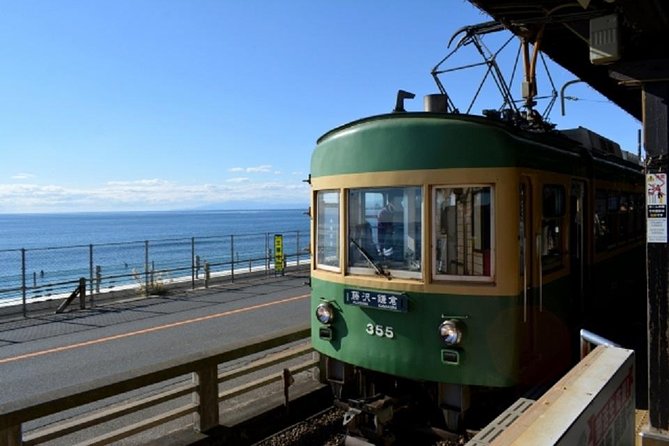
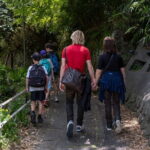
Expect a mix of walking, an old-fashioned commuter train, and public buses. One practical tip is to carry plenty of coins. You will need money for bus fares and temple or shrine admission, and small change makes the day easier.
Public transport is not just a way to reach the sights. It gives you a glimpse of ordinary movement around the Tokyo area and Kamakura. You also avoid the fixed route of a large coach group. Since this is a private activity, only your group participates, so the guide can adjust the pace and explain things at a level that suits you.
The day lasts about nine hours. That is enough time to cover the main sights, but it is still a full day with plenty of walking. Wear shoes that can handle temple grounds and town streets. The schedule may feel active, especially if you want to spend a full hour at each major stop.
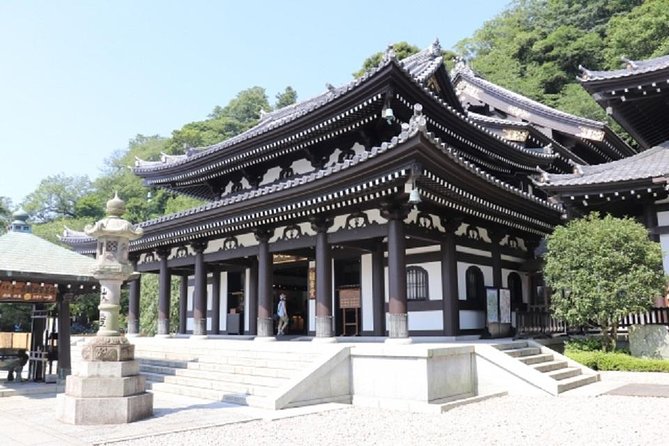
Hasedera Temple and Kamakura’s garden setting
Hasedera is the first listed stop, with about an hour set aside. It is one of Kamakura’s best-known temples, along with Tsurugaoka Hachimangu and Kenchoji.
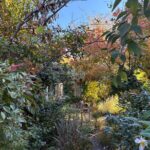
The temple is known as a temple of flowers. Seasonal flowers change the feel of the grounds throughout the year, so the visit can look different depending on when you go. The combination of religious buildings, planted grounds, and changing flowers gives you more than a quick photo stop.
This is a good place to begin because it introduces the quieter side of Kamakura. Your guide can explain the Buddhist setting and point out details you might pass without noticing on your own.
Admission is not included. Since prices can change, check the current amount when planning your extra expenses. An hour gives you enough time for a focused visit, but you may want more time if you enjoy gardens, photography, or stopping often for explanations.
Kotoku-in and the Great Buddha of Kamakura
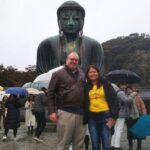
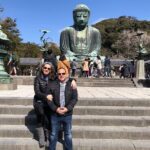
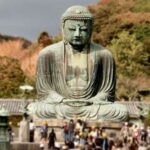
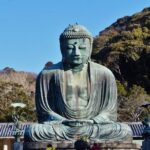
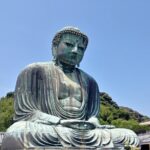
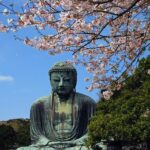
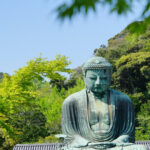
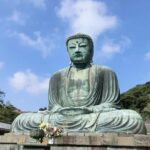
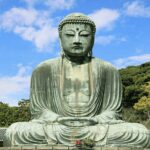
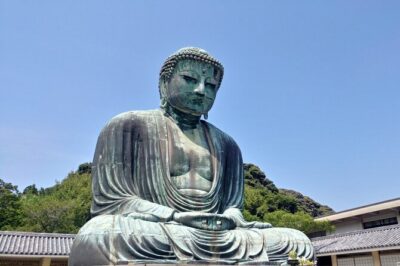
Kotoku-in is the tour’s most famous sight. On its grounds sits the Great Buddha of Kamakura, an outdoor bronze statue of Amida Buddha about 13.35 meters tall.
The statue’s open-air setting is part of its appeal. You are not entering a conventional indoor hall to see a small figure in a dim room. The Buddha sits outside, with the surrounding temple grounds creating space around the statue and allowing you to take in its full scale.
The stop lasts about an hour, which should give you time to see the statue and hear about its place in Kamakura’s Buddhist tradition. The admission ticket is extra.
I would pay close attention here to the guide’s explanation. The statue is easy to photograph, but the story behind it gives the visit more weight. A guide also helps connect Kotoku-in with the other temples on the route, so the day feels like a story about Kamakura rather than a string of unrelated stops.
If you are mainly interested in coastal views, cafés, or the seaside atmosphere, the Great Buddha will not cover that side of town. This itinerary puts cultural sights first.
Hokoku-ji, the bamboo temple
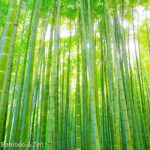
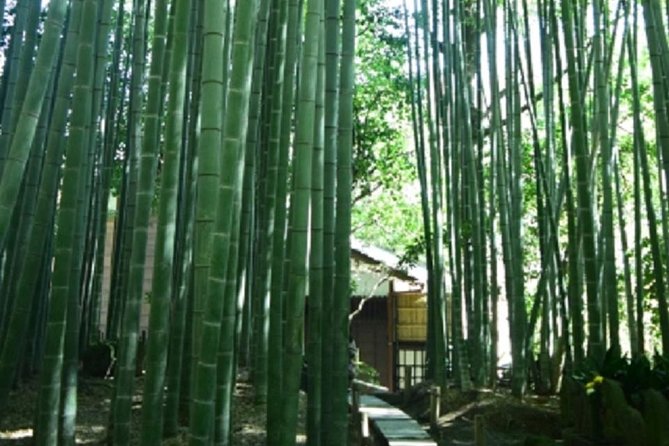
Hokoku-ji is a smaller-scale stop with a very different mood. It is known as the Bamboo Temple because of the large bamboo garden within the temple grounds.
The grove is described as cool and mysterious, and that change in atmosphere is useful after the larger temple sites. Tall bamboo creates a more enclosed setting, giving you a quiet break in the middle of a busy sightseeing day.
You have about an hour here, and admission is not included. The visit may appeal most to you if you enjoy gardens, calm paths, and unusual settings. The bamboo garden is also a strong reason to keep this stop on a customized itinerary.
Because the tour is private, you can discuss how much time your group wants to spend here. The available information does not promise a specific tea service or any extra activity, so book it for the bamboo garden and temple atmosphere rather than for add-ons.
Other private tours in Kamakura
Tsurugaoka Hachimangu and the center of Kamakura
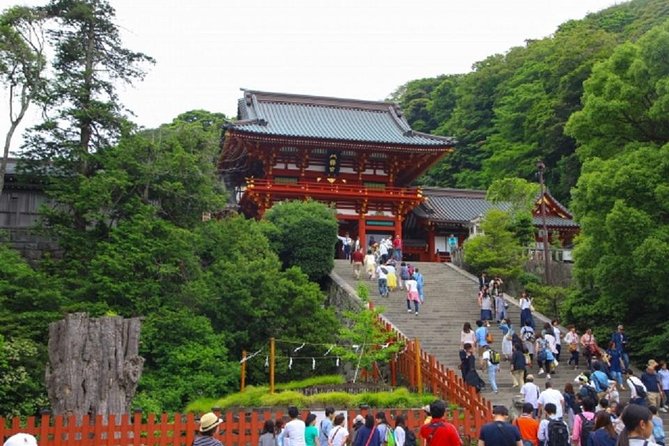
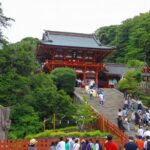
Tsurugaoka Hachimangu sits in the middle of Kamakura’s city center. It has long been revered as the home of gods of war, making it an important Shinto site and a useful contrast to the Buddhist temples earlier in the day.
The visit gives you a chance to see both major religious traditions in Japan during one outing. Hasedera, Kotoku-in, and Hokoku-ji represent Buddhist settings, while Tsurugaoka Hachimangu brings Shinto practice into the day.
About an hour is planned here, and admission is not included. The shrine’s central location also helps you understand Kamakura as a living town, not only a collection of historic buildings. You are close to streets, shops, and daily city life.
The shrine-focused nature of the tour is worth considering. If you want a broad introduction to Kamakura’s religious history, this is a strength. If you hoped to spend time on the beach or see more of the resort side, you may find the route too narrow unless you request changes in advance.
Komachidori for food and local shopping
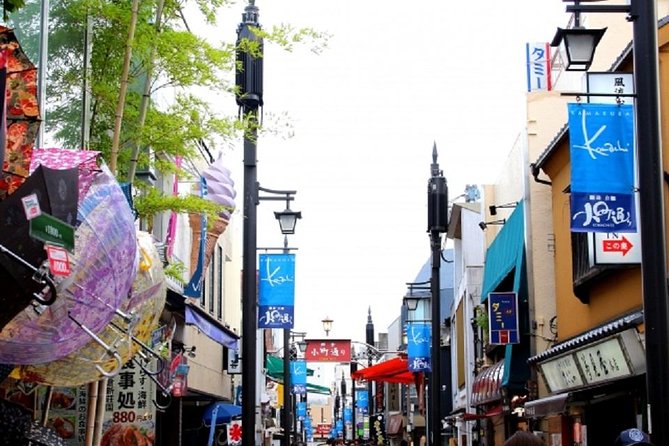
The final stop is Komachidori, a shopping street near the center of Kamakura. You get about 30 minutes to stroll among food spots and distinctive shops.
This is the least formal part of the day. After several temples and a shrine, Komachidori gives you a chance to browse, pick up something to eat, and see the town’s commercial side.
Food is not included, so plan to pay for anything you buy. Thirty minutes is enough for a quick walk and snack, but not for a long meal or careful shopping. If food is important to you, ask about adjusting the schedule as part of the private format.
Komachidori also helps balance the itinerary. You are not spending nine hours only inside religious sites. Still, the limited time means this is more of a short town stroll than a full food tour.
How much walking and waiting should you expect?
This is a public transportation tour, so you should expect more movement than on a private car excursion. You will walk between stations, buses, temple grounds, and city streets, then spend time waiting for or riding public transport.
That can be part of the charm. You see how people move around the region and get a local-style day rather than a sealed-off sightseeing experience. The guide takes care of the route, which reduces the stress of transfers.
The tradeoff is less control over timing. Traffic, train schedules, bus schedules, and the pace of your group all affect the day. The tour is approximately nine hours, not a guarantee that every stop will receive exactly the planned amount of time.
Bring water, comfortable shoes, and coins. Admission fees and transportation are paid separately, so keep some budget available beyond the tour price. Most people can participate, but the information does not promise a completely step-free route or private vehicle access.
The private guide advantage
The strongest reason to book this experience is the guide. Kamakura has enough temples and shrines that going alone can become a checklist. A good guide gives each place a purpose and helps you compare Buddhist and Shinto traditions.
The private setup also lets you ask questions freely. You are not trying to hear an explanation over a large crowd or waiting for a group member who has wandered off. If your group cares especially about the Kamakura period, the guide can give that subject more attention.
Yumiko Sano, also called Yumi, is associated with this experience. Her approach is described as prompt, kind, respectful, and well informed about Japan and the Kamakura period. Her ease with public transport is also a practical asset, especially for a first visit.
Of course, a named guide is not necessarily guaranteed for every departure. The included service is an English-speaking guide, so confirm any guide request before booking if a particular person matters to you.
What the $156.09 price really covers
At $156.09 per person, this is not an all-inclusive day trip. The price covers the private tour service, hotel-lobby meeting, and English-speaking guide. You pay separately for transportation, admission tickets, food, and drinks.
That structure can be a good deal for people who want personal guidance but do not need a private car. Public transport keeps the basic price from rising as high as a chauffeur-driven tour, and the private format gives you more flexibility than a standard group outing.
The cost is easier to justify if you value history, route planning, and a relaxed explanation of what you are seeing. It is less appealing if you are comfortable using trains and buses, prefer to set your own pace, or plan to visit only the Great Buddha and one nearby temple.
Group discounts may improve the value for larger parties. Since the tour is private, compare the total price for your group rather than looking only at the per-person figure.
Who should choose this Kamakura day?
I would choose this tour if you want a first introduction to Kamakura and prefer a guide to handle the transport. It suits people who enjoy temples, shrines, gardens, and cultural explanations more than independent wandering.
It is also a good fit for families or mixed-age groups that want the day adjusted around their interests. The guide can help you cover several major sights without making you plan every connection yourself.
You may want another plan if your main goal is Kamakura’s beach and resort atmosphere. One direct comment about the experience points out that the itinerary felt too shrine oriented for someone expecting more of the seaside town. That is not a flaw in the route, but it is an important match-your-interests issue.
The tour can also feel expensive if you are a confident independent visitor. You must still pay for transport and admission, so the main purchase is the guide’s time, local navigation, and private attention.
Booking details and cancellation terms
Pickup is offered, and the meeting point is your hotel lobby. Mobile tickets are available, and confirmation is normally sent at booking. If you book within two days of the tour, confirmation can take up to 48 hours and depends on availability.
Free cancellation is available when you cancel at least 24 hours before the local start time. Cancellations or changes made less than 24 hours before the start are not accepted for a refund.
The experience is operated by Fulfilling Inc. Since the tour is commonly booked well in advance, with an average booking lead time of about 180 days, early planning is sensible if your dates are fixed.
Should you book it?
Book this private Kamakura tour if you want a full cultural day with an English-speaking guide, public transport, and the freedom to shape the route. The combination of Hasedera, the Great Buddha, Hokoku-ji, Tsurugaoka Hachimangu, and Komachidori gives you a solid first look at the town.
Skip it if beaches, seaside cafés, or independent exploring are your priority. Also think twice if you dislike walking, local buses, or paying extra for admissions and fares.
For the right group, the value is in the guidance. You get help with transport, context at the sights, and a private day that can be adjusted instead of a rigid coach schedule. Just budget for the extras, bring coins, and tell the guide early if you want less shrine time or more room for food and shopping.
FAQ
How long does the Kamakura private tour last?
The tour lasts approximately nine hours.
Is hotel pickup included?
The guide meets you in your hotel lobby. Transportation costs to and from Kamakura are not included.
Is this a private tour?
Yes. Only your group participates in the activity.
Is the guide English-speaking?
Yes. An English-speaking guide is included.
Which places are visited?
The route includes Hasedera Temple, Kotoku-in and the Great Buddha of Kamakura, Hokoku-ji, Tsurugaoka Hachimangu Shrine, and Kamakura Komachidori.
Are admission tickets included?
No. Admission fees are paid separately by you.
Are food and transportation included?
No. Food, drinks, and public transportation costs are paid separately.
Can the itinerary be changed?
The tour can be customized to suit your needs. Any changes should be discussed with the guide, since the listed stops and timing may need to be adjusted.
What is the cancellation policy?
You can cancel for a full refund up to 24 hours before the local start time. Cancellations or changes made less than 24 hours before the start are not accepted.
More Private Tours in Kamakura
More Kamakura & Enoshima Day Trips in Kamakura
More tours in Kamakura we've reviewed

Kamakura & Enoshima Day Trips, compared.
 ★ 4.5Tokyo: Kamakura & Enoshima Day Trip including Temple TicketsFrom $589 hours - 570 minutes
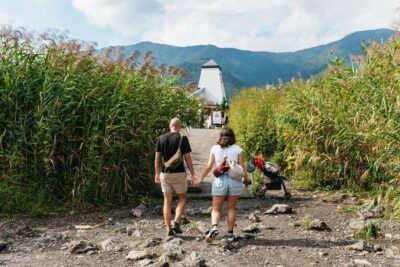 ★ 4.5Tokyo: Mt. Fuji, Kamakura, Big Buddha, & Lake Ashi Day TripFrom $4910 - 11 hours
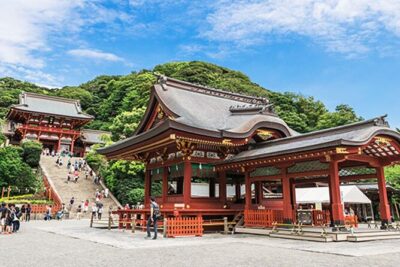 ★ 4.5From Tokyo: Kamakura & Enoshima 1-Day Bus TourFrom $66
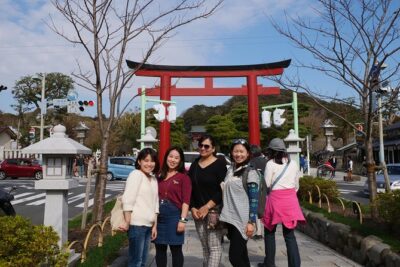 ★ 5.0Kamakura Historical Walking Tour with the Great BuddhaFrom $98
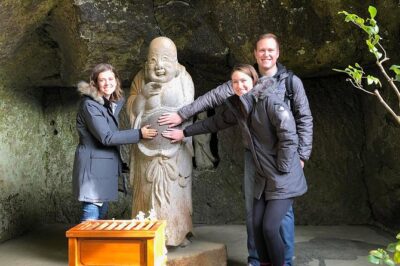 ★ 5.0Kamakura Private Tour: Temples, Nature, and the Great BuddhaFrom $98
 ★ 5.0Kamakura Walking Tour – The City of ShogunFrom $35