
Reviewed · KAMAKURA & ENOSHIMA DAY TRIPS
Kamakura Half Day Tour with a Local Expert Guide
Kamakura’s appeal is simple: within a short walk, you can move from a grand Shinto shrine to quiet Zen temple grounds, leafy parks, and one of Japan’s best-known Buddha statues. This four-hour private tour gives you a local guide to explain what you are seeing and shape the route around your interests.
I like the flexible format, especially the chance to leave the busiest sights behind for a smaller Zen temple. I also like the practical help with trains, restaurants, and timing. The main catch is price: at $87 per person, you still pay for transport, food, and temple or park admission, and some of the route can be done independently for much less.
In This Review
- Key Points
- Why Kamakura Works So Well in Four Hours
- Meeting Your Guide in Tokyo or Kamakura
- Tsurugaoka Hachimangu and Kamakura’s Sacred Center
- Zen Temples, Gardens, and a Quieter Side of Town
- The Great Buddha and the Limits of the Route
- What Local Guides Add, and Where They May Fall Short
- Is $87 a Fair Price?
- Making the Four Hours Count
- Who Should Book This Kamakura Tour?
- FAQ
- Where does the tour begin?
- Where does the tour end?
- Is private car transportation included?
- Does the guide travel with me from Tokyo to Kamakura?
- How long is the tour?
- What sights can I see?
- Are admission fees included?
- Are food and drinks included?
- What languages are available?
- Can I cancel the tour?
- Is the tour wheelchair accessible?
Key Points
- A private walking tour: You get a guide for your own group rather than joining a large coach party.
- Tsurugaoka Hachimangu Shrine: Kamakura’s major shrine gives you a strong introduction to the city’s religious and political past.
- Zen temples and gardens: Your guide can steer you toward quieter temple grounds instead of sticking only to the most famous stops.
- The Great Buddha: This well-known Kamakura sight is part of the experience, although admission is not included.
- Transport is separate: A Tokyo pickup means meeting your guide and using public transport together, not riding in a private car.
- Flexible language choices: Tours are offered in English, Japanese, or French.
Why Kamakura Works So Well in Four Hours
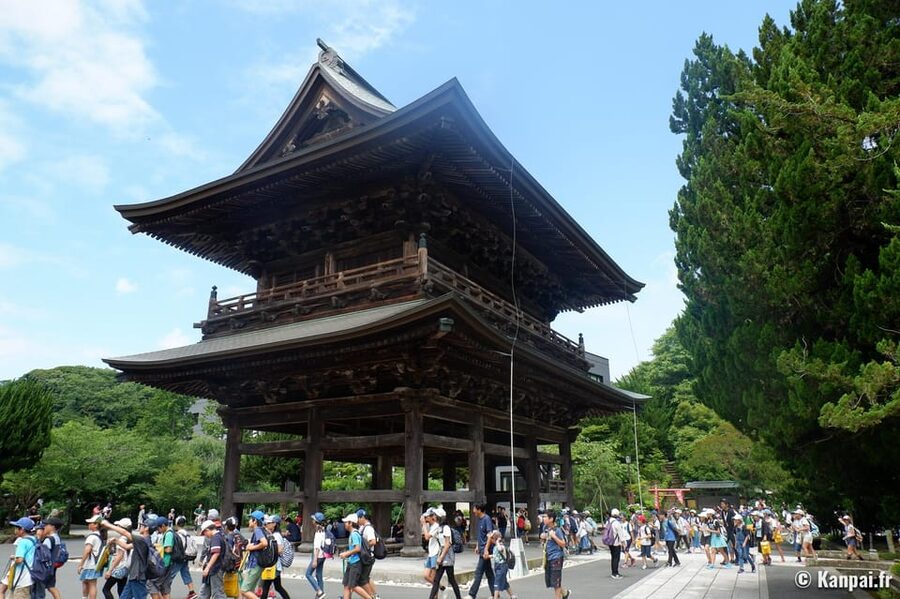
Kamakura is a good choice when you want a change from Tokyo’s scale and speed without committing to a full day away. The town combines religious sites, gardens, wooded paths, and ocean-side scenery in a fairly compact area.
The four-hour length is enough for a focused introduction. You can see major sights, hear the basic story of Kamakura, and get help choosing what to do next. It is not long enough for every major temple, so you should think of this as an orientation with depth at selected stops, not a complete survey of the city.
I would choose the tour early in a Japan trip if you want help understanding shrines and temples. A guide can explain the difference between Shinto and Buddhism, point out how to behave at a shrine, and give context that signs alone may not provide.
The private format also matters. You can ask to spend more time on gardens, architecture, Kamakura’s past, or food. French-speaking guides such as Raphaël have helped guests who wanted local advice as well as sightseeing, while guides including Flo have been praised for being friendly and helpful.
A few more Kamakura tours and experiences worth a look
Meeting Your Guide in Tokyo or Kamakura
You can arrange to meet in Tokyo or Kamakura, with pickup and drop-off options in both places. The important detail is that this is an on-foot tour, not a private vehicle service.
If you meet in Tokyo, your guide can help you use the train to Kamakura. That can be useful if Japanese rail travel feels confusing, especially on your first day in the country. But do not book this expecting a car ride. The guide meets you, points you to the right trains, and travels with you by public transport.
You are responsible for transportation costs for yourself and your guide. Food and drinks are also separate, as are admission fees for parks and temples. Ask for a clear meeting plan before setting out, since the location and route affect how much sightseeing time remains.
Meeting in Kamakura gives you more time at the sights and may offer better value if you already know how to reach the town. Meeting in Tokyo gives you more hand-holding with the journey, but less of your four hours may be spent at Kamakura’s temples and shrines.
Tsurugaoka Hachimangu and Kamakura’s Sacred Center
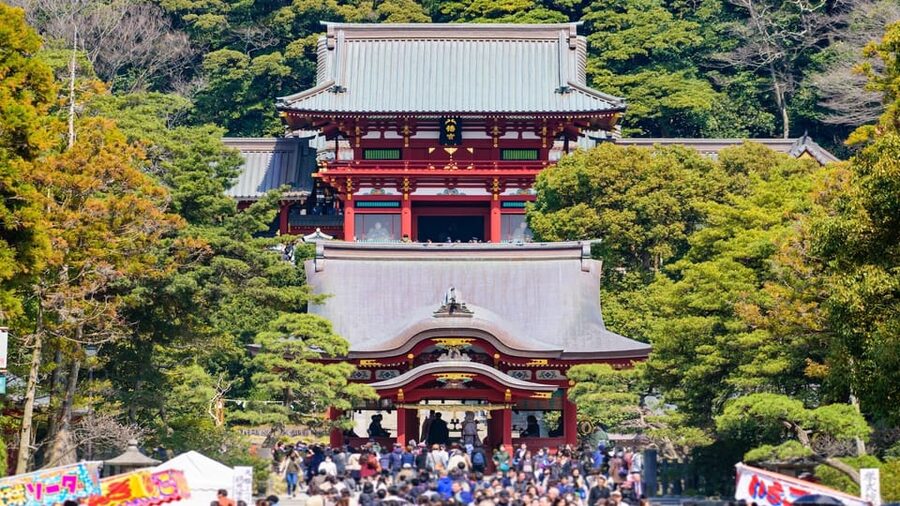
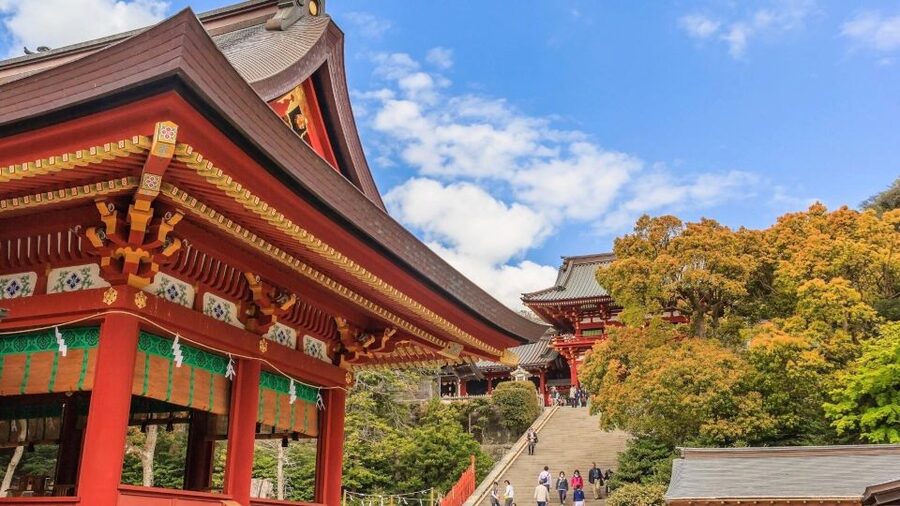
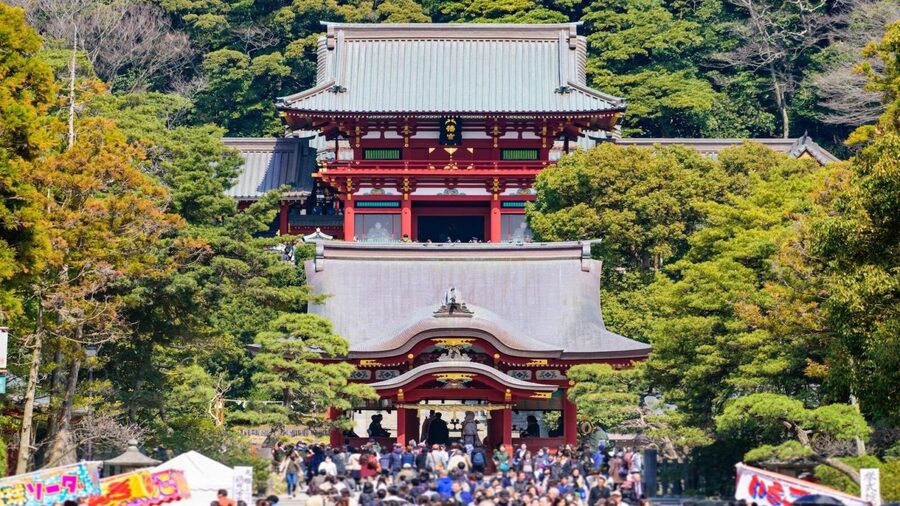
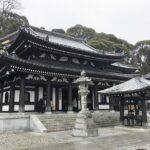
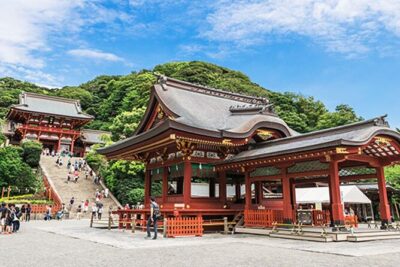
Tsurugaoka Hachimangu is the natural starting point for understanding Kamakura. It is a major Shinto shrine with broad approaches, formal gates, and a strong sense of ceremony.
The walk toward the shrine is part of the experience. You get scenic views along the way and a chance to see how the shrine connects to the town around it. Your guide can explain the customs that make a Shinto visit different from a casual walk through a park.
This is also where a local guide can add real value. A quick visit may give you attractive photos, but it may not tell you why the site matters or how it fits into Kamakura’s rise as a center of power. Ask questions about the shrine’s role, religious practices, and the symbols you see.
Admission costs are not included, so keep some extra money available. The tour price covers guiding, not entry tickets.
Zen Temples, Gardens, and a Quieter Side of Town
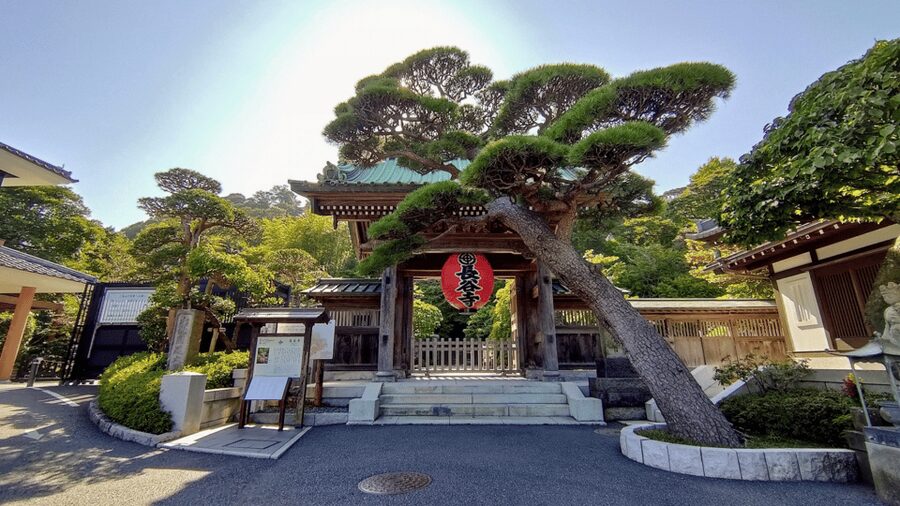
The tour also focuses on Zen temples surrounded by gardens. This is one of its strongest features, since Kamakura is more rewarding when you slow down and notice the details rather than race from one famous site to another.
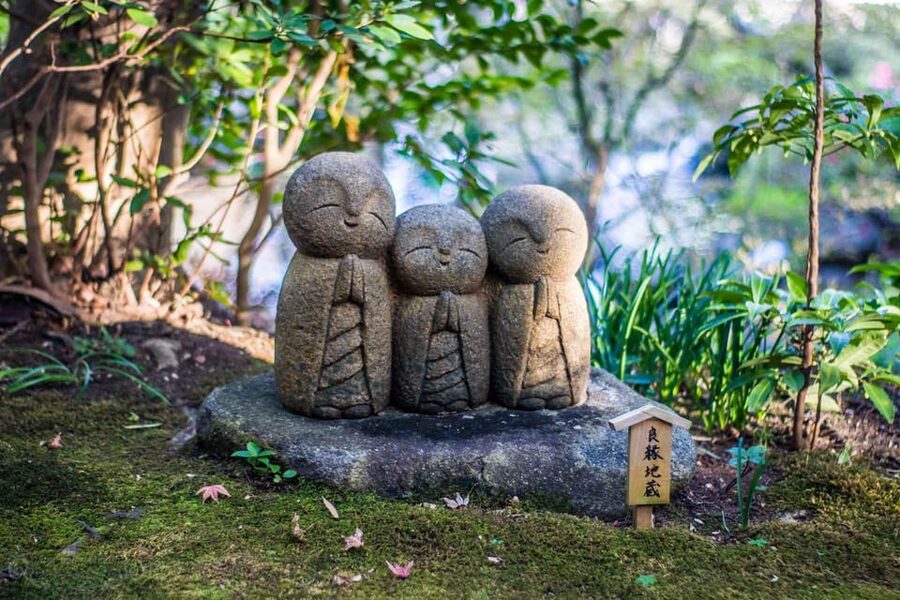
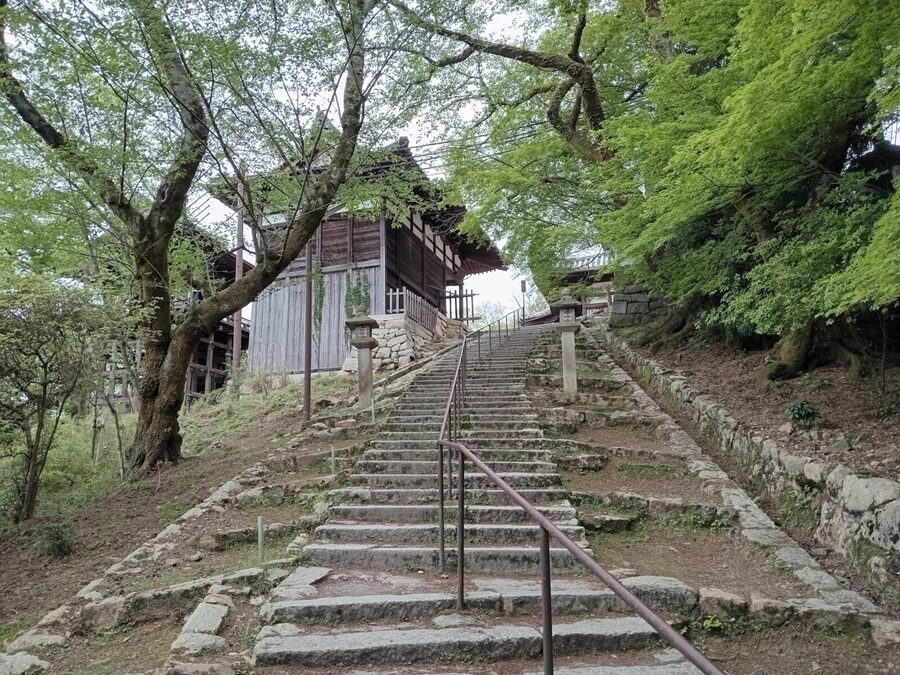
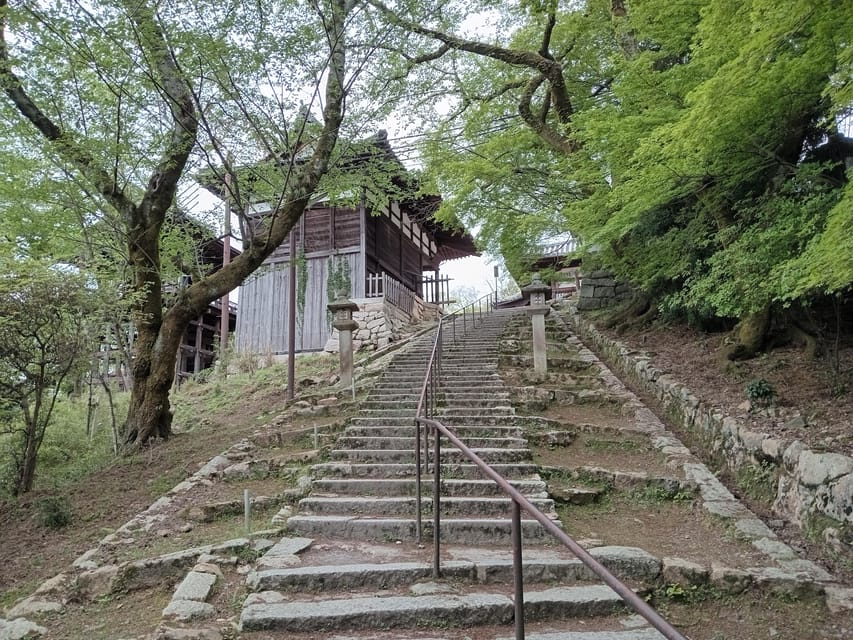
Temple grounds can offer a calmer break from the main roads. You might find mossy paths, carefully arranged gardens, wooden buildings, and shaded spaces that feel very different from Tokyo. The exact selection can be adjusted, so tell your guide if you prefer gardens and quiet places over a checklist of famous sights.
One of the most useful possibilities is a small Zen temple that is not among the usual top stops. A guide who lives in the area may know how to suggest a less obvious option based on your available time. That flexibility helped one guest see a wonderful small temple instead of following only the most common tourist route.
Do keep your expectations measured. The tour description does not promise a fixed list of every temple, and four hours passes quickly. If you want several temple admissions, detailed garden visits, and the Great Buddha all in one outing, you may need to move briskly.
The Great Buddha and the Limits of the Route
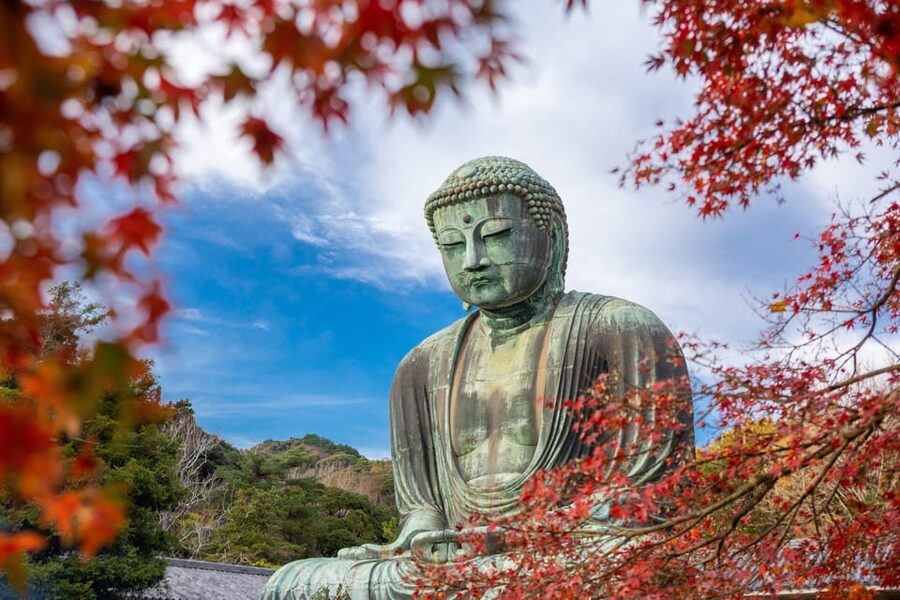
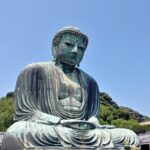
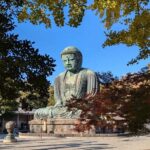
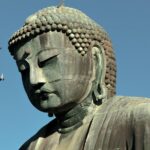
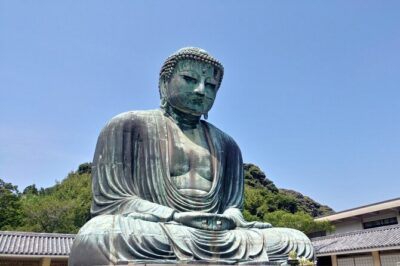
The Great Buddha is one of Kamakura’s signature sights and an obvious reason to book this outing. Seeing the large bronze figure in person gives the tour a memorable focal point, especially if you have limited time in the area.
The Buddha is not simply a photo stop. Your guide can help place it within the wider religious setting of Kamakura and explain how it differs from a shrine visit or a Zen temple. Still, the exact amount of time available depends on your starting point, train travel, walking pace, and the other places you choose.
Admission is not included. The same applies to other temple and park entries, so budget beyond the $87 tour price.
A practical point: the route is a walking tour. Even with a guide, you should expect time on foot between stops, along with public transport if you begin or end in Tokyo. The activity is listed as wheelchair accessible, but you should discuss your specific route and access needs before booking because the itinerary includes walking and historic religious sites.
Other guided tours in Kamakura
What Local Guides Add, and Where They May Fall Short
The strongest reason to book is the guide, not transportation. A good guide can adjust the outing to your interests, explain local customs, help you read the rhythm of a shrine or temple, and keep the day moving.
Raphaël has been noted for speaking French and adapting well to the time available. He also helped with restaurant suggestions after the tour, adjusting the advice to the group’s request. That kind of help is useful when you want more than a standard sightseeing loop.
Flo has been praised for being friendly and very helpful. At the same time, some location details may be a work in progress, so you should not assume every guide can answer highly specialized questions about every site. If you care about architecture, religious history, or specific dates, say so when booking and ask your guide early in the tour.
One guide used Google Maps to find the way around town. That is not necessarily a problem, but it shows that the experience depends on the individual guide. The best value comes when your guide brings interpretation, local judgment, and personal attention, not just directions between sites.
Is $87 a Fair Price?
At $87 per person, the tour can be fair value for a private experience, especially for a couple or small group that wants personal attention. You are paying for a guide who can adapt the route, help with public transport, explain the sites, and offer local suggestions.
The calculation changes if you are comfortable traveling alone. Kamakura’s major sights can be reached by train and explored independently, while the tour price does not include tickets, meals, or transport. One clear criticism of the experience was that the cost felt high when the outing covered only the temple and Buddha visits that could be reached without a guide.
I would book it for the human help and the flexible route, not as a way to save money. Families, first-time visitors to Japan, and people who want explanations in English, Japanese, or French may get more from it. Independent visitors who already know the train system and enjoy researching temples should probably compare the cost with a self-guided day.
The private group setup is helpful for couples, families, or friends with different interests. You can ask for more gardens, more history, or a restaurant recommendation instead of following a fixed group schedule.
Making the Four Hours Count
Tell your guide what matters most before the walk begins. You might choose:
- A shrine and the basics of Shinto practice
- Zen temples and garden design
- Kamakura’s political and religious past
- Scenic walking and parks
- The Great Buddha
- Restaurant advice after the tour
Do not try to force every possible sight into the schedule. Pick two or three priorities and let the guide build around them. This gives you time to stop, ask questions, and enjoy the setting instead of watching the clock.
Wear comfortable shoes and plan for walking. Since transport is separate, keep your train fare available and remember that you may also pay admission at several sites. If you meet in Tokyo, confirm how much of the four-hour period includes the journey to Kamakura.
The tour can also work as a first look at the town. Afterward, you may decide to return on your own to spend longer at a temple, garden, or park that caught your attention.
Who Should Book This Kamakura Tour?
I would recommend it to you if you want a private guide, prefer conversation to a fixed audio guide, or feel unsure about using Japanese trains. It is also a good fit if you want the route adjusted to your interests or would like help finding a smaller temple instead of visiting only the famous stops.
It suits visitors who value local advice. The restaurant help offered after one tour is a useful example of the practical extras a good guide can provide.
I would hesitate if your main goal is the lowest possible cost. You will pay $87 per person before transport, food, and admissions, and the major Kamakura sights are accessible without a private guide. I would also ask about the guide’s experience if you have specialized questions, since the depth of knowledge can vary.
The tour is rated 4.4 out of 5 from 23 ratings, with especially strong praise for guide humor, flexibility, friendliness, and practical help. The weaker points concern value, limited coverage, and occasional gaps in detailed site knowledge. That is a fair picture: this is a flexible guided introduction, not an all-inclusive Kamakura day.
FAQ
Where does the tour begin?
You can arrange pickup in Tokyo or Kamakura. The exact meeting location is chosen or agreed upon with the provider.
Where does the tour end?
Drop-off options are Tokyo or Kamakura.
Is private car transportation included?
No. The provider does not offer a private car service. The tour is on foot, and public transportation costs are separate.
Does the guide travel with me from Tokyo to Kamakura?
The tour can include meeting in Tokyo and traveling to Kamakura by public transport. The guide can help you find the trains, but you pay transportation costs for yourself and the guide.
How long is the tour?
The tour lasts four hours. Starting times depend on availability.
What sights can I see?
The experience focuses on Kamakura’s shrines, temples, parks, gardens, scenic views, and history. Tsurugaoka Hachimangu Shrine and the Great Buddha are among the key sights associated with the tour.
Are admission fees included?
No. Admission to parks and temples is not included in the tour price.
Are food and drinks included?
No. You pay for your own food and drinks, as well as the guide’s food and drinks if you eat together.
What languages are available?
Live guiding is available in English, Japanese, and French.
Can I cancel the tour?
You can cancel up to 24 hours before the tour for a full refund. You can also reserve now and pay later.
Is the tour wheelchair accessible?
The activity is listed as wheelchair accessible. Since it is a walking tour through historic sites, discuss your route and access needs with the provider before booking.
More Guided Tours in Kamakura
More Kamakura & Enoshima Day Trips in Kamakura
More tours in Kamakura we've reviewed


Kamakura & Enoshima Day Trips, compared.
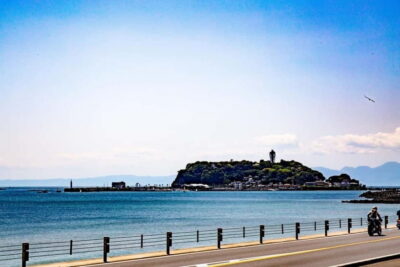 ★ 4.5Tokyo: Kamakura & Enoshima Day Trip including Temple TicketsFrom $589 hours - 570 minutes
 ★ 4.5Tokyo: Mt. Fuji, Kamakura, Big Buddha, & Lake Ashi Day TripFrom $4910 - 11 hours
 ★ 4.5From Tokyo: Kamakura & Enoshima 1-Day Bus TourFrom $66
 ★ 5.0Kamakura Historical Walking Tour with the Great BuddhaFrom $98
 ★ 5.0Kamakura Private Tour: Temples, Nature, and the Great BuddhaFrom $98
 ★ 5.0Kamakura Walking Tour – The City of ShogunFrom $35