
Reviewed · COOKING CLASSES
Mochi and Nerikiri Wagashi Combination Cooking Class
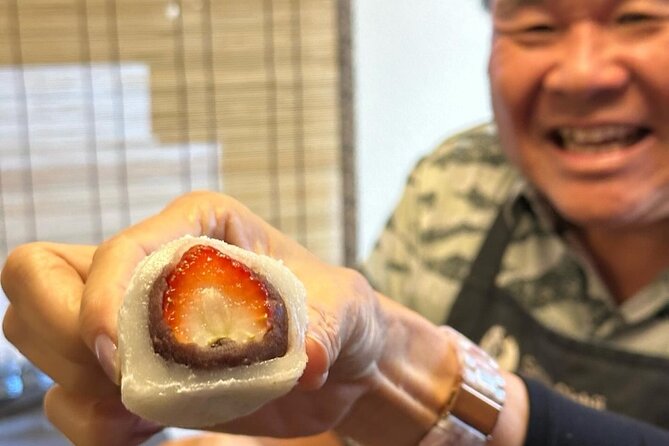
The best part of this class is the setting: you leave central Tokyo’s fast pace for a private home kitchen where Satoko can give your group her full attention. You make strawberry daifuku, dango, and two seasonal nerikiri designs, then prepare matcha to enjoy with your sweets.
I like the hands-on format, especially for beginners, and the fact that the recipes use plant-based ingredients that are easy to find outside Japan. I also like the personal touches: Satoko takes process photos, helps you arrange a pretty plate, and provides a special box if you want to save your creations.
The main consideration is that some dough and coloring are prepared before you arrive, so this is a shaping and sweets-making class rather than a full lesson in every stage of mochi production. The home also has two cats, kept in another room, so strong cat allergies may be a problem.
In This Review
- Key points at a glance
- A quiet Tokyo kitchen instead of a crowded sightseeing stop
- What you make: daifuku, dango, and nerikiri
- The prepared dough is a useful shortcut, with a tradeoff
- A personal lesson with Satoko
- Making matcha and tasting your finished sweets
- Why the history lesson adds value
- A vegetarian-friendly class you can repeat at home
- Price, timing, and what you receive for $85.66
- The cat question and other practical details
- Who should book this wagashi class?
- Should you book the Mochi and Nerikiri Wagashi class?
- FAQ
- Where does the mochi and nerikiri class take place?
- How long does the cooking class last?
- Is this a private activity?
- What sweets will I make?
- Do the nerikiri designs change?
- Is the class suitable for beginners?
- Is matcha included?
- Can I take the sweets away?
- Are cooking tools provided?
- Is the class suitable for vegetarians?
- Are there cats in the home?
- Is transportation included?
- How much does the experience cost?
- Can I cancel for a refund?
Key points at a glance
- Private lesson with Satoko: Only your group takes part, giving you personal instruction in a quiet home setting.
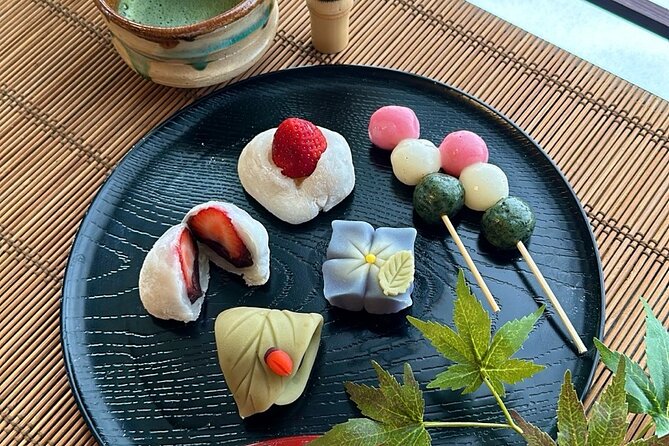
- Four Japanese sweets to shape: Make strawberry daifuku, seasonal fruit daifuku when needed, dango, and two kinds of nerikiri.
- Seasonal Japanese design: Nerikiri motifs change through the year, so the shapes reflect the season of your visit.
- Matcha is part of the lesson: Prepare a bowl of green tea with Satoko’s guidance and pair it with your finished sweets.
- Takeaway box included: Eat your creations at the end or carry them with you in a supplied box.
- Useful for vegetarians: The recipes use plant-based ingredients and are simple enough to repeat at home.
A quiet Tokyo kitchen instead of a crowded sightseeing stop
This experience takes place at 20-15 Kitaminemachi in Ota City, Tokyo, about 15 minutes from the city according to the activity details. The meeting point is also the end point, and the area is near public transportation. You arrange your own way there because private transportation is not included.
That change of scene matters. A home class gives you more than a recipe. You get a look at a local living space and a slower, more social side of Tokyo. Since the class is private, Satoko can watch how you work, correct your technique, and adjust her pace to your group.
The total time is about two and a half hours. That is long enough to make several sweets without turning the class into an all-day commitment. You still have room in your Tokyo schedule for a museum, shopping, or an evening meal afterward.
Other cooking classes in Tokyo


What you make: daifuku, dango, and nerikiri
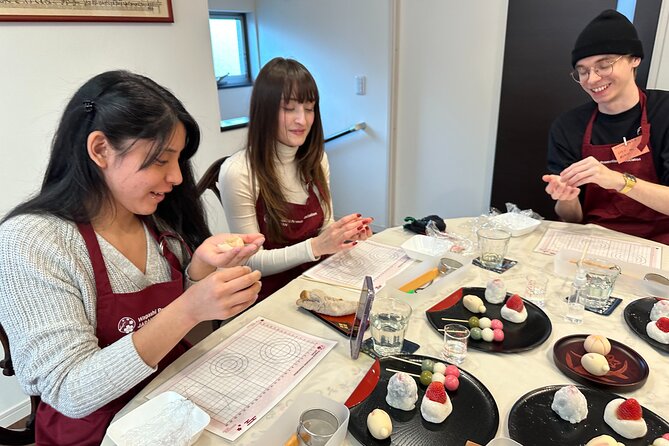
The class begins with an introduction to mochi and the many ways people eat it. You work with glutinous rice flour rather than pounding cooked rice in a traditional mortar. That makes the lesson more practical for a home kitchen and for anyone who wants to repeat the recipes after returning home.
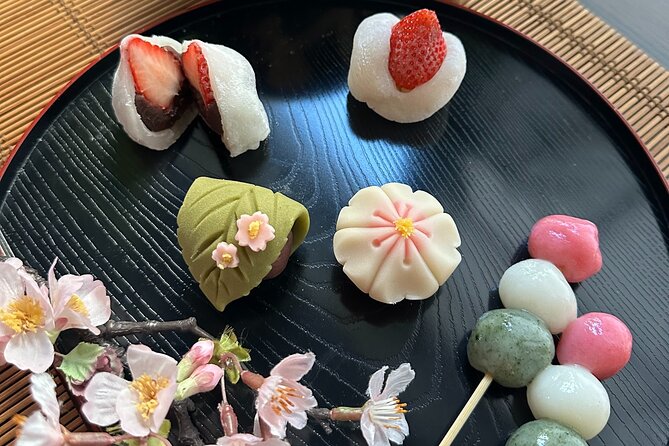
The first main sweet is strawberry daifuku. This is soft mochi wrapped around a sweet filling and a whole strawberry. Strawberry is used during its season. Outside that period, the fruit changes to pineapple or kiwi, so you still get a fresh-fruit version of the sweet.
You also make dango, the small mochi balls served on skewers. The shape is simple, but it teaches useful control of the dough. You learn to make even balls, handle the sticky mixture, and present the finished pieces neatly.
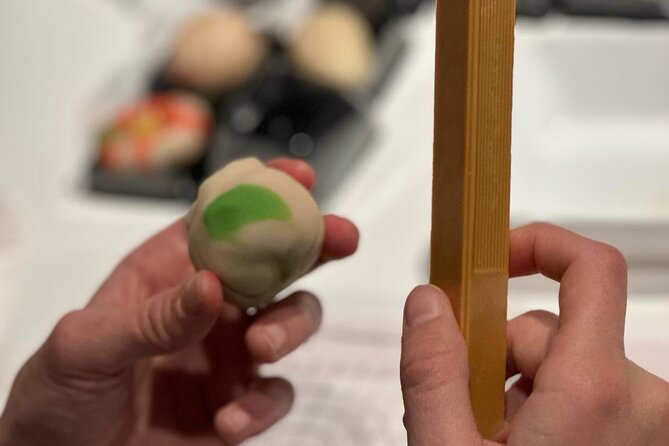
Nerikiri is the most artistic part of the class. These traditional sweets are shaped into seasonal motifs, and you learn to form the dough into the selected design. The motifs change with the season, so the exact appearance of your sweets will depend on when you visit.
You make two kinds of nerikiri wagashi, giving the class more variety than a single mochi recipe. This is a good fit if you enjoy Japanese design, food photography, or careful handwork. The shapes may look delicate, but the lesson is designed for beginners rather than trained confectioners.
The prepared dough is a useful shortcut, with a tradeoff
The dough is made and colored in advance. That keeps the class moving and lets you spend your time shaping, filling, and decorating instead of waiting through every preparation step.
For most people, this is a sensible choice. You can focus on the parts that make wagashi distinctive: texture, proportion, color, and form. Satoko also provides access to a tutorial video, giving you a way to review the process later.
Still, you should book this with the right expectation. You will not watch every stage of making and coloring the dough from raw ingredients. If your main goal is a full technical lesson in mochi dough preparation, this class may feel limited. If your goal is to make attractive Japanese sweets and learn recipes you can repeat, the shortened preparation works well.
The ingredients are described as simple and available in other countries. That makes this more useful than a class built around specialist items you cannot find after your holiday. You receive a Japanese gift as a souvenir as well, adding a small extra touch to the experience.
A personal lesson with Satoko
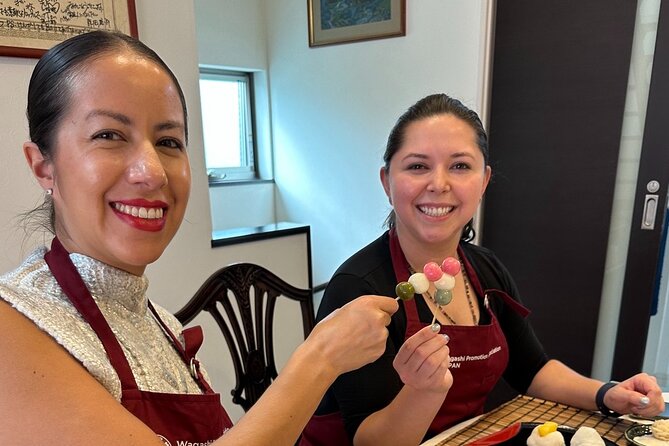
Satoko is the host and teacher, and the private format is one of the strongest reasons to choose this class. You are not sharing the room with a large mixed group, so you can ask questions as you work and take your time with the finer details.
A published rating of 5 from 27 ratings, with a 100 percent recommendation rate, points to a consistently positive experience. The most praised details are personal rather than flashy: Satoko’s patience, her home, her help with presentation, and the photos she takes during the process.
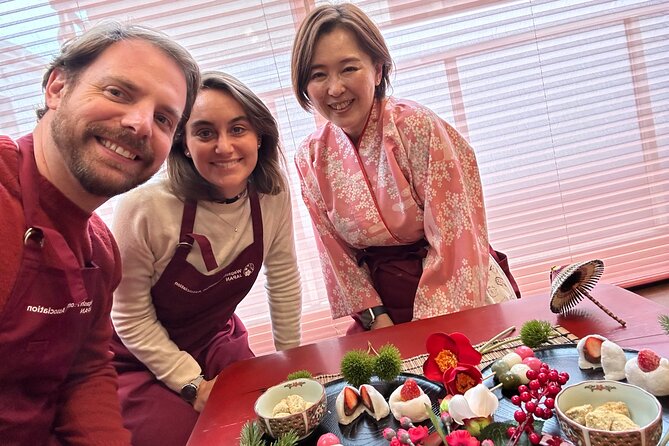
That photography help is practical. Wagashi is made to look beautiful, and a first attempt may need a little arranging before it photographs well. Satoko helps plate the sweets and capture the process, so you leave with more than a box of food. You have a visual record of what you made.
The class also suits families, couples, and friends who want a private activity. Group discounts are available, though the exact discount depends on the booking. A private setting can also be helpful if one person in your group is nervous about cooking or needs more time with the shaping.
Making matcha and tasting your finished sweets
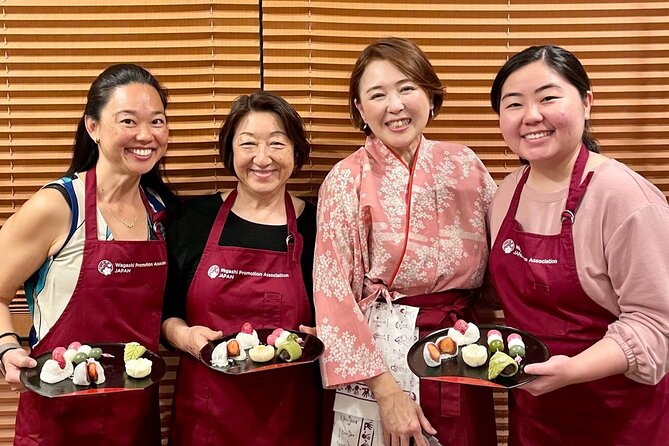
After the sweets are ready, you prepare matcha with Satoko’s guidance. The tea gives the class a proper Japanese food pairing rather than ending as soon as the last piece is shaped.
You can taste your creations with a bowl of matcha at the home. This is the best choice if you want to enjoy the texture while everything is fresh and take part in the full tea-and-sweets experience.
You can also pack the sweets in the special takeaway box. That option is useful if you have just eaten, want to share them later, or need to continue sightseeing. The activity includes the box, drinking water, an apron, a hand towel, and special wagashi tools, so you do not need to bring kitchen equipment.
Keep in mind that homemade sweets are still perishable food. The supplied information confirms that you can take them with you, but it does not give a storage period or transport guidance. If you plan to carry them for many hours, ask Satoko about the best way to handle them on the day.
Other cooking classes in Tokyo




Why the history lesson adds value
The class includes an introduction to the history of mochi and different ways to eat it. This gives context to the food instead of treating it as a cute craft with no connection to Japanese life.
That background is especially useful if you are new to wagashi. You learn why the same basic mochi idea can appear as a filled daifuku, a skewer of dango, or a finely shaped seasonal sweet. The lesson connects technique with custom and presentation.
The history portion is not presented as a separate museum lecture. It is folded into the cooking session, so you can understand the food while handling it. This keeps the class active and suits anyone who prefers learning through doing.
A vegetarian-friendly class you can repeat at home
The recipes are made with plant-based products, making the experience appropriate for vegetarians. The supplied information does not promise accommodation for every allergy or dietary restriction, so you should raise specific concerns when booking.
I particularly like the practical nature of the recipes. You are not simply copying a complicated design for one afternoon. You learn sweets that can be made again for family and friends, using ingredients that are also available in your own country.
The tutorial video helps here. Your notes and memories may not be enough when you try to recreate a soft dough or seasonal shape months later. Having a video to review gives you a better chance of repeating the process successfully.
The class is also a good choice for people who want a food souvenir but cannot carry fragile ceramics or large packages. Your handmade sweets fit in the provided box, and the separate Japanese gift gives you something lasting to keep.
Price, timing, and what you receive for $85.66
At $85.66 per person, this is not the cheapest way to spend two and a half hours in Tokyo. You are paying for a private lesson rather than a large group demonstration, though, and that changes the value.
Your fee covers instruction, ingredients for several sweets, use of an apron and hand towel, special wagashi tools, drinking water, matcha preparation, and a takeaway box. You also get access to the tutorial video and a Japanese souvenir.
A private home visit can be worth the extra cost if you want individual help or are traveling with a small group. The price is harder to justify if you only want to taste wagashi or watch someone else make it. For that, a shop or café will cost less and take less time.
The class is booked an average of 51 days in advance, which suggests you should reserve early if your dates are fixed. This matters most during popular travel periods. Confirmation arrives at booking, and free cancellation is available until 24 hours before the start time. Changes or cancellations inside that period are not accepted for a refund.
The cat question and other practical details
Satoko has two short-haired cats. They stay in the bedroom during the lesson, but the activity is not recommended for anyone with a strong cat allergy. If you are sensitive, this is an important factor, not a minor footnote.
You need to reach the meeting point in Ota City on your own. The activity is near public transportation, but no private transfer is provided and no route details are supplied here. Check the address carefully before leaving your hotel and allow enough time to arrive at 20-15 Kitaminemachi.
Wear something comfortable for a hands-on food activity. An apron is provided, along with a hand towel, but the class involves handling soft, sticky dough and colored sweets. The supplied details do not specify footwear, child age limits, or wheelchair access, so ask the provider if any of those points affect your booking.
This is a private activity, meaning only your group takes part. That makes it a calmer choice than a public cooking workshop and gives your group control over the conversation and pace. It also means the experience depends heavily on enjoying a home visit and a close teacher-led format.
Who should book this wagashi class?
I would choose this class if you want a creative food activity, not just another sightseeing stop. It works particularly well for couples, families, friends, vegetarians, and anyone who enjoys Japanese sweets but has never tried making them.
It is also a strong pick for photographers and design-minded visitors. Seasonal nerikiri gives you attractive shapes to work on, while Satoko’s help with plating and photos adds polish to the finished result.
Book it if you value personal attention, want recipes you can repeat at home, and like the idea of meeting a local host in her own neighborhood. The class also suits a rainy day because the main activity takes place indoors.
Think twice if you have a strong cat allergy, dislike sweet foods, or want to see every step of traditional mochi production from raw rice through pounding. The prepared dough keeps the class friendly and efficient, but it removes some of the more labor-intensive parts.
Should you book the Mochi and Nerikiri Wagashi class?
Yes, if you want a small, personal Tokyo experience with something edible to show for it. Satoko’s patient instruction, the seasonal designs, matcha preparation, photos, and takeaway box give the class more substance than a quick sweets demonstration.
The price is reasonable for a private two-and-a-half-hour lesson with several recipes and materials included, though it is not a bargain activity. Check the cat situation, plan your transport to Ota City, and reserve well ahead if your schedule is tight.
Book this for the chance to make Japanese sweets in a real home, learn techniques you can repeat, and enjoy a slower side of Tokyo. Skip it only if you want a full traditional mochi-production workshop or have a serious cat allergy.
FAQ
Where does the mochi and nerikiri class take place?
The class takes place at 20-15 Kitaminemachi, Ota City, Tokyo 145-0073, Japan. The activity ends back at the meeting point.
How long does the cooking class last?
The class lasts approximately 2 hours and 30 minutes.
Is this a private activity?
Yes. Only your group participates in the activity.
What sweets will I make?
You will learn to make strawberry daifuku, dango served on skewers, and two kinds of nerikiri wagashi. Outside strawberry season, pineapple or kiwi is used instead.
Do the nerikiri designs change?
Yes. The motifs change according to the season.
Is the class suitable for beginners?
Yes. The instruction is hands-on and designed to be beginner-friendly.
Is matcha included?
Yes. After the lesson, you can prepare and enjoy matcha with guidance from the host.
Can I take the sweets away?
Yes. A special takeaway box is included. You can either taste the sweets with matcha or take them with you.
Are cooking tools provided?
Yes. The experience includes free use of special wagashi tools, an apron, and a hand towel. Drinking water is also provided.
Is the class suitable for vegetarians?
Yes. The recipes use plant-based products and are described as appropriate for vegetarians.
Are there cats in the home?
Yes. The host has two short-haired cats. They stay in the bedroom during the lesson, but the class is not recommended for people with strong cat allergies.
Is transportation included?
No. Private transportation is not included. The meeting point is near public transportation.
How much does the experience cost?
The listed price is $85.66 per person. Group discounts are available.
Can I cancel for a refund?
You can cancel up to 24 hours before the experience start time for a full refund. Cancellations or changes made less than 24 hours before the start time are not accepted for a refund.
More Workshops & Classes in Tokyo


More Cooking Classes in Tokyo
More Cooking Classes in Tokyo
More tours in Tokyo we've reviewed








Cooking Classes, compared.
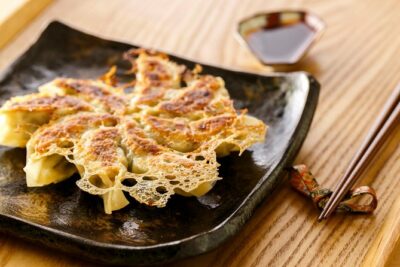 ★ 5.0Ramen & Gyoza Cooking Class in Tokyo with Local Supermarket VisitFrom $122
 ★ 5.0Ramen and Sushi Cooking Class with Sake Pairing Set in TokyoFrom $79
 ★ 4.9Tokyo: Wagyu and 7 Japanese Dishes Cooking ClassFrom $673 hours
 ★ 5.0Tokyo Washoku 4-hour Cooking Class: From Market to TableFrom $79
 ★ 5.0Professional Ramen & Gyoza with Ramen Chef in a restaurant!From $159
 ★ 5.0Small-Group Wagyu Beef and 7 Japanese Dishes Tokyo Cooking ClassFrom $72