
Reviewed · TOKYO FOOD TOURS
Tsukiji Fish Market Culture Walking and Food Tour
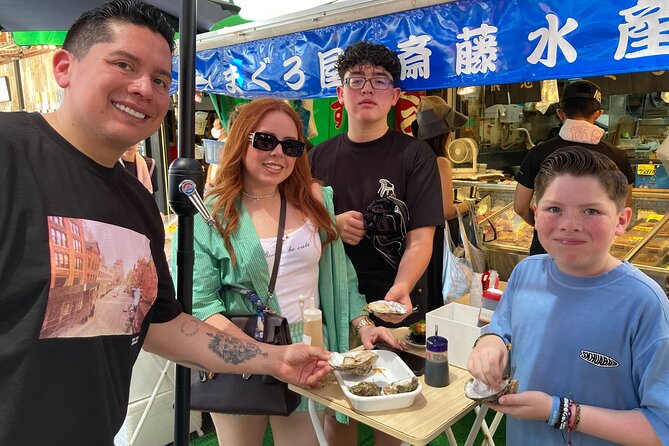
Tsukiji is best understood with something to eat in your hand, and this tour makes that easy. Guide Inoki leads you from temple rituals to market stalls, with tastings such as tuna on a skewer, eel, daifuku, and a seafood lunch included. I like the small maximum of 10 people and the way the tour adds local religious sites, not just food stops. I also like that Inoki can translate and help you choose what to try.
The main consideration is timing. The tour starts at 10 a.m., and the guide waits only 10 minutes for late arrivals. If you miss that window, you cannot receive a refund. The $85.66 price is fair if you want a meal, several tastings, and a guide in one package, but it is less attractive if you prefer to browse Tsukiji alone and pay for only the foods you pick.
In This Review
- Key points to know before booking
- Why this Tsukiji tour works well for first-time visitors
- Starting at Tsukiji Hongwan-ji Temple at 10 a.m.
- Two hours of food and exploration in Tsukiji
- A seafood lunch at a restaurant you might miss alone
- Namiyoke Inari Shrine and Tsukiji’s working side
- What $85.66 buys you in practical terms
- The people who will get the most from this experience
- Timing, cancellation, and small details that matter
- Should you book the Tsukiji Fish Market Culture Walking and Food Tour?
- FAQ
- Where does the Tsukiji tour begin?
- What time does the tour start?
- How long does the experience last?
- Where does the tour end?
- How many people can join the tour?
- Is food included?
- What foods might be included?
- Can someone who does not eat fish participate?
- What happens if I arrive late or need to cancel?
Key points to know before booking
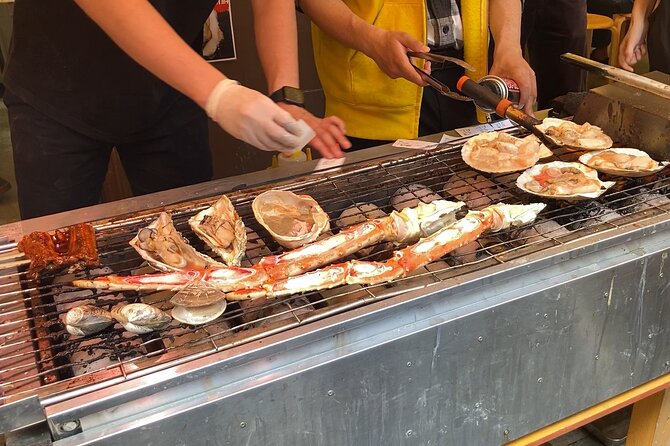
- Tuna, eel, sweets, and lunch are included: You can expect more than a quick sample or two, with food stops followed by a seafood meal.
- Inoki provides translation and local context: This matters at small stalls and restaurants where menus or ordering may be less clear.
- The group is limited to 10 people: The format can feel personal, and on some dates it may operate with only a few guests.
- The walk begins at Tsukiji Hongwan-ji Temple: You learn basic temple etiquette before entering the market area.
- Namiyoke Inari Shrine adds a local angle: The route passes wholesale shops and explains the shrine’s connection to Tsukiji.
- You must arrive on time: The meeting point is clear, but the late-arrival rule is strict.
Why this Tsukiji tour works well for first-time visitors
Tsukiji can be confusing if you arrive hungry, unsure where to begin, and unable to read every menu. The famous inner wholesale market moved to Toyosu, but Tsukiji’s outer market remains a useful place to explore food shops, small restaurants, and specialist stalls. This tour focuses on that outer-market experience.
I like the balance here. You are not simply marched from one food counter to the next. The morning begins with a temple, continues through market streets, and ends with a shrine tied to the neighborhood. Food is the hook, but the route also gives you a sense of how Tsukiji fits into Tokyo’s religious and commercial life.
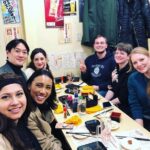
The small-group limit of 10 makes a real difference. Inoki can translate, answer questions, and adjust the food stops more easily than a guide managing a large crowd. On one date, the tour operated as a private outing because no other guests had booked. That is not guaranteed, but the small maximum gives you a reasonable chance of a more conversational experience.
A few more Tokyo tours and experiences worth a look


Starting at Tsukiji Hongwan-ji Temple at 10 a.m.
Meet at Tsukiji Hongwan-ji Temple, at 3-chome-15-1 Tsukiji, Chuo City. The tour starts at 10 a.m. and returns to this same meeting point. The temple is near public transportation, which makes it a practical place to begin, though you should still allow extra time to find the entrance and arrive before the start.
The first 30 minutes cover temple customs. You learn how to behave in a Japanese temple, including the traditional ritual before entering, the use of incense, and prayer in the Jodo Shinshu style. This is a useful opening because it gives you something to notice rather than treating the temple as a quick photo stop.
The visit also introduces a more reflective side of Tsukiji. The market is associated with seafood and shopping, but the temple helps explain the neighborhood’s religious character. You do not need prior knowledge, and the guide handles the explanation while you look around.
There is no admission charge for this stop. The practical point is that the temple portion is short, so it should suit you if you want cultural context without committing half a morning to a formal temple tour.
Two hours of food and exploration in Tsukiji
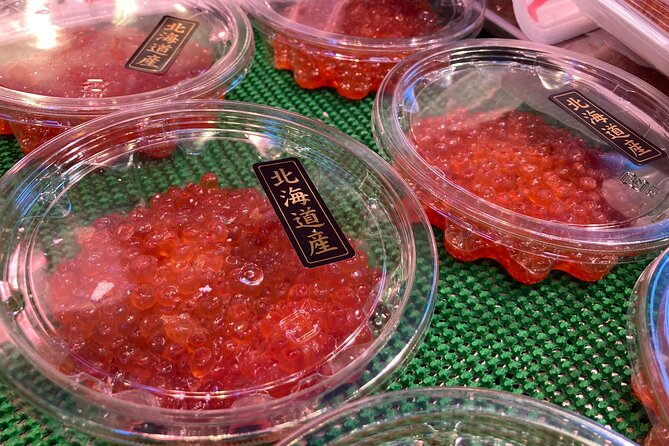
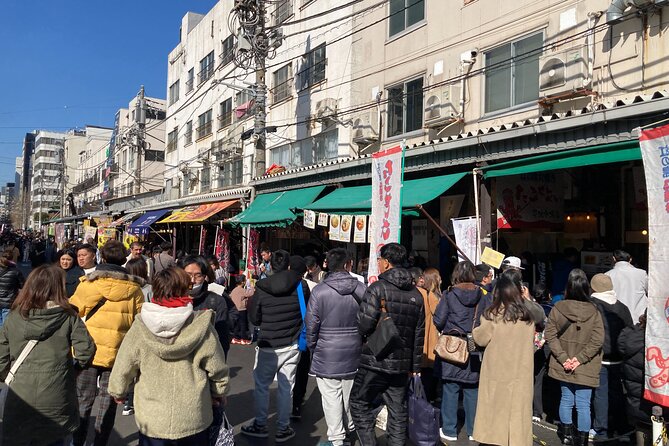
The central part of the experience lasts about two hours. You walk through Tsukiji’s outer market, look at the goods for sale, and stop for street food. Inoki acts as translator and food guide, which can make a big difference when you want to understand what you are buying rather than simply point at a display.
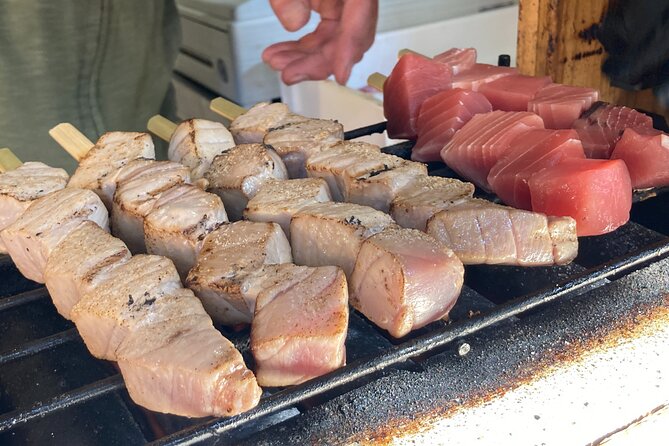
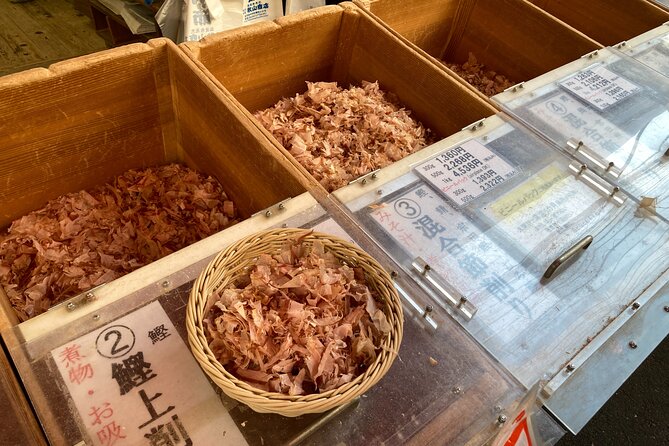
The tastings have included tuna on a skewer, eel, daifuku, and other market foods. One food-loving highlight is the chance to try eel in a casual street-food format, while daifuku adds a sweet pause between seafood stops. Mochi has also been used as an alternative for someone who did not eat fish. That kind of flexibility is valuable, although you should still explain dietary needs clearly when booking or at the start.
You may also have time to buy snacks or other foods. Inoki has helped with ordering and even stood in line while people selected items. That is a small service, but it makes the market easier to enjoy. You can focus on what looks good instead of worrying about how to order, pay, or hold a conversation at a busy stall.
The route is not only about eating. You look at the market’s products and see wholesale shops along the way. The experience is best for someone who enjoys details such as food preparation, local ingredients, and the way a neighborhood market operates.
Keep your expectations sensible. This is a three-hour walking and food tour, not an exhaustive survey of every shop in Tsukiji. You will see selected parts of the outer market and eat several items, but the exact food lineup can change. The tour is also not presented as a visit to the early-morning tuna auction at Toyosu. If the auction is your main goal, this is the wrong format.
A seafood lunch at a restaurant you might miss alone
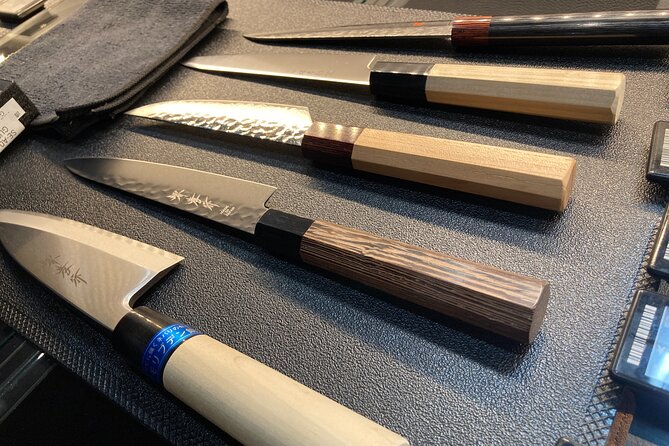
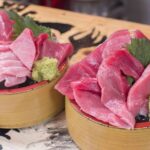
The included lunch is one of the strongest reasons to consider the price. After the street-food tastings, Inoki takes you to a less obvious restaurant in the market for a shared meal. Sashimi lunches have been served, giving you a more substantial taste of Tsukiji than snack-sized samples alone.
I like this structure because it prevents a common food-tour problem: eating one bite at each stop and finishing hungry. Tuna, eel, sweets, and other samples introduce different flavors, then lunch gives the morning a proper finish. Several people were satisfied with the sashimi meal, and the lunch has been described as a local experience rather than a generic stop.
The restaurant is also useful for nervous eaters. Inoki can explain the food and help with communication. If one person in your party does not eat fish, the guide has found alternatives such as mochi. Still, this tour is built around seafood. Vegetarians, people with allergies, and anyone with strict dietary requirements should ask specific questions before booking instead of assuming substitutions will always be available.
Lunch is included in the tour price, but drinks and additional purchases are not specified. Bring some extra yen or a payment card for anything you want to buy beyond the included food. Since this is a market visit, you may see plenty of tempting snacks.
Namiyoke Inari Shrine and Tsukiji’s working side
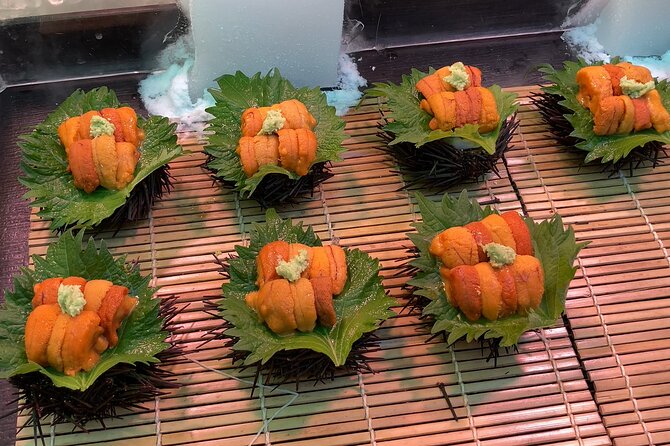
The final 30 minutes take you to Namiyoke Inari Shrine, a local shrine connected with the Tsukiji area. The guide explains what Shinto is and how the shrine relates to the history of the fish market.
This stop gives the tour a useful change of pace. At the temple, you learn Buddhist customs. At the shrine, you learn about Shinto practice. The distinction can be confusing when you first visit Japan, so seeing both in one morning helps you understand that Japanese religious life includes different traditions and rituals.
The walk to the shrine also passes wholesale shops known mainly to locals. That is a worthwhile detail. Instead of seeing Tsukiji only as a place designed for sightseeing, you get a glimpse of the businesses that support the area’s food trade.
The shrine stop is free, and the tour ends back at the original temple meeting point. The complete route lasts about three hours, so you still have much of the day available for Ginza, nearby shopping, or another Tokyo sight.
A few more Tokyo tours and experiences worth a look


What $85.66 buys you in practical terms
At $85.66 per person, this tour is not the cheapest way to eat at Tsukiji. You could walk into the outer market, buy a snack, and spend far less. The value comes from the bundle: a guide, translation, cultural explanation, several tastings, and an included seafood lunch.
I would see the price as reasonable for a first visit if you want structure and do not speak Japanese. You are paying to avoid guesswork, find a restaurant you might otherwise pass, and get help choosing food. The small group also makes the cost easier to justify than a large coach-style outing.
The calculation changes if you are already comfortable navigating Tokyo markets or want full control over your meals. Independent visitors can spend less and stay longer at the shops they prefer. This tour trades some freedom for ease, context, and a planned meal.
Group discounts are available, and the activity uses a mobile ticket. It is commonly booked about 36 days ahead, so reserving early is sensible if your Tokyo dates are fixed. That advance-booking pattern does not guarantee that every date sells out, but it suggests you should not wait until the last morning if this is important to your plans.
The people who will get the most from this experience
I would recommend this tour to first-time visitors who want a gentle introduction to Tsukiji. It suits you especially well if you want to taste several foods but feel unsure about ordering, menus, or which restaurants deserve your time.
It also works for couples, families with older children, and small groups who prefer conversation over a large guided crowd. Children must be accompanied by an adult. Most people can participate, but remember that the experience involves walking and standing around the market.
Food-focused visitors will appreciate the range. You get seafood, sweets, street snacks, and a meal rather than one narrow tasting. The temple and shrine visits also make it more useful for anyone who wants cultural context alongside lunch.
You may want to skip it if you dislike seafood, need a fully guaranteed special diet, or prefer to explore without a schedule. The route has flexibility in individual food choices, but seafood remains its central theme.
Timing, cancellation, and small details that matter
Arrive well before 10 a.m. The guide waits up to 10 minutes after the start, but the information also gives a cutoff of 10:40 a.m. Either way, do not test the rule. If you arrive after the guide has left, you cannot receive a refund.
Confirmation is provided when you book, and the activity is near public transportation. The tour ends at the starting point, which simplifies planning. You can cancel for a full refund up to 24 hours before the start time. Cancellations or changes made within 24 hours are not accepted for a refund.
The maximum group size is 10. A smaller group can make food ordering and questions easier, but an unusually quiet date may feel more like a private tour while a full date will feel more social. The provider is Fantasy Travel.
Should you book the Tsukiji Fish Market Culture Walking and Food Tour?
Book it if you want an easy, food-centered introduction to Tsukiji with real help at the stalls. The included lunch, Inoki’s translation, and the visits to Tsukiji Hongwan-ji Temple and Namiyoke Inari Shrine give you more than a simple market stroll.
I would be most likely to choose it for a first Tokyo visit, a family group, or anyone who wants to try seafood without making every decision alone. The price is justified when you count the tastings, meal, and guidance.
Skip it if you are a confident independent eater, have strict dietary limits, or mainly want an early tuna-auction experience. For everyone else, the three-hour format offers a friendly introduction to Tsukiji, with enough food to make lunch feel like part of the adventure rather than an afterthought.
FAQ
Where does the Tsukiji tour begin?
It begins at Tsukiji Hongwan-ji Temple, at 3-chome-15-1 Tsukiji, Chuo City, Tokyo 104-8435, Japan.
What time does the tour start?
The tour starts at 10 a.m.
How long does the experience last?
The tour lasts approximately three hours.
Where does the tour end?
It ends back at the original meeting point at Tsukiji Hongwan-ji Temple.
How many people can join the tour?
The maximum group size is 10 people.
Is food included?
Yes. Street-food tastings and a seafood lunch are included in the experience.
What foods might be included?
Food examples include tuna on a skewer, eel, daifuku, and sashimi lunch. The exact selection may vary.
Can someone who does not eat fish participate?
The tour has provided alternatives such as mochi for someone who did not eat fish. Since seafood is central to the experience, explain any dietary needs before booking.
What happens if I arrive late or need to cancel?
The guide waits up to 10 minutes after the scheduled start. Late arrivals after the guide leaves cannot receive a refund. You can cancel up to 24 hours before the start for a full refund, but cancellations or changes within 24 hours are not accepted for a refund.
More Walking Tours in Tokyo
More Tokyo Food Tours in Tokyo
More Tsukiji Market Tours in Tokyo
More tours in Tokyo we've reviewed




Tokyo Food Tours, compared.
 ★ 5.0Tokyo: Shinjuku Food Tour (13 Dishes at 4 Local Eateries)From $86
 ★ 4.9Tokyo: Shinjuku Food Tour (15 Dishes and 4 Eateries)From $853 hours
 ★ 5.0Best of Shinjuku: Izakaya Food Tour (4 Stops, 14+ Tastings)From $92
 ★ 5.0Tokyo Night Foodie Tour in Shinjuku – Seasonal Sushi, Wagyu BeefFrom $111
 ★ 5.0Eat and Drink Like a Local: Tokyo Ueno Food Tour-Taverns&RamenFrom $95
 ★ 5.0Tokyo: Shibuya Food Tour (13 dishes and 4 Eateries)From $77