
Reviewed · TOKYO FOOD TOURS
Tokyo: 3-Hour Food Tour of Shinbashi at Night
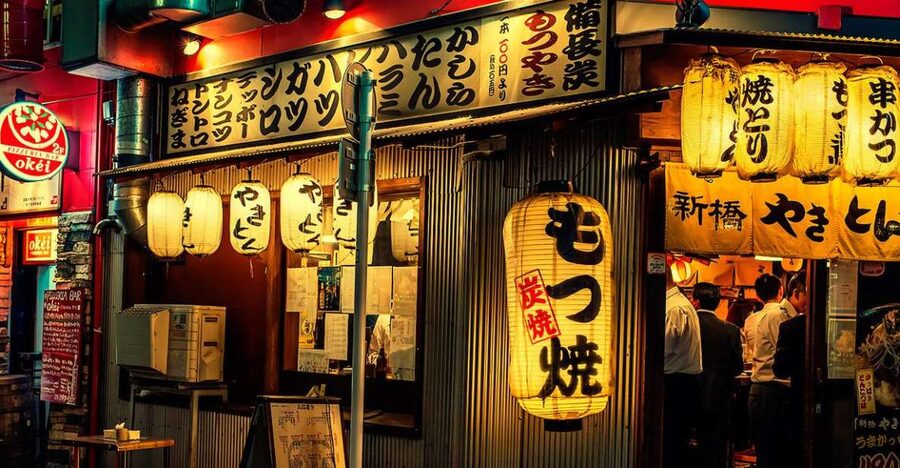
Shinbashi after dark is Tokyo with its office shirt sleeves rolled up. This three-hour walk takes you into the narrow pub lanes where local workers eat, drink, smoke, and shake off the day. You’ll try several dishes, including ramen, Wagyu, a traditional dessert, and regional sake, while your guide explains how Japanese food and pub culture fit together. The real draw is the neighborhood, not just the menu.
I like the small group, capped at 10 people, because a guide can explain unfamiliar dishes without turning the meal into a lecture. I also like the mix of food and local customs. Past guides such as Ray, Francois, Tommy, Yappy, Yoko, and Anne have helped visitors understand everything from how to bless a meal to how to thank restaurant staff when leaving. The sake tasting is another strong point, especially if you have never tried nihonshu beyond a basic restaurant pour.
The main consideration is price. At $170 per person, this is not a cheap dinner, and extra drinks, extra food, transportation, and gratuity cost more. Shinbashi also allows smoking in most areas, so anyone sensitive to smoke should think twice before booking.
In This Review
- Key points at a glance
- Meeting the group beside Shinbashi’s old steam engine
- Why Shinbashi makes a better food walk than a famous dining district
- Ramen first: comfort in a steaming bowl
- Wagyu with smoke, butter, and a little ceremony
- Regional sake and the discovery of nihonshu
- Dessert gives the evening a proper finish
- The guide can shape the whole evening
- What $170 buys you, and what it does not
- Who should book this Shinbashi night walk
- Timing, cancellation, and practical preparation
- Should you book the Shinbashi food tour?
- FAQ
- Where does the tour meet?
- How long does the tour last?
- How many people are in the group?
- Is the tour conducted in English?
- What food and drinks are included?
- Are extra food and drinks included?
- Can anyone under 20 join?
- What should I bring?
Key points at a glance
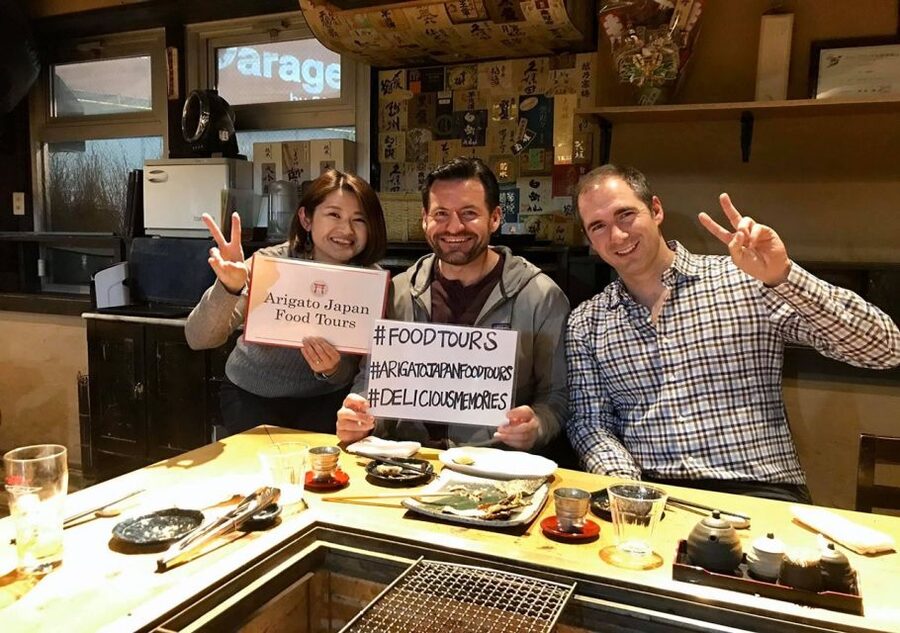
- Shinbashi after work: Walk the retro backstreets where office workers gather for dinner and drinks.
- Several food stops: Expect local dishes, steaming ramen, smoky seared Wagyu, sake, and a traditional dessert.
- Regional sake tasting: Compare distinctive sake flavors with guidance from an English-speaking food guide.
- Small group format: The group is limited to 10 people, making it easier to ask questions and share dishes.
- A guide who adds context: Guides including Ray, Francois, Tommy, Yappy, Yoko, and Anne have been praised for food, culture, and local recommendations.
- Adults only: Everyone must be at least 20, and you should bring a passport or ID card.
Meeting the group beside Shinbashi’s old steam engine
Your meeting point is easy to identify: the decommissioned steam engine in front of the Hibiya exit of Shinbashi Station. Shinbashi is a major Tokyo rail hub, so allow extra time to find the correct exit. Station corridors can be confusing, and this tour has a strict departure rule.
Your guide can wait only five additional minutes after the scheduled start. Once the group leaves, the guide cannot provide directions by phone. That rule may feel strict, but it protects the restaurant reservations and keeps a small group from arriving in scattered batches.
I would arrive early, find the steam engine, and use the spare minutes to locate a restroom and adjust your shoes. You’ll be walking through station areas, streets, and restaurant lanes for about three hours. Comfortable footwear matters more than stylish footwear here.
A few more Tokyo tours and experiences worth a look
Why Shinbashi makes a better food walk than a famous dining district
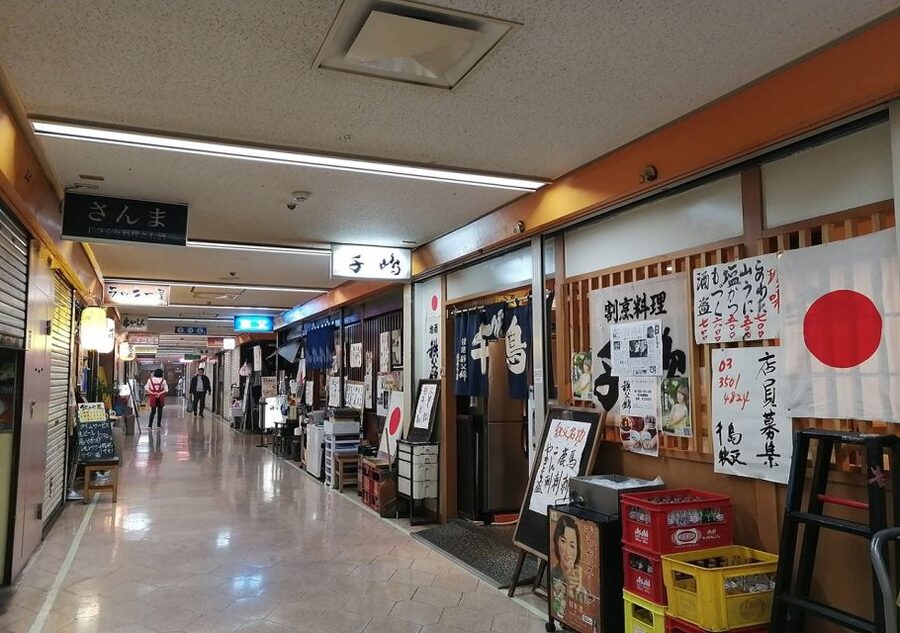
Shinbashi is known for its office-worker crowd and its after-work drinking culture. Instead of steering you toward Tokyo’s most polished dining streets, this experience focuses on the local side of the city, where compact restaurants and pubs serve people finishing a long day at work.
That setting changes the meal. You are not simply eating Japanese food in a restaurant designed for international visitors. You are watching how people order, share dishes, drink sake, and unwind in a neighborhood built around daily routines.
The backstreets are a major part of the experience. Your guide takes you through lanes that are easy to miss if you stay on the main roads. The tour description does not promise a fixed list of restaurant names, and that is worth knowing. The stops can depend on operating conditions and the guide, so book this for the style of experience rather than one exact restaurant.
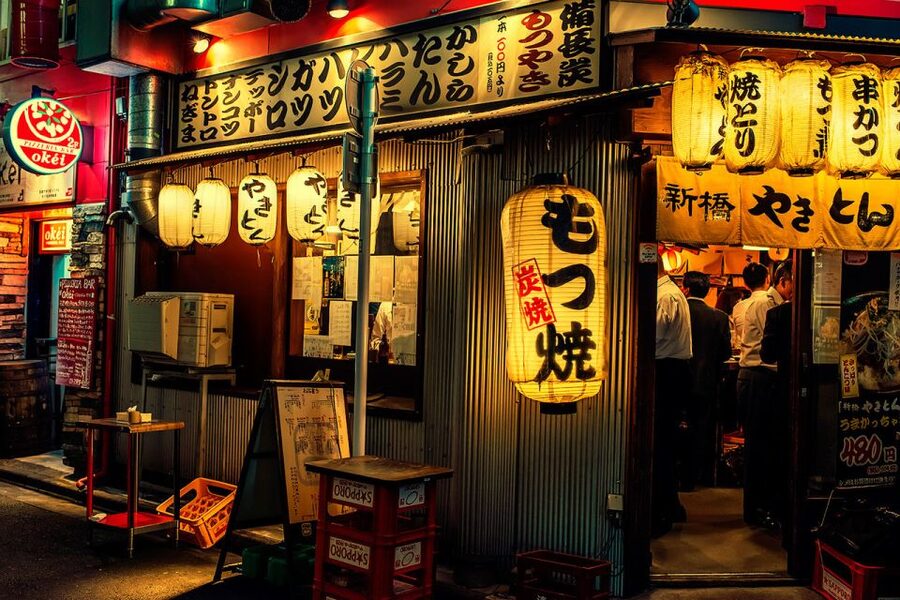
You should also expect a compact urban setting. Shinbashi’s local pub area is not a quiet temple quarter or a broad scenic promenade. It is close, noisy, and full of signs, narrow entrances, cigarette smoke, and the clatter of dinner service. That is precisely its appeal for some people, but not for everyone.
Ramen first: comfort in a steaming bowl
Ramen is one of the clearest food moments described for this experience. You can expect the simple pleasure of holding a hot bowl in your hands and tasting a broth built around umami. The tour presents ramen as part of a wider meal, not as a stand-alone ramen class.
Your guide can help explain the flavors and the way the dish fits into Japanese eating culture. This is useful if menus are unfamiliar or if you are unsure how much to order at each stop. You are also eating as part of a planned route, so portion sizes across the evening should be manageable, though the supplied details do not specify exact serving amounts.
Ramen can be especially welcome during a cool evening, but it may feel heavy if you have already eaten before meeting the group. I would keep lunch and any pre-tour snack modest. You want room for several stops, sake, and dessert rather than filling up before the main meal begins.
Wagyu with smoke, butter, and a little ceremony
The Wagyu stop adds a different texture to the evening. The meat is described as buttery and tender, with a delicate smoky char from searing. That gives the meal a change of pace after ramen and shows how Japanese dining often works through small portions and contrasting flavors.
Do not treat this as a Wagyu tasting menu. The details promise a taste of seared Wagyu, but they do not state the cut, quantity, cooking method beyond the sear, or restaurant name. I would see it as one memorable bite within a neighborhood food crawl.
This is also where the guide’s explanations can add value. A good food guide can help you pay attention to texture, fat, aroma, and the way the char changes the flavor. Several guides have been praised for making the food and pub customs easy to understand, and that kind of help is most useful when the food is served in an unfamiliar setting.
Regional sake and the discovery of nihonshu
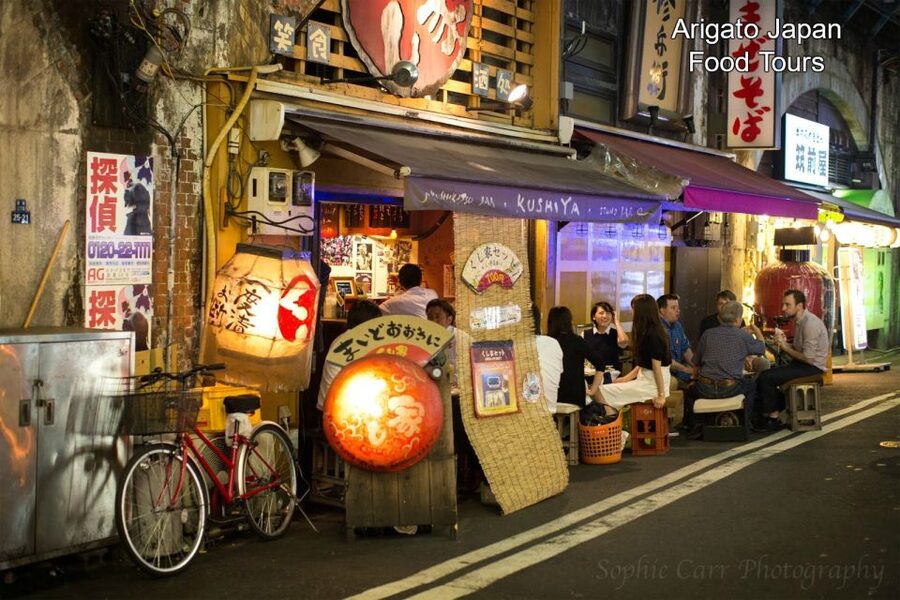
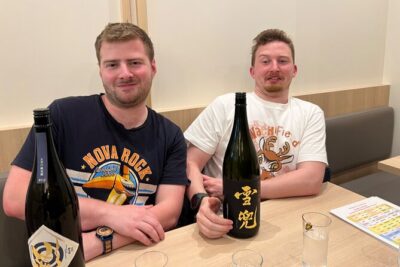
The sake tasting is more than a quick drink alongside dinner. You’ll taste regional sake and notice how its aroma, crispness, smoothness, and complexity change from one sip to the next. The experience is designed to show that sake has a wider range than the one generic hot cup many people first encounter.
You may arrive thinking you do not like sake. One participant who had not expected to enjoy it discovered a preference for nihonshu during the evening. That is a useful reminder to taste before deciding. Temperature, brewing style, and regional character can make a real difference.
The tour includes the sake-tasting experience, but additional drinks are not included. If you want more sake, beer, or another drink at one of the stops, you pay for it yourself. Gratuity is also separate.
Because this is an evening food and drink walk, I would bring your passport or another ID card. The tour is limited to adults aged 20 and over, which is Japan’s legal drinking age. The age rule applies even if you planned to focus mostly on food.
A few more Tokyo tours and experiences worth a look


Dessert gives the evening a proper finish
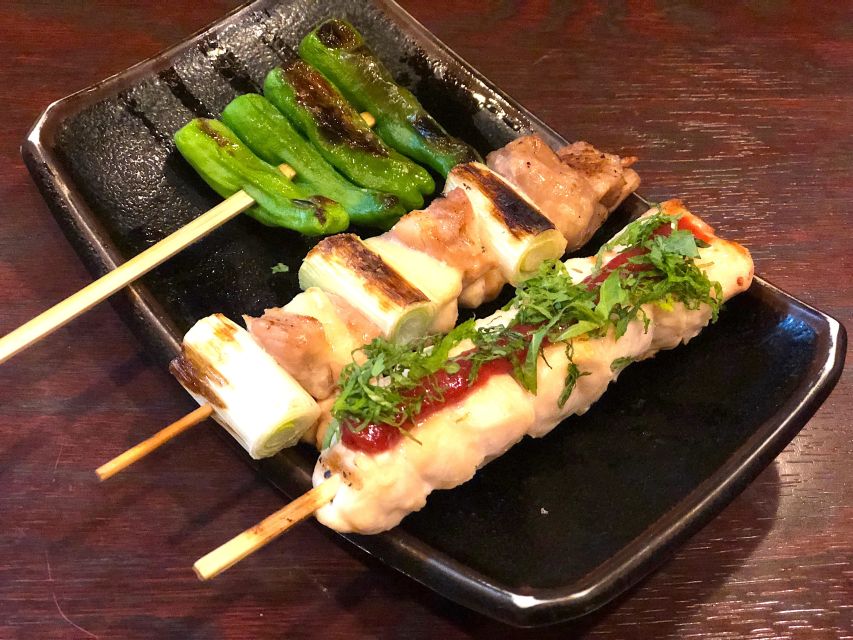
After savory dishes and sake, the tour ends with a traditional dessert. The supplied information does not identify the dessert, so you should expect a Japanese sweet rather than one named specialty.
That uncertainty is not a problem if you enjoy trying what is served, but it matters if you are booking around a particular dessert. The guide can provide context about what you are eating and how it fits into Japanese food customs. Dessert also keeps the evening from ending on a bowl of broth or a savory grilled dish.
I like the structure: hot food, meat, sake, and something sweet. It feels like a real night out rather than a single tasting stop. You get several small windows into local eating habits, with the guide connecting them as you move through Shinbashi.
The guide can shape the whole evening
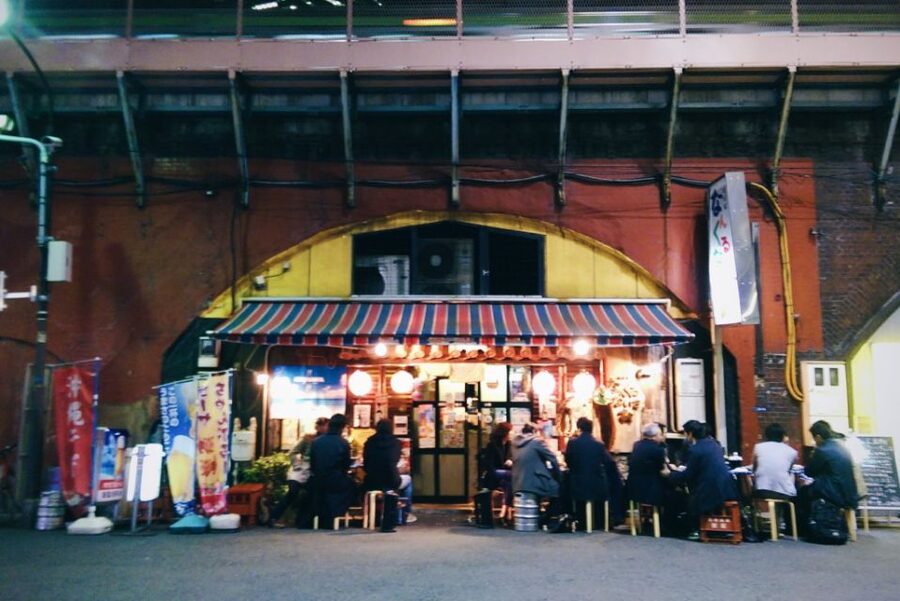
The food matters, but the guide is the element most likely to determine how much you get from the tour. Guides named in past bookings include Ray, Francois, Tommy, Yappy, Yoko, Anne, Ryan, Marc, and others. Their roles go beyond leading the walk. They explain dishes, describe bar customs, answer questions, and offer suggestions for the rest of your time in Tokyo.
Ray has been praised for explaining food and bar culture and for using visual aids to show how to bless a meal and thank staff when leaving. Francois has been described as a warm guide who even arranged a birthday surprise and joined a karaoke outing afterward. Tommy has been useful for wider Tokyo recommendations, while Yappy has helped make the backstreet route and pub experience memorable.
Karaoke is not listed as part of the standard tour. Some participants arranged it afterward, including a private-room experience with a guide. Treat that as an optional extra, not something included in the $170 price.
The guide names may vary by date. You cannot book solely for one particular person unless the provider confirms that in advance. Still, the repeated pattern is clear: this tour works best when you want conversation and cultural explanation, not just a series of food samples.
What $170 buys you, and what it does not
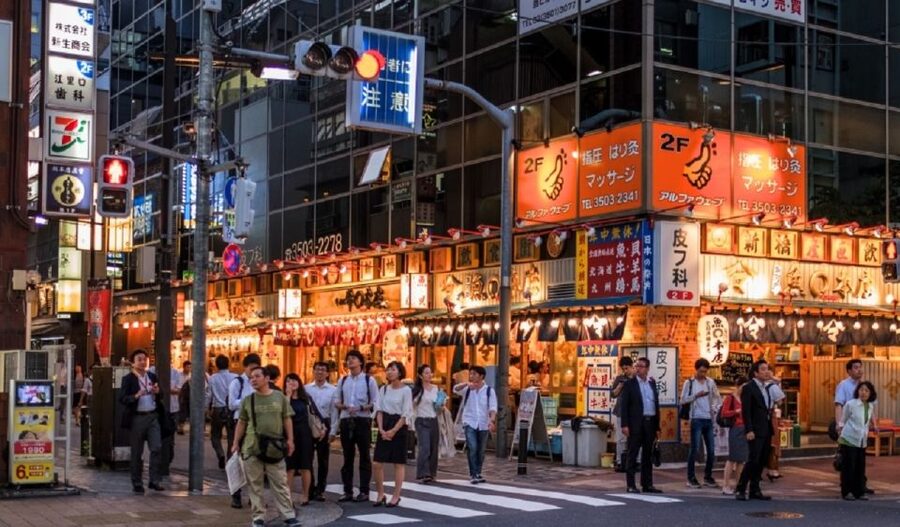
At $170 per person, the tour costs much more than walking into Shinbashi and ordering dinner on your own. The fee includes several food stops, the sake tasting, and an English-speaking local guide. It does not include hotel pickup, transportation costs, gratuity, or extra food and drinks.
The value comes from access and interpretation. A guide takes responsibility for choosing stops, handling the route, explaining what you are eating, and helping you understand the manners of small Japanese restaurants and pubs. For a first evening in Tokyo, that can remove much of the guesswork.
I would find the price easier to justify if you value the social side of dining and want to learn how to continue exploring after the tour. A solo visitor or first-time Japan visitor may get more out of the introductions and recommendations than someone who already speaks Japanese and feels comfortable ordering in small local pubs.
The tour is less attractive if you only want maximum food volume. The price does not guarantee unlimited portions, a fixed number of dishes, or included drinks beyond the stated sake tasting. Think of it as a guided neighborhood evening with food, not a bargain dinner.
Who should book this Shinbashi night walk
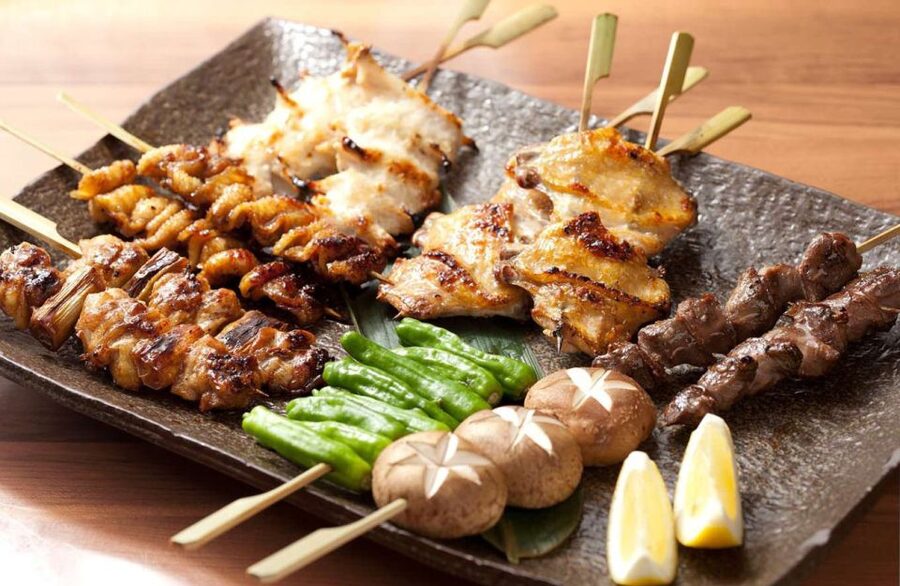
I would recommend it to adults who want a first look at Tokyo’s after-work culture and prefer local pubs to polished sightseeing districts. It suits curious eaters who are happy to try dishes without needing every stop named in advance.
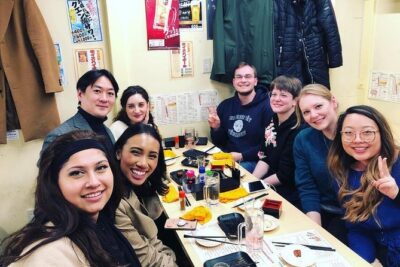
It is also a good fit for couples, friends, and solo visitors who enjoy meeting a small group. Ten people is small enough for conversation but large enough to create a relaxed social evening.
You may want to skip it if you dislike smoke. Smoking is permitted in most areas of Shinbashi, and the route centers on local drinking streets where smoke can be part of the surroundings. You should also reconsider if you have strict dietary needs, since the available information does not describe allergy handling, vegetarian choices, or dish substitutions.
The tour is not suitable for anyone under 20. It is also not ideal for anyone who wants a completely private experience, since the standard format is a small shared group.
Timing, cancellation, and practical preparation
The activity lasts three hours, but the available starting times depend on the date. Check the schedule before planning dinner afterward. The meal itself is the evening plan, so do not book a tight theater or train connection immediately afterward.
Wear comfortable walking shoes and bring a passport or ID card. Hotel pickup is not included, although it can be arranged for an additional charge. You are responsible for getting to Shinbashi Station and for any transportation during or around the tour.
Cancellation is flexible if your plans change: you can cancel up to 24 hours in advance for a full refund. The reserve-now, pay-later option also lets you hold a place without paying on the day of booking, according to the booking terms provided.
Should you book the Shinbashi food tour?
Book it if you want to eat where Tokyo’s office crowd unwinds, learn the basic etiquette of local pubs, and let an English-speaking guide handle the evening’s food choices. The strongest reasons are the small group, the backstreet route, the regional sake tasting, and the guides’ clear talent for making food culture approachable.
Skip it if $170 feels high for dinner, if smoke is a serious concern, or if you need a precisely listed menu. For everyone else, this is a lively and practical introduction to Shinbashi, especially near the start of a Japan trip when a guide’s food advice can improve the meals that follow.
FAQ
Where does the tour meet?
Meet in front of the decommissioned steam engine at the Hibiya exit of Shinbashi Station.
How long does the tour last?
The tour lasts three hours. Starting times vary, so check availability for your chosen date.
How many people are in the group?
The small group is limited to 10 participants.
Is the tour conducted in English?
Yes. The tour includes a live English-speaking guide.
What food and drinks are included?
The experience includes local dishes at several food stops, a sake-tasting experience, ramen, Wagyu, and a traditional dessert as described in the tour details.
Are extra food and drinks included?
No. Additional food and drinks are possible, but you pay for them separately. Gratuity is also not included.
Can anyone under 20 join?
No. The tour is for adults aged 20 and over.
What should I bring?
Bring a passport or ID card and wear comfortable walking shoes. Be aware that smoking is permitted in most areas of Shinbashi.
More Food Experiences in Tokyo


More Night Tours in Tokyo
More Tokyo Food Tours in Tokyo

More tours in Tokyo we've reviewed






Tokyo Food Tours, compared.
 ★ 5.0Tokyo: Shinjuku Food Tour (13 Dishes at 4 Local Eateries)From $86
 ★ 4.9Tokyo: Shinjuku Food Tour (15 Dishes and 4 Eateries)From $853 hours
 ★ 5.0Best of Shinjuku: Izakaya Food Tour (4 Stops, 14+ Tastings)From $92
 ★ 5.0Tokyo Night Foodie Tour in Shinjuku – Seasonal Sushi, Wagyu BeefFrom $111
 ★ 5.0Eat and Drink Like a Local: Tokyo Ueno Food Tour-Taverns&RamenFrom $95
 ★ 5.0Tokyo: Shibuya Food Tour (13 dishes and 4 Eateries)From $77