
Reviewed · GUIDED
Tokyo Private Tour with Local Expert Guide – Hidden Gems
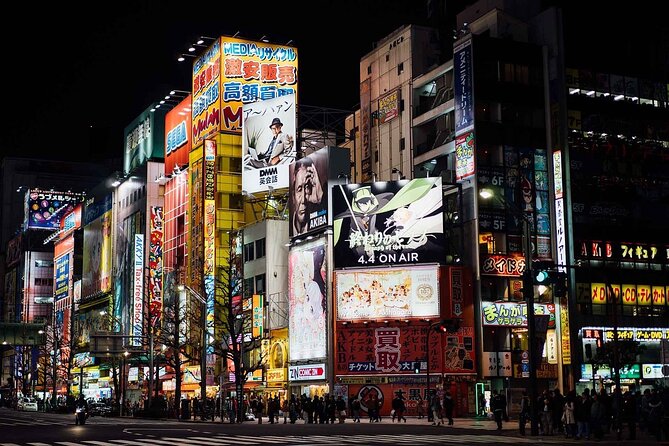
Tokyo can feel like five cities stitched together by train lines. This private day helps you read the pattern. You can move from the Imperial Palace area to Asakusa, then across to Meiji Jingu, Harajuku, and Shibuya, with a local guide explaining what you are seeing and how to get around.
I like the flexible route, since you can focus on classic sights, everyday neighborhoods, markets, or shopping districts. I also like the practical help: guides such as Aki and Seiji can assist with subway tickets, lunch suggestions, and restaurant or entertainment bookings. The main drawback is that the day involves plenty of walking and public transit, and the listed price does not include either.
This is a strong first or second day in Tokyo. It gives you a quick sense of the city, teaches you how the subway works, and lets you adjust the pace for your private group of up to six. Just do not expect a private car or a leisurely, stay-in-one-neighborhood outing.
In This Review
- Key points to know before booking
- Why this private Tokyo day works so well
- Imperial Palace views at Kokyo Gaien
- Asakusa and the approach to Senso-ji
- Quiet paths at Meiji Jingu
- Harajuku’s youth culture
- The energy of Shibuya Crossing
- How much time do you really get?
- Using the subway instead of a private car
- What the private guide adds
- Price, group size, and real value
- Who should book this experience?
- Booking details worth knowing
- Should you book this Tokyo tour?
- FAQ
- How long does the private Tokyo tour last?
- How many people can join the private tour?
- Which Tokyo sights are included?
- Is public transportation included in the price?
- Are meals and attraction admission fees included?
- Can I cancel for a full refund?
Key points to know before booking
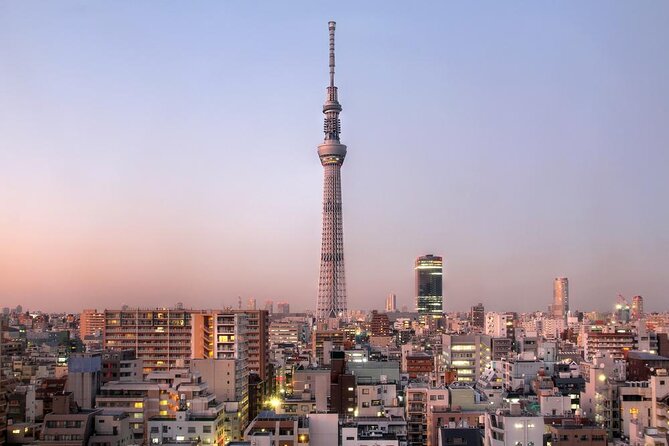
- Five major Tokyo areas in one day: Cover the Imperial Palace area, Asakusa, Meiji Jingu, Harajuku, and Shibuya.
- A genuinely private format: Only your group participates, so the route can change around your interests and pace.
- Useful subway coaching: Public transport is part of the experience, with costs around $10 per person.
- Guides with different strengths: Aki is praised for photo spots and cultural conversation, while Seiji is known for adapting routes and helping with food choices.
- A good introduction for a short stay: The 6 to 7-hour schedule suits a first visit or a brief Tokyo stop.
- A full day on your feet: Plan for moderate physical effort, heat in summer, and busy stations.
Why this private Tokyo day works so well
The best part of this experience is not simply the number of sights. It is the way the day links very different sides of Tokyo. You can see a quiet Shinto shrine, a centuries-old Buddhist temple, a youth fashion district, and one of the world’s best-known crossings without spending your entire first day guessing which train to take.
The private setup matters. A group of six can ask questions as they go, stop for photos, shorten a visit, or change the plan. If you are more interested in neighborhood life than formal monuments, the guide can shift the day toward active districts, markets, and shopping areas.
You also get a local point of contact at a useful moment. A guide may help with restaurant or entertainment bookings, explain the subway system, and suggest lunch places that fit your budget and interests. That practical help can save more time than another paragraph of sightseeing commentary.
The advertised start time is 9:00 a.m., and the experience lasts about 6 to 7 hours. That makes it a serious day rather than a quick orientation walk. Bring comfortable shoes, carry water, and leave room for the pace of train stations, crossings, and crowded shopping streets.
Other guided tours in Tokyo

Imperial Palace views at Kokyo Gaien
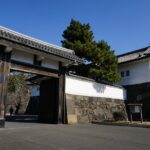
The day begins at Kokyo Gaien National Garden, the open area around the Imperial Palace. You will walk near the palace’s broad stone walls and gardens while learning how the Imperial Palace area fits into Tokyo’s past and present.
This is a calm opening. The wide spaces give you a pause before the tighter streets of Asakusa and Harajuku. It is also a good place to understand Tokyo’s contrasts: major roads and office districts sit close to carefully maintained gardens and old defensive walls.
The planned visit takes about an hour, and there is no admission fee. Since this is an outdoor stop, your comfort depends on the weather. On a hot or humid day, the open setting may feel tiring, especially when combined with later walking.
Do not expect a long palace interior visit from the information provided. The focus is the surrounding garden, walls, and setting. I see this stop as a useful orientation to the city rather than the single highlight of the day.
Asakusa and the approach to Senso-ji
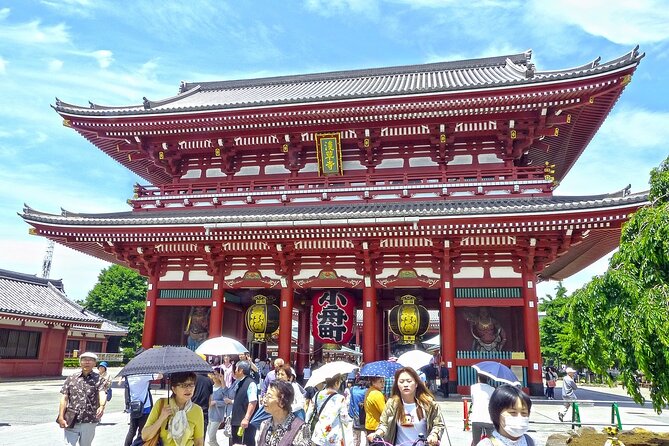
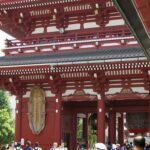
Senso-ji gives the itinerary its strongest traditional setting. You enter through Kaminarimon Gate, walk along Nakamise shopping street, and reach Tokyo’s oldest and best-known Buddhist temple.
The approach is part of the attraction. Nakamise is not just a path to the temple. It is a lively shopping street where you can browse Japanese snacks, souvenirs, and small gifts before reaching the main temple area. Your guide can explain the Buddhist setting and help you understand the ritual side of the visit.
The scheduled time is about an hour, and admission is free. That is enough for a clear introduction, though not enough for an unhurried look at every shop or a long stop for shopping. If you want to buy gifts, tell your guide early so the pace can reflect that.
Asakusa also helps balance the modern parts of the day. Shibuya and Harajuku show present-day Tokyo, while Senso-ji gives you a place where older religious and commercial traditions remain visible. For a first visit, that contrast is valuable.
Quiet paths at Meiji Jingu
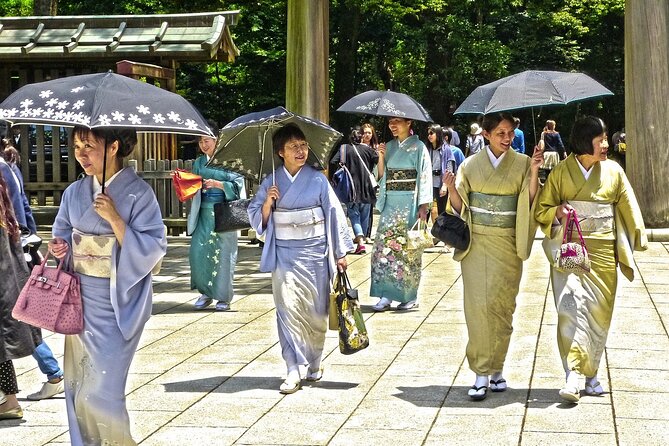
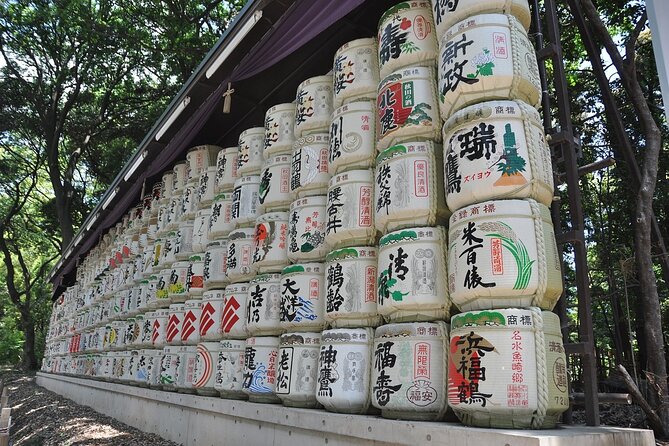
Meiji Jingu is a Shinto shrine set within a large forested area in central Tokyo. After Asakusa and the city’s shopping streets, the change of mood is immediate. You follow quieter paths, pass through the shrine grounds, and learn basic points about Shinto customs.
The visit is planned for about 40 minutes. That is enough to walk through the setting and get an introduction, but it is a fairly short stop for such a peaceful place. If shrine architecture, religious practice, or photography matters most to you, ask whether the route can give Meiji Jingu more time.
The shrine is free to enter. The forested grounds also make this a welcome break from traffic and signs. I would not treat the stop as a full religious or historical lesson, but it gives you a useful look at how sacred spaces remain part of central Tokyo life.
Harajuku’s youth culture
Harajuku is a short, 20-minute stop in the planned route. The focus is the area’s Kawaii culture, colorful fashion, unusual styles, and creative expression.
That timing tells you how to use this part of the day. You will get a quick look at the district rather than a long shopping session. If you want to browse fashion stores, look for specific styles, or spend time on side streets, this is one of the places to discuss during the customization process.
Harajuku works well after Meiji Jingu because the two areas show opposite moods. One is quiet and wooded; the other is associated with youth style and playful design. The short visit may feel rushed if Harajuku is a major reason you booked the day, so say so before the route is fixed.
Other private tours in Tokyo


The energy of Shibuya Crossing
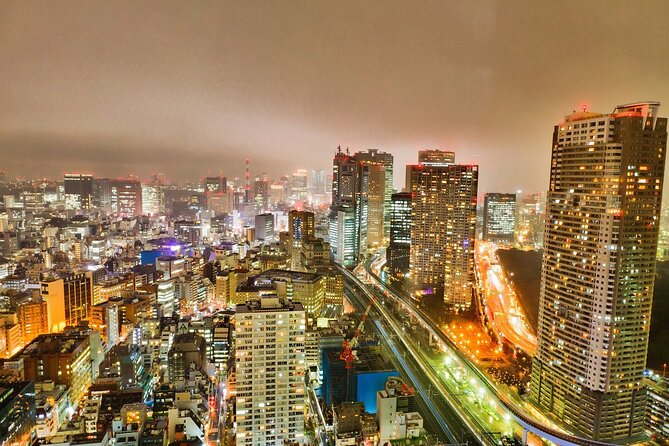
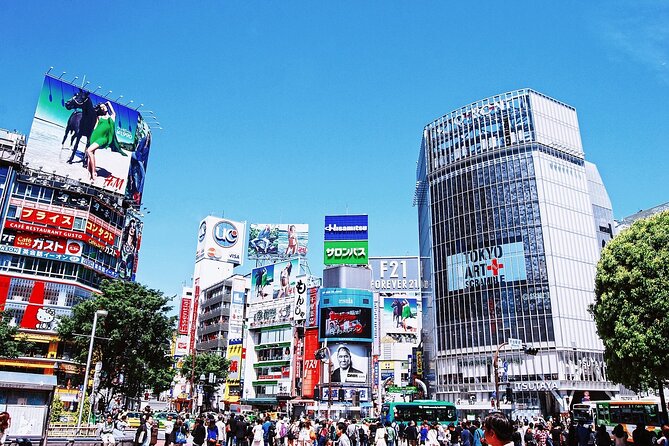
The final listed stop is Shibuya Crossing, with about 30 minutes to experience the famous intersection. You can cross with people moving from every direction, then take in the surrounding city energy.
This is a memorable first-visit moment because it is simple and highly visual. You do not need a long explanation to understand the appeal. The fun comes from being part of the movement, then stepping aside to watch it happen again.
Half an hour gives you time to cross and take photos, but it is not a full Shibuya visit. The area has far more shopping, food, and viewpoints than this schedule can cover. If you are staying near Shibuya or plan to return later, this quick stop is enough to get your bearings. If you have only one evening in the district, ask your guide for suggestions before the tour ends.
How much time do you really get?
The five listed stops add up to about 3 hours and 30 minutes: one hour at Kokyo Gaien, one hour at Senso-ji, 40 minutes at Meiji Jingu, 20 minutes in Harajuku, and 30 minutes at Shibuya Crossing.
The remaining time is important. It allows for subway rides, walking between stations and sights, questions, lunch advice, and small changes to the plan. Do not read the stop times as a promise of a packed attraction checklist. Tokyo’s train system and distances between neighborhoods take real time.
This structure favors coverage over depth. You see a broad slice of the city in one day, but you will not explore every area at length. That is a fair trade for someone with limited time, especially if the goal is to learn how Tokyo fits together.
Using the subway instead of a private car
Private transportation is not included. You and your guide use public transportation and walk, with transport costs estimated at about $10 per person. The guide can also advise you about affordable transportation-only one-day subway passes.
This is a practical choice. A car might feel easier, but traffic can slow the day and would not teach you how to manage Tokyo’s trains. The subway portion gives you a skill you can use after the tour, when you head out for dinner or explore on your own.
You should expect stations, stairs, walking, and transfers. The required fitness level is moderate. The route may be manageable for many people, but Tokyo’s heat and humidity can change how tiring it feels. One person specifically appreciated the air conditioning on the trains during very hot weather, which is a useful reminder to plan for the season.
The guide can help you buy the tickets you need, but transport remains an extra cost. Carry enough cash or a suitable payment method for the day, though the exact payment arrangements are not specified.
What the private guide adds
The guide is the reason to choose this experience instead of simply following a standard Tokyo sightseeing route. Names connected with the tour include Aki, Seiji, and Mary. The exact guide you receive may vary, but the service is built around a local person adjusting the day with you.
Aki is especially praised for finding good photo spots and for talking about differences between Japanese and Western cultures. That can add a personal layer to the day without turning it into a lecture. Seiji is described as easy to work with when shaping the itinerary and helpful with places to eat.
Mary handled subway tickets and added historical context during a route through Asakusa, Meiji Jingu, and Harajuku. These details show what you should ask for: help with the practical parts, not only facts at the sights.
The guide can also help with restaurant and entertainment bookings. That does not mean meals or tickets are included. It means the language support can be useful when you want to arrange something beyond the tour.
Price, group size, and real value
The price is $345.92 for a private group of up to six. At the full group size, that works out to about $57.65 per person before transport, admissions, meals, and personal spending.
For six people, that is a reasonable way to buy a full day of local help. For two people, the cost is about $172.96 each, so the value depends more heavily on how much you want customization and subway guidance. A private guide is most useful when your group has specific interests or limited time, not when you simply want the cheapest way to see Tokyo.
The tour itself lists no general admission charges for the five stops, but the estimated additional attraction cost is about $25 per person. Since the itinerary names free-entry sites, ask your guide which optional paid attractions might create that extra cost. Meals are also separate.
A private group can be especially good for families, couples, or friends who do not want to match the pace of a large group. It is less appealing if you prefer a slow day in one neighborhood or already feel comfortable navigating Tokyo alone.
Who should book this experience?
I would choose this day if you are visiting Tokyo for the first time, have a short stay, or want help learning the subway system. It is also a good fit if your group has mixed interests. One person can ask about temples, another about fashion, and another about lunch without forcing everyone into a fixed public-tour route.
It suits people who want both famous sights and a look at daily city life. You can ask to spend less time on formal historical sites and more time in active neighborhoods, markets, or shopping districts, as one route did. That flexibility is one of the strongest reasons to book.
I would think twice if you dislike walking, hot weather, or public transit. The day is not designed around a hired car, and the schedule covers a lot of ground. Also, if your main goal is an in-depth visit to one place, the broad route may feel too fast.
The tour has a 5 out of 5 rating from 36 ratings, with 100 percent recommending it. One booking problem did occur when a guide did not arrive at the planned time, but the issue was handled through Viator contact and alternate solutions were offered. That is worth keeping in mind without letting one incident define the overall service.
Booking details worth knowing
Pickup is offered, and the start time is 9:00 a.m. The exact pickup arrangement should be confirmed when you book, since private car service is not included and public transit forms part of the day.
You receive confirmation at booking, and a mobile ticket is available. The tour operates near public transportation, which matches its subway-based design.
Free cancellation is available up to 24 hours before the local start time for a full refund. Cancellations or changes made inside that window are not accepted for a refund. The provider is See Jay Company Japan.
Should you book this Tokyo tour?
Book it if you want a fast, personal introduction to Tokyo and are happy to walk, ride trains, and adjust the day as you go. The mix of Senso-ji, Meiji Jingu, Harajuku, Shibuya, and the Imperial Palace area gives you a useful first picture of the city.
The best value comes with a group of four to six, or with anyone who needs help with language, subway routes, lunch choices, and last-minute planning. Ask for the guide’s name, share your priorities before 9:00 a.m., and say if you want more time in Harajuku, Shibuya, markets, or cultural sites.
Skip it if you want private vehicle transport, long visits at each sight, or a quiet neighborhood walk. For most first-time visitors on a tight schedule, though, this is a practical way to get Tokyo to make sense quickly.
FAQ
How long does the private Tokyo tour last?
The experience lasts approximately 6 to 7 hours, beginning at 9:00 a.m.
How many people can join the private tour?
The tour is private for your group, with up to six people included in the listed group price.
Which Tokyo sights are included?
The route includes Kokyo Gaien National Garden near the Imperial Palace, Senso-ji Temple, Meiji Jingu Shrine, Harajuku, and Shibuya Crossing.
Is public transportation included in the price?
No. Public transportation is not included, and the estimated cost is about $10 per person. Private car transportation is also not included.
Are meals and attraction admission fees included?
No. Meals, personal expenses, and attraction admission fees are separate. The estimated admission cost is about $25 per person.
Can I cancel for a full refund?
Yes. You can cancel at least 24 hours before the experience start time for a full refund. Cancellations or changes made less than 24 hours before the start time are not accepted for a refund.
More Private Tours in Tokyo
More Guided Tours in Tokyo

More tours in Tokyo we've reviewed




Guided, compared.
 ★ 5.0Tokyo 6hr Private Tour with Government-Licensed GuideFrom $155
 ★ 4.9Tokyo: Shinjuku Local Bar and Izakaya Guided Walking TourFrom $343 hours
 ★ 4.8Tokyo: Private City Highlights Tour with Local GuideFrom $1064 - 8 hours
 ★ 4.9Tokyo: Tsukiji Fish Market Guided Walking TourFrom $222 hours
 ★ 5.0Tokyo 4hr Private Tour with Government-Licensed GuideFrom $109
 ★ 5.0Tokyo Guided Small-Group Biking TourFrom $106