
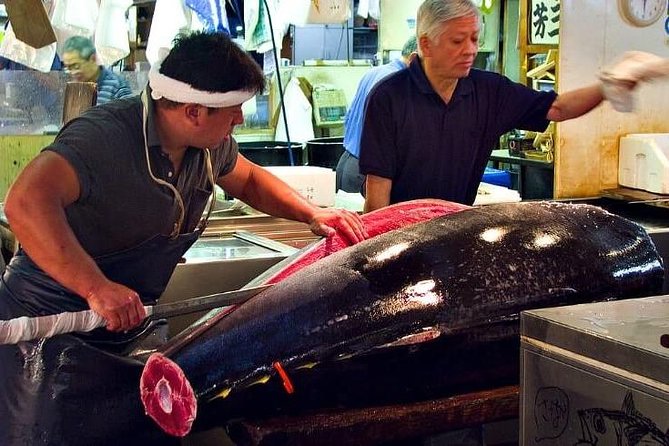
Reviewed · TSUKIJI MARKET TOURS
Tokyo Tsukiji Food & Culture 6hr Private Tour with Licensed Guide
Tokyo’s best food and old-town sights are spread across several districts, and this six-hour private tour helps you connect them without spending your day staring at a train map. You can choose three or four stops from places such as Toyosu Market, Tsukiji, Asakusa, Kappabashi, and Yanaka Ginza.
I like the one-to-one attention and the freedom to shape the day around food, shopping, or temples. I also like that the route can include both modern Toyosu and older neighborhoods such as Asakusa and Yanaka. The catch is that the $154.84 price per person does not include transportation, lunch, or most personal spending, so the final cost can rise.
In This Review
- Key points to know
- A smart way to see Tokyo’s food districts
- Starting with Toyosu’s modern market
- Tsukiji for street food and small shops
- Ameyoko’s deals and everyday Tokyo
- Senso-ji and the approach through Asakusa
- Nakamise Street for snacks and souvenirs
- Kappabashi and the tools of Japanese cooking
- Tsukishima and Tokyo’s monjayaki tradition
- Yanaka Ginza and old-town Tokyo
- What the private format is worth
- Building the right six-hour route
- Who will get the most from this tour
- Practical details before you book
- Should you book the Tokyo food and culture tour?
- FAQ
- How long does the Tokyo Tsukiji Food and Culture tour last?
- Is the tour private?
- Is the route fixed?
- Which guide leads the tour?
- Is hotel pickup included?
- Are transportation costs included?
- Is lunch included?
- Are entrance fees included?
- Can I visit Toyosu Market?
- Can I cancel for a full refund?
Key points to know
- Choose three or four stops: You do not try to cover every listed neighborhood in six hours.
- Toyosu and Tsukiji are different: Toyosu is the newer wholesale market, while Tsukiji is better for its food stalls and shopping atmosphere.
- Taka may guide your day: One guide praised in the tour material is Taka, who also helped a couple practice using chopsticks.
- Food costs extra: Lunch, tastings, transportation, and personal purchases are not included.
- This is a walking tour: Pickup means meeting the guide on foot within the designated Tokyo area.
- Private means flexible: Only your group takes part, with no need to match another party’s pace.
A smart way to see Tokyo’s food districts
This tour is built around choice rather than a fixed march from one attraction to the next. You select three or four places from a menu of food markets, shopping streets, and cultural sights, then spend the day with a licensed English-speaking guide.
That structure matters in Tokyo. Toyosu, Tsukiji, Asakusa, Kappabashi, and Yanaka are not one compact attraction. They belong to different parts of the city, and each gives you a different view of Tokyo. A guide can help you decide which combination makes sense for your interests and available time.
I would think of this as a food and neighborhood orientation, not a formal museum tour. The value comes from having someone explain what you are seeing, point out useful stops, and keep the day moving while you sample food or browse shops.
The tour lasts about six hours. Since transportation is not included, you should expect to pay train or subway fares as the route changes districts. There is no private vehicle, and the meeting and pickup arrangement is on foot.
A few more Tokyo tours and experiences worth a look

Starting with Toyosu’s modern market
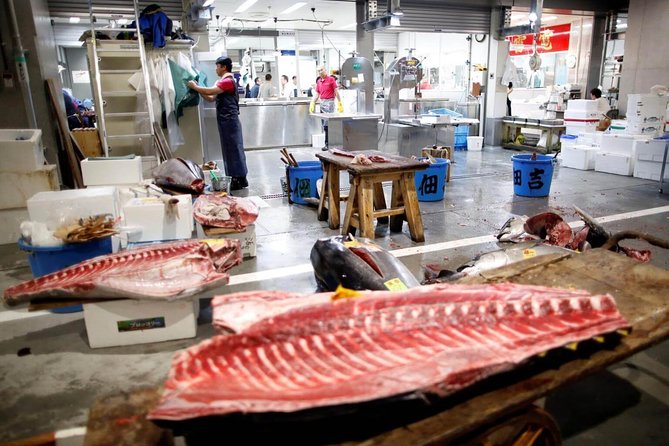
Toyosu Market is the newer home of Tokyo’s wholesale fish business. It opened on October 11, 2018, on a man-made island in Tokyo Bay, taking over the wholesale role once associated with the older Tsukiji Market.
A two-hour visit here gives the market time to make sense. You are not simply walking past food stalls. Your guide can explain how Toyosu relates to Tsukiji and help you understand the difference between a wholesale market and a public shopping street.
Toyosu is the better choice if you want the modern side of Tokyo’s seafood trade. It has a different feel from Tsukiji, so choosing both can make for a useful comparison. The drawback is time. Two hours at Toyosu leaves less room for several other neighborhoods, especially once train rides are added.
Admission is not included. The tour information also does not promise a particular auction viewing or a specific tasting, so you should treat Toyosu as a guided market visit rather than booking it for one guaranteed spectacle.
Tsukiji for street food and small shops
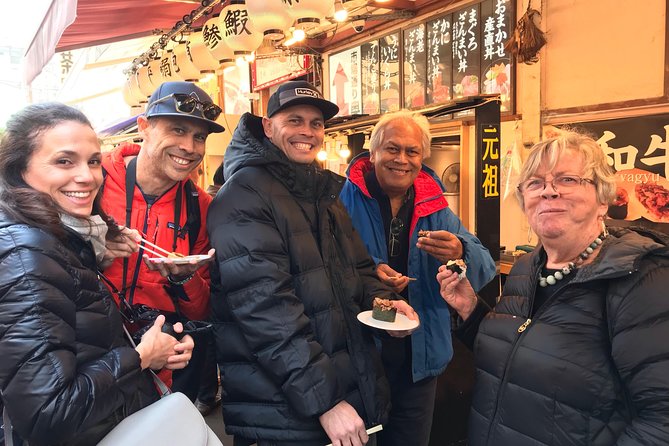
Tsukiji Fish Market is often the most natural starting point for a food-focused day. You meet the guide near Tsukiji Honganji Temple, outside the market’s main gate, in the morning.
The old wholesale operation moved to Toyosu, but Tsukiji remains a place to browse seafood, snacks, kitchen goods, and small food businesses. The market can feel confusing at first, with narrow lanes and many choices. That is exactly where a local guide earns the fee.
Your guide can help you understand what you are looking at instead of leaving you to guess from signs and displays. Food purchases are extra, so you control how much you spend. That is useful in a market where a few small tastings can quickly become a full meal.
A one-hour stop is enough for a focused introduction, but it is not a long sit-down food tour. If eating is your main goal, tell the guide early. You may prefer Tsukiji plus Tsukishima, rather than trying to fit in several shopping streets.
Ameyoko’s deals and everyday Tokyo
Ameyoko Shopping Street offers a different kind of shopping experience. The emphasis is on browsing, bargains, souvenirs, and the everyday commercial side of Tokyo rather than polished department-store displays.
The suggested visit lasts about 30 minutes. That is short, but it can work as a quick stop between larger attractions. You can ask the guide what kinds of goods are worth your attention and avoid wasting time in shops that do not match your interests.
Ameyoko is a good pick if you want shopping with a local, practical feel. It is less useful if your priority is a quiet temple visit or a long meal. With only three or four stops in the day, I would choose it when shopping matters as much as food.
Senso-ji and the approach through Asakusa
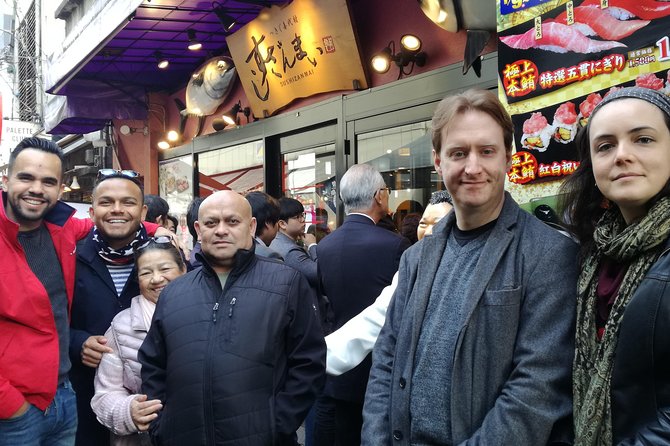
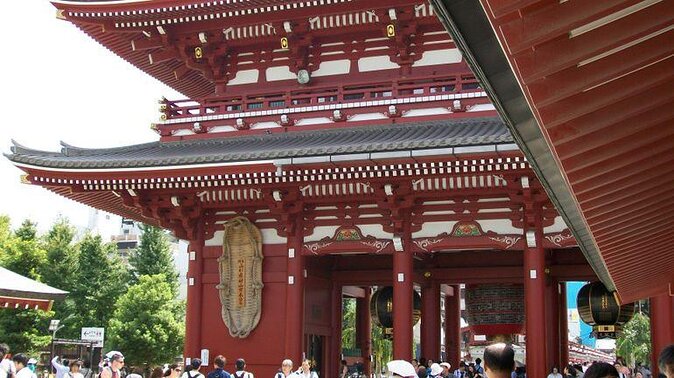
Senso-ji is one of Tokyo’s best-known temples, with a history reaching back about 1,300 years. Its Kaminarimon entrance gate is marked by a large red lantern, making it one of the city’s most recognizable sights.
A guide adds context to what could otherwise become a quick photograph and a walk-through. You can learn how the temple area fits into Asakusa and how to approach the grounds respectfully.
The planned visit is about 30 minutes. That gives you time to see the main entrance and temple area, but not a slow, detailed study of every corner. If Senso-ji is important to you, you should say so when choosing your stops and avoid filling the day with too many distant markets.
A few more Tokyo tours and experiences worth a look

Nakamise Street for snacks and souvenirs
Nakamise Shopping Street runs about 250 meters along the approach to Senso-ji. Shops on both sides sell traditional souvenirs, snacks, and small gifts.
This is an easy pairing with the temple because the two stops sit side by side. You can move from religious architecture to shopping without adding a major transfer. The street is also a practical place to look for small Japanese items rather than expensive department-store goods.
The tour material includes a useful personal detail from one guide’s day: a participant bought three sets of chopsticks at Asakusa’s Nakamise Street after practicing with them during a food tour. That suggests the guide may be especially helpful for first-time diners who want patient, hands-on help with food customs.
Nakamise is not the place for a long, quiet meal. Think of it as a short browsing stop with snacks and souvenirs, followed by Senso-ji.
Kappabashi and the tools of Japanese cooking
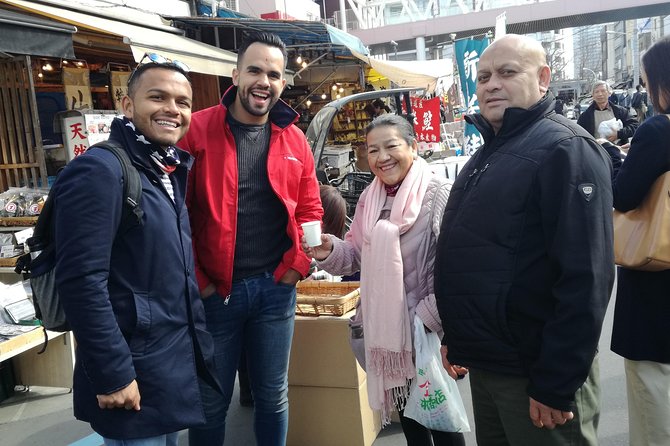
Kappabashi Street, also called Kappabashi Dogugai, runs between Ueno and Asakusa. Its shops serve restaurant operators and sell the equipment needed to run a professional kitchen.
For anyone interested in Japanese cooking, this can be more rewarding than a standard souvenir street. You might find knives, cookware, serving pieces, and other restaurant supplies, although the tour details do not promise any particular shop or purchase.
The suggested visit is 30 minutes. That is enough to get a sense of the street and identify items worth a second look, but not enough for a long shopping session. If you plan to buy a knife or bulky kitchen item, remember that personal purchases are your responsibility and the tour does not include shopping expenses.
Kappabashi pairs well with Senso-ji or Nakamise because both are in the Asakusa area. It gives your day more substance than simply moving from one famous photo stop to another.
Tsukishima and Tokyo’s monjayaki tradition
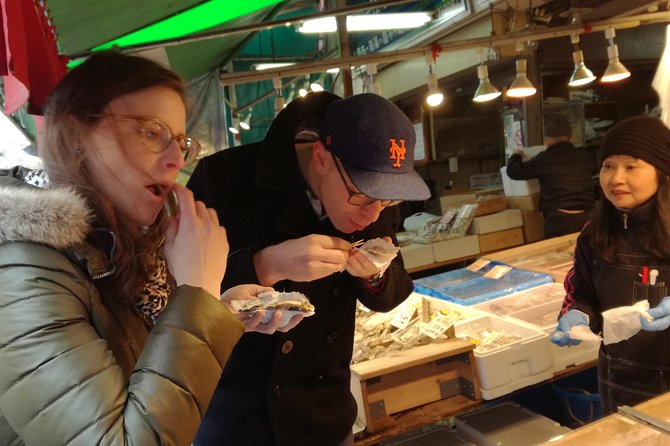
Tsukishima Monjya Street introduces you to monjayaki, a local dish made from a thin batter of flour and dashi, or Japanese stock. The mixture is cooked hot and has a loose, almost liquid texture.
Monjayaki is not a beauty contest winner. Its appearance may seem odd at first, but the point is to try a Tokyo specialty in the neighborhood associated with it. The guide can help you understand what makes the dish different and may make the first encounter less intimidating.
The stop lasts about 30 minutes, and the food is not included. That short window may suit a tasting, but you should not expect a leisurely full meal unless the guide and schedule allow it. Ask about this stop if you want a distinctly Tokyo food experience rather than a general market visit.
Yanaka Ginza and old-town Tokyo
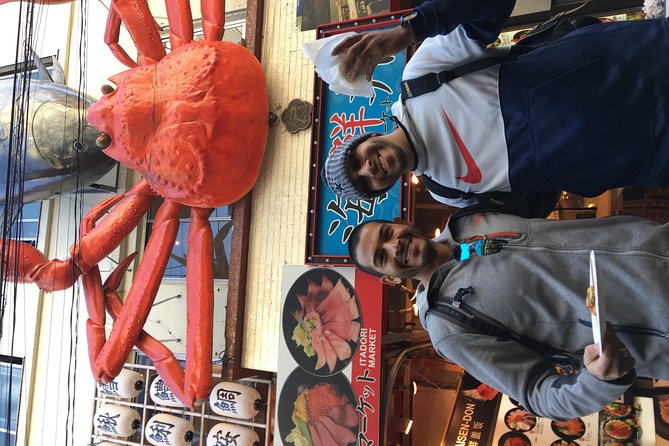
Yanaka Ginza Shopping Street offers a quieter view of Tokyo, with a well-preserved Shitamachi atmosphere. Shitamachi refers to the older low-town districts traditionally linked with working neighborhoods and everyday city life.
This is a strong choice if you have already seen modern shopping districts and want something more nostalgic. The street is lined with local shops, and the area gives you a break from the major temple and market sights.
The visit is listed at about 30 minutes. That is enough for a first look, though you will need to keep moving if you want to browse carefully. Yanaka is also not a natural match for every other stop, so allow for transportation time and choose it because the older neighborhood character appeals to you.
What the private format is worth
At $154.84 per person, the price is easiest to justify for a small group that values guidance and flexibility. A private tour gives your party the guide’s full attention, and you can choose the subjects that matter most: seafood, cooking tools, temple culture, souvenirs, or older neighborhoods.
For one person, the cost may feel high once you add fares and food. For a couple or family, the price can make more sense, especially if independent planning would involve several confusing transfers and uncertain market choices. Group discounts are offered, but the exact savings are not provided, so check the booking total.
The guide’s role is more than leading the way. A good guide can explain market etiquette, help you identify food, give you a second opinion before a purchase, and adjust the pace when you need a break. One account highlights Taka’s friendly patience with chopstick practice, including encouragement that helped a beginner keep trying.
Do not expect the guide to cover every expense. Transportation, lunch, entrance fees, and personal purchases are extra. Guide entry fees are covered only for sights named in the planned selection, so ask before adding anything outside those choices.
Building the right six-hour route
You cannot realistically give every stop equal time. Toyosu alone is allotted about two hours, while most other places receive 30 minutes to one hour. The best plan depends on what you want from Tokyo.
For a first food-focused day, I would consider Toyosu, Tsukiji, and Tsukishima, with the final choice depending on your interest in monjayaki. For a classic Asakusa day, Senso-ji, Nakamise, and Kappabashi make a logical group.
If you want old Tokyo rather than seafood, choose Yanaka Ginza with Asakusa sights. Ameyoko works well when shopping and everyday city life are priorities.
Tell the guide your main goal before the day begins. Three well-matched stops will usually feel better than four unrelated ones. Since the tour is on foot and public transportation costs extra, route planning matters as much as the attractions themselves.
Who will get the most from this tour
This experience suits first-time visitors who want help understanding Tokyo’s food culture without joining a large group. It is also a good fit for families, couples, and small parties with different interests, since the private format makes compromise easier.
Food beginners may appreciate guidance at Tsukiji or Tsukishima, while cooks and design-minded shoppers may prefer Kappabashi. Visitors who have already seen Tokyo’s major modern districts could use Yanaka Ginza for a more old-fashioned neighborhood view.
You should think twice if you want a fully paid package with no extra decisions. You will need to pay for your own food, fares, and purchases, and the exact route depends on your choices. This is a guided framework, not a private car tour or a fixed luxury excursion.
The experience is near public transportation, and most people can participate. Service animals are allowed. Because it is a walking tour, anyone in your group should be comfortable moving between market lanes, streets, and transit connections.
Practical details before you book
Confirmation is provided at booking. Pickup is offered, but it means meeting the guide on foot within a designated area of Tokyo, not being collected by a private vehicle.
The tour is private, and only your group participates. You cannot combine multiple tour groups, which protects the flexible format but also means you should book for the full party that will attend.
The experience can be canceled for a full refund up to 24 hours before the local start time. Cancellations or changes made less than 24 hours in advance are not accepted for a refund.
Should you book the Tokyo food and culture tour?
Book it if you want a personal guide to connect Tokyo’s markets, food streets, temples, and neighborhood shopping without planning every turn yourself. It offers its best value when you choose a clear theme and travel with at least one other person.
I would especially consider it for a first morning in Tokyo, when a guide can help you get comfortable with market customs and local foods. Taka’s patient help with chopsticks is a small but telling example of the kind of personal attention this format can provide.
Skip it if you prefer to explore independently, want all meals and transport included, or hope to cover every listed district in one day. For everyone else, the private structure, flexible route, and mix of Toyosu, Tsukiji, Asakusa, and older shopping streets make this a useful way to get beyond Tokyo’s headline sights.
FAQ
How long does the Tokyo Tsukiji Food and Culture tour last?
The tour lasts approximately six hours.
Is the tour private?
Yes. Only your group participates, and you cannot combine multiple tour groups.
Is the route fixed?
No. You choose three or four sites from the available selection, and the tour is customized around your choices.
Which guide leads the tour?
The experience includes a licensed local English-speaking guide. One guide identified in the tour information is Taka.
Is hotel pickup included?
Pickup is offered on foot within a designated area of Tokyo. There is no private vehicle.
Are transportation costs included?
No. Transportation fees are not included in the price.
Is lunch included?
No. Lunch and other food purchases are not included.
Are entrance fees included?
Entrance fees are not generally included. Guide entry fees are covered only for sights listed among the available tour choices.
Can I visit Toyosu Market?
Yes. Toyosu Market is one of the available stops, with about two hours suggested for the visit. Admission is not included.
Can I cancel for a full refund?
Yes. You can cancel at least 24 hours before the local start time for a full refund. Changes or cancellations made less than 24 hours before the start are not accepted for a refund.
More Guided Tours in Tokyo

More Food Experiences in Tokyo
More Tsukiji Market Tours in Tokyo
More tours in Tokyo we've reviewed



Tsukiji Market Tours, compared.
 ★ 5.0Tokyo Tsukiji Fish Market Food and Culture Walking TourFrom $99
 ★ 5.0Tokyo: Tsukiji Fish Market Food and Walking tourFrom $30
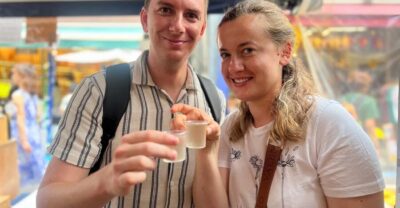 ★ 4.9Tokyo: Tsukiji Fish Market Guided Walking TourFrom $222 hours
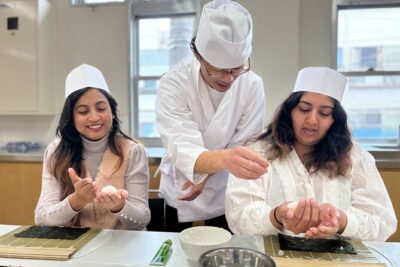 ★ 5.0Tokyo Sushi Making Class in Tsukiji with Professional ChefFrom $49
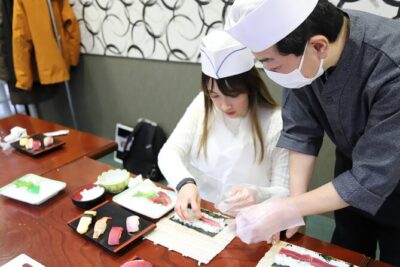 ★ 5.0Tsukiji Fish Market Guided Tour and Sushi Making with Pro ChefFrom $104
★ 4.7Tokyo: Tsukiji Fish Market Food and Culture Walking TourFrom $963 hours
★ 5.0Tsukiji Fish Market Guided Tour and Sushi Making with Pro ChefFrom $104
★ 4.7Tokyo: Tsukiji Fish Market Food and Culture Walking TourFrom $963 hours