
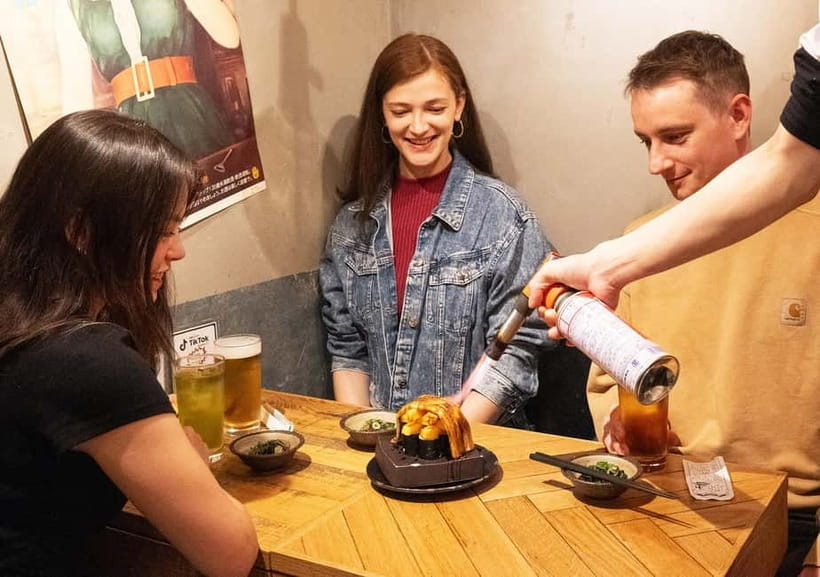
Reviewed · TOKYO FOOD TOURS
Shinjuku: Food Tour – 15 Dishes at 4 local eateries
Shinjuku is easiest to understand with a plate in front of you. This three-hour evening walk links four local eateries with the narrow lanes of Omoide Yokocho, Kabukicho, and Golden Gai, giving you a taste of Tokyo beyond the big restaurant signs.
I like the generous range: sushi, gyoza, tonkatsu, takoyaki, sake, and more. I also like the way the walking breaks give the food some breathing room and let guides such as Sota, Ayaka, Shun, and Yuto explain local manners and neighborhood life. The one thing to watch is the alcohol wording: the summary says two drinks, while the included section says three, so confirm the exact package when booking.
In This Review
- Key points to know
- Why this Shinjuku food tour works
- Starting at the East Exit police box
- Omoide Yokocho: a narrow first taste of old Shinjuku
- Kabukicho: food beneath the neon
- Golden Gai: tiny bars and a different side of Tokyo
- What you may eat and drink
- The guide is the real added value
- How the $72 price holds up
- Who should book this evening?
- Practical tips for a smoother night
- Should you book the Shinjuku Food Tour?
- FAQ
- How long does the Shinjuku food tour last?
- Where does the tour begin?
- How do I identify the guide?
- How many dishes are included?
- How many drinks are included?
- Are extra food and drinks included?
- Can people under 20 join?
- What languages does the guide speak?
- Can I cancel for a refund?
Key points to know
- Four stops, fifteen dishes: You get enough food for a full meal, not just a few decorative samples.
- Shinjuku after dark: The route passes through Omoide Yokocho, Kabukicho, and Golden Gai, three very different parts of the district.
- A guide makes the difference: Guides help with Japanese menus, ordering, food customs, and questions about Tokyo.
- Good variety for first-time visitors: Expect dishes such as sushi, gyoza, tonkatsu, takoyaki, kushikatsu, and Japanese drinks.
- Useful for nervous navigators: You meet at the East Exit police box, then follow a guide through small eateries and busy streets.
- A social evening: The relaxed pace and shared tables make it easy to talk with people from other countries.
Why this Shinjuku food tour works
At $72 per person, this is not the cheapest way to eat in Tokyo. It is a useful way to turn dinner into a guided introduction to one of the city’s most confusing and entertaining districts.
The price covers four eateries, up to 15 dishes, and drinks. You are also paying for the guide’s judgment. In Shinjuku, the hard part is not finding food. It is knowing which narrow doorway to enter, how to read a menu, what to order for the table, and how to move through the district without wasting your evening.
The meals are not presented as fine dining. That is a strength. You are going for casual Japanese food in places with character, including izakayas, food stalls, specialty shops, and bars. The focus is on hearty cooking and a local night out, not polished service or elaborate presentation.
I would consider this strong value if you want a full dinner and a first look at Shinjuku nightlife in one booking. It is less useful if you already know Tokyo’s food customs, speak Japanese, and are happy choosing small restaurants on your own.
A few more Tokyo tours and experiences worth a look
Starting at the East Exit police box
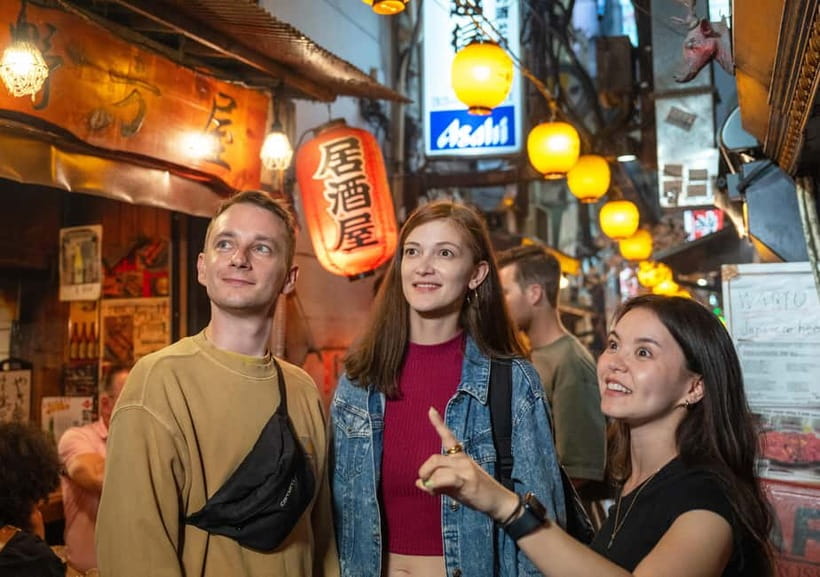
The meeting point is the Shinjuku Station East Exit Police Box at 3-38-1 Shinjuku, Shinjuku-ku. This is a practical spot, but Shinjuku Station can feel like a city beneath the city, especially at night.
Give yourself extra time. The station has several exits, and one participant specifically found the meeting point tricky because of the crowds and size of the station. Look for the guide holding a sign marked Local Guide Stars.
The guide may contact you through WhatsApp, so download the app before the tour and check that your phone can receive messages. Guides speak English or Japanese. Names commonly associated with this experience include Sota, Akira, Naoto, Sakura, Ayaka, Shun, Yuto, Noa, and others, but your actual guide depends on the date.
Once everyone is together, the evening begins on foot. Wear comfortable shoes and come hungry, but not so hungry that you rush through the first stop. Fifteen dishes over three hours is a substantial amount of food.
Omoide Yokocho: a narrow first taste of old Shinjuku
The first part of the route takes you toward Omoide Yokocho, a compact lane of tiny eating places near the west side of the station area. Its name is often translated as Memory Lane, though it was once known by a less charming nickname connected to its wartime market past.
Here, the appeal is scale. The alleys are narrow, the restaurants are close together, and the atmosphere feels very different from the wide streets and department stores around Shinjuku Station.
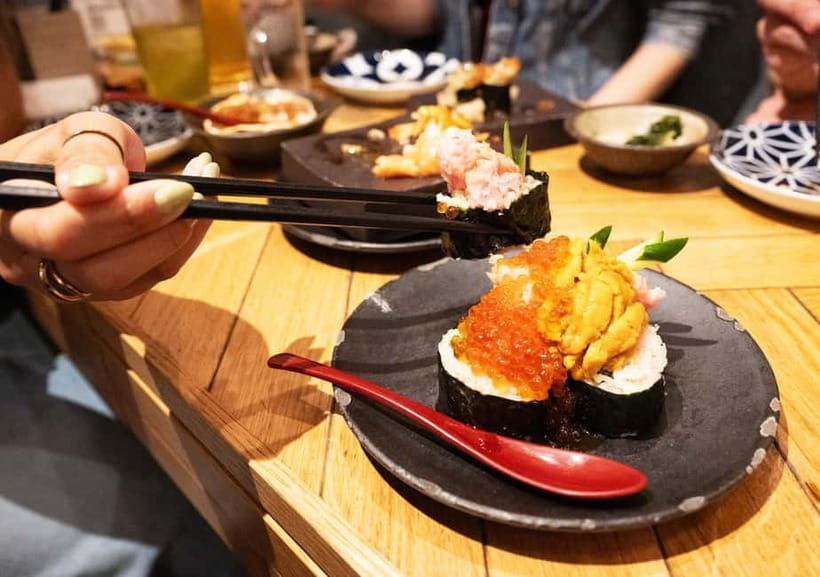
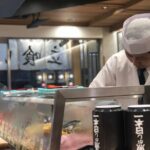
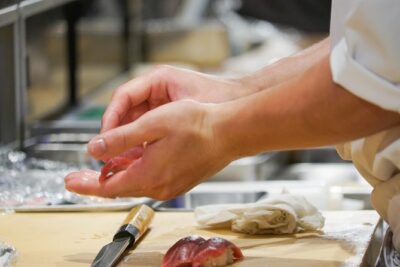
Your first meal stop may include familiar Japanese favorites and small shared dishes. Sushi is one of the advertised highlights, along with dumplings, fried foods, and other casual plates. The menu can change with the season and restaurant availability, so do not treat the list as a fixed tasting menu.
This is where a guide earns the fee quickly. You can ask how to handle shared dishes, which sauces to use, and what you are actually eating. A guide can also explain the difference between food designed for a quick bite and dishes meant to accompany a drink.
The drawback is that small eateries can mean tight seating and a little waiting while the group settles in. If you prefer roomy tables, quiet conversation, and a formal meal, this will feel informal. If you like eating where the setting is part of the story, it is a fine opening.
Kabukicho: food beneath the neon
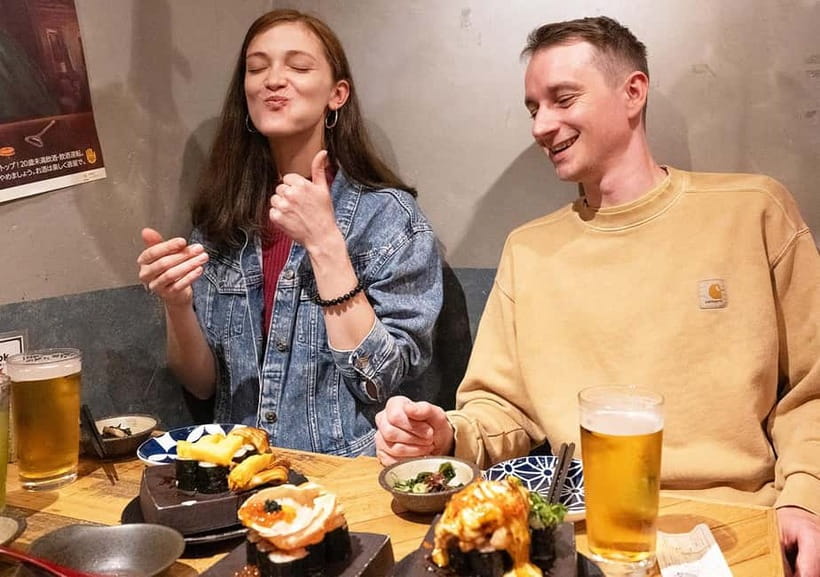
From Omoide Yokocho, the walk continues through Kabukicho, Shinjuku’s famous nightlife district. The bright signs and dense streets can be a lot to take in, but the guided route gives the area some shape.
Kabukicho has a reputation that can make first-time visitors unsure of where to go. A local guide helps you pass through the district with a clear purpose: find the next restaurant, hear the area’s background, and keep the group together.
The food at this stage may include juicy gyoza, crispy tonkatsu or kushikatsu, takoyaki, and other Japanese comfort dishes. These are not delicate bites. Fried foods, dumplings, and savory snacks can fill you up fast, which is why pacing matters.
Drinks may include a highball, lemon sour, plum wine, or sake, depending on the venues and the package. The tasting may introduce you to a few common Japanese drinking styles rather than one expensive bottle. Sake in particular can taste quite different from one variety to another, and a guide can help you notice those differences.
The walking between restaurants is valuable here. It breaks up the meal and lets you see more than one storefront. You may pass arcades, side streets, and corners that are easy to miss if you simply follow the main road to a restaurant reservation.
Kabukicho is also the point where the tour may feel busiest and least peaceful. Expect crowds, bright lights, and plenty of visual noise. That is part of Shinjuku, but it may not suit you if you want a calm food crawl.
Golden Gai: tiny bars and a different side of Tokyo
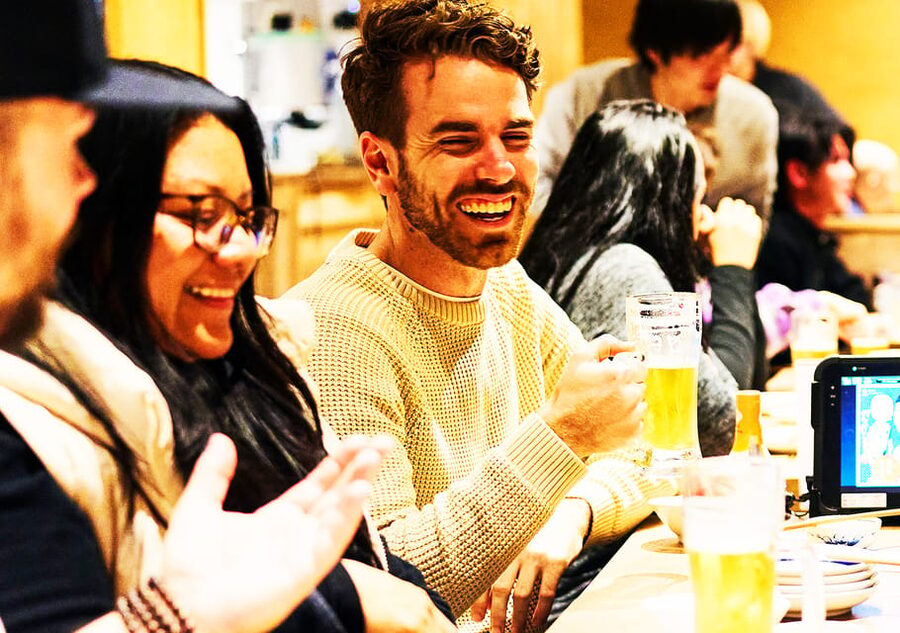
The final area is Golden Gai, a famous cluster of very small bars and narrow lanes. Each building can hold several little venues, often with only a handful of seats. The area has a strong personality and feels more intimate than the broad streets of Kabukicho.
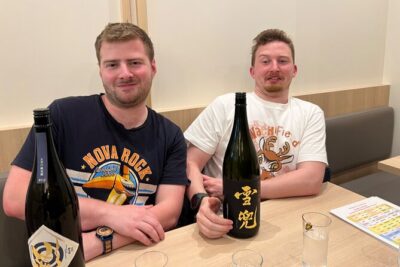
The tour may finish with a sake stop or another drink-focused venue. One itinerary described a tasting of three different sakes, while the general tour information lists either two or three included drinks. Because those details do not match perfectly, confirm what your booking includes before you arrive.
Golden Gai is not a place where you should expect a large, open dining room. The small spaces are the point, but they also mean the group’s size and the evening’s seating arrangements matter. You may spend less time eating large plates here and more time talking, tasting, and learning how these compact bars operate.
A guide can explain drinking etiquette, the role of izakayas and neighborhood bars, and how Shinjuku’s nightlife differs from the polished restaurant floors found in hotels and department stores. The stories add context to the food, without turning the evening into a formal history lecture.
After the final stop, you walk back to the Shinjuku East Exit police box. The route lasts about three hours in total. It is a walking tour with food, not three hours seated at one restaurant.
A few more Tokyo tours and experiences worth a look

What you may eat and drink
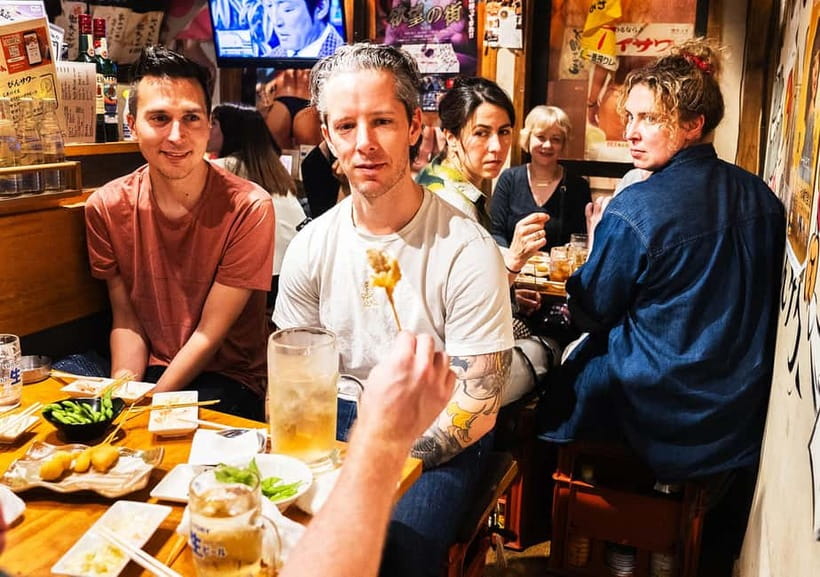
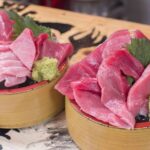
The advertised food selection reaches up to 15 dishes. That does not mean 15 full restaurant portions. It means a broad set of shared servings, enough to make a complete dinner.
Possible dishes include:
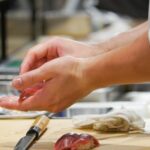
- Fresh sushi
- Juicy gyoza
- Crispy kushikatsu
- Tonkatsu
- Takoyaki
- Other izakaya-style plates
- Matcha ice cream or another dessert
- Seasonal items chosen by the eateries
The exact menu changes with the season and restaurant availability. That flexibility is sensible because small local restaurants may not serve the same dishes every night.
The range is one of the tour’s strongest features. You are not locked into sushi alone, and you are not spending the entire night on fried food. The mix gives you a basic map of Japanese casual dining: raw fish, grilled or fried dishes, dumplings, snack foods, sweets, and drinks.
Portion size appears to be generous enough that many people finish very full. Pace yourself. If you see a dish you especially like, your guide may be able to explain where to find more of it later, but additional food and drinks are not included.
If you have allergies or strong dislikes, tell the guide before ordering. The supplied information does not promise a special dietary menu, so do not assume every preference can be handled. The same applies to vegetarian or pescatarian needs: ask in advance rather than relying on a last-minute change.
The guide is the real added value
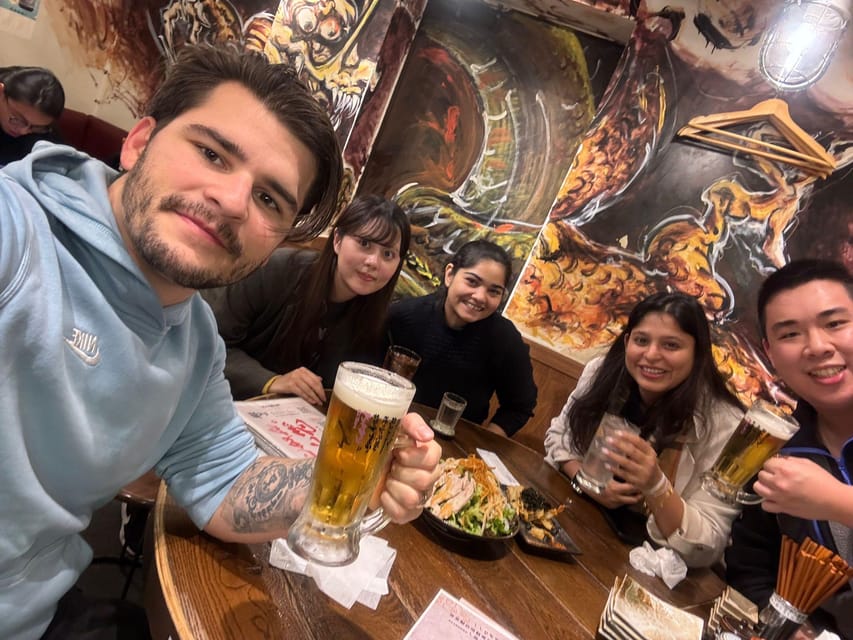
The food could be good and the tour still ordinary. Here, the guide is meant to make the whole route easier and more rewarding.
Several guides have been praised for clear English, humor, patience, and practical advice. Ayaka, for example, has helped with Japanese menus and later shared bakery suggestions. Shun has been noted for explaining both the food and the neighborhoods, while Sota has received praise for recommendations and cultural explanations.
You should expect more than a list of dish names. The guide can explain ordering customs, table etiquette, the reason behind certain food habits, and how to approach places you might not enter alone. That is especially useful on a first visit to Japan, when a small menu or unfamiliar counter setup can feel intimidating.
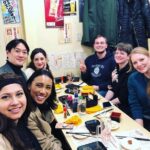
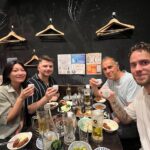
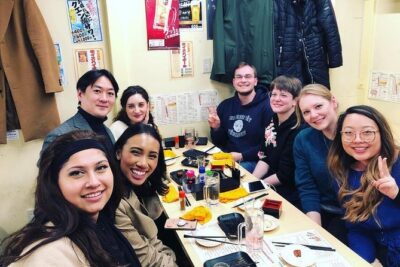
The social side also matters. You eat with a small group, talk between stops, and share dishes around the table. Some evenings may have only a few participants, while the group size is not specified as fixed. A small group can make conversation easier and allow the guide to answer more questions.
The strongest guide feedback centers on warmth and personal attention. Guides are described as friendly, welcoming, energetic, and willing to give suggestions for the rest of a Tokyo stay. That can turn a three-hour booking into a useful starting point for the next several days.
Still, guides are individuals, and the exact personality will vary. The experience is not a private tour unless your booking says so. If you need a highly controlled schedule, this social format may not be your ideal fit.
How the $72 price holds up
The $72 fee includes the main meal, four dining stops, a local guide, neighborhood walking, and either two or three drinks depending on the package details. Compared with ordering 15 dishes and several drinks separately, the price can be reasonable, especially in a central nightlife district.
The larger saving is time and uncertainty. You do not need to research four places, decode Japanese menus, decide how much to order, or work out how to connect Omoide Yokocho with Kabukicho and Golden Gai.
You also get variety without committing to a full meal at each restaurant. That makes the tour useful for people who want to try Japanese food but do not know which dishes to choose.
It is not a bargain for a person who only wants a cheap dinner. You will pay for the route and the guide as much as for the food. Additional items are extra, and the menu is subject to change.
Free cancellation is available up to 24 hours before the start for a full refund. You can also reserve and pay later, which helps if your Tokyo schedule is still shifting.
Who should book this evening?
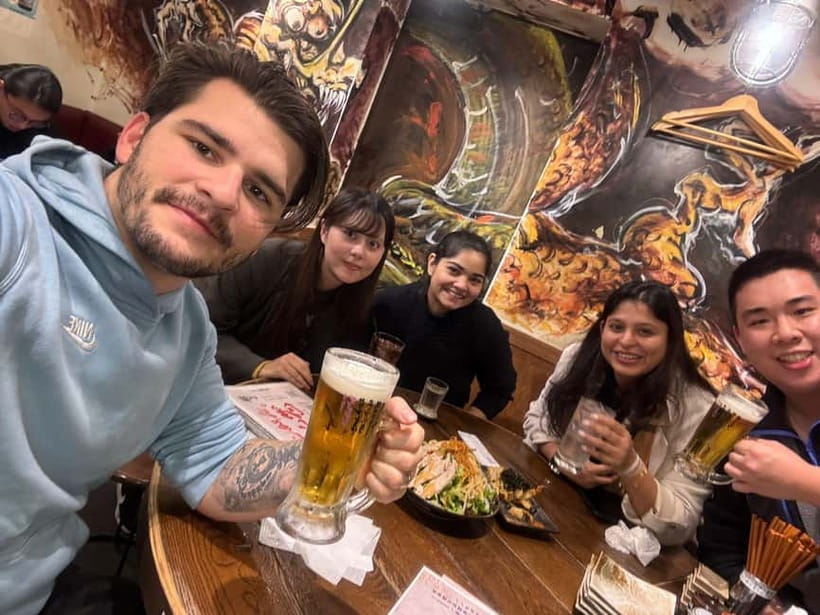
I would recommend it most strongly for first-time visitors to Tokyo, solo visitors who want company at dinner, and families or groups who want an easy night out without planning every stop.
It also suits curious eaters who want to try dishes they might not order alone. The mix of sushi, gyoza, fried food, takoyaki, sake, and sweets gives you plenty of chances to find a new favorite.
People under 20 may join, but they cannot drink alcohol. That makes the tour possible for families with teenagers, though you should confirm how the drink portion will be handled for younger participants.
You may want to skip it if you already have a detailed Shinjuku food plan, dislike shared meals, have strict dietary requirements, or want an upscale dining experience. The food is casual, the streets can be crowded, and the venues may be compact.
Practical tips for a smoother night
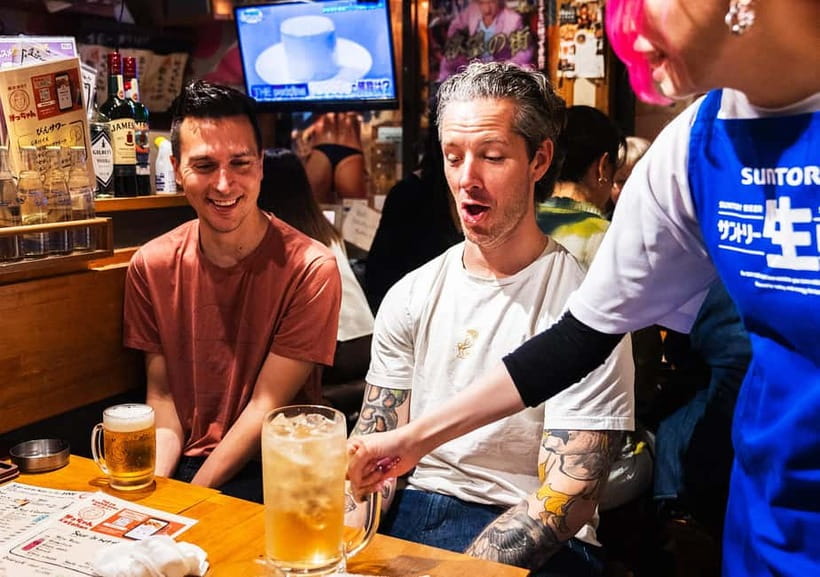
Arrive early at the East Exit police box. Shinjuku Station is large enough to turn a simple meeting into a stressful start.
Download WhatsApp before the tour. The guide uses it for contact, and this is not the moment to discover that the app is missing or your notifications are off.
Wear shoes suitable for three hours of walking. You will eat often, but you will also move through alleys, nightlife streets, and station areas.
Eat lightly beforehand. Fifteen dishes and several drinks can add up quickly, even when the portions are shared.
Bring questions. Ask about dishes, etiquette, other Tokyo neighborhoods, or places to eat later in your trip. Guides such as Ayaka and Miiko have provided useful follow-up recommendations beyond the scheduled route.
Finally, confirm the drink count. The supplied details list both two and three drinks. The food total is clearer, but the beverage allowance deserves a quick check before payment.
Should you book the Shinjuku Food Tour?
Book it if you want a well-organized first evening in Shinjuku, plenty of food, and a guide who can make unfamiliar places feel manageable. The best part is not one particular dish. It is the combination of four eateries, three contrasting nightlife areas, and a host who can explain what you are seeing and eating.
At $72, the tour makes sense when you value local direction, variety, and a full evening rather than the lowest possible dinner bill. Confirm the drinks, mention dietary needs early, and arrive ahead of time for the station meeting point.
If that sounds like your kind of night, this is a practical and tasty way to get oriented in Shinjuku.
FAQ
How long does the Shinjuku food tour last?
The tour lasts three hours, including the visits to four eateries and guided walks through Omoide Yokocho, Kabukicho, and Golden Gai.
Where does the tour begin?
It begins at the Shinjuku Station East Exit Police Box, at 3-38-1 Shinjuku, Shinjuku-ku, Tokyo.
How do I identify the guide?
Look for a guide holding a sign that says Local Guide Stars.
How many dishes are included?
Up to 15 Japanese dishes are included, with enough food for a full meal. The menu may change with the season and restaurant availability.
How many drinks are included?
The included information says three drinks, while the summary says two. Confirm the exact number included with your booking.
Are extra food and drinks included?
No. Additional food and drinks are not included and must be paid for separately.
Can people under 20 join?
Yes. Participants under 20 may join, but they are not allowed to consume alcohol.
What languages does the guide speak?
Live guides are available in English and Japanese.
Can I cancel for a refund?
You can cancel up to 24 hours in advance for a full refund. Reserve now and pay later is also available.
More Food Experiences in Tokyo

More Tokyo Food Tours in Tokyo
More Shinjuku Tours in Tokyo

More tours in Tokyo we've reviewed




Tokyo Food Tours, compared.
 ★ 5.0Tokyo: Shinjuku Food Tour (13 Dishes at 4 Local Eateries)From $86
 ★ 4.9Tokyo: Shinjuku Food Tour (15 Dishes and 4 Eateries)From $853 hours
 ★ 5.0Best of Shinjuku: Izakaya Food Tour (4 Stops, 14+ Tastings)From $92
 ★ 5.0Tokyo Night Foodie Tour in Shinjuku – Seasonal Sushi, Wagyu BeefFrom $111
 ★ 5.0Eat and Drink Like a Local: Tokyo Ueno Food Tour-Taverns&RamenFrom $95
 ★ 5.0Tokyo: Shibuya Food Tour (13 dishes and 4 Eateries)From $77