
Reviewed · TOKYO FOOD TOURS
Eat/Drink like a LOCAL-Taverns & Ramen
Ueno is where this tour gets interesting. Instead of sticking to Tokyo’s best-known visitor districts, you’ll follow Aki into local taverns where the staff speaks only Japanese, try dishes chosen for you, and finish with ramen at a shop popular with local diners. Three taverns and a ramen stop make this a full meal, not a few token samples.
I like the generous inclusions: at least seven dishes and five drinks are covered in the $126 price. I also like the human touch, from the welcome drink and small porcelain cup to Aki’s jokes, food knowledge, and practical advice about other parts of Japan. The main consideration is pace and appetite. You’ll eat a lot in three hours, and the walking, standing, Japanese-only restaurant settings, and full-size portions may not suit everyone.
In This Review
- Key points to know before booking
- Why Ueno makes a better food base than Shibuya
- The welcome drink sets the tone
- First stop: wine, food, and the start of the tavern rhythm
- Second tavern: grilled fish and Japanese drinks
- Third tavern: skewers and the less familiar side of Japanese food
- Ramen closes the meal with a local favorite
- What the $126 price really covers
- Who should book this Ueno food tour?
- The practical call
- FAQ
- Where does the tour start?
- Is the meeting point at Ueno Hirokōji Station?
- How long does the activity last?
- What food is included?
- How many drinks are included?
- Is ramen included in the price?
- Is the tour offered in English?
- Can I cancel for a refund?
Key points to know before booking
- Ueno replaces the usual Tokyo food districts: You’ll eat around Ueno and nearby Taito City, an area known for casual food and drinks rather than polished tourist dining.
- Aki leads with humor and local context: He explains Japanese food and drink customs, answers questions, and helps solo visitors feel part of the group.
- Seven dishes and at least five drinks are included: Expect sashimi, grilled fish, skewered chicken and pork, other shared dishes, and ramen.
- The restaurants are chosen for local atmosphere: Staff may speak only Japanese, so the guide is important for ordering and explaining what arrives.
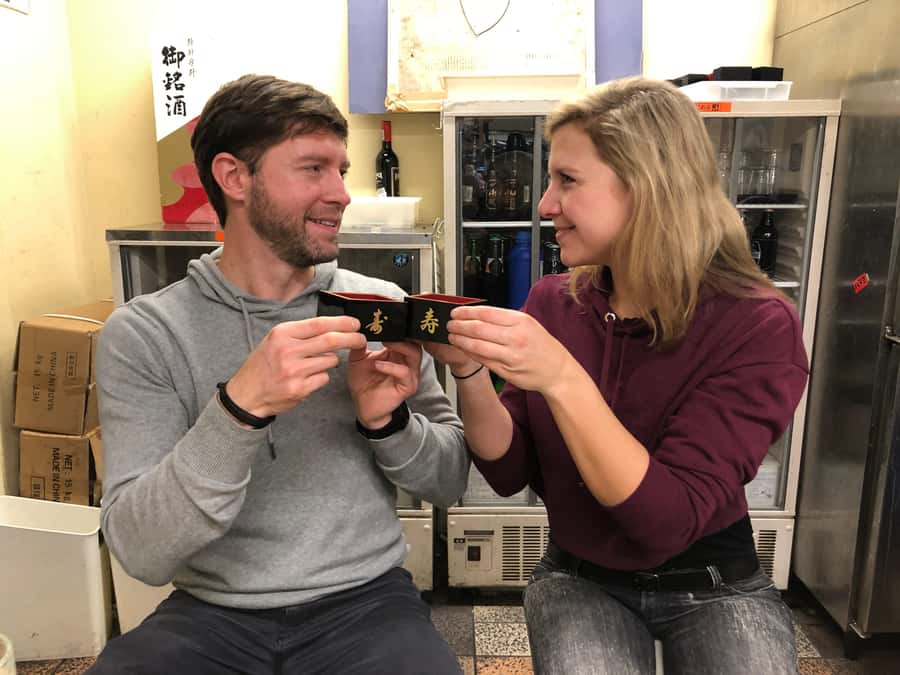
- You receive a small porcelain cup: It is used during the tour and becomes a practical souvenir of the evening.
- Come hungry: This is a substantial meal spread across several places, not a light tasting walk.
Why Ueno makes a better food base than Shibuya
Ueno has a different feel from Shibuya and Shinjuku. It is still central and easy to reach, but the tour takes you away from the most heavily visited restaurant zones and into places favored by Japanese food lovers. That matters because the setting is part of the meal. You are not simply being served familiar Japanese dishes in a restaurant designed for foreign diners.
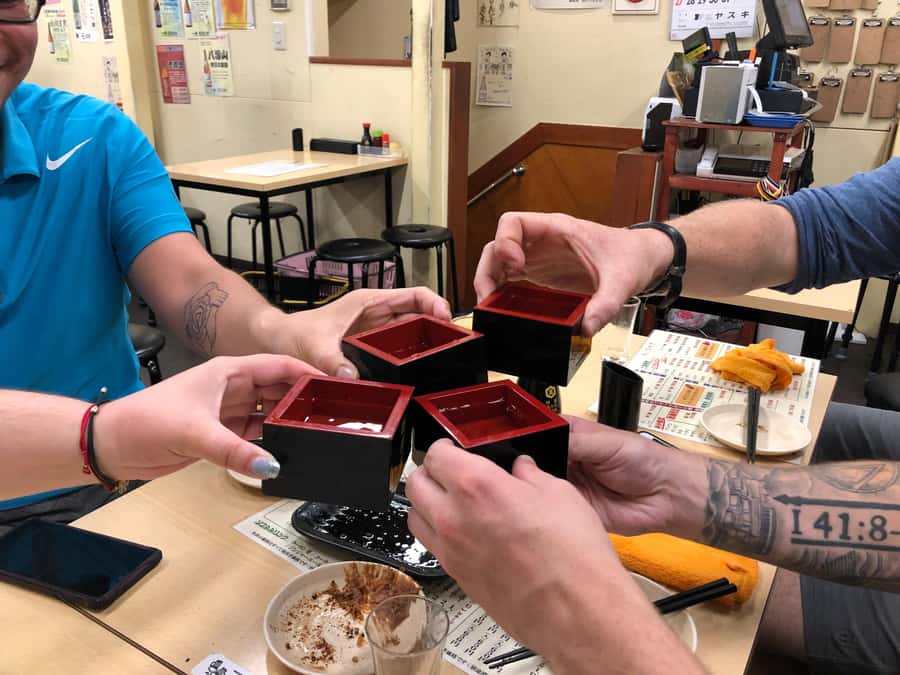
The tour is built around local tavern culture. These casual drinking places are made for ordering several dishes, sharing food, and staying for conversation. Since the staff at some stops speaks only Japanese, Aki acts as your bridge. He orders the signature dishes, explains what you are eating, and gives you a chance to ask about customs that can be hard to understand from a menu alone.
I find this more useful than a standard restaurant crawl where you are handed a plate and moved along. Here, the meal comes with context. You learn how Japanese people pair food and drinks, what makes a dish typical, and how a tavern meal differs from eating at a formal restaurant.
The meeting point is in front of the Starbucks at atré Ueno, beside the Hirokōji exit. Ueno Station is large, so allow extra time to find the correct exit. If you arrive on a JR train, look for the Central Gate, then follow the signs for Hirokōji Exit. From the Tokyo Metro Ginza or Hibiya lines, go toward the JR Ueno Station District Gate and Exit 9, then continue to ground level.
Do not confuse Ueno Station with Ueno Hirokōji Station. They are different stations, and that mix-up could make a short walk into a stressful start.
A few more Tokyo tours and experiences worth a look
The welcome drink sets the tone
The tour begins with a welcome drink at the meeting point. Aki also presents the small souvenirs, including a porcelain cup that you use during the evening. It is a modest detail, but it gives the tour a clear beginning and gives you something more lasting than a few food photographs.
Aki’s style is one of the main reasons this tour suits first-time visitors to Japan. He is friendly, funny, and attentive to the group. His humor keeps the evening relaxed, while his explanations give structure to the meal. He also makes a point of introducing people to one another, which helps if you are traveling alone.
Yumi may also assist on some departures. The information provided names both Aki and Yumi in connection with the group experience, while Aki is the main guide described throughout. If having a particular guide matters to you, check the departure details before booking.
The welcome stop is not a formal lecture. Expect an easy introduction, a drink, and a quick orientation before walking into the Ueno dining area. From there, the evening moves between food stops, with short walks of about five to fifteen minutes.
First stop: wine, food, and the start of the tavern rhythm
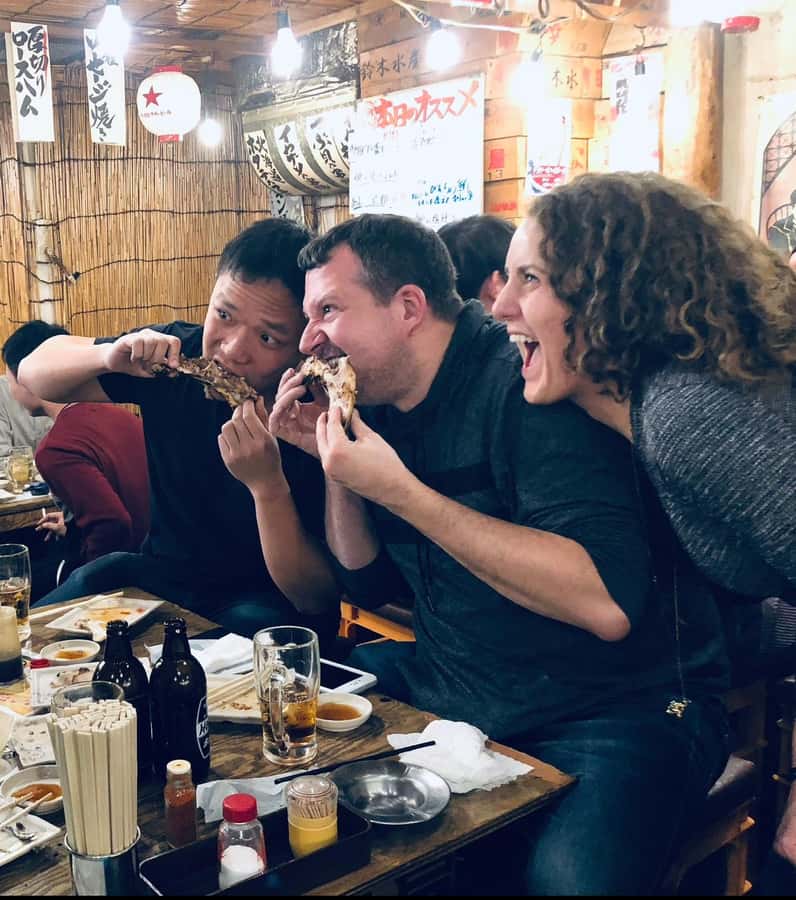
The first part of the route includes a short walk of about fifteen minutes around Ueno, followed by food and drink. The timing is roughly forty-five minutes at the first main food stop. This gives you enough time to settle in before the evening becomes a succession of new dishes.
The exact drink at each stop can vary, but the tour includes wine, beer, cocktails, spirits, and soft drinks. You will try at least five different drinks, including Japanese alcoholic options that you may not think to order on your own. Aki explains what you are drinking and how it fits into Japanese food culture.
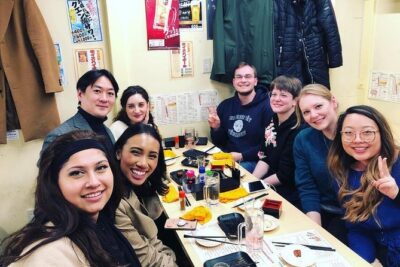
This is where the group rhythm begins. You are encouraged to ask questions, and the food is ordered for the table rather than selected one plate at a time by each person. That approach is useful in Japanese taverns, where menus can be difficult to read and portions are often designed for sharing.
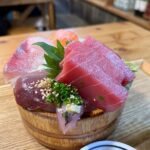
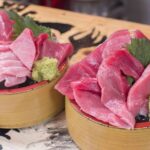
The first dishes include sashimi and other signature foods. Sashimi is a good early course because it lets Aki discuss freshness, preparation, and the place of seafood in Japanese dining. If you are used to ordering sushi, this may also show you a less familiar way to approach raw fish outside a dedicated sushi restaurant.
Second tavern: grilled fish and Japanese drinks
After another short walk of about five minutes, the route continues into Taito City for a second food and drink stop. This portion lasts about forty-five minutes and is listed as including wine, a guided visit, and food tasting.
The menu includes grilled fish, along with other dishes selected by the guide. Grilled fish gives the meal a different texture and flavor from sashimi, and it fits the relaxed drinking-house style of the tour. You are not sampling one narrow category of Japanese food. The point is to see how several types of dishes share a table over drinks.
This stop is also a good example of why the guide matters. A dish can look simple, yet the way it is ordered, shared, or paired with a drink may not be obvious. Aki provides that missing explanation without turning dinner into a classroom.
You should expect conversation and group dining rather than a quiet, private meal. That is part of the tavern experience, but it is worth considering if you prefer to eat at your own pace. The tour has a set schedule, so the group needs to move on after each stop.
Third tavern: skewers and the less familiar side of Japanese food
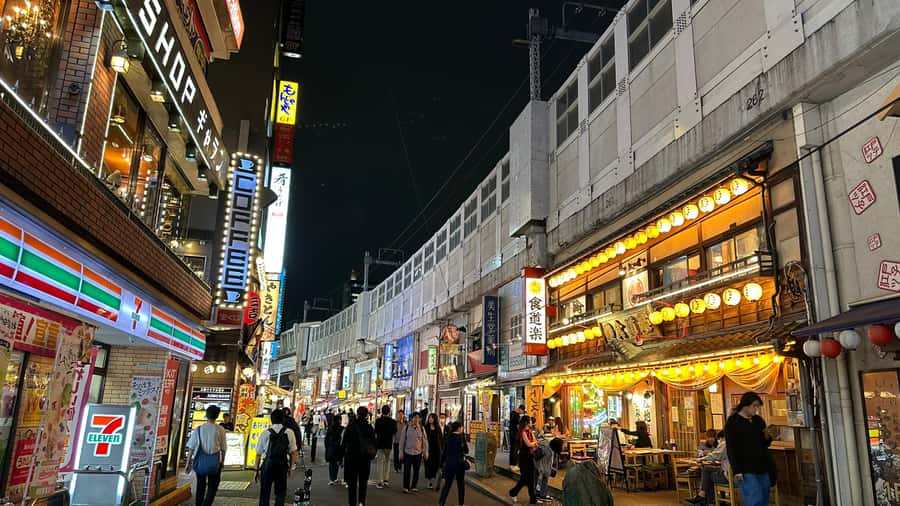
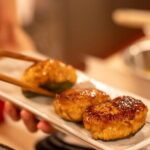
The third restaurant is another short walk away, also in Taito City, with about forty-five minutes set aside for regional food and a guided visit. This is where skewered chicken and pork enter the meal. The dishes may include less familiar cuts or preparations, and one reported highlight was trying mystery pork, an experience that the guide handled as a fun introduction rather than a test.
That detail captures the tour’s attitude. You are invited to try something outside your normal order, but you are not left alone with a dish you cannot identify. Aki explains what is being served and keeps the mood light.
Dietary restrictions can be accommodated with other options, according to the activity details. Still, you should tell the provider in advance and be specific. The tour includes meat, seafood, alcohol, and shared dishes, so dietary needs matter more here than they would on a simple sightseeing walk.
This stop also helps you see the range of Japanese tavern food. The meal is not limited to the internationally familiar choices of sushi, tempura, and ramen. Skewers, grilled items, small plates, and drinks are central to the evening, and the variety is one of the strongest reasons to book.
A few more Tokyo tours and experiences worth a look



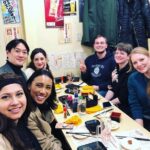

Ramen closes the meal with a local favorite
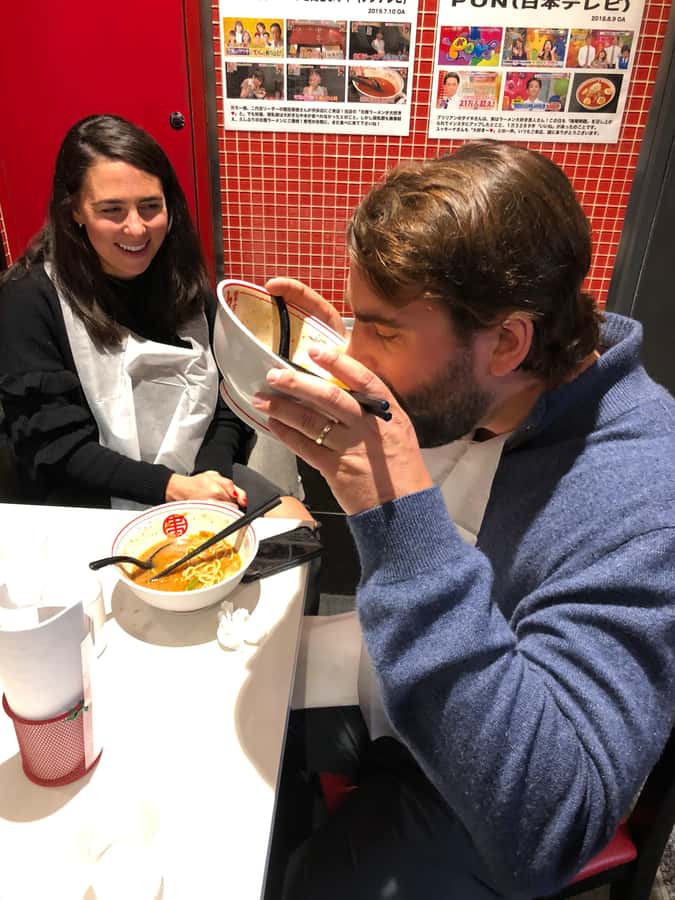
After the three taverns, the evening ends at a ramen shop popular with local diners. Ramen is included in the total, so this is not an optional add-on or a suggestion for later. It is the final part of a full-size meal.
You should arrive genuinely hungry. The tour includes at least seven dishes, five drinks, and ramen, all within about three hours. Even if each stop feels relaxed, the total amount is substantial. I would not schedule a large dinner before this tour, and I would avoid booking it on a night when you need to rush elsewhere.
Ending with ramen gives the route a satisfying finish. The earlier stops focus on shared tavern food and drinks, while ramen provides a complete final bowl. It also gives Aki one more chance to discuss a dish that many visitors know already, but may not understand in the context of a local evening out.
The final directions are useful. The route is associated with Okachimachi Station, and Aki shows you the entrances for the train lines you may need after the tour. The activity information also describes the experience as ending back at the meeting point, so confirm the exact final location for your departure when you book. Either way, having help with the station entrances is valuable after several drinks and a long meal.
What the $126 price really covers
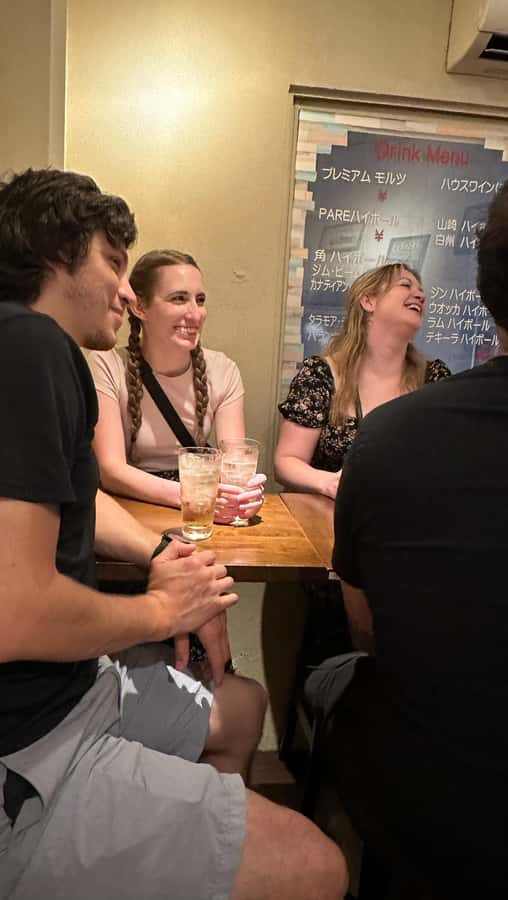
At $126 per person, this is not a cheap snack walk. It is better judged as a guided dinner with multiple restaurant visits, a substantial amount of food, several drinks, cultural explanation, and a souvenir.
The inclusions are unusually clear:
- At least seven dishes
- At least five drinks
- Ramen
- Beer, cocktails, spirits, wine, and soft drinks
- A welcome drink
- A small porcelain cup
- An English-speaking guide
You also avoid the uncertainty of ordering in three Japanese-only taverns. That has real value. Without Aki, you could still eat in Ueno, but you might not know which dishes are considered specialties, how much to order, or what you are drinking.
The price works best for someone who wants an evening of eating and drinking rather than a narrow food lesson. If you do not drink alcohol, the soft drinks are included, but you may get less value from the range of alcoholic beverages. If you have a very small appetite, the generous portions may also work against the price.
The current rating is 4.9 from 23 ratings, and the strongest praise centers on Aki’s humor, food knowledge, cultural explanations, and ability to include solo participants. Those are important points because the guide is the heart of the experience. The restaurants matter, but the same food route would be less useful without someone who can explain it and keep the group moving.
Who should book this Ueno food tour?

I would recommend this tour to first-time visitors who want a friendly introduction to Japanese food and drinking customs. It is especially useful early in a Japan trip, since Aki also gives recommendations for other prefectures and ideas for what to do beyond Tokyo.
It is a strong choice for solo travelers. The guide makes introductions and keeps the group connected, so you do not have to sit quietly while everyone else talks. Couples and small groups should also enjoy it, particularly if they like trying unfamiliar food and sharing dishes.
You should think twice if you need a wheelchair, since the activity is not suitable for wheelchair users. You should also consider the walking, the quick changes between restaurants, and the amount of food and alcohol.
The staff at some restaurants speaks only Japanese. That is part of what makes the evening feel local, but it also means this is not a hands-off dining tour. You depend on the guide for ordering and explanations, which is reassuring for most people but less appealing if you want to choose every dish yourself.
Cancellation is free up to 24 hours before the activity for a full refund. You can also reserve and pay later, which helps if your Tokyo plans are still changing.
The practical call
Book this if you want a real dinner with a guide, not just a few bites in a market. The combination of Ueno taverns, unfamiliar dishes, five or more drinks, ramen, and Aki’s easy humor gives you a useful look at how casual Japanese dining works.
Skip it if you dislike shared meals, cannot manage a large dinner, or want a quiet restaurant evening with control over every order. For everyone else, the $126 cost is reasonable because it covers the full meal, drinks, translation, cultural insight, and the work of finding places you might not choose on your own.
FAQ
Where does the tour start?
The meeting point is in front of the Starbucks at atré Ueno, beside Ueno Station’s Hirokōji exit. Look for the entrance near the crosswalk.
Is the meeting point at Ueno Hirokōji Station?
No. The meeting point is at Ueno Station, not Ueno Hirokōji Station.
How long does the activity last?
The tour lasts three hours. Starting times vary, so check availability when booking.
What food is included?
The meal includes at least seven dishes, including sashimi, grilled fish, skewered chicken and pork, other tavern dishes, and ramen.
How many drinks are included?
At least five drinks are included. Options listed include beer, cocktails, wine, spirits, and soft drinks.
Is ramen included in the price?
Yes. Ramen is included as the final part of the meal.
Is the tour offered in English?
Yes. The activity has a live English-speaking guide.
Can I cancel for a refund?
Yes. You can cancel up to 24 hours in advance for a full refund.
More Food Experiences in Tokyo
More Tokyo Food Tours in Tokyo
More tours in Tokyo we've reviewed







Tokyo Food Tours, compared.
 ★ 5.0Tokyo: Shinjuku Food Tour (13 Dishes at 4 Local Eateries)From $86
 ★ 4.9Tokyo: Shinjuku Food Tour (15 Dishes and 4 Eateries)From $853 hours
 ★ 5.0Best of Shinjuku: Izakaya Food Tour (4 Stops, 14+ Tastings)From $92
 ★ 5.0Tokyo Night Foodie Tour in Shinjuku – Seasonal Sushi, Wagyu BeefFrom $111
 ★ 5.0Eat and Drink Like a Local: Tokyo Ueno Food Tour-Taverns&RamenFrom $95
 ★ 5.0Tokyo: Shibuya Food Tour (13 dishes and 4 Eateries)From $77