
Reviewed · KAMAKURA & ENOSHIMA DAY TRIPS
Your Own HANKO Name Seal Activity in Kamakura.
A Hanko is more than a souvenir stamp. In Japan, it can represent your identity, and this short Kamakura workshop lets you design one with your own name. You learn how foreign names are written in katakana, choose a font and material, then receive a hand-finished seal made in Japan.
I like the one-on-one setting and the clear guidance from the owner, identified in the workshop material as Mitsuhiro and also associated with the Tsukino family business. I also like that the finished seal is personal rather than mass-produced, with traditional handwork following the machine’s rough carving.
The main thing to consider is timing. The session lasts about 45 minutes and is offered in the morning, but you normally collect the finished Hanko later in the afternoon. Optional materials, cases, ink, and some font choices cost extra, so the $131.65 starting price is not the final price for every design.
In This Review
- Key points to know before booking
- Why a Hanko makes a better souvenir than another keychain
- Finding Kamakura HANKO near the station
- The opening lesson: seals, identity, and Japanese writing
- Turning your name into katakana
- Choosing the seal material and color
- The pouch, case, and ink choices
- Morning workshop, afternoon pickup
- What the $131.65 price really covers
- Who will get the most from this activity
- What makes the teaching feel personal
- My booking advice
- FAQ
- How long does the Hanko activity last?
- Where does the activity take place?
- How far is the shop from Kamakura Station?
- Is the activity private?
- What is included in the price?
- What material is included as standard?
- Are upgraded materials available?
- Is a Hanko case or red ink included?
- When do I receive the finished seal?
Key points to know before booking
- Your name becomes a Japanese design: You receive help writing your name in katakana and choosing characters that suit the seal.
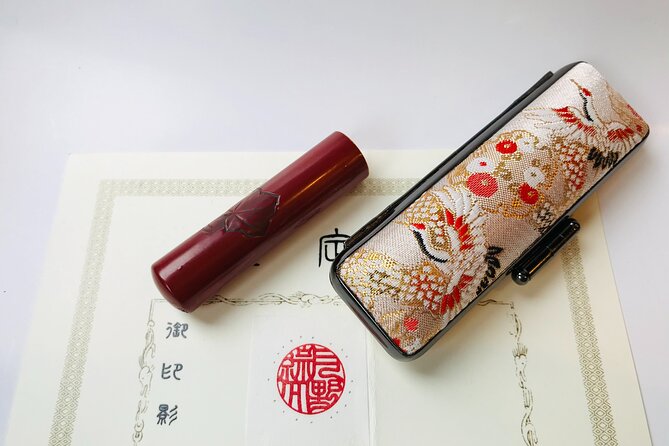
- A craftsman finishes the work by hand: Initial carving uses a machine, followed by hand-finishing.
- The shop is close to Kamakura Station: The meeting point is about a five-minute walk south of the station.
- The basic seal is included: The package includes the Hanko, engraving in katakana, and an original pouch.
- Pickup takes planning: The workshop is in the morning, with pickup available in the afternoon on the same day.
- Upgrades can change the price: Horn, wood, gemstone materials, upgraded typefaces, cases, and red ink are extra.
Why a Hanko makes a better souvenir than another keychain
Kamakura is full of easy souvenirs: sweets, temple charms, postcards, and small craft items. A Hanko gives you something more personal. It carries your name, uses Japanese writing, and connects to a real part of daily and official life in Japan.
You are not simply buying a seal from a shelf. You help decide how your name will look. That matters because Japanese writing is not a direct letter-for-letter transfer from English or other European alphabets. Your name must be represented in katakana, the script commonly used for foreign names.
The result is both useful and decorative. You can use the seal on stationery, cards, notebooks, or art projects. It also works as a compact reminder of Kamakura that feels made for you rather than selected from a tourist display.
The workshop has received a perfect five-star rating from 24 posted evaluations, with 100 percent recommending it. More important than the score is the consistent pattern: people praise the owner’s patience, the careful explanation of materials and fonts, and the quality of the finished seal.
A few more Kamakura tours and experiences worth a look
Finding Kamakura HANKO near the station
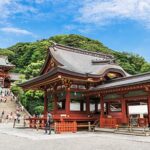
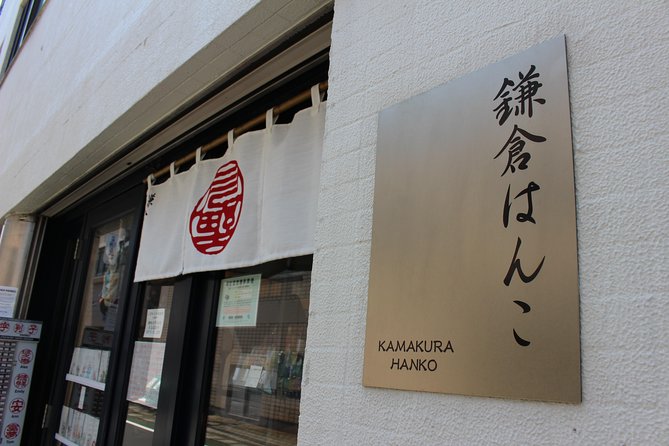
The meeting point is Kamakura seal shop Souvenir shop at 5-6 Onarimachi, Kamakura, Kanagawa 248-0012. The shop is described as less than five minutes south of Kamakura Station, and it is close to public transportation.
That location makes the activity easy to fit into a day of sightseeing. You can schedule the morning session before visiting Kamakura’s temples and then return in the afternoon for pickup. You should still arrive punctually. The shop needs time to prepare the carving, and a late arrival could cut into your design discussion.
The activity is private, meaning only your own group participates. That is a useful feature here. Choosing Japanese characters and a seal style can raise small questions, and a private appointment gives you direct access to the owner instead of making you wait for attention in a larger class.
The opening lesson: seals, identity, and Japanese writing
The first part explains the history and cultural role of Hanko seals. You learn that a Hanko can represent a person’s identity in Japan, along with the different types of seals and their uses.
This background gives the object some weight. Without it, you might see the Hanko as a decorative stamp. With the explanation, you understand why the design is arranged as it is and why the characters matter.
The workshop also covers seal styles, fonts, ink colors, and materials. The owner’s teaching is one of the strongest parts of the experience. The information provided about the session describes detailed explanations without pressure to buy upgrades, which is especially helpful because several optional choices are available.
The workshop is conducted in English well enough for the main decisions, according to the available information. The owner has been described as able to communicate in English, and the activity is designed for international visitors choosing a foreign name in Japanese.
Turning your name into katakana
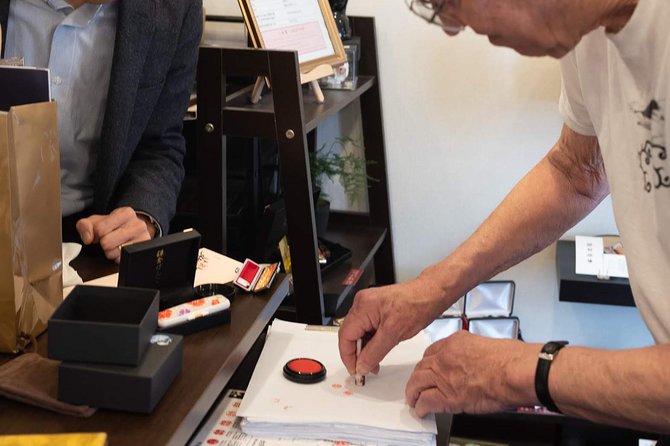
The design stage is where the activity becomes personal. You choose a katakana version of your name, with help selecting characters that reflect your name and personality.
You do not need to arrive knowing Japanese. The workshop explains the character choices and helps you understand how the name will look when arranged on the seal. This is a practical benefit for anyone who wants a Japanese souvenir but does not read Japanese.
The standard engraving is in katakana. You can also ask about character and typeface upgrades, but these are not included in the base price. If you care about the appearance of your seal, ask about all added costs before confirming the final design.
The font changes the mood of the seal. A formal-looking typeface may suit someone who wants a traditional object, while a more decorative choice may work better for display or personal stationery. The standard option is described as suitable for official seals, but your Hanko should be treated as a souvenir unless you have a specific need for a legally recognized Japanese seal.
Choosing the seal material and color
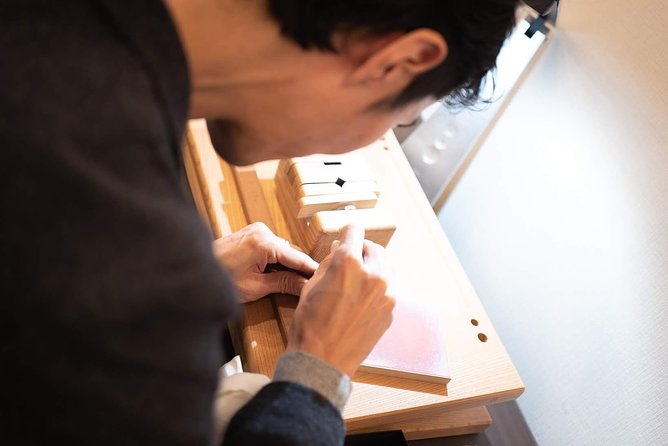
The standard package includes engraving and a basic seal. The supplied details describe Japanese boxwood in the included items, while the workshop description also refers to acrylic as the standard engraved material. Because those descriptions do not match perfectly, confirm the exact included material when you book or arrive.
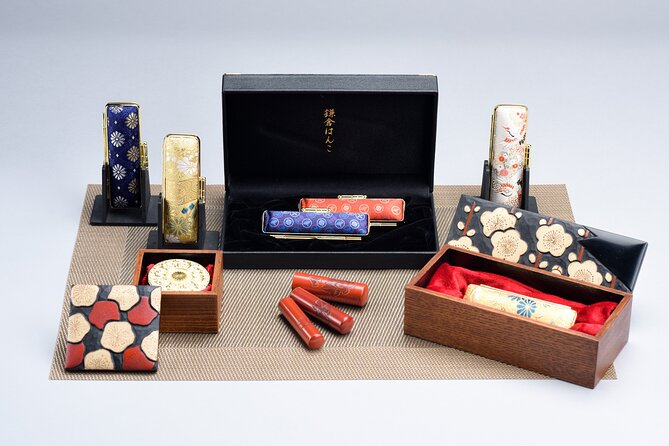
Material upgrades include horn, wood, and gemstone options. Wood appears to be a popular choice for people seeking a more traditional feel, but it costs extra. The color selection also gives you a chance to make the seal look more like your own object rather than a generic stamp.
The shop explains the advantages and disadvantages of the materials. That discussion is worth your attention. A more expensive material is not automatically the best choice for you. If you want a simple keepsake, the included option may be enough. If you care about the look and feel of the object, an upgrade may make sense.
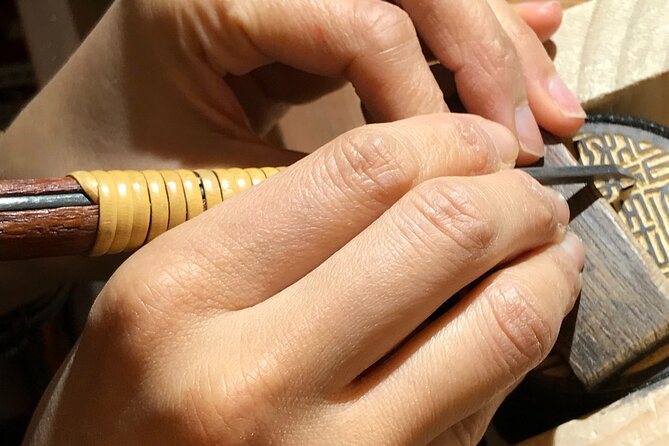
The carving process combines modern and traditional methods. A machine handles the rough initial carving, while a craftsman completes the final details by hand. That balance keeps the work efficient enough for a short workshop but preserves the hand-finished quality that gives the seal its character.
The pouch, case, and ink choices
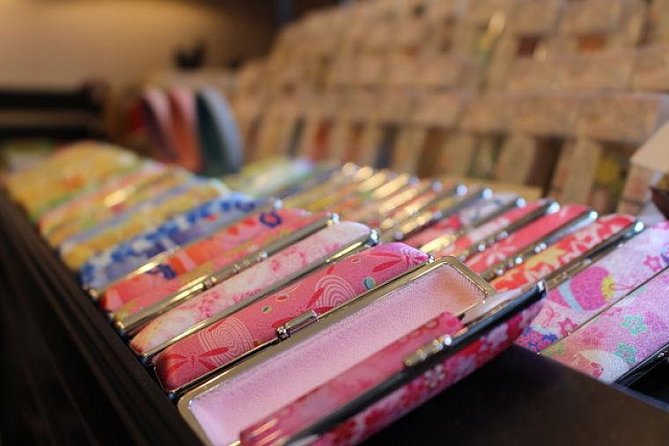
The package includes an original pouch for your Hanko. A separate Hanko case is available for purchase, and the case can be selected by type and color.
The distinction matters when comparing prices. The basic fee includes the seal and pouch, not every accessory you might see in the shop. Red ink is also not included. If you want to start using the Hanko immediately, add the cost of ink and possibly a case to your budget.
Some people want the seal as a small art object, while others plan to stamp cards, journals, or letters. The pouch is enough for carrying it home, but a case gives you better protection and makes the souvenir feel more complete.
You should also remember that the design itself may affect the cost. Upgraded typefaces are separate from the standard katakana engraving. Ask for the full total before choosing premium materials or a special font.
Morning workshop, afternoon pickup
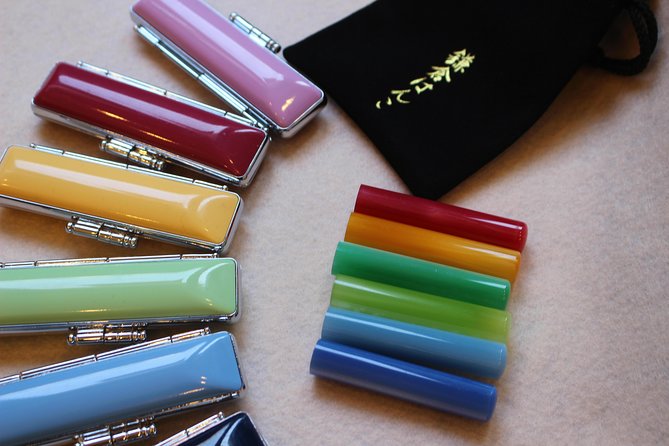
The activity lasts about 45 minutes and takes place in the morning. The design is completed during that appointment, then the seal is engraved and finished afterward.
The listed instructions ask you to choose a pickup time in the afternoon of the same day. Other arrangements may be possible, including shipping instead of pickup. One practical account describes collection after about two hours, while another says the finished seal was sent to a hotel within one to two days. Shipping is not included, so treat that as an additional service and confirm the timing directly.
This schedule works well if you are spending a full day in Kamakura. You can attend the workshop, visit major sights, eat lunch, and return for the finished Hanko. It is less convenient if you are passing through Kamakura for only a short morning or need to leave town immediately afterward.
Do not assume the seal will be ready the moment the 45-minute session ends. The workshop is short because the engraving happens after your design appointment. Build the afternoon pickup into your plans, or ask about shipping before you commit to the experience.
What the $131.65 price really covers
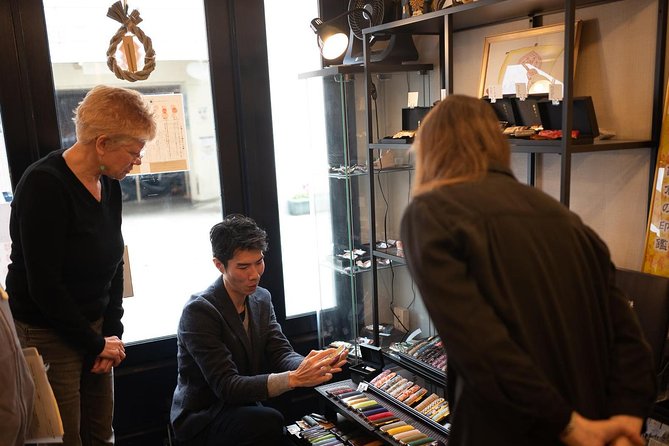
At $131.65 per person, this is not a bargain-bin souvenir stop. You are paying for a private workshop, personal design help, engraving, and a finished seal made in Japan.
The value depends on what you want from the activity. If your goal is simply to buy a cheap stamp, this price will seem high. If you want an object connected to Japanese culture, with your own name and a craftsman’s finishing work, the price is easier to justify.
The basic package includes the Hanko, katakana engraving, and an original pouch. You should plan for additional spending if you want horn, wood, gemstone, an upgraded typeface, a Hanko case, or red ink. Shipping is also extra if you do not collect the seal in person.
I would compare the price with the cost of a guided craft class plus a custom-made souvenir. This experience combines both in a compact appointment. The private format also gives it more value for couples or small groups who want individual help rather than a standard demonstration.
Who will get the most from this activity
I would recommend this workshop to you if you enjoy small cultural experiences, personalized souvenirs, Japanese writing, or traditional crafts. It is also a good choice if you want something more meaningful than a temple charm but do not have time for a long class.
Couples can design separate seals and compare their finished pieces. Friends can make individual names, and families may find the private format easier than a large group class. The workshop is also a good fit for anyone interested in Japanese identity customs and the way foreign names are written.
You should think twice if you have no time in Kamakura beyond the morning. The afternoon pickup is the key constraint. You should also be prepared for a design discussion rather than a quick purchase. The appeal lies in making choices, asking questions, and waiting for the hand-finished result.
Most people can participate, and the activity is near public transportation. The supplied information does not give detailed accessibility specifications, so contact the provider directly if you have particular mobility needs.
What makes the teaching feel personal
The owner’s role is central. The workshop material identifies Mitsuhiro, while provider responses also use the name Tsukino and describe the business as a craft tradition carried through three generations. That family connection helps explain the care given to the seal-making process.
You can ask about the history of Hanko, the different fonts, the materials, and the uses of various seals. The owner is described as friendly and willing to answer questions in detail. This is not a rushed counter transaction.
The explanations are also useful because the choices can become confusing. You may need help deciding between a basic seal and a wood or horn upgrade, or between a plain case and a more decorative option. The owner’s advice lets you make those choices with a clearer sense of what you are buying.
My booking advice
Book this Hanko workshop if you want a personal, compact activity that teaches you something and leaves you with an object made for you. I especially like it for repeat visitors to Japan, people interested in lettering and craft, and couples who want matching or complementary souvenirs.
Before paying, check the exact base material because the supplied descriptions refer to both Japanese boxwood and acrylic. Also confirm the total cost for upgrades, the afternoon pickup time, and the shipping option if you cannot return to the shop.
The free cancellation policy allows a full refund when you cancel at least 24 hours before the local start time. Changes or cancellations inside that window are not accepted for a refund.
If you can spare the morning and return in the afternoon, I think this is a worthwhile Kamakura addition. If you need a fast souvenir or have no time for pickup, choose another activity or arrange shipping in advance.
FAQ
How long does the Hanko activity last?
The workshop lasts approximately 45 minutes.
Where does the activity take place?
It takes place at Kamakura seal shop Souvenir shop, 5-6 Onarimachi, Kamakura, Kanagawa 248-0012, Japan.
How far is the shop from Kamakura Station?
The shop is described as less than five minutes south of Kamakura Station.
Is the activity private?
Yes. Only your own group participates in the activity.
What is included in the price?
The package includes a Hanko seal, katakana engraving, and an original pouch for the Hanko.
What material is included as standard?
The supplied details list Japanese boxwood among the included items and also describe acrylic as the standard material. Confirm the exact material with the provider when booking.
Are upgraded materials available?
Yes. Horn, wood, and gemstone materials are available for an additional fee.
Is a Hanko case or red ink included?
No. The Hanko case and red ink are not included. They can be purchased separately.
When do I receive the finished seal?
The activity is held in the morning, and pickup is available in the afternoon of the same day. Shipping may be requested for an additional fee.
More Kamakura & Enoshima Day Trips in Kamakura
More tours in Kamakura we've reviewed

Kamakura & Enoshima Day Trips, compared.
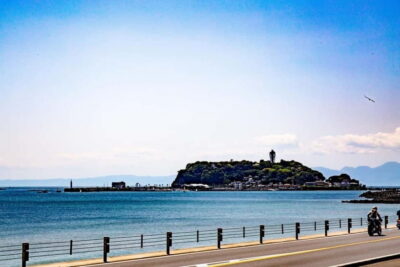 ★ 4.5Tokyo: Kamakura & Enoshima Day Trip including Temple TicketsFrom $589 hours - 570 minutes
 ★ 4.5Tokyo: Mt. Fuji, Kamakura, Big Buddha, & Lake Ashi Day TripFrom $4910 - 11 hours
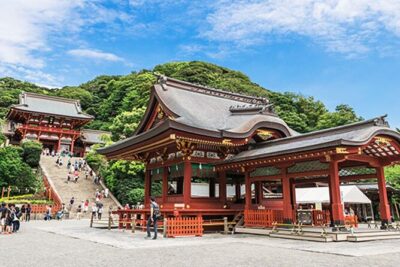 ★ 4.5From Tokyo: Kamakura & Enoshima 1-Day Bus TourFrom $66
 ★ 5.0Kamakura Historical Walking Tour with the Great BuddhaFrom $98
 ★ 5.0Kamakura Private Tour: Temples, Nature, and the Great BuddhaFrom $98
 ★ 5.0Kamakura Walking Tour – The City of ShogunFrom $35