
Reviewed · TSUKIJI MARKET TOURS
Tsukiji Fish Market: Street Food & Culture Walking Tour
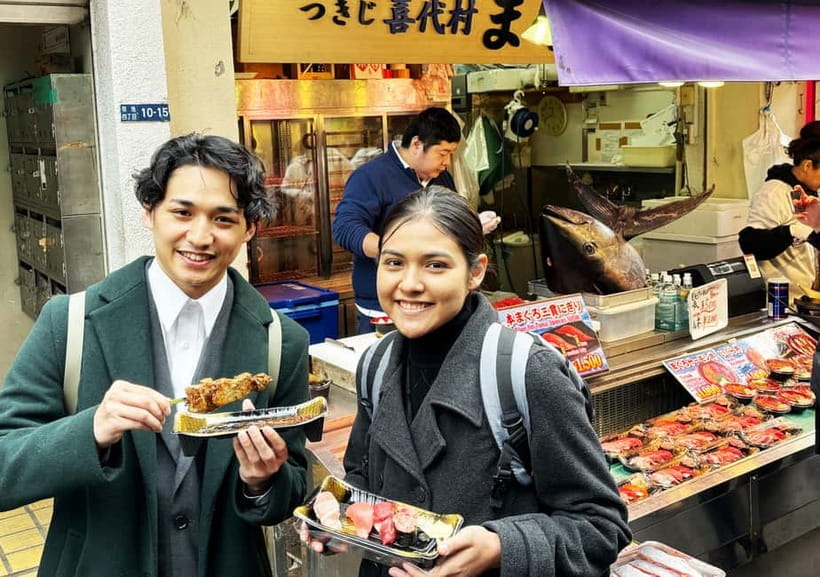
Tsukiji is best understood one bite at a time. This two-hour walk begins at Tsukiji Hongwanji Temple, then moves into the outer market for tuna, wagyu, sushi, grilled seafood, traditional snacks, and a special fresh-grated wasabi set from the guide. It is a practical way to make sense of a place that can otherwise feel like a maze.
I like the mix of food and culture, especially the short temple visit before the stalls. I also like the guides’ personal touch: Kawa, George, Mao, Tomo, Kenny, and others are praised for explaining ingredients, cooking methods, and local customs while steering you toward good-value food.
The main catch is the calendar. On Wednesdays, Sundays, and national holidays, roughly half of the outer market shops may be closed, so the route and food choices can be more limited. Bring cash, and remember that the tour’s $22 price does not mean every market purchase is covered.
In This Review
- Key points at a glance
- Why Tsukiji works best with a guide
- Starting at Tsukiji Hongwanji Temple
- Eighty minutes among Tsukiji’s food stalls
- Fresh wasabi, preservation, and the taste of umami
- Fish preparation and the working side of the market
- The final 20 minutes and returning to the temple
- Choosing the right day and time
- Is $22 good value?
- Who should book this Tsukiji tour?
- Should you book it?
- FAQ
- Where does the Tsukiji Fish Market tour begin?
- How long does the tour last?
- What food can I expect to try?
- Is fresh wasabi included?
- Are food purchases included in the $22 price?
- Which days have fewer open shops?
- Is the tour offered in English?
- Is the tour wheelchair accessible?
- Can I cancel for a full refund?
- Can I reserve now and pay later?
Key points at a glance
- Fresh wasabi changes the meal: The guide may grate or serve fresh wasabi, a small detail that makes tuna and other seafood taste sharper and more complete.
- The temple gives the market context: Tsukiji Hongwanji Temple provides a calm cultural opening before you enter the food stalls.
- You choose what to taste: The guides can suggest foods, but you can spend as much or as little as you like at the market.
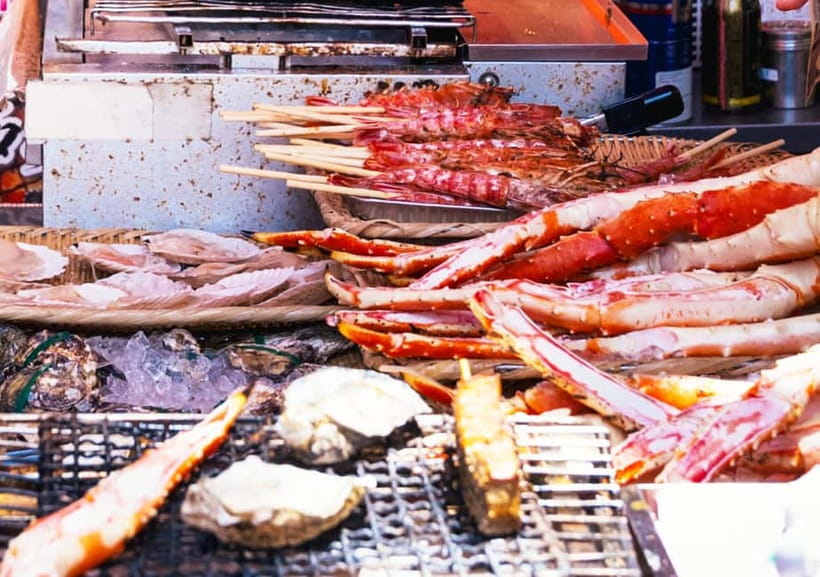
- Expect more than fish: Tuna, wagyu, eel, scallops, fish cake, omelet, dumplings, octopus, sushi, and rice snacks may appear along the route.
- The best guides tailor the walk: Guides such as George, Kawa, Mao, Tomo, and Kenny are noted for clear English and adjusting suggestions to personal tastes.
- Pick your day carefully: A Wednesday, Sunday, or national holiday may offer a quieter route, but fewer open shops and fewer demonstrations.
Why Tsukiji works best with a guide
Tokyo’s Tsukiji Outer Market is easy to visit on your own, but it is not always easy to understand. Shops sell seafood beside spices, cookware, sweets, preserved foods, ceramics, and ingredients that may be unfamiliar to you. A guide helps turn a collection of tempting stalls into a lesson in Japanese food.
I find the biggest benefit is confidence. You can point at something you do not recognize and get an explanation of what it is, how it was prepared, and how Japanese cooks use it. That matters when a stall has no English sign or when several versions of the same food look nearly identical.
The guides also help you make sensible choices. Several of them are praised for finding good food at reasonable prices rather than simply sending you to the most famous or expensive counter. You remain free to buy only what interests you, which makes this a better fit for curious eaters than for people who want a fixed, all-inclusive tasting menu.
The group may be small, and some departures can feel almost private. That gives you more room to ask questions and makes it easier for the guide to accommodate preferences. It also means the exact feel of the tour can depend on the guide assigned that day. The recurring strengths are clear English, warmth, food knowledge, and a willingness to explain rather than rush.
A few more Tokyo tours and experiences worth a look



Starting at Tsukiji Hongwanji Temple
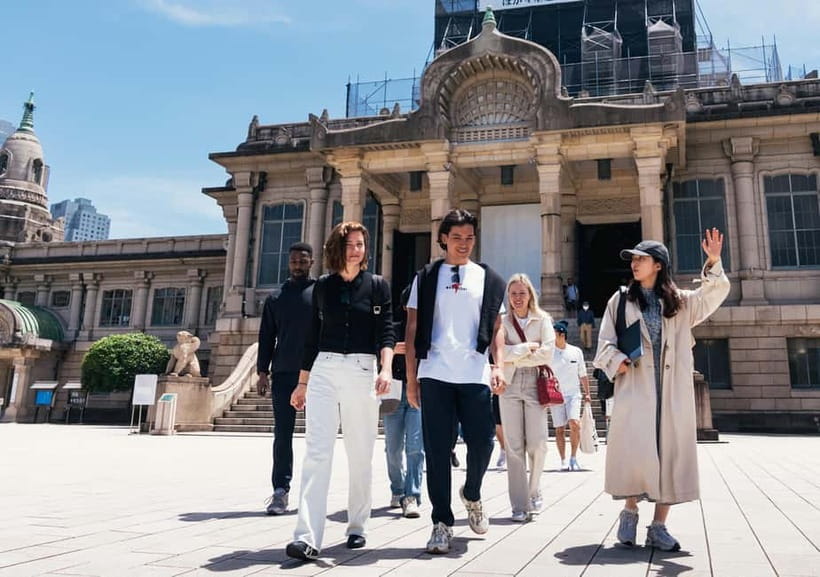
The tour opens at Tsukiji Hongwanji Temple, listed as the starting and ending point for the available options. You receive a guided visit of about 20 minutes, which is a sensible introduction before the market’s noise and movement take over.
The temple is known for its striking architecture, detailed carvings, and quiet interior. Guides may explain how to enter, including the purification procedure, and offer background on the site’s place in the local culture. This is not a long religious tour, but it gives you useful context and a chance to slow down.
I like this opening because it prevents the outing from becoming only a food crawl. The temple connects your meal to customs, ritual, and neighborhood history. If you arrive early, pay attention to the meeting instructions because the exact meeting point may vary by booking option. The published coordinates point to the temple area.
After the temple, the route heads toward the outer market. Wear shoes suitable for walking and keep your belongings manageable. The market is an active working area, not a staged food hall, so you should stay close to the guide and follow instructions around stalls.
Eighty minutes among Tsukiji’s food stalls
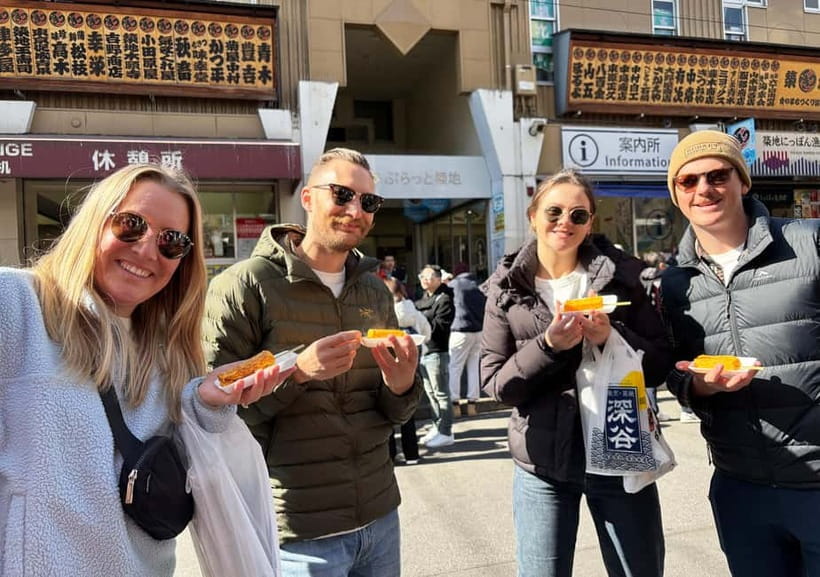
The main portion lasts about 80 minutes and combines a guided walk, market visit, and food tasting. This is where the tour earns its price. You are not simply shown a row of sushi counters. You are introduced to the ingredients and techniques that give Japanese food its distinctive taste.
The selection varies, but the food described along the route includes:
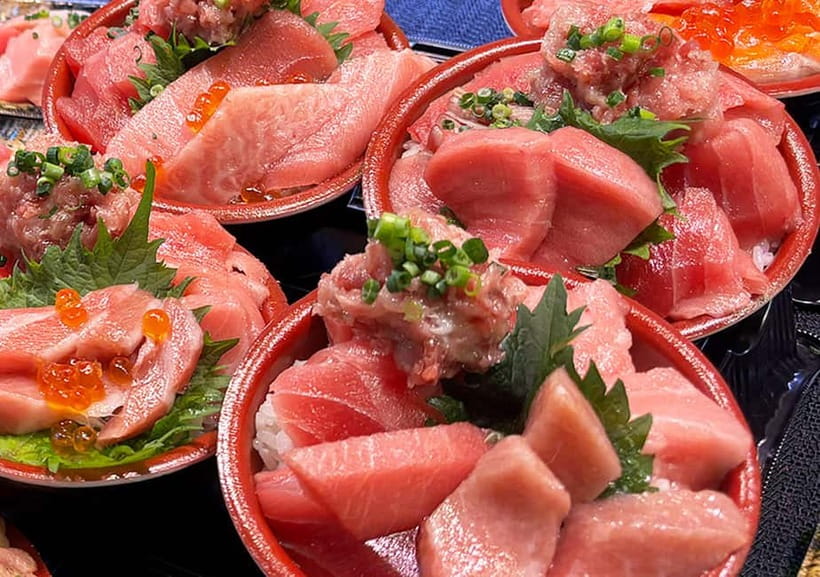
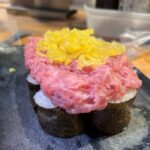
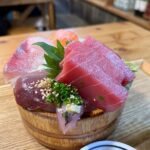
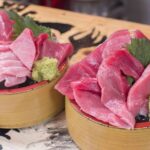
- Fresh tuna and tuna sushi
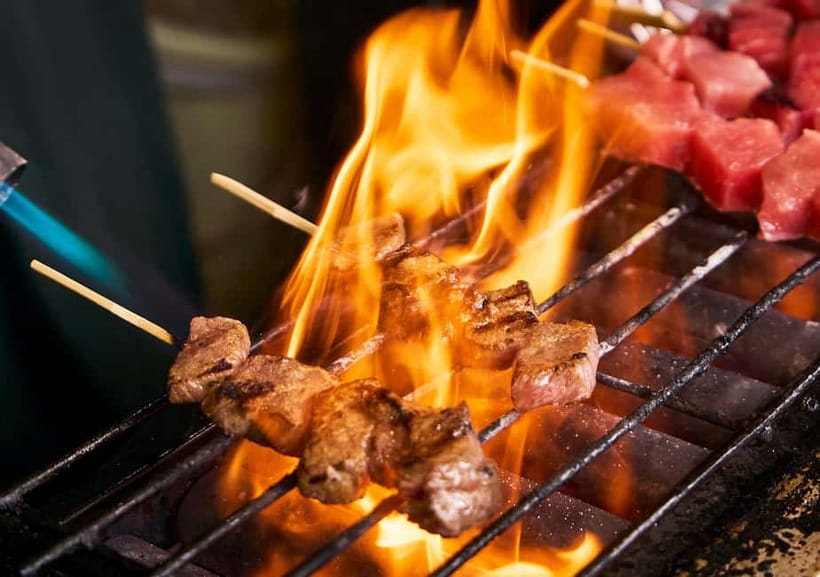
- Wagyu, including a sirloin skewer
- Grilled scallops
- Eel
- Fish cake
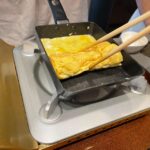
- Japanese omelet
- Dumplings
- Skewered octopus
- Sashimi and sushi
- Rice snacks
- Traditional preserved ingredients
That range is one of the tour’s strongest features. You can compare raw seafood with grilled food, meat with fish, and familiar dishes with items you may not have tried before. The guide can also help you decide how adventurous to be. One useful advantage is that you do not have to order every suggestion.
The food is not presented as a formal sequence with printed courses. Instead, you move through the market and stop at selected food shops. That makes the experience flexible and local in feel, though it also means the exact menu depends on what is open, available, and appealing on the day.
Several guides have been praised for handling practical details, including lines, napkins, wipes, and food recommendations. One guide was noted for ordering while the group explored nearby stalls, which can save time. This kind of small help is valuable in a busy market, especially when you are trying to keep track of money, menus, and unfamiliar foods at once.
Bring cash. It is specifically requested, and it gives you the freedom to buy extra items or souvenirs as you go. The tour can guide your choices, but you should plan for additional spending if you want a full meal or packaged foods to take away.
Fresh wasabi, preservation, and the taste of umami
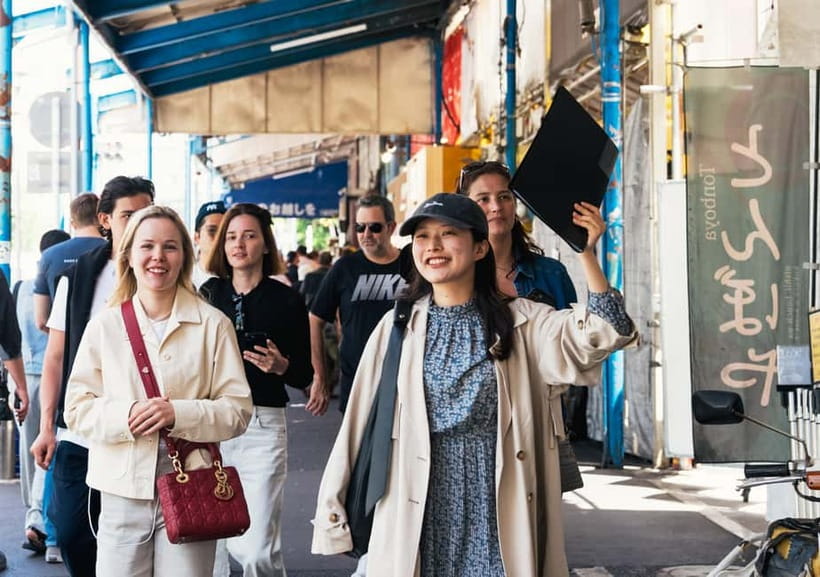
Fresh wasabi is the signature detail of this walk. The guide may grate it or provide a special wasabi set to use with seafood. It is a modest addition, but it helps you notice how a condiment can sharpen the flavor of tuna, sushi, and other foods without overwhelming them.
You also hear about traditional preservation methods and how they build umami. The point is not only that the market sells fresh fish. Japanese food culture also depends on careful handling, seasoning, and preservation to bring out flavor over time.
This explanation gives the tasting more meaning. A piece of fish becomes part of a larger chain of craft: selecting ingredients, preparing them correctly, pairing them with condiments, and serving them at the right moment. Guides also explain cooking methods and identify ingredients, which is particularly helpful when you are unfamiliar with Japanese food.
The tasting can be a good choice for cautious eaters. You can ask what something is before trying it, and guides such as Rita’s guide were praised for explaining ingredients and cooking methods in a way that made new foods less intimidating. At the same time, people with allergies or strict dietary needs should discuss their requirements before booking, since the available food depends on the market stalls and the tour description does not promise a specific dietary menu.
Fish preparation and the working side of the market
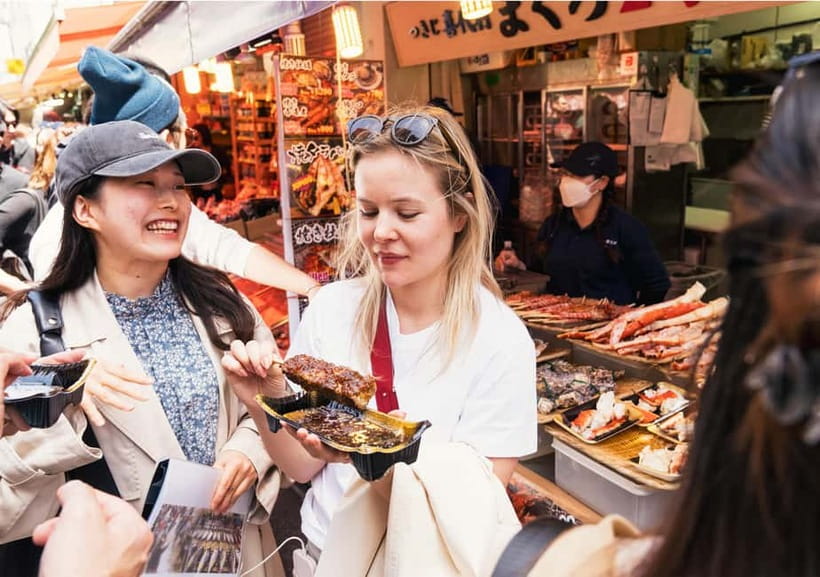
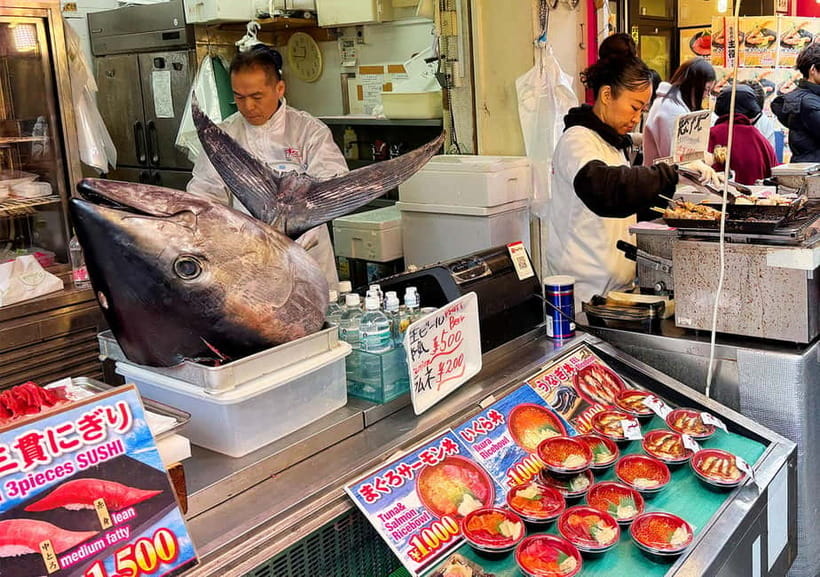
Some departures include a fish-cutting or fish-preparation demonstration. This is one of the most memorable elements because it shows the skill behind the neat slices of fish you eventually eat. You may see how a large piece is handled before it becomes sushi or sashimi.
The demonstration is not guaranteed in every circumstance. Wednesday closures can reduce what you see, and the precise food stops vary. Still, when it is available, it adds a hands-on sense of craftsmanship that a restaurant meal cannot provide.
The market also gives you a chance to observe how locals shop. You can browse ingredients, snacks, ceramics, and other kitchen-related goods, then ask the guide what is useful, traditional, or suitable to take home. Some guides offer tips for returning later on your own, which is a real advantage because you can revisit the shops you liked without needing another tour.
I would not treat the outer market as a museum. It remains a place where people buy and sell food, and you should be considerate when taking photographs or stopping in narrow areas. Let your guide set the pace and explain where it is appropriate to linger.
Other walking tours we've reviewed in Tokyo
The final 20 minutes and returning to the temple
The scheduled route ends with another 20-minute guided portion in the outer market before returning to Tsukiji Hongwanji Temple. In practical terms, this gives you time to finish explanations, ask questions, and identify places worth revisiting after the group walk ends.
The return is useful because it leaves you near the original meeting area rather than ending somewhere unfamiliar. You can continue shopping or eating in Tsukiji afterward, using the guide’s advice while the information is still fresh.
This final segment may feel less structured than the opening temple visit and the main tasting. That is not necessarily a problem. After several food stops, you may appreciate time to browse, compare prices, or decide what to buy. If you want a carefully timed procession of attractions, this is not that kind of tour. It is a flexible introduction to the market.
Choosing the right day and time
The most important scheduling warning is simple: about half of the Tsukiji Outer Market shops may close on Wednesdays, Sundays, and national holidays. Tours still operate, but the experience may differ from the usual route.
If your priority is the widest choice of stalls, fish preparation, and demonstrations, avoid those days when possible. If one of those days is the only time you have, the temple and open shops still make the outing worthwhile, but lower your expectations about the number of stops.
The activity lasts two hours, and available start times should be checked before booking. Morning market visits often make sense for food freshness, but the supplied details do not specify a single best departure time, so choose based on your Tokyo schedule and the day’s availability.
Is $22 good value?
At $22 per person, this is a low-cost way to get orientation, cultural background, and guided tasting access in one short outing. I see the strongest value in the guide’s local judgment. Without help, you can certainly walk through Tsukiji, but you may spend time guessing what to eat, miss small preparation details, or pay more for food that is not especially memorable.
The price is especially fair if you are new to Tokyo, unsure about Japanese ingredients, or interested in returning to the market later. The guide can help you form a plan for independent browsing.
You should budget extra cash for food and shopping. The tour includes food tasting, but the description and food-focused comments make clear that you may want to purchase additional items. This is not a prepaid banquet, and the flexibility is part of the appeal.
The tour also offers free cancellation up to 24 hours before the start for a full refund, plus a reserve-now-and-pay-later option. Wheelchair access is listed, though the market’s open stalls and walking route may still make it useful to confirm your specific needs before booking.
Who should book this Tsukiji tour?
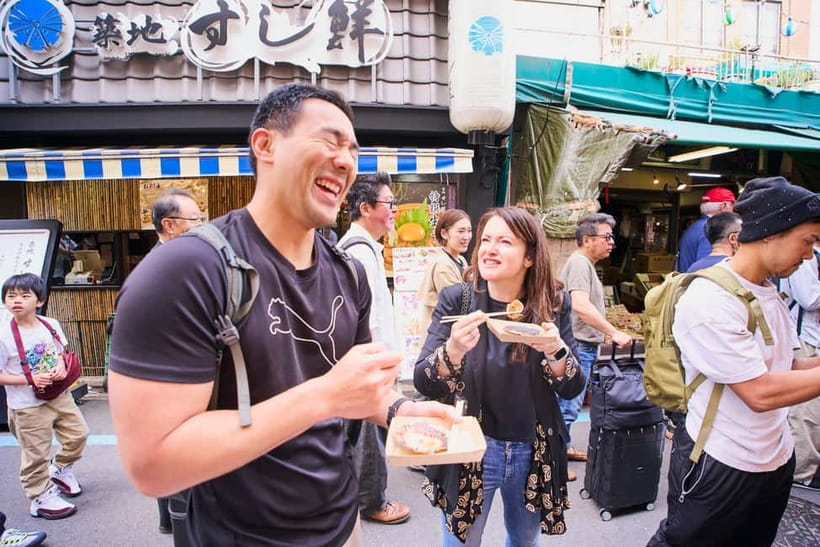
I would choose it for first-time Tokyo visitors who want an easy introduction to Japanese food without spending half a day planning every stop. It also suits solo visitors and couples who enjoy asking questions, tasting small portions, and learning why an ingredient matters.
Families with adventurous eaters may like the variety, though very young children may not have much patience for ingredient explanations. Seafood fans will get the most from the tuna, sushi, sashimi, scallops, and fish preparation, while meat eaters have wagyu and other options.
You may skip it if you already know Tsukiji well, speak Japanese, and feel comfortable choosing shops on your own. One direct assessment is fair: with enough research, you can visit the market independently. The tour’s value comes from saving time, avoiding guesswork, and getting cultural explanation along with the food.
Should you book it?
Book this tour if you want a guided start to Tsukiji, fresh seafood with context, and the freedom to choose extra bites rather than a fixed meal. The strongest guides, including George, Kawa, Mao, Tomo, Kenny, and Chihiro, are praised for clear explanations, friendly service, and thoughtful recommendations.
Choose a day when most shops are open, bring cash, and do not expect every food stop or demonstration to be identical. If you want to taste widely, learn how Japanese ingredients are prepared, and leave with a better plan for exploring Tsukiji alone, $22 is a sensible investment.
FAQ
Where does the Tsukiji Fish Market tour begin?
The tour begins at Tsukiji Hongwanji Temple, with the exact meeting point depending on the option booked. The listed coordinates are 35.66661467955698, 139.77199430835137.
How long does the tour last?
The tour lasts two hours. The schedule includes about 20 minutes at Tsukiji Hongwanji Temple, 80 minutes in the outer market with food tasting, and another 20 minutes of guided market time.
What food can I expect to try?
Possible foods include fresh tuna, sushi, wagyu, grilled scallops, eel, fish cake, Japanese omelet, dumplings, skewered octopus, sashimi, and rice snacks. The exact selection may vary.
Is fresh wasabi included?
The guide provides a special wasabi set, and the experience may include freshly grated wasabi. It is intended to enhance the flavor of the seafood and other foods.
Are food purchases included in the $22 price?
The activity includes food tasting, but you should bring cash for additional food and market purchases. You can spend as much or as little as you choose.
Which days have fewer open shops?
About half of the Tsukiji Outer Market shops may be closed on Wednesdays, Sundays, and national holidays. Tours still operate, but the route and available food can differ.
Is the tour offered in English?
Yes. The tour has a live English-speaking guide.
Is the tour wheelchair accessible?
Yes, wheelchair accessibility is listed for the activity.
Can I cancel for a full refund?
You can cancel up to 24 hours in advance for a full refund.
Can I reserve now and pay later?
Yes. The activity offers a reserve-now-and-pay-later option, so you can hold a place without paying immediately.
More Food Experiences in Tokyo

More Walking Tours in Tokyo
More Tsukiji Market Tours in Tokyo
More tours in Tokyo we've reviewed








Tsukiji Market Tours, compared.
 ★ 5.0Tokyo Tsukiji Fish Market Food and Culture Walking TourFrom $99
 ★ 5.0Tokyo: Tsukiji Fish Market Food and Walking tourFrom $30
 ★ 4.9Tokyo: Tsukiji Fish Market Guided Walking TourFrom $222 hours
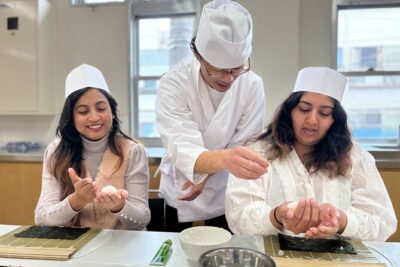 ★ 5.0Tokyo Sushi Making Class in Tsukiji with Professional ChefFrom $49
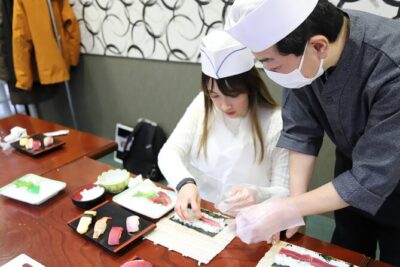 ★ 5.0Tsukiji Fish Market Guided Tour and Sushi Making with Pro ChefFrom $104
★ 4.7Tokyo: Tsukiji Fish Market Food and Culture Walking TourFrom $963 hours
★ 5.0Tsukiji Fish Market Guided Tour and Sushi Making with Pro ChefFrom $104
★ 4.7Tokyo: Tsukiji Fish Market Food and Culture Walking TourFrom $963 hours