
Reviewed · SUSHI MAKING CLASSES
Tokyo Sushi Making Class : Sake Ceremony & Matcha Experience
Opening a sake barrel with a cheerful Yoisho! chant is an unusual way to begin a sushi class. This Asakusa experience combines that small ceremony with hands-on nigiri, a smoky salmon mayo gunkan, and a final bowl of whisked matcha.
I like the friendly, guided format, especially for first-time sushi makers. I also like the variety: you are not only shaping rice, but taking part in a Japanese custom, using a kitchen torch, and making matcha. The main consideration is time. At about 90 minutes, this is a compact introduction rather than a slow, detailed study of sushi craft.
- Kagami-biraki begins the class: Help open a traditional sake barrel and join the Yoisho chant.
- Make 6 to 12 pieces: Practice nigiri and rolls with step-by-step instruction.
- Try modern Tokyo flavor: Finish salmon mayo gunkan with a quick torch for smoky flavor.
- Whisk your own matcha: End with a calm tea-making lesson and a fresh bowl.
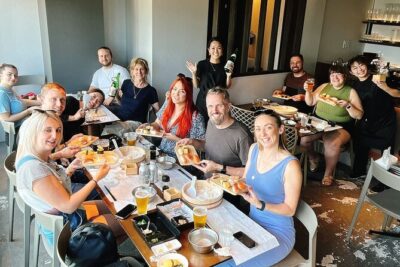
- Small enough to feel personal: The group limit is 20 people.
- Convenient Asakusa setting: Meet at 1-chōme-10-16 Hanakawado, near public transportation.
In This Review
- A Sake Barrel Opening Sets the Tone
- Learning Nigiri Without Making It Too Serious
- The Torched Salmon Mayo Gunkan Is the Fun Part
- Matcha Brings the Class to a Quieter Finish
- What the 90-Minute Schedule Really Means
- The Asakusa Location Makes Planning Easy
- Is the Price Good Value at $45.77?
- Who Will Enjoy This Most?
- Small Details That Make the Experience Work
- My Verdict: Book It for Culture and Hands-On Fun
- FAQ
- How long does the Tokyo sushi and matcha class last?
- Where does the activity take place?
- Where does the class end?
- How many people can join the class?
- Is alcohol required for the sake ceremony?
- Can I cancel for a full refund?
A Sake Barrel Opening Sets the Tone
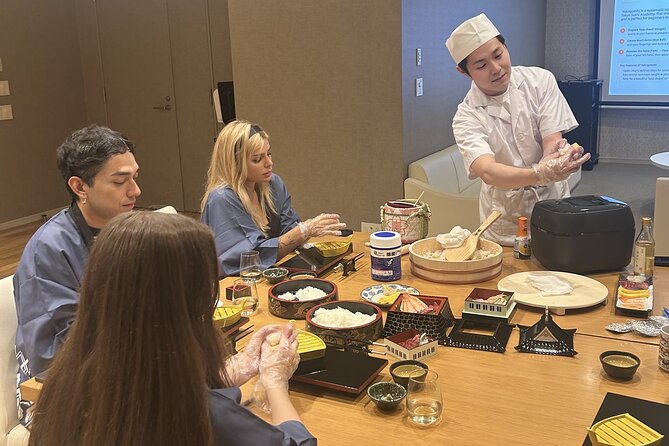
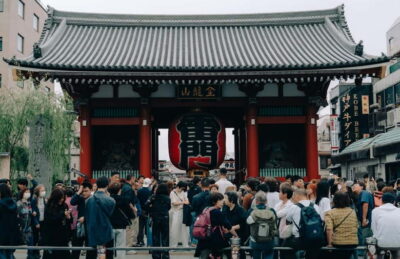
The class starts at Sushi Meets Matcha in Asakusa, a useful location if you are already visiting the area. Asakusa is one of Tokyo’s best places for traditional sights, and this activity gives you a cultural stop that is more active than simply looking around a temple or shopping street.
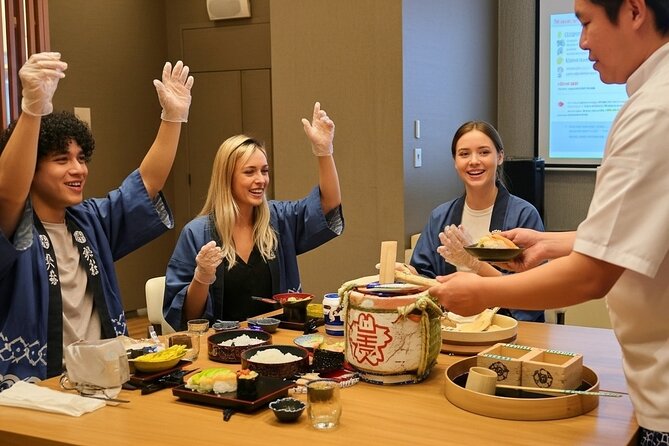
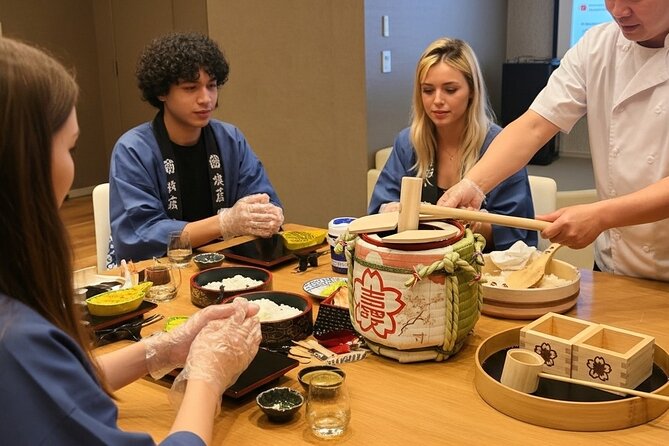
The first activity is kagami-biraki, the opening of a sake barrel. The group helps break open the wooden lid, then chants Yoisho, yoisho, yoisho! before raising a toast.
This is not just a drink served at the start. The ceremony marks new beginnings in Japan, so it gives the class a clear sense of occasion. You can join with sake, or choose water or warm Japanese tea if you do not drink alcohol.
That non-alcohol option matters. It means you can book the class for a family group, avoid alcohol during a busy sightseeing day, or simply take part in the ceremony without changing your plans.
The group toast also helps loosen up the room. Making sushi in front of other people can feel awkward at first, but a shared chant and quick celebration give everyone something to do together before the technical work begins.
Learning Nigiri Without Making It Too Serious
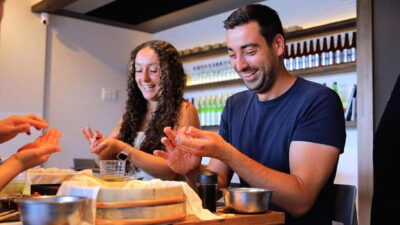
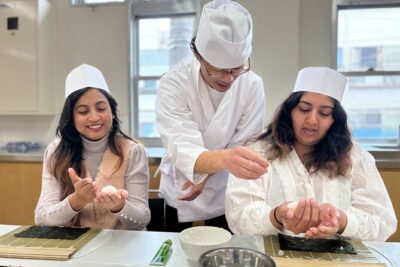
After the ceremony, the focus turns to sushi basics. You learn how to shape the rice, how much pressure to use, and how to place the toppings cleanly.
Rice is the part many beginners underestimate. Press too hard and it becomes dense. Press too lightly and the piece falls apart. The class gives you a chance to feel that balance rather than only hearing about it.
You also practice handling the toppings and assembling each piece. The goal is not to turn you into a sushi chef in one session. It is to help you understand the small movements that make nigiri look and feel more like the real thing.
The instruction is designed for beginners, and the tone is friendly rather than formal. That is important for this kind of activity. You can focus on the process instead of worrying about making every piece perfect.
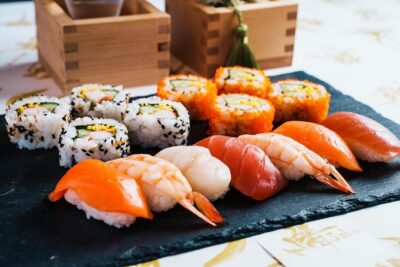
Expect to produce a mix of nigiri and rolls, with about 6 to 12 pieces in total. The exact number can vary within that range, but it is enough to give you repeated practice and a proper snack or light meal at the end.
The class also gives you a useful skill to take home. Once you understand how to shape the rice and place the topping, you can repeat the process in your own kitchen. You may not recreate a high-end sushi counter, but you will have a better sense of why sushi rice, pressure, and presentation matter.
A few more Tokyo tours and experiences worth a look

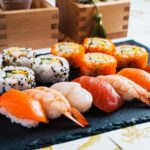
The Torched Salmon Mayo Gunkan Is the Fun Part
The class moves beyond classic Edomae-style technique with a modern Tokyo-style bite: torched salmon mayo gunkan.
Gunkan sushi has a strip of seaweed around the rice, creating a small cup for a topping. Here, you pile salmon high, add a zigzag of mayonnaise, and finish the piece with a quick torch.
The torch adds a smoky note, while the salmon and mayonnaise bring a creamy, rich flavor. It is a playful contrast to the cleaner shape and handling practice of nigiri.
You also chant Wasshoi! three times during this part of the activity. The word is associated with energetic group celebration, so the torching becomes a small performance as well as a cooking step.
Photos are taken at the best moment, which gives you a useful souvenir of the class. You may want to keep your hands steady and your sushi facing the right way when the camera comes out. A fresh piece of torched sushi is not at its most photogenic after it has been moved around.
This modern recipe may appeal most to people who enjoy familiar, accessible flavors. If you want only strict traditional sushi techniques, the salmon mayo gunkan is a departure. That is not a flaw, but it is worth knowing. The class mixes classic nigiri practice with a contemporary, popular-style topping.
Matcha Brings the Class to a Quieter Finish
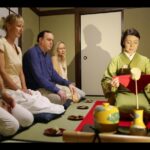
The final activity is making matcha. You learn to whisk the tea yourself, aiming for a smooth, foamy bowl.
This changes the pace nicely. The sake opening and torched salmon section are social and noisy. Matcha asks you to slow down and pay attention to the whisking motion.
You are not simply handed a cup of tea at the end. You take part in preparing it, which makes the final drink feel connected to the rest of the class. Sushi teaches careful hand movements, and matcha adds another small lesson in Japanese food culture.
The matcha finish also keeps the class from feeling like a basic cooking demonstration. You get three different parts of Japanese culture in one visit: a celebratory sake custom, practical sushi making, and tea preparation.
If you do not usually drink matcha, expect a distinct earthy and slightly bitter taste. The class information does not list a substitute for the matcha, so you should keep that in mind if you strongly dislike green tea.
What the 90-Minute Schedule Really Means
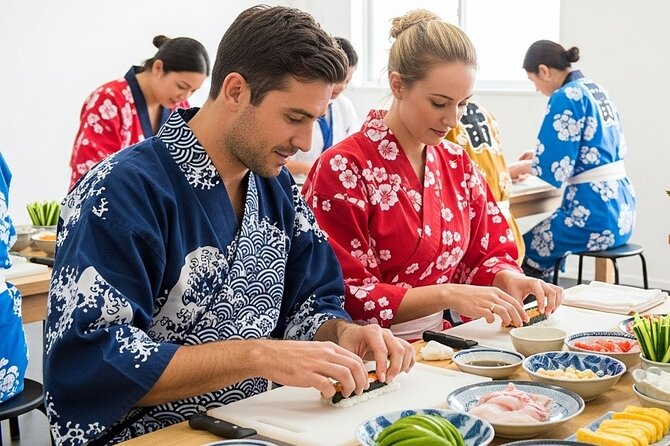
An hour and a half is long enough to make the class feel worthwhile, but short enough to fit around a full day in Tokyo.
You can expect the time to move quickly. The opening ceremony takes you straight into the group activity, then the sushi instruction requires several steps, and the torching and matcha finish add their own pace.
This is a good choice if you want a structured activity between sightseeing stops. It is also useful on a day when you are visiting Asakusa and want something more hands-on than a meal in a restaurant.
The short format has a trade-off. You will not spend hours on knife work, fish selection, rice seasoning, or the wider history of sushi. The emphasis is on assembling, eating, and enjoying the atmosphere.
I would treat this as a lively introduction, not professional training. You leave with basic skills and a better feel for sushi preparation, but serious cooks may want a longer class with more technical detail.
The Asakusa Location Makes Planning Easy
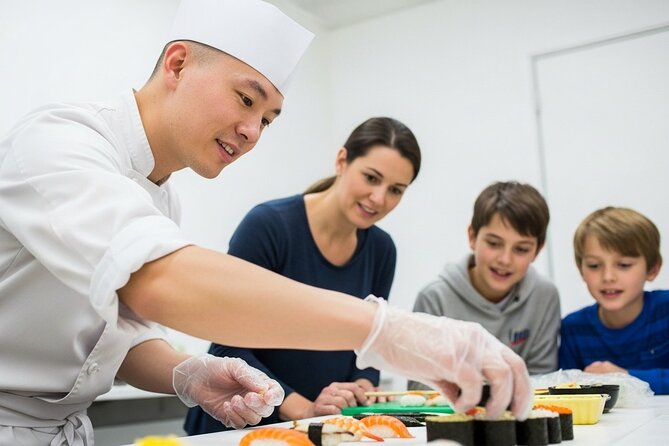
The meeting point is Sushi Meets Matcha, at 1-chōme-10-16 Hanakawado, Taito City, Tokyo 111-0033. The activity ends back at the same place.
That simple out-and-back setup is helpful in Tokyo. You do not need to arrange a separate return transfer or wonder where the final activity will leave you.
The location is near public transportation, but the supplied details do not identify a particular station or give walking times. Check the exact route before you leave your hotel, and allow enough time to find the entrance. A mobile ticket is provided, so you can keep the booking on your phone rather than print paperwork.
Because the class takes place in Asakusa, you can pair it with other sightseeing in the district. The timing is especially convenient for someone who wants one organized activity without giving up most of the day.
The group limit is 20 people. That is not a private lesson, but it is still a controlled size for a class involving food preparation, demonstrations, group chants, and photos.
A few more Tokyo tours and experiences worth a look

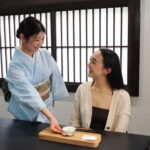
Is the Price Good Value at $45.77?
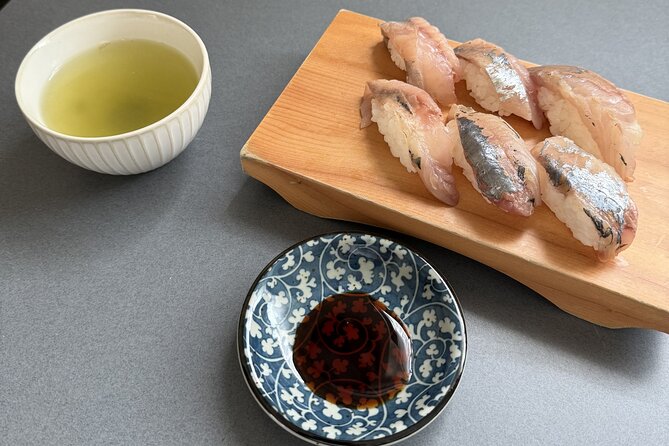
At $45.77 per person, the value depends on what you want from a Tokyo food activity.
If you only want to eat sushi, you can spend less at a casual restaurant. This price is paying for instruction, ingredients, a cultural ceremony, matcha preparation, and the social side of doing it with a group.
You make 6 to 12 pieces, including nigiri and rolls, then eat what you prepare. The price also includes the chance to participate in kagami-biraki and make a torched salmon mayo gunkan, two elements you would not normally get from simply ordering a sushi set.
I consider the cost fair for a first-time visitor who wants a short activity with several parts. The strongest value comes from the variety. You are not spending the full 90 minutes repeating one basic sushi shape.
The value is weaker if your main goal is advanced technique. The available details do not promise professional knife training, a long lesson on fish, or a full meal. You should book it for the combination of culture, food, and fun rather than for specialist culinary instruction.
A high rating of 5 from 48 posted ratings, along with a 100 percent recommendation record, suggests that the class is doing its main job well: creating a warm, enjoyable introduction. One especially positive account describes the instructor as fun and welcoming and says the activity exceeded expectations. That matches the design of the class, which places as much weight on the mood as on the finished sushi.
Who Will Enjoy This Most?
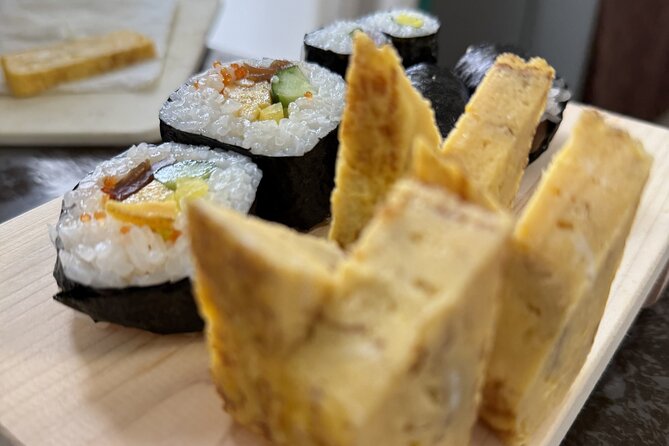
This class suits first-time visitors to Japan who want an easy way to take part in local food culture. You get clear tasks, a group celebration, and a finished result in a short period.
It is also a strong pick for couples, friends, and families who enjoy doing something together. The chants, torching, and photos give the class a shared rhythm, rather than leaving each person to work silently at a table.
You do not need prior sushi-making experience. The instruction covers the basics, and the class is specifically presented as beginner-friendly.
It may also suit solo visitors. The group format gives you a natural way to meet other people, while the step-by-step work keeps the activity from depending on conversation.
I would be more cautious about booking it for someone seeking a quiet tea ceremony. Matcha is only the final part of the session, and the earlier sections include chanting, a group toast, and a torching moment.
Likewise, sushi experts may find the lesson too basic. The class is about confidence and enjoyment, not about mastering every detail of Edomae sushi.
Small Details That Make the Experience Work
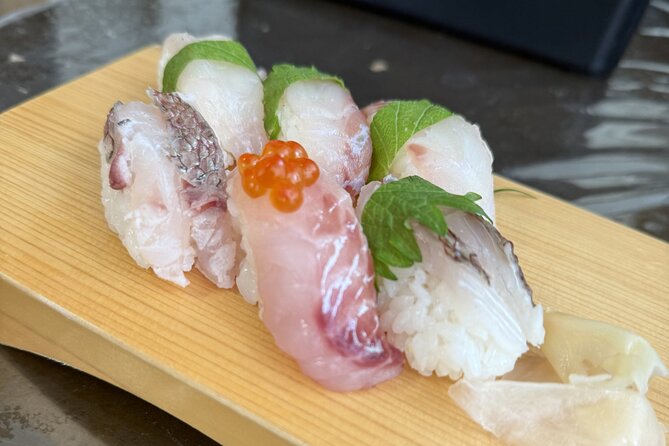
The choice of a non-alcohol toast is one of the practical touches I appreciate. You can still take part in the sake-barrel ritual with water or warm Japanese tea.
The photo moment during the torched salmon section is another useful detail. If you want a picture to share, this is likely the point when the class looks most lively and distinctive.
The group chants may feel a little theatrical, but they are part of the appeal. You should expect participation, not a quiet demonstration where you simply watch an instructor work.
The class ends at its starting point, which makes the next part of your day easier to plan. You can continue sightseeing in Asakusa without arranging transportation from a different neighborhood.
Free cancellation is available if you cancel at least 24 hours before the local start time. Changes or cancellations made inside that 24-hour window are not accepted for a refund, so check your schedule before booking.
My Verdict: Book It for Culture and Hands-On Fun
I would book the Tokyo Sushi Making Class, Sake Ceremony, and Matcha Experience if you want a short, friendly activity that combines food with Japanese customs.
The best reasons to choose it are the opening sake-barrel ceremony, the chance to make both classic and modern sushi, and the matcha finish. At $45.77, it offers more than a meal because you take part in each step and leave with a few practical skills.
Keep your expectations realistic. This is not an advanced sushi school or a long formal tea ceremony. It is a lively 90-minute introduction with a maximum of 20 people, and the group chants may not suit anyone looking for silence.
For most first-time visitors, families, couples, and food-curious solo visitors, the mix is well judged. You get a taste of tradition, a bit of kitchen skill, a smoky salmon bite, and a bowl of matcha without giving up an entire day in Tokyo.
FAQ
How long does the Tokyo sushi and matcha class last?
The experience lasts approximately 1 hour and 30 minutes.
Where does the activity take place?
The meeting point is Sushi Meets Matcha, at 1-chōme-10-16 Hanakawado, Taito City, Tokyo 111-0033, Japan.
Where does the class end?
The activity ends back at the meeting point.
How many people can join the class?
The maximum group size is 20 people.
Is alcohol required for the sake ceremony?
No. You may choose water or warm Japanese tea instead of sake for the group toast.
Can I cancel for a full refund?
Yes. You can cancel for a full refund if you do so at least 24 hours before the experience start time. Cancellations or changes made less than 24 hours before the start time are not accepted for a refund.
More Workshops & Classes in Tokyo

More Tea Ceremony & Matcha in Tokyo
More Sushi Making Classes in Tokyo
More tours in Tokyo we've reviewed


Sushi Making Classes, compared.
 ★ 5.0Sushi Making Tokyo Roll and Authentic Japanese Sushi ClassFrom $59
 ★ 4.9Tokyo: Roll and Authentic Sushi Making Class in AsakusaFrom $581h 40m
 ★ 5.0Make Sushi and Create Unforgettable Memories in TokyoFrom $79
 ★ 4.9Tokyo: Sushi Making Class in a Happi Coat near a Famous SpotFrom $421h 30m
 ★ 5.0Tokyo Sushi Making Class in Tsukiji with Professional ChefFrom $49
 ★ 5.0Tokyo Night Foodie Tour in Shinjuku – Seasonal Sushi, Wagyu BeefFrom $111