
Reviewed · GINZA TOURS
Tokyo: Izakaya Bar Experience at Kuuraku Ginza Reservation
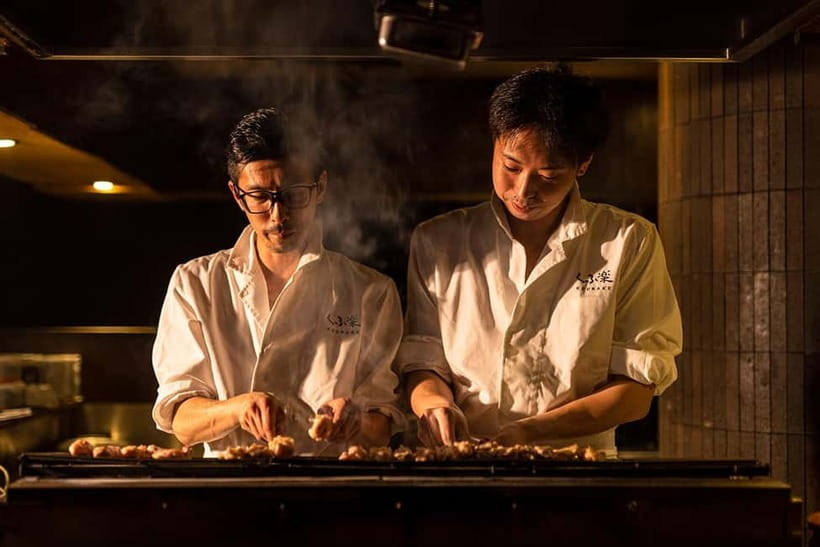
The main event here is binchotan-grilled yakitori, served in a snug Ginza tavern rather than presented as a formal sightseeing activity. Premium Michinoku Seiryu chicken gets the charcoal treatment, with each skewer cooked for a crisp outside and juicy center. I like the choice of three set menus, and I like that solo diners can reserve. The catch is simple: this is a restaurant booking, not a guided experience, and drinks are extra.
I also like the chance to try less familiar chicken cuts, including special toro liver and other rare parts. The warm interior offers a welcome break from Ginza’s bright streets. You should allow two hours, arrive at the restaurant yourself, and remember that particular seats cannot be promised.
In This Review
- Key points to know before booking
- Yakitori at the center of the Kuuraku Ginza experience
- Three courses, three different levels of appetite
- What the two-hour meal feels like
- Trying the less familiar cuts
- Sake and wine pairings in Ginza
- Why Ginza makes a useful dining base
- Price, value, and the small print
- Who should choose each menu
- Should you book Kuuraku Ginza?
- FAQ
- Is this a guided tour or a restaurant reservation?
- How long is the experience?
- How many people can book?
- What is included in the price?
- What course options are available?
- Can children attend?
Key points to know before booking
- Three full-course choices: Pick five, seven, or nine selected skewers, with the larger menus adding more chicken, vegetables, beef, and dessert.
- Binchotan charcoal cooking: Expect traditional yakitori prepared with premium Michinoku Seiryu chicken.
- Drinks cost extra: Seasonal sake and wine, including Aota from Kitaya in Fukuoka, are available but not part of the $34 price.
- Restaurant reservation only: No guide meets you, and you enter Kuuraku Ginza directly at your reservation time.
- Solo bookings welcome: One person can reserve, which is useful for independent diners.
- Two-hour seating limit: Your table is reserved for a maximum of two hours, so this is a set dining course rather than a slow, open-ended meal.
Yakitori at the center of the Kuuraku Ginza experience
Yakitori is one of Japan’s most approachable dining traditions. Chicken is cut into small portions, placed on skewers, seasoned or sauced, and grilled over hot charcoal. The format is casual, but good yakitori depends on careful heat control, fresh ingredients, and timing.
At Kuuraku Ginza, the chicken is Michinoku Seiryu, a breed valued here for tenderness and flavor. The skewers are cooked over Binchotan charcoal, the dense charcoal often used for high-heat Japanese grilling. It gives the chicken a lightly crisp surface while helping the inside stay moist.
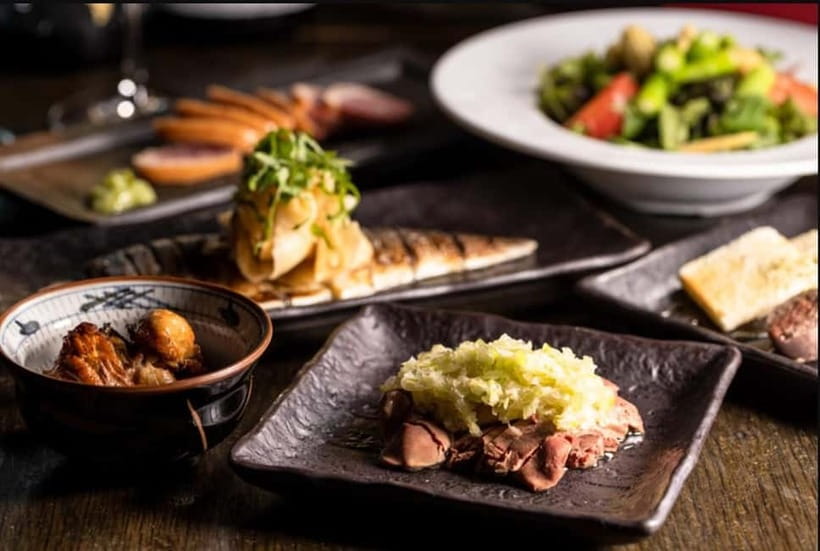
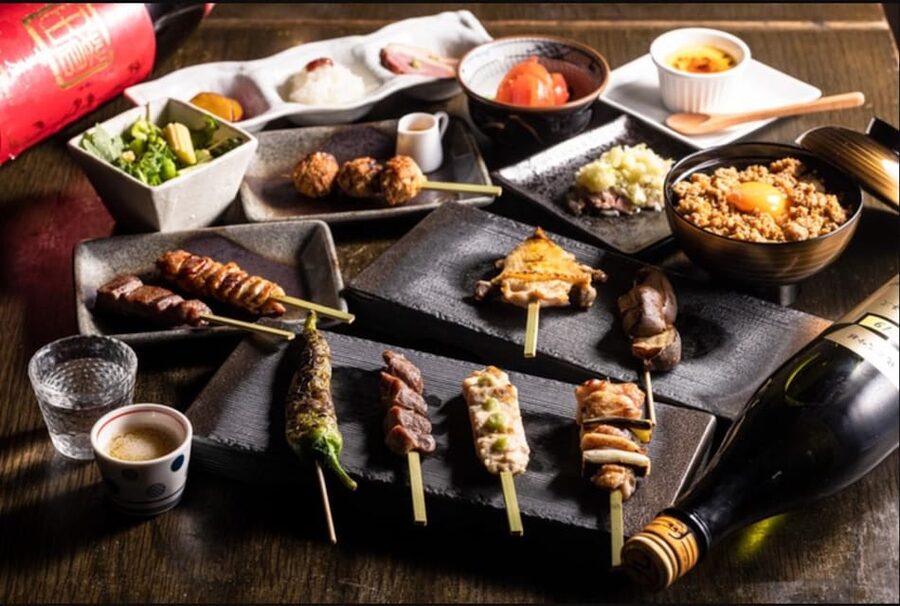
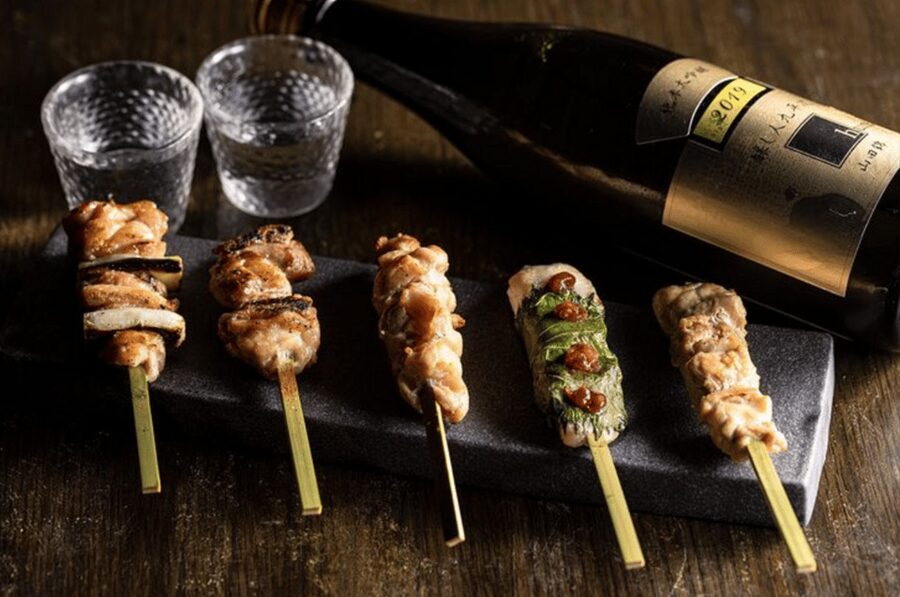
You are not ordering one plate of chicken. The course lets you move through different textures and cuts. Depending on your menu, you may receive chicken with scallion, breast, wings, homemade tsukune, and cuts listed as zuri or maruhatsu. Some menus also include rare parts, which makes the meal more interesting than a standard chicken dinner.
I especially like the inclusion of homemade tsukune, a seasoned chicken meatball. It gives you a softer, more substantial bite beside the smaller grilled pieces. The special toro liver is another featured item. If you usually stick to familiar chicken cuts, this is a chance to try something more traditional without having to choose each unfamiliar item yourself.
A few more Tokyo tours and experiences worth a look

Three courses, three different levels of appetite
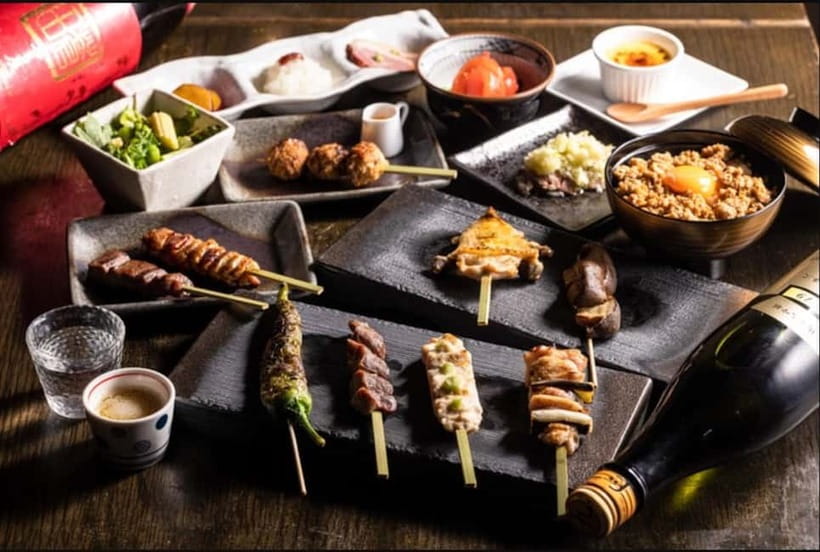
The five-skewer course contains 11 dishes. It begins with an appetizer and salad, then moves into four Michinoku Seiryu chicken skewers, one vegetable skewer, a small dish, the special toro liver, chicken soup, and a minced-meat rice bowl.
This is the sensible choice if you want the Kuuraku format without making the meal the main event of your entire evening. You still get a broad taste of the kitchen, including chicken, vegetables, liver, soup, and rice. At $34 before drinks, it also gives you the clearest value for a moderate appetite.
The seven-skewer course expands to 14 dishes. You receive five chicken skewers, including scallion, breast, zuri or maruhatsu, wings, and homemade tsukune. Two vegetable skewers, an appetizer, salad, small dish, special toro liver, grilled soused mackerel, chicken soup, and the minced-meat rice bowl round it out.
This looks like the best middle ground for many diners. It adds a seafood course and another chicken skewer, while keeping the price lower than the most extensive option. If you want to sample the restaurant properly and are comfortable with a full meal, this is the menu I would choose.
The nine-skewer course contains 17 dishes. It includes six chicken skewers, four kinds of rare chicken parts, two vegetable skewers, one beef skewer, a small dish, special toro liver, a meal course, chicken soup, dessert, and the minced-meat rice bowl.
Choose this one if you enjoy tasting menus and want the widest range. The rare cuts and beef skewer make it more adventurous, while dessert adds a final course. The drawback is that a nine-skewer menu can be a lot of food, especially if you plan to order sake or wine along the way.
The exact presentation may vary, since the photos are for reference only. Think of these menus as a guide to the number and type of courses rather than a promise of a fixed visual arrangement.
What the two-hour meal feels like
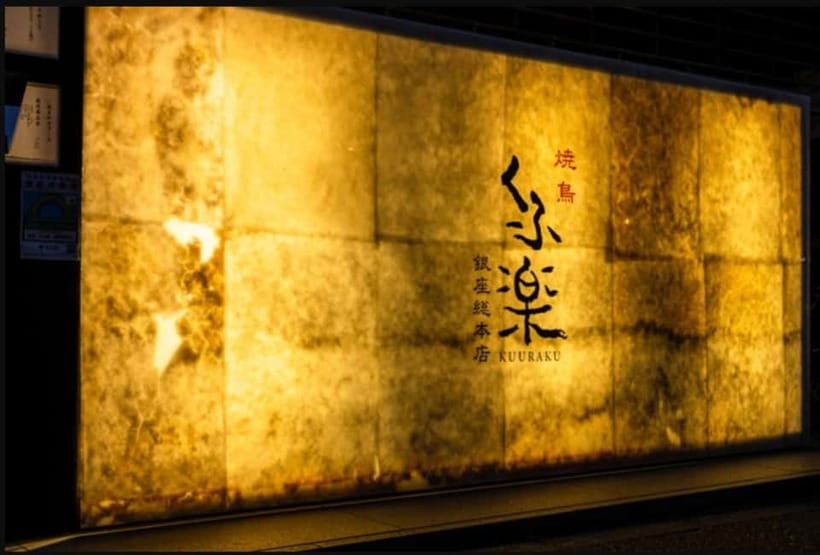
This is a planned restaurant course, not a class or walking tour. At your booked time, go to Kuuraku Ginza and enter directly. The meeting point is next to a Family Mart convenience store, which gives you a useful landmark when you are finding the entrance.
No guide will accompany you. That matters if you were expecting explanations about Ginza or a chef-led introduction to yakitori. Instead, you get a restaurant meal with service from the staff and an English menu, according to the available dining information.
The meal is designed to unfold in stages. An appetizer and salad start the course, followed by the grilled skewers and side dishes. The soup and minced-meat rice bowl provide a more filling finish, with dessert included on the nine-skewer menu.
I like this structure because it lets you compare flavors without having to manage a long order. You can simply settle in and let the kitchen bring the planned progression. At the same time, the two-hour seating limit means you should not expect to linger for several hours after the last dish.
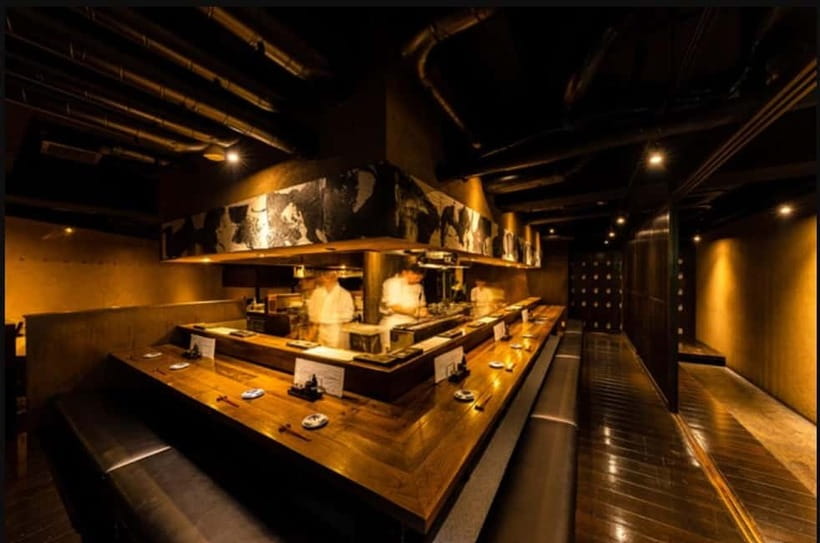
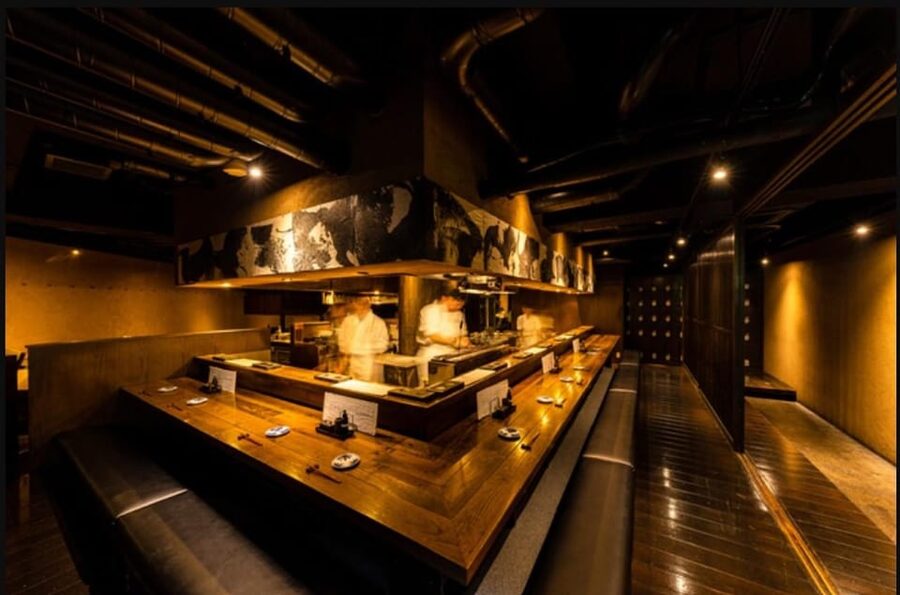
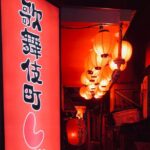
The setting is described as cozy and calm, with a neon-lit Ginza mood outside and a more sheltered dining atmosphere inside. That contrast is part of the appeal. You get the energy of central Tokyo nearby, then a quieter place to eat without leaving the district.
Trying the less familiar cuts
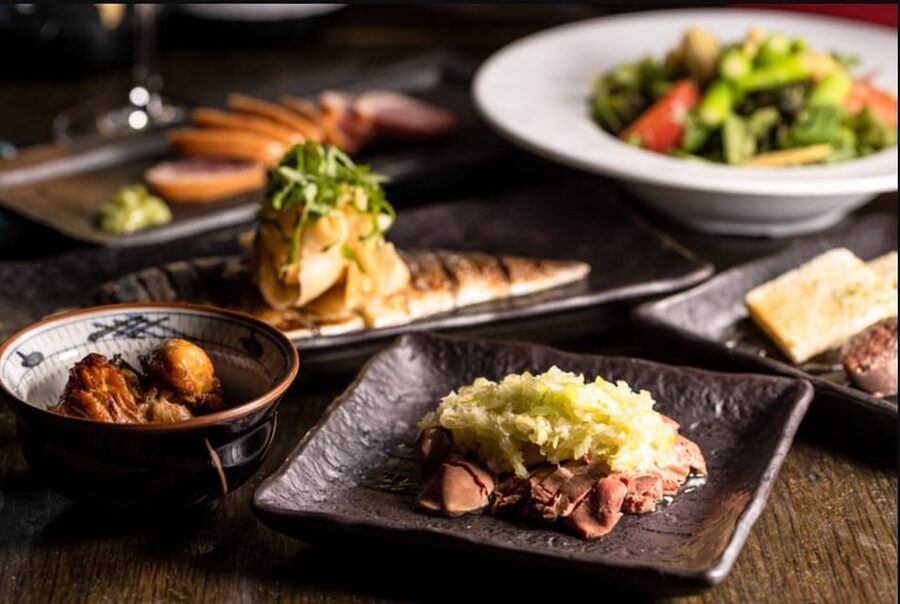
The menu names several chicken parts beyond the usual breast and thigh. Zuri and maruhatsu may be unfamiliar to many first-time yakitori diners, and the nine-skewer course adds four kinds of rare parts.
This is a good setting for trying them because the portions arrive as individual skewers. You are not committing to a large plate of one ingredient. A small skewer lets you notice the texture, seasoning, and charcoal flavor, then move on to something different.
The special toro liver is included in all three menus. Liver has a distinct taste and a softer texture than grilled breast or wings, so it may be the boldest item in the meal. If you have dietary restrictions or strong dislikes, add a note during checkout rather than assuming every course can be adjusted on the spot.
The nine-skewer menu also includes beef, while the seven-skewer course adds grilled soused mackerel. These additions keep the meal from feeling like a long sequence of chicken alone. The five-skewer option is less varied, but it still includes a vegetable skewer and several different chicken preparations.
Sake and wine pairings in Ginza
Drinks are not included, apart from water, so the $34 price covers the food course, tax, and reservation. This is important when comparing the experience with a standard restaurant meal. Your final bill will rise if you choose sake or wine.
The drink selection includes seasonal Japanese sake and award-winning wines. One named option is Aota from Kitaya in Fukuoka. The food is built for pairing, especially the smoky chicken and savory small dishes, but you do not need to order alcohol to take part in the meal.
Japan’s legal drinking age is 20. If you are under that age, plan on water or another nonalcoholic choice if available. The supplied information does not list drink prices, so I would not assume that a particular sake or wine is included or inexpensive.
For many diners, the drink decision will shape the value. At $34, the course itself is reasonably clear and predictable. Add several drinks, and the evening becomes a more substantial Ginza purchase. I would set a food budget and a separate drink budget before sitting down.
A few more Tokyo tours and experiences worth a look

Why Ginza makes a useful dining base
Ginza is one of Tokyo’s central shopping and dining districts. This reservation works best as an evening meal paired with time in the area, rather than as a stand-alone attraction that fills an entire day.
The location gives you a polished city setting, but the food format is distinctly Japanese and informal. Yakitori is linked to the izakaya tradition, where people gather over small dishes and drinks. Kuuraku’s full courses give you that style in a more organized form, which helps if you are new to Japanese menus.
I find this particularly useful on a first visit to Japan. You can try several dishes without needing to understand every menu term, and the English menu lowers the language barrier. The staff are described as friendly and attentive, but there is no named guide or formal cultural talk, so keep your expectations focused on dining.
The bright Ginza setting also makes the restaurant suitable for photos. The neon-lit atmosphere may appeal to you if you want a modern Tokyo backdrop. Still, the real reason to book should be the food and the chance to eat yakitori in a specialist setting, not simply the room’s appearance.
Price, value, and the small print
At $34 per person, the reservation includes a full course, sales tax, and the booking itself. Drinks and personal expenses are excluded. For a multi-course meal with several grilled skewers, soup, rice, and side dishes, the price is easier to justify than a simple reservation with no food included.
The five-skewer menu gives you the strongest budget control. The seven-skewer menu likely offers the most balanced spread of food and variety. The nine-skewer course is aimed at diners who want the full range and are willing to spend more time and appetite on the meal.
Children under six eat free. Children aged six and older must order the regular course. This rule makes the experience less flexible for families with older children who might prefer a smaller meal.
Seats are reserved for a maximum of two hours, and specific seat types are not guaranteed. If you have your heart set on a counter seat or a particular view, this booking cannot promise it. You should also make sure the reservation count includes every person who needs a course.
Cancellation is free up to two days in advance for a full refund. That gives you some room to adjust an itinerary, but last-minute changes may not receive the same protection.
Who should choose each menu
The five-skewer course suits you if you want a substantial introduction without committing to the longest meal. It is also a practical pick if you have other evening plans in Ginza.
The seven-skewer course is best for a first full yakitori experience. You get more chicken, two vegetable skewers, mackerel, and the core side dishes. I would choose it for most adults who enjoy trying several flavors.
The nine-skewer course suits adventurous eaters. Rare chicken parts, beef, dessert, and six chicken skewers create the broadest tasting experience. It may be too much if you prefer familiar cuts or plan to drink heavily.
Solo diners are welcome, which is a useful advantage in Tokyo. You do not need to find a partner to make the reservation work. Couples and small parties should remember that the booking is still a restaurant seating with a two-hour limit, not a private dining room.
This experience is also a good match for diners who want a reliable plan. You will not need to make a series of choices in Japanese, though dietary restrictions should be stated during checkout. It is less suited to anyone seeking a cooking lesson, a tour guide, or a long cultural lecture.
Should you book Kuuraku Ginza?
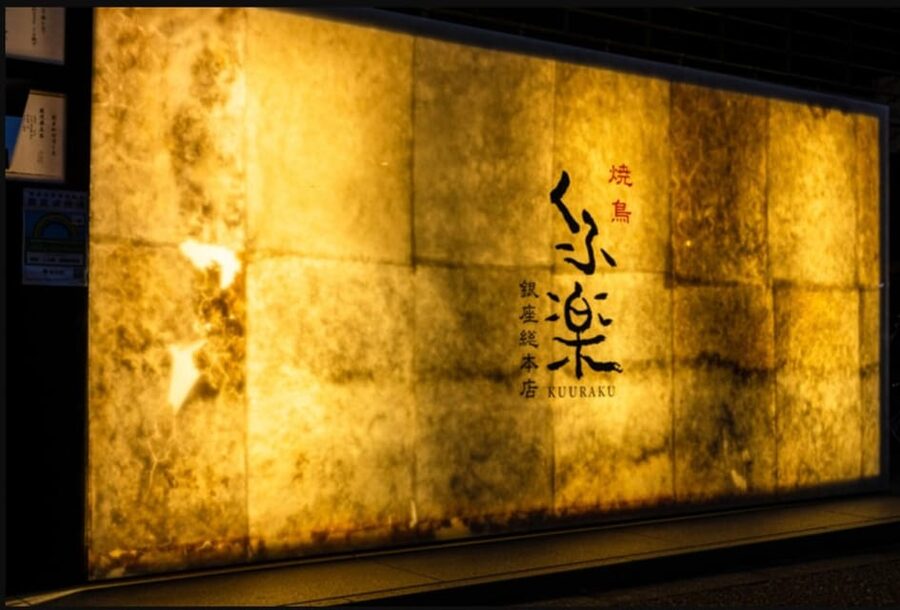
Book it if you want a food-focused Tokyo evening with carefully prepared yakitori, several course sizes, and the option to add sake or wine. The strongest reasons are the Binchotan charcoal cooking, the Michinoku Seiryu chicken, and the chance to try items such as tsukune, toro liver, rare cuts, and grilled mackerel.
Choose the seven-skewer menu if you are unsure. It offers a generous range without the full commitment of the nine-skewer course. Pick five skewers for a lighter plan, or nine if unusual cuts and a long tasting meal are exactly what you want.
Skip it if you need a guide, guaranteed seating, included drinks, or complete control over every dish. For everyone else, this is a straightforward way to enjoy izakaya-style dining in central Tokyo, with enough structure to make the experience easy for a first-time visitor.
FAQ
Is this a guided tour or a restaurant reservation?
It is a restaurant reservation only. No guide is provided, so you should enter Kuuraku Ginza directly at your reservation time.
How long is the experience?
The meal lasts about two hours, and seats are reserved for a maximum of two hours.
How many people can book?
Bookings are accepted from one person, so solo diners can reserve. Make sure the reservation reflects the total number of people in your party.
What is included in the price?
The price includes the selected full-course menu, sales tax, and the reservation. Drinks other than water and personal expenses are not included.
What course options are available?
You can choose a five-skewer, seven-skewer, or nine-skewer course. The larger menus add more chicken skewers and side dishes, with beef, rare chicken parts, and dessert included in the nine-skewer option.
Can children attend?
Children under six years old are free. Children aged six and older must order the regular course. The legal drinking age in Japan is 20 or older.
More Bar Hopping & Izakaya Tours in Tokyo
More Ginza Tours in Tokyo


More tours in Tokyo we've reviewed










Ginza Tours, compared.
 ★ 4.8Chopstick Making Workshop in GinzaFrom $251 hour
 ★ 4.5Tokyo: Art Aquarium Museum GINZA Entry TicketFrom $171 day
 ★ 4.5Official Japan Go-Kart Through Tokyo Bay / Ginza (IDP Required)From $85
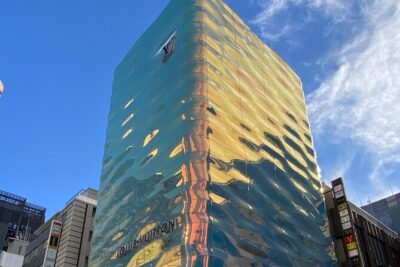 ★ 5.0Private Ginza Architecture Walking TourFrom $132
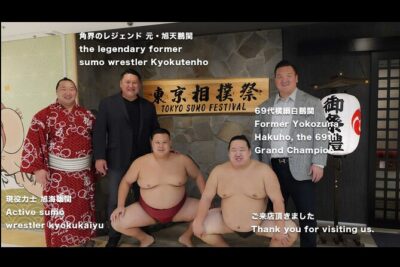 ★ 4.5【SUMO FESTIVAL】Tokyo Ginza: Sumo Show & Photo ExperienceFrom $63
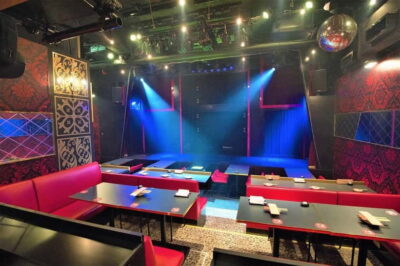 ★ 4.8Tokyo GINZA: KONPARU Japanese Cabaret Show with DrinkFrom $502 hours