
Reviewed · SUMO EXPERIENCES
Authentic Sumo Experience in Tokyo: Enter the Sanctuary
The best part of this four-hour experience is the access: you go inside a real sumo stable in Kawasaki, sit close to the ring, and see the dining room, bath, and practice space where wrestlers once lived and trained. Then you can try the footwork, posture, and pushing exercises yourself with retired sumo wrestlers.
I like the hands-on training, which turns an old Japanese sport into something you can feel in your legs and shoulders. I also like the shared chanko-nabe lunch, prepared with the wrestlers and served around a table once used in the stable. The main drawback is the early, strict schedule and the possibility that the stable may cancel a few days before the visit.
In This Review
- Key points to know before booking
- Why this Kawasaki sumo visit feels different
- Entering the former stable and learning the rules
- Watching morning practice from beside the ring
- Trying sumo movements with the wrestlers
- Making chanko-nabe around the old stable table
- The guide makes the difference
- Who will enjoy this most
- Timing, transport, and the cancellation risk
- Is $171.12 a fair price?
- My verdict: book it for access, not just wrestling
- FAQ
- Where does the sumo experience take place?
- What time does the tour begin?
- What is included in the price?
- Can I try sumo wrestling?
- What will I eat for lunch?
- Is the tour suitable for children?
- Can I bring a suitcase?
- What happens if I arrive late?
- Can I cancel for a refund?
Key points to know before booking
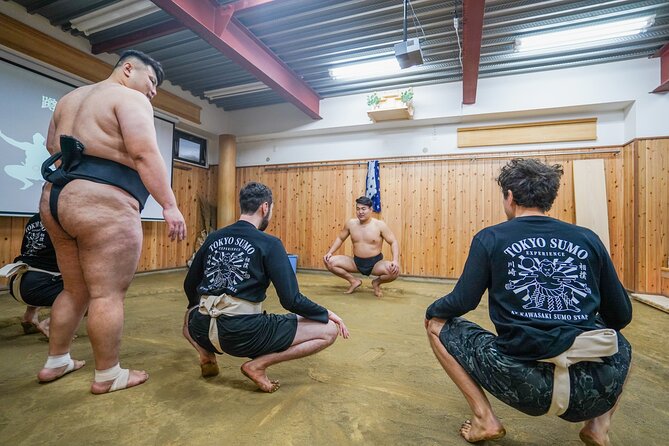
- Train beside retired wrestlers: Try basic sumo movements and, if you wish, step into the ring for a friendly challenge.
- Visit a former working stable: See the dining room, bath, and practice area at a facility officially used until 2022.
- Watch practice from the front: The seating puts you close to the ring during the morning training session.
- Eat a wrestler’s lunch: Help make chicken dumplings for chanko-nabe, then share the hot pot at the stable table.
- Meet at Shin-Kawasaki Station: A guide collects you there before taking the group to the stable.
- Plan for a firm start: The tour begins at 9:30 a.m., and being more than five minutes late without contact counts as a cancellation.
Why this Kawasaki sumo visit feels different
Many sumo outings give you a seat in a stadium or a quick photo beside a wrestler. This one takes you into the setting behind the sport. You see where wrestlers eat, wash, train, and spend their days. That makes the experience less about spectacle and more about daily discipline.
The stable was officially used until 2022, so you are not touring a museum built to imitate a training room. The practice space, bath, and dining room are part of a working sumo environment from the recent past. That detail gives the visit a useful sense of place.
You meet your guide at Shin-Kawasaki Station, in Kawasaki’s Saiwai Ward. Kawasaki is outside central Tokyo, but it is close enough to work into a Tokyo visit if you allow the full morning and early afternoon. The exact meeting point is listed as 1-chōme-2-1 Kashimada, Saiwai Ward, Kawasaki, Kanagawa, and the activity ends back there.
The group can have up to 15 people. That is large enough to create a lively mood, but still small enough for a guide to explain the customs and organize participation. Several guides have led this experience, including Charlie, Jim, Lily, and Fugi. The guide you receive depends on the date, but the role is the same: explain sumo culture, translate and organize the visit, and help you take part without getting in the way of practice.
A few more Kawasaki tours and experiences worth a look
Entering the former stable and learning the rules
The first part is quiet and informative. Your guide explains how sumo wrestlers live and introduces the customs that shape life in a stable. This background matters because sumo is not simply a contest of strength. Training, eating, bathing, rank, and daily routine all connect.
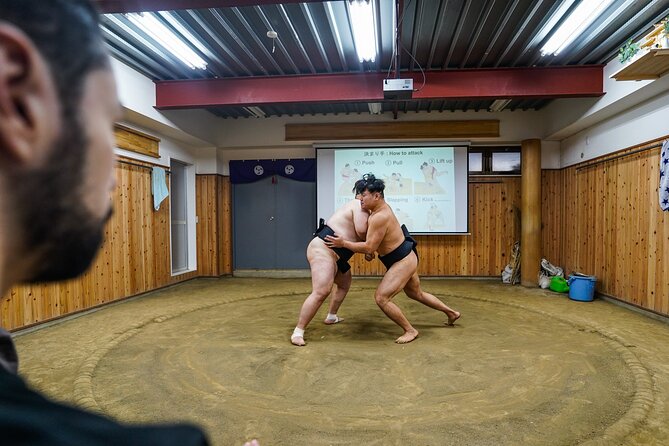
You then tour the stable’s main spaces. The dining room shows where meals are shared. The bath offers a glimpse of the communal side of stable life. The practice area is the heart of the visit, since this is where wrestlers repeat the same movements day after day.
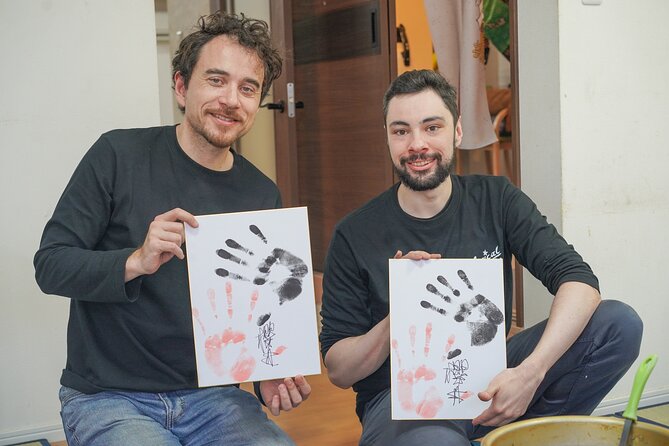
You will not be wandering freely through private rooms. This is a guided visit, and the stable’s routines deserve respect. Listen carefully, follow directions, and keep photography to the moments your guide allows. Tour photos are included, which means you can focus more on what is happening rather than documenting every second yourself.
The calm start can make some people nervous. That is normal. The demonstrations may feel formal at first, and you may not know how much participation is expected. The tone usually loosens as the wrestlers explain the movements and invite the group to join.
Watching morning practice from beside the ring
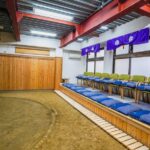
After the introduction, you sit directly in front of the sumo ring for a morning training session. This is a better way to understand sumo than watching only the final bouts of a tournament. Practice reveals repetition, effort, and technique without the noise of a large arena.
Morning training usually begins around 7 a.m. and lasts three to four hours, though your meeting time is 9:30 a.m. The timing means you should be prepared for practice already to be under way when the tour arrives. The exact rhythm can vary, and stable schedules are not something a tour operator can fully control.
Your guide provides commentary as you watch. Pay attention to the small movements: the stance, the foot placement, the body position, and the controlled pushing. The exercises can look simple until you try them. Sumo’s power comes from balance and position as much as from size.
You are seated close to the ring, so this is not a distant demonstration. That proximity is one of the strongest parts of the morning, but it also means you should remain still and quiet during serious training. This is a place of work, not only a show arranged for visitors.
Trying sumo movements with the wrestlers
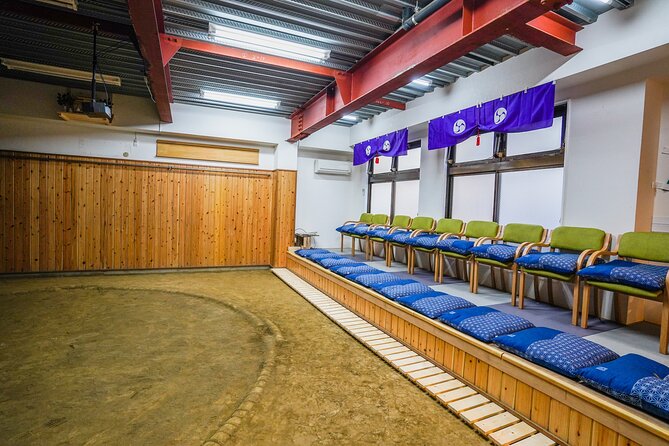
The interactive portion is where the experience changes pace. You can learn basic sumo moves from the wrestlers and take part in exercises that show how demanding the sport is. The activities are presented in a friendly way, with plenty of humor, so children, teenagers, and adults can all find a comfortable level.
You do not have to participate if you would rather watch. That is useful for mixed groups, since one person may want to wrestle while another prefers photos and explanations. If you do join in, expect the physical challenge to be playful rather than a serious athletic test.
Some participants have stepped into the ring and challenged a retired wrestler. That is a memorable moment, but the important point is the contrast in size, balance, and technique. Even a short bout can show you why a wrestler’s stance and body control matter.
The exercises are less useful as a formal lesson than as a way to feel the sport. You will not leave ready for competition. You will leave with a clearer sense of how hard the movements are and why the training takes so much repetition.
The wrestlers are also available for questions. Ask about the training, food, or daily life if the schedule allows. The chance to talk with people who have lived the sumo profession gives the experience more substance than a staged demonstration alone.
Making chanko-nabe around the old stable table
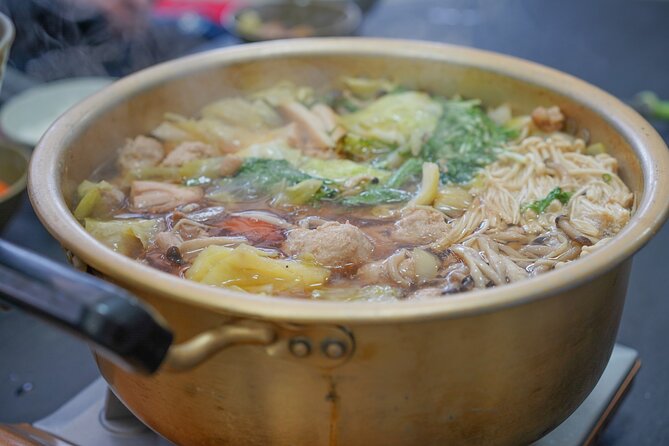
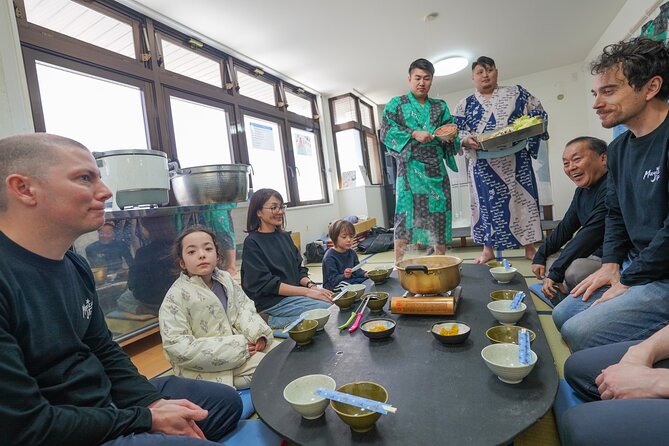
Lunch is included, and it is more than a meal placed in front of you. You help make chicken dumplings, which become part of the chanko-nabe shared with the wrestlers. The group eats around a table that was actually used in the sumo room.
Chanko-nabe is the hot pot associated with sumo wrestlers. It is made to provide a filling meal, and its role in building a wrestler’s large body is part of the explanation you receive. The dish is communal, warm, and practical, which fits the culture you have just seen.
The lunch is a strong value point at $171.12 per person because the price covers the stable visit, guide, training session, meal, tour photos, and an original designed T-shirt. You are paying for access and personal contact, not just transportation to a performance.
Still, you should judge the price against your interests. If you only want to see a sumo bout, this may feel expensive. If you want an unusual cultural activity with food, teaching, and access to a former stable, the package makes more sense.
Additional food and drinks are not included. Tell the operator about allergies or dietary requests at least one day ahead. The kitchen does not belong to MagicalTrip, allergy-free preparation cannot be guaranteed, and substitutions may not always be possible.
The guide makes the difference
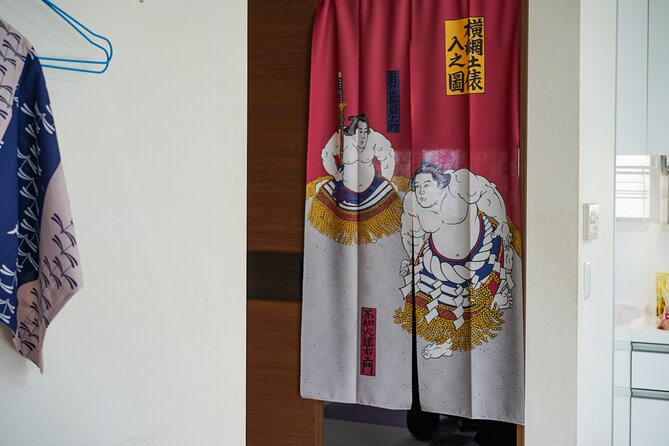
A good guide is especially important here because the setting has customs that may not be obvious to an outsider. You need someone to explain what you are seeing, handle the timing, and make the transition from quiet observation to active participation feel natural.
Charlie has been praised for meeting the group early and sharing useful information on the way to the stable. Jim has used a PowerPoint presentation to explain sumo history and has been described as clear and engaging. Lily has been noted for her English and enthusiasm for the sport, while Fugi has guided families through the training and wrestling activities.
These names do not guarantee who will lead your date. They do show the kind of guide support this tour aims to provide. English-language guidance is available, and the guide also takes tour photos, a nice benefit when you are busy making dumplings or trying to hold a sumo stance.
The group limit of 15 keeps the activity manageable, though a full group means not everyone can be the center of attention at once. If you are shy, watch the first round and join when you feel ready. The format is designed to make participation optional.
Who will enjoy this most
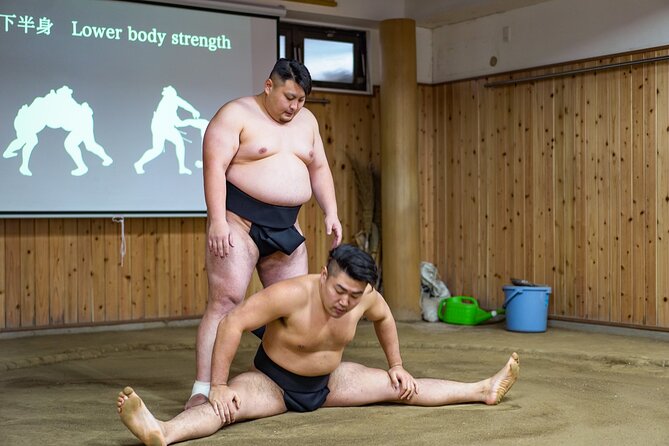
Families are a natural fit. Children can try the exercises, learn through movement, and enjoy the meal. The activity gives them something to do, rather than asking them to sit quietly through a long cultural lecture.
It also works well for couples, friends, and solo visitors. Couples can share the lunch and take part together. Friends can challenge one another before facing a wrestler. Solo visitors have an easy way to meet a small group without spending the whole morning in a formal sightseeing setting.
Longtime sumo fans will appreciate the access to a real stable and the chance to ask questions. You may already know the rules, but seeing the training space and trying the exercises can add a physical understanding that a televised match cannot provide.
First-time visitors to sumo may get the most from the guide’s explanations. You do not need prior knowledge. The introduction covers the tradition, history, and lifestyle before you are asked to take part.
This is not the right choice if you need a flexible start time, want to carry luggage, or dislike group activities. Large suitcases are not permitted, and the tour does not wait for late arrivals. Summer visitors should bring water and wear a hat, since Japanese heat and humidity can be tough even before the physical activities begin.
Timing, transport, and the cancellation risk
The tour starts at 9:30 a.m. at Shin-Kawasaki Station area and lasts about four hours and ten minutes. A comfortable van or taxi transfer to the stable has been part of the arrangement, with taxi costs included in the price when used for the group.
Arrive early. The operator says the tour starts on time, and more than five minutes late without contact is treated as a cancellation. You cannot join later, reschedule, or receive a refund for missing the group. Put this activity on a morning when you can reach Shin-Kawasaki without rushing from a distant part of Tokyo.
The stable can also cancel unexpectedly a few days to a couple of days before the scheduled date. That is an important tradeoff of visiting a real sumo facility. You may be offered another date or experience, or receive a full refund if the minimum number of participants is not met.
Standard cancellation is free up to 24 hours before the start time. After that point, changes and refunds are not accepted, except for a provider cancellation covered by the stated terms.
Is $171.12 a fair price?
At first glance, $171.12 is a large price for a half-day activity. The value improves when you count what is bundled: a certified MagicalTrip guide, transport to the stable, room tour, practice viewing, hands-on instruction, lunch, photos, and a T-shirt.
The rarest part is the stable access. You are not only watching a cultural performance from outside. You are entering a former training facility, sitting by the ring, meeting wrestlers, and eating in the same setting where sumo life took place.
The meal also adds practical value. Chanko-nabe is not an extra restaurant stop squeezed into the schedule. It is connected to the lesson, made with the group, and shared with the wrestlers. That gives lunch a cultural purpose as well as a place in the budget.
I would book it for a family or a first-time Japan visitor who wants one memorable activity with plenty of interaction. I would skip it if your priority is a formal tournament, a low-cost morning, or a flexible itinerary.
My verdict: book it for access, not just wrestling
This is a strong choice for anyone who wants to understand sumo from the inside. The former stable, close practice viewing, friendly instruction, and chanko-nabe lunch work together better than a simple photo stop or staged show.
Book early in your planning, leave extra time to reach Shin-Kawasaki, and notify the operator about food concerns the day before. If you can accept the fixed schedule and small risk of stable cancellation, the experience offers something unusual: not just a look at sumo, but a brief chance to eat, train, and sit in its world.
FAQ
Where does the sumo experience take place?
The activity takes place in Kawasaki, Kanagawa, at a real sumo stable that was officially used until 2022. You meet at the Shin-Kawasaki Station area before going to the stable.
What time does the tour begin?
The start time is 9:30 a.m. The tour lasts approximately four hours and ten minutes.
What is included in the price?
The price includes the sumo experience, a certified MagicalTrip guide, a sumo wrestler’s lunch, tour photos, and an original designed T-shirt. Additional food and drinks are not included.
Can I try sumo wrestling?
Yes. Participants have the opportunity to learn sumo movements and join training exercises with the wrestlers. You may also have the chance to step into the ring and wrestle a retired sumo wrestler.
What will I eat for lunch?
Lunch is chanko-nabe, a hot pot associated with sumo wrestlers. You help make chicken dumplings with the wrestlers and eat together around a table used in the sumo room.
Is the tour suitable for children?
Most people can participate, and the interactive exercises have been enjoyed by families, children, and teenagers. Participation is optional, so you can watch if you do not want to take part physically.
Can I bring a suitcase?
Large luggage such as suitcases is not permitted on the tour.
What happens if I arrive late?
The tour starts on time. If you are more than five minutes late without contacting the operator, it is treated as a cancellation, with no refund or rescheduling.
Can I cancel for a refund?
You can cancel for a full refund up to 24 hours before the experience start time. Cancellations or changes made less than 24 hours before the start are not refunded or accepted.
More Sumo Experiences in Kawasaki
More tours in Kawasaki we've reviewed
Sumo Experiences, compared.
 ★ 4.8Tokyo: Sumo Show Experience with Chicken Hot Pot and a PhotoFrom $1032 hours
 ★ 4.8Tokyo: Sumo Show and Dining ExperienceFrom $7990 minutes - 2 hours
 ★ 5.0the SUMO showFrom $89
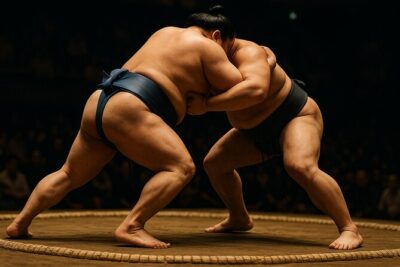 ★ 5.0Tokyo Shinjuku Sumo Show & Experience with PhotoFrom $79
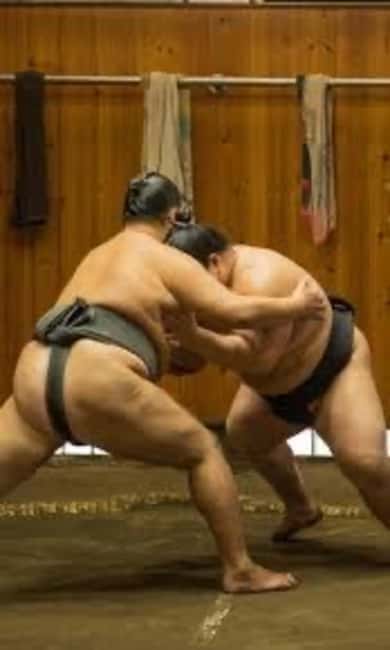 ★ 4.8Tokyo: Sumo Show and Experience in ShinjukuFrom $691h 30m
 ★ 4.6Tokyo: Sumo Tournament Tour with Chair Seat TicketsFrom $141