
Reviewed · ASAKUSA TOURS
Asakusa: 1400-year history exploration
Asakusa’s story begins beside the Sumida River, then unfolds through temple gates, snack stalls, shrines, old entertainment streets, and the city’s changing skyline. This small-group walk gives you the background that makes each place more meaningful, rather than leaving you to simply photograph the sights.
I especially like the eight-person maximum, which gives you room to ask questions, and the included Japanese sweets, such as melon pan, rice dumplings, rice crackers, and sweet puffed rice. Guides including Sachi, Aki, Yasu, Taka, and Yoko have earned strong praise for making the past understandable and helping with practical food and shopping advice.
The main caution is time. At 3.5 hours, this is a slow, history-led walk, not a quick temple visit. Asakusa can also be noisy and packed, especially around Sensoji, and a few people found it hard to hear or felt the explanations ran too long.
In This Review
- Key points to know before booking
- Why Asakusa makes a good first Tokyo history walk
- Beginning at the Sumida River and Azumabashi Bridge
- Asakusa Culture Tourist Information Center
- Kaminarimon and the first taste of Asakusa
- Nakamise-dori snacks and shopping advice
- Hozomon, the pagoda, and Sensoji’s main hall
- Asakusa Shrine and the meeting of two faiths
- Denboin Street and the Rokku entertainment quarter
- Guide style, group size, and sound quality
- Is $91.17 a fair price?
- Practical details for a comfortable afternoon
- Should you book the Asakusa history walk?
- FAQ
- How long does the Asakusa tour last?
- What time does the tour begin?
- Where does the tour start?
- Where does the tour finish?
- How large is the group?
- What food is included?
- Are hotel pickup and drop-off included?
- Does the tour operate in bad weather?
- Can I cancel for a refund?
Key points to know before booking
- Start beside the Sumida River: See Tokyo Skytree and the Asahi Breweries headquarters before entering old Asakusa.
- Small groups of up to eight: The format makes questions and personal guidance easier than on a large bus tour.
- Sensoji is the centerpiece: You explore Kaminarimon, Nakamise-dori, Hozomon, the pagoda, main hall, and Asakusa Shrine.
- Snacks are part of the lesson: Traditional sweets help connect the walking tour with everyday Japanese food culture.
- Rokku adds a different mood: Denboin Street leads into Asakusa’s traditional entertainment quarter and its older streets.
- Plan for steady walking: Wear comfortable shoes, carry water, and expect the tour to operate in rain or shine.
Why Asakusa makes a good first Tokyo history walk
Asakusa offers a useful introduction to Tokyo because several parts of Japan’s story meet in a compact area. You see Buddhist and Shinto places side by side, busy souvenir streets beside quieter lanes, and old traditions operating within a modern capital.
The tour focuses on the 1,400-year story of Sensoji. According to the local tradition explained on the walk, two fishermen found a statue of Kannon in the Sumida River. That discovery led to the founding of Sensoji and helped shape Asakusa’s role as a religious and cultural center.
The point is not simply to memorize dates. You learn how a temple helped draw people to the district, how entertainment and commerce grew around it, and why Asakusa still feels different from Tokyo’s office and shopping centers. The guide also connects the area with Japan’s later modernization, giving you a wider frame for what you see.
I would book this early in a Tokyo visit if you want context before exploring on your own. You receive advice on places to eat, drink, shop, and find local-style snacks in Rokku, so the tour can also help shape the rest of your Asakusa visit.
A few more Tokyo tours and experiences worth a look


Beginning at the Sumida River and Azumabashi Bridge
The meeting point is outside Burger King Asakusa Azumabashi, near Kaminarimon in Taito City. The walk starts at 1:30 pm and returns to the same general meeting point at the end.
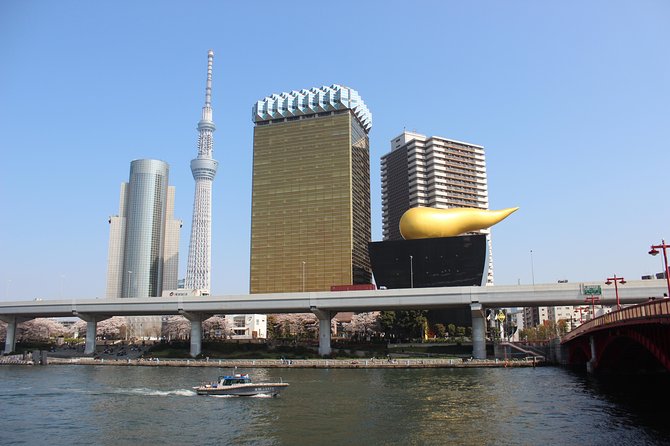
The first stop is the Sumida River, where Asakusa’s story began. From across Azumabashi Bridge, you can see Tokyo Skytree and the Asahi Breweries headquarters, including the famous golden flame sculpture. This opening is brief, about 15 minutes, but it gives you an immediate sense of old and new Tokyo sharing the same view.
I like this beginning because it avoids dropping you straight into the crowds at Sensoji. You start with the river, transport routes, landmarks, and city skyline, then move toward the district’s older core. It is a sensible way to get your bearings.
Asakusa Culture Tourist Information Center
The walk continues to the Asakusa Culture Tourist Information Center, one of the newer attractions in the district. The building is used for sightseeing information, but the tour also treats it as part of Asakusa’s modern identity.
You spend about 30 minutes here. The building offers a useful pause after the river walk, and the guide can explain how the area presents itself to visitors today. This stop may appeal most to people who like architecture, city planning, and the contrast between old temples and newer public facilities.
The tour description indicates admission is included, but the sightseeing areas themselves do not require a separate entry fee. You should still think of this as an outdoor walking experience, with stops for explanation rather than a museum tour with formal indoor exhibits.
Kaminarimon and the first taste of Asakusa
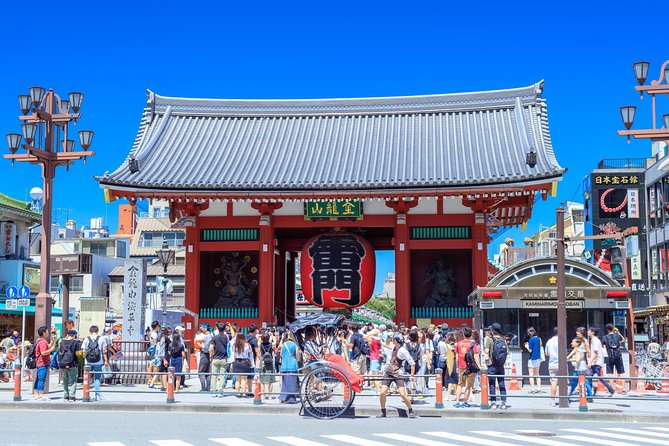
Kaminarimon, or Thunder Gate, is the outer gate leading toward Sensoji. Its giant red lantern and guardian figures make it one of the most recognizable views in Asakusa, but the guide helps you look beyond the photo stop.
The scheduled time is about 15 minutes. That is enough for an explanation and some photographs, though crowds can make the space feel tight. Keep your group in sight and listen closely as people pass around you.
From here, you enter Nakamise-dori, the 250-meter shopping street linking Kaminarimon with Sensoji’s inner gate. Food stalls and souvenir shops line the approach. The guide points out where to look for gifts and traditional treats, which is more useful than wandering past every shop without knowing what fits your budget or interests.
Nakamise-dori snacks and shopping advice
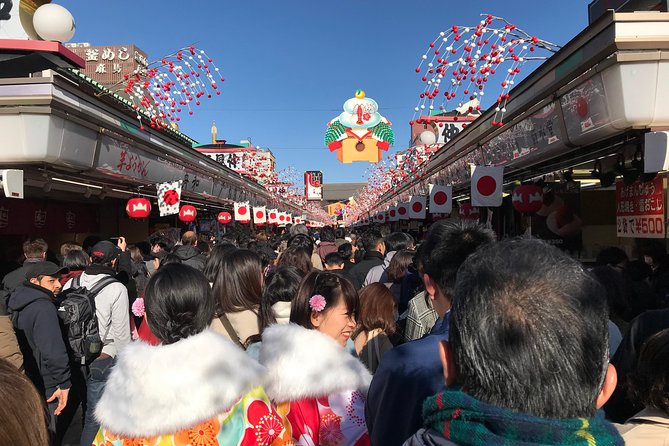
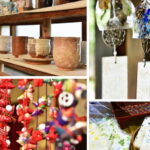
Nakamise-dori is one of the tour’s most approachable sections. You are not just told that the street is old or important. You get to sample selected Japanese sweets and snacks, which may include melon pan, rice dumplings, rice crackers, sweet puffed rice, and similar traditional items.
The exact selection can vary, and food and drinks beyond the specified snacks are not included. If you have dietary needs, contact the operator before the tour and ask what can be arranged. The operator says it will do its best to accommodate special dietary requirements.
The snack tasting adds value because food gives you a direct way into local culture. It also breaks up the historical explanations. A guide can tell you what a rice dumpling or Ningyo-yaki means in the local food scene, while you decide which flavors you would like to seek out later.
Shopping advice is part of the stop as well. If you want souvenirs, this is the time to ask about useful gifts and edible presents. If shopping does not interest you, be aware that the guide may spend a fair amount of time discussing the street and the surrounding stores.
Other historical tours in Tokyo
Hozomon, the pagoda, and Sensoji’s main hall
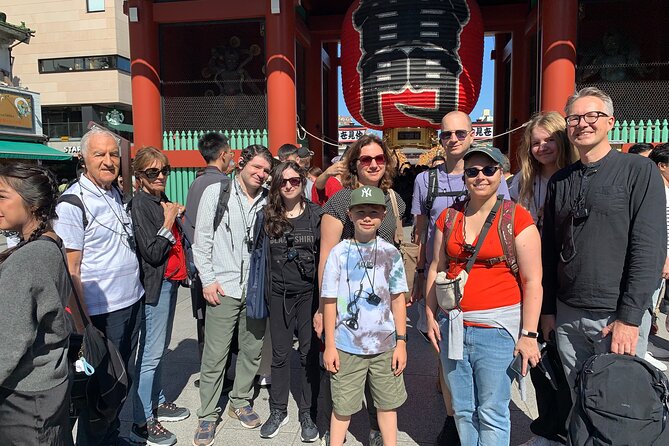
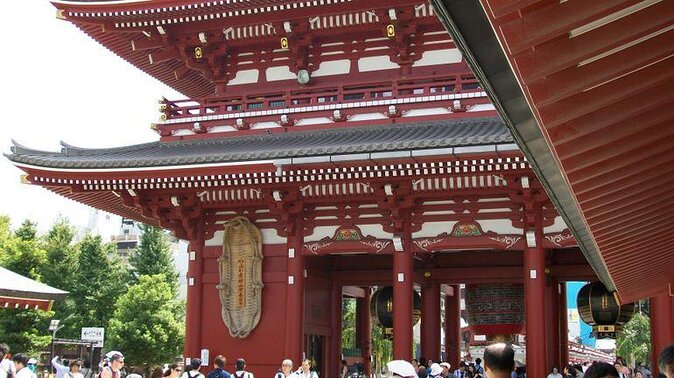
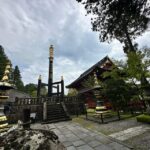
Hozomon is the inner gate on the approach to Sensoji. This two-story structure is called the Treasure-House Gate, and its upper level holds important Buddhist materials. It creates a dramatic transition from the commercial approach into the temple grounds.
The main Sensoji section lasts about 45 minutes. You see the five-story pagoda, described as 53 meters high and linked to a structure first built in 942. The pagoda holds Buddha’s ashes, adding religious meaning to what might otherwise look like a striking architectural feature.
Between Hozomon and the main hall, the guide explains what you can see and how to behave respectfully. That matters if you are unfamiliar with Buddhist temple customs. You can ask about worship, incense, offerings, and the difference between simply visiting a historic building and taking part in a living religious site.
Sensoji has been destroyed and rebuilt many times through earthquakes, war, and air raids. The buildings you see are not untouched medieval structures. Their importance lies partly in the fact that ordinary people repeatedly helped rebuild the temple, keeping it at the heart of Asakusa.
That history also explains the crowds. Sensoji is not a quiet ruin. It remains an active place of worship and one of Tokyo’s best-known sights. A guide can help you read the site while people move around you, but you should not expect solitude.
Asakusa Shrine and the meeting of two faiths
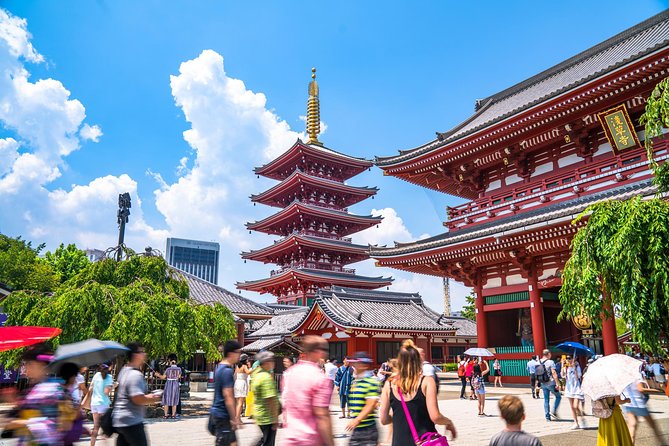
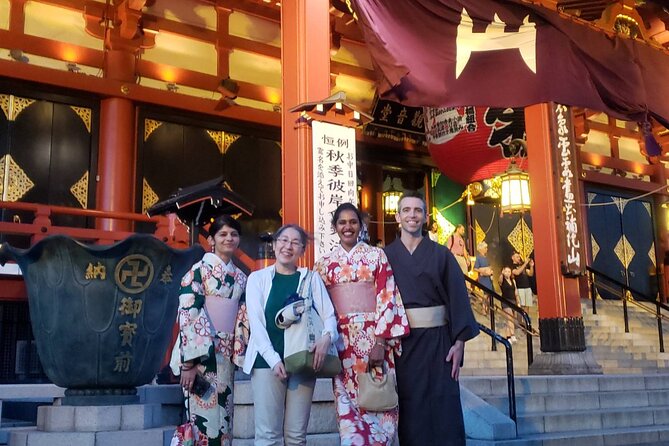
Asakusa Shrine sits on the same grounds as Sensoji, making it an important stop for understanding the relationship between Buddhism and Shinto in Japan. The tour explains how the temple and shrine share origins and worshippers, despite belonging to different religious traditions.
The scheduled stop lasts about 15 minutes. It is short, but the subject is large. You learn why a Buddhist temple and Shinto shrine can exist side by side, and why that arrangement is not as strange in Japan as it may first appear to visitors from countries where religious institutions are more sharply separated.
I find this part especially useful because it corrects a common mistake. Many visitors see a gate, statue, bell, or offering area and treat everything as one general category of Japanese culture. Here, you get a clearer sense of what belongs to Shinto, what belongs to Buddhism, and how the two traditions have influenced daily life.
Denboin Street and the Rokku entertainment quarter
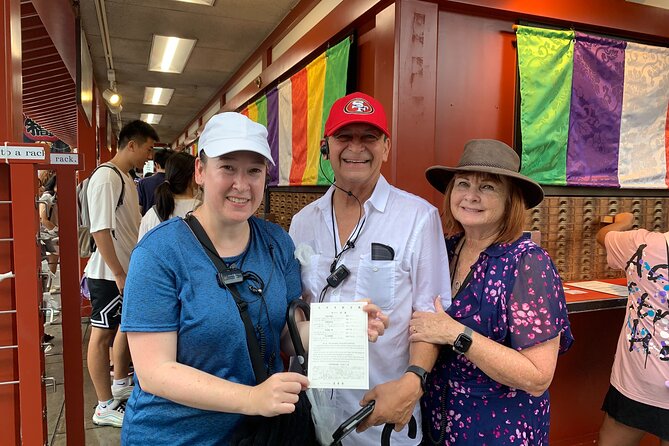
After Sensoji’s large gates and open temple grounds, the walk turns toward Denboin Street and the Rokku district. This change of mood is one of the best reasons to choose the full tour rather than stopping at the temple.
Rokku is Asakusa’s traditional entertainment area. The route looks at how the district moved from the Meiji period into the present, with old buildings, restaurants, shops, and entertainment venues shaping the streets. The tour spends about 45 minutes here, giving the guide time to explain how Asakusa’s culture continued beyond the temple.
This section may be the most valuable part for repeat visitors. Sensoji is easy to find, but the surrounding streets require more interpretation. Your guide can point out places to eat, drink, and shop, including options you might otherwise pass without noticing.
It is also the section most likely to test your patience if you want a fast sightseeing checklist. The tour intentionally takes time to connect the streets with their past. If you would rather spend three hours taking photographs and moving quickly, this may feel slow.
Guide style, group size, and sound quality
The small-group limit is eight people. That is a practical advantage in a crowded district. You can ask questions without holding up a large party, and the guide has a better chance of noticing if you need a pause or a clearer explanation.
An earphone guide system sends the guide’s voice to each participant from a distance. This is meant to help when the streets are noisy or the group needs to spread out. In practice, one person found the sound difficult to hear, and another felt the guide spoke too softly or too quickly. Stay close enough to the group to hear clearly, and tell the guide at once if the volume or pace is not working for you.
Guide quality appears to be a major strength when the match is right. Sachi is praised for detailed explanations of Asakusa’s history. Aki is described as patient and flexible, with help for photographs and cultural questions. Yasu receives credit for practical assistance, including helping someone find luggage lockers. Taka is praised for making the afternoon enjoyable and discussing subjects ranging from Japanese language and food to religion and local customs.
There is also one sharply negative account of an English-speaking guide, along with a complaint that another guide was monotone and spent too long on shopping. The operator says the latter guide was removed from assignments for retraining. These accounts are a reminder that a walking tour depends heavily on the individual guide, the group’s interests, and how well the pace is adjusted.
Is $91.17 a fair price?
At $91.17 per person, this is not a bargain-priced orientation walk. You are paying for about 3.5 hours with an English-speaking guide, a group capped at eight, the snack selection, and a route that combines the river, temple, shrine, market street, and Rokku.
The value is strongest if you want interpretation. Sensoji and Nakamise-dori are free to enter and easy to visit independently. The fee makes sense when you want the story behind the sites, help understanding Japanese religious customs, and practical recommendations for the rest of your stay.
The price is harder to justify if you only want photographs of Kaminarimon and the temple. You could see the headline sights on your own in much less time. This tour is built for people who want a slower explanation of why Asakusa matters.
Group discounts may be available, and the average booking lead time is 47 days. That suggests you should reserve ahead if your Tokyo dates are fixed, though last-minute bookings are accepted up to two hours before the start when space remains.
Practical details for a comfortable afternoon
Plan on a moderate amount of walking. Wear shoes you can comfortably use for 3.5 hours, and bring bottled water, especially in warm weather. Vending machines are available, but carrying your own bottle is simpler.
The tour runs in all weather, so check the forecast and dress accordingly. Tokyo’s temple grounds and shopping streets can feel especially crowded on weekends. If you dislike noise or large crowds, a weekday booking may be the better choice, although no time can guarantee a quiet Sensoji visit.
Children under six may join without charge, but they do not receive the included items. The operator recommends the tour mainly for adults because of its historical focus, while families are welcome. Teenagers who enjoy stories, food, and cultural questions can fit the format well.
Most people can participate, and the meeting point is near public transportation. Hotel pickup and drop-off are not included, so you need to make your own way to Burger King Asakusa Azumabashi. Free cancellation is available up to 24 hours before the start time. The experience may also be canceled if its minimum number is not reached, in which case you are offered another date or a full refund.
Should you book the Asakusa history walk?
Book it if you want to understand Asakusa rather than simply pass through it. The strongest reasons are the eight-person limit, the mix of Buddhist and Shinto sites, the snack tasting, and the final turn into Rokku. Guides such as Sachi, Aki, Yasu, Taka, and Yoko have been singled out for clear explanations, warmth, and practical help.
Skip it if you prefer a short, self-guided temple visit, dislike long explanations, or have a tight afternoon schedule. The route can feel slow, and crowd noise may affect how well you hear.
For most first-time visitors who enjoy history and local food, I consider the tour a useful way to spend an afternoon. Go with comfortable shoes, an open schedule, and realistic expectations: this is a detailed walking lesson in Asakusa, not a quick photo stop.
FAQ
How long does the Asakusa tour last?
The tour lasts approximately 3 hours and 30 minutes.
What time does the tour begin?
The scheduled start time is 1:30 pm.
Where does the tour start?
The meeting point is Burger King Asakusa Azumabashi in Taito City, Tokyo, near Kaminarimon.
Where does the tour finish?
The activity ends back at the meeting point.
How large is the group?
The maximum group size is eight people.
What food is included?
A selection of Japanese sweet snacks is included. Examples include melon pan, rice dumplings, rice crackers, and sweet puffed rice.
Are hotel pickup and drop-off included?
No. You need to travel to and from the meeting point yourself.
Does the tour operate in bad weather?
Yes. The tour operates in all weather conditions, so dress appropriately.
Can I cancel for a refund?
You can cancel up to 24 hours before the start time for a full refund. Cancellations or changes made less than 24 hours before the start time are not accepted for a refund.
More Historical Tours in Tokyo
More Asakusa Tours in Tokyo
More tours in Tokyo we've reviewed






Asakusa Tours, compared.
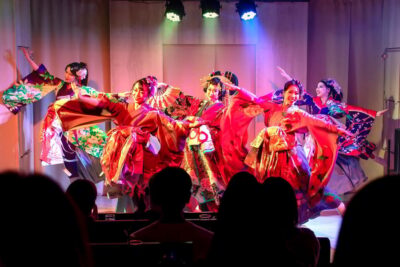 ★ 4.8Tokyo: Japanese Dance Cabaret Theater Asakusa-Kaguwa TicketFrom $492 hours
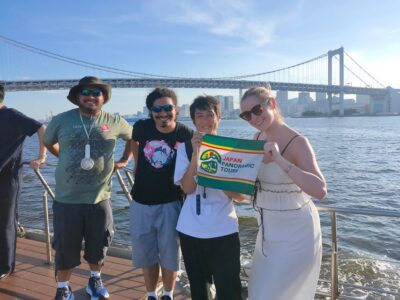 ★ 4.7Tokyo: Meiji Shrine, Asakusa, Skytree Bus Tour and CruiseFrom $12210 hours
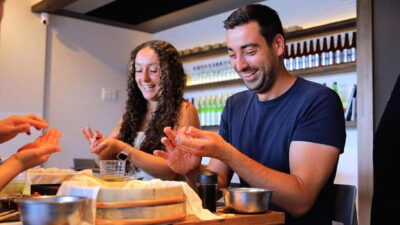 ★ 4.9Tokyo: Roll and Authentic Sushi Making Class in AsakusaFrom $581h 40m
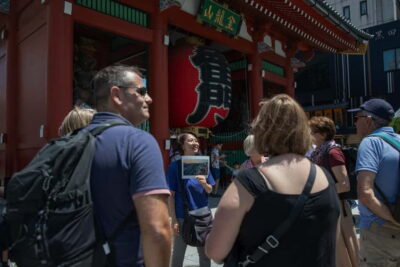 ★ 4.8Tokyo: Asakusa Walking Tour with Sensoji Temple VisitFrom $222 hours
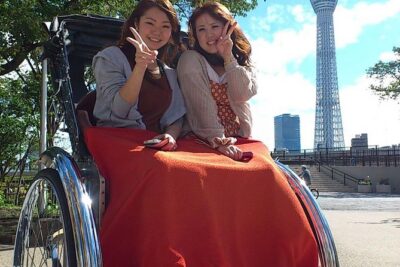 ★ 5.0Tokyo Asakusa Rickshaw TourFrom $42
 ★ 4.5Tokyo Panoramic 1 Day: Meiji Shrine, Asakusa, Odaiba and SKYTREE®From $85