
Reviewed · PHOTOGRAPHY SESSIONS
Tokyo Photography Masterclass – Private Photography Lesson
Tokyo gives you more photographic subjects in three blocks than many cities offer in a week. This private three-hour lesson starts at the Hachiko Statue and can take you from Shibuya Crossing and Harajuku fashion to neon Shinjuku or quiet Senso-ji after dark. You are not just collecting snapshots. You are learning how to see.
I like two things here. First, the one-on-one format lets you shape the walk around your interests, from famous scenes to less obvious corners. Second, the lesson covers real camera work, including aperture, shutter speed, ISO, focus, light, and composition. The main consideration is the price: at $190 per person, this makes the most sense if you want practical instruction, not simply a guided stroll with a camera.
In This Review
- Key points to know before booking
- Starting at Hachiko and facing Shibuya Crossing
- From Shibuya streets to Harajuku style
- Learning aperture, shutter speed, ISO, and focus
- Choosing a Tokyo night route
- Why the private format matters
- The guide and teaching style
- Is $190 a fair price?
- Who should book this photography lesson?
- Practical details for a smooth session
- Should you book the Tokyo Photography Masterclass?
- FAQ
- Where does the Tokyo Photography Masterclass begin?
- Where does the tour end?
- How long does the photography lesson last?
- Is this a private experience?
- Is the tour suitable for beginners?
- Do I need to bring a camera?
- What happens if I need to cancel?
Key points to know before booking
- Hachiko is the starting point: Meet at 2 Chome-1 Dogenzaka, beside Shibuya’s famous statue.
- You choose the photographic mood: Work on street photography in Shibuya and Harajuku, futuristic night scenes in Shinjuku, or temple images around Senso-ji.
- The lesson suits every skill level: Beginners can learn camera basics, while semi-professionals can work on composition and visual judgment.
- Karl is one named guide: A past participant singled out Karl for his experience, clear teaching, and friendly manner.
- You review your photography: The session includes looking back at your images and discussing ways to improve.
- Bring your own camera: A camera is not included, and a tripod is available to rent.
Starting at Hachiko and facing Shibuya Crossing
The meeting point at Hachiko Statue puts you directly beside one of Tokyo’s most recognizable photo subjects. Hachiko is easy to find, and the location is close to public transportation, which matters in a city where a simple meeting can otherwise become a small navigation project.
From there, the natural first lesson is Shibuya Crossing. It is a useful place to work on timing, layers, lines, repetition, and human movement. You can practice waiting for the frame rather than firing at everything that moves. That sounds basic, but crowded scenes punish rushed decisions.
Your guide can help you decide what belongs in the picture. Should the crossing itself be the subject? Should you include the surrounding signs and towers? Or should you focus on one person moving through the crowd? This is where the private format earns its keep. You can stop to discuss the choices instead of keeping pace with a larger group.
Shibuya is also a demanding place for beginners. There is a great deal happening at once, and the sheer number of possible images can make it hard to focus. A guide can turn the confusion into an exercise: look for strong lines, repeated shapes, changing light, or a single clear subject.
Other private tours in Tokyo

From Shibuya streets to Harajuku style
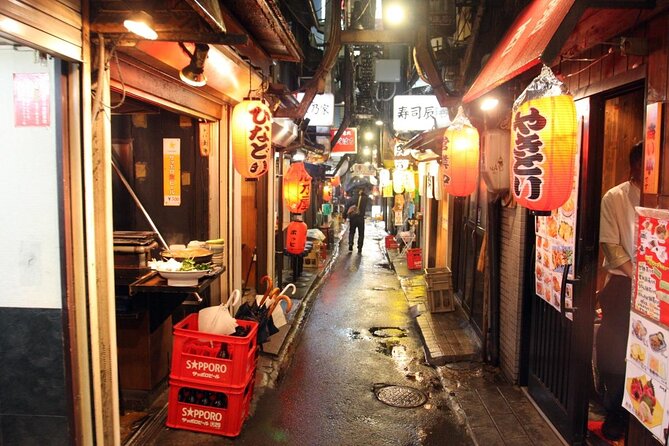
The street-photo route continues through Shibuya’s back streets and toward Harajuku. This gives you a useful contrast. Shibuya Crossing is a grand public spectacle, while the side streets offer smaller scenes and more controlled compositions. You might work with walls, shopfronts, textures, angles, and people moving through tighter spaces.
Harajuku adds a different subject: youth fashion. The point is not simply to photograph unusual clothing. It is to learn how color, shape, gesture, and setting work together. Your guide can help you sharpen your eye so that you notice the relationship between the person and the background, rather than treating the background as clutter.
This part of the walk will suit you best if you want to improve at street photography. It is less about photographing a single landmark and more about responding to moments as they appear. You should also be mindful that street photography requires judgment. A private guide can help you approach scenes thoughtfully, but the experience does not promise a posed portrait session.
The exact route is flexible. That is good news if you already have a strong interest in a particular part of Tokyo. It also means you should be ready to explain what you want. Tell the guide if you are mainly interested in people, architecture, night images, motion, or learning your camera from the ground up.
Learning aperture, shutter speed, ISO, and focus
The technical part of the lesson is central, not an afterthought. You can work on aperture, shutter speed, ISO, and focusing as you photograph real scenes. That is much more useful than learning settings in isolation, because Tokyo immediately gives you changing light, moving subjects, bright signs, and dark streets.
A beginner may need help understanding how shutter speed affects motion, how aperture changes the look of a scene, or why ISO matters when light drops. A more experienced photographer may want to refine exposure decisions and focus control. The guide can adjust the lesson to your level because the booking is private.
Composition receives equal attention. The stated focus includes lines, repetition, texture, and angles, along with subject choice and lighting. These are practical tools you can use long after the tour ends. You might leave with better photographs, but the more useful result is a clearer process for deciding what to photograph and how to frame it.
The lesson also includes a review of your photography. That gives you a chance to identify what worked and what did not while the images are still fresh. If you are new to photography, this can prevent you from repeating the same technical mistake across the rest of your Japan trip.
One useful tip comes directly from the guide’s own response to a past booking: book early enough in your trip to use the skills during the rest of your visit. That is sound advice. A lesson near the end can still produce good images, but an earlier session gives you more time to practice in Kyoto, Osaka, or anywhere else you visit.
Choosing a Tokyo night route
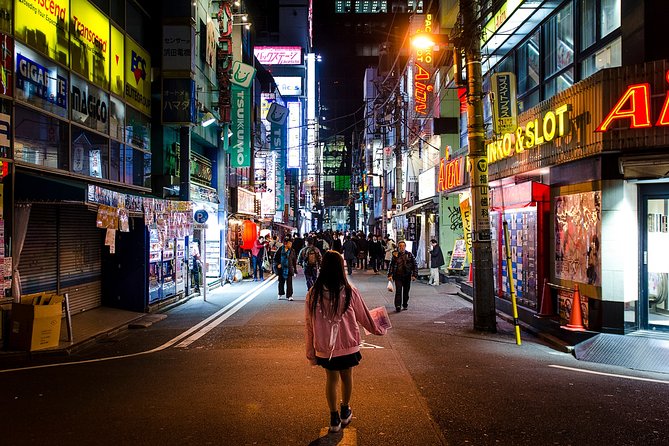
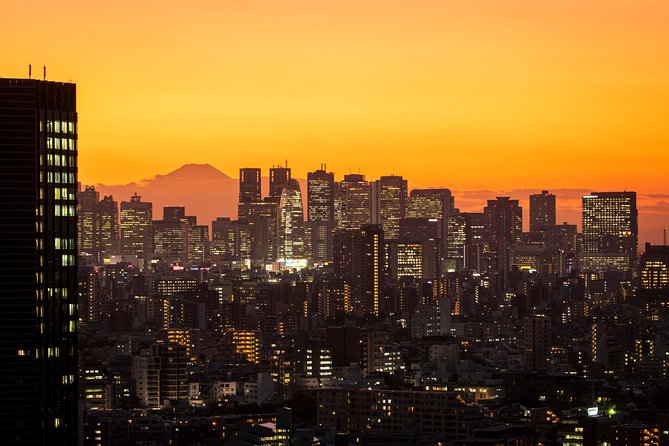
The night option gives you two distinct directions. You might photograph Shinjuku, with neon signs, skyscrapers, and busy streets, or take a calmer approach around Asakusa and Senso-ji.
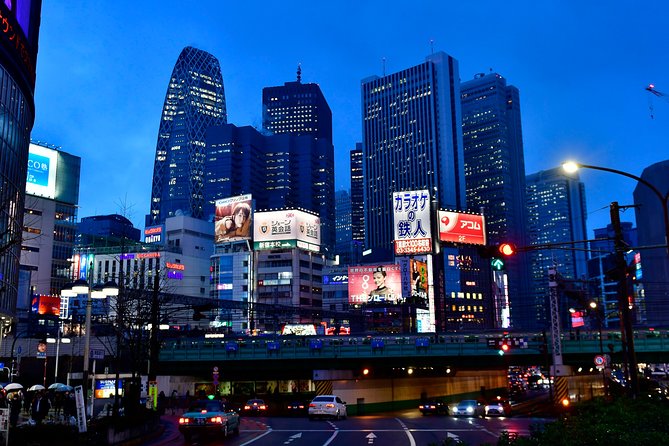
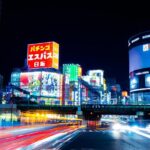
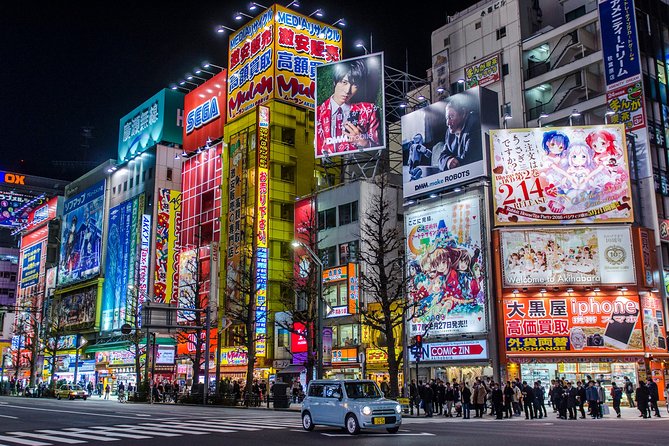
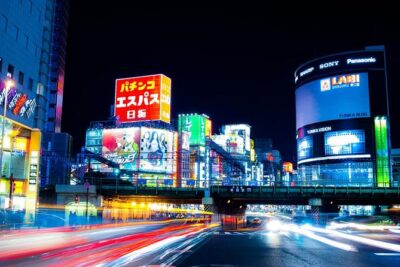
Shinjuku is the more energetic choice. Bright signs and tall buildings create chances to work with reflections, contrast, color, and motion. You can also practice photographing car trails against Tokyo’s modern city setting. Those images usually require more attention to shutter speed and stability, so this route can turn a dramatic scene into a useful technical exercise.
The drawback is visual overload. Neon signs can easily become the whole picture, leaving you with bright colors but no clear subject. A guide can help you simplify the frame and decide where the eye should go. Still, the area’s crowds and constant movement may feel less relaxed than a daytime walk.
Asakusa offers a quieter alternative. Senso-ji and the nearby paths give you temple architecture, Buddhist details, and a calmer setting after dark. The lighting can be more subtle, which may help you work on exposure and composition without the constant distraction of large commercial signs.
Senso-ji is also a good choice if you want a stronger sense of place. Shinjuku shows Tokyo’s futuristic side, while Asakusa offers a more traditional visual mood. Since the tour is private, you can discuss which setting fits your interests rather than accepting a fixed route.
The available information does not guarantee a particular night itinerary or a specific number of stops. Treat the choices as route options to discuss with your guide. If you have your heart set on Senso-ji after dark, say so before the walk begins.
Why the private format matters
A private tour changes the pace. You are not waiting for a group to take the same picture, and you are not being rushed away from a scene that interests you. If a particular composition needs more time, you can focus on it. If a location is not working for you, the route can shift toward another subject.
That flexibility is especially useful for mixed skill levels. One person may need a patient explanation of ISO, while another wants advice on refining composition. In a standard group lesson, those needs can compete. Here, the guide can spend time where it helps you most.
You also have a local companion who may point out parts of Tokyo you would not normally notice. The experience is not presented as a fixed list of landmarks. It is a photography walk shaped around your interests, with the city serving as the classroom.
There are limits. A three-hour session cannot turn a first-time camera owner into a professional, and it cannot cover every part of Tokyo. The best results come when you arrive with a goal. Think of one or two things you want to improve, then tell the guide at the start.
Other photography tours in Tokyo
The guide and teaching style
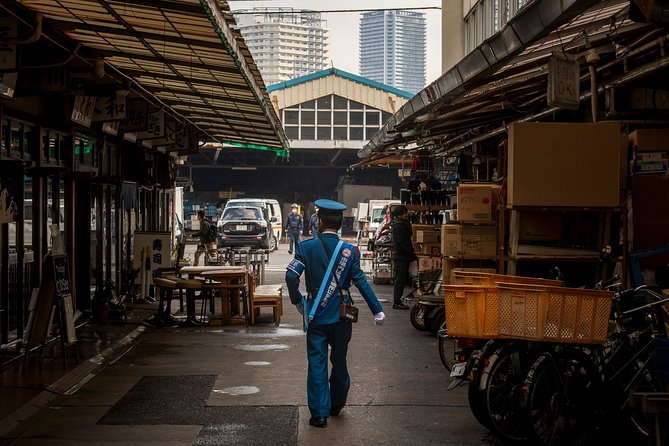
The experience includes both a professional photographer guide and a local guide. Karl is the only guide name provided, and a past participant specifically praised his experience, clear teaching, and friendly manner. That detail matters because photography lessons depend heavily on communication. Technical skill is not enough if the explanation leaves you more confused than when you started.
You should expect instruction as you photograph, rather than a long classroom lecture. The listed subjects include camera controls, composition, lighting, subject choice, and image review. The practical value comes from applying each point to an actual Tokyo scene.
The guide’s response to the positive feedback also offers a helpful planning point: many people wish they had booked earlier so they could use the techniques for the rest of their journey. If photography is important to you, place this session near the beginning of your Tokyo stay when possible.
Is $190 a fair price?
The cost is $190 per person. That is not a bargain if you only want a walk through Shibuya and a few quick photos. You are paying for private attention, a professional photographer guide, a local perspective, and instruction tailored to your ability.
For a solo photographer, the price may feel easier to justify because the entire session can focus on your camera and your goals. For two or more people, ask about group discounts before booking. The tour is private, so your own group participates rather than joining strangers.
The value also depends on what you bring home. If you already know your camera well and only want sightseeing, a regular Tokyo walk may cost less. If you want to understand why your night images are blurry, why your street compositions feel flat, or how to make better use of light, the lesson offers more lasting value.
Remember that the camera is not included. You need to bring your own equipment, and a tripod is available to rent. That makes the tour less convenient for someone who expects a full equipment package, but it lets you learn with the camera you will use for the rest of your trip.
Who should book this photography lesson?
This is a strong fit for beginners who want hands-on help without feeling lost in a group. It also suits intermediate and semi-professional photographers who want a fresh eye on composition, lighting, and street work.
You should consider it if you want:
- A private lesson built around your interests
- Help using aperture, shutter speed, ISO, and focus
- Practice with street scenes and moving subjects
- Advice on night photography and car trails
- A chance to photograph Shibuya, Harajuku, Shinjuku, or Asakusa
- Feedback on images made during the session
It may not suit you if you want a fixed sightseeing itinerary, a long list of landmarks, or camera equipment supplied for you. The walk is designed around learning, so be prepared to stop, adjust settings, try again, and discuss the result.
The experience has a 4.8 rating from 25 reviews, with 96 percent recommending it. Those numbers suggest a strong track record, but the small sample means you should still match the tour to your own aims. The praise is most useful when it points to teaching quality, especially the positive comments about Karl’s ability to explain clearly and help people improve quickly.
Practical details for a smooth session
The activity lasts about three hours and ends back at the meeting point. It starts at the Hachiko Statue, 2 Chome-1 Dogenzaka, Shibuya, Tokyo 150-0043. The location is near public transportation, and confirmation is provided when you book.
Most people can participate, and only your group takes part. That private setup is helpful if you want a slower pace or need the lesson adjusted to your experience.
Free cancellation is available when you cancel at least 24 hours before the local start time. Cancellations or changes made inside that window are not refunded or accepted, so check your plans before the deadline.
Should you book the Tokyo Photography Masterclass?
Book it if you want to improve your photography while seeing Tokyo through a camera’s viewfinder. The strongest reasons are the private format, the choice between street and night routes, and the chance to work on both creative decisions and camera controls.
I would especially recommend booking early in your trip. That lets you use the lessons on later outings instead of treating the session as a final photo activity. Bring the camera you plan to use, arrive with a few questions, and decide whether Shibuya and Harajuku, neon Shinjuku, or Senso-ji after dark best matches your style.
Skip it if you only want a casual walk or do not want to bring your own camera. At $190 per person, the value lies in the personal instruction. For the right photographer, that can be worth far more than a handful of postcard views.
FAQ
Where does the Tokyo Photography Masterclass begin?
It begins at the Hachiko Statue at 2 Chome-1 Dogenzaka, Shibuya, Tokyo 150-0043, Japan.
Where does the tour end?
The activity ends back at the meeting point.
How long does the photography lesson last?
The lesson lasts approximately three hours.
Is this a private experience?
Yes. Only your group participates in the activity.
Is the tour suitable for beginners?
Yes. It is designed for all levels, from people using a camera for the first time to semi-professional photographers.
Do I need to bring a camera?
Yes. A camera is not included. A tripod is available to rent.
What happens if I need to cancel?
You can receive a full refund if you cancel at least 24 hours before the experience start time. Cancellations or changes made less than 24 hours before the local start time are not accepted for a refund.
More Workshops & Classes in Tokyo




More Photography Tours in Tokyo
More Private Tours in Tokyo

More tours in Tokyo we've reviewed


Photography Sessions, compared.
 ★ 5.0Best Go Kart Experience in Shibuya Crossing with Iconic PhotosFrom $106
 ★ 4.8Tokyo Go-Karting Experience: Shibuya Crossing with PhotosFrom $901 hour
 ★ 5.0Tokyo Cyberpunk Street Photo TourFrom $184
 ★ 5.0Tokyo by Night Photography Tour (Private Option Available)From $105
 ★ 5.0Tokyo Shinjuku Night Photo Tour with Pro GotaFrom $85
 ★ 5.0Tour with Pro Tokyo Photographer and take Edgy Unique PortraitsFrom $145