
Reviewed · SHINJUKU TOURS
Tokyo Shinjuku Night Photo Tour with Pro Gota
Shinjuku looks best after dark, when neon signs, paper lanterns, tiny bars, and towering streets create a ready-made photo studio. With photographer Gota guiding you, you move from famous sights such as Golden Gai and Kabukicho to quieter corners that are easy to miss on your own.
I like the welcome drink at a bar, which gives the evening a relaxed start, and I like that you receive at least 20 professionally edited photos instead of leaving with a phone full of near-identical snapshots. The main consideration is the pace: you walk about 3 kilometers in 90 minutes, so comfortable shoes and a willingness to keep moving matter.
In This Review
- Key points to know before booking
- Why Shinjuku works so well for night portraits
- Starting with a drink in Shinjuku Sanchome
- Hanazono Shrine, a quiet change of pace
- Golden Gai for narrow lanes and retro atmosphere
- Kabukicho and the Godzilla Head
- Jouenji Temple and its rows of lanterns
- Finishing at Shintoshin Pedestrian Bridge
- What the photography service adds
- A private evening with useful local context
- Is $85.89 a fair price?
- Who will get the most from this tour
- Booking and cancellation details
- Should you book the Shinjuku Night Photo Tour?
- FAQ
- How long does the Tokyo Shinjuku Night Photo Tour last?
- How far will I walk?
- What locations are included?
- Is a drink included?
- How many photos will I receive?
- Is this a private tour?
- Where does the tour start and finish?
Key points to know before booking
- Gota combines photography with local guidance, sharing information about Japanese traditions, religion, and the areas you visit.
- The route covers several different moods, from the old-fashioned alleys of Golden Gai to the skyline views at Shintoshin Bridge.
- A welcome drink is included at the beginning in Shinjuku Sanchome.
- You receive at least 20 edited images, making this more than a simple sightseeing walk.
- The experience is private to your group, though group discounts are available.
- Plan for about 3 kilometers of walking, with time spent standing for portraits.
Why Shinjuku works so well for night portraits
Shinjuku gives you variety in a very small area. One minute you are near a traditional shrine, and soon after you are under glowing signs in Kabukicho. That contrast gives the photographer more to work with than a single landmark or viewpoint.
The night setting also solves a common holiday-photo problem. Daytime pictures often show you standing in front of a famous place. Here, the setting itself becomes part of the image. Reflections, lanterns, narrow lanes, bright signs, and the city skyline can all frame the portrait.
Gota’s role is more useful than simply pressing a shutter. The strongest feedback about this experience centers on his friendly manner, his ability to help people feel comfortable, and his habit of explaining what you are seeing. One person who was not confident in English was able to communicate with him through Google Translate, which is a practical sign that the session does not depend on perfect conversation.
You should still keep your expectations in proportion. This is a 90-minute walking photo session, not a full Shinjuku orientation or a long portrait workshop. You will get a quick succession of locations and posed or casual images rather than an hour at every stop.
A few more Tokyo tours and experiences worth a look
Starting with a drink in Shinjuku Sanchome
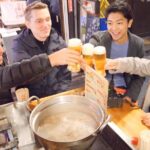
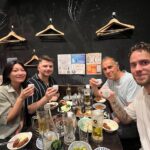
The meeting point is Marugo Grande Japan at Shinjuku 3 Chome 6-14, on the first floor. The evening begins in Shinjuku Sanchome, an area filled with restaurants and bars, and includes a welcome drink at a bar.
That first drink is a small but worthwhile touch. If you are traveling alone, it gives you a chance to settle in before the camera comes out. If you are with a partner or friends, it helps everyone get into the mood without making the opening feel like a formal photo appointment.
The opening photo session lasts about 20 minutes. Expect warm light from storefronts and bars, with Shinjuku Sanchome providing a polished urban setting. This section should suit anyone who wants stylish city pictures without immediately stepping into the louder Kabukicho streets.
The practical catch is that the first stop is not a long sit-down bar visit. The experience has several locations to cover, so think of the drink as a welcome moment, not a separate nightlife activity.
Hanazono Shrine, a quiet change of pace
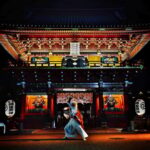
Hanazono Shrine adds traditional Japanese character to the route. Its setting offers a sharp contrast with the commercial streets, and the quieter surroundings allow for a different kind of portrait.
I like this stop because it keeps the tour from becoming a simple parade of neon signs. A photograph taken among shrine structures and traditional details can feel more connected to Tokyo than another image beneath a giant advertisement.
The description of the session emphasizes the shrine as a peaceful historic spot in the middle of Shinjuku. That setting matters. You are not traveling across the city to find an old religious site, then rushing back for the nightlife. The tour places both sides of Tokyo in one compact evening.
Treat the shrine respectfully. This is a religious site, not just a backdrop, and the calm atmosphere is part of its appeal. You may also find that portraits here feel more natural and less theatrical than those in Kabukicho.
Golden Gai for narrow lanes and retro atmosphere
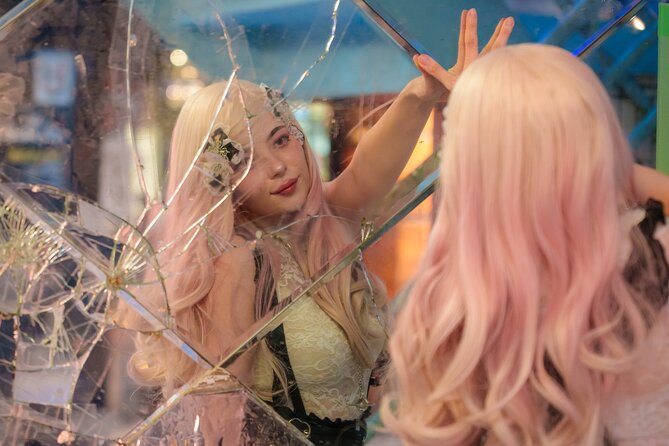
Golden Gai is one of the most recognizable parts of Shinjuku’s nightlife. Its tight lanes, small bars, old-style signs, and layered storefronts create a moody setting that looks very different from the broad streets around Shinjuku Station.
For portraits, the narrow alleys are useful because they bring the background close. You do not need a grand city view for the image to feel unmistakably Tokyo. A sign, lantern, doorway, and a few feet of lane can say plenty.
This is also the point where the photographer’s guidance becomes especially valuable. You might walk through Golden Gai by yourself and see only a maze of little bars. Gota can help position you where the signs and lighting work best, while keeping the session moving.
There is a tradeoff. Golden Gai is compact, and its lanes can feel crowded or difficult to pause in. You should be prepared for short portrait setups rather than long, elaborate poses. The area is more about atmosphere than personal space.
Kabukicho and the Godzilla Head
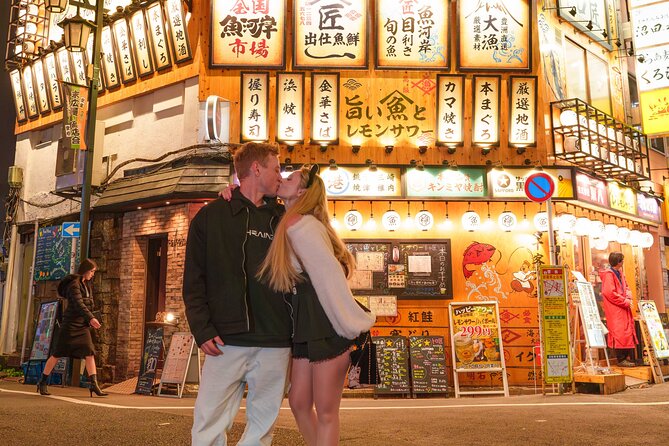
Kabukicho brings the biggest dose of electric city energy. The route includes the Godzilla Head, one of the area’s best-known visual markers, along with neon-lit streets and nightlife signs.
This is the place for bold, colorful portraits. If you want photos that immediately communicate Tokyo after dark, Kabukicho delivers the strongest visual shorthand on the route. The signs and street activity give the images a sense of motion even when you are standing still.
The photo session here is not only about the Godzilla Head. The surrounding streets provide a range of urban backgrounds, from large signs to smaller details. That variety helps avoid a gallery where every photo looks like the same pose in front of the same landmark.
Kabukicho is also the liveliest part of the walk, so stay aware of your belongings and follow Gota’s lead about where to stop. You are photographing in an active nightlife district, not a closed studio. That can make the pictures feel more genuine, but it also means the setting will not always be quiet or controlled.
A few more Tokyo tours and experiences worth a look


Jouenji Temple and its rows of lanterns
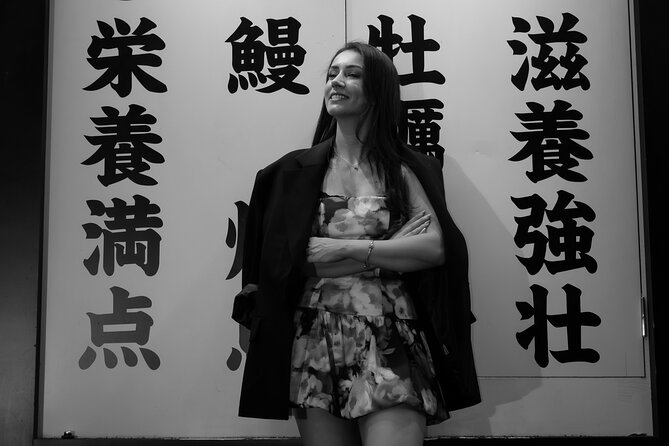
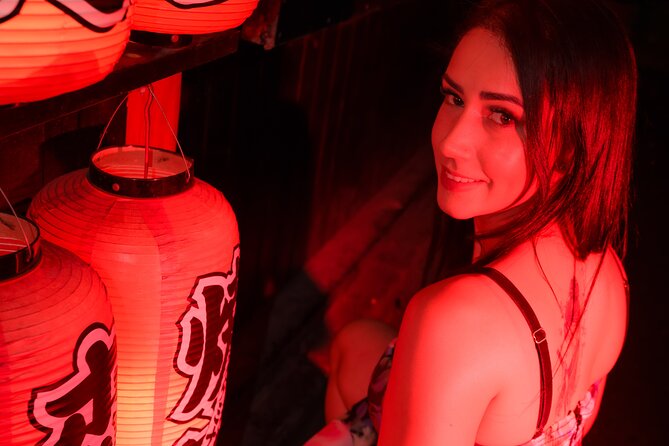
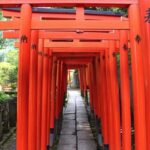
Jouenji Temple in Nishi-Shinjuku changes the tone again. Its rows of lanterns give the portraits a warm, traditional look and offer a softer alternative to Kabukicho’s hard neon.
This stop is one of the more distinctive parts of the route. Hanazono Shrine provides a broad traditional contrast, while Jouenji focuses on the glow and repetition of the lanterns. That gives you another set of images with a calm, atmospheric quality.
I would especially value this location if you want a balanced set of photos. You can finish the evening with pictures that show both Tokyo’s modern nightlife and its quieter religious spaces. The result should feel less like a collection of tourist snapshots.
As at Hanazono Shrine, respectful behavior is important. The setting may be peaceful, but it remains a temple. The tour’s compact timing also means you should not expect a long cultural visit or an extended explanation of the site.
Finishing at Shintoshin Pedestrian Bridge
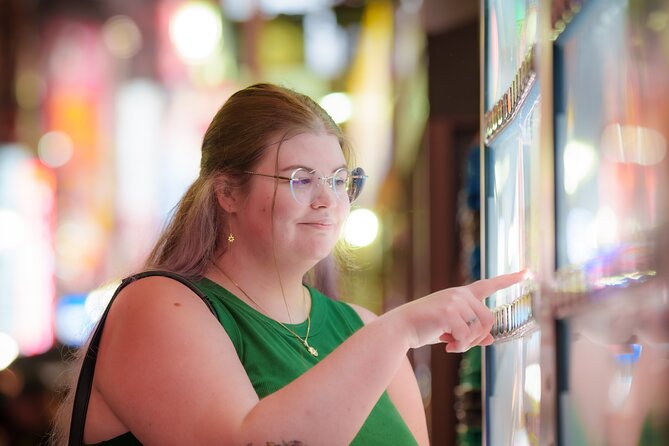
The final stop is the Shintoshin Pedestrian Bridge in Nishi-Shinjuku. Here, the city skyline becomes the background, with glittering buildings and the night view spreading behind you.
This is a smart way to finish because it gives the session a wider visual frame. The earlier stops focus on signs, lanes, lanterns, and close details. The bridge opens the scene and lets the city itself take over.
The bridge is also likely to appeal to anyone who prefers a classic skyline portrait. You can get a sense of Shinjuku as a major city center without standing in a crowded observation deck or spending extra time arranging transport to a distant viewpoint.
The route ends near the FamilyMart Nishi-Shinjuku 1-Chome Store at 1-3-17 Nishishinjuku. The store is near Kogakuin University, on a street corner, and the green FamilyMart sign is the useful landmark. Since the tour ends in a different part of Shinjuku from where it starts, check the meeting and finishing points carefully before you book.
What the photography service adds
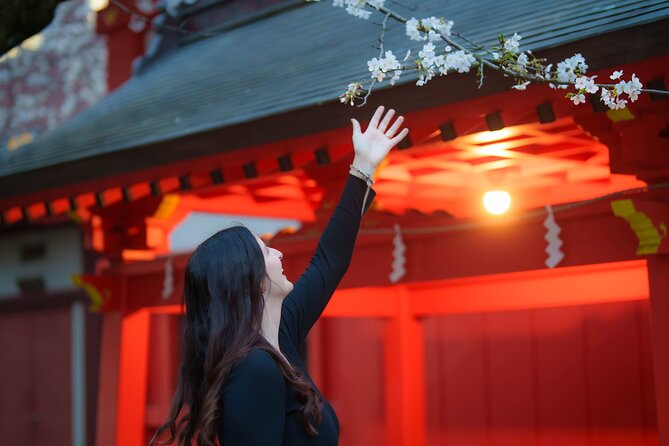
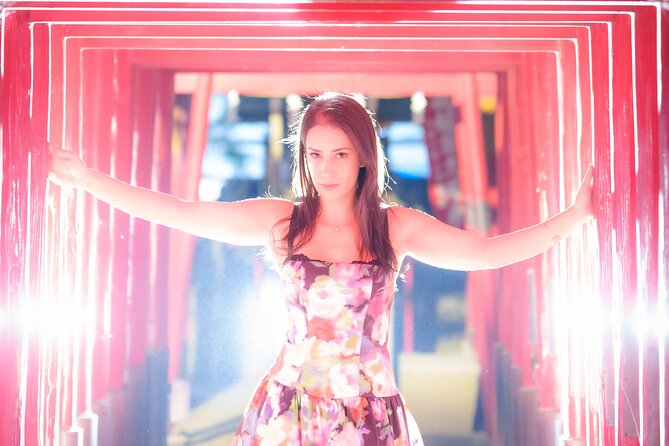
The strongest reason to book this experience is the finished photo package. You receive at least 20 professionally edited photos, which is a very different proposition from having someone take a few quick pictures on your phone.
Professional editing matters most at night. Neon can easily overpower a face, signs can create odd color casts, and dark streets can leave photos looking flat. Editing gives the photographer a chance to balance those problems and produce images that are ready to keep or share.
You should not assume that every image will be a formal portrait. The tour is described as including casual photos and examples of different ways to pose or frame a shot. That is good news if you feel stiff in front of a camera. A mix of posed and relaxed pictures usually gives you more useful choices.
The editing is also the part of the service you cannot receive immediately during the walk. Ask when and how the photos will be delivered if that timing matters to you, since the supplied details confirm the edited images but do not specify a delivery schedule.
A private evening with useful local context
This is a private activity, meaning only your own group participates. That is a major advantage for couples, families, and solo visitors who do not want to pose while a large tour group waits behind them.
A private format can also help with communication. You can ask Gota to adjust the pace, repeat instructions, or spend a little more time on the kind of images you prefer. The supplied information does not promise a custom route, so I would not assume you can replace every stop, but the smaller setting should feel more personal than a large group outing.
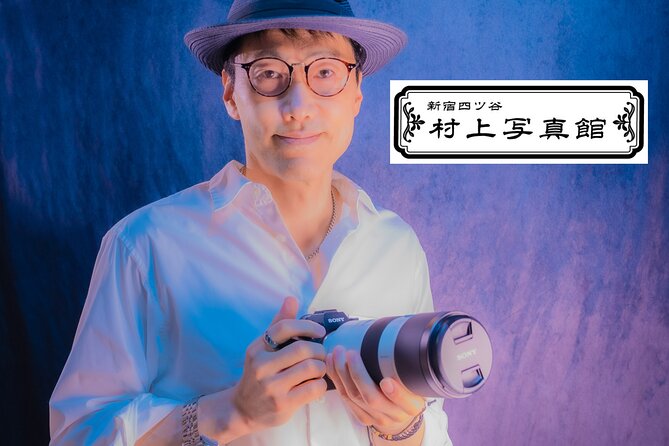
Several comments about the experience highlight Gota’s 15 years of photography experience, his friendly approach, and his explanations of Japanese culture, traditions, and religion. That extra context gives the walk more value than a hired photo service alone.
Still, this is not a dedicated cultural lecture. The main purpose is photography, and the route has to keep moving. Think of the cultural information as useful conversation and orientation along the way, not a detailed course in Japanese history.
Is $85.89 a fair price?
At $85.89 per person, this is not the cheapest way to see Shinjuku at night. You can walk through Golden Gai, Kabukicho, and the surrounding streets for free. You can also ask a friend to take phone pictures.
The value comes from combining several services in one short outing:
- A planned route through multiple photo settings
- A professional photographer
- A welcome drink
- Local information from Gota
- At least 20 edited images
- A private experience for your group
If you already have excellent night photography skills and do not care about receiving polished portraits, the price may be hard to justify. If you are a solo visitor, a couple, or a family who wants reliable photos without carrying a tripod or asking strangers for help, the cost becomes easier to defend.
The tour is booked an average of 28 days in advance, so this is not something I would leave until the last night of a Tokyo trip. That lead time also suggests you should reserve early if your dates are fixed, especially since the activity is private.
Who will get the most from this tour
I would recommend it most strongly to solo visitors who want photographs that include themselves. It also fits couples who want better pictures together than the usual arm’s-length selfie, and families who find it difficult to arrange one good group photo in a crowded city.
It suits first-time Tokyo visitors who want a quick introduction to Shinjuku’s different sides. In 90 minutes, you see nightlife streets, religious sites, old-style lanes, lanterns, and a skyline viewpoint. That is a useful overview, even though it is too short for a full neighborhood tour.
It is less suitable if you want a slow night of bar hopping. The welcome drink is included, but the main event is walking and photography. It is also not a good match if standing or walking for extended periods is difficult, since the route covers about 3 kilometers.
Comfortable shoes are essential. I would also arrive ready to move between stops, listen to posing instructions, and accept that some of the best pictures may come from unexpected corners rather than the most famous sign.
Booking and cancellation details
You receive confirmation when you book, and the starting area is close to public transportation. Most people can participate, but the 3-kilometer walk and repeated standing should be part of your decision.
Free cancellation is available until 24 hours before the local start time. Cancellations or changes made within 24 hours are not accepted for a refund, so check your schedule before making the reservation.
Should you book the Shinjuku Night Photo Tour?
Book it if you want more than a sightseeing walk and care about taking home strong night portraits. The combination of Gota’s photography, local explanations, a welcome drink, and at least 20 edited photos gives the evening a clear purpose and a useful end product.
I would be more cautious if your main goal is nightlife, shopping, or a long visit inside Golden Gai. You will see those areas, but the pace is built around photos. For most people, the best reason to choose this tour is simple: you get to experience Shinjuku’s night scenery while someone capable makes sure you are actually in the picture.
FAQ
How long does the Tokyo Shinjuku Night Photo Tour last?
The tour lasts approximately 1 hour and 30 minutes.
How far will I walk?
The experience involves approximately 3 kilometers of walking, along with time standing for photographs.
What locations are included?
The route includes Shinjuku Sanchome, Hanazono Shrine, Golden Gai, Kabukicho and the Godzilla Head, Jouenji Temple, and the Shintoshin Pedestrian Bridge.
Is a drink included?
Yes. The experience begins with a welcome drink at a bar in the Shinjuku Sanchome area.
How many photos will I receive?
You will receive at least 20 professionally edited photos.
Is this a private tour?
Yes. Only your group participates in the private activity.
Where does the tour start and finish?
It starts at Marugo Grande Japan, 160-0022 Tokyo, Shinjuku City, Shinjuku, 3-chome 6-14, first floor. It finishes near the FamilyMart Nishi-Shinjuku 1-Chome Store at 1-3-17 Nishishinjuku, Shinjuku City.
More Evening Experiences in Tokyo
More Night Tours in Tokyo
More Shinjuku Tours in Tokyo

More tours in Tokyo we've reviewed

Shinjuku Tours, compared.
 ★ 5.0Tokyo: Shinjuku Food Tour (13 Dishes at 4 Local Eateries)From $86
 ★ 5.0Tokyo Bar Hopping Tour in Shinjuku (All-You-Can-Drink + Dinner)From $106
 ★ 4.9Tokyo: Shinjuku Food Tour (15 Dishes and 4 Eateries)From $853 hours
 ★ 5.0Best of Shinjuku: Izakaya Food Tour (4 Stops, 14+ Tastings)From $92
 ★ 4.9Tokyo: Shinjuku Local Bar and Izakaya Guided Walking TourFrom $343 hours
 ★ 5.0Tokyo Shinjuku Chopsticks Making ClassFrom $20