
Reviewed · GO-KARTS
Tokyo Go-Karting Experience: Shibuya Crossing with Photos
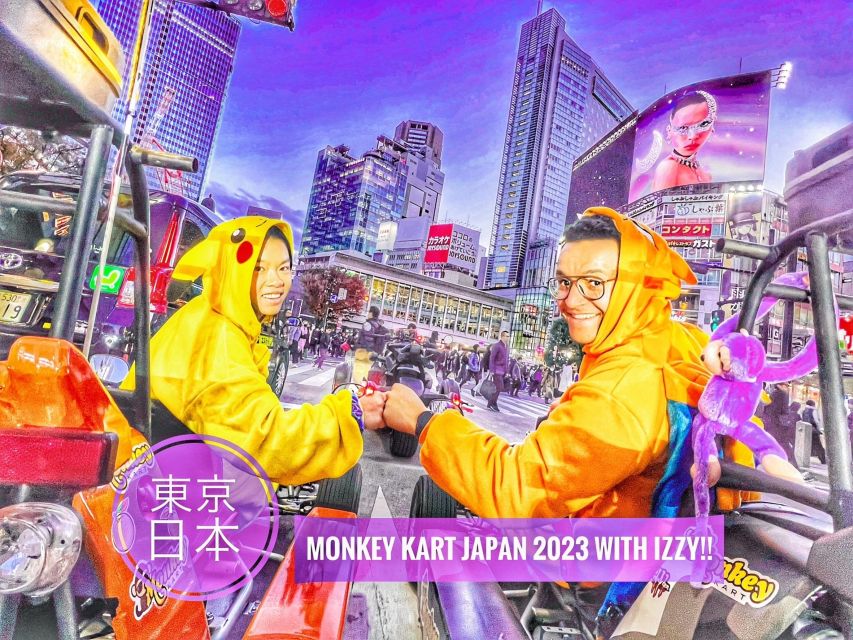
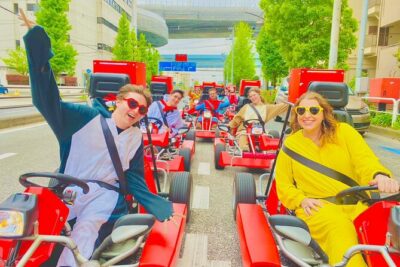
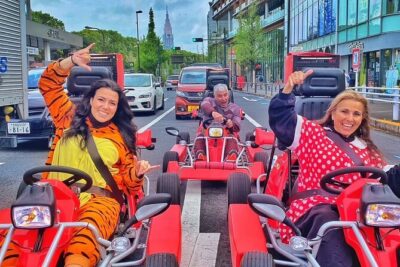
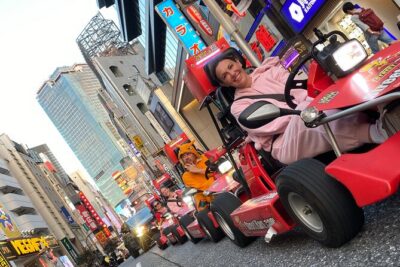
Driving a go-kart through Shibuya Crossing is the hook here, and it is a good one. You sit low in the street, wear a playful costume if you wish, and pass through Harajuku, Omotesando, Yoyogi Park, Shinjuku, and Shibuya with a guide leading the way.
I like the small group of four, which keeps the outing personal, and I like that photos, digital images, water, and one printed picture are included. Guides such as Rakesh, Luna, Serhii, Julian, and Reece have earned special praise for clear instructions and steady support. The main catch is paperwork: an ordinary international card or an online permit will not do.
In This Review
- Key points at a glance
- Why this Tokyo tour feels different
- Before you leave Monkey Kart SHIBUYA
- Costumes, karts, and the short safety briefing
- Harajuku and Omotesando: Tokyo’s style districts
- Yoyogi Park and the road toward Shibuya
- Shibuya Crossing, the main event
- Shinjuku and the photo stops
- How fast and demanding is the drive?
- Is $90 good value for one hour?
- Who will enjoy it most?
- Practical booking advice
- Should you book this Tokyo go-kart tour?
- FAQ
- Where does the go-kart tour meet?
- How long does the activity last?
- What driving permit do I need?
- Are online or card-style international licenses accepted?
- Are photos included in the price?
- Can children take part?
- Can the tour be canceled or rescheduled?
Key points at a glance
- Shibuya Crossing from the driver’s seat: Cross one of Tokyo’s best-known intersections in a road-legal go-kart.
- A compact one-hour route: See Harajuku, Omotesando, Yoyogi Park, Shinjuku, and Shibuya without spending half a day.
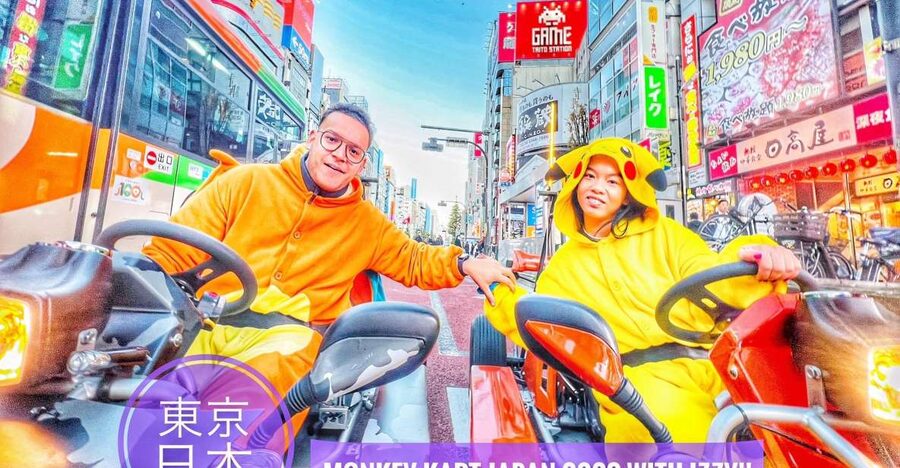
- Costumes make the photos memorable: Choose a character outfit before setting off, then pose at planned stops.
- A guide stays with the group: English instructions, hand signals, route guidance, and photo help are part of the outing.
- Photos are included: You receive digital images and one hard-copy photo, while an action camera must be supplied separately.
- Your driving permit matters: Bring the physical booklet version of a 1949 Geneva Convention International Driving Permit, or the required Japanese translation for certain licenses.
Why this Tokyo tour feels different
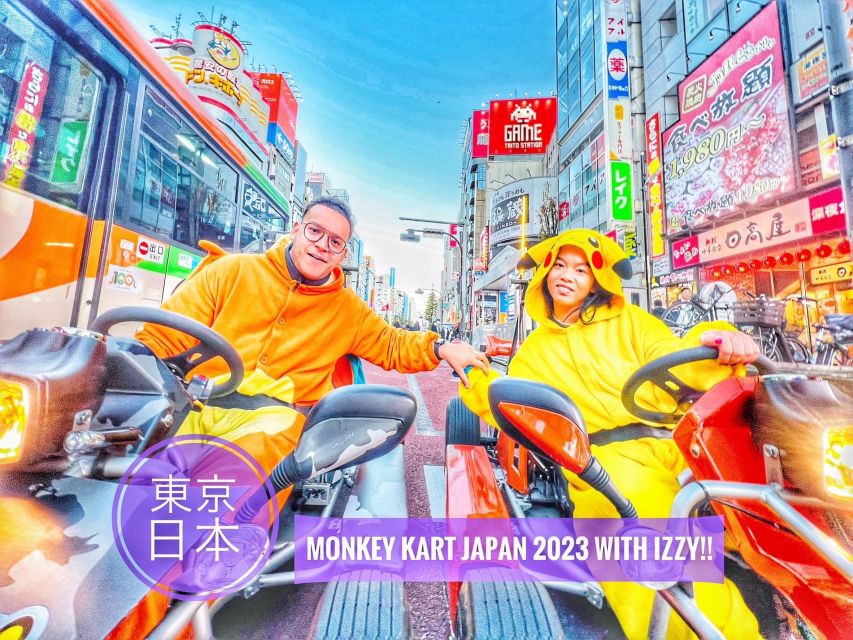
Tokyo is easy to see from a train, a pavement, or an observation deck. A go-kart gives you a far stranger viewpoint. You move through the same streets as ordinary traffic, but the low seating, open-air feel, costumes, and waving pedestrians make the city feel like a moving photo set.
This is not a sightseeing bus with a long explanation at every landmark. It is a guided drive with sightseeing folded into the route. You should expect road rules, traffic lights, turns, and the need to follow the kart ahead. The reward is a lively hour in which Tokyo’s famous districts pass close by.
The group limit of four is useful. A larger convoy could feel harder to manage, especially for a first-time driver. With only a few people, the guide can watch the group more closely and take pictures of each person rather than treating you as a blur at the back.
The ride is priced at $90 per person. That is not cheap for one hour, but the fee covers the kart, guide, costume use, water, a photo shoot, digital photos, and one printed picture. If you value unusual holiday photos and want an activity rather than a standard city tour, the price is easier to justify.
A few more Tokyo tours and experiences worth a look
Before you leave Monkey Kart SHIBUYA
You meet at Monkey Kart SHIBUYA. Allow time for check-in, the safety briefing, and getting dressed before the driving starts. The staff prepare the kart, help you buckle up, and explain what to do on the road.
You must be over 18 and carry your passport along with the correct driving documents. The physical paperwork rules are strict, and this is the single detail most likely to spoil your plans if you leave it until the last minute.
Japan accepts a hardcopy paper booklet of a 1949 Geneva Convention International Driving Permit issued by the official agency in your country, such as AAA, AA, CAA, or another approved agency. A 1968 Vienna Convention permit is not accepted, and neither are IDA or IAA permits.
Online copies, photocopies, and card-style permits are not valid. Drivers from France, Switzerland, Taiwan, Germany, Monaco, and Belgium need a Japanese translation of their local license, obtained through the Japan Automobile Federation.
Some nationalities, including Indonesia, Pakistan, Saudi Arabia, Mexico, Brazil, Costa Rica, Colombia, Kuwait, and Qatar, may not be allowed to drive under this activity’s rules. Check the exact permit available in your country before leaving home.
You can store your phone, passport, and driving documents securely while driving. Take your phone along if you want pictures or video at traffic lights, but do not use it in a way that distracts you from driving.
Costumes, karts, and the short safety briefing
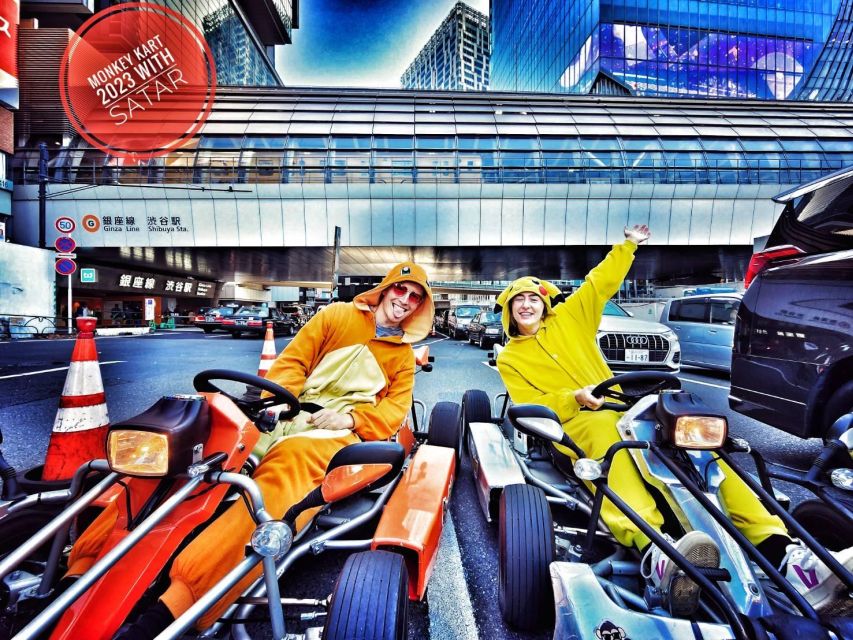
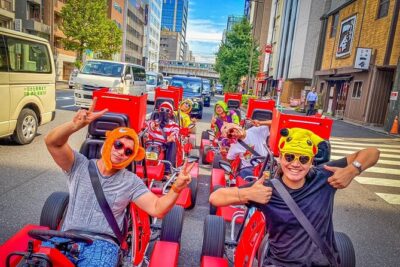
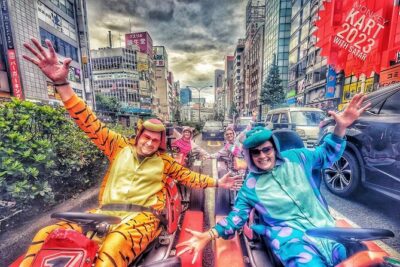
Before setting off, you choose from a selection of costumes. The choices can include colorful character-style outfits, and one person specifically enjoyed wearing a Pikachu costume. You do not need a costume to take part, but it adds a comic touch and gives the photos a clearer Tokyo holiday feel.
The go-karts are custom-built for the activity and simple enough for many first-time drivers to learn. Still, simple does not mean effortless. You are operating a vehicle on public roads, so you need confidence, attention, and enough comfort with steering and acceleration to keep up with the group.
The guide explains the controls and road behavior before departure. During the drive, watch the guide’s hand signals, especially when stopping or turning. Clear instructions were a repeated strength among guides including Rakesh, Ken, Luna, Izzy, Julian, and Serhii.
If you feel nervous, say so before you leave. One person who was anxious at first found the kart easier after a few minutes, and guides have been praised for helping hesitant drivers feel safe. That said, this is not a passive ride. You need to drive yourself, and the activity is not suited to pregnant women, children under 18, or people over 95.
Harajuku and Omotesando: Tokyo’s style districts
The route heads through Harajuku, an area linked with youth fashion, character shops, and unusual street style. From a go-kart, you will not get a long walking tour of its side streets, but you will see the district as part of the city’s active road network.
That makes this section useful early in the ride. You are still getting used to the kart, yet the surroundings give you plenty to look at. Your attention must stay on the guide and traffic, so treat the sights as quick impressions rather than a detailed visit.
The route then uses Omotesando, known for polished avenues and high-end storefronts. The contrast with Harajuku is part of the appeal: one feels youthful and playful, while the other is more sleek and carefully designed.
The guide may point out buildings and places as you go. The explanations are brief, since nobody can safely deliver a long talk while leading a road convoy. I would think of these comments as useful orientation, not a replacement for a walking tour of either district.
Yoyogi Park and the road toward Shibuya

Yoyogi Park brings a little more greenery into the route. You pass the park rather than stopping for a walk, but the change in scenery helps break up the commercial streets and gives the drive some variety.
The route is only one hour, so the schedule is tight. You may stop at selected points for photos, but do not expect a long pause at every district. The attraction is the continuous movement through central Tokyo, with several neighborhoods linked in one ride.
Traffic affects the feel of the outing. Some departures move more freely, while busy periods can mean more waiting at lights and slower progress. A morning departure was appreciated for quieter roads, while a 5 p.m. ride was praised for the city lights. Choose the time based on your preference: easier driving and more open roads in the morning, or a more dramatic city glow later in the day.
Rain can cause the tour to be rescheduled. Tokyo weather can change quickly, so keep some flexibility around this booking if the forecast looks poor.
Other photography tours in Tokyo
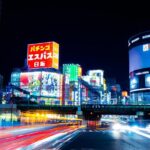
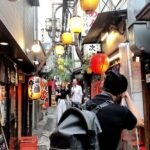
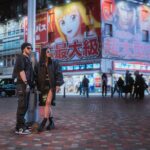
Shibuya Crossing, the main event
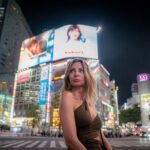
Shibuya Crossing is the point most people book this for. When the signals change, the intersection fills with pedestrians moving in several directions, surrounded by giant screens, shops, and the unmistakable energy of central Tokyo.
Crossing it in a go-kart is a quick moment, not a private photo session. You need to stay with the group and follow the guide, but the setting does the heavy lifting. At planned stops, the guide can take pictures with the crossing and surrounding streets behind you.
The best part is the viewpoint. From the pavement, you watch the crossing as a crowd. From the kart, you become part of the scene, which explains why this activity creates more unusual photographs than a normal city walk.
A guide may arrange another pass if the timing allows. One solo participant returned across the crossing a second time after completing the route early, but you should not count on that. The stated duration is one hour, and traffic and group pace decide how much ground you cover.
You may notice people taking pictures as you pass. Costumes make you more visible, which is fun for many people but less appealing if you prefer to blend into the crowd. Think of this as a public performance in miniature, even if you are only driving a few blocks.
Shinjuku and the photo stops
The route also includes Shinjuku, another major Tokyo district with tall buildings, busy streets, and a strong night-time presence. The experience gives you a broad sample of central Tokyo rather than keeping you in one neighborhood.
The photo stops matter because driving is not the right time to take pictures. Guides stop the group at suitable points, then photograph you with the kart and city surroundings. The included digital photos let you enjoy the ride without trying to balance a phone while steering.
Guides have also used action cameras or 360-degree cameras during some outings. An Action Camera or Insta360 mount is included, but the camera itself is not. Bring your own compatible camera if you want that kind of footage, and confirm how it will be secured before departure.
You receive one hard-copy photo as part of the package. That small print is a nice touch, especially since the digital files can otherwise disappear into a phone folder after the trip.
The photo quality depends on the guide, timing, light, and traffic position. Guides such as Rakesh, Serhii, Luna, Ken, and Julian have been singled out for taking many strong shots, but no tour can guarantee a particular guide or a perfect background at every stop.
How fast and demanding is the drive?
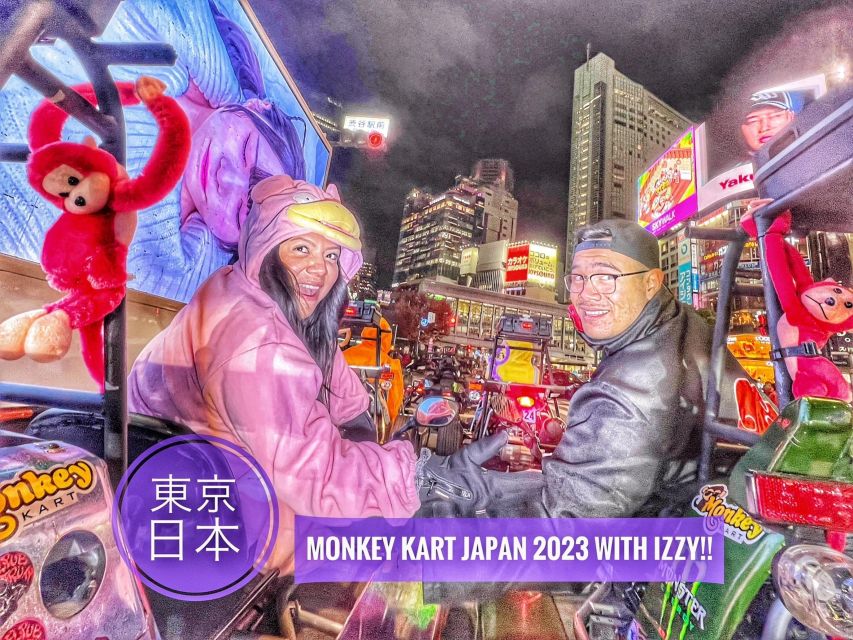
The ride can feel quick. Several people described the karts as fun and fast, and one driver enjoyed opening the throttle on clearer roads. That does not mean you should treat it as a race. You must follow Japanese traffic rules, the guide’s pace, and the instructions given before departure.
The guide leads from the front and uses signals to manage stops and turns. If you are slower than the rest of the group, keep calm and stay with the instructions. One nervous driver found a comfortable pace while others moved ahead, but the group still remained organized.
You should have basic confidence driving a motor vehicle. The activity is not suitable for anyone who cannot meet the permit requirements or who would find public-road driving stressful. It is also not a good choice after drinking, and alcoholic drinks are not allowed in the vehicle.
A mask could be useful if you are sensitive to exhaust. One driver noted that the person at the back could smell more fumes. This is a small but practical tip, especially if you are prone to motion or air-quality discomfort.
Is $90 good value for one hour?
I would compare this with what you want from your Tokyo budget. For a conventional one-hour sightseeing activity, $90 is a serious price. For a road-going go-kart, costume photos, a small group, an English-speaking guide, digital images, water, and a printed photo, the package feels fair if the novelty matters to you.
You are paying for access to a memorable format, not for a long list of museum interiors or detailed historical commentary. The tour covers several districts quickly, but you will not have time to stop and explore them on foot.
The included photos improve the value. A guide photographing the group means you can focus on driving, and the digital files give you something useful after the ride. The printed picture is a simple souvenir, but it saves you from buying a separate photo product.
Free cancellation up to 24 hours before the start and reserve-now, pay-later booking add flexibility. Rain can lead to a schedule change, so check the forecast and avoid placing this immediately before an important flight or train if your plans are tight.
Who will enjoy it most?
I would recommend this to adults who like unusual city activities, have the right documents, and enjoy being seen. Couples can turn it into a playful date, and small groups of friends will get the most from the costumes and shared pictures.
It also works well for a return visit to Tokyo. If you have already walked Shibuya and Harajuku, the kart gives those familiar places a new angle. First-time visitors can use it as a fast introduction to several central districts, then return later to explore the neighborhoods properly.
This is less suitable for anyone seeking a quiet, slow tour. You will have to concentrate on traffic, and the one-hour route moves at road speed. It is also not a substitute for a full guide to Tokyo’s culture, food, or history.
Practical booking advice
Secure the correct IDP before leaving your home country. Do not rely on a digital file, a laminated card, or a permit bought online unless it is also accompanied by the exact physical document Japan recognizes.
Choose morning for a calmer road feel, based on the experience of drivers who found less traffic earlier in the day. Choose around 5 p.m. if you want the city lit up and do not mind a busier road environment.
Wear something comfortable under the costume and bring a mask if exhaust bothers you. Keep your passport and license ready for check-in, then use the secure storage provided during the ride.
The tour is offered in English and is limited to four participants. Ask staff about using your own Action Camera or Insta360 before departure, since the mount is supplied but the camera is not.
Should you book this Tokyo go-kart tour?
Book it if you want a high-energy Tokyo memory, especially one built around Shibuya Crossing and unusual photos. The small group, helpful guide system, included images, and costume option make the hour feel like more than a simple vehicle rental.
Skip it if you lack the correct 1949 Geneva Convention permit, dislike driving in city traffic, or want time to explore each neighborhood on foot. For the right person, $90 buys a genuinely distinctive view of Tokyo. Just handle the paperwork first, then let the guide set the pace.
FAQ
Where does the go-kart tour meet?
The meeting point is Monkey Kart SHIBUYA.
How long does the activity last?
The go-kart experience lasts one hour.
What driving permit do I need?
You need a physical paper booklet of a 1949 Geneva Convention International Driving Permit issued by the official agency in your country. Drivers from France, Switzerland, Taiwan, Germany, Monaco, and Belgium need a Japanese translation of their local license from the Japan Automobile Federation.
Are online or card-style international licenses accepted?
No. Online copies, Xerox copies, card licenses, 1968 Vienna Convention permits, and IDA or IAA permits are not recognized for this activity in Japan.
Are photos included in the price?
Yes. The package includes a photo shoot, digital photos, and one hard-copy photo. An Action Camera or Insta360 mount is included, but the camera itself is not.
Can children take part?
No. Drivers must be over 18, and children under 18 are not suitable for this activity.
Can the tour be canceled or rescheduled?
You can cancel up to 24 hours in advance for a full refund. The tour may also be rescheduled because of rain.
More Photography Tours in Tokyo
More Shibuya Tours in Tokyo

More tours in Tokyo we've reviewed











Go-Karts, compared.
 ★ 5.0Flagship 2-Hours Official Street Go-Kart Tour – Tokyo Bay ShopFrom $642 hours to 2 hours 30 minutes (approx.)
 ★ 5.0Official Street Go-Kart in ShibuyaFrom $76
 ★ 5.0Official Street Go-Kart Tour – AkihabaraFrom $61
 ★ 5.0Tokyo Go Kart: Asakusa, Skytree, and Akihabara **IDP MUST**From $99
 ★ 5.0Shibuya Official Street Go-Kart in Shibuya AnnexFrom $69
 ★ 4.7Tokyo: Asakusa, Skytree & Akhihabara Go-Kart City ExperienceFrom $961h 10m