
Reviewed · TOKYO FOOD TOURS
Tokyo: Night Cooking Class: 5 Home-Cooked Japanese Dishes
Tokyo’s best cooking classes do more than show you how to roll sushi. This three-hour evening class introduces Japanese home drinking culture, where small dishes arrive one by one and the food is chosen to suit sake, beer, or a soft drink. You cook, eat, chat, and learn why an izakaya table works so well.
I like the small group of six or fewer, which gives you a better chance to handle the food rather than watch from the back. I also like the practical recipes: hand rolls, wagyu or tofu steak, Japanese rolled egg, and miso eggplant can all be made again at home. The main caution is that this is not a fit for vegans or people needing strict gluten-free or allergy-safe preparation.
- Four hands-on dishes: Make sushi hand rolls, wagyu or tofu steak, rolled egg, and grilled eggplant with miso sauce.
- Three drinks included: Choose alcoholic or soft drinks, with alcohol limited to people aged 20 and over.
- A home-style Japanese focus: Learn about nomikai, the casual drinking party built around shared small plates.
- Friendly English guidance: Guides including Alice, Masae, and Fuji have led warm, social sessions.
- Useful for home cooks: Ingredients are chosen so you can recreate the dishes outside Japan.
- Simple Iriya meeting point: Meet at the FamilyMart beside Gindako and Doutor Coffee at Iriya Station Exit 2.
In This Review
- A Japanese evening built around small plates
- What you cook during the three hours
- Sushi hand rolls
- Wagyu or tofu steak
- Japanese rolled egg
- Grilled eggplant with miso sauce
- The drink pairings are part of the lesson
- Why the small group size matters
- Who will get the most from this class
- Dietary limits and physical access
- Meeting at Iriya Station
- Is $103 a fair price?
- Booking and cancellation details
- My verdict on the Iriya cooking class
- FAQ
- Where does the cooking class meet?
- How long does the class last?
- Is the class taught in English?
- How many people can join?
- What dishes will I prepare?
- Are drinks included?
- Can vegetarians join?
- Can vegans or people following a gluten-free diet join?
- Are children allowed?
- Is hotel transportation included?
A Japanese evening built around small plates
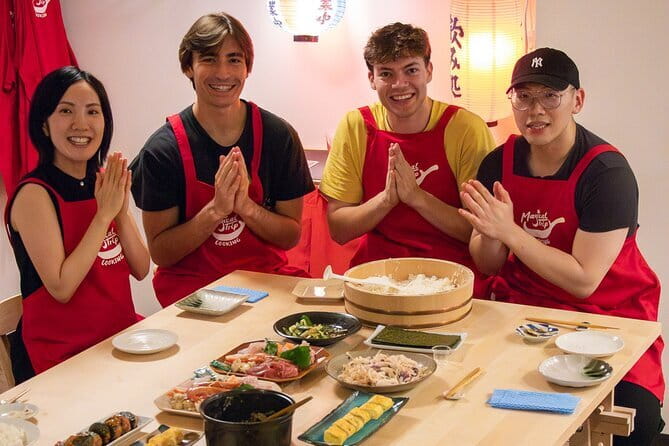
This class is less about formal sushi technique and more about how Japanese people eat together at home or in an izakaya-style setting. The goal is to prepare several modest dishes that taste good with a drink in hand.
That distinction matters. You are not spending three hours on one elaborate dish. Instead, you learn a set of recipes with different textures and flavors: something fresh, something savory, something crisp, and something rich with miso. It gives you a clearer sense of how a Japanese drinking table is put together.
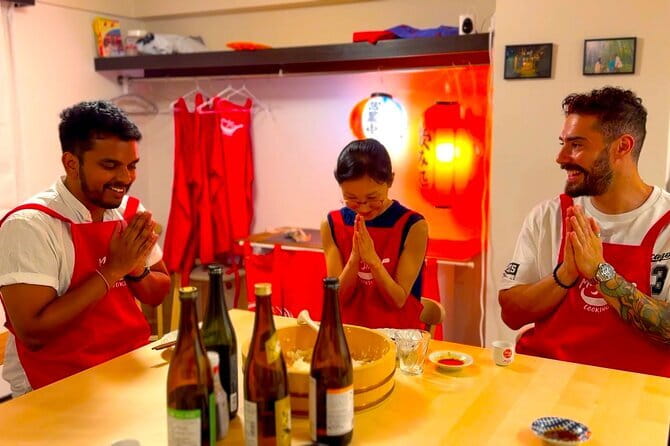
The social side is part of the plan. You work alongside a few other people, then sit down to eat what you have made. Past sessions have included couples, solo participants, and small groups, and some dates have been private or nearly private. If you enjoy meeting people over food, this setup has a natural rhythm.
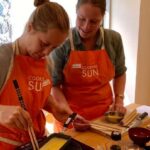
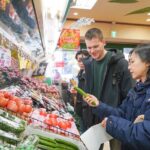
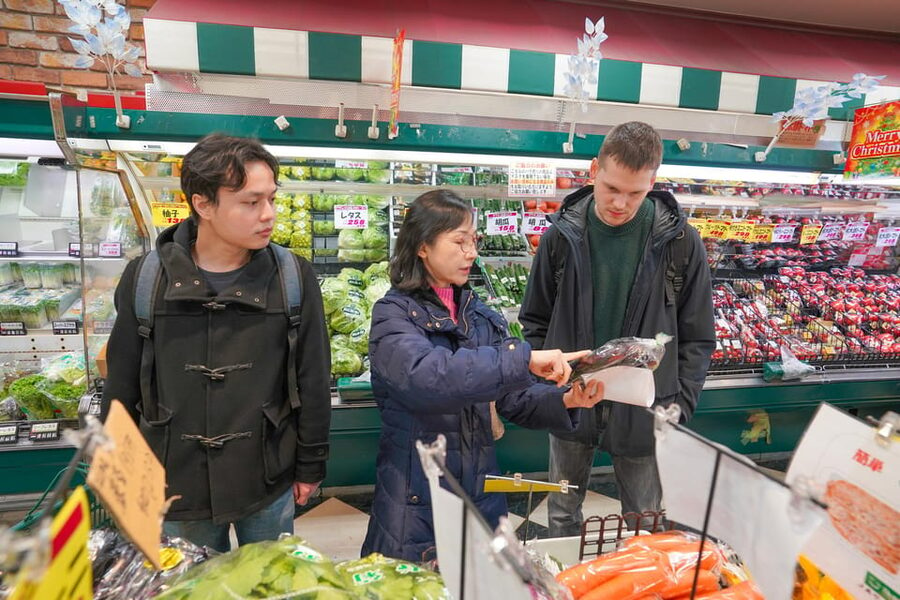
The class is led in English, and guides named Alice, Masae, and Fuji have received especially warm praise for making the evening easy and fun. Masae has also taken a small group to a local supermarket before cooking, adding a useful look at Japanese ingredients and shopping habits. That supermarket visit is not stated as part of every session, so treat it as a possibility rather than a promise.
What you cook during the three hours
The included cooking menu gives you four main preparations, with sushi hand rolls counted among the hands-on dishes. The class description also refers to savory skewers, crispy tempura, and tangy pickles as part of the style and recipe learning, so the exact presentation may vary.
A few more Tokyo tours and experiences worth a look
Sushi hand rolls
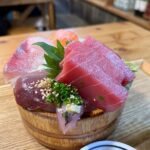
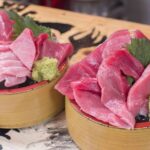
Hand rolls are a good starting point because they are flexible and social. You assemble the ingredients yourself instead of producing the precise, tidy cuts expected in more formal sushi-making.
For you, the value is practical. Hand rolls are easier to repeat at home, especially for a casual dinner or party. They also suit the class theme: people can prepare a small portion, pair it with a drink, and move on to another plate.
Do not book this expecting a full sushi-making course. The focus is on one approachable sushi format within a wider Japanese menu.
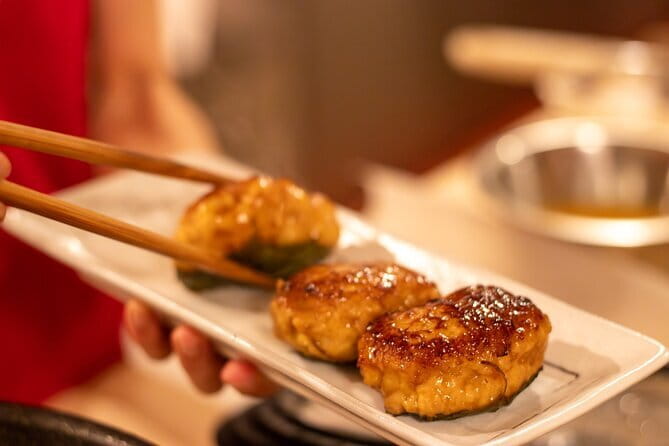
Wagyu or tofu steak
The steak course gives the meal a substantial center. You may prepare wagyu, or tofu if you prefer a vegetarian option. Vegetarian arrangements are available, but the class does not cater to vegan or gluten-free diets.
This is also where the drink-pairing idea becomes useful. A rich, savory bite calls for a drink with enough character to keep the meal balanced. The guide can explain which included drinks work best with each dish, rather than leaving you to guess.
Because wagyu is a premium ingredient, the $103 price deserves a closer look here. You are paying for the food, instruction, equipment, drinks, guide, recipes, and photos. If wagyu is served in your session, it adds value, though the experience is still mainly a cooking and culture class rather than a high-end steak meal.
Japanese rolled egg
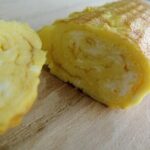
Japanese rolled omelette, known as tamagoyaki, looks simple until you try to build its layers. The technique is one of the class’s most useful lessons because it shows how a familiar ingredient can become a distinctly Japanese side dish.
The appeal is not just the finished egg. You learn how a home cook handles texture, seasoning, and shape. It is the kind of recipe that can become part of your regular breakfast or lunch routine after you return home.
This dish also helps balance the menu. It is soft and gently savory, a change from crisp tempura or grilled foods.
Grilled eggplant with miso sauce
Eggplant with miso sauce brings a sweet-salty Japanese flavor to the table. It is a strong choice for vegetarians and a good example of how a simple vegetable can carry a dish.
I like this part of the menu because it is inexpensive and easy to recreate. You do not need rare equipment or a long list of special ingredients to make something similar at home. The class uses ingredients readily available in your home country, which makes the recipe handout more useful than a souvenir menu you will never cook from.
Other cooking classes in Tokyo

The drink pairings are part of the lesson
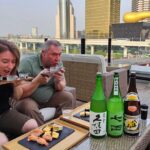
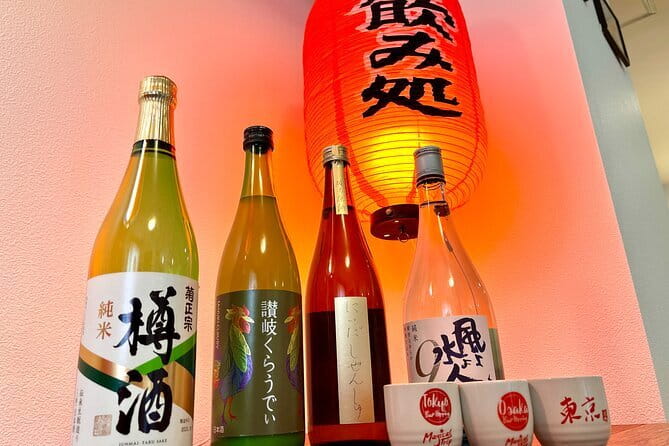
Three cans of alcoholic or soft drinks are included. Participants aged 20 and over can have sake or other alcoholic drinks, in keeping with Japanese law. Younger participants receive soft drinks.
The point is not simply to provide refreshment. You learn how food and drink are matched in a Japanese home-drinking setting. Some dishes may call for beer, while others work better with sake or a nonalcoholic option. The guide explains these choices as you eat.
This makes the class a good pick for sake and Japanese beer fans, but you do not need to drink alcohol to enjoy it. The food remains the main event, and soft drinks are included for people who do not drink.
The nomikai idea is worth understanding before you arrive. It is a social drinking gathering, often built around shared plates rather than one large main course. This class gives you a home-based version without requiring a night of bar-hopping.
Why the small group size matters
The group is limited to six participants. That is a useful number for a cooking class because you can ask questions and get closer attention when working with a knife, pan, or hot cooking surface.
A small group also changes the mood. You are more likely to speak with the guide and the people beside you, and less likely to feel like you are watching a demonstration behind a crowd. Solo participants can meet people without joining a large tour group, while couples have enough room to work together.
The atmosphere seems to depend heavily on the guide. Alice is described as making the night fun, Fuji as a strong instructor, and Masae as warm and generous with explanations of cooking methods and culture. Guide assignments can change, so do not book solely to meet one named person.
Who will get the most from this class
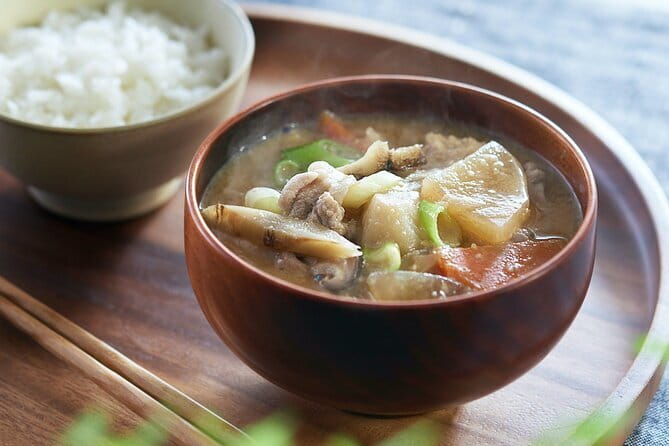
I would choose this experience if you want food, conversation, and a taste of everyday Japanese life in one evening. It suits beginners because the menu is broken into manageable dishes, but experienced home cooks should still find useful techniques in the rolled egg, steak, and miso preparations.
It is especially good for:
- Couples looking for a relaxed evening activity
- Solo visitors who enjoy social classes
- Sake or beer fans interested in food pairing
- Families with older children who can follow the safety rules
- Vegetarians who want a planned meat-free version
- Home cooks who want recipes they can repeat later
The class is less suitable if you want a silent, highly technical lesson, a full sushi apprenticeship, or a strictly controlled dietary menu. It is also not suitable for pregnant women according to the activity information.
Families should read the age rules closely. Participants can be six or older, but the activity is marked as not suitable for children under 12. Knife and heat work is restricted to those aged 12 and above, under a parent or guardian’s supervision. A kids’ playroom is available, which helps families, but younger children may not take part in the core cooking tasks.
Dietary limits and physical access
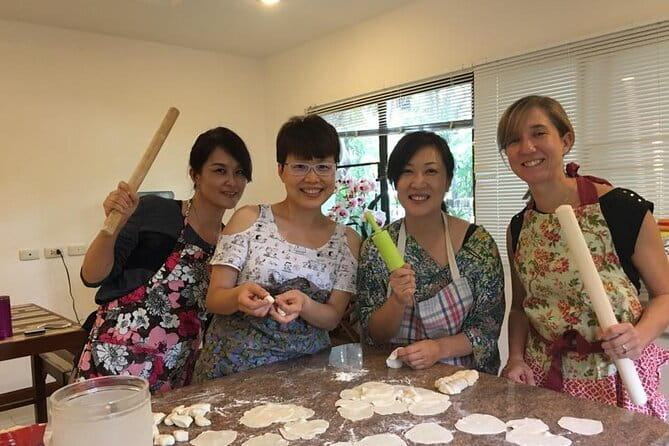
Vegetarians are welcome, and the cooking process and ingredients can be arranged for them. Vegans and people requiring gluten-free food should not book, since the class cannot provide those options.
Allergy support is limited. The food is prepared in kitchens that do not belong to MagicalTrip, and allergy-free preparation cannot be guaranteed. Substitutions may not always be possible, though the staff will try to make up for restrictions at other points in the meal.
The route and cooking space are not fully accessible to wheelchairs or strollers. If you need step-free access, contact the provider before booking rather than assuming the station meeting point tells you what the cooking venue will be like.
Smoking is not allowed during the activity.
Meeting at Iriya Station
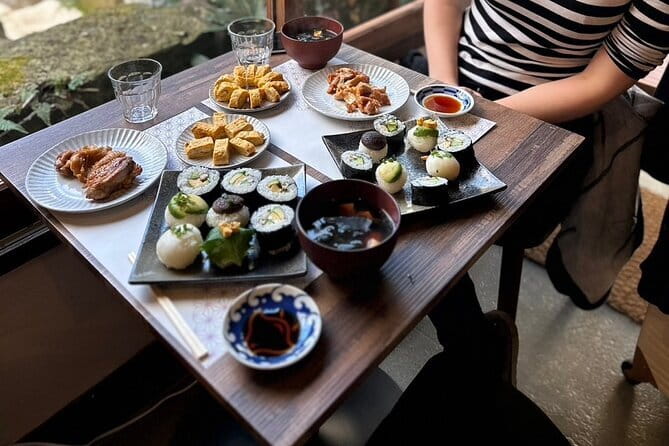
The meeting point is in front of the FamilyMart next to the Gindako takoyaki shop at Iriya Station Exit 2. This detail matters because there are two FamilyMart stores at Iriya Station.
Look for the branch beside both Gindako and Doutor Coffee. Arriving at the wrong convenience store could create an avoidable start-of-tour scramble, especially in the evening. Hotel pickup and drop-off are not included, so you make your own way to Iriya Station.
The class lasts three hours, with starting times varying by availability. Check the selected date and time carefully before booking.
Is $103 a fair price?
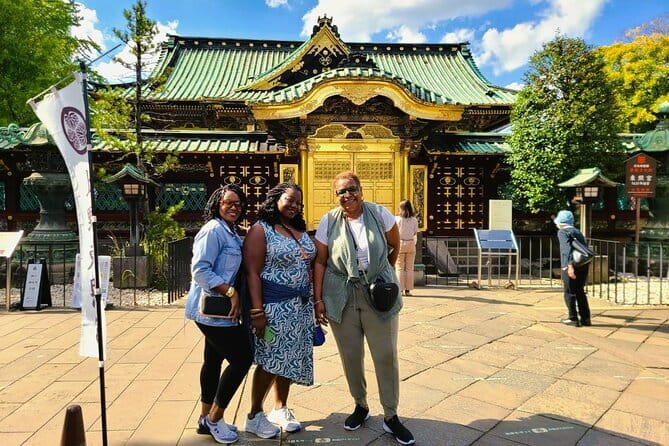
At $103 per person, this is not a cheap meal, but it is more than dinner. The price covers a small-group class, all ingredients, cooking equipment, a local English-speaking guide, three drinks, recipes to take home, and tour photos.
The strongest value comes from the combination of instruction and a complete evening out. You are not paying separately for a restaurant meal, a sake tasting, and a cooking lesson. You also leave with recipes that use ingredients available in your own country, which gives the class longer value than a one-night dinner.
The weaker value appears if you do not drink, dislike group activities, or mainly want to eat wagyu. In that case, a restaurant meal may cost less and give you more food. I would book this for the instruction and cultural context, not just for the portion size.
A 4.9 rating from 13 bookings points to a consistently strong experience so far, with the guide’s friendliness and teaching style receiving the most praise. The sample size is still small, so I would treat the score as encouraging rather than a guarantee that every session will feel identical.
Booking and cancellation details
You can cancel up to 24 hours before the activity for a full refund. A reserve-now, pay-later option is also available, useful if your Tokyo schedule is still moving around.
The class may include other participants, even though the group is capped at six. If you strongly want a private lesson, ask before booking rather than assuming a small group means private.
My verdict on the Iriya cooking class
I would book this class if you want to understand how Japanese dishes work together at a social table. The menu is broad enough to keep the three hours interesting, the group is small, and the recipes are realistic for home cooking. The included drinks add context instead of being an afterthought.
Skip it if you need vegan, gluten-free, or tightly controlled allergy-friendly food. Families with young children should also think carefully, since only participants aged 12 and over may handle knives and heat, despite the stated minimum age of six.
For everyone else, this is a practical Tokyo evening with food you help create, guides who make the room welcoming, and a clearer idea of why Japanese drinking culture is built around many small, well-matched dishes.
FAQ
Where does the cooking class meet?
Meet in front of the FamilyMart beside Gindako takoyaki shop and Doutor Coffee at Iriya Station Exit 2. Iriya Station has two FamilyMart stores, so use the branch next to those two businesses.
How long does the class last?
The class lasts three hours. Starting times depend on availability for your chosen date.
Is the class taught in English?
Yes. The activity includes a live English-speaking guide.
How many people can join?
The group is limited to six participants, although there may be other people in your session.
What dishes will I prepare?
The hands-on menu includes a sushi hand roll, wagyu or tofu steak, Japanese-style rolled egg, and grilled eggplant with miso sauce. The class also presents the wider izakaya style of small dishes, including skewers, tempura, and pickles.
Are drinks included?
Yes. Three cans of alcoholic or soft drinks are included. Alcohol is available only to people aged 20 and over.
Can vegetarians join?
Yes. Vegetarian ingredients and cooking arrangements are available.
Can vegans or people following a gluten-free diet join?
No. The activity is not available for people who are vegan or gluten-free.
Are children allowed?
The stated minimum age is six. However, the activity is marked as not suitable for children under 12, and only participants aged 12 or older may handle knives and heat under parental or guardian supervision.
Is hotel transportation included?
No. Hotel pickup and drop-off are not included. You need to reach the Iriya Station meeting point yourself.
More Night Tours in Tokyo


More Cooking Classes in Tokyo
More Tokyo Food Tours in Tokyo

More tours in Tokyo we've reviewed







Tokyo Food Tours, compared.
 ★ 5.0Tokyo: Shinjuku Food Tour (13 Dishes at 4 Local Eateries)From $86
 ★ 4.9Tokyo: Shinjuku Food Tour (15 Dishes and 4 Eateries)From $853 hours
 ★ 5.0Best of Shinjuku: Izakaya Food Tour (4 Stops, 14+ Tastings)From $92
 ★ 5.0Tokyo Night Foodie Tour in Shinjuku – Seasonal Sushi, Wagyu BeefFrom $111
 ★ 5.0Eat and Drink Like a Local: Tokyo Ueno Food Tour-Taverns&RamenFrom $95
 ★ 5.0Tokyo: Shibuya Food Tour (13 dishes and 4 Eateries)From $77