
Reviewed · SHIBUYA TOURS
Tokyo: Harajuku Meiji Shrine to Shibuya Crossing Guided Tour
Tokyo’s famous districts make more sense when you connect them on foot. This two-hour tour takes you from the forested grounds of Meiji Jingu Shrine through colorful Takeshita Street and on to the organized chaos of Shibuya Crossing. It gives you three very different views of the city without asking you to wrestle with a map.
I like the small group of no more than 10 people, which should make it easier to hear the guide and ask questions. I also like the route itself: you get a quiet shrine, youth-focused Harajuku, and one of Tokyo’s best-known city scenes in a single outing.
The main drawback is the pace. Two hours is enough for an introduction, not a thorough visit. The 20-minute walk from Takeshita Street to Shibuya also means you should wear comfortable shoes and expect to keep moving.
In This Review
- Key points to know before booking
- From Harajuku Station into Meiji Jingu Shrine
- Takeshita Street and Harajuku’s playful side
- The 20-minute walk to Shibuya
- Shibuya Crossing and the final photo stop
- What the two-hour format does well
- Is $79.73 a fair price?
- Who will enjoy this Harajuku walk
- Meeting details and useful planning notes
- Should you book this tour?
- FAQ
- How long does the tour last?
- Where does the tour start?
- Where does the tour finish?
- Which places are included?
- Is admission to Meiji Jingu Shrine included?
- How many people can join the tour?
- Can I cancel for a full refund?
Key points to know before booking
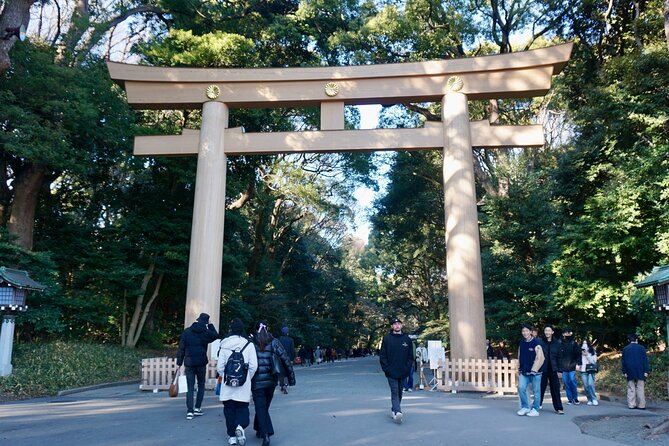
- Three contrasting Tokyo sights: Visit Meiji Jingu Shrine, Takeshita Street, and Shibuya Crossing in one compact route.
- A maximum of 10 people: The small group should feel more personal than a large city walk.
- A useful first-day orientation: The route helps you understand how Harajuku and Shibuya fit together.
- A 20-minute walk between districts: The route is active, but it avoids spending this short tour on public transit.
- Local details from the guide: Guides such as Naoko explain Japanese history and shrine customs in clear English.
- An omikuji is included: You receive a fortune paper at the shrine without paying an extra fee.
From Harajuku Station into Meiji Jingu Shrine
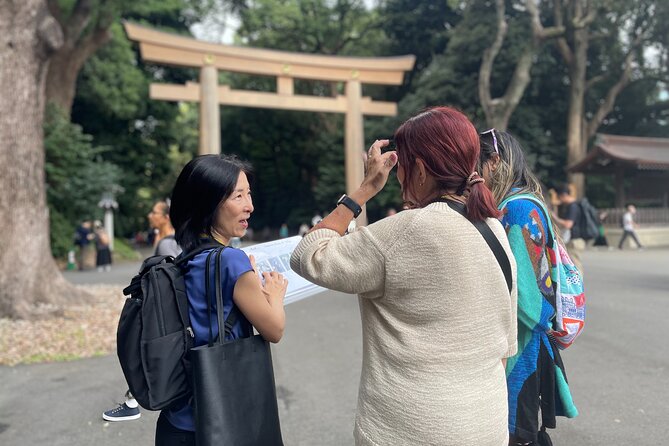
The tour begins at Harajuku Station, at 1 Chome-18 Jingumae in Shibuya. Starting here is practical because Harajuku can feel confusing on a first visit. Streets fill quickly, signs compete for attention, and the district changes character from one block to the next.
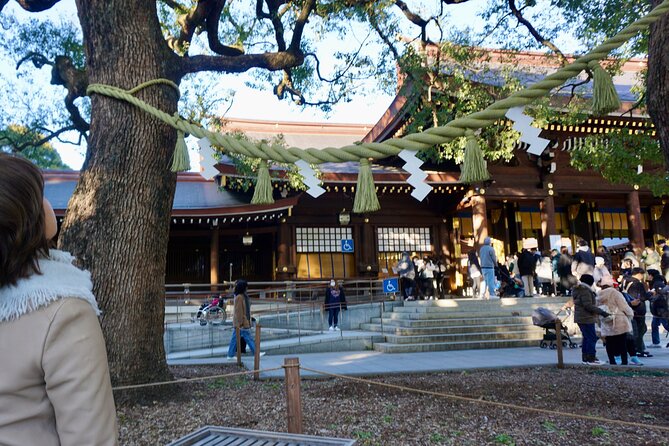
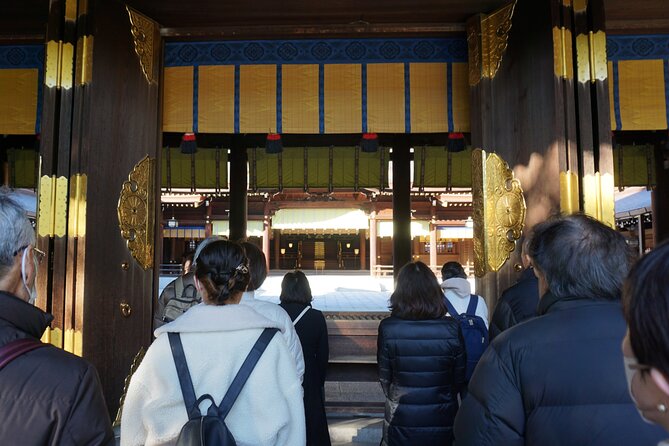
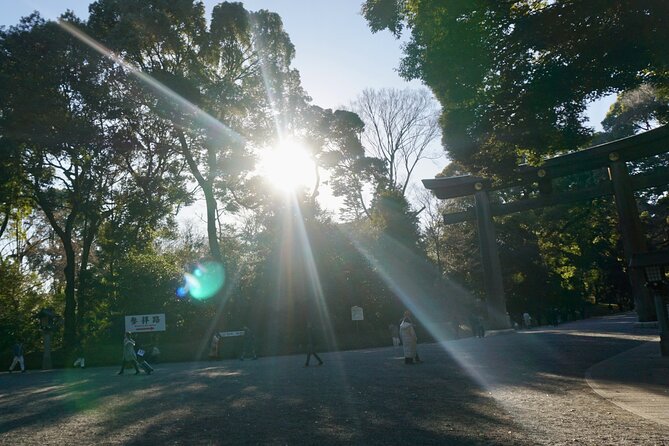
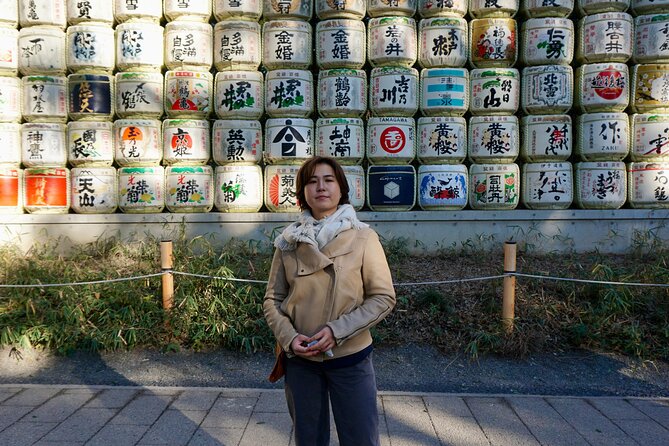
Your guide leads you toward Meiji Jingu Shrine, where the mood shifts almost at once. The shrine is known for its broad wooded grounds and its importance during Hatsumode, the first shrine visit of the New Year. You get a chance to see a major Japanese religious site while learning how it fits into local custom.
The shrine portion lasts about one hour, making it the longest stop. That is a good choice. Meiji Jingu is not a sight you should rush through in ten minutes, especially if you want to notice the transition from Tokyo streets to a quieter sacred setting.
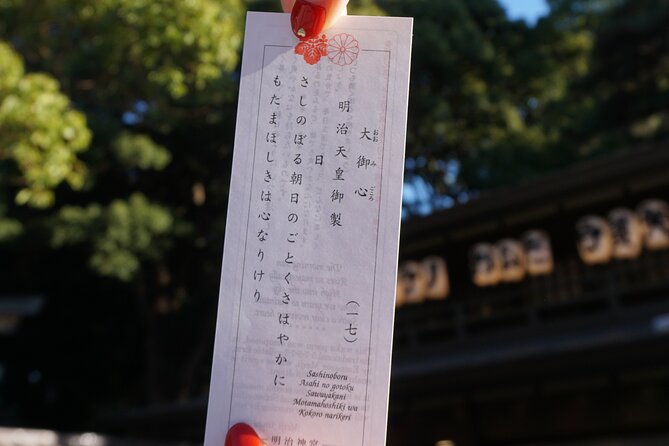
The tour includes the fee for an omikuji, a fortune paper. This small custom gives you something practical to do at the shrine and helps connect the visit to Japanese religious culture. Your guide can provide context as you take part, rather than leaving you to guess what the paper means or how the custom works.
You might also see a traditional wedding during your visit. That is not guaranteed, but one group did encounter one while walking through the shrine grounds. If a ceremony is taking place, remember that this is a working religious site, not simply a photo stop. Follow the guide’s lead and watch respectfully.
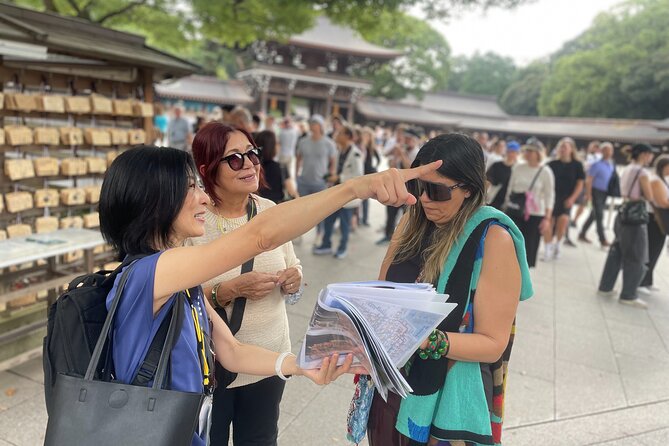
The free admission to the shrine keeps the route simple, but the real value comes from explanation. Without a guide, you can admire the gates, trees, and ritual spaces, yet miss some of the meaning behind them. An English-speaking guide such as Naoko has been specifically praised for explaining Japanese history clearly and communicating well in English.
A few more Tokyo tours and experiences worth a look



Takeshita Street and Harajuku’s playful side
After Meiji Jingu, the tour moves into modern Harajuku and along Takeshita Street. The contrast is the point. You go from a shrine setting where the pace is quiet and reflective to a narrow shopping street built around fashion, youth culture, and kawaii style.
The stop lasts about 30 minutes. That gives you time to walk through the street and take in its shops, but it is not enough for serious shopping. You should think of this part as a guided introduction, not a shopping expedition.
Takeshita Street is packed with fashionable and cute stores, so you might find yourself wanting more time. If you already know you want to browse accessories, clothing, or sweets, plan to return after the tour. The guide-led visit helps you get oriented, then you can come back on your own with a better sense of the area.
Japanese-style crepes are one of the classic Harajuku treats highlighted on this route. The tour does not state that a crepe is included in the price, so budget separately if you want one. That small detail matters because the $79.73 tour price covers the guide and omikuji fee, not every purchase you may make along the way.
I like the way this stop gives context to Harajuku rather than treating it as just a photo backdrop. The guide can help you see the link between the district’s stores, style, and reputation. Still, the short time means you should not expect a detailed explanation of every subculture or shop.
The 20-minute walk to Shibuya
From Takeshita Street, you walk for about 20 minutes to Shibuya. This is the most physically active part of the route, although the tour only asks for a moderate level of fitness.
The walk has two practical benefits. First, you avoid losing time to a short train ride. Second, you experience the connection between Harajuku and Shibuya as part of the same central Tokyo area instead of seeing the districts as isolated attractions.
There is also a tradeoff. The route is not ideal if you want a slow, leisurely morning with many stops. The 20-minute walk comes after the shrine and Takeshita Street, so comfortable shoes are a must. Bring only what you want to carry for two hours.
Because the group is capped at 10 people, the guide should be able to keep everyone together more easily than on a large public walk. Even so, Tokyo streets can be busy, and you will need to stay aware of the group as you move between districts.
Shibuya Crossing and the final photo stop
The tour ends at Shibuya Crossing, also called Shibuya Scramble Crossing. Here, several streams of people move through the intersection at once, creating the famous scene most visitors want to photograph.
The crossing stop lasts about 30 minutes. That is enough time to see the action, take pictures, and hear the guide explain why this location matters to Tokyo’s image around the world. You will not spend the entire half hour crossing back and forth. The value lies in finding the right viewpoint and making sense of the setting.
The end point is Shibuya Mark City, at 1 Chome-12-1 Dogenzaka. The stated viewpoint is right next to both the JR and Ginza subway lines, which is useful if you want to continue exploring Shibuya after the tour. It also makes the finish easy to understand if you plan to meet someone or head back to your hotel.
Ending here gives you freedom. You can stop for food, continue shopping, or revisit the crossing at another time of day. The tour does not include a long stay in Shibuya, so treat this as an introduction and use the convenient finish to build the rest of your day.
What the two-hour format does well
At about two hours, this is a compact tour with a clear purpose: help you get your bearings fast. You see three major sights and move through three distinct parts of Tokyo without committing half a day.
That format works especially well on a first Tokyo visit. You learn where Harajuku begins, how Takeshita Street feels, and where Shibuya sits in relation to them. Afterward, you can return to the places that interest you most.
The short length also fits around other plans. You might schedule it early in your Tokyo stay, then spend the afternoon shopping in Shibuya or exploring another district. Since the tour starts at Harajuku Station and ends near major rail lines, it is easy to connect with the rest of your day.
The limits are clear. You will not get deep shopping time, a long shrine study, or a full neighborhood tour. You also should not expect a meal, since food purchases are not included. This is a guided introduction, and the price makes the most sense if you value orientation and cultural explanation more than extended free time.
A few more Tokyo tours and experiences worth a look

Is $79.73 a fair price?
At $79.73 per person, the tour is not the cheapest way to walk between these locations. You can reach Meiji Jingu, Takeshita Street, and Shibuya Crossing independently, and admission to the shrine is free.
The price is easier to justify if you are new to Tokyo or uncomfortable navigating a large city. You are paying for a guide, a planned route, commentary, a small group, and the included omikuji fee. The guide also handles the transitions, which removes the need to work out where to go next while trying to keep an eye on the clock.
A group capped at 10 is another part of the value. It is not a private tour, but it is small enough to feel more manageable than a coach group. You also have a better chance of hearing the guide and asking a question about shrine customs, Harajuku, or the route.
I would be more cautious about the price if you already know these districts well or prefer to explore at your own pace. Independent visitors can spend longer at Takeshita Street, pause for a crepe, or linger at Meiji Jingu without watching the time. For a first visit, though, the tour can save effort and provide useful context.
Who will enjoy this Harajuku walk
I would recommend this tour to a first-time Tokyo visitor who wants a short introduction rather than a full-day commitment. It is also a good fit if you want to combine cultural sights with modern shopping streets and a famous city crossing.
The route suits people with moderate physical fitness who are comfortable walking for two hours, including the 20-minute stretch between Harajuku and Shibuya. Comfortable shoes matter more than special equipment.
It can work well for couples, solo visitors, and small parties who like asking questions. The positive feedback specifically highlights Naoko’s friendly manner, clear English, and historical explanations. Another strong point was the chance to see a traditional wedding at the shrine, though that should be treated as a lucky possibility, not a promised feature.
I would skip it if you want a relaxed shopping session, a food tour, or a long spiritual visit at Meiji Jingu. The route keeps moving, and the 30-minute Takeshita Street stop is too brief for serious browsing.
Meeting details and useful planning notes
You meet at Harajuku Station, 1 Chome-18 Jingumae, Shibuya, Tokyo 150-0001. Check the exact station exit and meeting instructions before setting out, since large stations can take time to navigate.
The tour finishes at the Shibuya Mark City viewpoint, 1 Chome-12-1 Dogenzaka, near the JR and Ginza lines. That location is useful for continuing your day, but you should still confirm the exact meeting and end points on your mobile ticket.
Confirmation is provided when you book, and the experience is near public transportation. The tour requires a minimum number of participants. If that minimum is not met and the activity is canceled, you are offered another date or experience, or a full refund.
Free cancellation is available up to 24 hours before the start time. Canceling or changing the booking less than 24 hours in advance is not accepted for a refund, so keep the local Tokyo cut-off time in mind.
Should you book this tour?
Book it if you want a friendly, tightly planned introduction to Harajuku and Shibuya, especially early in your Tokyo stay. The combination of Meiji Jingu, Takeshita Street, and Shibuya Crossing is smart, and the small group makes the $79.73 cost more reasonable.
The tour’s best feature is the contrast between the shrine’s quiet grounds and Harajuku’s playful street culture, followed by Shibuya’s huge urban energy. Choose it for guidance, context, and efficient sightseeing. Skip it if you prefer long stops, independent wandering, or shopping without a schedule.
FAQ
How long does the tour last?
The tour lasts approximately two hours.
Where does the tour start?
It starts at Harajuku Station, 1 Chome-18 Jingumae, Shibuya, Tokyo 150-0001, Japan.
Where does the tour finish?
It ends at Shibuya Mark City, 1 Chome-12-1 Dogenzaka, Shibuya, near both the JR and Ginza lines.
Which places are included?
The route visits Meiji Jingu Shrine, Takeshita Street, and Shibuya Crossing.
Is admission to Meiji Jingu Shrine included?
Admission to Meiji Jingu Shrine is free. The tour also includes the fee for an omikuji fortune paper.
How many people can join the tour?
The group has a maximum of 10 participants.
Can I cancel for a full refund?
Yes. You can cancel at least 24 hours before the experience start time for a full refund. Changes or cancellations made less than 24 hours in advance are not accepted for a refund.
More Guided Tours in Tokyo


More Temples & Meditation in Tokyo
More Shibuya Tours in Tokyo



More tours in Tokyo we've reviewed






Shibuya Tours, compared.
 ★ 5.0Official Street Go-Kart in ShibuyaFrom $76
 ★ 4.9Tokyo: Street Kart Experience in ShibuyaFrom $741 hour
 ★ 5.0Shibuya Meltdown Nightlife Tour: All-You-Can-Drink Bar HoppingFrom $106
 ★ 5.0Shibuya Official Street Go-Kart in Shibuya AnnexFrom $69
 ★ 5.0Tokyo: Shibuya Food Tour (13 dishes and 4 Eateries)From $77
 ★ 5.0Best of Shibuya Food TourFrom $217