
Reviewed · GUIDED
Tokyo Japanese Garden Lover’s Private Tour with Government-Licensed Guide
Tokyo’s best gardens are not all in one neat park. This private six-hour tour lets you choose three or four, then adds cultural stops such as the Imperial Palace, Meiji Jingu Shrine, or Ueno Park. The real treat is hearing why a rock, pond, bridge, or clipped pine matters in Japanese design.
I like the freedom to shape the day around your interests, and I like having a National Government licensed guide who can explain both garden design and Japanese customs. Guides including Yuki, Minoru, Keiko, Shuji, Steve, Koji, and Nobuko have led these outings, with strong praise for clear English, good preparation, and help with Tokyo’s rail system.
The catch is simple: this is a walking and public-transport tour, not a private car outing. You pay transportation, entrance fees, lunch, and personal costs separately, and six hours is enough for three or four well-chosen places, not all 17 stops listed as possibilities.
In This Review
- Key details before you book
- A garden tour built around your interests
- Imperial Palace and the old Edo center
- Shinjuku Gyoen and Meiji Jingu near Harajuku
- Koishikawa Korakuen and Rikugien
- Hama Rikyu and the bay-side view
- Kiyosumi Teien and the art of the stone
- Ueno, Koishikawa Botanical Garden, and seasonal choices
- Small gardens and museum grounds
- What your guide adds to the day
- Is $154.84 per person good value?
- Who should book this garden day?
- Should you book the Tokyo garden tour?
- FAQ
- How long does the tour last?
- How many sites can I visit?
- Can I choose which gardens to visit?
- Is transportation included?
- Is hotel pickup available?
- Can I enter the Imperial Palace?
- Are entrance fees included?
- Is lunch included?
- Is this a private tour?
- What is the cancellation policy?
Key details before you book
- Choose three or four sites: Build the day around classic gardens, shrines, parks, or museum grounds rather than trying to cover the full list.
- A guide explains the symbolism: Rocks, water, plants, borrowed scenery, and miniature versions of famous places become easier to read.
- Meet on foot: Hotel pickup is offered within the designated Tokyo area, but there is no private vehicle.
- Plan for extra costs: Garden admission, trains, buses, lunch, and some guide entry fees are not included.
- Private means personal: Only your group takes part, so you can request a slower pace or focus on particular garden styles.
- The price rewards planning: At $154.84 per person, the value improves when several people share a private guide and make good use of the six hours.
A garden tour built around your interests
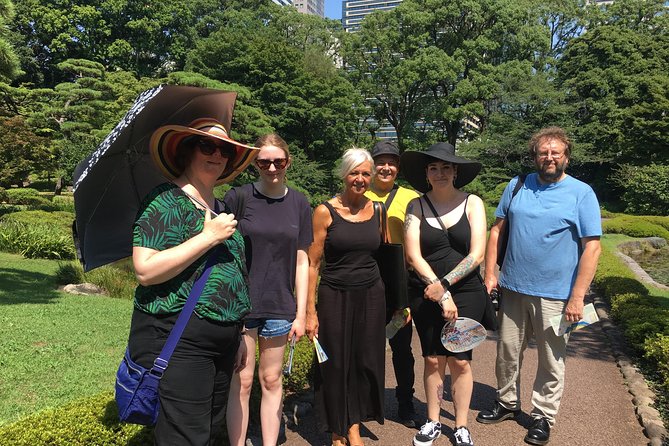
This experience works best as a planning conversation, not as a fixed sightseeing march. You meet your guide on foot within the designated Tokyo area, explain what you want to see, and settle on three or four places from the long list.
That flexibility matters in Tokyo. You might want two formal Edo-period gardens and one shrine, or you might prefer a mix of garden, museum, and city park. Your guide can also adjust the day around the season, since cherry blossoms, autumn color, and temporary garden openings affect what is worth your time.
The tour is described as a walking experience, but Tokyo’s gardens are spread across the city. You should expect trains or buses between some stops. Transportation fees are extra, and the guide does not provide a private vehicle.
The long list of possible stops should be treated as a menu. The suggested timings range from 10 to 30 minutes, but seeing several places properly requires a sensible plan. If you rush through ten gardens, you will collect names rather than understand the gardens.
Other guided tours in Tokyo

Imperial Palace and the old Edo center
The Imperial Palace gives you a useful starting point. The grounds occupy the former site of Edo Castle, with broad parkland, moats, and huge stone walls that hint at the power once concentrated here.
You cannot enter the inside of the Imperial Palace on this tour. That matters if palace interiors are your main goal. The garden areas around the palace, including the East Garden when selected, provide a strong introduction to Japanese stonework, clipped trees, open space, and the relationship between a fortress and its surroundings.
One guide-led day began with the elegant and quiet Imperial Palace East Garden, then moved to the Kagurazaka neighborhood for lunch. Lunch is not included, but Kagurazaka can make a pleasant break if your guide includes it in the route and your schedule allows.
I would choose the Imperial Palace early in the day if you want a broad, historical setting before moving to smaller gardens. It also gives you a clear contrast later, when you reach intimate ponds and carefully placed stones.
Shinjuku Gyoen and Meiji Jingu near Harajuku
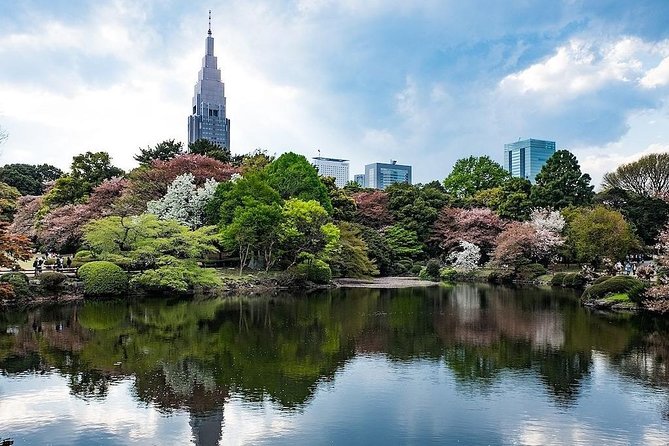
Shinjuku Gyoen National Garden gives you a larger setting with room to compare different planting styles. It is a practical choice if you want a substantial green break from Tokyo’s dense streets, though admission is not included.
Meiji Jingu Shrine offers a different kind of experience. Dedicated to the deified spirits of Emperor Meiji and Empress Shoken, the shrine is beside busy Harajuku Station, yet the approach changes the mood quickly.
The appeal here is not just the shrine buildings. A guide can explain the role of trees, sacred space, entrance customs, and the connection between natural elements and spiritual practice. The tour specifically focuses on traditional spirits represented through rocks and plants, so Meiji Jingu gives that theme a cultural setting rather than treating every garden as a collection of pretty views.
Yoyogi Park sits nearby and may pair well with Meiji Jingu. The park has wide lawns, ponds, and wooded areas, with a more relaxed feel than a formal garden. It is free to enter and useful for seeing how Tokyo residents use open space for jogging, picnics, and other outdoor activities.
The two Yoyogi Park entries in the schedule appear to describe the same general park area, so ask your guide how the route is being counted. The park is especially associated with autumn color, including golden ginkgo leaves, but the tour can be arranged in any season.
Koishikawa Korakuen and Rikugien
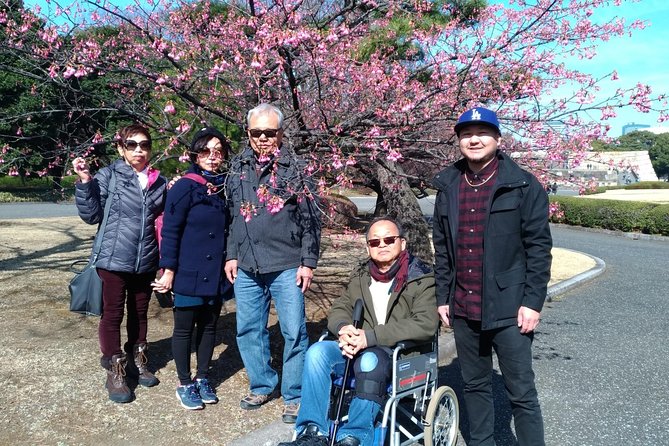
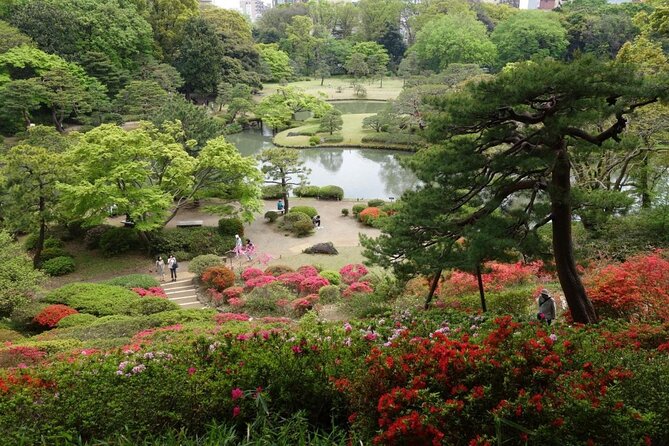
If you want classic Japanese garden design, place Koishikawa Korakuen or Rikugien near the top of your wish list. Both are old daimyo gardens, built during the Edo period, and both use ponds, hills, paths, and carefully framed views.
Koishikawa Korakuen is one of Tokyo’s oldest gardens. Its design represents famous Japanese and Chinese scenery in miniature, which means the guide’s explanation adds real value. Without context, a pond and hill can look simply attractive. With context, you begin to see how the garden compresses distant places and literary references into a walkable space.
Admission is extra, and the garden may take more than a quick ten-minute stop if you want to walk its paths. The schedule lists it more than once, with a longer 30-minute option, which better reflects what you need for a worthwhile visit.
Rikugien is another strong choice. Built around 1700 for the fifth Tokugawa shogun, it is associated with the six poems of classical Japanese literature. One guide-led outing paired the Imperial Palace with a stop in Kagurazaka and Rikugien, creating a good balance between a grand public site, a neighborhood, and a refined garden.
Rikugien is often considered one of Tokyo’s finest Japanese gardens, alongside Koishikawa Korakuen. I would not try to see both quickly just to collect them. Choose one for a relaxed visit, or select both only if formal gardens are the main reason you booked.
Hama Rikyu and the bay-side view
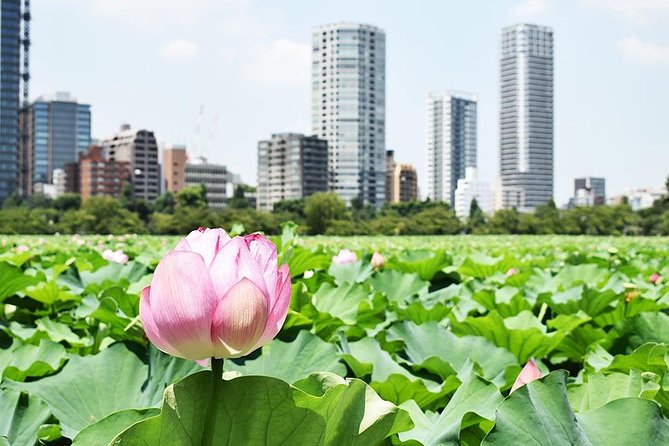
Hama Rikyu gives you a different setting from the older inland gardens. This large garden sits beside Tokyo Bay and includes seawater ponds that change level with the tide.
That detail makes Hama Rikyu especially useful for understanding how Japanese gardens work with their surroundings. It is not only a sealed-off ornamental space. The water connects the garden to the bay, while the city skyline supplies a distinctly modern frame.
The garden also has a teahouse, adding another traditional element to a setting surrounded by high-rise Tokyo. Entrance is extra, and the listed ten-minute stop would be brief. If you choose Hama Rikyu, ask for enough time to walk beyond the first viewpoint.
Former Shiba Rikyu Gardens offers another central Tokyo oasis surrounded by tall buildings. It was once connected with feudal residences and later an imperial villa, and its pond and man-made hills provide a compact example of traditional garden planning.
Shiba Rikyu may be a good pick when you want a shorter, more focused garden visit without committing to a large park. It also pairs well with Hama Rikyu if you want to compare two central gardens, though transportation and entry costs still need to fit the schedule.
Other private tours in Tokyo


Kiyosumi Teien and the art of the stone
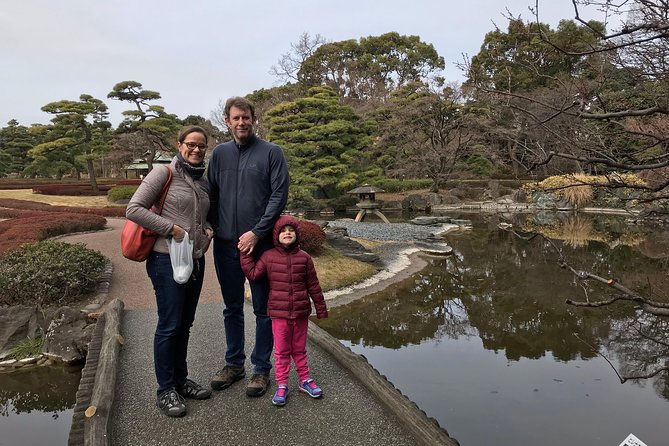
Kiyosumi Teien is a strong choice for anyone curious about stones. Walking paths circle a central pond, and parts of the route cross stones placed directly in the water.
This is where a guide can turn a pleasant stroll into a lesson in Japanese taste. Placement, spacing, texture, and the changing view from each step all matter. The garden is not asking you to hurry from one attraction to the next.
Rain can actually add interest here. One guide pointed out how wet stones take on different colors, while koi moving through the pond and sudden splashes add small sounds to the quiet setting. That kind of observation is hard to get from a guidebook alone.
Kiyosumi Teien is listed as a 30-minute stop, which feels more practical than the shorter ten-minute entries attached to several other gardens. You still need to pay admission, and you should allow time for the ride to and from the garden.
Ueno, Koishikawa Botanical Garden, and seasonal choices
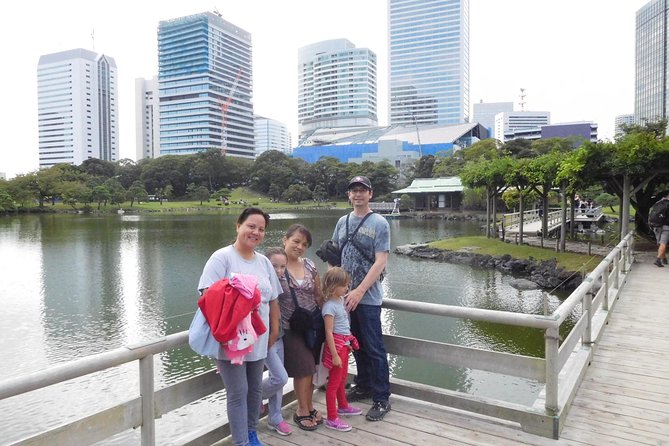
Ueno Park gives the tour a lively public-park contrast. It includes several museums, a zoo, Toshogu Shrine, and Shinobazu Pond, and it is one of Tokyo’s best-known cherry blossom party areas.
The park is free to enter, but the museums and zoo have their own admissions. It makes sense here to decide what you want before arriving. If the garden theme is your priority, focus on the pond and shrine rather than trying to add every attraction.
Koishikawa Botanical Garden is maintained by the University of Tokyo. It contains many types of trees and plants, along with a small Japanese garden. Its appeal is strongest for people who care about plants and seasonal change, and it is particularly attractive during cherry blossom season.
This is not the same type of polished strolling garden as Rikugien or Koishikawa Korakuen. I would choose it if you want botanical detail and a quieter setting, not if you are looking only for the most famous garden views.
The Tokyo National Museum Garden is a seasonal option. It opens to the public for a few weeks during spring cherry blossom viewing and again during the autumn leaves in November. That limited opening makes it worth asking about when you book, but it cannot be treated as an all-year stop.
Small gardens and museum grounds
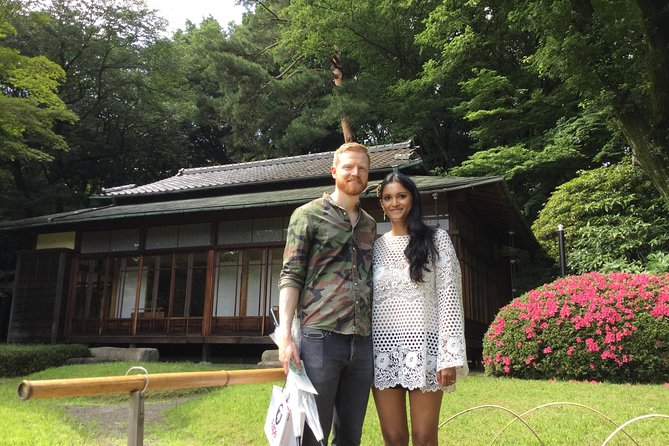
Mejiro Garden is a modest, peaceful garden near Ikebukuro Station. Admission is free, making it a useful choice if you want a calm stop without another entry fee.
Its smaller scale can be a virtue. You can spend less time crossing a large property and more time looking at the pond, planting, and details. It is not a replacement for Rikugien, but it can fit neatly into a day that already includes larger sights.
The Nezu Museum garden is another urban retreat. Located in the Omotesando area, the garden was part of the former private residence of Nezu Kaichiro and now complements the museum.
The museum itself is not included, and the garden should be selected with that in mind. If you want art as well as garden design, this can make a rewarding combination. If you only want outdoor time, confirm what access is available and what fees apply.
Happo-en means Garden of Eight Views, named for its appeal in different seasons and from different angles. The grounds provide a polished setting for photographs and include a pond where koi can add movement and sound.
One guide-led visit paired Kiyosumi Teien with Happo-en. That pairing makes sense: Kiyosumi emphasizes stones and walking routes, while Happo-en offers another pond-centered setting with a different mood. Happo-en admission is not included.
What your guide adds to the day
The guide is the main reason to choose this tour over visiting gardens alone. The guides are multilingual National Government licensed local guides with interpreter certification, and the strongest guide experiences combine clear communication with cultural explanation.
Yuki was praised for explaining subtle points in English and for talking about Japanese culture along the route. Steve tailored a day closely around a guest’s requests and showed strong command of traditional garden design. Koji prepared carefully and helped make several locations feel connected rather than random.
Keiko helped a group manage Tokyo’s complex transportation system. That is a real benefit in a city where the hardest part of a garden day can be getting from one district to the next. Shuji brought a personal, lively approach, while Nobuko supplied educational material and even incorporated a calligraphy activity into the wider cultural experience.
Guide assignment is not specified in advance, so you should not book expecting one particular person unless the provider confirms it. Still, the range of names and the consistent praise for communication suggest that the guide is more than a person who points toward the gate.
Is $154.84 per person good value?
The listed price is $154.84 per person. That is not a cheap way to see Tokyo parks, especially because transportation, entrance fees, lunch, and personal expenses are extra.
The value is in the private planning and interpretation. You get about six hours with only your own group, a licensed guide, and the ability to select three or four places. For a couple or family that wants help choosing gardens and navigating between them, the price can be fair. Group discounts may improve the calculation for a larger private party.
The value drops if you want to see many places at low cost or if you are happy using a guidebook and Tokyo’s trains alone. It also drops if you expect a vehicle, included admissions, or a fixed all-inclusive price.
I would budget beyond the tour price for train or bus fares, garden tickets, and lunch. The provider covers the guide’s entry fees only for sights listed under the tour’s included expectations, so clarify the exact plan before the day begins.
Who should book this garden day?
I would recommend it most strongly to first-time Tokyo visitors who want help making sense of Japanese gardens. It also suits repeat visitors who have already seen the major temples and want a more focused day built around design, seasons, and quiet spaces.
Families and small groups may appreciate the private format, especially when some people want more explanation and others need a slower pace. Garden photographers, plant lovers, and anyone interested in Japanese ideas about nature should also benefit.
I would be cautious if you have limited mobility, since the experience is on foot and uses public transportation. Most people can participate, and service animals are allowed, but the tour is not presented as a vehicle-based or mobility-adapted outing.
The cancellation policy is forgiving: you can receive a full refund by canceling at least 24 hours before the start time. Changes or cancellations inside that window are not accepted for a refund.
Should you book the Tokyo garden tour?
Book it if you want a personal, flexible day and are willing to choose quality over quantity. Ask for three or four stops that complement one another, such as Imperial Palace East Garden, Rikugien, and Meiji Jingu, or Kiyosumi Teien, Happo-en, and Hama Rikyu.
Do not book it expecting to visit all ten advertised garden types, much less every stop on the long list. Six hours, city distances, walking, and paid admissions make that unrealistic.
For me, the best reason to go is the combination of garden design and practical Tokyo help. A good guide can explain why the stones are placed as they are, point out the spiritual meaning of plants, and get you from one district to the next without wasting half the day. If that sounds more useful than simply ticking off famous sights, this private tour is a solid choice.
FAQ
How long does the tour last?
The tour lasts approximately six hours.
How many sites can I visit?
The tour includes a customizable walking tour of three or four sites chosen from the available list.
Can I choose which gardens to visit?
Yes. You can choose the gardens and other Tokyo sights you want to include from the listed options.
Is transportation included?
No. Transportation fees are not included, and the tour does not provide a private vehicle. You meet the guide on foot and may use public transportation between sites.
Is hotel pickup available?
Pickup is offered on foot within the designated area of Tokyo. It is not vehicle pickup.
Can I enter the Imperial Palace?
No. This tour does not include access to the inside of the Imperial Palace.
Are entrance fees included?
No. Entrance fees are generally not included. The guide’s entry fees are covered only for sights listed under the included expectations.
Is lunch included?
No. Lunch and other personal expenses are not included.
Is this a private tour?
Yes. Only your group participates, and multiple tour groups cannot be combined.
What is the cancellation policy?
You can cancel at least 24 hours before the start time for a full refund. Cancellations or changes made less than 24 hours before the start time are not accepted for a refund.
More Private Tours in Tokyo
More Guided Tours in Tokyo

More tours in Tokyo we've reviewed






Guided, compared.
 ★ 5.0Tokyo 6hr Private Tour with Government-Licensed GuideFrom $155
 ★ 4.9Tokyo: Shinjuku Local Bar and Izakaya Guided Walking TourFrom $343 hours
 ★ 4.8Tokyo: Private City Highlights Tour with Local GuideFrom $1064 - 8 hours
 ★ 4.9Tokyo: Tsukiji Fish Market Guided Walking TourFrom $222 hours
 ★ 5.0Tokyo 4hr Private Tour with Government-Licensed GuideFrom $109
 ★ 5.0Tokyo Guided Small-Group Biking TourFrom $106