
Reviewed · CRAFT WORKSHOPS
Tokyo: Kintsugi Workshop to Learn the Art of Golden Joinery
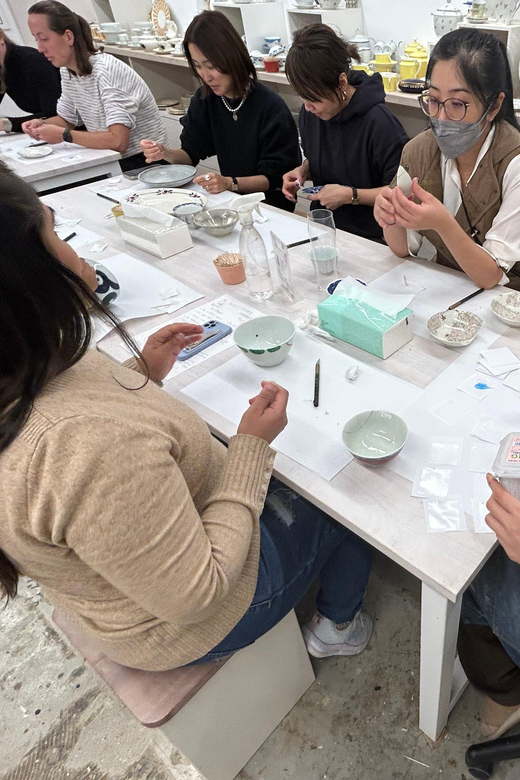
Broken pottery gets a second life here. You learn to turn a crack into a gold seam, using the Japanese art of kintsugi as both a hands-on craft and a lesson in accepting imperfection. I like the unhurried two-hour format, and I like that you leave with a personal keepsake rather than a souvenir picked from a shop shelf.
The main thing to check is what you will repair. A plate or other piece costs an additional ¥1,000 to ¥2,000, and one recent booking found the actual repair area smaller than expected. Ask about the piece and the amount of work before you commit, especially at $63 per person.
In This Review
- Key points to know before booking
- Why kintsugi is more than a pottery repair
- Meeting at Gakugei Daigaku station
- The first part: story, philosophy, and materials
- Filing the pottery takes patience
- Applying lacquer and gold powder
- Taking home a handmade keepsake
- Is $63 a fair price?
- Who will enjoy this workshop most
- What the strong teaching adds
- Planning the activity in your Tokyo schedule
- Should you book this kintsugi class?
- FAQ
- Where does the kintsugi workshop meet?
- How long does the workshop last?
- What language is the workshop taught in?
- How many people are in the group?
- What does kintsugi mean?
- What materials are provided?
- How much does the pottery piece cost?
- Can I take home the pottery I repair?
- Is the workshop wheelchair accessible?
- Can I cancel for a full refund?
Key points to know before booking
- Kintsugi turns damage into decoration: Cracks are repaired with lacquer and powdered gold, silver, or platinum in the wider tradition, while this class provides artificial lacquer and gold powder.
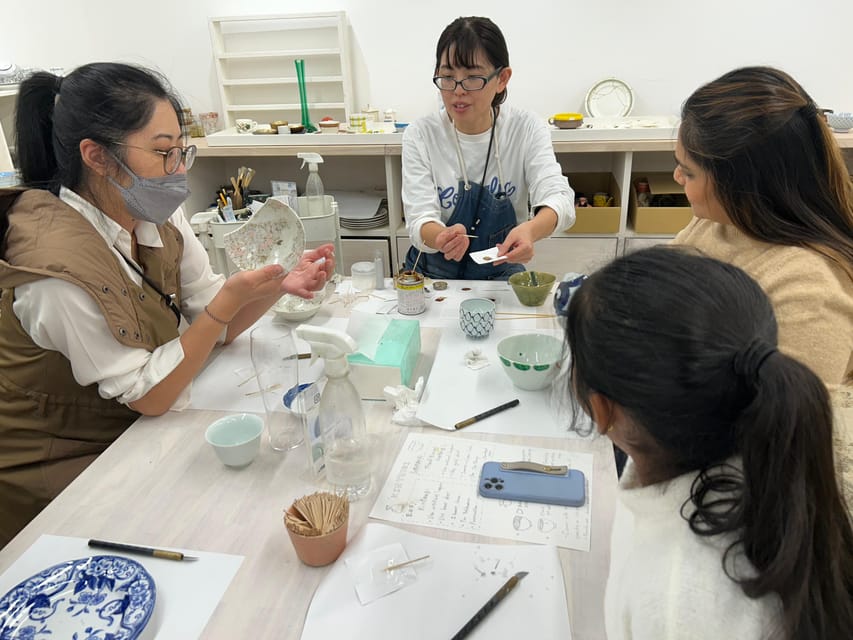
- Two hours gives the process room to breathe: You have time to file pottery, apply materials, listen to the explanation, and work without a rushed finish.
- The group is limited to six people: That small size suits a quiet craft class and gives you a better chance to receive help.
- Anne and Chiara are named instructors: Anne is praised for careful preparation, while Chiara has taught the steps with help from a translator when needed.
- Your working piece costs extra: Budget another ¥1,000 to ¥2,000 for the plate or pottery piece.
- Meet at Gakugei Daigaku station: The guide sends a photo before the meeting time, which should make the first encounter easier.
Why kintsugi is more than a pottery repair
Kintsugi means golden joinery. The method dates to the 15th century and comes from a Japanese habit of repairing and keeping cherished objects instead of throwing them away. A broken bowl is not treated as ruined. Its cracks become part of its story.
That idea connects with wabi-sabi, a Japanese aesthetic that values imperfection and impermanence. You do not need a background in Japanese philosophy to enjoy the class. The point becomes clear through the work itself: the line you might hide on a modern object is the very feature kintsugi brings forward.
I find this makes the activity feel different from a standard craft lesson. You are not simply decorating a ready-made object. You are working with damage, deciding how to mend it, and watching an ordinary break become a visible part of the finished piece.
The experience is also calm by design. The class lasts two hours, and the process includes careful, repetitive work. That makes it a useful pause in a busy Tokyo schedule. You will not spend the whole time listening to a talk or watching an instructor work. The aim is to let you handle the materials and make the repair yourself.
A few more Tokyo tours and experiences worth a look
Meeting at Gakugei Daigaku station
The meeting point is Gakugei Daigaku station in Tokyo, on Honshu. You meet the guide there, and the guide sends a picture of themselves before the meeting time. That small step matters in a city where a station can have several exits and a first meeting can otherwise turn into a short game of hide-and-seek.
The activity details do not give a more specific station exit or workshop address. Read the meeting instructions carefully and keep the guide’s photo and messages easy to find. If you cannot find a place on your preferred date, the provider asks you to contact them through WhatsApp, since they may be able to adjust the schedule.
The class is taught in English. Two instructors are identified in the available information: Anne and Chiara. Anne is praised for having the materials and steps well prepared. Chiara has taught with support from a translator who also knew the craft, which suggests that the exact teaching setup can vary.
That is worth keeping in mind if clear spoken English is especially important to you. The activity is listed with English instruction, but the presence of a translator in one class shows that you may receive additional language support rather than having only one teaching style.
The first part: story, philosophy, and materials
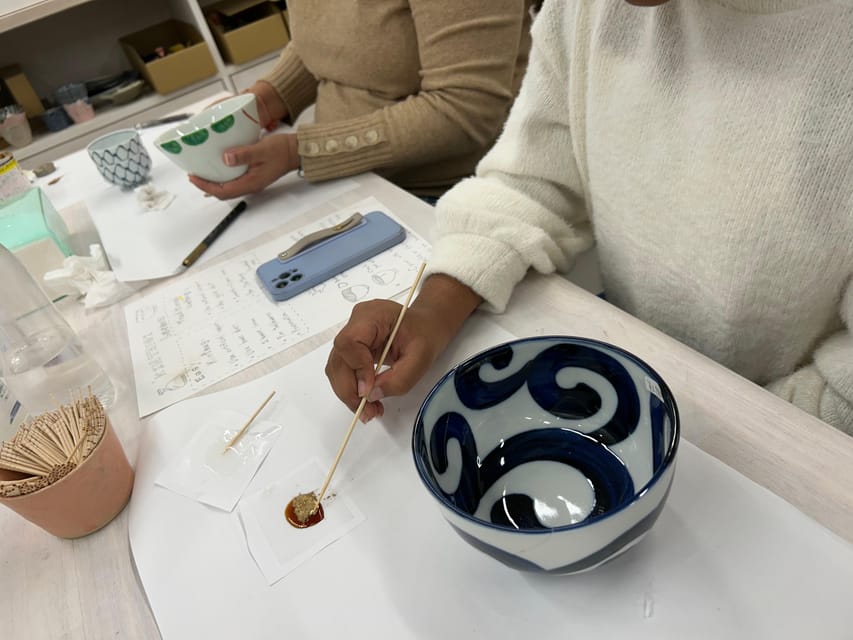
The class begins with a short introduction to kintsugi and its ideas. You learn why Japanese artisans repaired broken ceramics and why the finished crack is allowed to remain visible. One particularly useful detail from the teaching is the explanation of how older forms of adhesive were made.
The supplied materials include lacquer and gold powder. This is an accessible teaching version of the art, using artificial lacquer rather than presenting the class as a full historical workshop. The gold powder gives the repair its bright seam and lets you see the central idea quickly: the break is not erased, it is marked.
The information also says that broken pottery is provided, yet the inclusion details say the plate to work with is not included and should be arranged for ¥1,000 to ¥2,000. Treat that as a point to clarify before booking. You should ask whether the additional fee covers the plate you will repair and what size or type of piece is available.
That question can make a real difference. One booking found only a small amount of pottery to fix and expected to work on a larger part of a bowl. Another class produced a beautiful bowl with one gold crack. The amount of repair may depend on the piece selected or the class arrangement, so do not assume every booking includes the same project.
Filing the pottery takes patience
The hands-on work is not just a quick brush of gold across a ready-made crack. One participant specifically noted that filing the pottery can take about half an hour. This is useful information if you are booking for a child or anyone who dislikes slow, careful manual work.
Filing is part of what gives the class its reflective quality. You are preparing the surface instead of rushing to the pretty final step. The work may feel modest at first, but the time lets you understand that kintsugi is repair before it is decoration.
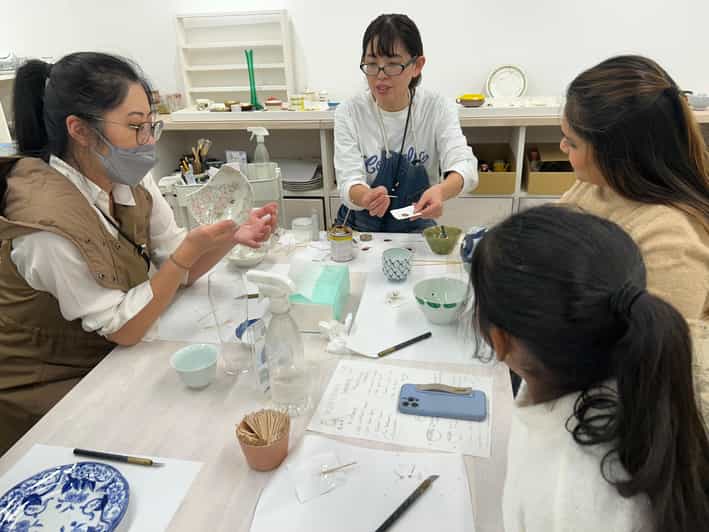
The instructor explains each stage, then lets you carry it out. Help is available when you need a steady or experienced hand. That balance received strong praise: you do the task yourself, but you are not left alone with unfamiliar tools or materials.
I would choose this class for someone who enjoys making things slowly. If your ideal Tokyo activity is fast, highly visual, and packed with stops, two hours of filing and careful handling may feel too quiet. If you like crafts, small details, and a finished object with a story, the pace is part of the appeal.
Applying lacquer and gold powder
Once the pottery has been prepared, you work with the lacquer and gold powder supplied for the class. The visible result is a golden line along a crack or repaired join. The exact finished design will depend on the piece and on the work you do, rather than on a fixed pattern that every person copies.
This is where the philosophy becomes physical. The crack is no longer something to conceal. It becomes the feature that catches the eye. A bowl with one gold seam can look simple, but it carries the marks of the repair and the person who made it.
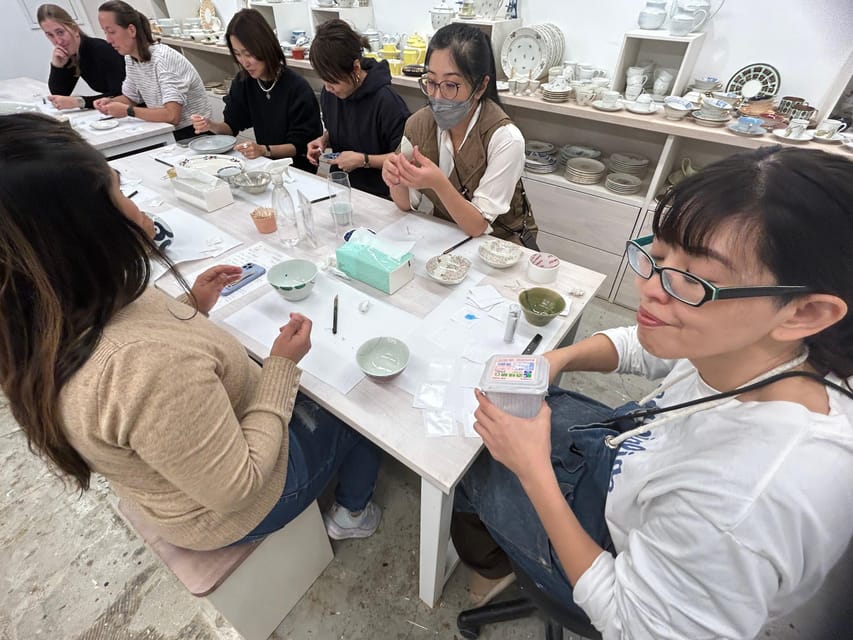
The process has a contemplative side without becoming overly solemn. You have room to work, talk with the instructor, and interact with the other people in the group. One two-hour class was especially appreciated because it allowed time for every step and for conversation without pressure.
The group size is limited to six. That is a good fit for this kind of activity. A large class could make filing, adhesive work, and individual questions awkward. With six or fewer, the instructor can watch your technique and step in when needed.
Do not expect a factory-perfect result. The appeal is that your piece shows your own repair. A slightly uneven line is not necessarily a failure here. It is part of the object’s new history and one reason the finished item feels personal.
A few more Tokyo tours and experiences worth a look




Taking home a handmade keepsake
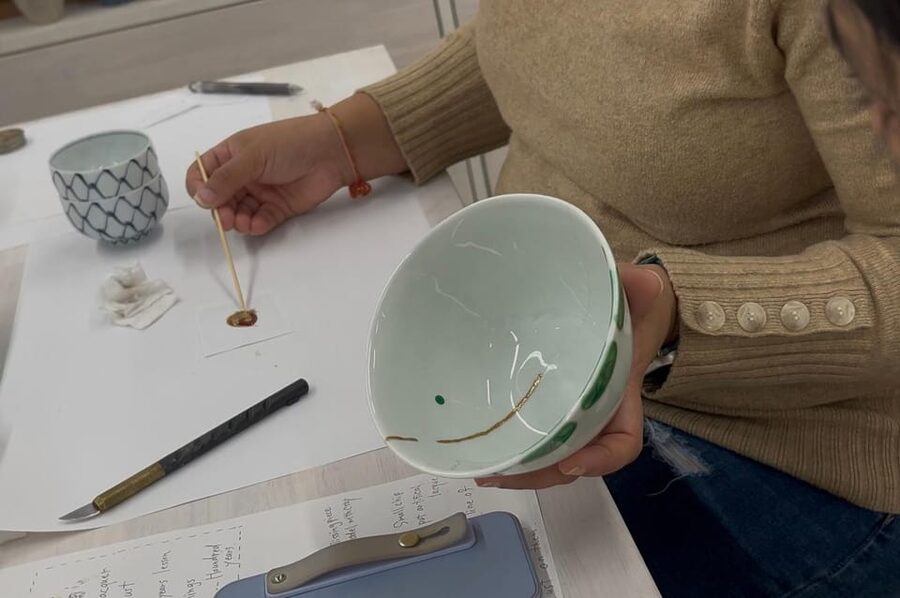
The repaired pottery is yours to take home. One completed project was described as a beautiful bowl with a gold crack, while another participant called the finished work something to treasure. Those comments point to the strongest practical reward of the class: you leave with an object connected to time spent in Tokyo, not just a small item bought from a store.
The piece also makes a thoughtful souvenir because the meaning travels well. You can explain that the crack was repaired rather than covered, and that the repair reflects wabi-sabi ideas about imperfection and change.
Still, check how the finished pottery is intended to be used. The class uses artificial lacquer and gold powder, and the available details do not say that the repaired piece is food-safe, dishwasher-safe, or suitable for regular heating. Ask the instructor about care before using it as a plate or bowl. It may be best treated as a decorative keepsake unless the class gives clear instructions otherwise.
The piece will also need careful packing for the journey home. No special packing service is listed, so bring or request suitable protection if you have a long trip ahead. The class information confirms that you can take the item home, but it does not explain how it is wrapped or dried before departure.
Is $63 a fair price?
The listed price is $63 per person, plus ¥1,000 to ¥2,000 for the plate or pottery piece. At that price, you are paying for a two-hour English-language lesson, instruction, materials such as lacquer and gold powder, a small group setting, and a handmade item.
That can be fair if you value the teaching and the meaning behind the craft. You are not only paying for gold-colored decoration. The instructor explains the background, demonstrates the stages, and helps you complete the work. A small class also gives the activity a more personal feel than a large workshop.
The value is less clear if you expect to repair a large bowl from many pieces. One recent booking felt disappointed after receiving only a small section to fix, and friends in another class worked on an entire bowl. That is the most important price warning here. Confirm the size and condition of the pottery before booking.
The extra plate fee is modest in yen terms, but it should be included in your mental budget. The wording about materials is not perfectly clear, since broken pottery is described as provided while the plate is also listed as an extra. Ask exactly what is included so the final cost and project match your expectations.
Free cancellation up to 24 hours before the activity and reserve-now, pay-later booking reduce the risk if your Tokyo plans are still shifting. Those policies help with flexibility, but they do not remove the need to check the project details.
Who will enjoy this workshop most
I would recommend this to solo visitors, couples, friends, and families with older children. One participant specifically suggested it for children over 12, noting that filing the pottery for roughly half an hour may be difficult for younger kids.
It is a good choice if you want:
- A quiet activity away from Tokyo’s busiest sights
- A small group with a named English-speaking instructor
- A hands-on souvenir made during your trip
- An introduction to Japanese aesthetics through an actual craft
- Two hours of focused work rather than a short demonstration
It may not suit you if you want a large project, a fast result, or a class with no extra charge for the pottery piece. It is also a poor match for anyone who does not enjoy repetitive handwork.
The accessibility information needs careful checking. The activity details describe the workshop as wheelchair accessible, but the same information also lists wheelchair users under not suitable for. Because those statements conflict, contact Bloom Voyage JP before booking if wheelchair access affects your plans. Babies under one year are also listed as unsuitable.
What the strong teaching adds
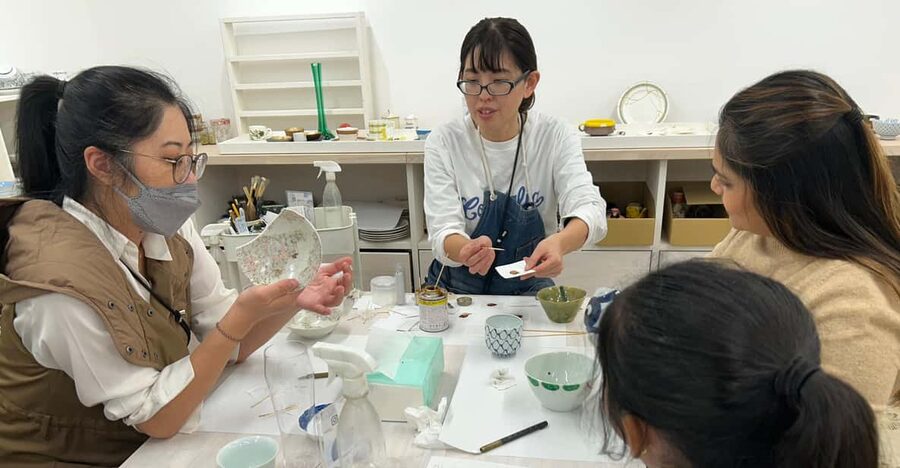
The instructor is central to the experience. Anne is described as having thought through the class carefully, with all the materials ready and each stage explained. Chiara is identified as another instructor who gives clear guidance while allowing you to do the work yourself.
That combination matters. Kintsugi looks simple when you see only the finished gold line, but the process involves several stages and careful handling. A good teacher keeps the activity from becoming either confusing or overly controlled.
The teaching also adds cultural context. You hear about the old methods used to make adhesive and connect the craft with Japanese ideas about preserving damaged objects. This gives the activity more weight than a generic pottery-painting session.
The best praise is consistent on this point: the class is well prepared, clear, friendly, and hands-on. You are encouraged to make the piece yourself, with help available when needed. That is exactly the right teaching style for a craft where the final result should still feel like your own.
Planning the activity in your Tokyo schedule
Set aside the full two hours, then allow extra time for getting to Gakugei Daigaku station and finding the guide. Starting times vary, so you need to check availability for your date.
The class can work well as a slower break between sightseeing days or as an afternoon activity when you want to do something more personal. Since the group is small and the work is detailed, arriving on time is important. You do not want to lose part of the explanation or the filing period.
Bring a patient frame of mind. The workshop is not built around constant movement. It asks you to sit with one piece of pottery and give it attention. That is the point, but it may feel unusual if you have been racing around Tokyo’s shrines, shopping streets, and museums.
If your preferred date is full, contact the provider through WhatsApp as requested. Schedule changes may be possible, though they are not guaranteed.
Should you book this kintsugi class?
Book it if you want a thoughtful, hands-on Tokyo activity and you are happy with a modest pottery project. The small group, English instruction, patient teaching, and take-home keepsake give the class real value, especially for solo visitors, couples, and older children.
Before paying, ask two questions: what exact pottery piece will I repair, and how much of it will I work on? That check addresses the only serious concern in the available feedback. At $63, the experience makes sense when the instruction and reflection matter as much as the finished object.
If you want a large bowl repaired from several pieces, this may not be the right class unless the provider confirms that format. If you like the idea of making a visible flaw part of a personal souvenir, this is a memorable way to spend two quiet hours in Tokyo.
FAQ
Where does the kintsugi workshop meet?
You meet the guide at Gakugei Daigaku station in Tokyo.
How long does the workshop last?
The activity lasts two hours.
What language is the workshop taught in?
The listed teaching language is English.
How many people are in the group?
The group is limited to six participants.
What does kintsugi mean?
Kintsugi means golden joinery. It is the Japanese art of repairing broken pottery with lacquer and powdered metal.
What materials are provided?
The main tools include lacquer and gold powder. The activity information also says that broken pottery is provided, but the plate or pottery piece is separately listed as an extra, so confirm this before booking.
How much does the pottery piece cost?
The plate or piece to work with costs about ¥1,000 to ¥2,000.
Can I take home the pottery I repair?
Yes. You take home the repaired piece as a personal keepsake.
Is the workshop wheelchair accessible?
The information is conflicting. It describes the activity as wheelchair accessible but also lists wheelchair users under not suitable for. Contact the provider before booking to confirm current access arrangements.
Can I cancel for a full refund?
Yes. You can cancel up to 24 hours in advance for a full refund.
More Workshops & Classes in Tokyo
More Craft Workshops in Tokyo
More tours in Tokyo we've reviewed








Craft Workshops, compared.
 ★ 5.0Tokyo Shinjuku Chopsticks Making ClassFrom $20
 ★ 4.8Chopstick Making Workshop in GinzaFrom $251 hour
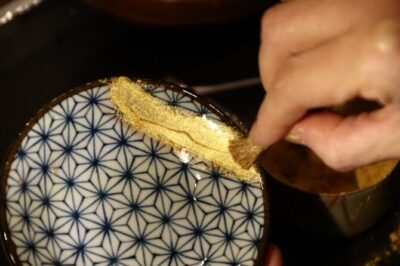 ★ 5.0Kintsugi Experience: Art of Golden Joinery in TokyoFrom $59
 ★ 5.0Tokyo Chopstick Making Workshop with ArtisanFrom $26
Tokyo: Shinjuku Chopstick Making ClassFrom $121 hour
Tokyo: Chopstick-Making WorkshopFrom $61 hour
★ 5.0Tokyo Chopstick Making Workshop with ArtisanFrom $26
Tokyo: Shinjuku Chopstick Making ClassFrom $121 hour
Tokyo: Chopstick-Making WorkshopFrom $61 hour