
Reviewed · TSUKIJI MARKET TOURS
Tokyo: Guided Walking Tour of Tsukiji Market with Lunch
Tsukiji is best understood with your appetite switched on and your eyes open. This 165-minute walk takes you past fish stalls, food shops, restaurants, and wholesalers at work, while your guide helps you sample nine small bites without getting lost in the market maze. The unusual starting point, Tsukiji Hongwanji Temple, gives the tour a cultural edge before the eating begins.
I like two things here. First, the small group size, capped at 10, makes it easier to move through narrow market lanes and ask questions. Second, the food has range: tuna sushi, grilled seafood or beef, Japanese omelette, dashi soup, tea, a filled rice ball, and dessert. The main caution is value. At $113 per person, this is not a bargain food crawl, especially if you expect generous portions or gourmet sushi.
In This Review
- Key points to know
- Starting beneath Tsukiji Hongwanji Temple
- Entering the Outer Market
- What the nine tastings actually include
- Why a guide helps at Tsukiji
- Food, faith, and the culture behind the stalls
- How the timing affects your day
- Is $113 a fair price?
- Who will enjoy this Tsukiji walk?
- Practical tips for a smoother visit
- Should you book it?
- FAQ
- Where does the Tsukiji Market tour meet?
- How long does the tour last?
- How many food tastings are included?
- Is the tour conducted in English?
- How large is the group?
- Is the tour wheelchair accessible?
Key points to know
- Nine tastings cover more than sushi: Try skewers, omelette, fried fish paste, rice, dessert, tea, dashi, and a drink.
- The tour starts at Tsukiji Hongwanji Temple: Meet outside the main gate, only about 50 meters from Tsukiji Station Exit A1.
- You see the working side of Tsukiji: The route includes wholesalers, market workers, stalls, restaurants, and specialty shops.
- A guide makes the market easier to handle: Guides such as Hide, Tomoko, Yumiko, and Sachiko have led relaxed, informative walks.
- The group is limited to 10 people: That matters in tight lanes and at popular food counters.
- Food expectations need adjusting: This is a guided market walk with tastings, not a lavish sit-down lunch.
Starting beneath Tsukiji Hongwanji Temple
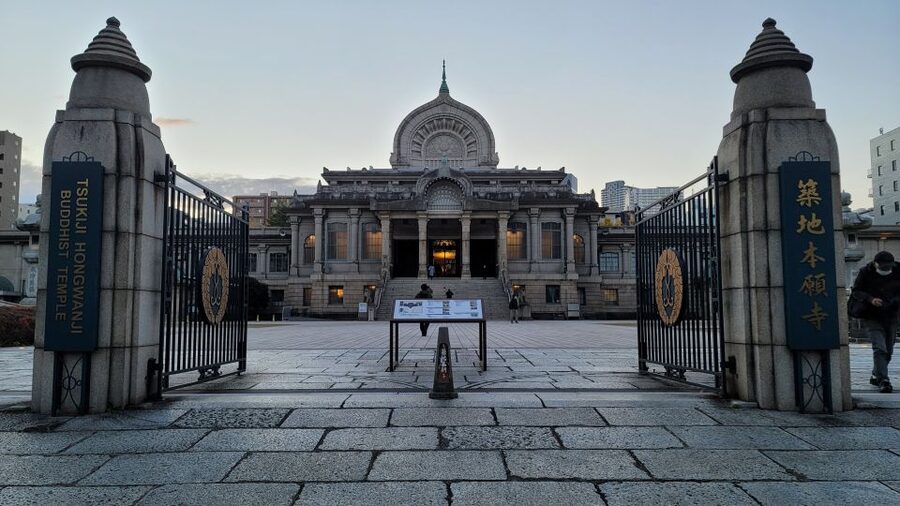
The meeting point is directly in front of Tsukiji Hongwanji Temple. From Tsukiji Station on the Hibiya Line, take Exit A1, turn left, and you will find the temple entrance roughly 50 meters away.
This is a smart place to begin. You are not simply being sent into a food market with an empty stomach and no bearings. The temple’s exterior has an unusual ancient Buddhist-inspired design with Indian influences, quite different from the standard wooden temple image many people expect in Tokyo.
The visit here is mainly an exterior introduction, not a full temple tour. Your guide uses the setting to explain the connection between Japanese religion, daily life, and food. That context helps the market make more sense later. In Japan, eating is not just a matter of grabbing something tasty. Ingredients, preparation, offerings, seasons, and respect for food all carry meaning.
Arrive ready to walk. Comfortable shoes are specifically advised, and that is good advice for any market tour. You will be on your feet for nearly three hours, moving between stalls and tasting stops.
A few more Tokyo tours and experiences worth a look



Entering the Outer Market
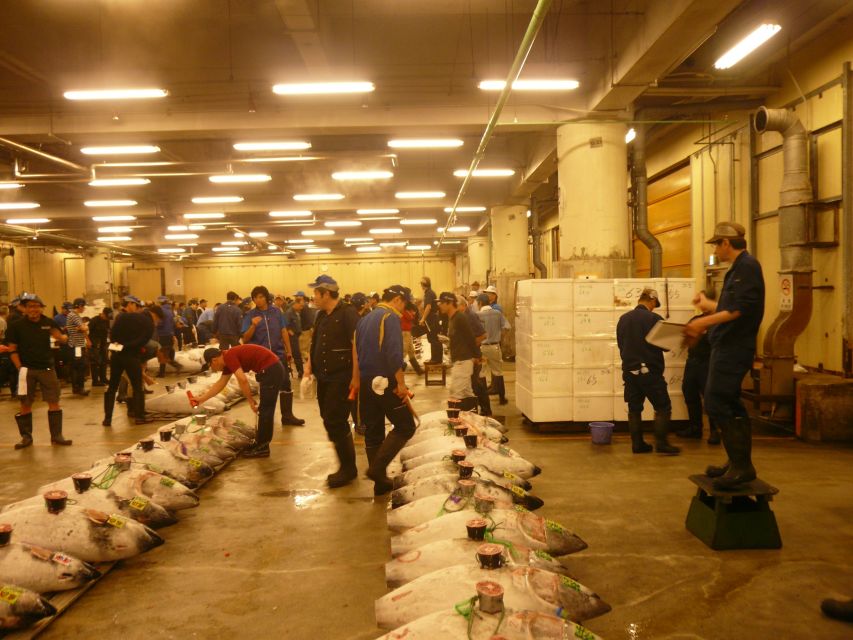
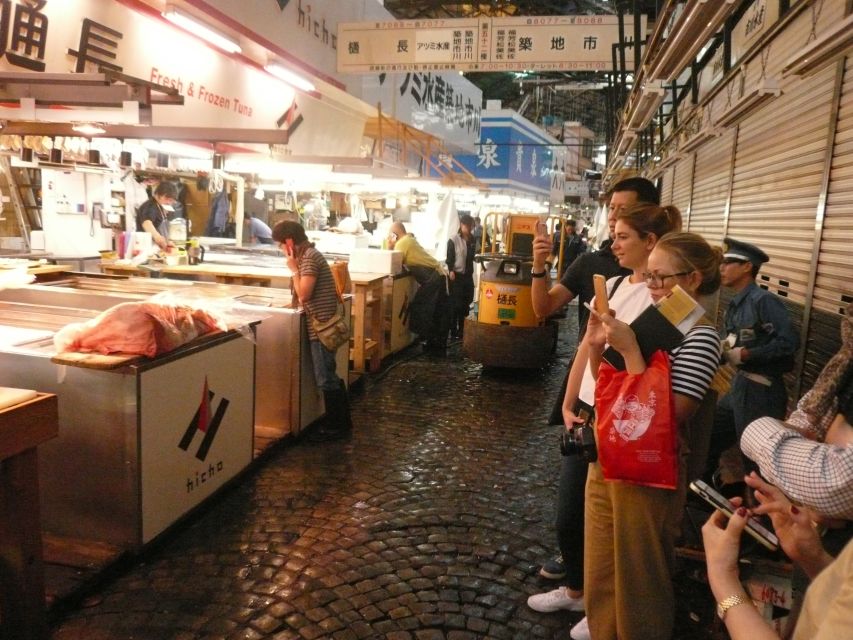
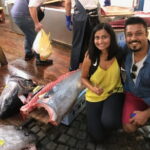
Tsukiji’s wholesale fish auction moved to Toyosu, but the Tsukiji Outer Market remains a major food district. It is filled with small businesses selling seafood, kitchen goods, prepared foods, meat, pickles, sweets, and ingredients used by professional cooks and home kitchens.
The point of this tour is not to rush through every lane. Your guide leads you through a compact area and explains what you are looking at. That can be useful if you have never visited a Japanese market before, since many products may be unfamiliar and shop layouts can feel crowded.
You will see workers handling goods, preparing food, and serving customers. The market is not staged as a museum. Businesses are carrying on with their day, so you should stay aware of people moving supplies and avoid blocking doorways or counters.
This working atmosphere is one of the strongest parts of the experience. You get a closer look at the practical side of Japanese food culture, rather than only visiting polished restaurants aimed at international diners.
The route itself is fairly small. One participant felt that the guide had to work to fill the full time because the covered area was limited. That is worth knowing before you book. If you want a long-distance walking tour through several Tokyo neighborhoods, this is not it. If you prefer a focused look at one important food district, the compact route is easier on your feet and keeps the attention on the market.
What the nine tastings actually include
The food is served in small portions as you walk. The exact choices can vary, but the planned tasting set includes nine local specialties:
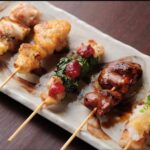
- Grilled seafood or beef skewers
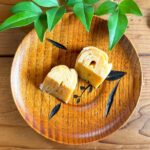
- Japanese-style omelette
- Tuna sushi
- Fried fish paste skewers
- Filled rice balls
- Dessert
- A drink
- Japanese tea
- Dashi soup stock
This is a useful spread because it shows how broad Japanese market food can be. You are not spending the whole tour comparing different pieces of raw fish. The grilled skewers bring smoke and savory flavor, while the omelette shows the soft, slightly sweet style found in Japanese cooking. Dashi gives you a taste of the soup stock that supports so many Japanese dishes.
The seafood or meat skewer may be the most appealing stop for many people, especially when wagyu beef is included. Still, the wording allows for variation, so do not treat wagyu as guaranteed at every departure.
The tuna sushi is a straightforward market sample rather than a high-end omakase course. One disappointed participant found the tuna sushi average and the tuna-filled rice ball too ordinary. Another described the grilled fish as greasy and the dessert as a simple strawberry-based item.
That contrast is important. The tour gives you a chance to taste several everyday foods, but it does not promise nine luxury dishes. You are paying for the guide, the explanations, the coordination, and the chance to sample foods in a busy market. If your main goal is premium sushi, you can spend $113 in a specialist restaurant and get a very different meal.
Why a guide helps at Tsukiji

Tsukiji is easy to reach, but it is not always easy to read. Shops may display ingredients you cannot identify, menus may be brief or Japanese-only, and the best stalls can have lines or limited standing space.
A guide removes much of that friction. Tomoko, one guide praised for her relaxed approach, even queued for food while the group looked around. She also brought food boxes and cleaning wipes, which helped keep the tasting process orderly. Yumiko and her assistant Sachiko were also described as friendly and effective at moving a family through the market.
Those details matter more than they might seem. Nine tastings can become awkward if everyone is juggling cups, skewers, rice, and wrappers in a narrow lane. A guide who handles the practical side lets you pay attention to the food and the market around you.
Hide has also led the walk, helping guests decide what to try and explaining the market as they went. The strongest guide experiences appear to come from this personal attention. You should still remember that guide quality can vary, and the tour is conducted in English. One person felt there was a language barrier at the start, so if you need very detailed explanations, ask questions early and clearly.
Food, faith, and the culture behind the stalls
The cultural layer is what keeps this from being just a sequence of snacks. Your guide explains how Japanese food connects with religion and local customs, beginning at the temple and continuing through the market.
Dashi is a good example. A small sample may not fill you up, but it introduces the savory base used in many Japanese soups and dishes. Tea offers another everyday ritual, while the market itself shows how ingredients move from specialist sellers to kitchens and customers.
The tour also gives you a chance to see food preparation at close range. You might watch workers handle seafood, grill items, arrange products, or serve quick dishes. The value here is in seeing food as part of an active local economy, not as a performance arranged only for visitors.
That said, the cultural explanations depend heavily on your guide. The best accounts connect the temple, market customs, ingredients, and Japanese eating habits. A less engaging guide may leave you with a simple walk and a tray of samples. The small group gives you a better chance to shape the discussion by asking questions.
Other walking tours we've reviewed in Tokyo
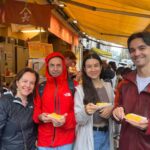
How the timing affects your day
At 165 minutes, this tour takes two hours and 45 minutes. That is enough time for an introduction at the temple, a market walk, nine tastings, and explanations without turning the experience into an all-day commitment.
The length also explains why the food portions are modest. Nine stops take time, particularly when stalls are busy or food needs to be prepared. Think of the tastings as a progressive lunch, not one large meal served at a table.
You may want a small meal before the tour if you have a large appetite. The samples should give you a broad taste of Tsukiji, but the information provided does not promise full-sized servings. You can also continue eating in the market afterward, though additional purchases are not included.
Because the market area covered is limited, the quality of the pacing matters. A confident guide will keep the route moving and use the quieter moments for useful explanations. A slower walk may feel padded. This is another reason the guide is central to the experience.
Is $113 a fair price?
The price is $113 per person, which places this firmly in the premium guided-tour category. The nine tastings alone do not automatically justify that amount, particularly if the food turns out to be basic tuna sushi, a simple rice ball, fried fish paste, and a small dessert.
The price makes more sense if you value three things: an English-speaking guide, a small group, and help navigating Tsukiji. You are also paying for the time spent organizing the tasting sequence and explaining the market’s customs and food culture.
For a family or first-time visitor, that convenience can be worthwhile. You avoid guessing which stalls to choose, wondering how to order, or missing the working parts of the market. For a repeat visitor who already knows Tsukiji and can comfortably order food alone, the cost is harder to defend.
The overall rating is 4.4 from 24 ratings, with several excellent experiences and a few clear reservations about food quality and price. I would treat it as a cultural market tour that includes lunch tastings, not as a food-focused bargain.
Who will enjoy this Tsukiji walk?
I would recommend it most strongly to first-time visitors to Tsukiji, families, and anyone who wants structure in a crowded food district. A group of up to 10 is small enough for questions, and the English guide can explain products that may otherwise pass by too quickly.
It also suits people who want more than raw fish. The mix of grilled meat or seafood, omelette, tea, dashi, rice, fried fish paste, and dessert gives you a broader look at Japanese food.
You may want to skip it if you are a serious sushi hunter, expect a large meal, or prefer to wander independently. The route is compact, the tastings are samples, and the food may feel ordinary for the price.
Wheelchair access is listed, which is useful, though market lanes and shop entrances can still feel tight. The provided information confirms accessibility, but it does not give details about every stall or surface along the route.
Practical tips for a smoother visit
Meet at the temple’s main gate, not deep inside the market. Tsukiji Station Exit A1 is the simplest route, and the short walk from the station makes the starting point easy to find.
Wear comfortable shoes and keep your hands free. You will be walking, eating, and moving through narrow commercial spaces. A small bag is more practical than bulky luggage.
Come with realistic food expectations. The nine items offer variety and local context, but the portions and quality may vary. If you want a bigger meal, plan extra time afterward rather than assuming the tastings will satisfy a very large appetite.
Ask your guide about ingredients, preparation, and customs. The tour gains much of its value through explanation, so do not quietly accept a dish you do not recognize and move on. Guides such as Tomoko, Hide, Yumiko, and Sachiko have shown that personal attention can make the market far easier to understand.
The tour is offered in English, and free cancellation is available up to 24 hours before the start time. You can also reserve now and pay later, which helps if your Tokyo schedule is still shifting.
Should you book it?
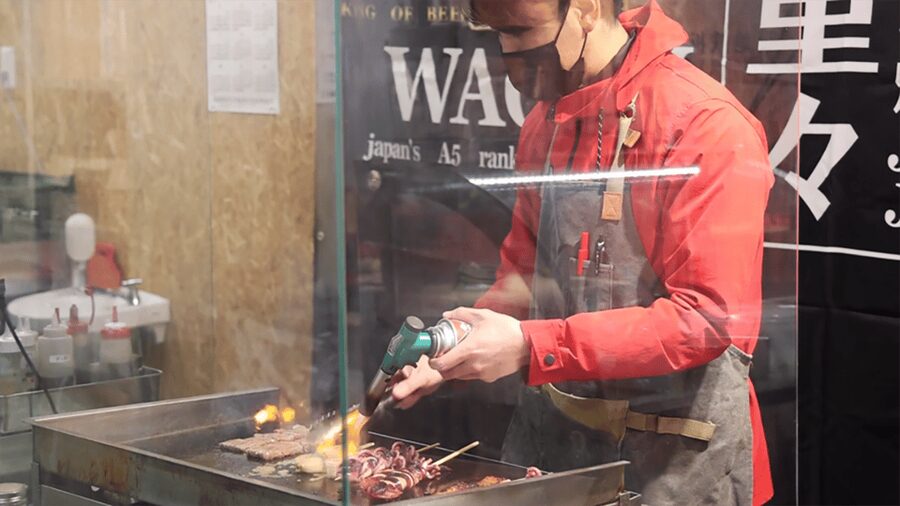
Book this tour if you want an organized introduction to Tsukiji, appreciate local food in small portions, and would rather have a guide explain the market than figure it out alone. The temple opening, working wholesalers, cultural context, and nine tastings create a well-rounded morning or afternoon.
Do not book it expecting a luxury food tour. At $113, the value depends on the guide and the access to context, not on the raw amount of food. If that sounds fair, this can be a friendly and useful way to understand Tsukiji. If premium sushi is your priority, spend your budget elsewhere and explore the market at your own pace.
FAQ
Where does the Tsukiji Market tour meet?
Meet in front of the main gate of Tsukiji Hongwanji Temple. From Tsukiji Station on the Hibiya Line, take Exit A1, turn left, and walk about 50 meters to the temple entrance.
How long does the tour last?
The tour lasts 165 minutes, or two hours and 45 minutes.
How many food tastings are included?
Nine local tastings are included. They include grilled seafood or beef skewers, Japanese omelette, tuna sushi, fried fish paste skewers, filled rice balls, dessert, a drink, Japanese tea, and dashi soup stock.
Is the tour conducted in English?
Yes. The live guide leads the tour in English.
How large is the group?
The tour is limited to 10 participants.
Is the tour wheelchair accessible?
Yes, the activity is listed as wheelchair accessible. Information is not provided about the layout of every individual market stall.
More Guided Tours in Tokyo



More Walking Tours in Tokyo
More Tsukiji Market Tours in Tokyo
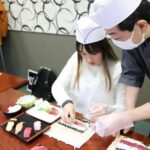
More tours in Tokyo we've reviewed
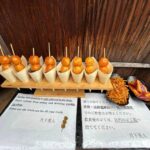


Tsukiji Market Tours, compared.
 ★ 5.0Tokyo Tsukiji Fish Market Food and Culture Walking TourFrom $99
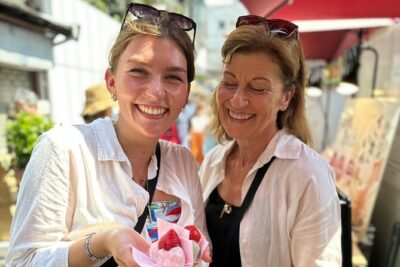 ★ 5.0Tokyo: Tsukiji Fish Market Food and Walking tourFrom $30
 ★ 4.9Tokyo: Tsukiji Fish Market Guided Walking TourFrom $222 hours
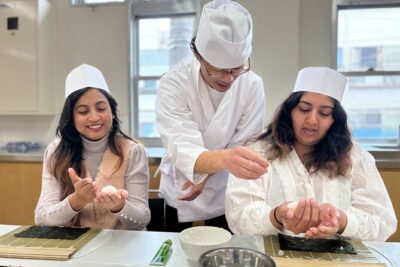 ★ 5.0Tokyo Sushi Making Class in Tsukiji with Professional ChefFrom $49
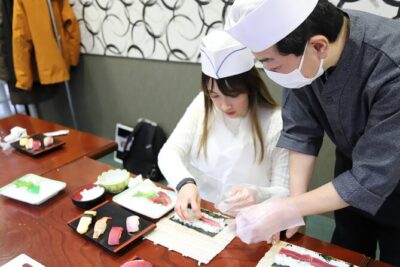 ★ 5.0Tsukiji Fish Market Guided Tour and Sushi Making with Pro ChefFrom $104
★ 4.7Tokyo: Tsukiji Fish Market Food and Culture Walking TourFrom $963 hours
★ 5.0Tsukiji Fish Market Guided Tour and Sushi Making with Pro ChefFrom $104
★ 4.7Tokyo: Tsukiji Fish Market Food and Culture Walking TourFrom $963 hours