
Reviewed · FULL-DAY
Tokyo Full Day Customize Private Tour with English Guide
Tokyo is easiest to enjoy when someone else handles the long crossings between districts. This private day tour links Skytree, Asakusa, Tsukiji, Shibuya, Tokyo Tower, and Odaiba by air-conditioned vehicle, while leaving room to adjust the plan.
I like the small-group setup for up to three people, and I like that your guide can adapt the day to your interests. Guides named in the feedback include Zohan, Ahmed, Ari, and Ali. One practical drawback is that admission to Tokyo Skytree and Tokyo Tower costs extra, and eight major stops can make the day feel packed.
- Hotel pickup and drop-off: Start and finish at your accommodation, with private transportation included.
- A flexible Tokyo sampler: Cover old Asakusa, modern Shibuya, the Imperial Palace area, shrines, towers, and Tokyo Bay.
- English-speaking driver-guide: Your guide provides context, helps with timing, and can take photos at some stops.
- Up to three people: The $370 price is per group, not per person.
- Optional tower admissions: Tokyo Skytree costs 3,200 yen per person, while Tokyo Tower costs 1,200 yen per person.
- Weather matters: Poor weather can lead to a new date or a full refund.
In This Review
- A Private Vehicle Makes a Big Tokyo Day Possible
- Tokyo Skytree Starts the Day With a High View
- Tsukiji Offers Food Culture Without the Old Wholesale Market
- Asakusa Brings Tokyo’s Older Face Into View
- The Imperial Palace Area Gives You Space and History
- Meiji Jingu Is Tokyo’s Quiet Forest Break
- Shibuya Shows Tokyo in Motion
- Tokyo Tower Adds Nostalgia and a Separate Fee
- Odaiba Finishes With Tokyo Bay and Future-Facing Design
- How the Guides Shape the Day
- What the $370 Group Price Really Buys
- Timing, Weather, and Walking Tips
- Who Will Get the Most From This Tour
- Should You Book It?
- FAQ
- How long does the Tokyo private tour last?
- How many people can join the private tour?
- Is hotel pickup and drop-off included?
- Are Tokyo Skytree and Tokyo Tower admission fees included?
- What is included during transportation?
- Can I cancel for a full refund?
A Private Vehicle Makes a Big Tokyo Day Possible
Tokyo spreads across a huge area, and the sights on this route are not clustered in one walkable pocket. Skytree sits east of the center, Meiji Jingu and Shibuya are west, Tokyo Tower is south, and Odaiba is across Tokyo Bay.
That geography explains the main value of this tour. You are not spending the whole day studying train maps, changing lines, and finding the correct station exit. You can sit in an air-conditioned vehicle with WiFi, water, and coffee while your driver-guide handles the movement between districts.
The group limit is three people. That makes the day much more personal than a coach tour, though it also means the price works best when shared by two or three people. At $370 per group, the rough cost is $123 per person for three people, or $185 each for two. For one person, it is a costly day, but the private vehicle and hotel transportation still offer clear convenience.
The advertised duration is about eight to ten hours. The listed stop times add up to nine hours before counting road time, meals, and any changes. You should therefore view the route as a full-day framework, not a promise that every stop will receive exactly its scheduled hour.
Tokyo Skytree Starts the Day With a High View
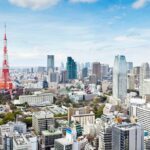
Tokyo Skytree is the tallest stop on the route in more ways than one. At 634 meters, it is the world’s tallest freestanding tower and rises 301 meters higher than Tokyo Tower.
The tower has two public observation levels. If you pay to go up, you get a broad view across Tokyo from a structure designed to give height rather than old-fashioned charm. The admission fee is not included, so budget 3,200 yen per person if you want to enter.
The scheduled visit is one hour. That is enough for a focused look around the tower area, but it may not allow much time for lingering if you also plan to take in an observation deck, shop, or eat nearby. Ask your guide early in the day how much time is practical.
Skytree is a good opening stop because it helps you understand Tokyo’s scale. You can see how far the city stretches, then spend the rest of the day moving through very different districts. If your main goal is to save money, you can treat the tower as an exterior stop since the admission fee is optional and separate.
Other guided tours in Tokyo

Tsukiji Offers Food Culture Without the Old Wholesale Market
Tsukiji is still a useful stop, but it helps to know what it is today. The famous wholesale fish market operated here from 1935 before its wholesale functions moved away. The outer market remains a place for food shops, seafood, kitchen goods, and quick bites.
You receive about an hour here, with no admission fee. That makes Tsukiji an easy place to add to a private route, especially if you want to look around without committing to a formal meal or paid attraction.
The key thing to manage is expectation. This is not the old working wholesale market that once defined Tsukiji. Your guide can give you context and point out what fits your interests, but the stop is best seen as a food-market district rather than a behind-the-scenes fish auction visit.
If breakfast or lunch is important to you, raise that before the day begins. The route has many stops, and a private tour gives you a better chance to discuss food timing than a fixed group schedule.
Asakusa Brings Tokyo’s Older Face Into View
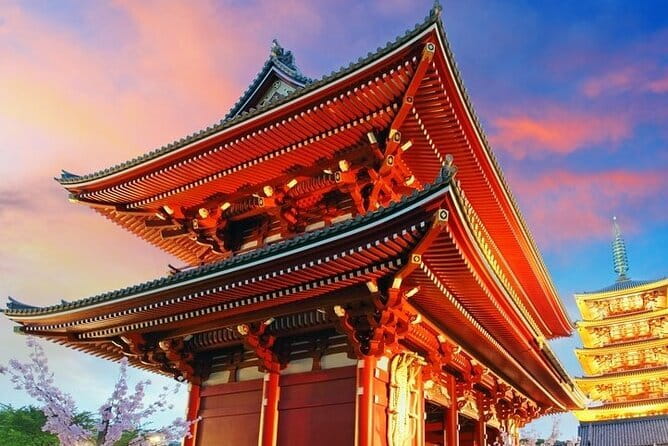
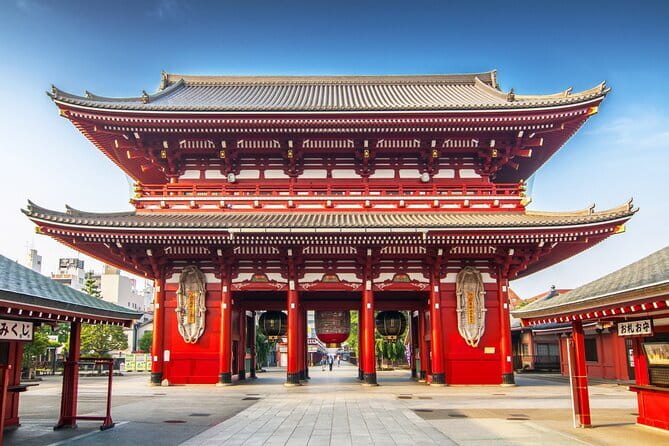
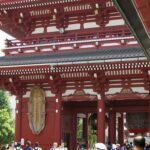
Asakusa centers on Sensoji, one of Tokyo’s best-known Buddhist temples. The district gives you a sharp change of pace after the height and modern engineering of Skytree.
You have about an hour here, and there is no admission fee for the stop. That hour is useful for seeing the temple precinct and the surrounding traditional streets, though it is not a long visit for every corner of the area.
Asakusa is one of the places where a guide adds real value. A good explanation can help you understand the difference between a Buddhist temple and a Shinto shrine, as well as the role of Sensoji in Tokyo’s identity. The route later includes Meiji Jingu, so seeing both places gives your day a helpful point of comparison.
The private format also lets you set the pace. If you want temple architecture and photographs, say so. If you prefer to keep moving toward Shibuya or Tokyo Tower, the guide can help protect time elsewhere.
The Imperial Palace Area Gives You Space and History
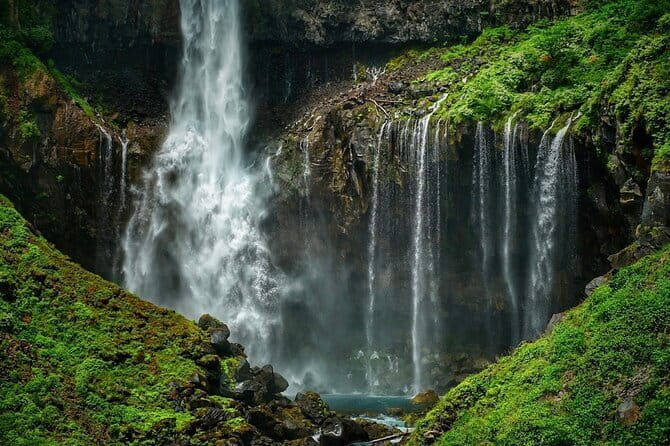
The Imperial Palace occupies the site of Edo Castle, once home to the shogun before 1868. Moats, thick walls, and carefully maintained gardens surround the grounds associated with the emperor of Japan.
The stop lasts about an hour and has no admission charge listed. The value here is not a single indoor attraction. It is the contrast between central Tokyo’s busy streets and the palace grounds, along with the chance to connect modern Japan to the era of the shogunate.
You should not assume that every part of the palace interior is open during your visit. The tour information describes the palace area and grounds, not guaranteed access to private or restricted sections. Your guide can explain what you are seeing and help you make the most of the time available.
This is also a sensible point to keep your expectations measured. The palace is more about views of walls, gates, moats, and gardens than a grand palace-room tour. If you prefer lively streets and shops, you may want to spend less time here and more time in another district.
Meiji Jingu Is Tokyo’s Quiet Forest Break
Meiji Jingu covers about 70 hectares of forest in the middle of the city. That setting is its main appeal. After several urban stops, you enter a broad shrine precinct where the city noise can feel far away.
The visit lasts roughly an hour and admission is free. Meiji Jingu is a Shinto shrine, giving you another useful contrast with Sensoji in Asakusa. The two stops together help you see how different religious traditions occupy space in Tokyo.
The forest setting does not mean this is a short stroll from vehicle to shrine. You should be ready for some walking, even though the private vehicle reduces the walking needed between districts. Comfortable shoes remain a good idea.
Meiji Jingu can also be a good place to slow the day down. Tell your guide if you want time to observe the shrine grounds rather than simply stop for a quick photograph.
Other private tours in Tokyo

Shibuya Shows Tokyo in Motion
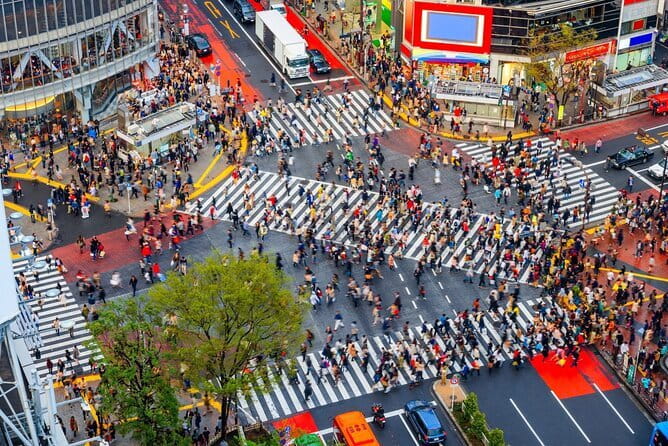
Shibuya Crossing is one of Tokyo’s most recognizable city scenes. It sits outside Shibuya Station’s Hachiko exit, where vehicles stop and pedestrians cross in several directions at once.
The scheduled visit is about an hour, with no admission fee. You can see the crossing from street level, then use your remaining time to take in the surrounding district. The route does not specify a paid observation deck or a particular building, so do not assume one is included.
Shibuya is a strong stop for first-time visitors because it gives you a quick sense of Tokyo’s modern city life. It is also an area where timing matters. The crossing may feel very different depending on the hour, weather, and crowd levels, and your guide can help you decide how long to stay.
One advantage of a private guide is that you can ask for photographs. Zohan, in particular, is described as walking with the group at some stops and taking pictures. That is a useful touch when you are traveling with family or as a couple and do not want every photograph to be a selfie.
Tokyo Tower Adds Nostalgia and a Separate Fee

Tokyo Tower was completed in 1958 as a communications and observation tower. At 332.9 meters, it once held the title of Japan’s tallest tower. Today, it offers a more traditional Tokyo skyline experience than Skytree.
The planned visit is two hours, the longest single stop on the route. Admission is not included and costs 1,200 yen per person. If you enter both Skytree and Tokyo Tower, the extra fees add up quickly, especially for three people.
You do not need to visit both towers unless that is a priority for you. Skytree gives you greater height, while Tokyo Tower offers a classic symbol of postwar Tokyo and a central Minato location. The private format lets you decide if both are worth the time and cost.
Two hours may include more than simply going up the tower, but the exact use of that time depends on your plan. Ask your guide how the stop fits with traffic, weather, and the rest of the route before paying for admission.
Odaiba Finishes With Tokyo Bay and Future-Facing Design
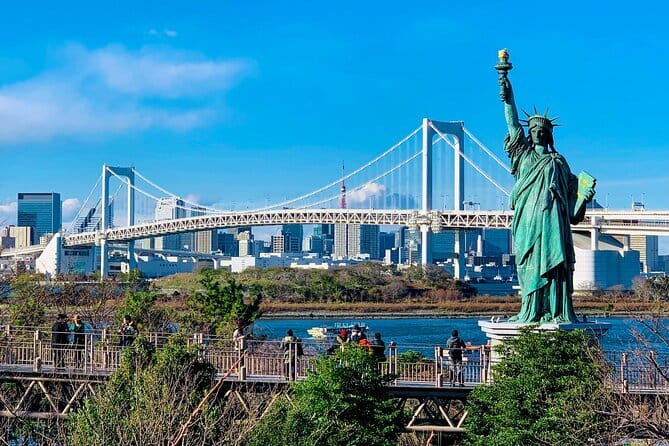
Odaiba sits on an artificial island in Tokyo Bay and can be reached by Rainbow Bridge or the futuristic Yurikamome train. The district is known for entertainment, open space, and its waterfront setting.
The tour allows two hours here, making Odaiba one of the day’s more relaxed stops. Seaside Park offers a chance to look across the bay, and the area can provide a welcome change after temples, crossings, and city streets.
Odaiba’s appeal depends on what you want from Tokyo. It is not the best use of time if your priority is old neighborhoods or museums elsewhere in the city. It is a good fit if you want modern architecture, waterfront views, and a less compressed final stop.
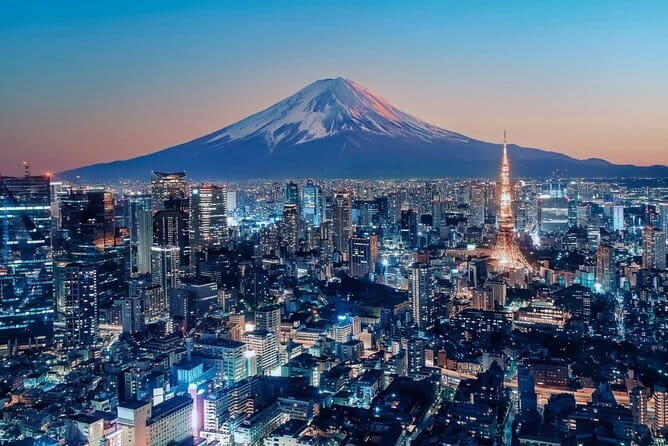
The tour information notes possible Mount Fuji views from Odaiba, but visibility depends on weather. Do not book this route solely for that view. Treat it as a possible bonus rather than a sure part of the day.
How the Guides Shape the Day
The English-speaking guide is central to the experience. You are not simply being driven between photo stops. The tour promises facts, local insight, help getting your bearings, and recommendations around Tokyo.
The named guides in the feedback include Zohan, Ahmed, Ari, and Ali. Their specific approach may vary, but the useful pattern is clear: you should discuss your interests before the vehicle sets off. Ahmed is described as offering a broad route with flexibility, while Ari called the night before to discuss the schedule in light of poor weather.
That pre-tour conversation matters. You can explain if you care most about temples, food, towers, photographs, or seeing as many districts as possible. You can also discuss the weather and decide which outdoor stops deserve priority.
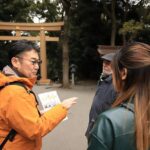
The guide may walk with you at some stops and help take photographs. That is not a substitute for a professional photography service, but it makes the day easier for people who want a record of the trip without asking strangers repeatedly.
What the $370 Group Price Really Buys
The price is $370 for a group of up to three. It includes an air-conditioned vehicle, private transportation, WiFi on board, an English-speaking driver, hotel pickup and drop-off, and water or coffee.
The strongest value comes from the combination of private transport and route flexibility. You are paying for time saved and a simpler day, not just for entry to attractions. Since most major stops have no admission fee, the included vehicle and guide are the main product.
Extra costs are clear:
- Tokyo Skytree: 3,200 yen per person
- Tokyo Tower: 1,200 yen per person
- Food and personal purchases: not specified as included
For three people, the group rate is easier to justify. For two people, it can still make sense if you value hotel pickup and do not want to organize a full day across Tokyo. For one person, compare the cost with your own comfort level and transport plans.
I would not choose this tour mainly to save money. I would choose it to see a wide range of Tokyo in one day with less planning and fewer transport headaches.
Timing, Weather, and Walking Tips
The day is long. Even with a private vehicle, you will get in and out at several stops, walk around temple and shrine grounds, and spend time outdoors. The vehicle lowers the step count compared with a fully self-guided day, but it does not turn the experience into a seated sightseeing ride.
The route includes eight stops, and the planned stop times total about nine hours. Traffic can affect the order and length of each visit. If you want a slower experience, agree on priorities rather than trying to give every stop equal attention.
Good weather matters because several stops are outdoors and the value of towers depends on visibility. If poor weather causes cancellation, you are offered another date or a full refund. The same applies if the minimum number of participants is not met.
You can cancel for a full refund up to 24 hours before the start time. Changes or cancellations inside that window are not accepted for a refund, and cut-off times follow local Tokyo time.
Who Will Get the Most From This Tour
This is a strong choice for a first visit when you want a broad introduction to Tokyo in one day. It suits couples, families, and small groups who prefer a private vehicle to navigating a large rail network on their own.
It is also useful if you have limited time and want to compare several sides of the city: temple culture in Asakusa, Shinto tradition at Meiji Jingu, imperial history, modern Shibuya, two towers, and Tokyo Bay.
You may want something else if you prefer slow neighborhood walks, long meals, museums, or a single theme. The schedule covers a lot, but breadth always limits the time available at each place.
Most people can participate, and the tour is near public transportation. Still, the supplied details do not give a full accessibility description, so ask the provider about your specific mobility needs before booking.
Should You Book It?
Book this tour if you want a wide Tokyo overview with private hotel transport, especially when two or three people can share the $370 group cost. The flexible approach is its best feature, and the guides appear prepared to adjust the day around your requests and the weather.
Before you commit, decide which stops matter most. I would not insist on entering both towers unless you love observation decks. Instead, use the private format to protect time for the places you care about, and let your guide adjust the route when Tokyo traffic or rain gets in the way.
FAQ
How long does the Tokyo private tour last?
The tour lasts approximately eight to ten hours. The day includes eight scheduled stops, with planned visit times ranging from one to two hours.
How many people can join the private tour?
The price covers one private group of up to three people. Only your group participates in the activity.
Is hotel pickup and drop-off included?
Yes. Hotel pickup and drop-off are included, along with private transportation in an air-conditioned vehicle.
Are Tokyo Skytree and Tokyo Tower admission fees included?
No. Tokyo Skytree admission costs 3,200 yen per person, and Tokyo Tower admission costs 1,200 yen per person.
What is included during transportation?
The tour includes an air-conditioned vehicle, WiFi on board, an English-speaking driver, and water or coffee.
Can I cancel for a full refund?
Yes, you can cancel at least 24 hours before the experience start time for a full refund. Cancellations or changes made less than 24 hours before the start time are not refunded.
More Full-Day in Tokyo
More Private Tours in Tokyo
More Guided Tours in Tokyo

More tours in Tokyo we've reviewed



Full-Day, compared.
 ★ 4.5From Tokyo: Mount Fuji Full-Day Sightseeing TripFrom $6810 hours
 ★ 4.9Mount Fuji Full-Day Private Tour from Tokyo (Customizable)From $393
 ★ 5.0Tokyo Private Full-Day Tour by Car or VanFrom $321
 ★ 4.7From Tokyo: Must-Visit Mount Fuji Highlight Full-Day TourFrom $6911 hours
 ★ 4.5Mt. Fuji, Hakone Full-Day Private Tour with English Driver GuideFrom $495
 ★ 4.8From Tokyo: Mount Fuji Full-Day Customizable Private TourFrom $48310 hours