
Reviewed · CRAFT WORKSHOPS
Tokyo Family Culture Workshop: Calligraphy, Origami &Yukata Photo
The most appealing part of this Hiroo workshop is its small, private setting. You move from calligraphy and origami to a yukata photo session without rushing through a crowded attraction, and your finished work becomes a personal souvenir rather than another shop purchase.
I like the way the activities work for different ages, and I like the warm cultural exchange when a local Japanese child is available. The hosts speak English and Japanese and take time with beginners. The main point to consider is yukata sizing, since available sizes are limited, and the workshop is best suited to one private group rather than people seeking a large social class.
In This Review
- Key points to know before booking
- A quiet family activity in Hiroo
- Your first five minutes: a personal welcome
- Origami first, with about 45 minutes to learn
- Calligraphy on a shikishi board
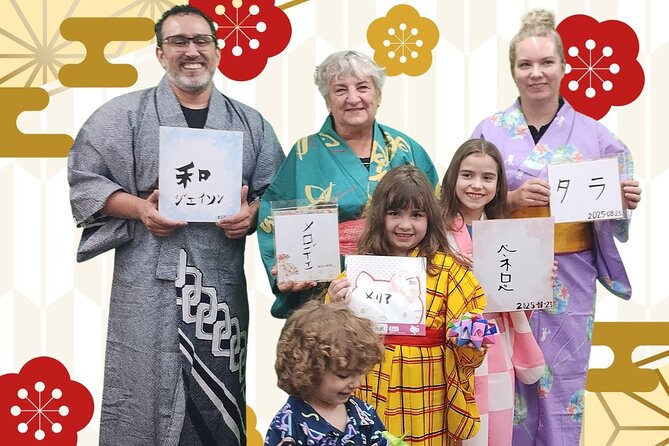
- Yukata fitting and photos with your artwork
- Seasonal crafts may change the experience
- What the price includes at $32.52 per person
- Who will get the most from this workshop
- Practical details that matter
- Is this Tokyo workshop worth booking?
- FAQ
- How long does the Tokyo Family Culture Workshop last?
- Is this a private activity?
- What activities are included?
- Are materials and yukata included?
- Can children take part?
- Where does the workshop begin and end?
Key points to know before booking
- Private Hiroo studio: Only your group takes part, giving families a calm place to work at their own pace.
- Three hands-on activities: You make origami, practice brush calligraphy, and wear a summer kimono for photos.
- Personalized artwork: Write your name, a favorite word, or a meaningful kanji on a shikishi board.
- Good for children: Kids can fold simple origami, play Japanese games, and enjoy cultural exchange when local children are available.
- About three hours: The workshop includes instruction, materials, yukata use, photos, and a protected souvenir.
- Check clothing sizes: Most people can wear a yukata, but options are limited, so ask ahead if sizing is important.
A quiet family activity in Hiroo
Tokyo can wear you out. After temples, department stores, train stations, and long walks, a private craft session gives your family a slower change of pace. This workshop takes place in Hiroo, in Tokyo’s Shibuya area, at 5-chome 4-12 in the Taisei Building.
You are not being led from one major sight to another. Instead, you sit down, use your hands, and learn a few Japanese traditions in a relaxed room. That difference matters. A child who has had enough of sightseeing may still enjoy making a paper figure or choosing a kanji character.
The format is private, so only your group participates. That makes it easier to ask questions, pause for a child, or spend extra time on a favorite craft. It also means you should not book this expecting a large class with lots of other families.
The workshop lasts about two and a half to three hours. That is long enough for the activities to feel worthwhile, but short enough to fit into a day of Tokyo sightseeing. Transportation to the studio is not included, so you will need to make your own way to the meeting point. The location is near public transportation.
A few more Tokyo tours and experiences worth a look

Your first five minutes: a personal welcome
The opening is simple. You check in privately, meet the instructor, and receive an introduction to the activities. A friendly local Japanese child may also be present for cultural exchange, although this is dependent on availability.
That last detail is important. The child-to-child element can add a special spark for families, but it is not something you should treat as guaranteed. The core workshop remains the crafts, calligraphy, and yukata session.
The teaching style is aimed at beginners. English and Japanese are spoken, and the instruction is described as patient and helpful. You do not need previous experience with a brush, Japanese writing, or paper folding.
Origami first, with about 45 minutes to learn
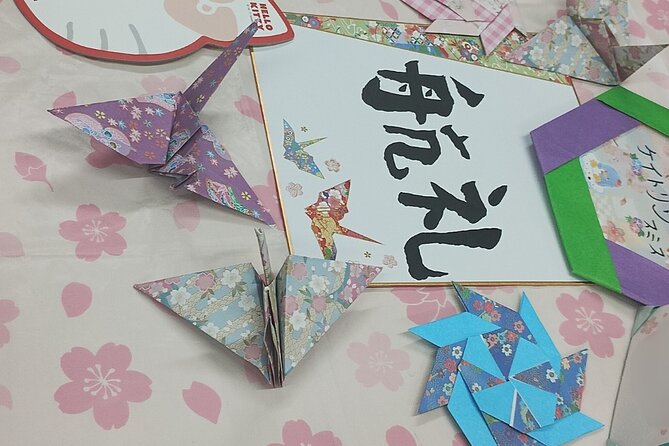
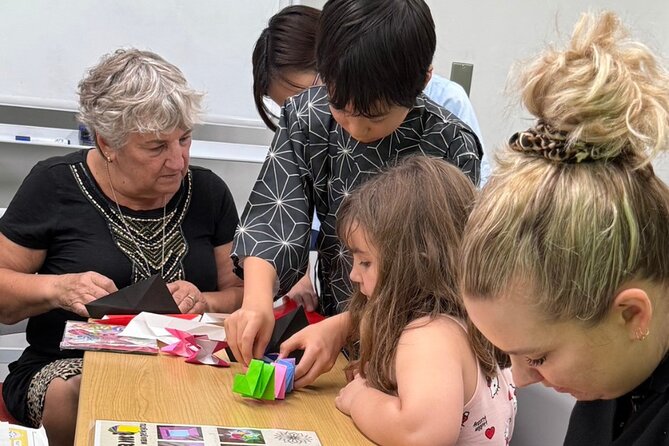
The origami session lasts about 45 minutes. You receive a demonstration, then try traditional folds with guidance. The workshop is designed so children can take part, not just watch adults make the finished piece.
Origami is a good opening activity because it is easy to understand at a glance. You begin with a flat sheet of paper, follow a few folds, and end with a recognizable shape. For younger children, the satisfaction comes from the process. Older children and adults may enjoy trying to make their folds neat and exact.
Do not expect an advanced paper-art class. The value here is the shared activity and the chance to try a familiar Japanese craft with help nearby. If your family has never done origami, this should feel approachable. If you already fold complex designs, the session may seem basic.
The timing also gives you room to make mistakes. That is useful when you are working with children, since a rushed craft class can turn into a race to keep up. Here, the workshop plan allows nearly three quarters of an hour for the activity.
Calligraphy on a shikishi board
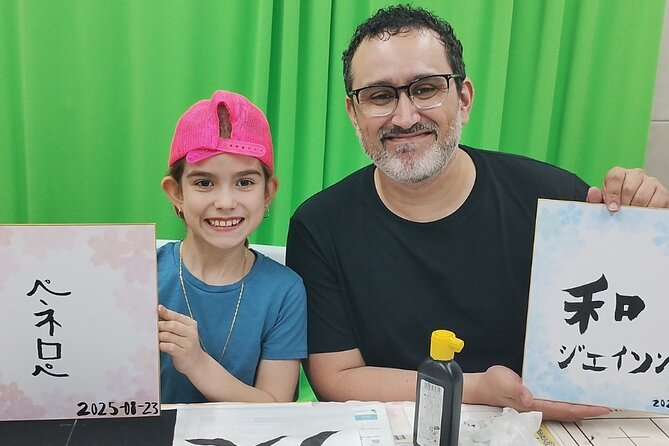
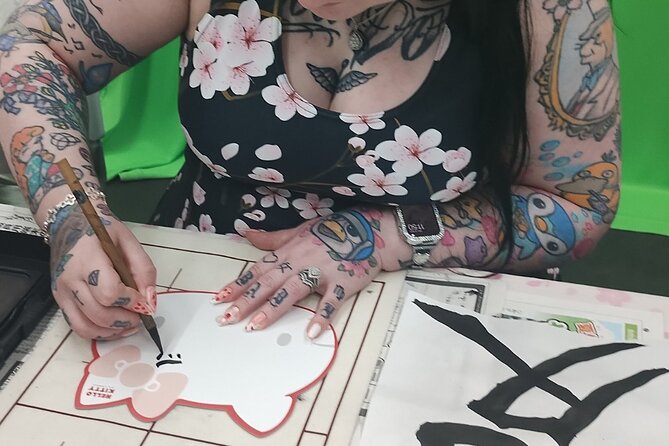
The calligraphy session also takes about 45 minutes. You use brush and ink to write your name, a favorite word, or a meaningful kanji on a shikishi board.
A shikishi board is a firm decorative board often used for writing, artwork, or signatures. It gives your calligraphy a more finished feel than a practice sheet. You are creating something that can be protected and carried home, rather than simply washing ink from a brush and moving on.
Choosing the character is part of the fun. You might write your name in kanji, select a word with personal meaning, or ask for help deciding what to put on the board. The supplied information does not promise a specific translation service or a set list of characters, so it is sensible to ask the instructor about your choice during the session.
The calligraphy is guided by a licensed teacher. That matters because Japanese brush writing depends on more than making dark marks on paper. You learn how to hold and move the brush, then work toward a result you will want to photograph and keep.
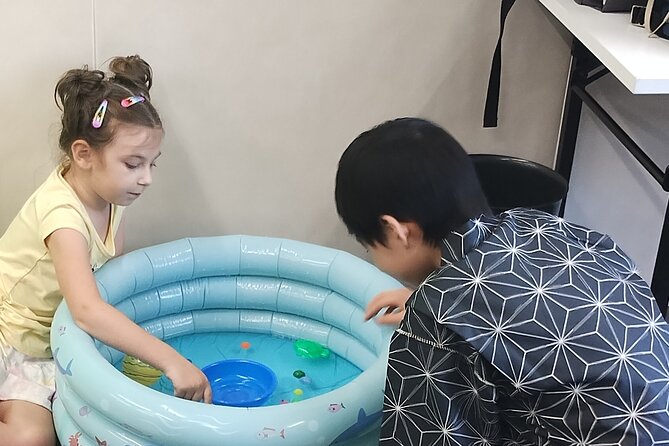
Adults can focus on their boards while children play easy Japanese games. This is a practical family feature. Not every child will want 45 minutes of quiet brush work, and the plan gives younger participants another way to stay involved.
At the same time, the games are not a substitute for supervision or a separate childcare service. You should remain responsible for your children while adults work on calligraphy.
Yukata fitting and photos with your artwork
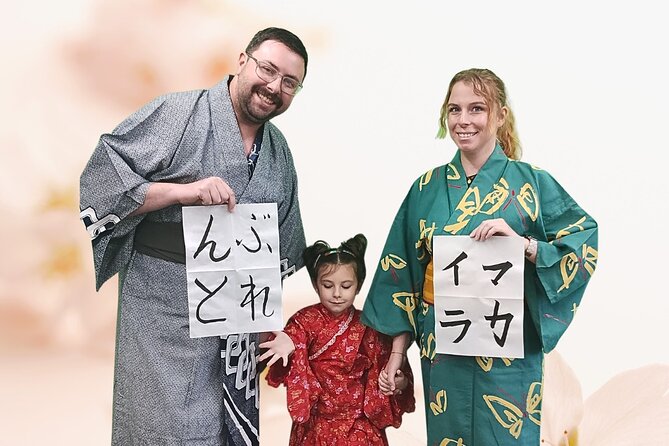
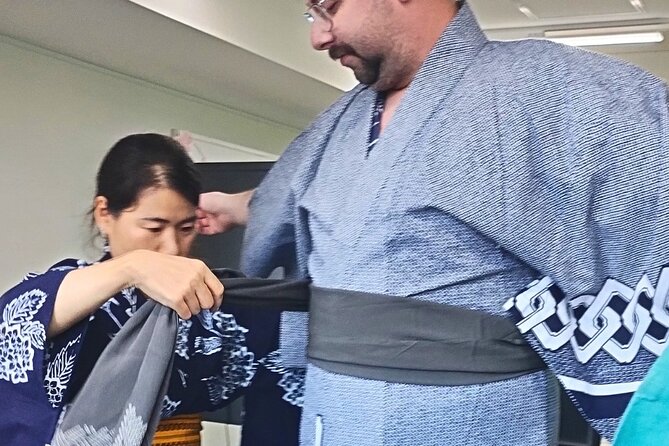
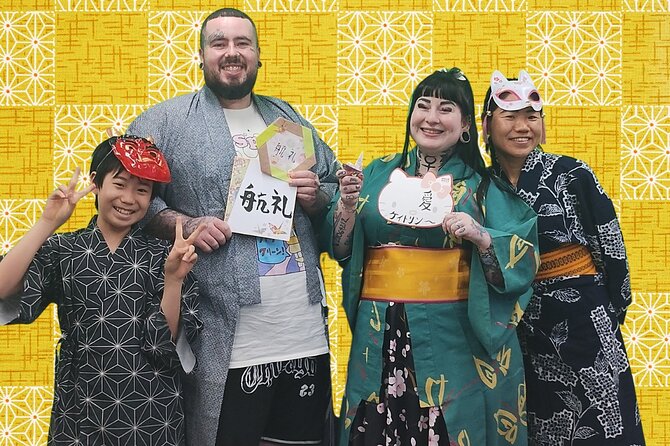
The final major section lasts about 40 minutes. You change into a yukata, Japan’s lightweight summer kimono, then take photos with your handmade artwork.
This is more relaxed than a formal kimono dressing experience. The goal is a family memory, not a long costume presentation. You get to see your calligraphy and origami in a setting that feels distinctly Japanese, while the photos give you something to share or print later.
The clothing sizes are limited, although options are available for most people. If a particular family member is tall, very small, or needs a less common size, contact the provider before booking. The workshop does not promise that every size will be available.
Because the photo period is built into the three-hour schedule, you should not assume you will receive a full professional photography package. You will have a photo session, but details such as the number of images, editing, delivery method, and who takes the photographs are not specified.
Still, the combination makes sense. You have just made something by hand, and now you use it as part of the final scene. The artwork is not an afterthought placed in a bag at the end.
A few more Tokyo tours and experiences worth a look





Seasonal crafts may change the experience
Some dates may include extra seasonal options such as daruma painting or washi-paper art. These are not guaranteed activities, so you should check Instagram or send a message if one is important to you.
That flexibility can be a plus for repeat visitors or families returning to Tokyo at a different time of year. It also means the exact craft menu may vary. Book this for the reliable core activities, calligraphy, origami, and yukata photos. Treat the seasonal craft as a possible bonus.
Daruma painting and washi-paper art also offer a different kind of souvenir. Calligraphy gives you a word or name, while a painted daruma or washi project may feel more decorative. Ask before your date if you want to plan around one of these options.
What the price includes at $32.52 per person
At $32.52 per person, the price is reasonable for a three-hour private activity that includes materials, tools, instruction, yukata use, and a souvenir. You are paying for more than a short demonstration. Each person has time to make two crafts and take part in the photo session.
The private format improves the value for a family. You are not paying for a large attraction with admission lines or a quick photo stop. You get a reserved experience built around your own group, which can be especially useful when children need breaks or extra explanation.
The price does not include transportation to or from Hiroo. Add that cost and travel time when comparing this with activities closer to your accommodation. The meeting point is near public transportation, which keeps the journey manageable, but you still need to arrange it yourself.
For a solo visitor, the private format may feel less economical than a group class. For a family wanting a shared memory, the combination of activities and the take-home artwork makes the price easier to justify.
Who will get the most from this workshop
I would recommend this for families with children who enjoy making things, dressing up, or meeting local people. It also suits adults who want a gentle introduction to Japanese crafts without committing to an advanced class.
Beginners are welcome. You do not need to know Japanese calligraphy or origami before arriving. The instructor explains the activities, and the hands-on format lets you learn by trying.
The workshop also works well for families who want a break from major sightseeing. Three hours in one place can reset the day, especially if your schedule has been full of temples, museums, and shopping.
You may want to choose something else if your main goal is a formal kimono ceremony, advanced calligraphy training, or a large class with many new people. The yukata is a summer kimono, not a full formal kimono experience. The craft instruction is friendly and accessible, rather than designed for serious students.
Practical details that matter
Confirmation arrives within 48 hours of booking, subject to availability. Since the experience is often booked well ahead, with an average lead time of about 37 days, reserve early if your Tokyo dates are fixed.
The activity begins and ends at the Hiroo meeting point. Plan to arrive ready for a private check-in and introduction. Since the total time is listed as approximately two and a half to three hours, allow a little flexibility after the scheduled finish.
Mobile tickets are supported. All workshop materials and equipment are provided, so you do not need to bring craft tools. You will receive a protected souvenir at the end, which is useful for keeping the calligraphy board safe on the rest of your trip.
Free cancellation is available if you cancel at least 24 hours before the local start time. Cancellations or changes made inside that period are not refunded or accepted.
Is this Tokyo workshop worth booking?
Book it if you want a calm, private family activity with real hands-on work. The strongest features are the patient English and Japanese instruction, the chance to create a calligraphy piece on a shikishi board, and the way the session gives children their own role through origami and Japanese games.
I would be most comfortable recommending it to families who value shared time over a packed sightseeing schedule. Check yukata sizing in advance, ask about seasonal crafts if they matter to you, and remember to arrange transportation to Hiroo.
For a reasonable per-person price, you receive several connected activities and a handmade souvenir. That makes this a good choice for families who want to take home a memory they made themselves, not simply something they bought in Tokyo.
FAQ
How long does the Tokyo Family Culture Workshop last?
The workshop lasts approximately two and a half to three hours. The listed activity sections include a five-minute welcome, a ten-minute demonstration, 45 minutes of origami, 45 minutes of calligraphy, and 40 minutes for yukata fitting and photos.
Is this a private activity?
Yes. Only your group participates in the workshop.
What activities are included?
The core activities are origami, Japanese calligraphy, and a yukata photo session with your artwork. Seasonal crafts such as daruma painting or washi-paper art may sometimes be available, but you should check in advance.
Are materials and yukata included?
Yes. Workshop materials, tools, equipment, and yukata use are included. A souvenir to take home and guidance from a licensed teacher are also included.
Can children take part?
Yes. The workshop is family-friendly, and children can try simple origami. While adults work on calligraphy, children can enjoy easy Japanese games and cultural exchange with a local Japanese child when available.
Where does the workshop begin and end?
It begins and ends at the meeting point in Hiroo, Shibuya, Tokyo, at 5-chome 4-12 in the Taisei Building. Transportation to and from the meeting point is not included.
More Workshops & Classes in Tokyo
More Craft Workshops in Tokyo

More tours in Tokyo we've reviewed




Craft Workshops, compared.
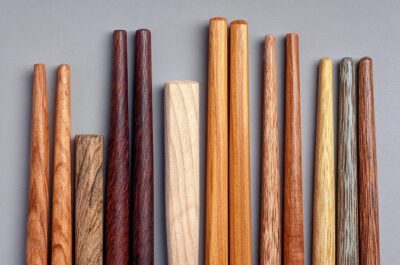 ★ 5.0Tokyo Shinjuku Chopsticks Making ClassFrom $20
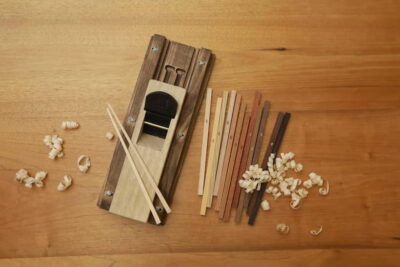 ★ 4.8Chopstick Making Workshop in GinzaFrom $251 hour
 ★ 5.0Kintsugi Experience: Art of Golden Joinery in TokyoFrom $59
 ★ 5.0Tokyo Chopstick Making Workshop with ArtisanFrom $26
Tokyo: Shinjuku Chopstick Making ClassFrom $121 hour
Tokyo: Chopstick-Making WorkshopFrom $61 hour